
Одежда сельского населения Кубани и продукция массового пошива в 1920–1930 гг.: динамика потребительского спроса
Журнал: Наследие веков @heritage-magazine
Рубрика: Региональные исследования истории и культуры
Статья в выпуске: 2 (46), 2026 года.
Бесплатный доступ
В исследовании рассмотрены традиционные и урбанизированные формы одежды сельского населения Кубани в 1920–1930-х гг. для выявления динамики потребительского спроса на продукцию фабричного производства. Костюм и ряд его компонентов анализируются через дихотомию «крестьянский – городской». Материалами послужили документы из фондов Государственного архива Краснодарского края, газетная периодика, музейные фотоматериалы и документальное кино. Изучены основные виды и формы костюма сельского населения региона, выявлены потребительский спрос на некоторые виды одежды, выпускавшейся швейными трестами, ассортиментная политика и классовый принцип распределения дефицитных товаров в период реконструкции сельского хозяйства. Установлено предпочтение потребителями традиционных форм одежды, краткий ренессанс казачьего костюма в период нэпа и высокий спрос на отдельные виды мануфактурных изделий. При выборе одежды превалировала ориентация на ее качество и практичность, модность же была второстепенной.
Короткий адрес: https://sciup.org/170213621
IDS: 170213621 | УДК: [39+94(470.62)”1920/1930”]:[391: 339.133.017] | DOI: 10.36343/SB.2026.46.2.006
Clothing of Rural Population of Kuban and Mass-Produced Goods in the 1920s–1930s: Dynamics of Consumer Demand
The paper examines the persistence and transformation of traditional and urbanized clothing forms among the rural population of Kuban during the 1920s–1930s in order to reveal the dynamics of consumer demand within the peasant/urban dichotomy. The materials used comprised documents from the holdings of the State Archive of Krasnodar Krai, newspaper periodicals, museum photographic materials, and documentary films. Methodologically, the study relies on a combination of comparative, historical-genetic, and reconstructive methods, which enables the author to link scattered archival data on production and consumption into an integrated model. By collating accounting documents from rural ready-to-wear stores with ethnographic descriptions and photographic evidence, the study reconstructs the economic chain “production – distribution – consumption” and traces the adaptation of peasant demand to factory-made goods. It has been established that factory‑made clothing was distributed in a number of rural settlements of the Kuban and Don okrugs of the North Caucasus Krai through a network of ready‑to‑wear stores operated by the regional branches of the State Universal Store (GUM) and the joint‑stock company Textiltorg. These outlets also functioned as control and assortment points, and they recorded the transfer of mass‑produced garments into the peasant milieu. The study reveals that demand for urban‑style clothing among the rural population of the region—predominantly male—was negligible during this period: consumers exhibited a clear preference for traditional forms. The sole exception was fashionable women's ready‑made garments produced by the republican trust Moskvoshei, which enjoyed considerable popularity. At the same time, consumers favoured inexpensive wadded men's and women's coats and three‑quarter coats, quilted jackets, wide trousers, and peasant‑style undergarments, with their choices guided primarily by durability, quality, and price. A brief renaissance of the Cossack costume is noted during the NEP period. A set of factors influencing the dynamics of consumer demand is identified, including natural‑climatic, socio‑economic, and cultural variables. When selecting clothing, consumers prioritised quality and practicality, while fashionability remained a secondary consideration. The author concludes that within the contradictory and complex process of structural adaptation of the Kuban rural population to urban‑type clothing, a catalysing role was played by collectivisation, dekulakisation, and the economic‑political campaigns of 1929–1930, which exerted an ambivalent (both regressive and progressive) impact on the dynamics of consumer demand.
Текст научной статьи Одежда сельского населения Кубани и продукция массового пошива в 1920–1930 гг.: динамика потребительского спроса
Диалог костюма и моды в советскую эпоху - тема, не утрачивающая своей актуальности на протяжении последних десятилетий,- создает обширное дискуссионное поле для исследователей, музейных работников, деятелей культуры и искусства. Полярность точек зрения - от отрицания существования этого феномена до его признания - рождает такие оксюмороны, как «мода по плану», «красные кутюрье», «социалистическое / советское платье». Однако в предметном поле данного исследования находится не столько мода как уникальный феномен, сколько причинно-следственные связи между модой и костюмом, повлекшие за собой трансформацию и адаптацию традиционных форм одежды сельского населения Кубани в послереволюционное десятилетие и потребительский спрос на готовые, в том числе и модные виды одежды, предлагавшиеся нарождавшейся советской швейной промышленностью.
О неослабевающем интересе к миру советской моды свидетельствуют как всероссийские, так и региональные выставочные музейные проекты последних лет: «Красота Победы» (Москва, 2025), «Дом моделей. Индустрия образов» (Москва, 2023), «Время и мода. 1960–1970-е гг.» (Ульяновск, 2024), «Красота по-советски. Мода и стиль 1950–1960-х годов» (Ярославль, 2019), «Мода эпохи СССР» (Краснодар, 2016) и др., документальные фильмы ТВЦ («Короли моды», 2023) и цикл познавательных передач «Запечатленное время» с демонстрацией архивной хроники о костюме и моде минувшего столетия.
В контексте общероссийских процессов особый интерес представляет региональная специфика Кубани, где уже к середине 1960-х гг. сформировалась мощная швейная индустрия, представленная семью швейными фабриками, а в структуре текстильной - двумя комбинатами-гигантами общесоюзного значения. По темпам развития массового производства швейных изделий край выдвинулся в число передовых регионов страны [1, с. 14, 29]. Изучение начального этапа становления массового швейного производства и специфики его восприятия крестьянским населением Кубани позволяет проследить истоки формирования советской повседневной культуры потребления, что способствует более глубокому пониманию современных социокультурных процессов в крае.
В региональной историографии наиболее обстоятельно изучена традиционная одежда казачьего населения Кубани в дореволюционное время. Значительный интерес представляет монография историков Н. А. Гангур и М. В. Шараповой, посвященная традиционным и модным европеизированным формам казачьего костюма конца XIX - начала XX в. Авторы детально рассмотрели женские и мужские костюмные комплексы, головные уборы, аксессуары и степень их размывания под влиянием городской моды [3]. Вопросам соотношения традиционных и урбанизированных элементов в одежде различных сословий Кубанской области, преимущественно крестьянства, во второй половине XIX - начале XX в. посвящена совместная статья названных историков. Выводы, содержащиеся в ней, имеют значение для темы нашего исследования в разрезе понятийной дивергенции «городская - крестьянская» [2].
В отличие от дореволюционного времени, «советский костюм» эпизодически включается в предметное поле региональных исторических исследований, особенно межвоенного периода (интербеллума). В статье Н. А. Гангур и А. В. Максимовой анализируется потребительский спрос на готовую одежду в 1920-е гг. среди сельского населения Кущевского района Северо-Кавказского края [28]. Однако узость источниковой базы, как и географических рамок, не позволила авторам расширить предметное поле исследования. В другой статье А. В. Максимовой на архивном материале освещается начальный этап становления швейной промышленности в Кубано-Черноморской области, охватывающий короткий временной промежуток (1920-1921), и попытки централизации системы, приведшие к перманентным реорганизациям [27].
Важным ориентиром в концептуальном осмыслении феномена советской моды как социокультурного явления выступают работы Н.Б.Лебиной [25] [26], в которых проанализированы механизмы формирования потребительских стандартов и символические функции одежды в советском обществе, в том
РЕГИОНАЛЬНЫЕ ИССЛЕДОВАНИЯ ИСТОРИИ И КУЛЬТУРЫ
REGIONAL HISTORICAL AND CULTURAL STUDIES
числе на примере распространения костюма-«двойки» как демократичной альтернативы буржуазной «тройке».
Таким образом, актуальность данного исследования обусловлена еще и слабой разработанностью проблемы в региональной историографии.
Учитывая все вышеобозначенное, цель статьи - проанализировать в исторической ретроспективе бытование традиционных, по-лутрадиционных и урбанизированных форм одежды среди сельского населения региона в первое послереволюционное десятилетие и выявить динамику потребительского спроса на одежду фабричного производства в дихотомии «крестьянская - городская». Под полутра-диционными формами одежды в данной работе понимаются предметы костюма, сохраняющие традиционный покрой и функциональное назначение, но изготовленные из фабричных материалов с частичным использованием элементов городской моды.
Фундаментальную базу данной работы составили архивные источники, газетная периодика и кинофотофонодокументы. Первую репрезентативную группу материалов сформировали неопубликованные документы Государственного архива Краснодарского края из фондов: Р-143. Кубано-Черноморский областной совет народного хозяйства Исполнительного комитета Кубано-Черноморского областного совета рабочих, красноармейских, крестьянских, казачьих и горских депутатов; Р-938 Северо-Кавказское отделение государственного универсального магазина, г. Краснодар Кубано-Черноморской области; Р-950. Кубано-Черноморское областное управление по изготовлению военного обмундирования, прозодежды и гражданского платья «Кубче-рободежда» Кубано-Черноморского областного совета народного хозяйства; Р-1049 Славянский розничный магазин готового платья № 185 Северо-Кавказской краевой конторы акционерного общества по торговле текстильными изделиями «Текстильторг», станица Славянская Славянского района Кубанского округа; Р-1336 Усть-Лабинский магазин Всесоюзного объединения текстильной промышленности «Текстиль», станица Усть-Лабинская Кубанского округа Северо-Кавказского края.
Это делопроизводственная документация -протоколы совещаний, распоряжения и циркуляры управляющего Юго-Восточным / Северокавказским отделениями ГУМа, прейскуранты, доклады об обследовании ЮгоВосточного отделения ГУМа, списки предприятий швейной промышленности, инструкции и распоряжения главной и краевой контор «Текстильторга», отчеты о работе по сбыту готового платья, планы распределения изделий «Севкавшвейпрома» магазинам готового платья Всесоюзного объединения «Текстиль» и т. д.
Разнохарактерные по своему составу документы содержат значительный объем информации, позволяющей составить представление о бытовании тех или иных форм городской и традиционной одежды сельского населения Кубани в послереволюционное время, выявить динамику потребительского спроса на определенные виды готового платья и мануфактуры, ассортимент производимой региональными и республиканскими трестами одежды и торговую сеть, посредством которой реализовывались швейные и мануфактурные изделия в сельской местности. Большая часть этих документов впервые вводится в научный оборот. Дополнительным источником послужили материалы местной газетной периодики, фотоматериалы музейных коллекций и документальное кино (кинофотофонодокументы) .
Методологический инструментарий исследования сформирован комплексом общенаучных и специально-исторических методов, выбор каждого из которых обусловлен спецификой решаемых задач.
Компаративный метод позволил выявить общее и особенное в системе производства и распределения одежды, ассортиментную политику предприятий и мониторинг потребительского спроса торговыми организациями. Структурно-функциональный направлен на элиминирование из общей системы производства одежды отдельных элементов, отвечавших за тот или иной ее сегмент, для рассмотрения их в исследовательской оптике. Синхронный метод применялся при выявлении ассортимента швейных изделий, выпускавшихся региональными и республикански- ми трестами и реализовывавшихся торгующими организациями посредством сети магазинов готового платья. Историко-генетический метод потребовал обращения к изучению особенностей бытования некоторых исторических форм одежды в дореволюционную эпоху, учитывая приверженность большинства крестьянского населения региона к традиционным видам одежды. Применение реконструктивного метода позволило связать разрозненные, фрагментарно представленные в архивных документах данные в единое системное целое и восстановить, хотя и не полностью, разорванные звенья в экономической цепочке «производство - распределение - обмен - потребление», сфокусировавшись на ее завершающей стадии.
Дизайн исследования включает следующие этапы: 1) анализ архивных документов по производству, распределению и сбыту готовой одежды и мануфактуры в регионе; 2) выявление ассортимента продукции региональных («Севкавшвейпром») и республиканских («Москвошвей», «Ленинградодежда») трестов на основе отчетных документов магазинов готового платья; 3) сопоставление полученных данных с этнографическими описаниями традиционного костюма и музейными фотоматериалами для реконструкции реального бытования предметов одежды; 4) реконструкция системы «производство - распределение - обмен - потребление» с фокусом на ее завершающей стадии; 5) выявление факторов (природно-климатических, социальноэкономических, культурных), оказывающих воздействие на динамику потребительского спроса, в том числе амфиболического (двойственного) влияния коллективизации.
Научная значимость исследования определяется тем, что реконструкция потребительского спроса сельского населения Кубани на раннесоветском этапе позволяет внести вклад в изучение более широкой проблемы -механизмов и темпов урбанизации традиционной культуры в полиэтничных аграрных регионах СССР в условиях форсированной модернизации. Введение в научный оборот значительного корпуса архивных документов существенно расширяет диапазон видения проблемы, заполняя имеющиеся в ней лакуны и позволяя глубже понять процессы, происходившие в первые послереволюционные десятилетия в сфере производства и потребления одежды массового пошива на региональном уровне.
Таким образом, при наличии отдельных публикаций по традиционному костюму и начальным этапам становления швейной промышленности, комплексное исследование потребительского спроса сельского населения Кубани на одежду массового пошива в 1920– 1930-х гг. с привлечением широкого круга архивных документов до сих пор не предпринималось. Слабая разработанность проблемы в региональной историографии, особенно в части динамики спроса, ассортиментной политики и структурной адаптации крестьянской одежды к фабричной продукции, определяет необходимость настоящей работы.
* * *
К 1917 г. в Кубанской области швейное производство было представлено небольшими частными ателье, производственными кооперативами и артелями, мастерскими при крупных торговых домах, функционировавших в областном центре Екатеринода-ре и отдельных городах, и даже фабриками при них с числом рабочим, достигавшим 500 (ТД «Н. Баграмов и И. Степанов») [27, с. 1094]. Кроме пошива одежды на заказ, торговые дома реализовывали готовые швейные изделия и мануфактуру российского и иностранного производства. Широко распространена была практика самопошива (DIY-культура), о чем свидетельствуют материалы анкетирования о наличии швейных машин среди населения [11, л. 7]. После установления советской власти в 1920 г. многие предприятия, производственные кооперативы и артели были национализированы, другие создавались вновь. Первые советские мастерские определенного профиля сформировались в середине 1920-х гг. Наряду с этим проходили процессы создания объединяющего, руководящего органа швейной промышленности [27, с. 1095].
Производством одежды в первое послереволюционное десятилетие в г. Краснодаре занимались кустарные предприятия, которых по статистическим данным Обкустпрома в 1921 г. насчитывалось по секции кожевен-
РЕГИОНАЛЬНЫЕ ИССЛЕДОВАНИЯ ИСТОРИИ И КУЛЬТУРЫ
REGIONAL HISTORICAL AND CULTURAL STUDIES
ной - около 150, из них порядка 65% занималось обувным (сапожным) производством. В основном каждое предприятие насчитывало 1-2 работника, некоторые - 10-20 человек, а самое крупное - Первое екатеринодарское товарищество «Работник» - 70. По секции текстильной - более 200 предприятий, которые занимались пошивом дамского и мужского платья, дамского белья, белошвейным, чулочным, портняжным, шапочным производством, рукоделием, изготовлением азиатского платья. В основном предприятия насчитывали 1-3 работника, но были и крупные объединения: производительный кооператив портных - 78, артель «Согласие» - 51 [4, л. 4-9, 13]. В июле 1921 г. создана первая Государственная фабрика «Кубчерободежды», считавшаяся одной из крупнейших производственных единиц в РСФСР [27, с. 1097].
В 1921 г. с открытием в знаменитых Верхних торговых рядах в Москве Государственного универсального магазина Народного комиссариата внутренней торговли было образовано несколько его отделений, в том числе Юго-Восточное [7, л. 7, 16]. Краснодарское представительство до августа 1923 г. работало исключительно по комиссионным операциям в качестве подсобного аппарата Главной конторы отделения, а после открытия розничного магазина занималось и реализацией мануфактуры путем розницы и мелкого опта через посредство магазина, находившегося в Краснодаре в «бойком месте» по улице Красной, 80 [9, л. 1]. В докладе инспекторов Юго-Восточного отделения ГУМа за 1924 г. отмечалось, что магазин торгует исключительно мануфактурой и имеет случайный товар в виде парусиновой обуви и парфюмерии, отправленной с Нижегородской ярмарки правлением ГУМа: «Товары эти в большинстве неходовые, трудно реализуемые и до сего времени частью лежащие в магазине, а частью отправленные в сельские лавки для обмена на пшеницу» [9, л. 1, 6].
Краснодарское представительство имело свои филиалы - лавки, пункты в станицах Кореновской, Новоджерелиевской, Приморско-Ахтарской. В Кореновской и Приморско-Ахтарской они были открыты в марте 1924 г. [9, л. 8]. При довольно большом фонде их обороты были очень незначитель- ны. Объяснялось это тем, что товары большей своей частью были неходовые, цены на них устанавливались «твердые» в Краснодаре, вследствие чего заведующие были лишены возможности проявления личной инициативы [5, л. 29–30] [9, л. 8].
В июле 1924 г. контора Юго-Восточного отделения ГУМа была переведена в Краснодар [6, л. 31]. За переводом последовала реорганизация, выразившаяся в создании Северокавказского отделения и расширении сети филиалов в нем [8, л. 20]. В частности, втрое выросло число магазинов в Краснодаре, в каждом из которых, включая и сельские лавки (Кореновская, Приморско-Ахтарская, Брюховецкая), функционировали мануфактурная, галантерейная и кожевенно-обувная секции [8, л. 56]. Даже в сельских пунктах в сравнительно разнообразном ассортименте были представлены изделия текстильных мануфактур, в том числе и иностранного производства: хлопчатобумажные (ситцы разных сортов - полотняные, персидские; трувиль иваново-вознесенский, сарпинка саратовская, бязь суровая, рубашечная, набивная; гарус, оксфорд), шелковые и шерстяные (сукно черное гвардейское, крестьянское, темное, плотное, лучшее; трико; шерсть цветная, чистая) ткани, отдельно в номенклатуре фигурируют плательные и одежные материи. К последним относятся плотные хлопчатобумажные и шерстяные ткани - молескин, диагональ, букски-ны. В документах фигурируют ткани с названиями «единение» и «монополь», поступившие в 1924 г. в магазины Краснодара [6, л. 14]. Большинство из названных материй широко использовалось в казачьей и иногородней среде для шитья различных видов женской и мужской одежды [3, с. 9–37].
Принятые в середине 1920-х гг. Край-внуторгом энергичные меры по снабжению Северного Кавказа достаточным количеством мануфактуры повлияли на «ослабление» покупательского спроса. В числе таких мер была закупка большого количества импортной мануфактуры, главным образом, хлопчатобумажной, преимущественно крестьянского ассортимента. В передовице газеты «Трудовой путь» сообщалось о том, что в Крайсоюз прибыло и уже поступило на его склады 1594
кипы (около 16 вагонов) импортной мануфактуры. Кроме того, ожидалось еще поступление морским путем 5000 кип из Италии и по железной дороге из Польши 644 кипы мануфактуры. На заседании расширенного совещания Крайвнуторга с участием представителей госорганов и кооперации была произведена разнарядка прибывшей мануфактуры с целью пропорционального распределения ее по всем округам Северного Кавказа [30].
Спрос на отдельные группы мануфактурных изделий был высоким, судя по отчетным документам отделения. Самым ходовым товаром были ситцевая и бельевая группы, малоходовым - рубашечно-платяная, а также льняные и камвольные ткани [7, л. 8] [8, л. 68].
Акционерное общество для торговли текстильными изделиями «Текстильторг» также имело свое представительство на Северном Кавказе и сеть магазинов готового платья, открытых на основании постановления Наркомторга СССР и выполнявших функции контрольно-ассортиментных пунктов [12, л. 35]. Перед ними также стояла задача «приучать потребителя приобретать готовые хорошие вещи по недорогой цене» [17, л. 57]. Общество осуществляло оптово-розничную торговлю текстильными изделиями и готовым платьем, выявляло конъюнктуру, требования рынка и методы наилучшего обслуживания потребителя [32]. Союзнаркомторг устанавливал общий размер снабжения торговой сети Общества готовым платьем, а также определял продукцию каких трестов и в каком количестве каждого треста должен получить Тек-стильторг. Одновременно Наркомторг предписывал Текстильторгу размер завоза в каждый из экономических районов, закрепляя за каждым районом продукцию определенных трестов. На основании этого правлением акционерного общества составлялся план распределения товарной массы между отдельными единицами, исходя из ассортимента, поступавшего от трестов. В 1929–1930-х гг. этот ассортимент состоял из основных видов мужской, женской, детской одежды: мужское платье суконное шерстяное (48,3%), дамское платье суконное шерстяное (26,1%), детское платье суконное шерстяное (2,9%), мужское платье хлопчатобумажное (4,7%), дамское платье хлопчатобумажное (полусак) (0,1%), конфекцион (юбки, блузы, платья шерстяные и хлопчатобумажные) (2,2%), белье разное (мужское, дамское, детское, постельное) (9,7%), головные уборы шерстяные и хлопчатобумажные (3,6%), шапки меховые (2,4%).
Из приведенных данных видно, что 53% ассортимента производимой швейной промышленностью одежды составляло мужское платье, женское - 28,5%, не считая белья и головных уборов, и совсем небольшой процент детское платье. Не менее 75–80% мужских пальто изготавливалось из грубой шерсти, костюмы и особенно брюки - преимущественно из черного сукна с бумажной основой. Дамские пальто также в основном шились из черного и синего сукна, а модных расцветок - не более 10–15%, изредка из «солидного» коверкота (1-2%) [12, л. 44]. Судя по делопроизводственной документации, в магазины «Текстильтор-га» на Северном Кавказе поступали предметы готового платья производства трестов регионального («Севкавшвейпром», «Хартекст-швейпром») и республиканского («Москво-швей», «Мострикотаж», «Ленинградодежда») значения [12, л. 36, 43] [18, л. 93–97].
Магазины готового платья функционировали в станицах Лабинской, Кущевской, Усть-Лабинской, Славянской, селе Петровском и станице Невинномысской (ныне Светло-град и Невинномысск Ставропольского края) Северо-Кавказского края [12, л. 83]. В архивном фонде отложилась, хотя и не в полном объеме, документация по розничным магазинам - Кущевскому № 204, Славянскому № 185, Усть-Лабинскому № 203, вначале находившихся в ведении Акционерного общества «Тек-стильторг», а после реорганизации - сбытового управления Государственного Всесоюзного объединения текстильной промышленности «Текстиль». В марте 1930 г. в соответствии с указаниями директивных органов о реорганизации системы управления в текстильной промышленности было организовано путем слияния Всесоюзного текстильного синдиката и Акционерного общества «Текстильторг» Всесоюзное государственное объединение текстильной промышленности «Текстиль», куда вошли все оптовые отделения и розничные магазины бывшего Текстильторга.
РЕГИОНАЛЬНЫЕ ИССЛЕДОВАНИЯ ИСТОРИИ И КУЛЬТУРЫ
REGIONAL HISTORICAL AND CULTURAL STUDIES
В составе объединения сформировано сбытовое управление (Сбыттекстиль), ведавшее сбытом продукции всей государственной текстильной продукции как в центре, так и на местах [12, л. 59, 60, 74].
По выделяемому магазинам готового платья ассортименту текстильных и швейных изделий можно составить представление о покупательском спросе на некоторые виды, группы товаров и, соответственно, бытовании тех или иных предметов женского и мужского костюма, отвечавших запросам потребителей. Безусловно, магазины для выполнения плана товарооборота стремились к получению ходового, остродефицитного товара как можно в большем количестве и ассортименте, о чем писал член правления Вешнер в одном из официальных документов: «В настоящее время сплошь да рядом наблюдаются случаи, когда магазин, получив партию белья или другого ходового товара, распродает таковой в течение двух-трех дней и начинает засыпать Правление телеграммами о высылке дополнительных партий этого товара. Наряду с этим в магазине наблюдается затоваривание менее ходовыми товарами». Далее он разъясняет механизм отпуска и распределения товаров и причины, по которым в ряде случаев невозможно оперативно удовлетворить требования магазинов, резюмируя, что «если иногда после настойчивых требований магазина удается отгрузить какой-либо ассортимент, то это делается либо за счет сокращения отгрузки другому нашему магазину, либо в счет нормы данного магазина за последующий месяц» [12, л. 44].
Видимо, после таких настойчивых просьб Северо-Кавказская контора «Сбыттек-стиля» (в служебной переписке - ВТО.- Д. Г) в мае 1930 г. направила из Ростова-на-Дону, Владикавказа, Новороссийска Славянскому магазину партию товаров с указанием каждого наименования и количества единиц, добавив в конце письма, что ими принимаются все возможные меры к отгрузке магазину товаров в «возможно наилучшем ассортименте». Ассортимент действительно был «наилучшим»: пальто мужские демисезонные - 30 шт.; мужские костюмы - 40 шт.; брюки - 100 шт.; галифе - 50 шт.; брюки: суконные шерстяные - 155
пар, бумажные - 100 шт., льняные - 100 шт.; толстовки бумажные - 50 шт.; костюмы крестьянские - 100 шт.; азиатки: льняные - 50 шт., шерстяные - 50 шт.; пальто: дамские - 25 шт., на вате - 75 шт., летние - 40 шт.; костюмы ученические - 50 шт.; 1000 головных уборов и 1500 комплектов белья [12, л. 96].
Как было показано выше на основании статистических данных, в ассортименте трестов существенно доминировала мужская одежда, что было связано с большей консервативностью женского крестьянского костюма. Казачье население Кубани, особенно женское, сравнительно рано переходит на городские формы одежды и использование в быту фабричных тканей [2, с. 132–135] [3].
Первое, что обращает на себя внимание, это появление в ассортименте треста «Сев-кавшвейпром» форм мужской одежды, которые до революции не были распространены в повседневном казачьем обиходе. Основу повседневного мужского костюма до революции и в предвоенное время большинства сельского населения Кубани составляли рубаха и шаровары. После установления советской власти форма как атрибут казачьей идентичности по ряду причин выходит из употребления.
Столкнувшись с вызовом легкомысленной и в своей основе буржуазной культуры НЭПа, большевики не решились полностью игнорировать потребность определенных социальных групп в красивой одежде. Если выпускавшаяся в те годы массовая продукция фабричного производства отвечала официальным идеологическим установкам, то одежда, изготавливавшаяся на заказ в частных ателье, мастерских, по-прежнему удовлетворяла запросы представителей определенных слоев городского населения, нэпманов, интеллигенции, как и новых советских чиновников государственного аппарата, его высшего эшелона.
К таким компромиссам можно отнести и снятие запрета на ношение казачьего костюма. В середине 1920-х гг. в повседневный быт казачества снова входит традиционный костюм, негласные запреты, ограничения на ношение которого были на время сняты: «Обиженному в своих традиционных чувствах казачеству предоставлено широкое право оде- ваться в любимые костюмы. Черкеска снова стала в моде» [19]. Черкески и кубанки все чаще стали мелькать в сельсоветах, на улицах станиц, на городских базарах, лагерных сборах. «Престарелые деды, навещая своих сыновей и внуков в лагерях, приезжали к ним в своих любимых доспехах. И их всюду как желанных гостей встречали представители окружной соввласти, компартии, высшее командование полков и дивизии»,- писал корреспон- дент газеты о «ренессансе» казачьей одежды [19].
К новым видам одежды массового пошива можно отнести толстовки и азиатки. Первая дефиниция, крепко спаянная с именем великого русского писателя Льва Толстого ( Tolstoy shirt, blouse a la Tolstoy ), относится к свободной длинной рубахе в густую сборку, носившейся навыпуск с ременным поясом, имевшей разнообразный покрой (на кокетке, с воротником-стойкой, застежкой, карманами и т.п.). По исследованиям Р. М. Кирсановой, толстовка входит в моду во второй половине 1880-х гг., но пик ее популярности приходится на послереволюционное время, в котором она ассоциировалась с демократичным «народным стилем» одежды [20, с. 276, 278]. По словам Аллы Оленовой, художника по костюмам киноконцерна «Мосфильм», известный советский модельер Надежда Ламанова запустила в массовое производство мужскую одежду по типу рубахи Льва Толстого, которая при множестве трансформаций живет уже второй век [21].
В рассматриваемое время на предприятиях «Севкавшвейпрома» толстовку шили из хлопчатобумажных, льняных и шерстяных тканей разной плотности [28, с. 89]. На фотографии 1931 г., запечатлевшей группу рабочих
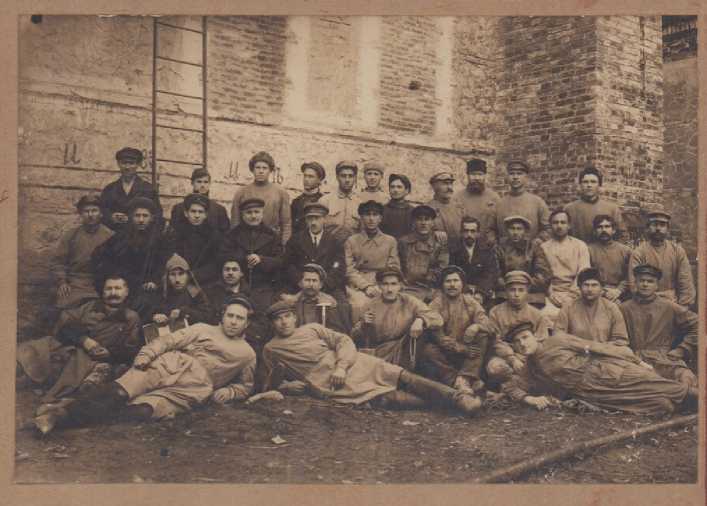
Рис. 1. Группа рабочих 2-го корпуса Краснодарского ферментационного табачного завода № 1 (Фото: Т. М. Тер-Никогосянц, 1931). Краснодар, Северо-Кавказский край, РСФСР. Фотобумага сепия, фотопечать, паспарту. 11,6 х 17 см. Источник: [23]; Государственный каталог музейного фонда Российской Федерации . Общественное достояние
Fig. 1. Group of workers from the 2nd building of Krasnodar Fermentation Tobacco Factory No. 1 (Photo by T. M. Ter-Nikogosyants, 1931). Krasnodar, North Caucasus Krai, RSFSR. Sepia photographic paper, photographic print, mat. 11.6 × 17 cm. Source: [23]; State Catalogue of the Museum Fund of the Russian Federation . Public domain
2-го корпуса Краснодарского ферментационного табачного завода № 1 (рис. 1), в первом ряду обращают на себя внимание полулежащие фигуры мужчин в светлых длинных просторных рубахах со стоячим воротником, похожих на толстовки. Сидящие во втором ряду мужчины также одеты в подобного типа рубахи простого покроя [23].
В документах рядом с номенклатурными названиями изделий - толстовка льняная, хлопчатобумажная, шерстяная, вельветовая и т.д.- фигурируют определения: азиатская бумажная и азиатская с/ш (суконно-шерстная?); цена на этот вид одежды колебалась от 11 до 6 руб. в зависимости от вида ткани [12, л. 83-84]. Лексеме «азиатка» синонимично словосочетание «толстовка азиатская». Бытование характеризующего предиката «азиатская» в связке с названием какого-либо предмета одежды или особенностей кроя имеет давнюю традицию среди казачьего населения Кубани и выступает маркирующим признаком мужского костюма народов Северного
РЕГИОНАЛЬНЫЕ ИССЛЕДОВАНИЯ ИСТОРИИ И КУЛЬТУРЫ
REGIONAL HISTORICAL AND CULTURAL STUDIES
Кавказа [3, с. 80, 96, 105] [2, с. 132]. Поэтому обоснованно можно предположить, что азиатка, или толстовка азиатская, имеет отсылку к свободной широкой с длинными рукавами и стоячим воротником «кавказской рубахе», заметно потеснившей в послереволюционное время бешметы традиционного покроя у народов Северного Кавказа. Эту рубаху носила молодежь, советская и партийная номенклатура навыпуск с узким наборным поясом, часто с брюками-галифе [31, с. 232, 235]. Вошедшая в моду военная мужская поясная одежда быстро завоевывает популярность у русского и горского населения Северного Кавказа благодаря своему особому покрою, возможности ношения с сапогами и ноговицами. Доставшиеся в наследство от царской армии брюки-галифе оказались настолько практичной моделью не только для кавалерии, но и других родов войск, что удерживались в форме вплоть до 1990-х гг.
Брюки «обыкновенного фасона», или «обыкновенные», в массовом производстве шились из хлопчатобумажных, льняных, шерстяных, прорезиненных тканей преимущественно темных расцветок [12, л. 83–84]. В сельской среде, в зависимости от сезонных колебаний, спрос предъявлялся на дешевые хлопчатобумажные брюки, особенно на крестьянские без манжет, или теплые, на вате, имевшие широкое хождение в казачьем быту [12, л. 54] [13, л. 95] [14, л. 34, 55] [17, л. 6].
Исследователи обращают внимание на то, что к костюму и ряду его компонентов в рассматриваемый период применяется эксплицитная и имплицитная дихотомическая классификация, то есть рекурсивное разделение на две группы - «крестьянский» и «городской». В повседневном крестьянском обиходе были распространены зипуны, мужские халаты, свитки, позже появились жилеты и поддевки [2, с. 133–134], к которым применимы определения «крестьянские» или «крестьянского покроя».
Предприятия «Севкавшвейпрома» изготавливали костюмы мужские шерстяные классического стиля - «двойки» - и костюмы крестьянские хлопчатобумажные [12, л. 83–84] [13, л. 95]. Несмотря на то, что в это время стало престижным носить «двойку», воспринимавшуюся, в сравнении с буржуазной «тройкой», «по-советски более демократичной» [25, с. 115–116], тем не менее особым спросом она не пользовалась в качестве повседневной одежды не только среди рабочих и крестьян, но даже служащих. Кроме того, для сельских жителей имела значение цена изделия (до 40 руб.) и плотность ткани. И если «двойка» считалась праздничной одеждой, то ее аналогом выступал другой комплект повседневной одежды - тужурка с брюками, изготавливавшиеся фабричным способом из хлопчатобумажных тканей и льняного равендука. В 1929–1930 гг. в количестве от 50 до 300 ед. комплекты поступали в магазины готового платья - Кущевский, Славянский, Лабинский, Усть-Лабинский [12, л. 83]. И речь идет не о форменной двубортной куртке -военно-морском мундире, а именно о повседневной короткой верхней одежде с застежками, воротником и длинными рукавами. В городе она пользовалась популярностью еще до революции, в начале 1920-х гг. в портняжных мастерских Краснодара и области ее изготавливали из кожи на меху, на подкладке, нередко в комплекте с брюками [10, л. 78].
Если брюки были более стандартизированы, то фасоны мужских рубах (сорочек) отличались большим разнообразием: высших сортов, крестьянские, народные, казенного образца, гимнастерки, косоворотки и др. [14, л. 63, 142, 145] [17, л. 6]. Дефиницию «крестьянская» рубаха исследователи связывают с косовороткой, широко распространившейся в начале ХХ в. среди разных социальных слоев населения России - рабочих, мещан, демократической интеллигенции, казаков, крестьян, -хотя она более корреспондирует с определением «народная». Ее так же, как и кавказскую рубаху, носили поверх штанов с поясом (тканевым, плетеным шнурком) [3, с. 151–152]. Рубахи (сорочки) крестьянские, косоворотки шили на предприятиях «Севкавшвейпрома» из тканей разных цветов, большей частью хлопчатобумажных (ситец, бумазея, парусина), а также шелковых (чесуча). В быту такие рубахи изготавливались из домотканых тканей и декорировались вышивкой (края рукавов, ворот-стойка, подол, планка на груди). Образцы косовороток можно встретить в эт- нографических коллекциях многих станичных музеев Кубани. Отдавая дань традиции и стимулируя покупательский спрос на фабричную продукцию, на швейных предприятиях такую одежду тоже украшали вышивкой. Краевая контора Всесоюзного объединения текстильной промышленности «Текстиль» (Сбытовое управление) писала в начале апреля 1930 г. Славянскому магазину в ответ на их запрос, что цены на ситцевые косоворотки не будут снижены, и магазину надлежит реализовать оставшиеся 200 шт. косовороток по цене 2 руб. 41 коп. [12, л. 61].
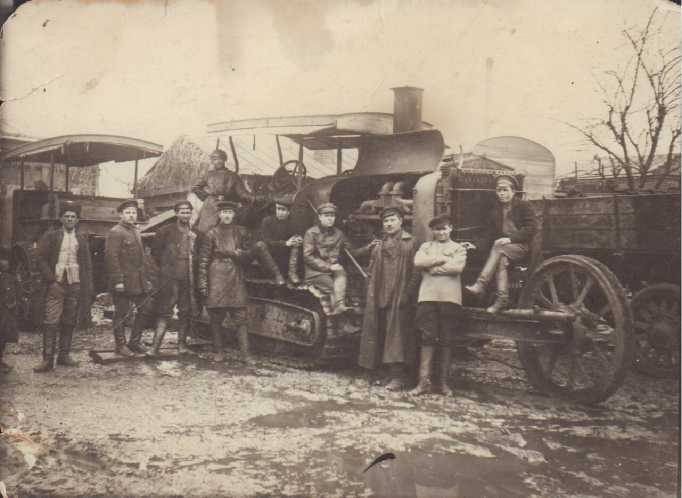
Верхняя мужская одежда также представлена традиционными и городскими формами. Символом революционного времени стала кожаная куртка - знак приобщения к новой власти, пролетарской культуре, знак высокого социального статуса ее носителя. Эта одежда потеряла свою актуальность во второй половине 1920-х гг. [29, с. 178]. Надеть кожанку для многих означало зафиксировать факт изменения своей социальной принадлежности [26, с. 53]. На музейной фотографии 1920 г. (рис. 2) мы видим группу запечатлен- отдавалось укороченной одежде - полупальто. Как отмечалось выше, спросом среди крестьянского населения пользовались пальто, изготовленные из добротного, хорошей выработки грубого и полугрубого сукна с меховым воротником. Демисезонное пальто носили в основном рабочие и служащие, а среди крестьянского населения такая одежда только начинала «прививаться» [14, л. 32–34].
Традиционный женский костюм подвергся «коррозии», урбанизации под влиянием городской моды уже со второй половины XIX в. В гардеробе казачек были представлены юбки разных фасонов и кофты, блузы, сшитые из разных тканей хорошего качества с отделками, оборками, красивыми пуговицами, лентами и т.п. [3, с. 279-317]. Кофты и блузки, несмотря на то что шились из фабричного материала, сохраняли первое время принципы декорирования традиционных рубах [24]. Огромным спросом среди сельских жительниц, судя по заявкам станичных магазинов розничного платья, пользовалась продукция треста «Москвошвей» - платья, юбки, блузы разных фасонов и расцветок, отличавшиеся ных возле трактора «Клейтон» во дворе Краснодарской тракторной базы работников, одетых в разную одежду: пальто, гимнастерка, кожанка. Фигура мужчины в кожаном пальто, подпоясанном широким ременным поясом, полного достоинства и осознания своей значимости ввиду нового статуса, сразу привлекает к себе внимание. Над ним возвышается другая мужская фигура так же в облегающем кожаном пальто с поясом [22].
В массовом производстве в конце 1920-х гг. были пальто и полупальто зимние и демисезонные - суконные (вигонь, бобрик, байка) и хлопчатобумажные на вате. В сельской местности из-за погодных условий, распутицы предпочтение
РЕГИОНАЛЬНЫЕ ИССЛЕДОВАНИЯ ИСТОРИИ И КУЛЬТУРЫ
Рис. 2. Трактор «Клейтон» во дворе Краснодарской тракторной базы (Фото: автор неизвестен, 1920). Краснодар, Кубано-Черноморская область, РСФСР. Фотобумага, фотопечать. 8,5 х 11,5 см. Источник: [22]; Государственный каталог музейного фонда Российской Федерации . Общественное достояние
Fig. 2. Clayton tractor in the yard of the Krasnodar Tractor Depot (Photo: author unknown, 1920). Krasnodar, Kuban-Black Sea Oblast, RSFSR. Photographic paper, photographic print. 8.5 × 11.5 cm. Source: [22]; State Catalogue of the Museum Fund of the Russian Federation. Public domain
REGIONAL HISTORICAL AND CULTURAL STUDIES
лучшим качеством, разнообразием фасонов и ценой (на 15% дешевле продукции «Севкав-швейпрома») [14, л. 20] [17, л. 6, 45]. Неудивительно, что в Кущевском районе немалый фурор произвел дамский конфекцион - продукция этого треста, поступившая в станичный розничный магазин.
Большим спросом в конце 1920-х гг. пользовались дамские пальто, изготовленные из цветного сукна, фуле-тропикаль, прибранного мехом крота или горного козла («под обезьяну»), пик популярности на которые приходится в 1920–1930-е гг. В ходу были также твиновые и меланжевые недорогие пальто с воротником из искусственного меха. Дорогие шевиотовые пальто (от 60 до 70 руб.) не пользовались спросом, но если выставлялись на продажу по более низкой цене, то имели «среднюю ходкость». Предприятия «Севкав-швейпрома» изготавливали пальто дамские на вате и летние [12, л. 83-84]. Учитывая запросы потребительниц и широкое бытование в те годы среди казачьего и иногороднего населения традиционной верхней просторной зимней одежды типа полупальто - «кохты» на вате, заведующий Кущевским магазином обращается в правление, чтобы они «потревожили» производственный отдел «Севкавшвейпрома» и запустили в производство ватные полупальто из тканей разных расцветок для крестьянок [14, л. 18 об.]. Заведующий Усть-Лабинским магазином писал в краевую контору «Текстиль-торга» в Ростове на-Дону в декабре 1929 г., что «громадное требование» население предъявляет на ватное полупальто разное, недорогое дамское пальто на вате стоимостью от 30 до 50 руб., фуфайки и шаровары на вате и недорогое крестьянское белье [17, л. 101].
Ассортимент головных уборов отличался сравнительным разнообразием и был ориентирован на вкусы как сельских жителей, так и горожан. Это кепи, фуражки, вязаные шапки, меховые ушанки, высокие цилиндрические с тканевым верхом малоросски, кубанки, финки и т.д. Низкая шапка - кубанка - получает распространение среди казачьего населения как повседневный и праздничный головной убор.
В задачу магазинов готового платья входила не только реализация товара, но и мониторинг покупательского спроса. Высокийспрос на дефицитные и остродефицитные товары и невозможность его полностью удовлетворить швейной промышленностью приводил к затовариванию магазинов малоходовыми изделиями. Эта ситуация вызывала обеспокоенность у членов Правления, которые в переписке выражали утопическую надежду, что в дальнейшем работа их сети по изучению рынка и предъявляемых последним требований к товарному ассортименту позволит швейной промышленности настолько приблизить производство к требованиям рынка, что удастся привести снабжение магазинов в точное соответствие с их заявками. По этому поводу в инструктивном письме члена Правления Северо-Кавказской конторы «Тек-стильторга» Вешера содержалось указание: «Работники магазинов должны помнить, что скорейшее достижение подобных результатов в значительной мере зависит от тех сведений и материалов о состоянии рынка, которые они дадут промышленности» [12, л. 44].
Заведующие магазинов готового платья в аналитических обзорах в вышестоящие инстанции указывали на разные факторы, негативно влиявшие на потребительский спрос: природно-климатические (оттепель, распутица), экономические (урожайность зерновых хлебов) и др. [14, л. 55, 89, 143]. Так, в конце июля 1925 г. управляющий Юго-Восточным отделением в обзоре Приморско-Ахтарского рынка торговли указал на прямую зависимость потребительского спроса на мануфактурные изделия от урожая зерновых [5, л. 29].
Заметное, причем двойственное влияние на потребительский спрос оказала реконструкция сельского хозяйства, как называли в документах того времени коллективизацию, основной этап которой пришелся на 1929– 1930 гг. («сплошная коллективизация»), раскулачивание и проведение ряда «хозяйственнополитических» кампаний по самообложению крестьянства, включенному в систему прямых обязательных платежей; взысканию с частного сектора недоимки по налогам и ссудам, сопровождавшемуся реквизицией имущества. Заведующий Усть-Лабинским магазином докладывал в начале марте 1930 г. правлению АО «Текстильторг» о невозможности выполнить минимальные контрольные циф- ры плана реализации товара по целому ряду объективных причин: консервация ряда маслозаводов и мельниц, увольнение рабочих, сплошная коллективизация, раскулачивание, сбор «задатков на трактора» и «целевые вклады» [17, л. 30]. Все это, с одной стороны, привело к снижению покупательной способности массового потребителя на все группы готовой одежды, с другой стороны - возрастанию спроса на «лучшее платье», то есть городского типа. Уже в середине июня 1930 г. заведующий Усть-Лабинским магазином писал в ВТО «Текстиль» о том, что резко возрос спрос крестьянства на готовое платье и «что никакое снабжение магазина не может удовлетворить местный рынок» [17, л. 11]. Далее причину этого он объясняет чрезмерным «вздутием» цен на продукты питания и, как следствие, сосредоточением «массы денег» у крестьян.
В октябре 1929 г. Главная контора «Тек-стильторга» в инструкции магазинам готового платья на Северном Кавказе указала на то, что в отношении отдельных дефицитных и «недостаточных» товаров они должны применять определенные ограничения в части нормы отпуска и «кадров получателей товаров» (отпуск белья не более пары в одни руки по членским книжкам крестьянских потребительских обществ, удостоверениям сельсоветов и т. п.). Это было связано с тем, что изделия, которые до недавнего времени являлись «избыточными», в отдельных районах стали дефицитными и «недостаточными». От магазинов требовалось соблюдение классового принципа и проявления в своей работе максимальной гибкости. Задача магазинов в отношении дефицитных и «недостаточных» изделий должна была сводиться к тому, чтобы снабдить ими бедняка, середняка, батрака, рабочего и служащего, не допуская отпуск товаров в руки кулака, бойкотируемых на деревне лиц, перепродавцов и других категорий «ненадежного» населения. В своей повседневной деятельности магазины должны были руководствоваться следующими принципами: «Отсеивание “негодных”» элементов в среде покупателей, отпуск дефицитных изделий в определенной норме» [12, л. 19] [16, л. 23].
В начале 1930-х гг. Правление «Текстиль-торга» и краевая контора направили целый ряд практических указаний и директив магазинам готового платья на Северном Кавказе о порядке и способах ведения ассортиментной работы и мониторинге рынка. Вопросы изучения качества и ассортимента продукции, спроса потребителей и рынка вообще «как никогда становятся ударной и важнейшей задачей» [12, л. 79]. Магазины готового платья, основываясь на опыте и практике своей работы, на наблюдениях и различных местных данных, должны были детально и глубоко проработать материал по вопросам влияния реконструктивных процессов в деревне на изменение спроса на готовое платье. Стратегическая долгосрочная цель этого «первостепенной важности» задания состояла в том, чтобы обеспечить систематическое получение промышленностью необходимых материалов с мест, на основе которых она могла бы строить свои производственные программы и улучшать качество и ассортимент выпускаемой продукции [12, л. 75, 79] [15, л. 1–2].
* * *
Как видно по результатам проведенного исследования, в Северо-Кавказском крае основным производителем крестьянской одежды был трест «Севкавшвейпром», куда входили Армавирская, Новороссийская, Ростовская, Владикавказская швейные фабрики, продукция которых, не отличаясь высоким качеством и разнообразием ассортимента, поступала в розничные магазины готового платья. В сельской местности магазины розничной сети снабжались и продукцией республиканских трестов, сюда проникали мануфактурные изделия, в том числе импортные ткани, посредством сети филиалов ГУМа. Одежда городского типа - от английских рубах и классических костюмов до пальто реглан и других видов - не находила здесь спроса ввиду приверженности большей части сельского населения к давно ставшей привычной традиционной одежде и предъявляемых к готовым изделиям требований: добротность, практичность, носкость, целесообразность, невысокая цена. Спросом пользовалась, в том числе у молодежи, одежда свободного широкого покроя, что и обусловило приоритет больших размеров. Заведующий Кущевским розничным магазином готового платья по результатам прове-
РЕГИОНАЛЬНЫЕ ИССЛЕДОВАНИЯ ИСТОРИИ И КУЛЬТУРЫ
денного мониторинга покупательского спроса в 1929–1930 гг. в отчетном документе обращает внимание на то обстоятельство, что 85% получаемого от швейных предприятий ассортимента изделий составляет одежда городского типа и лишь 15% – сельского.
Спрос сельского населения на готовую одежду покрывался лишь частично, несмотря на кажущееся разнообразие ассортимента. Консервативность в выборе одежды в соответствии со сложившимися требованиями к ее качеству, свойствам была для этих категорий населения важнее, нежели модность. Соответственно, еще долго в сельской среде практиковался самопошив и бытовали традиционные формы одежды. Хотя в рассматриваемый период в целом крестьяне-хлеборобы начинали постепенно привыкать к ношению готовой одежды городского покроя.
В ходе проведенного исследования также выявлено, что уже на заре становления текстильной и швейной промышленности вопросы ассортимента и качества продукции стали важной и одновременно «болевой», акупунктурной точкой, постепенно воспалявшейся и разраставшейся, подобно опухоли, на протяжении всего последующего периода, вплоть до заката эпохи развитого социализма.
Научная новизна исследования заключается: а) во введении в научный оборот зна- чительного массива ранее неопубликованных архивных документов (отчетов, прейскурантов, докладов магазинов готового платья, распоряжений управляющих отделениями ГУМа и «Текстильторга»); б) в выявлении специфики потребительского спроса сельского населения именно Кубани на фоне общесоюзных тенденций, что позволило скорректировать представления о процессах урбанизации костюма в 1920–1930-е гг.; в) в установлении количественного соотношения спроса на «крестьянские» и «городские» виды одежды (85% к 15% по данным ассортимента); г) в реконструкции механизмов классового распределения дефицитных товаров в сельской местности в период сплошной коллективизации.
Перспективы дальнейшей разработки темы видятся в сравнительном анализе потребительского спроса на одежду массового пошива в других регионах Северного Кавказа (Ставрополье, Дон, Терек) в тот же период, а также в изучении трансформации ассортиментной политики швейной промышленности в 1940–1950-е гг. под влиянием послевоенного дефицита и новых идеологических установок. Отдельного исследования заслуживает роль местных швейных фабрик в формировании «советского стандарта» повседневной одежды кубанского крестьянства в последующие десятилетия.
REGIONAL HISTORICAL AND CULTURAL STUDIES
Dmitry I. GANGUR
Cand. Sci. (National History), Krasnodar State Institute of Culture, Krasnodar, Russian Federation
Clothing of Rural Population of Kuban and Mass-Produced Goods in the 1920s–1930s: Dynamics of Consumer Demand
