
Танцевальные практики в картине мира современной молодежи: традиции и новации (на материале Республики Адыгея и Краснодарского края)
Журнал: Наследие веков @heritage-magazine
Рубрика: Региональные исследования истории и культуры
Статья в выпуске: 2 (46), 2026 года.
Бесплатный доступ
Цель исследования – выявить ценностные и функциональные аспекты танцевальных практик в картине мира молодежи Республики Адыгея и Краснодарского края для последующего совершенствования региональной молодежной политики. Материалом послужили результаты анкетирования более 200 молодых людей (15–25 лет), интервью с экспертами и статистические сведения Центра народной культуры Адыгеи. Выявлены данные об отношении респондентов к народным и современным танцам, раскрыты их представления о роли танцев в межэтническом взаимодействии, определены психологические и социокультурные проблемы вхождения молодых танцоров в профессиональную деятельность. Обнаружен рост числа любителей уличных танцев. Установлено, что народные адыгские танцы имеют приоритетное значение для молодежи благодаря эстетике и культурно-нормативной устойчивости, они выполняют функции этнической репрезентации и социализации. Подчеркивается важность создания равных условий для развития различных видов танцевальных практик молодежи.
Короткий адрес: https://sciup.org/170213622
IDS: 170213622 | УДК: [39 + 316.7]:793.3:[316.346.32-053.6+323.11(470.621+470.62)] | DOI: 10.36343/SB.2026.46.2.007
Dance Practices in the Worldview of Contemporary Youth: A Regional Aspect: Traditions and Innovations (Evidence from the Republic of Adygea and Krasnodar Krai)
The study aims to identify the functions and significance of dance practices in the worldview of contemporary youth in the Republic of Adygea and Krasnodar Krai, with a view to subsequently improving regional youth policy. The authors focus on the value-laden and emotional perceptions of traditional and modern choreography held by young people. The empirical material comprises questionnaire data from over 200 young respondents (aged 15–25), expert interviews, statistical records provided by the Centre of Folk Culture of Adygea, and ethnographic sources, including Adyghe proverbs and sayings. The methodological framework rests on a triangulation strategy designed to ensure the validity of the findings. In the initial phase, a large-scale survey was administered; this was followed by expert interviews aimed at contextualising and deepening the survey responses. Concurrently, statistical data were examined to compare the number of ensembles devoted to national choreography with those specialising in contemporary street dance. The analysis of small folklore genres was undertaken to uncover the traditional cultural codes embedded within Adyghe dance practices. A high level of youth engagement with Adyghe folk dances was identified; these are perceived as an important ethnic marker and a source of aesthetic pride. A comparative analysis of dance preferences across age and gender groups reveals that young women participate in dance activities considerably more actively than young men, while the latter demonstrate a stronger preference for traditional forms. The study also explores the motives behind and reasons for the growing interest in contemporary street dance styles, such as hip‑hop and contemporary. A steady increase in their popularity has been recorded, contributing to the emergence of a heterogeneous and dynamic dance culture. The process of professionalisation among young dancers is examined, and their initial career anxieties are identified. It is found that traditional Adyghe dance retains a dominant position in the worldview of the region's youth, acting as a powerful vehicle for interethnic communication and cultural representation. Its prominence is attributed to its aesthetic richness, its rigorous yet graceful choreographic canon, and its deep rootedness in historical and social norms. Dance also fulfils a socialising, communicative, and agonistic function, fostering in young people skills of collective interaction, emotional self-expression, and competitive self-realisation. The authors emphasise that regional youth policy should move towards ensuring equal institutional and financial support for both traditional and modern dance forms.
Текст научной статьи Танцевальные практики в картине мира современной молодежи: традиции и новации (на материале Республики Адыгея и Краснодарского края)
0 СОКОЛОВА Алла Николаевна доктор искусствоведения, профессор, Южный филиал Российского научноисследовательского института культурного и природного наследия имени Д. С. Лихачева, Краснодар, Российская Федерация
Значительное число представителей северокавказской молодежи вовлечено в танцевальные практики. В обыденном представлении российского сообщества на Северном Кавказе танцуют все и всегда. Однако в научном плане мы не имеем достоверных сведений о том, как сами молодые люди оценивают свое отношение к различным видам таких практик; какую роль в их картине мира играют народные и современные танцы; каков положительный эффект танцев в формировании мировоззрения молодежи и т.п. Социальная значимость таких научных изысканий обусловлена прежде всего необходимостью сохранения этнокультурного наследия и гармонизации межнациональных отношений через танцевальные практики. Однако большую актуальность имеет и формирование комплексного представления о танце как одном из основных элементов картины мира современной молодежи, а также выявление перспектив использования танцевальных практик в социокультурных и образовательных программах региона.
Традиционно картину мира современной молодежи изучают как «социальные представления» личности [1] или как менталитет [2]. При этом лингвокультуролог Н.Ф.Алефи-ренко считает, что менталитет формируется в процессе познания мира, но, с другой стороны, сам менталитет становится культурнокогнитивным «камертоном» при восприятии картины мира. Иными словами, картина мира человека - это то, что сформировано при восприятии мира, и одновременно - это определенный стереотип, наследуемый из поколения в поколение. «Ментальность формируется в познании мира; менталитет - по сути, сама наивная картина мира в целостной прагматичности народного сознания^ Менталитетсосто-ит не столько из идей, сколько из чувств, настроений, мнений, впечатлений, подсознательно управляющих человеком» [2, с. 108–109]. Констатируя широкое распространение адыгских народных танцев в молодежной среде, мы считаем необходимым изучение причин этого явления как через его осмысление самими молодыми представителями полиэтничного сообщества Юга России,таки с учетом экспертного мнения, а также исторических предпосылок.
Объектом исследования являются танцевальные практики современной молодежи Адыгеи и Краснодарского края, предмет научных изысканий составляют аксиологические и эмотивные оценки танцевальных практик, репрезентируемые молодежью в нарративных высказываниях и повседневной деятельности.
Избранная тема имеет две равновеликие программные составляющие, рассматриваемые специалистами разных профилей. Тема «картины мира» изучается философами, культурологами, филологами, лингвистами, историками, этнологами, психологами, педагогами и др. В каждой отрасли науки имеются разные определения этого понятия, что, с одной стороны, расширяет изучаемое поле, а с другой - делает его нечетким и размытым. Вторая составляющая проблемы - танцевальные практики, под которыми понимаются и актуальные пластические действия, степень вовлеченности в них молодежи, и различные жанры (народные и народно-сценические танцы), и представления молодежи об этих жанрах.
РЕГИОНАЛЬНЫЕ ИССЛЕДОВАНИЯ ИСТОРИИ И КУЛЬТУРЫ
REGIONAL HISTORICAL AND CULTURAL STUDIES
Начиная с XIX в. понятие «картина мира» активно используется в науке, в каждой отрасли которой оно трактуется специфично. Т. Ф. Кузнецова подчеркивает, что это понятие в разные периоды времени то «уходит в тень», то становится «модным» и общераспространенным [13]. Сегодня насчитывается несколько десятков его определения: от самого упрощенного - «общие представления о мире, его устройстве, типах объектов и их взаимосвязей» [14, с. 95] - до знаменитого и часто цитируемого определения Макса Вебера: «Не интересы (материальные и идеальные), не идеи непосредственно господствуют над поведением человека, но: “картины мира”, которые создавались “идеями”. Они, как стрелочники, очень часто определяли пути, по которым динамика интересов продвигала дальше (человеческое) действие» [4, с. 750]. Таким образом, картина мира, по М. Веберу,- это основное направление человеческой жизнедеятельности, своеобразная система координат, определенный фильтр, через который каждый индивид и общество в целом в данный исторический период смотрит на мир. ПоА. В.Лукову, картина мира - это «система культурных констант тезауруса, выработанная в ходе культурной социализации» [15, с. 4].
Картину мира могут представлять не только как «целостную» или «концептуальную», но и в виде ее «отдельных граней», выделенных составляющих, таких как «языковая картина мира» [11] [12] [24], «национальная картина мира» [5], «цветовая картина мира» [10], «эмотивно-оценочная картина мира» [3] и др. При этом изучать картину мира можно в отдельных социальных стратах - в молодежных субкультурах, у школьников, рабочих индустриальных регионов, в различных поколенческих группах и т. п. В этой связи вполне возможно и справедливо говорить о танцевальных практиках как отдельном кластере в картине мира молодежи, при этом понимая, что такие практики - только часть этой целостной картины, «вынутая» из нее предельно умозрительно, однако вполне достоверно отражающая ментальность и молодежные ценности.
Вместе с тем в научной литературе не обнаружено специальных исследований, посвященных проблеме места танцевальных практик в картине мира молодежи. Многочисленные статьи о танцах преимущественно связаны с педагогической тематикой или изучением новых либо традиционных видов и жанров. Так, в статье Е. Ю. Каминской показаны основные мотивы проявления интереса к участию в хореографических занятиях подростков, для которых, по мнению автора, характерны «потребность заниматься интересной и востребованной в среде сверстников деятельностью; стремление к самоутверждению; желание получить признание сверстников; стремление быть принятым в коллективе; желание общаться со сверстниками; потребность нравиться окружающим; потребность быть востребованным» [9]. При этом Е. Ю. Каминская утверждает, что «в мотивации занятия хореографией у подростков преобладают не столько познавательные мотивы (стремление научиться танцевать, интерес к процессу обучения), сколько социальные» [9]. Потребность молодежи кавказского региона в танцевальных практиках, к сожалению, не становится предметом специального рассмотрения. Широкая популярность кавказских танцев рассматривается как само собой разумеющееся явление, без научного обоснования социальных и психологических причин этой популярности.
Таким образом, работы, посвященные комплексному анализу танцевальных практик как элемента картины мира именно молодежной аудитории Северо-Кавказского региона, фактически отсутствуют. Авторы имеющихся публикаций рассматривают лишь отдельные аспекты мотивации занятий хореографией, но не затрагивают ценностные и мировоззренческие основания танцевальных предпочтений, что, как кажется, делает настоящую работу своевременной и в определенной степени восполняющей указанный пробел. Приоритетной ее целью выступает выявление функций и значения различных видов танцевальных практик в картине мира современной молодежи Адыгеи и Краснодарского края прежде всего для корректировки региональной молодежной политики.
Целевая аудитория исследования - молодежь Адыгеи от 15 до 25 лет, разделенная на две возрастные группы 15–19 и 20–25 лет. Для выявления эмотивно-ценностных предпочтений современной молодежи в отношении танцевальных практик своего народа и иноэтничного окружения мы воспользовались методом анкетирования, предложив молодым людям ответить на 39 вопросов, часть из которых были открытыми. Нами были подготовлены 150 анкет в бумажном варианте, 83 человека отвечали на эти же вопросы в формате гугл-форм.
Важно подчеркнуть, что основную часть опрошенных составили студенты Адыгейского государственного университета и Майкопского государственного технологического университета. В этих учебных заведениях учатся не только представители Адыгеи, но и жители Краснодарского края. Молодежь 15–18 лет в основном была представлена школьниками города Майкопа и аула Коше-хабль и учащимися Майкопского медицинского колледжа.
Параллельно проводилось анкетирование тридцати артистов Государственного академического ансамбля танца Республики Адыгея «Нальмэс» с целью изучения процесса вхождения молодых артистов в состав профессионального танцевального коллектива. Одновременно авторы исследования проводили глубинное интервью с отдельными руководителями танцевальных коллективов региона и использовали данные Центра народной культуры Республики Адыгея. Глубинное интервью предназначались для уточнения и детализации данных анкетирования путем получения экспертных оценок, одновременно мы соотносили эти оценки и полученные анкетные данные с реальной ситуацией в Адыгее - наличием танцевальных кружков, студий, клубов, профессиональных и любительских коллективов. Объективность таких сопоставлений представляется очевидной, что отражается в приведенных в работе диаграммах.
Дополнительную часть работы составил анализ малых фольклорных жанров (пословицы и поговорки), отражающих языковую картину мира адыгской молодежи. Такой анализ позволил выявить традиционные смыслы, связанные с танцевальными практиками в адыгской культуре.
Изученный объем ответов позволяет достаточно объективно оценить, как молодежь разных возрастных групп и этнической принадлежности относится к танцам и участию в них. При этом надо сделать несколько оговорок. Дело в том, что мы анкетировали в основном школьников и студентов, поэтому речь может идти не только о молодежи Адыгеи, но и в целом о молодежи региона, поскольку, как уже указывалось выше, в вузах Адыгеи учится большое число представителей Краснодарского края. Вторая оговорка связана с тем, что респонденты указывали свой возраст и национальную принадлежность, поэтому в ответах мы различали данные, полученные от молодых людей 15–19 лет и остальной молодежи. Третья оговорка касается профессиональной деятельности артистов Государственного академического ансамбля танца «Нальмэс», которой было уделено пристальное внимание в ходе исследования. Такой подход, равно как и наличие участника данного коллектива среди авторов, позволили достоверно проанализировать влияние профессионального танцевального коллектива на молодежь республики. В целом сочетание использованных методов обеспечивает триангуляцию и повышает достоверность полученных результатов.
Понятие «танцевальные практики» используется нами для характеристики фольклорных и народно-сценических танцевальных действ, а также для обозначения процесса обучения танцам в кружках, студиях и учебных заведениях республики. Понятно, что любые такие практики связаны с различными видами танцев, выполняющих самые разные функции. Важно понимать, что, во-первых, нет ни одного народа, у которого не было бы танцев, и, во-вторых, у каждого народа существует не просто один танец, а более или менее развернутая танцевальная система, элементами которой являются сами танцоры, музыканты - носители традиции, музыка, музыкальные инструменты, определенная танцевальная кинесика, нормы поведения и взаимодействия между партнерами и пр.
Следует также различать традиционные танцевальные практики, веками существующие у того или иного народа, и современные танцевальные практики, имеющие недавнюю
РЕГИОНАЛЬНЫЕ ИССЛЕДОВАНИЯ ИСТОРИИ И КУЛЬТУРЫ
REGIONAL HISTORICAL AND CULTURAL STUDIES
историю, связанные с теми или иными пассионариями, новыми тенденциями, модой, обусловленные влиянием телевидения, интернета и цифровых платформ.
Отдельного определения заслуживает также термин «джэгу» (от адыг. «джэгу» - танец, игрище), под которым следует понимать традиционную форму молодежного досуга у адыгов, представляющую собой коллективное танцевальное действо с четкой организацией пространства, строгим этикетом и соревновательным духом, являющуюся важным элементом этнокультурной социализации.
Представляется, что настоящее исследование вносит вклад в разработку теоретических основ изучения художественной картины мира молодежи, раскрывая роль танцевальных практик как механизма этнической репрезентации и социализации. Полученные результаты могут быть использованы для дальнейшей разработки теории культурных практик, а также для создания методических рекомендаций по оптимизации молодежной политики в полиэтничных регионах. В более широком научном контексте исследование значимо для понимания механизмов формирования ценностных ориентаций и мировоззрения подрастающего поколения через традиционные и современные художественные практики в условиях культурного многообразия.
* * *
Роль танца в адыгской культуре. Как известно, танец занимает важное место в жизни молодежи во всем мире. У народов Северного Кавказа танец традиционно был приоритетным, а для современной черкесской молодежи данный вид искусства выступает одним из важнейших средств этнической репрезентации. Так сложилось, вероятно, по нескольким причинам. Первая-это сохранность обрядовой культуры, в которой танец выполняет важную часть обрядового действа. Известно, что молодые девушки, только что вышедшие замуж, танцевали для привлечения сил деторождения [6, с. 40] [22], коллективные круговые танцы устраивались в честь Верховного бога Тха, в обряде возле убитого молнией человека или животного. В нартском эпосе есть упоминание о том, что оставшиеся в деревне женщины и старики после того, как мужчины отправились в военный поход, танцевали круговой танец до момента их возвращения. Тем самым они «телепортировали» танцевальную энергию воинам, помогая им на расстоянии [7, с. 13]. В обряде «чапш» у постели раненого или травмированного использовались парные танцы.
В советское время появились сценические танцы, их роль возросла и в аутентике. На заре советской власти традиционная адыгская песня не удовлетворяла идеологическим требованиям, и именно танец стал доминировать в репрезентации этноса. Дело в том, что многие традиционные песни были посвящены Кавказской войне, поэтому они не выносились на сцену, не публиковались в сборниках, долгое время не были предметом изучения. Танец же не нес откровенной идеологической нагрузки. Его эстетические характеристики были неоспоримы, поэтому традиционная хореография стала активно доминировать в культуре и взяла на себя функции главного этнического репрезентанта.
В настоящее время адыгский танец практически повсеместно распространен там, где прямо или косвенно присутствует традиционная культура: внутри дома, во дворе, он может исполняться в учебном заведении; во время свадьбы танцевальные действия проводятся у священного дерева или родника, как, например, в ауле Блечепсин у Псынэц1ык1у 1. То есть место проведения - любое, не нужна подготовленная площадка или какие-то особые условия. Танец используется, например, когда встречают официальных гостей на административной границе между регионами. Даже в начале нового сезона работы диссертационного совета в Адыгейском государственном университете приглашается танцевальная пара для создания творческой атмосферы.
На наш взгляд, причины доминирования этнической репрезентации через танец в наши дни, на фоне возрождающегося интереса к традиционной песне, связаны с несколькими обстоятельствами. Одно из них -это богатейшее танцевальное наследие адыгов. Число одних только уджей (разновидно- стей древнейшего массового танца) насчитывается более двадцати. Корпус танцевальных версий расширился после начала активных взаимодействий с черкесами Турции. Сегодня на свадьбах в Адыгее танцы щещен и лъа-пэрышъу (тляпэрыш) исполняются такое же количество раз, как и зафак. Кроме того, в последние 20 лет возрождается культура вокального сопровождения танцевальных действ. Танец исполняется под вокальные речевки или асемантические мужские вокальные подголоски (жъыу) [21]. Очень важна эстетическая составляющая танцев с их строгой регламентацией выхода на танец и его окончания, способами приглашения девушки, рисунком танца и его пластикой: темпераментной в мужском варианте и грациозной, нежной - в женском. Никакой другой элемент традиционной культуры не учит так учтиво, регламентированно, церемониально относиться к старшим или людям противоположного пола, как танец.
Косвенно о роли танца можно судить по иконографическому контенту, характеризующему культурное пространство Республики Адыгея и других республик, в которых проживают адыги. Танцующие пары изображены не только на картинах знаменитых художников-адыгов, но и на принтах молодежных футболок, на рукоятках адыгских трещоток (пхачичей), сумочках с вышивкой золотыми нитями, на брелках, эмблемах конкурсов и фестивалей и пр.
Фольклорная лингвистическая составляющая не столь богата, но все же красноречива. В ходе бесед со старшими родственниками одному из авторов удалось зафиксировать четыре поговорки, связанные с танцами:
-
1. Бжыхьэр джэгу ш1ыгьу - Осень - время свадеб (танцевальных игрищ);
-
2. О 1эгу узэрэтео1у сэри сыкьашъо - Как ты мне хлопаешь, так я и танцую (понятно, что эта поговорка подразумевает не только танцевальное действо);
-
3. Уитеуак1э сикъеш1ак1 - Танцую под твой ритм (очень близкая по смыслу ко второй поговорке);
-
4. Джэгум к1орэ пстэури кьагъашъорэп, заом к1орэ пстэури къаук1ырэп - Не каждого, кто идет на свадьбу, приглашают танцевать. Не каждого, кто идет на войну, убивают.
Если первые три поговорки весьма популярны в обиходе адыгов, то последняя, по нашей оценке, мало знакома молодежи, хотя люди старшего поколения ее не только помнят, но и используют.
Таким образом, популярность танцев в адыгской культуре трудно переоценить. Это касается и адыгской молодежи, и молодежи всего региона, находящейся в роли соучастников танцевальных действ либо в роли зрителей.
Традиционная танцевальная площадка адыгов . Где бы ни проводились молодежные танцы - в помещении или на городской площади, в священной роще или во дворе частного дома - участники джэгу выстраиваются в определенном, строго закрепленном порядке. Музыканты становятся так, чтобы за их спинами была какая-либо «защита». Это может быть стена дома, деревья или стоящие машины. Слева от музыкантов (если на них смотреть с позиции зрителей) полукругом выстраиваются парни, справа - незамужние девушки (замужним по традиции не положено выходить в молодежный круг). Напротив музыкантов рассаживаются старики, выполняющие функцию своеобразного жюри.
В центре круга в постоянном движении находится распорядитель танцев - хатияко , у которого есть свои помощники среди парней (чале паще - главный парень) и девушек (пшаше паще - главная девушка). Помощники следят за тем, чтобы каждый из присутствующих успел потанцевать, чтобы один и тот же парень не танцевал с одной и той же девушкой. Такая ротация подразумевает знакомство молодежи друг с другом, возможность узнать партнера и выразить ему свою симпатию. Вызванные на танец парень и девушка танцуют примерно 2-3 минуты, после чего парень провожает девушку на ее место и уходит на свое. Следом вызывается другая пара. Если музыканты хорошо знают танцующих, они стараются исполнять любимые для них мелодии.
Танцевальный круг формирует высокую ответственность каждого участника по нескольким причинам. Во-первых, чаще всего танцы происходят при полном свете, поэтому выходящая в центр пара находится под пристальным вниманием сотен глаз. От наблюда-
РЕГИОНАЛЬНЫЕ ИССЛЕДОВАНИЯ ИСТОРИИ И КУЛЬТУРЫ
REGIONAL HISTORICAL AND CULTURAL STUDIES
ющих не ускользает не только танцевальная манера исполнителей, умение взаимодействовать с партнером, знание танцевальных шагов и различных танцевальных жанров, но и детали одежды, прическа, обувь и др. Во-вторых, в танцах царит агональный дух [19]. Каждый стремится показать себя с лучшей стороны, станцевать лучше других. В прежние времена, да и на современных свадьбах, в конце танцевального действа выбирают лучшую танцовщицу и лучшего танцора. Их награждают ценными подарками или денежными призами. Поэтому танец становится своеобразным соревнованием, в котором участники демонстрируют не только свои физические природные данные, но и адыгагэ - адыгство, знание этикета и адыгских традиций. Такое отношение к танцам наследуется от старшего поколения и передается младшим. Дети в школах и на улицах стараются подражать молодежи.
В полиэтническом окружении жесткий танцевальный порядок нравится абсолютно всем этносам, проживающим в республике. Это восхищает, вызывает глубокое уважение и воспринимается как определенный вызов, побуждающий либо к подражанию, либо к соревнованию. При этом публика (особенно парни) постоянно подзадоривают танцующих, выкрикивая хвалебные отзывы или хулительные слова: «Ну-ка, покажи свои пятки!», «Смотри-смотри, девушка тебя перетанцовывает!», «Громче играй, пщынао 2! А ты, танцор, разворачивайся веселей!» и т.п. [20, с. 227]. Трещоточники могут играть на своих трещотках (пхачичах) прямо у ног танцующих, чтобы вынудить парня танцевать ярче и задорнее [23].
Танец как средство укрепления межнациональных связей . Танец является важным эстетическим зрелищем. Именно поэто-
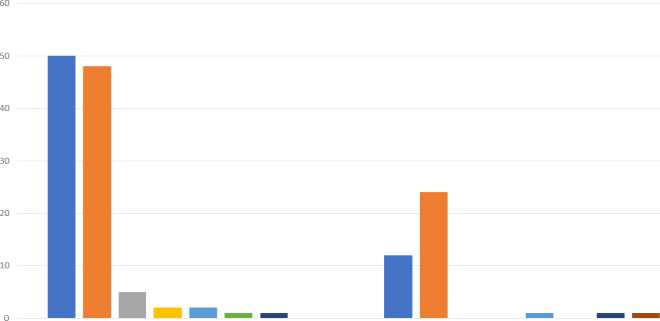
Девушки Юноши
■ Русские ■ Адыги ■ Абхазы ■ Осетины ■ Армяне ■ Грузины ■ Азербайджанцы ■ Абазины
Рис. 1. Этнический состав участников анкетирования (абсолютные числа)
Fig. 1. Ethnic composition of survey respondents (absolute numbers)
му он служит своеобразным «украшением» корпоративных вечеров, встреч выпускников, последних звонков в учебных заведениях, приветствий официальных делегаций в государственных учреждениях и т.п. Национальный адыгский танец позиционирует республику наравне с официальными символами Адыгеи - гимном, гербом и флагом.
Как известно, в Адыгее существует большое число коллективов национального танца, действующих почти в каждой школе, и их участниками являются дети всех национальностей, проживающих в республике. Даже в государственном ансамбле «Нальмэс» работают артистами более десяти русских девушек. Все это говорит о большой привлекательности адыгских танцев, которые репрезентируют не только молодых адыгов, но и представителей других национальностей, вовлеченных в хореографические практики. Следовательно, танцы отражают как этническую палитру региона, так и его культуру в целом. Представляется, что в этом и состоит их большое будущее.
На рис. 1 в виде диаграммы представлено распределение участников предпринятого в ходе исследования анкетирования по этническим группам. Результаты показывают, что при наблюдаемом разнообразии этнического состава респондентов (восемь этносов) большинство опрошенных являлись русскими и адыгами.
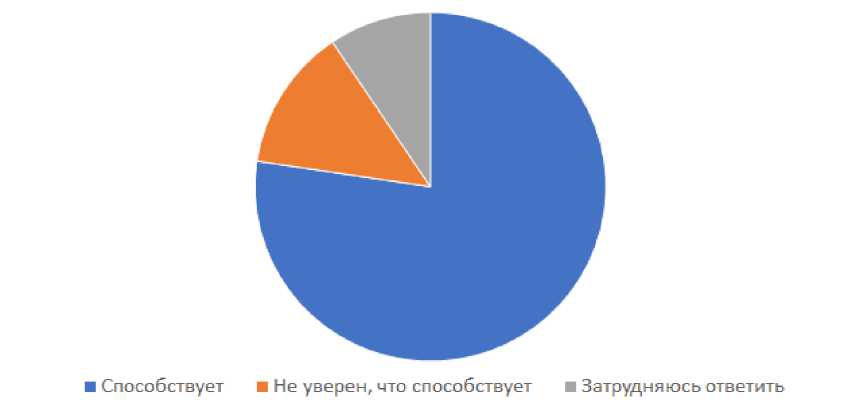
Рис. 2. Оценка молодыми респондентами танцев как средства укрепления межнациональных связей (%)
Fig. 2. Assessment by young respondents of dance as a means of strengthening interethnic ties (%)
Кроме того, анкетирование показало, что адыги и представители других этносов единодушны в определении танцевальных практик как средства укрепления межнациональных связей (см.: рис. 2). Танец становится той идентификационной системой, которая формирует консолидацию территориальных сообществ. Его идентификационные признаки - бессловесность, информативность, эмоциональность, эмпатичность, энергетическая сила и мощь.
72% опрошенных нами представителей адыгской молодежи отме-
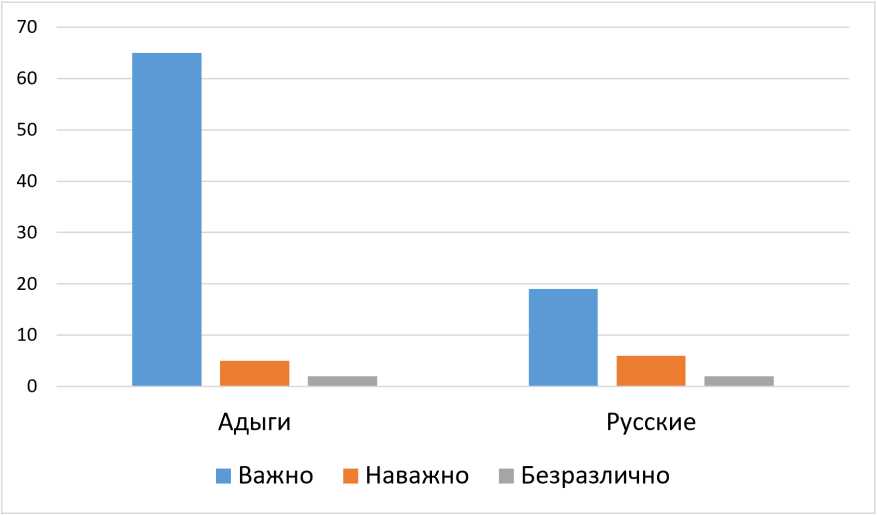
Рис. 3. Оценка молодыми респондентами адыгской и русской национальности значимости владения традиционными танцами (абсолютные числа)
Fig. 3. Assessment by young respondents of Adyghe and Russian ethnicity of the importance of proficiency in traditional dances (absolute numbers)
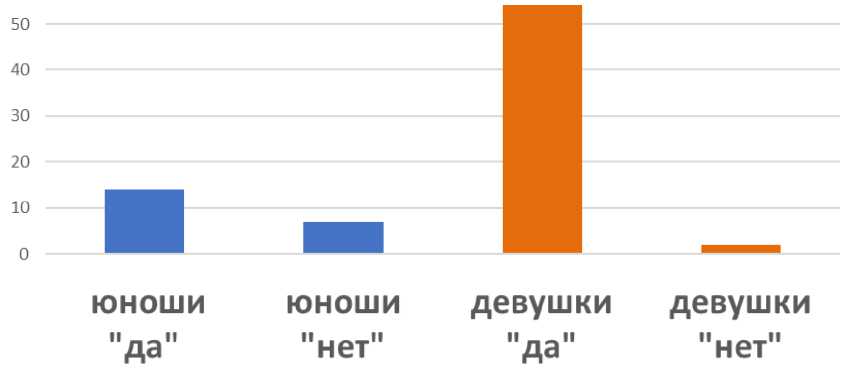
Рис. 4. Сравнение числа юношей и девушек, занимающихся и не занимающихся танцами (абсолютные числа)
Fig. 4. Comparison of the number of male and female participants engaged and not engaged in dance (absolute numbers)
тили важность владения традиционными танцами для этнической репрезентации. Многие считают, что владеть народным танцем так же важно, как владеть родным языком. Иногда первое даже превалирует над вторым. Как видно из рис. 3, среди русских престижность владения русским народным танцем отнюдь не высока.
При этом на практике танцевальные занятия посещают преимущественно девушки (см.: рис. 4).
Возможно, что именно широкая популярность национальных танцев адыгов является важным «эстетическим корсетом», влияющим на профилактику девиантного поведения молодежи в регионе. Побочный эффект от танцевальных практик связан с тем, что молодые люди присваивают себе умение конструктивно вести себя в различных ситуациях социального взаимодействия. Исследователи отмечают, что уровень вовлеченности молодежи Адыгеи в деструктивные субкультуры невысок [16, c. 151].
Число коллективов, исполняющих адыгский традиционный танец, в Республике Адыгея многократно превышает число творческих объединений, работающих в других танцевальных направлениях. Только в Майкопе на профессиональной основе действуют Государственный академический ансамбль народного
РЕГИОНАЛЬНЫЕ ИССЛЕДОВАНИЯ ИСТОРИИ И КУЛЬТУРЫ
По результатам обработки 36 опросных листов
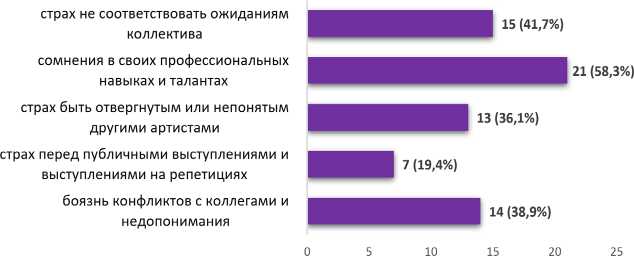
Рис. 5. Оценка опрошенными артистами Государственного академического ансамбля народного танца «Нальмэс» факторов, вызывавших страхи и сомнения на начальных этапах сценической карьеры (%) [17]
Fig. 5. Assessment by surveyed artists of the State Academic Folk Dance Ensemble “Nalmes” of the factors that caused fears and doubts at the initial stages of their stage career (%) [17]
REGIONAL HISTORICAL AND CULTURAL STUDIES
танца «Нальмэс», Государственный ансамбль песни и танца «Исламей», муниципальные ансамбли «Зори Майкопа» и «Синдика», танцевальный коллектив «Абреки» и десятки временных (окказиональных) коллективов, обслуживающих свадьбы, корпоративы, школьные праздники и т. п. Более того, ни один эстрадный коллектив или сольное выступление не обходится без подтанцовки в народном стиле. От одной до четырех пар обязательно будут танцевать позади артиста, иногда вовлекая в танец и его самого - это настолько повсеместно распространено и так часто происходит, что ни одно поставленное по-другому сольное выступление не воспринимается публикой. Никакие шоу-постановки в этом случае не рассматриваются как умест- ные. Под песню на адыгейском языке показательно танцевать только народные танцы.
В анкетах, предложенных артистам Государственного академического ансамбля народного танца «Нальмэс», присутствовал вопрос о страхах и сомнениях на начальном этапе работы в профессиональном коллективе (Рис. 5). Отвечая на него, новички не выбирали ни боязнь сцены, ни страх быть непонятым. Главной проблемой для более половины из них (58,3%) было сомнение в своих профессиональных навыках, что вполне понятно для молодого специалиста. Более 40% боялись не соответствовать ожиданиям коллектива, которые включают полное владение техникой адыгского танца, яркий темперамент, знание национального этикета, выносливость и терпение. Поэтому вполне закономерно, что в составе коллектива оказываются танцоры как без профильного образования, так и пришедшие из самодеятельности или вовсе не имеющие предшествующего опыта. Их подготовка определяется практикой молодежных джэгу.
По данным Центра народной культуры Республики Адыгея за 2024 г. в Майкопе значилось только 3 молодежных коллектива, существовавших при клубах и Домах культуры (см.: табл. 1). Однако в этой статистике
Таблица 1
Количество танцевальных коллективов и число их участников в г. Майкопе и районах
Республики Адыгея в разрезе возрастных групп за 2024 г. (коллективы / участники; абсолютные числа) [17]
Table 1
Number of dance groups and their participants in the city of Maykop and districts of the Republic of Adygea by age group for 2024 (groups / participants; absolute numbers) [17]
|
Местоположение |
Показатель |
Всего |
Взрослые |
Молодежные |
Детские |
|
г. Майкоп |
Количество коллективов |
31 |
2 |
3 |
26 |
|
Число участников |
663 |
31 |
37 |
595 |
|
|
Районы Республики |
Количество коллективов |
172 |
2 |
23 |
147 |
|
Адыгея |
Число участников |
3274 |
16 |
432 |
2826 |
Таблица 2
Динамика численности танцевальных коллективов и их участников в Республике Адыгея по возрастным группам за 2022–2024 гг. (коллективы / участники; абсолютные числа) [17]
Table 2
Dynamics of the number of dance groups and their participants in the Republic of Adygea by age group for 2022–2024 (groups / participants; absolute numbers) [17]
Материалы отчета Центра народной культуры Республики Адыгея позволяют проследить динамику изменений в отношении числа танцевальных коллективов и количества их участников за последние три года (Табл. 2). Между 2022 и 2023 гг. очевиден прирост итоговых значений, вместе с тем данные за 2024 г. отражают некоторый спад показателей.
Данные, представленные в отчете Центра народной культуры Республики Адыгея, отражают общее число молодежных танцевальных коллективов, существующих в клубах и Домах культуры в динамике с 2023 по 2025 гг. (Табл. 3).
Сравнительный анализ этих данных выявил устойчивую тенденцию к сокращению как количества коллективов, так и численности их участников. Уменьшение числа участников танцевальных коллективов в отчете объясняется прекращением деятельности ряда клубных формирований, обусловленным уходом руководителей. По понятным причинам в отчете не указано, что отток руководителей связан с низкой оплатой труда и отсутствием необходимых условий для работы.
Отношение к современным танцам . Косвенно отношение к народному танцу можно понять через высказывания опрошенных по поводу различных современных танцев. Анкетирование показало, что респонденты адыгской национальности (в основном юноши) не знают названия современных танцев, не понимают их различия и классификацию. С их точки зрения, эти танцы воспринимаются как нечто чужеродное, не привлекающее внимания. Определенная «глухота» к новым танцевальным течениям обусловлена «этнической нагруженностью», эстетикой национальных танцев, сильно контрастирующей с современной пластикой. На вопрос «Испытываете ли вы негативное отношение к современным танцам?» 18 человек из числа опрошенных ответили утвердительно. Среди них -два юноши-адыга 15-ти лет и 16 девушек, 9 из которых также адыгейки. Отношение к современным танцевальным направлениям проявилось также в знании или незнании их названий. Юноши практически не назвали ни одного танца, у девушек результаты распределились следующим образом: хип-хоп назвали 19 человек, контемпорари - 16, брейк -8, твист - 5, вог и шафл - по два человека. Практически половину опрошенных современные танцы не интересуют, и этот показатель сви-
РЕГИОНАЛЬНЫЕ ИССЛЕДОВАНИЯ ИСТОРИИ И КУЛЬТУРЫ
Таблица 3
Динамика количества танцевальных коллективов и численности их участников в клубах муниципальных образований Республики Адыгея за 2023–2025 гг.
(коллективы / участники; абсолютные числа) [17]
Table 3
Dynamics of the number of dance groups and their participants in clubs of municipal formations of the Republic of Adygea for 2023–2025 (groups / participants; absolute numbers) [17]
|
№ |
Города и районы |
Число коллективов / Число участников |
||
|
Годы |
2023 |
2024 |
2025 |
|
|
1 |
Майкоп |
3/37 |
3/37 |
3/35 |
|
2 |
Адыгейск |
1/60 |
1/80 |
1/21 |
|
3 |
Гиагинский |
2/30 |
2/34 |
2/34 |
|
4 |
Кошехабльский |
2/35 |
1/24 |
1/24 |
|
5 |
Красногвардейский |
1/3 |
1/21 |
1/21 |
|
6 |
Майкопский |
3/67 |
3/66 |
2/37 |
|
7 |
Тахтамукайский |
3/79 |
3/107 |
3/104 |
|
8 |
Теучежский |
5/103 |
5/103 |
5/103 |
|
9 |
Шовгеновский |
6/55 |
6/64 |
4/40 |
|
Итого |
26/469 |
25/536 |
22/419 |
|
REGIONAL HISTORICAL AND CULTURAL STUDIES
детельствует в пользу популярности народных танцев, особенно адыгских.
Адыгские девушки, обучающиеся на хореографическом отделении Института искусств Адыгейского государственного университета, еще несколько лет назад отказывались посещать уроки по современному танцу, особенно при разучивании партерных комбинаций. Педагоги в этом случае шли им навстречу, принимая зачеты в виде рефератов и устных ответов, не пытаясь противодействовать своей практической работой их традиционным представлениям и нежеланию перестраивать привычную телесную моторику.
Опираясь на данные Центра народной культуры Республики Адыгея, мы разделили танцевальные коллективы по направлениям (Табл. 4).В последние примерно 30–40 лет различные танцевальные жанры и практики, отличные от традиционных, все более прони-
Таблица 4
Распределение танцевальных коллективов по хореографическим направлениям в г. Майкопе и Республике Адыгея (абсолютные числа) [17]
Table 4
Distribution of dance groups by choreographic direction in the city of Maykop and the Republic of Adygea (absolute numbers) [17]
|
Количество коллективов |
|||
|
Территория / хореографические направления |
Национальный танец |
Современный танец |
Бально- спортивный танец |
|
В Майкопе |
9 |
12 |
6 |
|
В Республике Адыгея |
81 |
60 |
11 |
кают в культуру, привлекая внимание школьников и студентов. Молодежь воспринимает современные уличные танцы как инструмент развития физической и творческой активности, социализации и самореализации. Конечно, Республика Адыгея - регион по своей территории небольшой: в республике всего два города и большое число аулов, станиц и поселков. Тем не менее, сравнивая данные, например, Санкт-Петербурга, Казани, Ульяновска, Махачкалы и Майкопа, мы убеждаемся в тождественности выявленных тенденций. В подтверждение этого тезиса приведем фрагмент из публицистического обзора в еженедельнике «Аргументы и факты»: «Для современной молодежи… важна возможность видеть и быть увиденным… Поскольку с детства они были знакомы с гаджетами, то у них другие способы познания мира, да и себя. Они чувствительны, им важно демонстрировать себя, получать лайки, похвалы и одобрение» [8]. Хотя данный источник не является научным, он отражает распространенные в медийном дискурсе представления о ценностях молодого поколения.
Приведенные в табл. 4 данные показывают, что коллективы современного танца практически соответствуют по численности коллективам, участники которых занимаются традиционной хореографией. На наш взгляд, это связано с несколькими причинами и, прежде всего, с совпадением спроса и предложения. Во-первых, новое поколение молодежи, воспитанное с помощью тик-тока и интернет-видеоконтента, быстро учится копировать незамысловатые уличные танцевальные «па», во-вторых, в Адыгее работает большая группа педагогов современного танца, в республике сформировался полный цикл хореографического образования (школа - колледж - вуз). В-третьих, в регионе появилось большое количество общероссийских и региональных мероприятий, в которых представители Адыгеи стали принимать активное участие.
Танцевальная культура молодежи региона отражает такие ценностные ориентиры, как высокая значимость досуга, стремление к общению со сверстниками и самостоятельность. Среди молодежи тяга к танцам обусловлена энергией молодости, желанием коммуни- цировать со сверстниками и, довольно часто, рентными установками, то есть ориентацией на получение определенной выгоды. Часто это не материальная, а именно моральная выгода, к которой мы относим желание показывать себя на сцене, получать аплодисменты, выступать в разных городах своего региона и страны,- путешествовать, узнавать новые города, знакомиться со сверстниками из других республик, краев и областей. То, что часто не могут обеспечить родители (из-за отсутствия соответствующих финансовых возможностей), молодежь реализует через собственную творческую деятельность.
К современным танцам можно прийти через понравившуюся музыку и видеоклипы, благодаря многочисленным блогерам и тик-току. Свою роль играют и пиар-акции, например такие, в рамках которых раздаются абонементы на месяц занятий в студии уличных танцев за один рубль. Так ненавязчиво молодежь привлекается к танцевальной деятельности, появляется желание участвовать в концертных программах, выступать на различных сценах не только в Майкопе, но и в городах Краснодарского края, в Москве и других российских центрах. Важно и то, что в коллективах современного танца нет ограничений по возрасту и физическим данным. В одном танце могут быть задействованы и школьники, и студенты, и рабочая молодежь - для каждого находится свое место, свои сольные фрагменты.
В современном Майкопе на коммерческой основе работают три студии, где изучают современные танцы, и одна бесплатная студия под названием «UNIRISE» при Адыгейском государственном университете. Мы можем констатировать востребованность современных танцев у молодежи региона. Хотя основной контингент - это преимущественно русские девушки, в составе танцевальных групп есть и немногочисленные представители других национальностей (адыги, армяне и др.). К большому сожалению, опрос показал, что юноши мало интересуются современными видами танцев.
Если в целом современные танцы занимают скромное место на карте танцевальной деятельности молодежи, то очевидно, что
РЕГИОНАЛЬНЫЕ ИССЛЕДОВАНИЯ ИСТОРИИ И КУЛЬТУРЫ
REGIONAL HISTORICAL AND CULTURAL STUDIES
с каждым годом число желающих заниматься именно уличными танцами неуклонно растет. Конечно, в республике не хватает хорошо оборудованных репетиционных площадок, нет устоявшихся методик. Тем не менее у современных танцев в Адыгее есть будущее. Оно просматривается уже сегодня в большей степени через активность в Интернете, в отдельных группах в социальных сетях. Однако это будущее можно приближать и волевыми решениями.
Рекомендации по развитию танцевальных практик в регионе. При таком большом количестве танцевальных коллективов в регионе, казалось бы, какие могут быть рекомендации по развитию танцевальной культуры? Однако исследование показало, что не все виды танцевальных практик находятся в равных условиях, а рост числа адыгских танцевальных коллективов порой приводит к появлению плохих копий профессиональных постановок. Для движения вперед полезно было бы устраивать специальные просмотры с последующим обсуждением представленных результатов.
Активный интерес к народным адыгским танцам должен быть зафиксирован в виде цикла видеофильмов, в которых наряду с видеорядом танцевальных действ будут представлены короткие интервью со зрителями различных национальностей и с самими участниками танцевального круга. Не хотелось бы, чтобы спустя десятилетия мы говорили об окончании танцевального бума в Адыгее, но зафиксировать «эпоху расцвета» категорически необходимо.
Для формирования более широкого интереса к уличным танцам в учебных заведениях позитивную роль сыграли бы кластерные или факультетские танцевальные «батлы» или фестивали. Кроме того, важно развивать и институциональные формы. Например, при Институте искусств Адыгейского государственного университета существует Арт-а-кадемия и созданная в ней студия «Арабеск». Таких студий могло бы быть несколько. С расширением количества предложений расширялся бы и спрос. В любом случае позитивная роль танца в молодежной культуре является неоспоримой.
* * *
Научная новизна проведенного исследования состоит в комплексном анализе танцевальных практик как элемента картины мира молодежи полиэтничного региона (Республики Адыгея и Краснодарского края), осуществленном на основе триангуляции количественных и качественных методов. Впервые показано, что в мировоззрении представителей молодого поколения рассмотренного региона танец выполняет не только досуговую, но и этноидентификационную, социализирующую и агональную функции. Установлен рост интереса к уличным танцам при сохранении приоритета народных адыгских танцев, что позволяет говорить о формировании гетерогенной танцевальной культуры региона. Выявлены гендерные и возрастные различия в восприятии танцев, что имеет значение для адресной корректировки молодежной политики.
Картина мира современной молодежи - подвижная смысловая среда, которая формируется в диалоге с другими, корректируется под влиянием медиасреды и поколенческого опыта, эволюционирует, но никогда не достигает окончательной завершенности. К тому же картина мира служит своеобразным фильтром для восприятия информации и помогает адаптироваться к жизни, определяя ценностные установки. Во всех этих процессах танцевальные практики выполняют для молодежи важную социализирующую и этномаркирующую функцию, одновременно являясь историческим и регионально-социальным продуктом.
В мировоззренческих установках современной молодежи танец - это не столько объект наблюдения, сколько коммуникативный акт, в который вовлечены сверстники и единомышленники. Поэтому задача общества -создавать условия для поступательного развития всех видов хореографической практики, давать свободу выбора, применяя «мягкую силу», ненасильственно подталкивать к творческой деятельности через создание комфортных танцевальных площадок, организацию «батлов», конкурсов, фестивалей, через организацию научных и методических круглых столов, семинаров, конференций и форумов.
Практика показывает, что художественные формы обучения меняют мировосприятие, делают его «художественным». Как пишет Д. И. Полубояров, «художественная картина мира отражает общество и природу в конкретно-чувственных образах, которые представляют собой своеобразный синтез субъективного восприятия и объективного постижения мира. В структуре общей картины мира место художественной картины мира достаточно специфично» [18, с. 7]. Действительно, как это ни удивительно, но именно через танцевальные практики у молодежи формируется позитивное отношение к миру, расширяется лексический объем знаний, а молодые люди, танцующие адыгские танцы, таким образом непроизвольно изучают и адыгский этикет, и адыгский язык. Художественная картина мира связана с постоянным позиционированием себя, своих танцевальных навыков в условиях коллективного наблюдения и обсуждения. Так субъект представляет и себя самого, и свой род, и свою социальную группу, что делает его человеком более ответственным и значимым. Через танцевальные практики молодежь учится следить за своей осанкой, что превращается не просто в привычку, а становится нормой телесного существования человека. В ходе танцевальных практик происходит общение юношей и девушек, мужчин и женщин, что создает условия для последующего построения крепкой семьи, а также выбора партнеров по бизнесу и налаживания профессиональных связей. Любой танец обладает не только художественным, но и этномаркирующим, социально-историческим и общекультурным смыслом. Следовательно, чувственно-образная картина реальности, транслируемая танцевальной практикой, влияет на социальную позицию индивидуума и сама выступает историческим документом этой реальности.
Такая системная и многогранная роль танцевальных практик современной молодежи региона должна ориентировать руководящие органы, ответственные за молодежную политику, на постоянную поддержку такого рода инициатив и мероприятий, на важность построения необходимых площадок для их проведения, на создание условий для возможности выбирать интересующие молодежь танцевальные жанры и формы. Немаловажную роль играет и финансовая помощь властей и спонсоров в приобретении костюмов, обеспечении поездок на различного рода смотры и фестивали. Следует также поддерживать и всячески стимулировать интерес к танцевальным практикам подростков-мальчиков, в силу определенных (в основном психологических) обстоятельств стесняющихся открыто проявлять свои внутренние желания. В приватных беседах практически все юноши хотели бы видеть себя ловкими и изящными в танцах, однако, по их мнению, время упущено, и теперь они уже не смогут научиться красиво двигаться, управлять не только своим телом, но и партнершей. Следует, вероятно, рекомендовать в каждом учебном заведении организовывать танцевальные кружки, чтобы желающие именно в своих учреждениях могли проводить досуг и учиться эстетике танца.
Также важно продолжить исследование танцевальных практик, чтобы установить корреляцию между их распространенностью среди молодежи и статистикой правонарушений в молодежной среде, чтобы выявить роль танцевальных практик в патриотическом воспитании молодежи, их этническом, региональном и общероссийском самосознании. Необходимо определить, какие танцевальные жанры наиболее востребованы у различных субгрупп. Возможности хореографических практик в аспекте их влияния на эволюцию мировоззрения еще не изучены, поэтому они лишь спонтанно используются как методологический инструмент психолого-педагогического и социально-культурного регулирования общества, в то время как их ресурсы значительно богаче.
Танцевальная культура - это и эстетика, и спорт, и актерское мастерство, и музыкальная грамотность, и досуг, и, наконец, психологическая работа над собой. Именно такая многофункциональность танцевальных практик делает их незаменимым средством социализации личности и воспитания достойного человека будущего.
РЕГИОНАЛЬНЫЕ ИССЛЕДОВАНИЯ ИСТОРИИ И КУЛЬТУРЫ
Dana N. MUGU
H Alla N. SOKOLOVA
Dr. Sci. (Musical Art), Prof., Southern Branch, Russian Research Institute for Cultural and Natural Heritage, Krasnodar, Russian Federation
Dance Practices in the Worldview of Contemporary Youth: A Regional Aspect: Traditions and Innovations (Evidence from the Republic of Adygea and Krasnodar Krai)
REGIONAL HISTORICAL AND CULTURAL STUDIES
