
Transforming the Perception of the Russian Arctic among Chinese University Students: The Potential of Language Courses
Журнал: Arctic and North @arctic-and-north
Рубрика: Reviews and reports
Статья в выпуске: 64, 2026 года.
Бесплатный доступ
In the context of aligning development strategies for the Northern Sea Route and China’s “Polar Silk Road” initiative, the humanitarian dimension of the bilateral partnership has become an imperative. The article explores the potential of short-term intensive educational programs as a “soft power” tool aimed at bridging the cognitive gap in the perception of the Russian Arctic among Chinese students. The study aims to assess the effectiveness of these formats in transforming the regional image and establishing a system of verified knowledge about the Arctic among PRC citizens. The study was conducted within the framework of a qualitative case study methodology. The materials were collected during a summer school of the Russian language and culture held at the Northern (Arctic) Federal University. Data collection was carried out in two stages across three thematic blocks: physical-geographical, historical-cultural, and geopolitical. Additionally, a psycholinguistic association experiment was used to identify latent shifts in perception. The university’s educational environment was regarded as a controlled experimental base for evaluating the effectiveness of educational diplomacy tools; the study was conducted in accordance with ethical standards of voluntary participation and data depersonalization. The results indicate an increase in respondent awareness from 32% to 79% and a qualitative shift in the associative field: moving from environmental stereotypes to an understanding of the region’s geo-economic and technological uniqueness. The practical significance of the work lies in the verification of educational diplomacy as an effective mechanism for developing a pool of loyal international experts.
Короткий адрес: https://sciup.org/148334398
IDS: 148334398 | УДК: [378.1:327.7](470)(510)(045) | DOI: 10.37482/issn2221-2698.2026.64.401
Текст научной статьи Transforming the Perception of the Russian Arctic among Chinese University Students: The Potential of Language Courses
DOI:
In the current decade, cooperation between the Russian Federation and the People’s Republic of China in the Arctic has acquired the characteristics of a sustainable, practical partnership, going beyond declarative statements. This dynamic is driven by a convergence of long-term national interests, as confirmed by the work of both Russian and international researchers (Rekets, 2024; Pogodin, Lun, 2024). The process of aligning the development strategies for the Northern
-
∗ © Zashikhina I.M., Griva O.E., Le Xu, 2026
This work is licensed under a CC BY-SA License
Sea Route and the “Polar Silk Road” initiative is shaping the configuration of the Eurasian economy, within which Arctic transport corridors are beginning to act as a competitive alternative to traditional southern routes (Zuenko, 2023). Modern political analysis rightly notes that Beijing’s interest in high-latitude territories is not situational, but doctrinally grounded, and is supported by active intellectual work of the elites to justify the PRC’s special status in the region (Li Bo, 2024; Yunyushkina, 2025). Consequently, resources are becoming a security factor, and the country is aiming to participate in the global Arctic governance (Rekets, 2024).
Amid the unprecedented transformation of the world order that began in 2022 and the partial suspension of the Arctic Council’s activities by Western states, Russian-Chinese cooperation has become a stabilizing factor in the region (Kharichkin, Shamarov, 2024). However, the successful implementation of macro-economic projects is impossible without the formation of an appropriate social foundation and comprehensive humanitarian support. The “soft power” toolkit in Russian-Chinese dialogue today is increasingly based on a synthesis of rational pragmatism and cultural empathy, which appears to be critically important for reducing turbulence in interstate communication systems (Zhang, Kerimov, 2024). A natural outcome of this trend is a shift in the focus of the bilateral partnerships from purely technocratic and resource-based parameters (production volumes, infrastructure facilities) toward the development of human capital and the deepening of interpersonal communication (Nikolaev, 2022). In expert discourse, scientific and educational cooperation is positioned as the “fourth strategic direction” of China’s Arctic policy, complementing research, economic, and managerial activities (Pitukhina, Belykh, 2024). In the context of “soft power” theories, the export of educational services is interpreted not as a commercial activity, but as an effective geopolitical mechanism aimed at shaping loyal foreign elites incorporated into the Russian value and ideological framework (Lebedeva, Faure, 2009; Zeveleva, Kokunov, 2024). Educational exchanges, rather than opportunistic trade agreements, lay the foundations for long-term strategic partnerships that remain resilient during periods of geopolitical instability (Rekets, 2024; Lyu Peiying, 2024).
However, despite the high level of interstate dialogue noted by political scientists, significant cognitive dissonance is observed at the micro-level. Empirical studies indicate that for a considerable proportion of the Chinese audience, including students, the Russian Arctic remains terra incognita (Nikolaev, 2022; Zashikhina, 2024). Perceptions of the region are often fragmented and mythologized, limited either to climatic stereotypes or to resource-related clichés disseminated through popular culture and social media (Li Yuejiao, Vasilyeva, 2025). This gap between the doctrinal attitudes of the elites and the actual level of knowledge among specialists creates systemic risks for the long-term effectiveness of bilateral cooperation.
In the current conditions, short-term intensive educational formats, in particular summer and winter schools, are increasingly important, allowing for the prompt dissemination of relevant agendas and the adjustment of the region’s image in the minds of Chinese youth (Zeveleva, Ko-kunov, 2024; Maryanchik, Popova, 2022). The Northern (Arctic) Federal University named after
M.V. Lomonosov serves as a unique testing ground for these “soft power” technologies; its geostrategic location and well-developed scientific and educational infrastructure provide the necessary conditions for such activities (Andreychenko, 2022).
Theoretical approaches to understanding education as a “soft power” resource
The conceptual framework for the phenomenon of “soft power”, which traces its origins to the seminal works of Joseph Nye, is based on an understanding of a nation-state’s ability to achieve its foreign policy priorities not primarily through the use of coercive force, but rather through the attractiveness of its own cultural code, value-based ideological attitudes, and its model of institutional organization (Nye, 2004). Within the context of the contemporary foreign policy strategy of the Russian Federation, higher education is identified as one of the most effective channels for transmitting these values, allowing the state’s academic authority to be organically projected onto its international prestige (Torkunov, 2012). The training of foreign specialists creates long-term social ties capable of evolving into a policy-making resource as graduates of Russian universities are incorporated into the national elites of their countries of origin (Lebedeva, Faure, 2009).
In this study, educational diplomacy is interpreted as a multi-component geopolitical tool of “soft power” aimed at forming a loyal segment of foreign elites integrated into the Russian value and ideological space (Gutenev, Lagutina, Sergunin, 2023). In the Arctic policy system, this approach takes on the status of its “fourth strategic foundation”, organically complementing the scientific-research, economic and administrative-management vectors of activity (Ryzhkova, 2012). During periods of geopolitical turbulence, the sustainability of partnerships developed through educational diplomacy is ensured by an intangible asset — the deep, emotionally internalized capital of academic exchange participants at the level of individual experience (Nye, 2004).
In the context of the development of theoretical concepts of “soft power”, it is necessary to emphasize that the Russian school of political science is making significant adjustments to this concept, focusing not only on passive attractiveness, but also on the state’s active efforts to construct a positive image (Panova, 2012). Developing this thesis, researchers note that the effectiveness of such activities today depends ever less on a centralized ideological resource and ever more on the ability of regional universities to build horizontal academic ties based on the principles of scientific ethos, rather than political expediency (Sychev, Fofanova, 2025). As A.V. Torkunov rightly states, in the modern system of international relations, “soft power” is being transformed into a universal language of international political communication (Torkunov, 2012). As applied to higher education, this means that universities act not simply as transmitters of knowledge, but as full-fledged actors and relays of “soft power”, generating trust in the national development model through academic mobility and joint research projects. This approach makes it possible to consider educational diplomacy as a mechanism for forming the long-term cognitive and axiological foun-
REVIEWS AND REPORTS
Inga M. Zashikhina, Olga E. Griva, Xu Le. Transforming the Perception of the Russian Arctic … dation for international cooperation, which is particularly significant in the context of the highly competitive Arctic agenda (Efimenko, 2025).
Achieving effectiveness in the Arctic dimension is directly linked to the ability of the higher education system to transform perceptions of the region: to shift the focus from interpreting the Arctic as a natural phenomenon to understanding it as a space of geopolitical resources and strategic opportunities (Kefeli, Nikolaenko, 2021). This reorientation of attitudes necessitates abandoning the primacy of extensive quantitative metrics in favor of qualitative shifts in the cognitive sphere, where abstract geopolitical constructs give way to specific knowledge gained through immersive engagement with the regional context (Knight, 2023).
Empirical data from recent years indicate that, despite the pressure of sanctions and the “cancel culture” policies in Western countries, Chinese citizens’ interest in receiving a Russian education remains stable, and university administrations are adopting new tools to attract prospective students (Zhang, Kerimov, 2024). The effectiveness of this approach is confirmed by the fact that educational exchanges create conditions for deep immersion in the culture of the partner country, thereby developing a talent pool for professional communication in international cooperation forums (Talanov, 2024).
The linguistic dimension of cooperation: language as a resource of sovereignty and influence
In contemporary political discourse, language is regarded as the fundamental basis of a nation, ensuring the reproduction of national identity in daily practices. In the context of globalization, China views the dissemination of the Chinese language through the network of Confucius Institutes as a tool for preserving its own identity and increasing its influence globally (Zhang, Kerimov, 2024). The activities of the “Russkiy Mir” Foundation and Rossotrudnichestvo follow a similar trajectory, aimed at strengthening the position of the Russian language as a key means of transmitting Russian values.
Within the context of Arctic cooperation, Russian is acquiring the status of a language of professional communication in the fields of scientific and logistical diplomacy. As rightly noted in the literature, teaching Chinese specialists the Russian language with a focus on Arctic issues contributes to the formation of a common terminological framework, which becomes of critical importance in the implementation of mega-projects such as Yamal LNG (Pogodin, Lun, 2024). Empirical observations in border regions (Zabaykalskiy Krai, Manchuria) reveal a high latent demand for learning Russian: up to 60% of Chinese youth declare their willingness to learn the language if the appropriate conditions exist (Toporkova, Zhou Lisya, 2015). From a theoretical and methodological perspective, language learning is a process of forming a secondary linguistic identity, whose cognitive worldview is enriched by additional cultural codes, thereby laying the foundations for deeper mutual understanding (Vladimirova, Sharri, 2025).
Ethno-psychological profile of the Chinese student community and the specific features of the educational environment
The effectiveness of educational initiatives is largely determined by the socio-cultural and psychological characteristics of the target audience. The cognitive strategies of Chinese students are shaped by the national educational paradigm and centuries-old cultural traditions, which influence their perception of educational material and interaction patterns in the academic environment (Denisov, Yuan, Marchenko, 2024). Among the characteristic features of this category of learners, researchers highlight the dominance of visual and auditory perception, a pronounced orientation toward collective forms of activity, and a strong respect for the academic hierarchy and the lecturer.
Empirical observations indicate that Chinese students demonstrate the highest levels of learning motivation when multimedia content is used, particularly films and music. Such formats help to overcome language barriers and foster an emotional connection with the material being studied, which is particularly important in the context of intercultural communication. A noteworthy example of the successful adaptation of the educational environment is the experience of the Shenzhen MSU-BIT University, where the concept of an “artificially created language environment” was tested. Within this model, interaction with native speakers is integrated into students’ daily practices, creating the effect of natural immersion in the linguistic and cultural context (Yun, Dubakov, Dubakova, 2025). Corresponding results were obtained during the work of Samara State University of Social Sciences and Education: the use of authentic materials and virtual travel technologies demonstrated high effectiveness in reducing cultural barriers and accelerating acculturation processes (Kislova, Shalifova, Klyushina, 2022).
As applied to the Arctic agenda, these approaches acquire additional significance. The development of educational pathways for Chinese students at NArFU’s seasonal schools requires consideration of the ethno-psychological characteristics (Table 1). The integration of multimedia components representing the “northern narrative” of Russian culture, as well as the creation of conditions for collective learning and the development of hierarchically organized communication with leading experts in Arctic research, can significantly enhance the effectiveness of “soft power” programs and reinforce positive attitudes toward the Russian Arctic (Maryanchik, Popova, 2022).
Table 1
Ethno-psychological profile of Chinese students
|
Characteristics of Chinese students |
Impact on the educational process |
|
Visual orientation |
High effectiveness of video materials and infographics |
|
Memorization tradition |
Tendency to memorize large amounts of data |
|
Intercultural analysis |
Desire to compare foreign cultures with one's own |
|
Emotional capital |
Importance of personal trust in the teacher/region |
|
Pragmatism in planning |
Education as a career stage in a global context (Talanov, 2024) |
Empirical studies in recent years have identified a consistent trend: the majority of Chinese students at Russian universities do not share the attitudes of the “cancel culture” policy towards
Russia, viewing it as irrational. Moreover, a significant proportion of respondents demonstrate solidarity with Russia’s position on key international issues and do not experience discomfort with sanctions pressure (Zhang, Kerimov, 2024). This phenomenon can be interpreted as evidence of the development of a deep level of trust and loyalty generated by the educational environment itself.
According to research data from 2024, the majority of Chinese citizens initially view studying in Russia as a stage in building a global career path, often with a view to subsequently relocating to the US, Canada or the UK. However, during the process of academic socialization at Russian universities, a significant transformation of initial intentions is observed: approximately 33% of bachelor’s degree graduates continue their studies in Russian master’s programs, and 20% of master’s degree students decide to enroll in postgraduate programs (Davydova, 2024). These data indicate that the qualitative characteristics of the educational environment have the potential to modify the career strategies of international students. It is also significant that, despite inflation and exchange rate volatility, only a small proportion of Chinese students choose not to continue their studies in Russia, which confirms continued attractiveness of Russian education (Kushnarev, 2024).
The seasonal school programs offered by the Northern (Arctic) Federal University are based on the principles of ethno-methodology, which involves combining language training with an exploration of the northern dimension of Russian culture (Zashikhina, Griva, 2024). This approach helps to overcome stereotypical representations of the Arctic as an “icy desert”, depicting the region as a vibrant cultural space (Maryanchik, Popova, 2022). For Chinese students belonging to Generation Z, significant factors in choosing an educational pathway include not only the academic component, but also the level of safety, the quality of infrastructure, and the degree of digitalization of the university’s services.
Research methodology
The study is based on an interdisciplinary approach, which combines quantitative methods for assessing pedagogical effectiveness with a qualitative analysis of socio-cultural transformations. The empirical data were collected during the implementation of a short-term summer school on Russian language and culture, held at the Northern (Arctic) Federal University named after M.V. Lomonosov from June to July 2025.
Justification of the sample structure and its content richness
The empirical basis of this study was formed by data obtained from 25 students from the People’s Republic of China (N=25). The sample comprised bachelor's and master's degree students from a number of higher education institutions in the PRC, including:
-
• Shandong Normal University;
-
• Shanghai Second Polytechnic University;
-
• Dalian Ocean University;
-
• Shanghai University;
-
• Changchun University;
-
• Shenyang University of Technology;
-
• Yulin University;
-
• Heilongjiang University;
-
• Shanghai International Studies University.
The analyzed sample included only those program participants whose attendance rate exceeded 75% of the total number of academic hours, who demonstrated engagement in discussionbased activities, and who completed the required number of assessment tasks on time.
The rationale for the size of the study cohort deserves special attention. In analyzing the theoretical completeness of the sample, we drew on the experience of qualitative sociohumanitarian research. Scientists note that the majority of semantic units and code categories (up to 80–90%) emerge when processing a corpus of 12–15 interview protocols or transcripts (Guest, Bunce, Johnson, 2006; Hennink, Kaiser, Marconi, 2017). Including more than 100 observation units in the analysis would inevitably result in a loss of hermeneutic depth and the formalization of interpretive procedures. According to K. Malterud’s conceptual framework, if the population under study is homogeneous (same country of origin, identical educational program), the value of the data extracted from each individual case increases significantly (Malterud, Siersma, Guassora, 2016). For the purpose of recording transformation of cognitive structures over a three-week period, a data set comprising 25 respondents appears to be entirely sufficient, as it allows avoiding the effect of redundancy (Sandelowski, 1995; Malterud, Siersma, Guassora, 2016). The group under consideration possesses a high degree of informational capacity and retains its representativeness specifically within the qualitative research paradigm.
The educational environment of the Northern (Arctic) Federal University was regarded as a verifiable experimental site designed to test “soft influence” resources. The research procedure was implemented in strict compliance with ethical imperatives: respondents took part in the survey on a voluntary basis, and the data collected was anonymized and presented in aggregated form.
Collection procedure and structural composition of empirical data
Data collection was conducted in two stages (initial and final checks). The research instrument (questionnaire) was structured into three main sections:
-
• Section A (physical and geographical): devoted to issues concerning the delimitation of the Russian Federation’s Arctic territories and the functioning of the Northern Sea Transport Corridor;
-
• Section B (historical and cultural): covered topics related to the traditions of the Pomor people, the history of the region’s economic development, and the role of M.V. Lomonosov in this process;
-
• Section C (geopolitical): addressed aspects of the alignment of strategic priorities of Russia and China in high latitudes, as well as the specifics of legal regulation.
The methodological framework was supplemented by a psycholinguistic associative testing procedure, aimed at explicating non-obvious transformations in the sphere of individual and group perception.
Qualitative methods and associative experiment
In order to identify profound transformations in the perception of the region, implying a shift from declarative knowledge to personal meanings, methods from psycholinguistics and visual sociology were integrated into the research toolkit (Li Yuejiao, Vasilyeva, 2025; Vladimirova, Shar-ry, 2025).
The free association method was implemented by providing respondents with the stimulus concept “Russian Arctic” and instructing them to record the first three nouns or adjectives that came to mind. A comparison of the associative cores (the most frequent responses) at the initial and final stages made it possible to objectively assess the dynamics of the transformation of the territory’s image.
Creative interpretation as a research technique was embodied in the final task, which involved the preparation of mini-presentations on the topic “My Arctic”. Content analysis of the presentation materials was carried out using criteria such as the presence of emotional engagement markers and the use of specific regional codes (lexical units, visual images), which, from a theoretical perspective, serves as an indicator of the effectiveness of the “soft power” strategies being implemented (Talanov, 2024; Davydova, 2024).
Empirical data processing
The quantitative indicators obtained during the testing were analyzed using descriptive statistical methods, including the calculation of percentage distributions and growth trends (in percentage points). The qualitative data, represented by associative series, were processed using semantic clustering. All recorded responses were classified into categories (“Natural and climatic”, “Resource and economic”, “Cultural and humanitarian”), which made it possible to visualize the shift in the students’ focus under the influence of the educational program.
Research resultsCognitive dynamics: quantitative assessment of the level of preparation
The pre-test, conducted at the initial stage of the educational program’s implementation, revealed an insufficient level of competence among Chinese students regarding various aspects of the Russian Arctic. The average percentage of correct answers across the sample was only 32%.
Respondents had the greatest difficulty with questions related to the historical development of northern territories, the administrative-territorial structure of the Arctic zone of the Russian Federation, and the highly specialized details concerning the operation of the Northern Sea Route. The results indicate that, prior to the start of the program, the Arctic region was perceived by the majority of students as terra incognita, conceptualized exclusively through the prism of climate stereotypes, ignoring the historical context and socio-cultural specifics of the region.
After completing the three-week educational course, a significant positive trend was recorded: the average percentage of correct answers reached 79%, representing an increase of 47 percentage points. This indicator is statistically significant and clearly demonstrates the effectiveness of the methodology of intensive immersion in the linguistic and cultural environment for developing subject-specific knowledge about the region. A more detailed analysis of knowledge growth trends by thematic sections is presented in Table 2.
-
Table 2
Cognitive dynamics of Chinese students’ knowledge of the Russian Arctic
|
Thematic section |
Before the course (%) |
After the course (%) |
|
Geographical location and climate |
44 |
92 |
|
History of polar exploration |
16 |
68 |
|
Geopolitics and the Northern Sea Route |
36 |
92 |
|
Culture and traditions of the peoples of the North |
28 |
64 |
|
Ecology and sustainable development |
36 |
80 |
|
Average value |
32 |
79 |
A more detailed analysis of the figures in Table 2 reveals that the growth in knowledge across different topics was uneven. The largest increase — by 56 percentage points — was in the “Geopolitics and the Northern Sea Route” section. This indicates that Chinese students are particularly interested in practical topics, such as transport flow organization and commercial shipping work. They regard this knowledge as a foundation for their future careers. The section on the history of polar exploration also showed a significant increase — up by 52 points. This suggests that we have succeeded in conveying to the audience the Russian perspective on the history of Arctic development, even though most students had essentially no prior knowledge of the subject.
Another noteworthy finding is that, upon completion of the program, 92% of participants were able to accurately describe the Northern Sea Route and its advantages over traditional southern routes. Although initially many of them confused the Northern Sea Route with the TransSiberian Railway or had a very vague understanding of its geography (for example, they did not know that it stretches from Novaya Zemlya to the Bering Strait), even a short educational program could fill this gap and provide participants with their first professional knowledge of the Arctic.
Transformation of the associative field: from mythologized representations to conceptualization of reality
A qualitative analysis of the results of the associative experiment revealed profound changes in the structure of perceptions of the region, going beyond a simple increase in factual knowledge. The associative field, reconstructed during the pre-test stage, was characterized by a predominance of abstract and climate-determined concepts. The core of the associations (the most frequent responses) included the following lexemes: “cold” (92%), “ice” (88%), “polar bear” (76%), “snow” (64%), and “far away” (52%). This configuration of the associative field suggests that the Arctic was perceived by Chinese students as a hostile, sparsely populated, and static territory, devoid of historical dynamics and economic specificity.
Upon completion of the summer school, the structure of the associative core underwent a radical transformation. Concepts representing the region’s geo-economic significance and its cultural and historical uniqueness came to the fore. The structure of the associative core at the final stage of the study is presented in Table 3.
-
Table 3
Structure of the “Russian Arctic” associative core (based on program results)
|
Association (after the program) |
Frequency (%) |
Category |
|
Northern Sea Route |
92 |
Geoeconomics / Logistics |
|
Pomors |
84 |
Culture/History |
|
Friendship |
80 |
Emotional capital |
|
Icebreaker |
76 |
Technologies |
|
Lomonosov |
68 |
Science/Education |
|
Prospects |
60 |
Future |
The fact that the concept of “Northern Sea Route” appeared in the final associations of 92% of participants is highly significant. In essence, the Northern Sea Route became the main symbol of the Russian Arctic for them — exactly as it should be perceived after becoming informed about the actual state of affairs. Another finding is equally significant: 84% of respondents named “Pomors” among their first associations. This is precisely an instance in which the region ceases to be anonymous. Through learning about the history and culture of the people who have been settling these harsh lands for centuries, students discovered the “human face” of the Arctic, which is no longer simply a cold space on a map (Maryanchik, Popova, 2022). This result can be regarded as empirical confirmation of the successful overcoming of the stereotypical representation of the Arctic as a deserted, static space, and the formation of its image as a territory of life and labor for a unique ethno-cultural community. This conclusion correlates with the findings of studies devoted to the role of the historical and cultural component in the structure of regional identity (Maryanchik, Popova, 2022).
This shift in emotional and value-based perceptions is reflected in the emergence of the associations “friendship” (80%) and “prospects” (60%) in the core. Such a trend may be interpreted as evidence of the formation of sustainable positive emotional capital in relation to the Russian Arctic. There has been a transformation in the perception of the region from a negative context (threats, extreme conditions) to a positive one (opportunities for professional self-realization and intercultural dialogue). The high ranking of the association “icebreaker” (76%) highlights the Chinese audience’s respect for Russia’s technological potential, which, according to the concept of
“soft power”, is a significant factor in the country’s attractiveness as a partner in the implementation of complex infrastructure projects (Pogodin, Lun, 2024; Lebedeva, Fort, 2009).
An analysis of the peripheral zones of the associative field reveals a qualitative increase in complexity. Along with the dominant concepts, respondents’ answers included such images as “Malye Korely”, “Arctic cuisine”, “nuclear fleet”, and “research station”. Such detailing indicates a shift from a one-dimensional, climate-determined image to a multidimensional and “textured” representation of the Russian North, incorporating cultural, ethnographic, technological, and scientific research components. These details — which may seem peripheral, but are in fact very memorable and personal — contribute to creating a unique perception that cannot be obtained from books or online articles. It arises solely through personal experience and vivid impressions. Therefore, it can be said that the program achieved more than simply filling gaps in knowledge. It provided participants with a foundation for understanding the Arctic as something close to their hearts and personally meaningful, rather than an abstract academic topic (see Fig. 1).
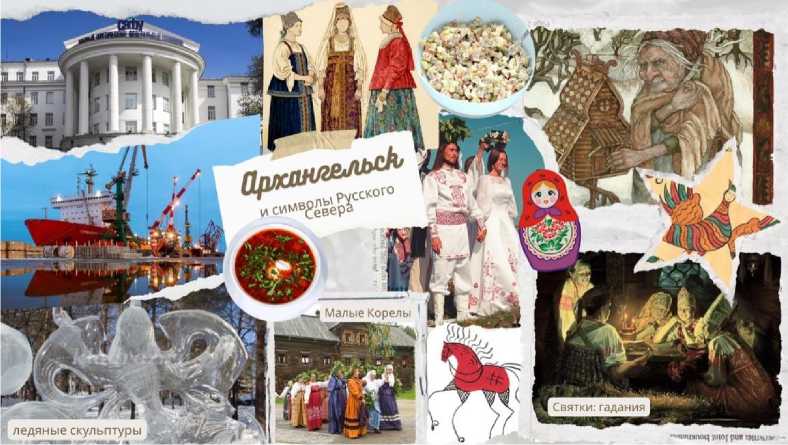
Fig. 1. A school participant’s associative map1.
Demythologization of the Arctic as an educational strategy
The summer school program was based on the idea of a consistent demythologization of the Arctic. The aim was to gradually replace the stereotypical images commonly conveyed by the media with scientifically verified knowledge. In terms of structure, this process can be divided into three stages. Each stage was designed for a specific level of perception and addressed its own objectives in changing the way students think and feel about the region.
Climate demythologization. At this stage, the aim was to deconstruct the persistent myth of the Arctic as a region entirely covered by permafrost, associated with existential threats. During educational activities, students expanded their knowledge of the landscape diversity of Arctic territories, learned about the urban features of modern northern cities with developed infrastructure (Arkhangelsk, Murmansk), and received empirical evidence that the Arctic’s climatic conditions
1 Source: the map was created by a participant of the 2025 summer school of Russian language and culture.
REVIEWS AND REPORTS
Inga M. Zashikhina, Olga E. Griva, Xu Le. Transforming the Perception of the Russian Arctic … during the summer can be characterized as comfortable. This representation helped to reduce biologically determined fears of the region and, consequently, increased its tourist and educational appeal in the perception of the Chinese audience.
Technological demythologization. At this stage, the main objective was to overcome another persistent myth that the Arctic is a technologically outdated region. Students were shown the reality of Russia’s presence in the high latitudes, where advanced technologies are used. This included the nuclear-powered icebreaker fleet, digital systems that facilitate navigation along the Northern Sea Route, and construction solutions enabling the building of facilities in permafrost conditions. For Chinese youth, who are highly sensitive to technological innovations, this information became a compelling argument in favor of the conclusion that Russia occupies a leading position in the development of the Arctic and possesses unique capabilities unmatched by any other country.
Geopolitical demythologization. The third stage of the program was devoted to reassessing Western narratives that portray the Arctic as a zone of inevitable confrontation. The Arctic was conceptualized as a space for dialogue in which the interests of the Russian Federation and the People’s Republic of China can be harmonized on the principles of mutual benefit and longterm strategic partnership. This approach is consistent with the concept of “positive securitization”, which emphasizes the region’s potential for cooperation as opposed to conflict scenarios (Rekets, 2024).
The effectiveness of the implemented demythologization strategy is empirically confirmed by the final testing data: 80% of participants disagreed with the statement reducing the Arctic to an “icy desert”. In the qualitative responses, the region was described as a “territory of the future”, a “resource treasure trove”, and a “key link in global logistics”. The results suggest that the educational impact contributed to shifting the perception of the Arctic from a purely “natural phenomenon” to a “geopolitical resource” and “space of opportunities”, which is consistent with the goal of developing an adequate understanding of Russian national interests in the region among foreign audiences.
The role of the Northern (Arctic) Federal University in implementing “soft power” strategies in the Arctic
The Northern (Arctic) Federal University named after M.V. Lomonosov (NArFU) occupies a special place in the institutional architecture of the Russian Federation’s educational diplomacy. Positioning itself as the “gateway to the Arctic”, the university accumulates and adapts best practices in working with international students to the specific characteristics of the northern macroregion. The experience of organizing the 2025 summer school demonstrated that integrating linguistic training with a specialized regional studies component creates a pronounced synergistic effect, enabling the achievement of results that would be unattainable if these approaches were applied in isolation.
For Chinese students, NArFU acted not only as an educational institution, but also as an institutional guarantor of the reliability of the bilateral partnership. Chinese cultural tradition, as is well known, places significant emphasis on the status of an educational institution and its affiliation with the state agenda. The fact that NArFU has the status of a federal university, tasked with providing personnel for the Arctic zone of the Russian Federation, significantly increases the legitimacy of the knowledge it transmits in the perception of Chinese youth; this is consistent with the findings of researchers who have noted the significance of the institutional factor in the structure of educational attractiveness (Davydova, 2024).
The university’s accumulated experience includes extensive practice in applying expeditionbased learning formats. In particular, the “Arctic Floating University” project can be described as one of the most immersive educational methods. Moreover, even when the program is implemented in the campus, students have the opportunity to directly engage with researchers who have recently completed fieldwork in the high latitudes. Such a pedagogical framework enhances the credibility of the knowledge transferred and fosters a sense of involvement in current scientific research.
Furthermore, NArFU serves as a unifying platform for initiating professional contacts and shaping long-term collaboration trajectories. Upon completion of the 2025 summer school, a significant number of students expressed their intention to continue their academic development in master’s or postgraduate programs. This should be seen as an indicator of the establishment of a stable channel for attracting talented international applicants — essentially, a channel for attracting students. In this paradigm, short-term educational modules serve as an initial test of the Russian higher education system, allowing candidates to formulate realistic expectations and minimize the likelihood of subsequent socio-cultural difficulties. Thus, such formats contribute to expanding the export potential of Russian education and, from a strategic perspective, to strengthening the Russian Federation’s cultural influence within the People’s Republic of China.
Discussion of research results
The data obtained during the empirical study, reflecting the transformation of the perception of the Arctic region among Chinese students participating in the 2025 NArFU summer school, allow us to conceptually understand the potential of short-term educational formats as a tool for implementing the Russian Federation’s “soft power” strategies. Against the backdrop of contemporary geopolitical dynamics, characterized by a reorientation of international cooperation vectors from the West to the East (Pogodin, Lun, 2024; Nikolaev, 2022), intensive educational programs are acquiring not only a pedagogical but also a strategic dimension. Working with international students is now an integral component of the state’s image-building policy and a mechanism for forming loyal, pro-Russian elites (Makhmutova, 2019). The experience of the Northern (Arctic) Federal University demonstrates that the transition from abstract, mythologized representations
REVIEWS AND REPORTS
Inga M. Zashikhina, Olga E. Griva, Xu Le. Transforming the Perception of the Russian Arctic … of the Arctic to specific, professionally oriented concepts is possible through the adaptation of educational strategies to the “new reality” of educational services exports.
Cognitive transformation: from information vacuum to strategic awareness
The cognitive dynamics observed during the study — a statistically significant increase in knowledge levels from 32% to 79% — indicates overcoming the critical “cognitive gap” previously identified by researchers as a significant barrier to advancing Russia’s educational presence (Nikolaev, 2022). The fact that the maximum increase (+56 percentage points) was achieved in the “Geopolitics and the Northern Sea Route” section allows this result to be interpreted as an indicator of the Chinese audience’s high level of pragmatic motivation. The identified pattern correlates with China’s overall strategic focus on deepening its engagement in Arctic processes and the practical implementation of the Polar Silk Road initiative (Rekets, 2024).
Chinese students belonging to Generation Z demonstrate a clear focus on acquiring knowledge that is of practical significance for their future professional careers in the context of global competition. The fact that upon completion of the program, 92% of participants could correctly assess the role of the Northern Sea Route as an alternative global transport artery confirms the effectiveness of this educational format as a channel for transmitting the strategic priorities of the Russian Federation. It is of fundamental importance that, unlike declarative political statements, the educational program creates conditions in which students independently come to the conclusion that Russian control over the Northern Sea Route is mutually beneficial, thereby adopting these attitudes as personally meaningful.
Qualitative transformation of perception: from stereotype to image
A qualitative analysis of the results of the associative experiment revealed a fundamental restructuring of the associative core — a shift from the dominance of natural and climatic concepts (“cold”, “ice”) to socio-cultural and geo-economic representations. The appearance of the concept “Pomors” in the core of associations, with a frequency of 84%, can be interpreted as a key indicator of the successful demythologization of the region: the Arctic has acquired an anthropological dimension, personified through the history and culture of a specific subethnic group (Andreychenko, 2022). This transformation aligns with the objectives of building the country’s reputational capital through immersion in the local context, or, using the researchers’ terminology, through the actualization of the “genius loci”. The shift in the focus of the associative field towards the “Northern Sea Route” and “icebreaker” as a symbol of technological presence confirms that, in students’ perceptions, the region has begun to be conceptualized as a complex technological system, within which Russia possesses unique competencies that have no analogues in global practice (primarily in the nuclear icebreaker fleet). Such a representation is critically important for fostering a sustainable confidence in Russia’s reliability as a strategic partner in high-latitude projects among future members of the Chinese elite.
These results contrast to some extent with the findings of earlier studies, which identified serious difficulties in the socio-cultural adaptation of Chinese students, related to their tendency to isolate themselves within national groups and high levels of acculturation stress, exacerbated by the language barrier. The program’s success, evidenced by the emergence of the association “friendship” at the core of the final associative field (80%), demonstrates that short-term intensive formats have the potential to overcome the insularity of national “bubbles”.
The principles of intensive learning — communicative focus, situational approach, individualization — make it possible to create an atmosphere of trust and interpersonal closeness within a short timeframe. The accelerated immersion provided by the summer school serves as a kind of “test drive” of the Russian educational environment, significantly lowering the barrier for entering a cross-cultural context and fostering an initial sense of loyalty, which may subsequently form the basis for building long-term educational and professional trajectories.
Strategic dimensions of educational diplomacy in the Arctic
An analysis of the obtained results suggests that the educational programs implemented in the Arctic region successfully fit into the updated “soft power” strategies of both countries. For China, participation in such formats is an element of implementing the concept of dual circulation, which entails the qualitative enrichment of domestic resources through cultural confidence and international interaction (Zinevich, Selezneva, 2022). For Russia, educational diplomacy in the Arctic is considered as an effective tool for protecting national sovereignty, achieved by forming a pool of loyal international experts capable of acting as advocates for Russian interests in their own countries (Kharichkin, Shamarov, 2021).
The study confirmed that effective work in the Chinese educational market requires more than simply translating content into Chinese; it necessitates a profound adaptation of the content’s meaning to the values of the “community with a shared future” concept. The success of the program at NArFU was achieved precisely through such adaptation, in which Russia’s interests in the Arctic were presented not as self-serving ambitions, but as an integral part of the shared future of the two nations, built on the principles of mutual benefit and long-term strategic partnership.
The transition from Russia’s “resource-based” image in the Arctic to that of a technological and scientific leader capable of ensuring the region’s sustainable development in the interests of all humanity requires systematic efforts by the state, the academic community, and civil society institutions to promote national interests in the global humanitarian space. In order to consolidate the achieved results, universities need to strengthen the digital component of their promotional activities by mastering SMM tools in Chinese social networks and messaging apps (Baidu, WeChat), which will enable continuous communication with the target audience beyond the scope of shortterm educational intensive programs (Nikolaev, 2022).
Conclusion
This study provided a comprehensive analysis of the role and effectiveness of educational diplomacy as a tool for shaping regional identity and strengthening the Russian Federation’s humanitarian presence in the context of Russian-Chinese cooperation in the Arctic zone. Empirical data obtained during a short-term summer school at the Northern (Arctic) Federal University named after M.V. Lomonosov confirm that intensive educational formats, such as seasonal language schools, serve as a statistically verifiable mechanism for bridging the cognitive gap and deconstructing stereotypical representations of the Russian Arctic in the minds of Chinese students.
The scientific novelty of the study lies in the theoretical justification and empirical verification of the transition from extensive, quantitative indicators of educational activity to qualitative transformations in the structure of regional perception. Using psycholinguistic tools and an associative experiment method, a fundamental restructuring of the associative core was documented: from the dominance of natural and climatic concepts (“cold”, “ice”, “polar bear”) to geo-economic and socio-cultural representations (“Northern Sea Route”, “Pomors”, “icebreaker”, “friendship”). It was revealed that a successful transformation of the Arctic’s image from an “icy desert” to a “region of the future and a key logistics link” can only be achieved through a profound semantic adaptation of educational programs to the value orientations of Chinese youth, and, above all, to the concept of a “community with a shared future”, which integrates Russian strategic interests into the broader context of bilateral partnership.
The practical significance of this work is determined by the evidence of the high effectiveness of the intensive educational formats implemented at NArFU in addressing “soft power” objectives in the Arctic region. The patterns identified in the study — the dominance of the visual perception channel, the critical importance of emotional capital for the formation of sustainable positive attitudes, and the expressed pragmatic interest of the Chinese audience in the Northern Sea Route infrastructure projects — can be used to optimize the export strategy of Russian higher education, as well as to develop targeted programs to attract international students from Asia-Pacific countries.
In order to strengthen Russia’s humanitarian presence in China, several areas should be addressed in the future. Firstly, it is important to develop digital communication channels with the target audience — for example, by being more active in Chinese social media and messaging apps like Baidu and WeChat. This will ensure that contact with students is maintained after completion of short-term programs. Secondly, scientific and educational activities should be integrated into the long-term framework of the strategic partnership between the two countries. The aim is to shift from one-off events to building entire educational pathways: from undergraduate to master’s degrees, then to postgraduate studies and, subsequently, to joint research projects. Thirdly, there is a need for a more profound adaptation of educational materials to the values of the Chinese audience, while maintaining a focus on Russian national interests.
Considering the research results as a whole, it becomes clear that educational diplomacy today is not merely a matter of pedagogy, but a full-fledged strategic resource. It helps to form a pool of foreign experts loyal to Russia. This creates the foundation for the continuity of Russian-Chinese dialogue in the Arctic, serves as a kind of institutional memory, and guarantees the stability of cooperation even in the event of geopolitical fluctuations. In the future, it would be worthwhile to undertake a comparative analysis of different models of educational diplomacy, as well as to examine how short-term programs influence the career trajectories of foreign graduates and their willingness to participate in joint projects with Russia.
