
Высокогорные маршруты Великого шёлкового пути: новые данные по могильникам Жэшуй, провинция Цинхай, Китай
Журнал: Вестник Новосибирского государственного университета. Серия: История, филология @historyphilology
Рубрика: Археология Китая
Статья в выпуске: 4 т.25, 2026 года.
Бесплатный доступ
Представлена общая ситуация с исследованием уникального памятника эпохи раннего и развитого Средневековья - группы (кластера) могильников Жэшуй в пров. Цинхай. В тот период местность населяли сяньбэйские туюйхуни, находившиеся в вассальной зависимости от раннетибетского государства Тубо. Могилы вырезаны в каменистой поверхности Цайдамской котловины, на высоте 3 400-3 500 м над уровнем моря. Такая обстановка дает возможность исследовать полученные материалы с точки зрения хозяйственной адаптации населения к высокогорным условиям, в частности налаживания новых маршрутов Великого шелкового пути. Несмотря на то, что могилы Жэшуй неоднократно грабили, они сохранили богатый погребальный инвентарь. Большое количество в его составе шелковых тканей с рисунками и надписями, может служить указанием на основной экспортно-импортный товар, а обилие изделий из золота, серебра, бирюзы и т. п. - на исключительную выгоду такой торговли. На основании этих находок можно предположить, что проложенный через высокогорье «цинхайский коридор» Шелкового пути функционировал на постоянной основе, дополняя главное хэсийское направление, а не только спорадически, когда маршрут через Ганьсу перекрывали кочевники.
Похожие статьи в разделе Kультурные остатки исторических времен
Короткий адрес: https://sciup.org/147254122
IDS: 147254122 | УДК: 904(515, | DOI: 10.25205/1818-7919-2026-25-4-133-145
High-altitude routes of the Great Silk Road: New data on the Reshui burial grounds, Qinghai province, China
The article presents a study of the general situation of a unique site of the first half of the Middle Ages - the group (cluster) of the Reshui burial grounds in Qinghai Province, China. At that time, the area was inhabited by the Xianbei Tuyuhun tribes, who had come there from Manchuria at the beginning of 4th century AD, and then, in 7th century were conquered and controlled by the early Tibetan state of Tubo. The graves were carved into the rocky surface of the Tsaidam (Chaidamu) Basin, at an altitude of 3,400-3,500 metres above sea level. This setting provides an opportunity to explore the materials from the perspective of the population's adaptation to high-altitude conditions, particularly the establishment of new routes along the Great Silk Road. Despite the fact that Reshui graves were repeatedly robbed, nevertheless, they preserved a rich burial inventory. Large graves were accompanied by pits and trenches with dozens of sacrificed domestic animals, mostly horses. The large number of silk fabrics with drawings of different styles and inscriptions in many languages may indicate the main export-import goods (textile), while the abundance of gold, silver, turquoise, and other precious items may indicate the exceptional benefits of such trade. Based on these findings, it can be assumed that the “Qinghai Corridor” of the Silk Road, which ran through the highlands, was a permanent route that supplemented the main “Hexi route”, rather than being used sporadically when the way through Gansu was blocked by nomadic peoples.
Текст научной статьи Высокогорные маршруты Великого шёлкового пути: новые данные по могильникам Жэшуй, провинция Цинхай, Китай
Могильник или, точнее, кластер могильников Жэшуй на Цайдамском плато получил название по наименованию волости (Жэшуй можно перевести на русский язык как Горячегорск) в составе уезда Дулань, Хайси-Монгол-Тибетского автономного округа, пров. Цинхай (КНР). Он расположен на обоих берегах р. Чаган-Ус (Цаган-Ус) на высоте 3 400–3 500 м над уровнем моря и состоит из примерно 160 могил на северном берегу и ок. 30 – на южном [Тун Тао, 2012, с. 467]), датированных в рамках широкого периода раннего Средневековья (VI– VIII вв.), когда данная местность контролировалась Тибетским государством (Тубо). Исследования показали, что как минимум часть могил принадлежала представителям народа ту-юйхуней 1 . Согласно историко-географическим данным письменных и эпиграфических источников, присутствие данного этноса в районе Кукунора можно разделить на три больших этапа: создание в 329 г. собственного государства, проводившего независимую и весьма агрессивную политику; поражение от тубосцев в 635 г. и переход в статус вассала Тибетской империи; окончательный разгром этого государства тибетцами в 663 г., когда часть туюйху-ней бежала на север под защиту Великой Тан, но многие осталась на прежнем месте, сохранив тесные связи и даже частичный вассалитет еще на некоторое время (точная дата обсуждается, но она определенно не ранее середины VIII в.) [Чэн Цицзюнь, 2003]. Вследствие культурной и исторической близости двух народов детальная атрибуция археологических находок района Жэшуй часто носит дискуссионный характер. Но, перед тем как обратиться к их представлению и анализу, мы считаем необходимым уточнить наиболее адекватное, на наш взгляд, произношение и, соответственно, транскрипцию двух этнополитических названий: тубо и туюйхунь, – которые занимают исключительное место в описании событий в обозначенный выше период.
Термином тубо ( 吐蕃 ) в научной литературе обозначают племена тибетцев периода поздней Древности и Средневековья, которые в конце VI – начале VII в. создали централизованное государство Тубо во главе с правителями- цэмпо ; таким образом, этноним стал еще и по-литонимом. Но иероглиф 蕃 имеет второе чтение ( фань ), вероятно, более раннее. Поэтому во многих китайских и большинстве западных исследований использовался вариант произношения / транскрипции туфань . В отечественной литературе этот термин утвердился с легкой руки о. Иакинфа (Бичурина) (см.: [История Тибета…, 1833, с. 124 и далее]), ему следовали многие российские ученые, включая и авторов данных строк. На карте исторической Азии, изданной Карлом фон Спрунером в 1865 г., Тибет значится как Reich der Tufan, хотя ниже указано также название Tobba 2. Однако в последние десятилетия большинство китайских, а с их подачи – и западных ученых отказались от варианта туфань , поскольку пришли к выводу, что второй вариант лучше соответствует самоназванию тибетцев бод-па (люди Бод). По этому поводу прошло обсуждение, особенно оживленное в Интернете 3 . Однако к настоящему времени дискуссии закончились, и чтение этнонима / политонима как тубо закрепился в словарях и энциклопедиях [Ван Фужэнь, 1986], в том числе электронных 4. Несколькими десятилетиями раньше подобная процедура была осуществлена в китайской историографии с транскрипцией иероглифов 鲜卑 (отказ от чтения сяньби в пользу сяньбэй ) [Цзя Цзинъянь, 1986] 5.
Далее мы обозначим свою позицию по поводу сяньбэйских туюйхуней. В своей монографии Б. А. Илюшин приводит реконструкции филологов, дающие основание для произношения тугухунь, которое он предполагает использовать в качестве дополнительного [Илюшин, 2023, с. 4]. Никоим образом не ставя под сомнение такую возможность, мы все же далее будем использовать наиболее распространенный в современной литературе термин туюйхунь, поскольку его выбрали китайские ученые и закрепили данную транскрипцию в авторитетных энциклопедиях [Цянь Ичжи, 1986] 6 и словарях 7. А в профессиональном диалоге использование устаревших терминов, как уже говорилось, может привести к изрядной путанице.
Определившись с названиями этнокультурных групп, мы можем перейти к представлению созданных ими памятников. Следует отметить, что ввиду огромных размеров могильника, а также трудных бытовых условий и сложностей в проведения работ исследования в Жэ-шуй проводились с большими перерывами и на сравнительно небольших площадях. До сих пор нет единого плана и маркировки раскопок, что создает немалые сложности для интерпретации полученных данных. В то же время сам материал настолько богат и информативен, что позволяет сформулировать целый ряд важных выводов и предварительных гипотез.
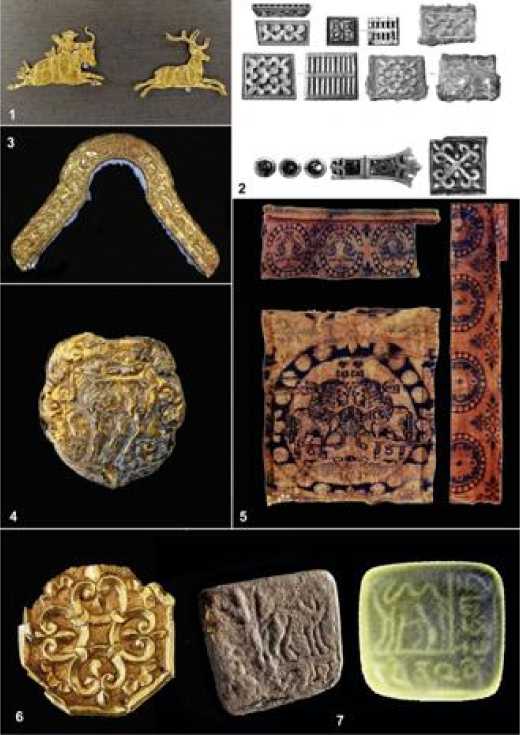
Первые обследования были проведены еще в 1982 г. – год официального открытия памятника, обнаруженного благодаря информации от местных пастухов. В последующие три года были организованы первые раскопки верхней части «большой могилы № 1» и прилегавших к ней малых могил и жертвенных ям 8. Высота насыпи с обозначенными уступами на ее склонах достигает 35 м; внутри устроен прямоугольный карман, выложенный камнем и перекрытый жердями, с остатками ок. 70 костяков принесенных в жертву животных (КРС, баранов, собак, лошадей). Рядом с могилой находится еще пять траншей с выложенными в ряд скелетами 87 лошадей, 13 ям с головами и копытами быков, восемь – с целыми костяками собак и т. п. [Тун Тао, 2012, с. 469] 9. В составе инвентаря выделяются до 350 фрагментов текстильных изделий, покрытых сложным рисунком (рис. 1, 5 ) 10. Интересно отметить, что кайма ткани, подобная найденной в «большой могиле», украшает наряд тубоского посла на картине, запечатлевшей «приношение дани» танскому императору в 634 г. [Линь Мэйцунь, 2017, с. 239–240]. Для найденных серебряных позолоченных пластин наборного пояса (рис. 1, 2 ) китайские археологи указали аналоги среди находок в могиле Доу Цзяо (дата 646 г.), кузена танского императора Тай-цзуна, и в собрании Бостонского музея искусств (дата конец VI – начло VII в.). А фигура всадника, преследующего оленя (рис. 1, 1 ), найденная в грабительском выбросе из центральной камеры могилы, стала одним из узнаваемых символов памятника Жэшуй в целом. Хронологию могилы уточнил Тун Тао [2012, с. 473]. Отталкиваясь от дат 611–784 гг. по скорректированной дендрохронологической шкале, полученных в 2000 г. для семи образцов из сопредельных могил [Ван Шучжи, 2004], он сопоставил (в основном по рисункам на ткани) некоторые фрагменты шелка из «Большой могилы № 1» с образцами из хорошо датированных захоронений Цинхая и Синьцзяна, получив в итоге даты в промежутке с 589 по 610 г., но для большей части находок – вторую половину VII в.
Дальнейшие дендрохронологические изыскания позволили фактически поставить точку в спорах о хронологии объекта. Для анализа были отобраны 16 образцов, взятых из деревянных жердей перекрытия могилы (вытесанных из древесины можжевельника Пржевальского,
Рис. 1. Погребальный инвентарь могилы 2018DRXM1 и «большой могилы № 1» (отмечен знаком #):
1 – серебряные фигурки конного охотника и оленя, обклеенные золотой фольги; 2 – вверху наборный пояс (#), внизу – аналогии (см. текст статьи); 3 – золотая накладка на переднюю луку седла; 4 – серебряная бляха, покрытая золотой фольгой, с фигурой оленя; 5 – образцы текстиля (#); 6 – золотая 8-гранная бляха с вензелем; 7 – печать из электра и ее оттиск. По: [Хань Цзяньхуа и др., 2021, с. 64, 63, 63, 60–61; Жэшуй муцюнь, 2026].
Здесь и далее: рисунки подготовлены к печати А. И. Соловьевым по материалам китайской научной периодики и сетевых ресурсов
-
Fig. 1 . Burial inventory from the grave 2018DRXM1 and “large grave no. 1” (marked with a sign #):
1 – silver figurines of a mounted hunter and a deer, covered with gold foil; 2 – at the top belt set (#) is presented, with analogies at the bottom (see the text of the article); 3 – gold patch on the front saddlebow; 4 – silver plaque, covered with gold foil, with the figure of a deer; 5 – textile samples (#); 6 – gold 8-faceted plaque with a monogram; 7 – electrum seal and its imprint. As per: [Han Jianhua et al., 2021, pp. 64, 63, 63, 60–61; Reshui muqun, 2026].
Here and below, all the drawings were prepared for publication by A. I. Solovyev based on materials from Chinese scientific journals and online resources
Juniperus przewalskii Kom.), которые соотнесли с хорошо откалиброванной шкалой для исследуемого региона, в результате чего установили, что деревья (кусты), использованные в строительстве, были срублены в конце 715 г.; соответственно, могила построена немногим позднее. Но хотя гробница датирована временем после официального упразднения вассального государства, это не исключает того, что в ней был захоронен представитель туюйхунь-ской аристократии, руководивший областью под прямым контролем тибетских (тубоских) правителей [Li Mingqi et al., 2015].
Следующие раскопки были организованы только в 1999 г. для аварийного изучения четырех могил, сильно разрушенных грабителями. Среди находок – деревянные элементы конструкции и расписные планки гробов и саркофагов. Дошедший до нас погребальный инвентарь довольно обилен, несмотря на грабеж, и содержит серебряные пластины и бляхи, позолоченные или крытые золотой фольгой, бронзовые пряжки и крючки, бирюзовые бусы, лаковые чашки, деревянные раскрашенные фигурки всадников (один из них – в чешуйчатом доспехе), фрагменты шелковой ткани, кожаные сапоги и пояса, керамику. К наиболее важным находкам относятся деревянные дощечки и каменные блоки с тибетскими письменами, в которых содержатся указания на титулы и высокую (в ранге министра) должность погребенных. Из трех могил удалось получить образцы для анализа митохондриальной ДНК; по этому показателю погребенные оказались наиболее близки современным тибетцам. Соответственно, делается вывод о том, что раскопанные в сезон 1999 г. могилы принадлежали представителям тубоской знати середины VIII в. [Дулань тубо му, 2005].
Палеогенетические исследования были продолжены в 2020-х гг. Данные по девяти образцам из могил в Жэшуй, с погребальными конструкциями разного типа, выявили наибольшую близость генотипа населения Цайдама того периода 11 к современным тибетцам как центральной части автономного района, так и горским этническим группам юго-западных Гималаев (Мустанг и т. д.), с возможными контактами с тюрко-монгольским населением Центральной Азии [Zhu Kongyang et al., 2022]. Релевантность полученных выводов несколько снижает, на наш взгляд, тот факт, что образцы для анализа взяты из недостаточно изученных могил, а также явная оглядка авторов публикации на историческую канву, известную по письменным источникам.
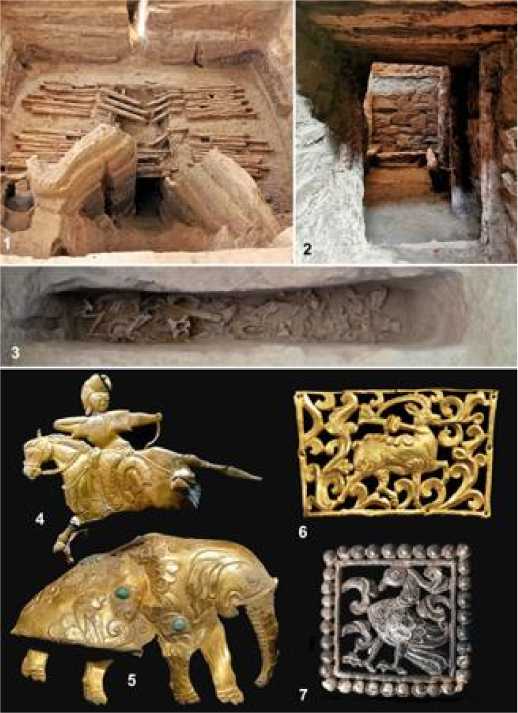
Отдельные наблюдения проводились на памятнике в 2014 г. А в 2018 г. в рамках очередного «спасательного» сезона на территории высокогорного пастбища Сюэвэй вскрыли наиболее богатое и, в целом, хорошо опубликованное захоронение со сложным названием «могила № 1 в Сюэвэй, [сезон] 2018 г.» (код 2018DRXM1), которую следует отличать от «большой могилы № 1». Именно на этом памятнике получены наиболее эффектные артефакты [Хань Цзяньхуа и др., 2021; Хань Цзяньхуа, 2022]. Конструкция погребального комплекса сильно повреждена грабительскими лазами, но им не удалось полностью разрушить ее мощную основу. Подземный основной склеп и четыре боковых камеры, соединенные коридорами, демонстрируют ханьское влияние (рис. 2, 2 ), высокая земляная насыпь и деревянные перекрытия (рис. 2, 1 ) берут начало в погребальной архитектуре центральноазиатских кочевников, а каменные кладки напоминают о гробницах ярлунгских цэнпо . В состав единого комплекса входит также яма для жертвоприношений c останками лошадей, коров, антилоп и яков (рис. 2, 3 ).
Внутри могилы обнаружено свыше 1 000 артефактов: золотые, серебряные, бронзовые и железные изделия, лакированные предметы из дерева, стеклянные бусы (среднеазиатского происхождения) 12, а также кожаные, нефритовые, и текстильные изделия. Многочисленные фрагменты шелка покрыты рисунками в позднем эллинистическом стиле, а также надписями на китайском, тибетском, персидском и арабском языках. Золото представлено как в виде литых сосудов (рис. 3, 1 , 7 ) 13, так и в виде листочков фольги, которыми оклеивали бронзовую или серебряную основу (рис. 1, 4 ; 2, 4 ). Для инкрустации и вставок широко использовалась бирюза (рис. 3, 2–4 , 6 ). Судя по цвету, она могла поступать из сравнительно близкого месторождения Хэйшаньлин в Синьцзяне, где разработки этого минерала велись уже в эпоху Чжоу 14. В оформлении ажурных пластин, блях и подвесок прослеживается влияние разных культурных традиций: условно говоря, от «степных» (рис. 1, 4 , 2, 4 , 6 ) и ханьских (рис. 1, 3 , 3, 5 ) до среднеазиатских (рис. 1, 6 ), иранских (сасанидских) (рис. 2, 5 ) и, возможно, даже индийских (рис. 2, 7 ). Особое внимание привлекает печать из электра с фигурой верблюда и тибетской надписью, которая гласит: «племянник ачайского вана» (рис. 1, 7 ). Вероятно, могила 2018DRXM1 принадлежала туюйхуньскому наместнику, вассальному по отношению к государству Тубо, получившему печать как знак инвеституры (ср.: [Komissarov et al., 2025]). Упоминающийся в надписи «племянник» – термин не родства, а подчинения, этноним «ачай» ( ачайлу ) – одно из названий для туюйхуней в китайских летописях (например, в «Цзинь шу») (см.: [Хань Цзяньхуа, 2022, с. 86]). Изображение верблюда, признанного символа караванной торговли [Комиссаров, Соловьев, 2022], могло служить указанием на главную хозяйственную функцию данного владения.
Рис. 2. Погребальные конструкции и инвентарь в могиле 2018DRXM1:
1 – детали конструкции склепа; 2 – проход из основной камеры в северное боковое хранилище № 2; 3 – траншея с костяками принесенных в жертву лошадей; 4 – серебряная фигурка всадника, покрытая золотой фольгой; 5 – золотая, с бирюзовыми вставками, фигурка слона; 6 – золотая ажурная пластина с изображением горного козла; 7 – серебряная ажурная пластина с изображением феникса. По: [Хань Цзяньхуа и др., 2021, с. 51, 57, 54, 63, 64, 63, 65]
-
Fig. 2 . Funeral structures and inventory
in the grave 2018DRXM1:
1 – details of the sepulcher’s construction; 2 – passage from the main chamber to the northern side vault no. 2; 3 – trench with the skeletons of sacrificed horses; 4 – a silver figure of a rider covered with gold foil; 5 – a gold figure of an elephant with turquoise inlays; 6 – a gold openwork plate depicting a mountain goat; 7 – a silver openwork plate depicting a phoenix. As per: [Han Jianhua et al., 2021, pp. 51, 57, 54, 63, 64, 63, 65]
В 2023 г. начаты раскопки могилы № 37 (называемой также «могилой в овчарне»). По предварительным оценкам, это самое большое захоронение в составе могильника. В настоящее время работы продолжаются 15. Их результаты, равно как и итоги дообследования «большой могилы № 1», будут представлены нами в специальном докладе.
Подводя предварительные итоги по вынужденно краткому обзору, подчеркнем, что в сложном, многокомпонентном характере культуры туюйхуней отразилась не только их насыщенная этнополитическая история [Escher, 2019, p. 56–57], но и характеристика одного из главных источников их богатства. Многочисленные свидетельства взаимодействия разных культур (тибетской, ханьской, иранской и др.) в едином комплексе, указывающие на контакты между отдаленными регионами, позволили сделать вывод о том, что в районе Дулань начиная с периода Северных и Южных династий и до династии Тан включительно (возможно, что и на полстолетия позднее) находился важный транзитный центр на Великом шелковом пути. Большое количество шелковых тканей с рисунками и надписями может служить указанием на основной экспортно-импортный товар, а обилие драгоценных металлов – на исключительную выгоду такой торговли. Некоторые археологи и, особенно, журналисты даже

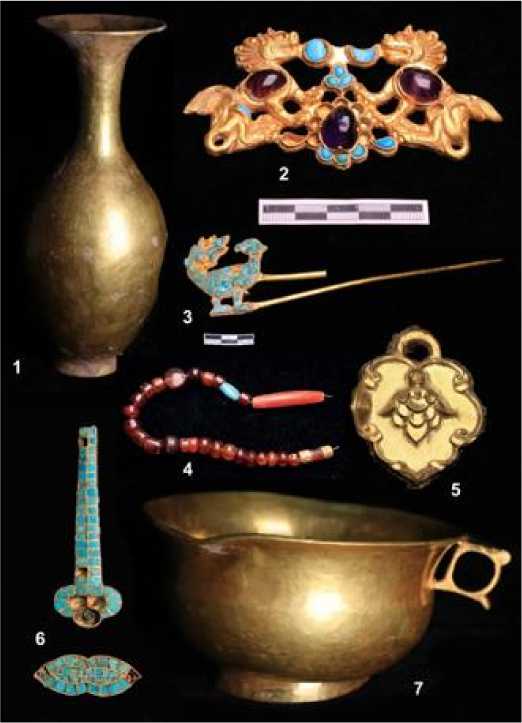
Рис. 3. Погребальный инвентарь могилы 2018DRXM1:
1 – золотой кувшин; 2 – золотая брошь, инкрустированная бирюзой и аметистами; 3 – золотая заколка с инкрустацией бирюзой; 4 – агатовые бусы с бирюзовой вставкой; 5 – золотой кулон в форме «листа абрикосового дерева»; 6 – золотые детали (нос, рот) лицевой маски, инкрустированные бирюзой; 7 – золотая чаша с ручкой. По: [Хань Цзяньхуа и др., 2021, с. 61–62, 62, 62, 68, 64, 64–65, 60–62]
-
Fig. 3 . Burial inventory of grave 2018DRXM1:
1 – gold jug; 2 – gold brooch inlaid with turquoise and amethysts; 3 – gold pin with turquoise inlay;
4 – agate beads with one turquoise insert; 5 – gold pendant in the shape of “apricot tree leaf”; 6 – gold details (nose, mouth) of the face mask inlaid with turquoise; 7 – gold cup with a handle. As per: [Han Jianhua et al., 2021, pp. 61–62, 62, 62, 68, 64, 64–65, 60–62]
стали утверждать, что «цинхайский коридор» на этом пути играл «никак не меньшую роль», чем «хэсийский» 16. Это, конечно, преувеличение. И многочисленные упоминания в исторических документах, и обилие археологических находок свидетельствуют в пользу приоритетного направления Шелкового пути в Западный край через Хэси («ганьсуский коридор»), тем более что отдельные ценности могли попасть к тибетским племенам не только через торговлю, но и в качестве дани или военных трофеев. Ведь период VII–VIII вв. – эпоха Великого Тибета, войска которого ходили походами и на Кашгар, и на Чанъань [Кычанов, Мельниченко, 2005, с. 19–23; Илюшин, 2023, с. 210–214]. То, что можно уверено констатировать на основании имеющихся находок, включающих импортные изделия на протяжении всего периода образования могильника, – это функционирование «цинхайского коридора» на постоянной основе, дополняющего основное хэсийское направление, а не только спорадически, когда Ганьсуский коридор перекрывался кочевниками (см.: [Сюй Синьго, 2006, с. 142–147]). Эту магистраль дополняли пути, крест-накрест связывавшие северные и южные регионы владения туюйхуней и окрестные территории [Го Шэнбо, Су Ян, 2020].
В целом, памятник Жэшуй, собрав в себе целую сокровищницу роскошного материала, параллели которому как в сюжетах, так и в стилистике (наряду с массовым закланием различных животных), можно сказать, веером уводят исследователя в сторону культурного на- следия исторически разных групп населения как близких, так и отдаленных территорий. Это дает как бы мгновенный слепок сложной мультикультурной и даже эклектичной обстановки в регионе, пронизанной перипетиями военных походов и маршрутов торговых путей, который в русле известного определения можно назвать «златокипящим». Вместе с тем ряд находок и воплощенные на них образы и сюжетные построения могут послужить стимулом для переоценки некоторых композиционных решений в реконструкциях конского убранства, существующих еще с 1950-х гг., и внести коррективы во взгляды на корни происхождения и принадлежность ряда предметов торевтики скотоводческого населения Южной Сибири.
