
Bioecological Features and Utilization of the Genus Salsola L. in the Flora of the Nakhchivan Autonomous Republic
Journal: Bulletin of Science and Practice @bulletennauki
Section: Естественные науки
Article in issue: 12 т.11, 2025.
Free access
As a result of the research, it was found that the genus Salsola L., which was involved in the study in the flora of the Nakhchivan Autonomous Republic, belongs to the family Chenopodiaceae Vent. The family has 100 genera and 1600 species distributed in the world. Of these, 101 species belonging to 33 genera are distributed in the flora of Azerbaijan. There are 30 genera and 76 species in the territory of the Nakhchivan Autonomous Republic. From the systematic review, it is known that there are 13 species of the genus Salsola L., which belongs to the family Chenopodiaceae Vent. in the autonomous republic. In this regard, the species composition, distribution patterns of species, origin and other specific features of the genus Salsola L. were investigated in the research work. A study was conducted on the soil types and altitudinal zones where the genus is distributed. Most of the species belonging to the genus Salsola L. are used in ornamental plants, medicine, and the chemical industry, as they have significant feed value, and none of the species are poisonous. The quality percentage of meat of cattle and small-horned animals fed with it increases.
Similar articles in the section Plant histology
Short address: https://sciup.org/14135433
IDS: 14135433 | UDC: 581.8 | DOI: 10.33619/2414-2948/121/13
Биоэкологические особенности и направления использования видов рода Salsola L., распространённых во флоре Нахчыванской автономной республики
В результате проведенных исследований установлено, что род Salsola L., который был вовлечен в исследование во флоре Нахчыванской Автономной Республики, относится к семейству Chenopodiaceae Vent. Семейство насчитывает 100 родов и 1600 видов, распространенных в мире. Из них во флоре Азербайджана распространены 101 вид, относящиеся к 33 родам. На территории Нахчыванской Автономной Республики встречаются 30 родов и 76 видов. Из систематического обзора известно, что на территории автономной республики встречается 13 видов рода Salsola L., который относится к семейству Chenopodiaceae Vent. В связи с этим в научно-исследовательской работе были изучены видовой состав, закономерности распространения видов, происхождение и другие специфические особенности рода Salsola L. Было проведено исследование типов почв и высотных поясов распространения рода. Большинство видов рода Salsola L. используются в декоративных растениях, медицине и химической промышленности, поскольку обладают значительной кормовой ценностью, и ни один из видов не ядовит. При кормлении этим растением повышается качество мяса крупного рогатого скота и мелкорогатого скота.
Text of the scientific article Bioecological Features and Utilization of the Genus Salsola L. in the Flora of the Nakhchivan Autonomous Republic
Бюллетень науки и практики / Bulletin of Science and Practice
UDC 581.8
We have studied the species composition, distribution patterns, origin and other specific features of the genus Salsola L.. Species of the genus Salsola L., which are widespread in the flora of the Nakhchivan Autonomous Republic, are widespread in saline soils, steppe or coastal regions. Saline plants can survive in this environment by absorbing salt and having a metabolic system adapted to it. These plants usually consist of species that can purify water or naturally grow in saline conditions. Examples of saline plants include halophytes and salt grasses. These plants are of great importance for both ecology and agriculture, as they can help improve the quality of soil and water in steppe environments. Due to the high ontogenetic variability of representatives of the genus Salsola L., comparative study of the complete life cycle and different characteristics at all stages of plant development is of great importance. Salsola L. is a plant genus belonging to the family Chenopodiaceae Vent. It is found in a variety of ecosystems, mainly distributed in arid and semi-arid regions. The genus is also known as "sand bushes" or "wild bushes". The species of this genus are mainly perennial or annual plants. The genus Salsola L. has a variety of plant forms. Some species are perennial shrubs, while others are biennial herbs. The plants are usually short or medium-sized. The leaves of these plants are usually long, sharp or lanceolate, sometimes thorny. The flowers are usually small, solitary or loosely grouped. The flowers are often few, sometimes pollinated by wind. The fruits are usually seeds and are adapted to harsh conditions. These seeds are mainly spread by wind [14-26].
Material and methodology of the research
In order to study the bioecological characteristics and directions of use of species belonging to the genus Salsola L. distributed in the flora of the Nakhchivan Autonomous Republic, the distance from the subalpine to the alpine zone of the Khazinadare, Demirlidagh and Arachig mountain areas in the Julfa region, the Gamigaya and Gapijig mountain areas in the Ordubad region, and the forestbush massifs of the Batabat forest in the Shahbuz region were taken as the main observation and experimental areas.
In order to study the genus Salsola L. distributed in the flora of the Nakhchivan Autonomous Republic, herbarium specimens stored in the herbarium funds of the Institute of Bioresources of the Nakhchivan branch of the Azerbaijan National Academy of Sciences and personally collected, the work “Flora Kavkaza” were used, phenological observations were made by E. M. Lavrenko, I. N. Beydeman and others [1-13].
Discussion and results of the research
The genus Salsola L. consists of perennial or annual plants adapted to living conditions in arid, semi-arid and saline areas. These plants are both ecologically and economically important. Their adapted characteristics help them play an important role in ecosystems. The family
Бюллетень науки и практики / Bulletin of Science and Practice Т. 11. №12 2025
Tarachichekli is dominant due to its distribution in saline soils. The Tarachichekli family, which is mainly distributed in dry climates, has 81 species belonging to 28 genera in the Nakhchivan region. The taxonomic composition of the species belonging to the genus Salsola L. in the flora of the area is as follows. Taxonomic overview of the genus Salsola L. in the flora of the Nakhchivan Autonomous Republic:
Fam.: Chenopodiaceae Vent.
Genus: Salsola L. (Caspia Galuschko)
-
(1) S. australis R.Br. (S. pestifer Nels.)
-
(2) S. camphorosma İljin
-
(3) S. cana C. Koch
-
(4) S. crassa Bieb.
-
(5) S. dendroides Pall.
-
(6) S. ericoides Bieb.
-
(7) S. futilis İljin
-
(8) S. nitraria Pall. (S. macera Litv.)
-
(9) S. nodulosa (Moq.) İljin = S. gemmascens Pall. subsp. nodulosa (Moq.) Botsch.
-
(10) S. soda L.
-
(11) S. stellulata Korov.
-
(12) S. tamamschjanae İljin
-
(13) S. tomentosa (Moq.) Spach (S. takhtadshjanii İljin; S. flavovirens İljin)
The systematic review shows that there are 13 species of the genus Salsola L. (Caspia Galuschko), belonging to the family Chenopodiaceae Vent. - in the Autonomous Republic. Salsola australis R.Br. (S. pestifer Nels.) - Australian saltwort. Its common name in flora is also called prickly saltwort among the people. The plant is a species that often colonizes dry or slightly saline areas due to its biodiversity. It is an annual or biennial herb up to 1 m tall. The ribbed leaves are fleshy. The stems are glabrous or sparsely coarsely hairy, sometimes warty. The leaves are mainly alternate on the stems, 0.5-4 cm long, 0.5-6 mm wide. The stem of the leaf bases continues downwards [28].
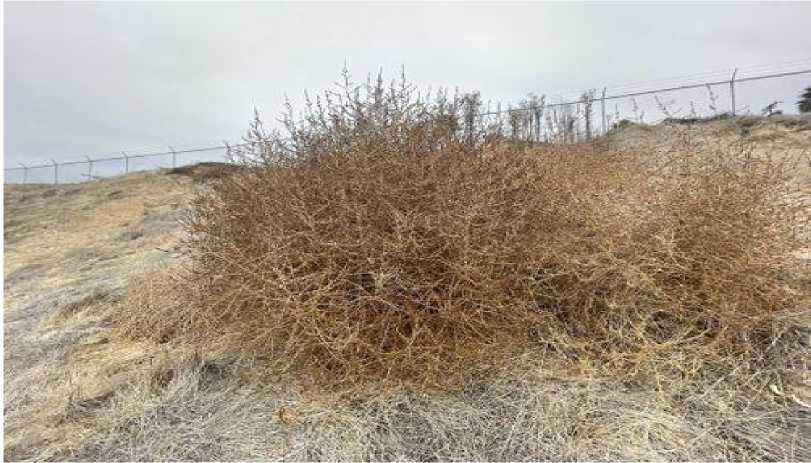
Figure 1. Salsola australis R.Br. (S. pestifer Nels.)
Salsola cana C. Koch. — a plant species belonging to the Chenopodiaceae Vent. family. According to the IUCN, the category and status of the species belongs to the category “Vulnerable to extinction” — VU D2. It is a rare species growing in Azerbaijan [1].
The stem is a silvery-gray semi-shrub, 20-35 cm high, covered with short hairs. The leaves are 2-3 cm long, 1-2 mm wide, alternately linear, semi-cylindrical, hard, blunt, dense, short, covered with whitish-gray hairs, naked at the end of vegetation. The sepals are slightly smaller, slightly longer than the flower. The seeds are arranged vertically. The flowering and fruiting period falls on September-November. Xerophyte, light-loving, resistant to salinization. Propagated by seeds. Found on dry, saline, clay or clay-stony slopes. It forms cereal-shoangal groupings in saline areas. It was widespread in the Nakhchivan plain (Julfa region — around Yayci village), Gulustan plain [27].
Salsola nitraria Pall. (S. macera Litv.) — is a salt-resistant plant, mainly distributed in saline and arid areas. It is found in the form of a perennial subshrub or bush. The root system is strongly developed, has a deep root system. This feature makes it easier for the plant to survive in saline and arid soils. The stem is multi-branched, woody and hard. Its leaves have small, narrow, needle-like or fleshy leaves. To reduce water loss, the leaves are covered with wax or hairs. It blooms in July-September, forming small green or reddish flowers. Its seeds are light and spread by the wind [1526].
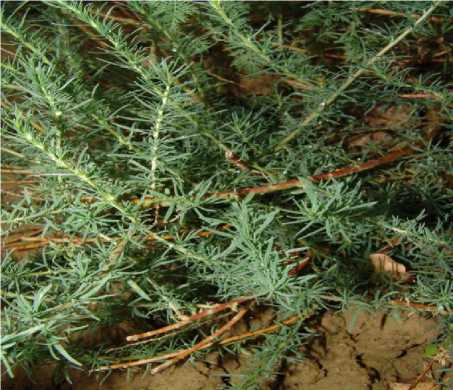
Figure 2. Salsola cana C. Koch.
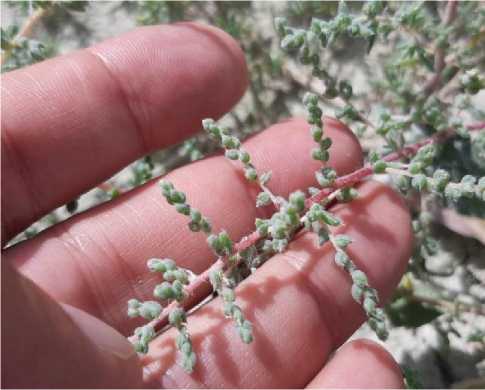
Figure 3. Salsola nitraria Pall. (Salsola macera Litv.)
Drought-resistant. Can survive with minimal water requirements. Adapted to flat soils. Grows in saline and salt marsh areas. It is a photophilous (light-loving) plant, develops better in sunny areas.
Table Salsola L. (Caspia Galuschko) – Altitude zone and soils where the Salsola genus spread
|
Names of the Species |
Altitude zone |
Soils of Spreading |
|
Salsola paulsenii Litv. |
Plain |
sandy, saline soils |
|
S. futilis İljin. |
low mountain zone |
clayey-rocky slopes |
|
S. nitraria Pall. |
Plain |
saline soils |
|
S.nodulosa (Moq.) İljin |
from the plain down to the mountain range |
gray-brown and brown semi-desert saline and salt-affected soils |
|
S.soda L. |
Plain |
saline and brackish soils |
|
S. stellulata Korov. |
Plain |
sandy slopes |
Бюллетень науки и практики / Bulletin of Science and Practice Т. 11. №12 2025
Names of the Species Altitude zone Soils of Spreading
S. tamamschjanae iljin low mountain zone semi-desert, sandy soils
S. tomentosa (Moq.) Spach Foothills dry, rocky slopes
S. cana C.Koch Plain dry, saline, clay or clay-rocky slopes
S. crassa Bieb. Plain saline and brackish soils
S. dendroides Pall. Plain and foothills salted gray soils
S. ericoides Bieb. from the plain down to the salted, saline gray soils and brown mountain range semi-desert soils
S. glauca Bieb. from the plain down to the saline soils, clayey, rocky, saline mountain range slopes
S. australis R. Br. Plain and foothills (rarely middle sandy soils mountain belt)
S.camphorosma iljin. Plain and foothills rocky slopes
It is clear from the table that most of the species belonging to the Salsola genus L. were distributed in the plain and foothill altitudinal zones. The soils where they were distributed are saline, saline gray, saline slopes and brown semi-desert soils. The rich xerophytic flora of the Nakhchivan Autonomous Republic has historically developed and formed in close genetic relationship with the floras of the Mediterranean, Near Asia and Iran. Based on the literature research and research work conducted, the following formation class of the genus Salsola L. exists in the Nakhchivan Autonomous Republic flora:
-
1. Shrubby-bushly and semi-shrubby saline desert formation class. The formation class includes Halocnemeta, Salsoleta, Halostachyeta-Halocnemetum, Halostachyeta, Salsoleta-Halostachyetum, Kalidieta, Suaedeta, Halostachyeta-Kalidietum and other formation groups.
-
2. Perennial salicornia-wormwood desert formation class. The formation class includes the formation groups Salsoleta-Artemisiosum, Salsoleta-Suaedetum-Artemisiosum, Salsoleta-Artemisietum, SuaedetaSalsoletum-Artemisiosum, SuaedetaSalsoletum-Artemisiosum, Suaedeta-Artemisietum, Puccinellieta-Limonietum-Artemisiosum), Limonieta-Artemisietum.
-
3. Ephemeral-salicornia desert formation class. The Ephemereta-Salicornia-Petrosimoniosum formation group, represented in the Ephemeral-salicornia desert formation class, includes the association Ephemereta-Salicornia-Petrosimoniosum brachiata.
-
4. Perennial-annual saline desert formation class. The formation class includes the formation groups Salsoleta-Suaedetum-Ephemerosum, SalsoletaSalsoletum, Salsoleta-Petrosimonietum, Salsoleta-Petrosimonietum, Limonieta-Salsoletum-Petrosimoniosum.
-
5. Wormwood-perennial saline desert formation class. The formation class is represented by the Artemisieta-Salsoletum, Artemisieta-Suaedetum and Artemisieta-Camphorosmetum formation groups.
-
6. Annual saline desert formation class. The formation class includes the Petrosimonieta, Climacoptereta, Salicornieta, Eremopyreta-Petrosimonietum, Climacoptereta-Petrosimonietum, Salicornieta-Petrosimonietum, Petrosimonieta-Salicornietum formation groups.
The Salsoleta-Suaedetum-Ephemerosum formation group is represented by the Salsoleta dendroides-Suaedetum dendroides-Ephemerosum association. The phytocenosis is edified by black locust and shrubby sedge. The association includes 17 species of higher plants. The total project cover reaches 25-45%.
The species included in the vegetation cover of the Salsoleta-Salsoletum formation group (a total of 523 species) mainly belong to the Chenopodiaceae Vent. family. The lowland has developed halophytic desert vegetation, with the edificators Salsola dendroides Pall., Petrosimonia brachiata (Pall.) Bunge, European saltwort Salicornia europaea L. and Artemisia lerchiana Web.
A study was conducted on the soil types and altitudinal zones where the genus is distributed. From the prepared table, it was clear that most of the species belonging to the genus Salsola L. of the family Terachichekli were distributed in the plain and foothill altitudinal zones. The soils where they are distributed are saline, saline gray, saline slopes and brown semi-desert soils.
The genus Salsola L. studied in the flora of the Nakhchivan Autonomous Republic belongs to the family Chenopodiaceae Vent. The family has 100 genera and 1600 species distributed in the world. 101 species of the family Chenopodiaceae Vent. are distributed in the flora of Azerbaijan. There are 30 genera and 76 species in the territory of the Nakhchivan Autonomous Republic. A systematic review of the genus was investigated and it was found that there are 13 species of the genus Salsola L., which belongs to the family Chenopodiaceae Vent., in the autonomous republic.
Species belonging to the genus Salsola L. are used in ornamental plants, medicine, chemical industry, and as food because they have significant feed value and none of them are poisonous. The quality percentage of meat of cattle and small-horned animals fed with it increases.
Species belonging to the genus Salsola L. participate in soil formation and reduce the salt content of the soil.
