
Effects of a training program on strength development in senior table tennis players
Journal: Sport Mediji i Biznis @journal-smb
Article in issue: 1 vol.12, 2026.
Free access
This systematic review examines the effectiveness of various training programs on the development of strength in senior-category table tennis players. Eight studies were included, all analyzing the effects of strength-related training interventions. A total of 279 participants were covered, with an average age of 21.67 ± 2.41 years, while the duration of the programs ranged from 4 to 12 weeks. Among the included studies, seven reported positive outcomes, whereas one study found no noticeable effects. The synthesis of findings indicates that training programs based on plyometric, combined, ballistic, or functional approaches lead to significant improvements in muscle strength parameters. Programs lasting six to eight weeks, performed three times per week, proved to be the most effective for enhancing different components of strength.
Similar articles in the section Sport. Games. Physical exercises
Short address: https://sciup.org/170211686
IDS: 170211686 | UDC: 796.386.015.52:796.071.2 | DOI: 10.58984/smb2601019d
Text of the scientific article Effects of a training program on strength development in senior table tennis players
DOI:
Table tennis is a complex sport characterized by dynamic gameplay, rapid and precise movements, superior reflex capabilities, and demands for sustained concentration (Zhu, Suo, & Liu, 2024). This very dynamism and the demanding nature of the sport justify the consideration of table tennis as a discipline with highly diverse motor requirements. Due to the wide range of motor skills applied during play, table tennis is classified among polystructural complex sports, in which open and semiopen movement patterns predominate under variable playing conditions (Đukić, 2020).
Modern table tennis represents the pinnacle of technical-tactical, physical, and psychological preparation. This is evidenced by matches that are increasingly longer in duration, accompanied by a consistent rise in game intensity. Since all elite table tennis players exhibit the highest level of technical proficiency, athletes at this level increasingly emphasize physical preparation to gain an advantage over opponents during matches (Ormai, Sabo, & Bjelica, 1981).
During demanding and prolonged seasons, particularly in extended tournaments, optimal physical preparation is a key determinant of success in table tennis. A high level of physical conditioning encompasses well-developed motor and functional abilities. In contemporary training processes across sports disciplines, mastering and rehearsing technical-tactical elements requires an appropriate level of physical readiness. In the development of physical abilities, particular attention must be given to capacities that are of critical importance to the sport. Achieving elite performance in table tennis necessitates that the training process be grounded in evidence from scientific research (Đukić, 2016).
Muscular strength plays a decisive role in determining the speed and power of athletic performance. Although individual performance is primarily influenced by sport-specific skills, higher levels of strength provide greater potential for athletic achievement, especially among untrained individuals (Chanavirut et al., 2017).
Strength training is widely applied in sports and has been shown to enhance athletes’ explosive power, overall strength performance, and body control. However, in table tennis, the higher the athlete’s level, the more difficult it becomes to detect subtle changes resulting from training. Integrating resistance training with plyo-metric exercises appears to be an effective method for improving these aspects of physical readiness in both the upper and lower body of table tennis players. Numerous strength and conditioning specialists incorporate these training modalities into programs to enhance physical performance. Nonetheless, resistance and plyometric training differ in their approaches to developing strength, muscular power, and hypertrophy. Resistance training focuses on slow and controlled movements, whereas plyometric training involves explosive and ballistic movements that efficiently enhance strength performance (Zhu et al., 2024).
In addition to these methods, other forms of strength, such as strength endurance and speed-strength, can be developed through specialized conditioning programs that include functional exercises, interval sessions, and sport-specific drills. Combining these approaches enables athletes to perform powerful muscular contractions, respond effectively during rallies, and maintain a high level of performance throughout the match (Zhu et al., 2024).
Subject, aims and objectives of the study
The subject of this research is the physical preparedness of table tennis players, with a particular focus on the development of muscular strength and its effects on technical-tactical and motor performance in modern table tennis.
The aim of this study is to determine the effects of different training programs on the development of strength in senior category table tennis players.
In accordance with the defined subject of the study and to achieve the stated aim, the following objectives will be pursued:
-
1. To collect and systematize relevant literature on the effects of different training programs on the development of strength in senior category table tennis players.
-
2. To analyze and systematize the collected research.
-
3. To examine the impact of various training programs on the development of strength in senior category table tennis players.
-
4. To present the results in a tabular format, providing an overview of key findings from the selected studies.
-
5. To provide recommendations for practical application and future research.
Methods
In the preparation of this study, which represents a systematic review, the methods of descriptive analysis, systematization, and critical analysis will be applied. The method of this study is descriptive, and the writing is based on available literature.
The literature was collected through internet searches as well as from accessible works in the following databases: Google Scholar, SCIndex, and KoBson. The search focused on studies published in the period from 2000 to 2025. The identified studies (abstracts and full texts) were read and analyzed. To be included in the final analysis, studies had to meet three criteria: they must be experimental in nature, involve training programs aimed at strength development, and have male senior table tennis players as participants. The keywords used in the database searches were: table tennis, motorical abilities, senior, strength, effect program exercise . Only studies that were complete and met the inclusion criteria, with fully described methodology and presented conclusions, were considered for inclusion.
The selected scientific publications were evaluated based on the following criteria:
-
1. Publication period from 2000 to 2025;
-
2. Publications written in English and/or Serbian;
-
3. Age of participants: senior category table tennis players;
-
4. Participants were male;
-
5. Participants underwent an experimental physical training intervention;
-
6. Participants’ motor ability in strength was assessed.
The publications that met all selection criteria were analyzed according to the following parameters: reference (surname of the first author and year of publication), study design, participant sample (number of participants, age, sex, and number of groups), experimental treatment (program and duration), measurement instruments for assessing motor ability, and results.
Results
The procedure for collecting, analyzing, and eliminating the identified studies is presented in Figure 1. Based on the selected keywords, a total of 375 studies were identified. A total of 361 studies were excluded immediately based on their titles, duplicated records, and publication dates (older than the year 2000), while 14 studies were included for further analysis.
Through subsequent analysis of these 14 studies, an additional 6 were excluded based on several criteria: content of the abstract, classification as systematic review articles, absence of a control group, absence of an experimental training program, inclusion of female participants, and inadequate age of participants.
The remaining 8 studies met all inclusion criteria. These studies were published between 2000 and 2025, included senior male table tennis players, and assessed the motor ability of strength following a specific training intervention.
Figure 1. Statistical overview of the identified studies
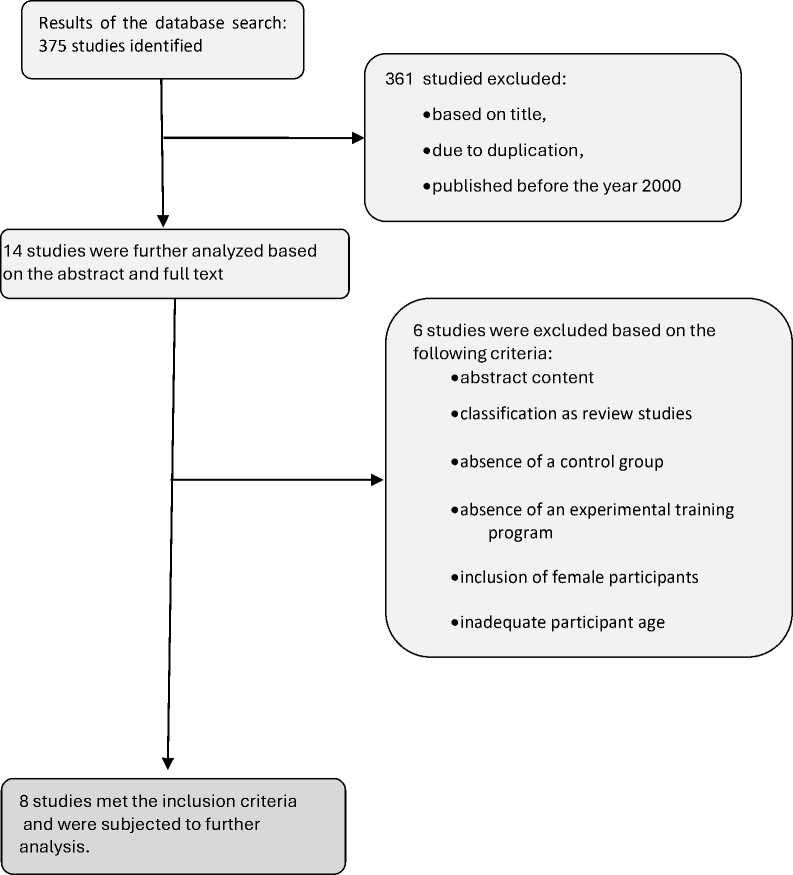
Table 1 . Detailed analysis of the studies
|
First Author and Year |
N |
Age |
G |
Duration of the Training Program |
Training Program |
Assessed Motor Abilities (S) |
Measurement Instrument |
R |
|
Zhu, X. et al. (2024) |
40 |
19 ± 1.8 years |
M |
8W |
RPT RPC |
S |
Bench press, Medicine ball throw |
S ↑ |
|
Zhan, C. & Cui, P. (2023) |
16 |
Profesional players |
M |
4W |
WT (+30% load) |
S |
30 m sprint, Standing long jump |
S ↑ |
|
Zaferanieh, A. et al. (2021) |
30 |
24 ± 7 years |
M |
8W |
BT PT |
S |
Grip strength, Vertical jump, Anaerobic strength |
S ↑ |
|
Dong, K. et al. (2025) |
11 |
20.22 ± 1.09 years |
M |
12W |
PCT |
S |
Side bridge, Plank, Edgren side step |
S – |
|
Hu, C. et al. (2023) |
92 |
Students |
8W |
SAS |
S |
Questionnaires Experimental tests of strength, Agility, Speed |
S ↑ |
|
|
Chanavirut, R. et al. (2017) |
30 |
19-28 years |
6W |
HBW |
S |
Dynamometer |
S ↑ |
|
|
Meng, C. et al. (2023). |
30 |
19.298 ± 0.708 years |
9W |
CST |
S |
50-meter sprint, Standing long jump, Seated forward bend, 800-meter run, “X” pattern forward-backward running |
S ↑ |
|
|
Haghighi, A. H. et al. (2021) |
30 |
24 ± 7 years |
M |
8W |
PBT |
S |
Electromyography, Dynamometry, Explosive strength tests, Video analysis of technical strokes |
S ↑ |
Legend: ^-М-Male Participants, G-Gender, N-Number of Participants, W-Weeks, R-Results, RPT- Resistance & Plyometric Training (Traditional Sets), RPC- Resistance & Plyometric Training (Cluster Sets), WT- Weight Training, BT- Ballistic Training, PT- Plyometric Training, PCT- Periodized Core Training, SAS- Strength, Agility & Speed Training, HBW- Home-Based Training with Water-Filled Bucket Resistance, CST- Combined Strength and Traditional Training, PBT- Power and Ballistic Training
Discusion
Table 1 presents an overview of studies examining the effects of different training programs on the development of strength in senior category table tennis players. Analysis of the table shows that the studies were systematized and evaluated across nine parameter categories: reference, age and gender of participants, sample size, program duration, training program, assessed motor abilities, measurement instruments used for assessment, and the results obtained after the applied training program.
The number of participants in the studies ranged from 16 (Zhan, C. & Cui, P., 2023) to 92 (Hu, C. et al., 2023), and all participants were male. In all studies, muscular strength was examined as one of the assessed motor abilities. The duration of the training programs varied from a minimum of 4 weeks (Zhan, C. & Cui, P., 2023) to a maximum of 12 weeks (Dong, K. et al., 2025), with a weekly frequency of three sessions.
The tests used to assess strength in senior table tennis players included bench press, medicine ball throw (Zhu, X. et al., 2024), standing long jump, triple jump (Zhan, C. & Cui, P., 2023), grip strength, vertical jump, anaerobic strength (Zaferanieh, A. et al., 2021), side bridge, plank (Dong, K. et al., 2025), questionnaires, experimental strength tests (Hu, C. et al., 2023), dynamometer (Chanavirut, R. et al., 2017), long jump (Meng, C. et al., 2023), electromyography, dynamometry, and explosive strength tests (Hag-highi, A. H. et al., 2021).
Statistically significant effects following the applied training programs were observed in the studies by Zhu, X. et al., 2024; Zhan, C. & Cui, P., 2023; Zaferanieh, A. et al., 2021; Hu, C. et al., 2023; Chanavirut, R. et al., 2017; Meng, C. et al., 2023; and Hag-highi, A. H. et al., 2021, whereas no statistically significant effects were reported in the study by Dong, K. et al., 2025.
Based on the results of the analyzed studies, it can be observed that different training models, such as plyometric, isometric, resistance, and combined training approaches, have a significant impact on the development of muscular strength in senior table tennis players. Therefore, it is recommended to implement strength training programs lasting six to eight weeks, with a weekly frequency of three sessions, to achieve optimal improvements in table tennis-specific muscular strength.
Conclusion
Based on the analyzed studies, it can be concluded that the area of strength development in table tennis players is insufficiently represented in the scientific literature, particularly concerning the senior category. Although table tennis may initi- ally appear as a sport dominated by speed, coordination, and precision, contemporary trends indicate that muscular strength is increasingly important for achieving elite performance. The rise in game speed, acceleration of stroke exchanges, and the need for explosive reactions have made strength development one of the key components of modern table tennis preparation.
A synthesis of the results from various studies indicates that the application of programs based on plyometric, combined, ballistic, or functional approaches leads to significant improvements in muscular strength parameters. Programs lasting six to eight weeks, with a frequency of three training sessions per week, have proven most effective in enhancing different strength components. Improvements in these abilities have a direct impact on the precision, power, and efficiency of technical performance under competitive conditions.
Although the results suggest positive effects of different strength training programs, the number of studies focusing on senior table tennis players remains limited. It is necessary to conduct a greater number of studies encompassing various training modalities, longer timeframes, and specific variables that reflect the actual demands of the game. Data from the analyzed studies (Zhu, X. et al., 2024; Zhan, C. & Cui, P., 2023; Zaferanieh, A. et al., 2021; Hu, C. et al., 2023; Chanavirut, R. et al., 2017; Meng, C. et al., 2023; Haghighi, A. H. et al., 2021) indicate the need for the systematic inclusion of strength development programs in the regular training process of table tennis players, with controlled load progression and individualized approaches.
Given that modern table tennis is characterized by high dynamism, accelerated game pace, and increasing demands for powerful and explosive movements, strength development represents one of the key prerequisites for achieving elite results. Strength should occupy an equally important role within the physical preparation of table tennis players, as it allows for greater efficiency in executing technical elements, ultimately contributing to the overall enhancement of athletic performance.
Significance of the study
The significance of this review study lies in providing systematic and reliable information on the effects of different training programs on the development of strength in senior category table tennis players. The information obtained through this research will enable coaches and specialists to systematically consider various approaches to strength development, offering a comprehensive overview of the effects of different training programs on player performance. Such systematization will contribute to a better understanding of the specific demands of modern table tennis and facilitate the creation of individualized training programs. In this way, the results of this study may have practical applications not only in working with senior players but also in laying the foundation for the long-term development of younger age categories.
Conflict of interests:
The authors declare no conflict of interest.
Author Contributions:
Resources, Đ.P. and S.Đ.; Methodology, S.Đ.; Investigation, S.Đ. and Đ.P.; Data curation, Đ.P. and S. Đ.; Formal Analysis, Đ.P. and S.Đ.; Writing – original draft, Đ.P.; Writing – review
All authors have read and agreed to the published version of the manuscript.
