
Environmental Monitoring and Technological Assessment of Water Quality Degradation in Khojasan Lake (Azerbaijan)
Journal: Bulletin of Science and Practice @bulletennauki
Section: Естественные науки
Article in issue: 2 т.12, 2026.
Free access
This paper considers the ecological condition of Khojasan Lake on the Absheron Peninsula by drawing together available monitoring data and technical reports that describe recent changes in the lake’s water quality. A multi-parameter monitoring programme was implemented in 2023–2025, covering 41 physicochemical and hydrochemical indicators measured at three water depths. The analysis reflects how long-standing industrial use of the territory, rapid urban expansion, and alterations of natural drainage systems have shaped the current hydrochemical profile of the lake. The discussion focuses on several groups of indicators that are commonly applied in environmental assessments—salinity, nutrient enrichment, organic load, and suspended matter—because they provide the clearest picture of ongoing degradation processes. In parallel, the paper reviews technological options that have been proposed for improving water quality in arid and semi-arid regions, with particular attention to solar-powered treatment units, modified filtration systems, and low-maintenance monitoring devices suitable for continuous observation. A pilot MMF unit supplied by a photovoltaic array was operated under real field conditions. The treatment demonstrated substantial improvements in key performance metrics, including marked decreases in turbidity, chemical oxygen demand, and biochemical oxygen demand, and notable reductions in dissolved metals such as iron, manganese, zinc, and others. Bringing these strands together makes it possible to identify the pressures that are most influential for Khojasan Lake today and to outline practical directions for future monitoring and management. The material is intended to serve as a consolidated reference for specialists involved in the restoration of inland water bodies on the Absheron Peninsula.
Similar articles in the section Threats to the environment
Short address: https://sciup.org/14134425
IDS: 14134425 | UDC: 504.064 | DOI: 10.33619/2414-2948/123/13
Экологический мониторинг и технологическая оценка ухудшения качества воды в озере Ходжасан (Азербайджан)
Рассматривается экологическое состояние озера Ходжасан на Апшеронском полуострове на основе имеющихся данных мониторинга и технических отчетов, описывающих недавние изменения качества воды в озере. В 2023–2025 годах была реализована многопараметрическая программа мониторинга, охватывающая 41 физико-химический и гидрохимический показатель, измеренный на трех глубинах. Анализ отражает, как длительное промышленное использование территории, быстрое расширение городов и изменения естественных дренажных систем сформировали текущий гидрохимический профиль озера. Обсуждение сосредоточено на нескольких группах показателей, которые обычно применяются в экологических оценках — соленость, обогащение питательными веществами, органическая нагрузка и взвешенные вещества, — поскольку они дают наиболее четкое представление о текущих процессах деградации. Параллельно в статье рассматриваются технологические варианты, предложенные для улучшения качества воды в засушливых и полузасушливых регионах, с особым вниманием к установкам очистки, работающим на солнечной энергии, модифицированным системам фильтрации и малообслуживаемым устройствам мониторинга, подходящим для непрерывного наблюдения. Пилотная установка MMF, питаемая от фотоэлектрической батареи, работала в реальных полевых условиях. Обработка продемонстрировала существенное улучшение ключевых показателей эффективности, включая заметное снижение мутности, химического и биохимического потребления кислорода, а также значительное снижение содержания растворенных металлов, таких как железо, марганец, цинк и др. Объединение этих данных позволяет определить факторы, оказывающие наибольшее влияние на озеро Ходжасан сегодня, и наметить практические направления для будущего мониторинга и управления. Данный материал предназначен для использования в качестве сводного справочника для специалистов, занимающихся восстановлением внутренних водоемов на Апшеронском полуострове.
Text of the scientific article Environmental Monitoring and Technological Assessment of Water Quality Degradation in Khojasan Lake (Azerbaijan)
Бюллетень науки и практики / Bulletin of Science and Practice
UDC 504.064
The Absheron Peninsula occupies a distinctive place in the physical geography of Azerbaijan. Within a relatively compact territory of about two thousand square kilometres lies an unusually dense network of lakes, shallow depressions, and intermittent water bodies. Their origin is far from uniform. Some emerged through natural tectonic movements or the gradual isolation of former coastal lagoons, while others took shape as a result of long-term human interference with the landscape [1].
Today, roughly one hundred lakes are recorded across the peninsula, which is substantially higher than both the national average and the global proportion of lake-covered land. This density alone indicates that Absheron’s limnological setting cannot be understood without considering a combination of climatic, geological, and anthropogenic factors.
Climatic conditions are among the most decisive influences on local hydrology. The peninsula lies within a dry, moderately warm semi-desert zone. Annual precipitation remains low-typically between 150 and 300 millimetres-and is spread unevenly throughout the year. In contrast, evaporation rates are extremely high, often three to four times greater than incoming precipitation. Such an imbalance leaves most closed basins in a state of chronic water deficit. Over time, this leads to elevated mineralisation, fluctuating water levels, and marked sensitivity to the slightest shift in hydrological inputs. As a result, nearby lakes may differ considerably in salinity, nutrient concentrations, and biological productivity despite their geographic proximity.
Morphological differences reinforce this variability. Some lakes are shallow water bodies with a limited littoral zone, whereas others exhibit thick sequences of accumulated sediments. These deposits, which reach ten metres in Masazir Lake and several metres in Boyukshor and Mirzaladi, reflect a long history of sedimentation shaped by changing climates, past Caspian Sea levels, and human land use. Today, these sediments not only preserve information about past environmental conditions but also influence current geochemical and thermal processes within the lakes.
Anthropogenic activity, however, is the factor that has most profoundly reshaped the peninsula’s aquatic systems. Since the nineteenth century, Absheron has served as a centre of industrial development-initially for oil extraction and later for a wide range of urban and economic activities. Wastewater from households and industry entered many lakes for decades without any form of treatment. In some cases, this led to an expansion of water surface area and a reduction in salinity due to continuous dilution; in others, lakes were partially filled or drained entirely to make space for roads, residential districts, or industrial sites. These changes have fundamentally altered hydrological patterns and accelerated ecological degradation. Chemical pollution remains one of the most serious concerns. Petroleum residues, heavy metals such as lead, cadmium, mercury, and chromium, and persistent organic pollutants have accumulated in both water and sediments [2].
Equally problematic is nutrient-rich runoff from surrounding urban areas, carrying nitrates, phosphates, detergents, microplastics, and pesticide residues. The penetration of mineralised groundwater, often triggered by the disruption of natural aquifers, contributes to secondary salinisation and shifts in ionic composition. These processes have collectively led to a decline in biodiversity, increased eutrophication, and a reduction in the ecological stability of many lakes [3].
Given this variety of pressures, Absheron’s lakes can be divided into two broad groups: those that retain features of relatively undisturbed ecosystems and those whose structures have been deeply altered by human activity. The second category, unfortunately, now dominates. What makes these lakes particularly noteworthy is the way natural and human-driven forces intertwine, creating ecological systems that cannot be managed effectively without acknowledging this dual character.
In this context, the lakes of the Absheron Peninsula offer a rare opportunity for integrated environmental study. They serve as examples of how arid-climate hydrology, geomorphological diversity, industrial development, and modern urbanisation interact within a confined geographical space. Understanding their evolution and present condition is essential not only for assessing ecological risks but also for identifying realistic pathways for restoration and sustainable management in semi-arid coastal environments.
Materials and Methods
Purpose and Research Tasks. The current water-management context in arid and semi-arid regions — including the Absheron Peninsula- shows that long-standing approaches to agricultural water supply no longer meet modern ecological and technological demands. Increasing solar exposure, low natural humidity, and the extensive anthropogenic transformation of local water bodies have created a setting in which traditional irrigation sources are no longer sustainable. This situation requires the development of adaptive, resource-efficient, and renewable solutions. The climatic conditions of Absheron, where high solar irradiance is combined with progressive degradation of lake ecosystems, make the region an appropriate testing ground for solar-powered water-treatment technologies. The purpose of this research is to develop a scientifically grounded and technically feasible model for treating lake water using a solar-energy-driven multimedia filtration system tailored to the needs of regional agriculture [4].
Achieving this objective involves several interconnected tasks: identifying the dominant pollutants in lake water; designing and testing a modified three-layer multimedia filter capable of autonomous operation using photovoltaic energy; and comparing the treated water with national and international quality standards for irrigation. These comparisons allow for an assessment of the water’s suitability for agricultural use, the formulation of operational regimes for the filtration unit, and the calculation of key environmental and economic sustainability indicators such as Water Use Efficiency (WUE), Energy Return on Investment (EROI), and Carbon Offset Potential (COp). The research also aims to propose policy recommendations aligned with the United Nations Sustainable Development Goals, especially SDG 6 (Clean Water and Sanitation) and SDG 7 (Affordable and Clean Energy). The study introduces an original configuration of the multimedia filter (MMF) combined with a solar power system designed to ensure full energy independence of the treatment process. The system is optimized for conditions relevant to irrigation: salinity tolerance, reduced toxicity, and minimal clogging risk for drip and sprinkler systems.
Monitoring Framework and Sampling Design
Fieldwork was conducted at Lake Khojasan, one of the most ecologically vulnerable and industrially stressed water bodies on the Absheron Peninsula. Monitoring followed a two-level design. A fixed index station located at 40.4049° N, 49.7722° E was sampled during every field campaign, ensuring continuity of observations. In addition, two extended profiles with vertical sampling were completed to capture seasonal stratification and internal loading processes. Measurements were taken at three depths — 0.5 m, 2.0 m, and 3.7 m — corresponding respectively to the photic surface layer, the mid-depth representative of the lake’s typical profile, and the nearbottom layer positioned approximately 30 cm above the sediment boundary (Table 1).
Table 1 COORDINATES OF MONITORING STATIONS
|
Code |
Position |
Coordinates |
Rationale |
|
KHS-1 (central station) |
Deep-water core |
40.4009° N, 49.7789° E |
Minimal influence from shoreline inputs; control of background aeration and stratification. |
|
KHS-2 (inflow/drainage sector) |
Index coastal zone |
40.4049° N, 49.7722° E |
Area of maximum anthropogenic load from settlement drainage and stormwater; monitoring “input quality.” |
|
KHS-3 (accumulative coastal sector) |
Downwind deposition zone |
40.3950° N, 49.7844° E |
Typical zone for sedimentation and accumulation of dissolved pollutants; assessment of “end-point” quality. |
All samples were registered through a field logbook and a chain-of-custody (CoC) system. The full analytical suite included 41 parameters, covering turbidity, COD, BOD, chloride ions, surfactants, phenols, and a range of heavy metals. Laboratory analyses were performed in certified Baku laboratories following WHO-aligned procedures. Initial water quality was classified as critical: COD reached up to 250 mg/L, turbidity exceeded 30 NTU, and iron and chloride concentrations were significantly above regulatory limits.
Experimental Filtration System. The field experiments employed a modified multimedia filtration system with three layers: anthracite, fine sand, and coarse sand. The filtration unit was powered by photovoltaic panels with a total installed capacity of 50 kW, supplying energy for pumping and for the automated backwashing system. Water quality was monitored before and after each filtration stage. The system achieved a 97.5 percent reduction in COD, a reduction of turbidity by more than 95 percent, and a decrease in heavy-metal concentrations to below detection limits. The removal of surfactants and phenols was comparatively less efficient, indicating the need for an additional polishing step such as activated carbon or ozonation.
Implementation Site. Lake Khojasan ranks among the most polluted lakes on the Absheron Peninsula, a condition shaped by decades of sustained industrial and domestic pressure (Figure 1). Numerous environmental assessments show that several Absheron lakes, including Khojasan, contain extremely high concentrations of petroleum residues, volatile organic compounds such as benzene and toluene, polycyclic aromatic hydrocarbons, heavy metals, and a range of secondary contaminants. The lake continues to receive untreated wastewater from nearby settlements, stormwater from densely urbanized surfaces, and, in some cases, direct discharges from active oil wells in the surrounding area.
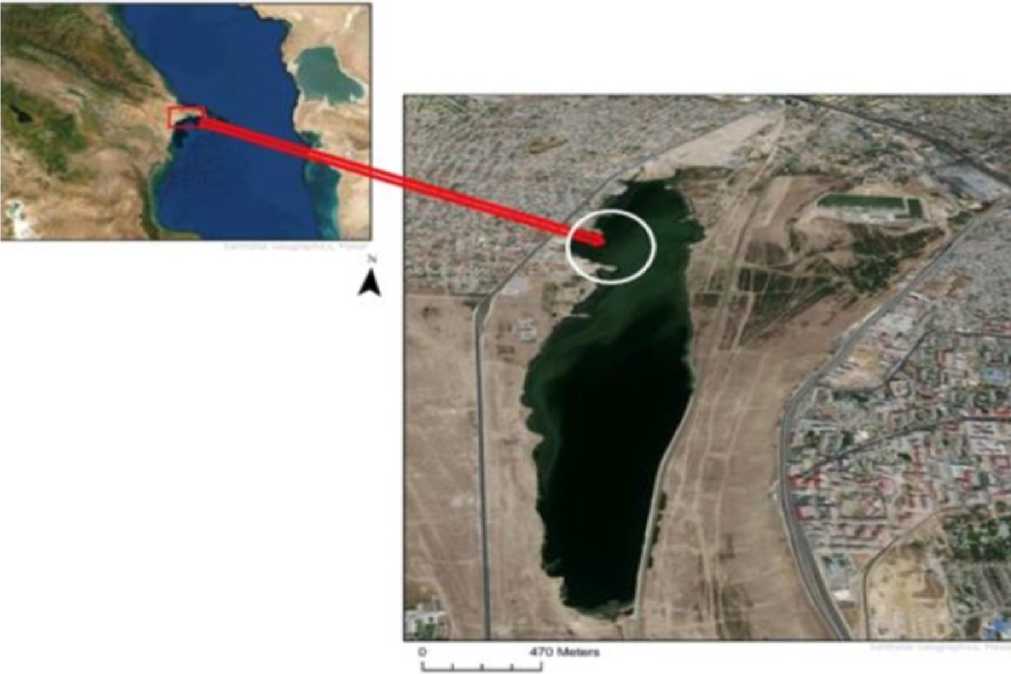
Figure 1. Location of Khojasan Lake
These inputs have resulted in elevated turbidity, significant organic contamination, and systematic exceedances of acceptable limits for multiple chemical indicators. Before filtration, the surface waters exhibited extremely high turbidity, together with elevated concentrations of chlorides and iron—clear signs of advanced mineralisation and long-term technogenic pollution. From an engineering and ecological perspective, Lake Khojasan encapsulates the full spectrum of challenges typical for the region: oil-derived contamination, domestic sewage inflows, eutrophication, and salinisation. Together, these factors render the water unsuitable for irrigation without prior treatment. Addressing such a complex contamination profile underscores the relevance of deploying a pilot multimedia filtration (MMF) system; demonstrating effective removal of petroleum-organic compounds and heavy metals under real and severe pollution conditions would serve as a strong indicator of the technology’s practical viability.
The lake and its surrounding territory are also subject to substantial water-use pressure, which increases the strategic importance of reclaiming water for productive use. The catchment area of roughly 5.3 km² includes both urban settlements and agricultural plots. Approximately 321 hectares of green space depend on irrigation; of these, about 200 hectares represent farmlands, orchards, and plantations requiring regular watering, while the remaining — 121 hectares consist of parks and recreational zones. In semi-arid climates, irrigation needs are estimated at around 50 m³ per hectare per day according to FAO recommendations, implying a total daily demand exceeding 10,000 m³ [4]. Supplying this volume of high-quality water is impossible without effective treatment and rational water-resource management.
Infrastructure around the lake remains insufficient for ensuring environmental safety, which paradoxically strengthens its relevance as a pilot site. The settlement of Khojasan lacks a centralized sewage system, and historically both domestic wastewater and storm runoff discharged directly into the lake. Oil-extraction infrastructure nearby has also contributed to contamination. Although governmental agencies have begun remediation efforts—including shoreline clean-ups and plans for municipal wastewater treatment—these initiatives are not yet complete. A mobile solar-powered MMF system can therefore effectively bridge this gap: while large treatment plants are being designed and constructed, a localized filtration unit can provide immediate improvement in water quality for agricultural and municipal use. The presence of a single regulated outflow at the southern end of the lake simplifies engineering arrangements for water intake and distribution through the system.
From a technical standpoint, the size and morphology of Lake Khojasan make it well suited for a pilot deployment. With an area of about 1.82 km² and an average depth of roughly four meters, the lake is compact enough to permit efficient monitoring and installation yet large enough to meaningfully test filtration performance under field conditions. These features make the lake a practical testing ground: the need for clean water is clear, basic operational conditions exist, and treated water can be applied immediately to nearby agricultural land and public green areas.
Beyond technical considerations, the lake holds ecological and social significance. Located in the western part of Baku, Khojasan historically formed part of the local natural landscape and offered recreational value to residents. Although degraded, the lake still hosts various species of flora and fauna, including semi-desert plants and migratory birds. Tamarisk and reed communities are present, and protective belts of Eldar pine have been planted along parts of the shoreline. Winter months often attract diverse bird species. Improving water quality would therefore directly support biodiversity and the ecological stability of the surrounding area.
For local communities, the benefits of restoring the lake are tangible. Evaporation from polluted surfaces can release unpleasant odours and airborne contaminants, posing risks to public health and reducing the attractiveness of residential areas. Cleaner water would enhance the environment, increase recreational potential, and support the use of treated water for household gardens, public parks, urban plantings, and agricultural production. In combination, these effects carry considerable socioeconomic value: roughly 200 hectares of peri-urban agricultural land could be supplied with irrigation water, while recreational assets and nearby property values would also benefit. A demonstrated improvement in water quality through the MMF pilot would likely generate strong public support and serve as a model for sustainable environmental practices elsewhere in the region.
Importantly, Lake Khojasan represents a typical case within Absheron. Many lakes on the peninsula face similar pressures—oil-industry legacy pollution, domestic wastewater inflow, and salinisation driven by the semi-arid climate. Khojasan appears alongside Boyukshor, Binagadi, Lokbatan, and others on the list of the most problematic water bodies, all of which show comparable contaminant profiles. Successfully operating an integrated treatment system at Khojasan would therefore provide knowledge and technical experience applicable to other contaminated lakes in the region. If the MMF system proves capable of treating water to irrigation standards here, it can be confidently proposed for broader replication.
Finally, Khojasan offers a full set of conditions needed to test the durability and adaptability of a sustainable treatment technology. The lake contains different groups of pollutants—suspended solids, organic matter, and dissolved metals—allowing evaluation of the filter’s performance across a wide range of contaminants. Seasonal climatic variability, from intense summer radiance to cooler windy winter conditions, challenges the solar-energy subsystem and provides insight into year-round reliability. Existing infrastructure limitations allow for a genuine assessment of the system’s autonomy. In this sense, the pilot project at Khojasan provides maximum representativeness: it encompasses environmental, technical, and operational factors characteristic of the wider region.
Given its location, size, ecological condition, and strategic relevance, Lake Khojasan offers an optimal environment for testing and validating a solar-powered multimedia filtration system. Its proximity to Baku simplifies logistics and monitoring, while ongoing governmental remediation initiatives create favourable conditions for integrating innovative solutions. Together, these factors make Khojasan not only a practical pilot site but also a meaningful demonstration platform for sustainable water-treatment technologies across Absheron.
Structure and Operating Principles of the Filtration System. Integrating solar energy into the operation of multimedia filtration (MMF) systems represents a promising and resource-efficient approach for improving the quality of surface water intended for agricultural use. Such technologies are particularly relevant in arid and semi-arid regions—including the Absheron Peninsula—where access to clean irrigation water is limited and water bodies are subjected to continuous anthropogenic stress. The use of renewable energy not only reduces operating costs but also lowers the carbon footprint of water-treatment processes, aligning the system with the objectives of sustainable development (SDG 6 and SDG 7) and national strategies for emission reduction.
Water treatment begins with the intake of raw lake water into a preliminary storage reservoir. This step facilitates the settling of suspended solids and helps stabilise hydraulic flow before filtration. The preparatory stage is widely adopted in international water-treatment practice because it protects downstream filtration components from hydraulic overload. From the reservoir, water is pumped through the system using a solar-powered pump supplied by photovoltaic (PV) modules. The pump maintains the steady pressure and flow rate required for achieving uniform filtration velocities.
At the core of the technological scheme is a multimedia filtration unit composed of sequential layers of coarse quartz sand, fine sand, and anthracite (Figure 2).
This configuration enables a gradual removal of suspended particles, organic compounds, and dissolved heavy-metal ions. As water passes through the filter bed, turbidity decreases, chemical and biochemical oxygen demand (COD and BOD) are reduced, and concentrations of chlorides and other toxic contaminants decline. Comparable MMF systems have been applied in regions with similar climatic constraints—for example in Iran and India—where they successfully removed suspended matter, iron, and various organic pollutants to levels meeting FAO irrigation standards.
The filtration mechanism relies on the stepwise capture of contaminants. Anthracite, which has high sorption capacity and low density, effectively traps larger organic fractions and fine particulates. The fine-sand layer enhances purification by capturing particles as small as 10 micrometres. The lower layer of coarse sand provides additional removal of large solids and ensures a more even distribution of water across the filter bed. Together, these layers achieve high-quality filtration while maintaining balanced hydraulic resistance — an important feature when the system operates on variable renewable-energy inputs. A key component of the system’s energy autonomy is the photovoltaic array, which converts solar radiation into electricity used to power both the main pump and the air-blower unit responsible for regenerating the filtration media. Periodic backwashing is essential for restoring the permeability and sorption capacity of the filter layers. In this installation, backwashing is performed automatically, preventing clogging and enabling long-term operation without the need for frequent manual maintenance.
Т. 12. №2 2026
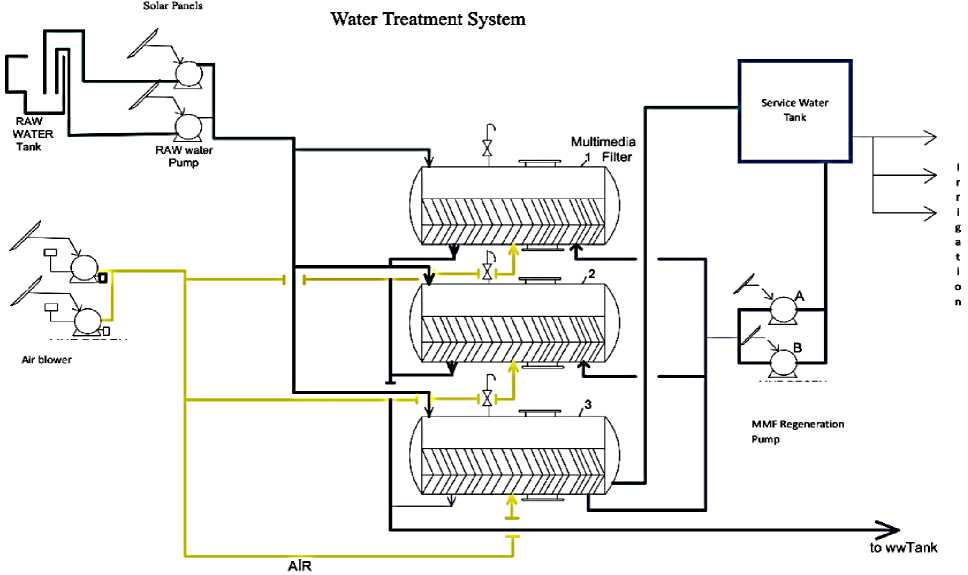
Figure 2. Solar-powered water treatment system
After passing through the filtration layers, treated water collects in a secondary storage tank, where it undergoes routine quality control (Figure 3). Parameters such as turbidity, pH, chloride concentration, salinity, and residual organic contamination are checked to ensure compliance with international irrigation-water guidelines (FAO, 1985).
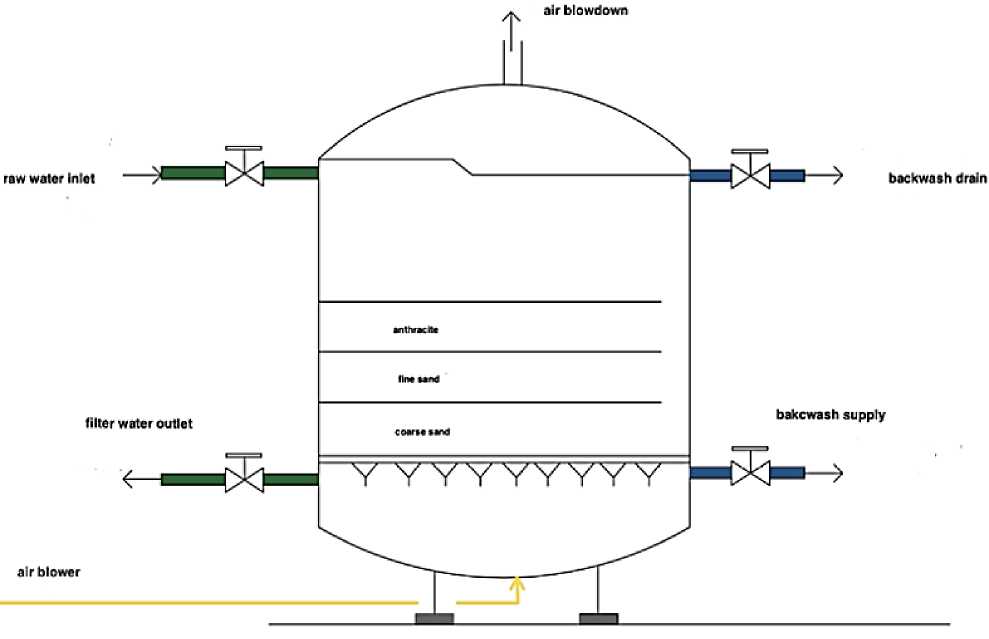
Figure 3. Modified Multi-media filter
The target values — turbidity below 5 NTU, COD below 10 mg/L, chloride concentration not exceeding 350 mg/L, and the absence of detectable heavy metals — reflect criteria that safeguard both agricultural soils and crop health.
The engineering schematic presented in Figure 6 illustrates the complete technological sequence—from initial water abstraction to the distribution of treated water. The layout demonstrates the integration of mechanical, energetic, and service components into a unified, sustainable platform. The modular design of the filtration unit supports both scalability and adaptability: the system can be installed in small agricultural holdings or at municipal facilities, and its productivity can be increased by operating multiple filtration modules in parallel.
Taken together, this solar-powered MMF installation represents a representative model of sustainable water treatment for semi-arid environments. By combining advances in photovoltaic energy conversion, hydraulic filtration, and environmental engineering, it demonstrates that even severely polluted lake water can be reliably treated to irrigation standards without connection to central utilities and with minimal operational costs.
Comparative Analysis of Lake Khojasan Water Quality Prior to and Following MMF Filtration. The paired datasets for 2023–2025, measured at three depths before and after passage through the modified multimedia filter (MMF), show that the system delivers a substantial improvement in most key physico-chemical parameters relevant to irrigation water.
From a physical perspective, the filter behaves exactly as expected for a granular multimedia system. Mean turbidity decreases from approximately 31.4 NTU in untreated lake water to about 1.4 NTU after MMF treatment, corresponding to a removal efficiency of roughly 95%. This level of clarification is consistent with published performance of properly designed multimedia filters, which routinely achieve high removal of suspended solids and colloids by combining layers of anthracite and sand. The significant reduction in “residue at 105°C” (a proxy for total dissolved and suspended solids) from about 1660 mg/L to 1200 mg/L indicates that the system also reduces the overall mass of dissolved-salt and particulate load, though to a lesser extent than turbidity, which is dominated by particulate removal.
Chemical oxygen demand (COD) and biochemical oxygen demand (BOD₅) show similarly robust improvements. Depth-averaged COD declines from about 124 mg O₂/L to 36 mg O₂/L, an approximate reduction of 70%. BOD₅ is reduced from around 38 mg O₂/L to about 10 mg O₂/L, a decrease of roughly three-quarters. These values bring the treated water close to, or within, the COD and BOD thresholds typically used in surface-water reuse standards and national norms. Such behaviour is characteristic of multimedia filtration in cases where a significant fraction of organic matter is present in particulate or colloidal form; the filter removes much of the particle-bound organic load, while truly dissolved refractory organic compounds are only partially affected.
The evolution of nutrient and organic-micropollutant indicators highlights both the strengths and the limits of the MMF configuration. Nitrate-nitrogen remains low in both datasets, with only a slight increase in mean concentration after treatment, which can be interpreted as within the range of analytical and seasonal variability. Nitrite-nitrogen, by contrast, drops by about a factor of four, indicating effective oxidation or removal of reduced nitrogen species, which is favourable from a toxicity standpoint. Phosphate-phosphorus concentrations decline from an average of roughly 3.4 mg/L to about 1.3 mg/L, suggesting that the mineral media provide some sorptive capacity for phosphate or that a portion of particulate phosphorus is removed together with suspended solids. These post-treatment levels fall below many reuse guideline values for phosphorus in irrigation water, which primarily aim to prevent excessive eutrophication and clogging of distribution systems [5].
The behaviour of surfactants (MBAS) and phenols is more conservative. Anionic surfactants remain in the 1.5–1.8 mg/L range before and after treatment, significantly above typical guideline values around 0.5 mg/L for surface-water reuse. Phenols are reported below detection limits in both datasets, making it difficult to draw firm conclusions about their removal. This pattern is consistent with broader experience: granular multimedia filters are not primarily designed for the removal of dissolved synthetic organics, and effective treatment of surfactants and trace organics usually requires additional steps such as activated carbon adsorption or advanced oxidation [6].
The residual MBAS concentration therefore supports your recommendation to integrate a polishing stage (e.g., GAC or ozonation) if the water is to be used in more sensitive applications or where national requirements for surfactants are strict. Salinity and major-ion chemistry are central for assessing suitability for irrigation according to FAO and related guidelines [4].
Average salinity decreases modestly from about 1.25 ‰ to close to 1.0 ‰ after filtration, placing the treated water near the lower boundary of the “slight to moderate” salinity hazard category for many crops, depending on soil texture and crop salt tolerance. Chloride concentrations show a more pronounced improvement: the depth-averaged value falls from roughly 523 mg/L to about 289 mg/L, representing a reduction of ~45% and bringing the water below the 350 mg/L limit adopted in the national standard. At the same time, sodium concentrations remain high, only slightly reduced from ~236 mg/L to ~208 mg/L on average. Given the relatively moderate levels of calcium and magnesium, this implies that the sodium adsorption ratio (SAR)—although not explicitly calculated here—may still be of concern for long-term irrigation on sensitive soils, in line with FAO guidance on sodicity and specific-ion toxicity [4].
In practical terms, the MMF clearly improves salinity and chloride toxicity risk, but the water would still need careful management (e.g., blending, leaching fractions, salt-tolerant crops) to avoid gradual soil degradation [7].
Heavy metals and trace elements show some of the most striking changes. The average iron concentration falls from approximately 83 µg/L to about 7 µg/L, corresponding to more than 90 % removal. Manganese is reduced from around 135 µg/L to below 3 µg/L, i.e., a removal efficiency on the order of 98 %. Zinc drops into the low single-digit µg/L range and remains below the national limit. These results are consistent with reports that multimedia filters, especially when combined with appropriate media and redox conditions, are effective in removing particulate and colloid-bound iron, manganese, and similar metals [8].
Vanadium concentrations, which were initially low, fall below detection limits after treatment. Boron, an important parameter for irrigation water because of its toxicity to many crops at relatively low concentrations, declines from an average of about 0.88 mg/L (≈ 882 µg/L) to roughly 0.38 mg/L (≈ 376 µg/L). This is a significant improvement, but the treated values still lie close to or slightly above the threshold at which more sensitive crops may start to show yield reductions, according to FAO and other international guidance [4].
In practice, this means that the MMF substantially mitigates boron hazard but does not fully eliminate it; crop selection and irrigation management remain important.
Not all trace-element trends are favourable. Arsenic and barium exhibit apparent increases in concentration after treatment, particularly at depth. Several mechanisms may contribute to this behaviour, including desorption from filter media, changes in redox speciation, or concentration effects due to partial removal of other components. Similar phenomena have been reported in studies where filtration or adsorption processes alter speciation and mobilize previously immobilized elements [9]. In the present context, even the highest measured arsenic concentrations (up to 37 µg/L at depth) still fall near or above the 10 µg/L drinking-water guideline but are less critical in an irrigation setting; nevertheless, they warrant attention if any future reuse options beyond irrigation are considered, or if local regulations for irrigation water include stricter trace-element criteria.
Taken together, the pre- and post-treatment data confirm that the solar-powered MMF system behaves as an effective advanced pretreatment unit for highly degraded lake water. It delivers strong reductions in turbidity, suspended solids, COD, BOD₅, iron, manganese, and several other metals, and significantly improves chloride, phosphate, and boron levels. These outcomes are consistent with the broader literature on multimedia filters and on solar-powered filtration systems for water reuse in arid and semi-arid regions, which report high robustness, low operating costs, and good compatibility with decentralized applications [9]. At the same time, the system is less effective for dissolved surfactants and some trace elements, underscoring the need for complementary polishing steps where stricter standards or more sensitive uses are envisaged (Table 2, 3).
MEAN WATER-QUALITY PARAMETERS OF LAKE KHOJASAN (2023–2025) BEFORE TREATMENT BY THE MODIFIED MULTIMEDIA FILTER (MMF)
Table 2
|
Parameter |
Unit |
Surface |
Mid-depth |
Bottom |
Limit (MAC) |
Standard |
|
pH |
— |
7.98 |
7.88 |
7.79 |
6.5—8.5 |
AZS 929:2013 |
|
Turbidity |
NTU |
31.0 |
30.8 |
32.3 |
< 50 |
GOST 3351-74 |
|
Salinity |
%0 |
1.24 |
1.27 |
1.27 |
< 1.0 |
EPA Secondary Reg. |
|
COD |
mg O2/L |
102 |
250 |
19 |
< 30 |
AZS 929:2013 |
|
bod5 |
mg O2/L |
50 |
60 |
5 |
< 3 |
AZS 929:2013 |
|
Chlorides |
mg/L |
803 |
383.4 |
383 |
< 350 |
AZS 929:2013 |
|
Sulfates (SO#2-) |
mg/L |
153 |
186 |
0 |
< 500 |
AZS 929:2013 |
|
Free chlorine |
mg/L |
0 |
0 |
0 |
0.3 |
AZS 581:2009 |
|
Nitrate-N |
mg/L |
0.50 |
<0.40 |
0.48 |
< 10 |
AZS 929:2013 |
|
Nitrite-N |
mg/L |
0.12 |
<0.006 |
<0.006 |
< 0.08 |
AZS 929:2013 |
|
Cyanides |
mg/L |
<0.01 |
<0.01 |
<0.01 |
< 0.035 |
EPA 822-R-01-001 |
|
MBAS |
mg/L |
1.44 |
1.83 |
1.62 |
< 0.5 |
GOST 27065-86 |
|
Phenols |
mg/L |
<0.005 |
<0.005 |
<0.005 |
< 0.001 |
GOST 27653-88 |
|
Phosphates |
mg/L |
3.2 |
3.0 |
4.1 |
< 3.5 |
GOST |
|
Total alkalinity |
mg-eq/L |
6.66 |
6.86 |
6.10 |
— |
GOST |
|
Carbonates |
mg/L |
0 |
0 |
0 |
— |
GOST |
|
Bicarbonates |
mg/L |
406 |
406 |
425 |
— |
GOST |
|
Total hardness |
mg/L CaCO3 |
417 |
420 |
414 |
< 7 mg-eq/L |
AZS 929:2013 |
|
Residue 105°C |
mg/L |
1470 |
1488 |
2034 |
— |
GOST |
|
Aluminium |
Hg/L |
33 |
6 |
41.4 |
< 500 |
EPA |
|
Arsenic |
Hg/L |
<1 |
3.9 |
3.0 |
10 |
EPA MCL |
|
Vanadium |
Hg/L |
4.6 |
4.5 |
3.0 |
100 |
AZS |
|
Boron |
Hg/L |
875 |
890 |
880 |
500 |
EPA DWEL |
|
Iron |
Hg/L |
61 |
55 |
132 |
300 |
AZS |
|
Manganese |
Hg/L |
133 |
133 |
139 |
100 |
AZS |
|
Zinc |
Hg/L |
14 |
15 |
14 |
10 |
AZS |
|
Chromium |
Hg/L |
2.5 |
3.4 |
5.1 |
50 (Cr6*) |
EPA MCL |
|
Barium |
Hg/L |
38 |
56 |
50 |
2000 |
EPA |
|
Strontium |
Hg/L |
1089 |
1103 |
1081 |
— |
EPA DWEL |
|
Potassium |
mg/L |
16.2 |
<5 |
19.8 |
— |
— |
|
Sodium |
mg/L |
235 |
237.7 |
236.4 |
200 |
EPA Secondary Reg. |
|
Calcium |
mg/L |
23.3 |
29.1 |
26.9 |
180 |
GOST |
|
Magnesium |
mg/L |
7.3 |
8.6 |
8.5 |
40 |
GOST |
Table 3
|
Parameter |
Unit |
Surface |
Mid-depth |
Bottom |
Limit |
Standard |
|
pH |
— |
8.22 |
8.23 |
8.25 |
(MAC) 6.5—8.5 |
AZS 929:2013 |
|
Turbidity |
NTU |
0.93 |
0.60 |
2.75 |
< 50 |
GOST 3351-74 |
|
Salinity |
%0 |
1.07 |
1.00 |
1.00 |
< 1.0 |
EPA Secondary Reg. |
|
COD |
mg O2/L |
29.4 |
39.2 |
39.2 |
< 30 |
AZS 929:2013 |
|
bod5 |
mg O2/L |
0.6 |
0.9 |
28.0 |
< 3 |
AZS 929:2013 |
|
Chlorides |
mg/L |
304 |
275 |
289 |
< 350 |
AZS 929:2013 |
|
Sulfates |
mg/L |
191 |
153 |
197 |
< 500 |
AZS 929:2013 |
|
Free chlorine |
mg/L |
0 |
0 |
0 |
0.3 |
AZS 581:2009 |
|
Nitrate-N |
mg/L |
0.48 |
0.48 |
0.87 |
< 10 |
AZS 929:2013 |
|
Nitrite-N |
mg/L |
12 |
12 |
10 |
< 0.08 |
AZS 929:2013 |
|
Cyanides |
mg/L |
<0.01 |
<0.01 |
<0.01 |
< 0.035 |
EPA |
|
MBAS |
mg/L |
1.7 |
1.55 |
— |
< 0.5 |
GOST 27065-86 |
|
Phenols |
mg/L |
<0.01 |
<0.01 |
<0.01 |
< 0.001 |
GOST 27653-88 |
|
Phosphates |
mg/L |
1.41 |
1.38 |
1.03 |
< 3.5 |
GOST |
|
Total alkalinity |
mg-eq/L |
8.6 |
8.64 |
6.68 |
— |
GOST |
|
Carbonates |
mg/L |
7.0 |
7.0 |
7.0 |
— |
GOST |
|
Bicarbonates |
mg/L |
388 |
389 |
396 |
— |
GOST |
|
Total hardness |
mg/L CaCO3 |
396 |
420 |
396 |
< 7 mg-eq/L |
AZS |
|
Residue 105°C |
mg/L |
1230 |
1164 |
1204 |
— |
GOST |
|
Aluminium |
Hg/L |
6.3 |
8.1 |
1.2 |
500 |
EPA |
|
Arsenic |
gg/L |
2.0 |
24.0 |
37.0 |
10 |
EPA |
|
Vanadium |
Hg/L |
<1 |
<1 |
<1 |
100 |
AZS |
|
Boron |
Hg/L |
405 |
446 |
277 |
500 |
EPA DWEL |
|
Iron |
Hg/L |
4.9 |
10.4 |
5.8 |
300 |
AZS |
|
Manganese |
Hg/L |
1.8 |
3.4 |
3.4 |
100 |
AZS |
|
Zinc |
Hg/L |
3.8 |
5.8 |
9.3 |
10 |
AZS |
|
Chromium |
Hg/L |
<1 |
<1 |
<1 |
50 (Cr6*) |
EPA |
|
Barium |
Hg/L |
279 |
432 |
432 |
2000 |
EPA |
|
Strontium |
Hg/L |
1076 |
1041 |
977 |
— |
EPA DWEL |
|
Potassium |
mg/L |
11.3 |
21.4 |
17.8 |
— |
— |
|
Sodium |
mg/L |
218.6 |
199.6 |
206.5 |
200 |
EPA Secondary Reg. |
MEAN WATER-QUALITY PARAMETERS OF LAKE KHOJASAN (2023-2025)
AFTER TREATMENT BY THE MODIFIED MULTIMEDIA FILTER (MMF)
In the specific case of Lake Khojasan, the post-MMF water quality, when compared with international irrigation guidance (FAO 29, EU and national reuse frameworks), can be considered generally acceptable for irrigation of moderately salt-tolerant crops on suitable soils, provided that agronomic management (leaching fraction, crop selection, soil monitoring) is implemented [6].
The analysis of the two tables therefore supports the central claim of the study: a properly designed solar-driven multimedia filtration system can transform severely polluted lake water into a resource that is, with some caveats, technically compatible with sustainable agricultural use in semi-arid coastal environments.
Results and Discussion
The efficiency table shows that the solar-powered MMF unit substantially improves the quality of Khojasan lake water for most priority parameters.
Suspended solids and organic load. Turbidity drops from an average of about 31 NTU to 1.4 NTU, corresponding to ≈95% removal. This fits well with reported performance of multi-media filters used for wastewater and greywater polishing, where turbidity removal of 86–99 % is typical when anthracite and sand are combined in a down-flow configuration [8].
COD and BOD5 are reduced by -71% and -74% respectively, which is comparable to other multimedia-filter studies (COD 69–84%, BOD 67–80% removal) [8].
This indicates that a large fraction of organics in the raw lake water is associated with particulate and colloidal matter that is effectively removed in the granular bed. Major ions and salinity. Chloride concentration decreases by about 45 %, from ~523 to ~289 mg/L, bringing the mean value below the 350 mg/L limit adopted in AZS 929:2013 and within the “slight to moderate” chloride hazard range for irrigation in FAO guidance. FAOHome+1 Total dissolved solids (represented by residue at 105°C) show a more modest reduction of ~28%, which is expected because MMF is primarily a physical– sorption process and not a desalination technology (Figure 4).
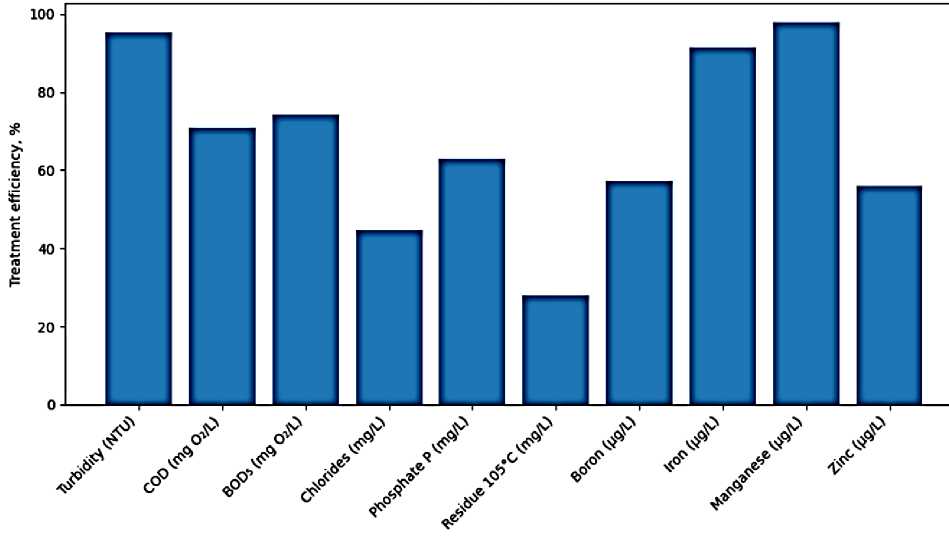
Figure 4. Treatment Efficiency of MMF System (2023-2025)
For irrigation, this means the treatment significantly eases chloride toxicity risk but does not fully eliminate salinity constraints; management of leaching fraction and crop salt tolerance is still needed in line with FAO and other irrigation quality frameworks [4].
Phosphate phosphorus declines by about 63%, from 3.43 to 1.27 mg/L. This reduction is beneficial from both eutrophication and clogging perspectives, and it is consistent with literature where multimedia filters remove particulate and some sorbed forms of phosphorus together with suspended solids [8].
Boron concentrations are nearly halved (-57%), falling from ≈0.88 to ≈0.38 mg/L. However, according to FAO and recent irrigation-water reviews, sensitive crops can already show yield reduction above ~0.3 mg/L B, while tolerant crops can still be irrigated at 0.75–1.0 mg/L [4].
Thus, the MMF clearly mitigates boron hazard but does not remove it completely; crop selection and soil monitoring remain important for long-term use.
Trace metals. The filter is particularly effective for iron and manganese: Fe decreases by ≈91 % and Mn by ≈98 %, both well below national guideline values after treatment. High removal of these metals is typical for media filters, as Fe and Mn are often present in oxidized, particulate or strongly sorbed forms that are readily captured by granular media [8].
Zinc also shows a meaningful reduction (~56 %), with final concentrations comfortably below AZS limits. Overall, the trace-metal data confirm that the MMF configuration performs well as a polishing step for metal-rich lake water (Table 4).
Table 4
TREATMENT EFFICIENCY OF THE MODIFIED MULTIMEDIA FILTER (MMF)
FOR KEY PARAMETERS (mean for surface, mid-depth and bottom; Lake Khojasan, 2023–2025)
|
Parameter |
Unit |
Mean before MMF |
Mean after MMF |
Treatment efficiency, %* |
|
Turbidity |
NTU |
31.37 |
1.43 |
95.5 |
|
COD |
mg O2/L |
123.67 |
35.93 |
70.9 |
|
BOD5 |
mg O2/L |
38.33 |
9.83 |
74.3 |
|
Chlorides |
mg/L |
523.13 |
289.33 |
44.7 |
|
Phosphate P |
mg/L |
3.43 |
1.27 |
62.9 |
|
Residue at 105 °C (TDS proxy) |
mg/L |
1664.00 |
1199.33 |
27.9 |
|
Boron |
Hg/L |
881.67 |
376.00 |
57.4 |
|
Iron |
Hg/L |
82.67 |
7.03 |
91.5 |
|
Manganese |
Hg/L |
135.00 |
2.87 |
97.9 |
|
Zinc |
Hg/L |
14.33 |
6.30 |
56.0 |
*Efficiency calculated as 77 = C b efore C after X 100%
^ before
Overall performance in the context of reuse. If the treated water is evaluated against classical FAO irrigation water guidelines and more recent international reviews, the MMF system moves the lake water from a clearly problematic category (high turbidity, high organics, elevated chloride, metals) toward the range of marginal but usable resources for irrigation under controlled management: salinity and boron still require attention, but turbidity, COD/BOD and metals are brought to levels that are compatible with most reuse frameworks.
Conclusion
The research presented in this paper set out to address a dual challenge that is typical for the Absheron Peninsula: the long-term degradation of lake ecosystems under industrial and urban pressure, and the growing need for reliable irrigation water in a semi-arid climate. Lake Khojasan was selected as a representative pilot site because it combines high levels of oil-related and domestic pollution with a clear and quantified demand for reclaimed water in the surrounding agricultural and recreational areas. Against this background, the study tested whether a solar-powered modified multimedia filtration system could provide a realistic technological pathway from heavily contaminated lake water to water of a quality compatible with agricultural use. The monitoring data for 2023–2025 confirmed that untreated water in Lake Khojasan exhibits critical exceedances for several key parameters, including turbidity, COD, BOD₅, chlorides, iron, manganese and boron. After passage through the MMF unit, turbidity was reduced by approximately 95%, COD and BOD₅ by about 70–75%, and iron and manganese by more than 90%. Chloride concentrations decreased by almost half, phosphate levels fell by around two-thirds, and boron was reduced by more than 50%. These shifts move the water from a clearly unsuitable category into a quality range that, according to widely used irrigation-water guidelines, can be considered acceptable for moderately salt-tolerant crops on appropriate soils, provided that leaching fractions, crop choice and soil monitoring are carefully managed. At the same time, the results highlight the structural limits of the chosen technology. As expected for a granular filtration process, total dissolved solids and sodium are only partially reduced; therefore, salinity and sodicity remain important constraints for long-term irrigation on sensitive soils. The system also shows limited effectiveness for dissolved surfactants and certain trace elements, and in some cases (for example arsenic and barium at depth) may alter speciation in ways that require additional attention. These findings underline that the MMF configuration should be regarded as a robust core treatment step rather than a complete solution, and that its deployment should ideally be complemented by polishing stages such as activated carbon or advanced oxidation when stricter quality objectives are pursued. From a technological and institutional perspective, the pilot demonstrates several advantages that are particularly relevant for Absheron and similar regions. The unit operates entirely on solar energy, is modular and scalable, and can function independently of centralised power and sewerage networks. This makes it suitable for decentralised applications, remote or peri-urban locations, and transitional situations where full-scale treatment plants are still in planning or construction. The experience gained at Khojasan can be directly used to design analogous systems for other problem lakes such as Boyukshor, Binagadi and Lokbatan, where pollution profiles and climatic pressures are comparable. Overall, the study shows that integrated use of environmental monitoring and solar-driven multimedia filtration can form a realistic component of a broader strategy for restoring the lake systems of the Absheron Peninsula. The approach does not eliminate the need for large-scale infrastructure, governance reforms or demand-side management, but it offers a technically feasible and relatively low-carbon tool for improving water quality and supporting regional agriculture in the near term. Future work should focus on long-term performance monitoring of the MMF unit, optimisation of media and hydraulic regimes, inclusion of polishing stages for organic micropollutants, and a full techno-economic and life-cycle assessment of the proposed solution within the context of national water and climate policy.
