
Формирование социального капитала в Республике Дагестан
Журнал: Народонаселение @narodonaselenie
Рубрика: Социально-экономические проблемы регионов России
Статья в выпуске: 4 т.28, 2025 года.
Бесплатный доступ
Целью исследования является изучение отдельных аспектов формирования социального капитала и разработка предложений по повышению уровня институционального доверия населения регионов, которые, с одной стороны, характеризуются низкими социально-экономическими показателями, с другой - обладают ярко выраженными культурными, этническими, религиозными особенностями. Было сделано предположение, что проблема доверия населения и укрепления социального капитала в настоящее время всё больше обуславливает экономическую ситуацию и является показателем эффективности государственной региональной политики. В рамках социологического опроса была проведена оценка уровня доверия для выявления основных компонент социального капитала в Республике Дагестан (РД). Особое внимание уделено выявлению дисбаланса между высоким уровнем доверия респондентов в рамках первичных социальных групп и низким уровнем институционального доверия к органам власти. Анализ показал, что социокультурные характеристики играют важную роль в структуре общей удовлетворённости респондентов условиями жизни, в то время как неудовлетворённость связана с уровнем развития экономики и отношениями между властью и населением. Предложен комплекс мер по совершенствованию механизма реализации региональной политики, ориентированный на реализацию принципов «открытости власти» и «социальной справедливости». Сделан вывод о том, что низкая эффективность социально-экономической политики в регионе во многом связана с факторами системного и институционального характера, среди которых одними из важнейших являются закрытый социальный капитал и низкий уровень институционального доверия населения.
Похожие статьи в разделе Основные элементы и подсистемы общества
Короткий адрес: https://sciup.org/143185783
IDS: 143185783 | DOI: 10.24412/1561-7785-2025-4-144-154
Social capital formation in the Republic of Dagestan
The purpose of the research is to study aspects of the development of social capital and work out proposals for raising the level of institutional trust of the population from the perspective of ensuring economic growth in regions. This is especially important for the regions that, on the one hand, are characterized by low socio-economic indicators, and on the other hand, have pronounced cultural, ethnic, and religious characteristics. It was suggested that the problem of public trust and the strengthening of social capital is now increasingly determining the economic situation and is an indicator of the effectiveness of the government policy pursued in the regions. As part of the sociological survey, an assessment of the level of trust was carried out in order to identify the main components of social capital in the Republic of Dagestan. Based on the results of the study, the structure, predominant type and features of the formation of social capital in the Republic of Dagestan were considered. Particular attention is paid to analyzing the imbalance between the respondents’ high level of trust in the main social groups and the low level of institutional trust in the government bodies. The analysis showed that socio-cultural characteristics play an important role in the structure of respondents’ overall satisfaction with living conditions, while dissatisfaction is related to the level of economic development and relations between the authorities and the population. A set of measures is proposed to improve the mechanism of regional policy implementation, focused on the implementation of the principles of «openness of public administration» and «social justice». It is concluded that the low effectiveness of socio-economic policy in the region is largely due to systemic and institutional factors, among which the most important are closed social capital and low level of institutional trust of the population.
Текст научной статьи Формирование социального капитала в Республике Дагестан
Регионы Северо-Кавказского федерального округа (СКФО) на протяжении долгого времени остаются среди субъектов РФ территориями с относительно низким уровнем экономического развития. Несмотря на то, что среднедушевые доходы населения в Республике Дагестан (РД) являются самыми высокими среди субъектов СКФО (в 2023 г. — 39686 рублей против общероссийского показателя 53579 рублей), республика сохраняет высокую зависимость регионального бюджета от поступлений из федерального центра. Серьёзными системными проблемами для региона остаются высокий уровень безработицы (11,9% в 2023 г. при среднем по России 3,2%) и высокий уровень бедности (12,8% при общероссийских 8,5%). На этом фоне происходит формирование особых механизмов адаптации населения к существующим социальноэкономическим условиям. Население вынужденно переориентируется на собственные ресурсы, полагаясь в большей степени на себя, своих близких и неформальные связи для решения повседневных проблем, что способствует формированию специфического типа социального капитала. Важно учитывать, что параметры формирования сетей социального капитала, включая их масштаб, плотность и характер связей, в значительной степени определяются уникальным социокультурным контекстом конкретного региона.
РД отличается специфическим характером формирования социального капитала, обусловленным историческими и этническими особенностями развития. Многонациональный состав населения создаёт многоуровневую систему социальных взаимодействий, где этническая принадлежность становится фундаментальной основой выстраивания социальных связей. Характерные для жителей региона прочные родственные связи традиционно выполняют функции социальной защиты, распределения доступных ресурсов и управления потенциальными конфликтами, тем самым компенсируя недостаточную эффектив- ность формальных государственных институтов. Изучение социально-экономических процессов через призму понимания уникальной структуры социального капитала региона позволяет более точно оценить его комплексное воздействие на экономическую динамику, общественное благосостояние и эффективность государственного управления.
Теоретическая обоснованность исследования социального капитала
Доверие выступает системообразующим элементом социального капитала, определяющим потенциал социальной кооперации и интенсивность межгрупповых взаимодействий. Именно доверие позволяет объединять ресурсы для достижения, в том числе, крупномасштабных задач и целей экономического развития, через сокращение трансакционных издержек, укрепление надёжных экономических отношений и предсказуемости реализации долгосрочных инвестиционных проектов. По мнению Ф. Фукуямы, в основе доверия лежат культурные и этические корни: «распространение доверия инициирует формирование социального капитала, который создаётся и передаётся за счёт культурных механизмов, а именно — традиций, норм и стандартов поведения, религии» [1]. Р. Патнэм [2] разграничивает «связующий» (bonding), или закрытый, и «преодолевающий» (bridging), или открытый, социальный капитал: первый описывает отношения внутри однородных социальных групп, второй — горизонтальные связи между разнородными сообществами. Позднее эта типология была дополнена концепцией «вертикального» (linking) социального капитала, отражающего взаимоотношения граждан с институтами власти.
Проблема повышения доверия населения и развития социального капитала не носит сугубо политический или социологический характер, решение её всё больше определяет экономическую ситуацию в регионах и является показателем эффективности социально-экономической политики, проводимой в регионах. С. Нэк и Ф. Кифер утверждают о наличии корреляции между уровнем доверия и уровнем подушевого ВВП, уровнем инвестиционной активности и целым рядом других экономических показателей [3]. В целом, как отмечают исследователи, уровень сложившегося в обществе доверия прямо пропорционален уровню экономического развития. В то же время, «во взаимосвязи доверия и экономического развития сложно отличить причины от следствий, так как корреляционные связи здесь обоюдные» [4], поэтому изменить ситуацию возможно только с помощью подхода, который направлен как на укрепление формальных институтов, так и на формирование более открытых типов социального капитала.
Большое значение социальному аспекту доверия уделено в отечественной политологии [5]. В отличие от дискурсивносимволических объектов, таких как престиж и статус, понятие доверия или недоверия тесно связывается с факторами социальной стратификации: доходом, образованием и властью. Анализ российских исследований позволяет утверждать, что существует дифференциация и особенности формирования социального капитала в российском обществе [6–11]. Исследованию формирования и структуры социального капитала в субъектах СКФО и в РД, в частности, посвящены работы Д.А. Ситкевича [12], А.Н. Татарко [9], И.Г. Старикова [13]. Социальный капитал в РД имеет преимущественно закрытый характер, основанный на доверии к близкому окружению (родственникам, друзьям, землякам), а не на доверии к широкому кругу людей и общественным институтам. Данное предположение подтверждается количественными исследованиями, согласно которым, радиус доверия в РД «находится на пограничном уровне между закрытым и открытым социальным капиталом и распространяется в основном лишь на знакомых респондентам людей» [13]. Исследование И.Г. Старикова о социальном капитале в Махачкале подтверждает характер закрытого социального капитала в регионе и его влияние на социальную мобильность «социальные сети, основанные на родствен- ных связях, обеспечивают привилегии и ресурсы…» [14]. Исследователи подчёркивают, что социальный капитал проявляется не только в межличностных отношениях между людьми, но и в институциональном измерении, что представляется более значимым для целей нашего исследования.
По нашему мнению, относительно слабое развитие «открытого» и «связывающего» типов социального капитала способно оказывать ограничивающее воздействие на развитие экономики РД. В данной работе мы попытались определить, какие уровни и типы социального капитала оказывают наиболее существенное влияние, в контексте сложных этнических, конфессиональных и социально-экономических факторов формирования социального капитала в регионе.
Методология и результаты исследования
Методологической основой эмпирического исследования социального капитала и доверия населения выступил метод социологического опроса, в рамках которого было опрошено 198 человек. Анкета интегрировала в себе блоки вопросов, направленных на измерение различных компонентов социального капитала (параметры гражданской активности, социальных связей, институционального доверия к органам власти, медиа, а также межличностного доверия) 1.
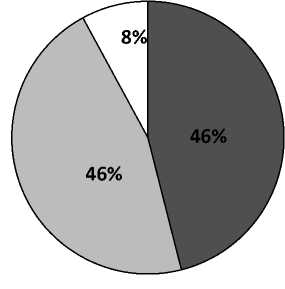
Анализ полученных данных демонстрирует первостепенную значимость социокультурных компонентов в структуре общей удовлетворённости. Почти половина опрошенных (45%) в целом устраивает жизнь в РД (рис. 1). При этом основой позитивной оценки выступают нематериальные фак- торы — наличие исторически сложившихся культурных и духовных ценностей (86%), а также сформировавшийся характер взаимоотношений между людьми (61%) (рис. 2).
Полученные данные указывают на существование значительной доли респондентов, выражающих неудовлетворённость текущей ситуацией. В первую очередь, неудовлетворённость выражается уровнем развития экономики — 71%, развитием сферы услуг (сфера здравоохранения и образования) — 54,5% и отношениями между властью и населением 54% (рис. 3). Распределение ответов на вопрос о преимуществах и недостатках проживания в Дагестане свидетельствуют о значительном влиянии и приоритете культурных и духовных ценностей для населения региона.
Устраивает ли Вас в целом Ваша жизнь в том месте, где Вы проживаете?
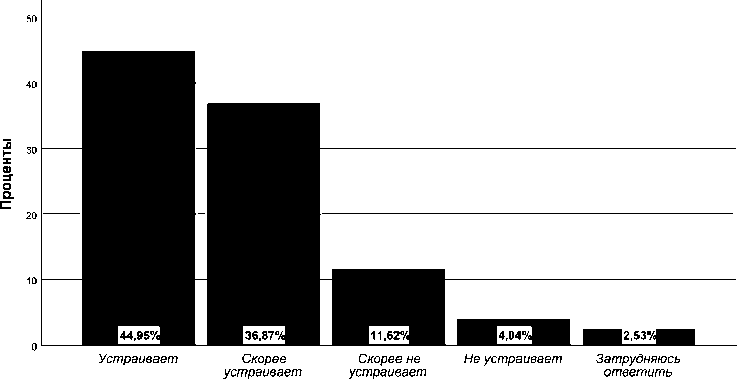
Рис. 1. Распределение ответов на вопрос «Устраивает ли Вас в целом Ваша жизнь в том месте, где Вы проживаете?»
Fig. 1. Distribution of answers to the question «Are you generally satisfied with your life in the place where you live?»
Источник: составлено по данным опроса, проведённого авторами в 2024 году.
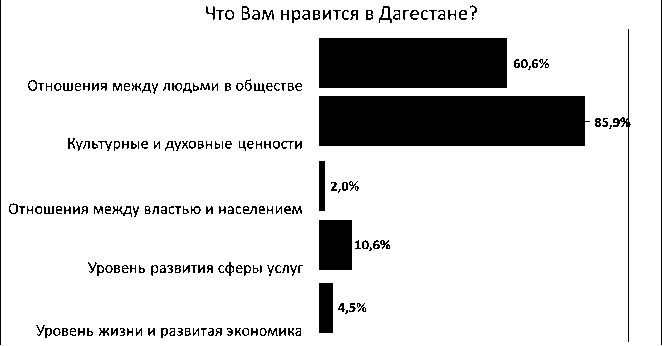
Рис. 2. Распределение ответов на вопрос: «Что Вам нравится в Дагестане?»
Fig. 2. Distribution of answers to the question « What do you like in Dagestan?» Источник: составлено по данным опроса, проведённого авторами в 2024 году.
Большинство населения выражает неудовлетворённость уровнем экономического развития региона и характером взаимоотношений между властью и населением, что указывает на существование значительной дистанции между рядовыми гражданами и органами власти. Контраст между высокой оценкой социокультурных аспектов жизни и низкой удовлетворённостью материальным положением и взаимоотноше- ниями с органами власти свидетельствует о дисбалансе в структуре социального капитала региона: при развитом «связующем» (закрытом) социальном капитале, основанном на общих культурных ценностях и внутригрупповых связях, наблюдается дефицит «вертикального» социального капитала, обеспечивающего эффективное взаимодействие между гражданами и институтами власти.
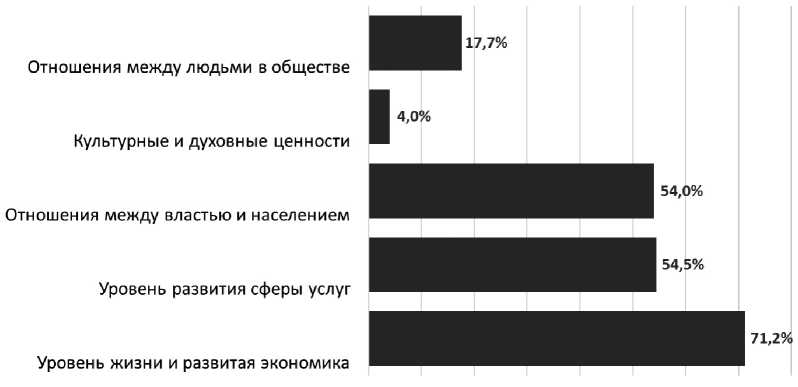
Рис. 3. Распределение ответов на вопрос: «Что Вам не нравится в Дагестане?» Fig. 3. Distribution of answers to the question « What do you dislike in Dagestan?» Источник: составлено по данным опроса, проведённого авторами в 2024 году.
Анкета содержала вопрос о доверии к институтам в РД (рис. 4). Среди предлагаемых вариантов ответов были обозначены органы власти, СМИ, духовное управление, близкое окружение (семья и друзья). Также, в качестве ответа был добавлен вариант «Полагаюсь только на своё мнение». Было предложено выбрать не более трёх предпочтительных вариантов.
Как видно из рис. 4 Духовное управление мусульман РД в настоящее время не является для большей части респондентов институтом, которому они выражают своё доверие: только 15% из опрошенных считают его заслуживающим доверия социальным институтом. В целом же подавляющее большинство опрошенных указали, что доверяют только себе и своим близким людям —
65% и 56%. При этом органам власти республики не доверяет ни один из опрошенных в ходе исследования респондентов. Данная ситуация может свидетельствовать о преобладании доверия к представителям других неформальных институтов, особенно в условиях усилении влияния неформальных религиозных объединений, значительно воздействующих на молодёжь региона в последние годы.
Согласно распределению по возрасту, лица, старше 25 лет доверяют только себе, близкому окружению и Духовному управлению (табл. 1). СМИ и журналистам доверяет всего 2,5% молодых людей до 25 лет. За последнее десятилетие негативные тенденции снижения уровня институционального доверия в республике усиливаются.
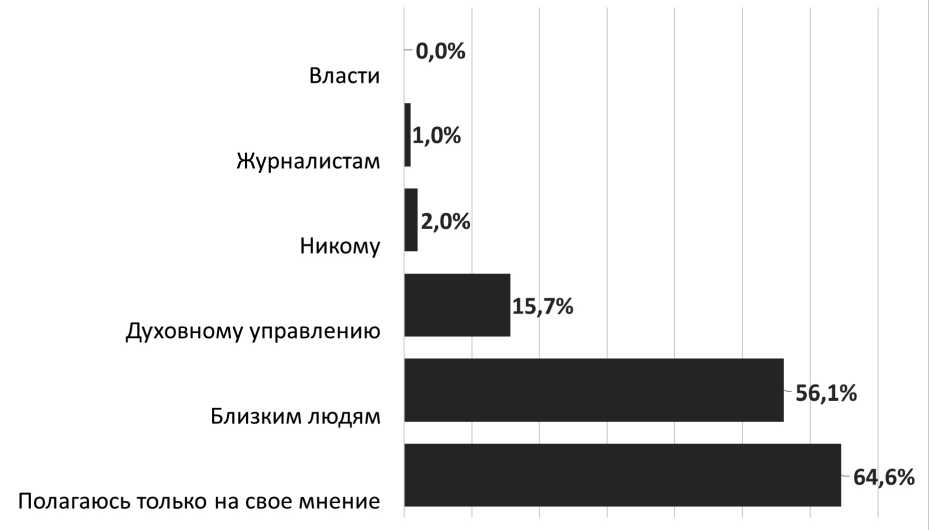
Рис. 4. Распределение ответов на вопрос: «Кому Вы доверяете больше всего?»
Fig. 4. Distribution of answers to the question « Who do you trust the most?» Источник: составлено по данным опроса, проведённого авторами в 2024 году.
Таблица 1
Распределение по возрасту ответов респондентов на вопрос «Кому Вы доверяете больше всего?»
Table 1
Age distribution of respondents’ responses to the question «Who do you trust the most?»
Кому Вы доверяете больше?
|
Полагаюсь только на свое мнение |
Близким людям |
Духовному управлению |
Власти |
Журналистам |
Никому |
||
|
% |
% |
% |
% |
% |
% |
||
|
Возраст (укажите верное): |
16–24 года |
51,2% |
60,0% |
18,8% |
0,0% |
2,5% |
3,8% |
|
25–44 года |
67,1% |
60,0% |
17,1% |
0,0% |
0,0% |
0,0% |
|
|
45–69 лет |
82,6% |
43,5% |
8,7% |
0,0% |
0,0% |
2,2% |
|
Источник: составлено по данным опроса, проведённого авторами в 2024 году.
Результаты данного опроса согласуются с социологическим исследованием 2012 г., который был также проведён с целью определения уровня социального капитала [14] и подтвердил предположение о «низком уровне развития открытого капитала и преобладании закрытого социального капитала». Одним из выводов исследования было то, что, «недоверие на бытовом уровне у дагестанцев проецируется на политические и общественные институты, при этом 58,9% опрошенных не доверяют никому из названных институтов (власть — 1,2%, духов- ное управление — 36,8%, СМИ — 3,1%)». Можно утверждать о существовании «институционального барьера» между населе-нем и формальными структурами управления. Особенно заметна возрастная дифференциация в структуре доверия: с увеличением возраста растёт тенденция полагаться исключительно на собственное мнение и снижается значимость Духовного управления как источника доверия.
Анализируя полученные ответы, можно предположить, что одной из определяющих причин наблюдаемых явлений выступает социальное расслоение в обществе (рис. 5), наличие которого признали респонденты. Население воспринимает проводимую политику как неэффективную, ориентированную не на повышение уровня и качества жизни рядовых граждан, а на удовлетворение личных интересов представителей властных структур (рис. 6). Большинство респондентов полагают, что представители органов власти имеют больше доступа к получению различных благ и услуг. Доля респондентов, признающих актуальность для РД данной проблемы, составила 95%.
Да. Проблема очень актуальна
Да, но несущественно, так как есть более важные проблемы для Дагестана
Нет
Рис. 5. Распределение ответов на вопрос «Существует ли в Дагестане социальное расслоение общества (проблема богатых и бедных)?»
Fig. 5. Distribution of answers to the question « Is there a social stratification of society in Dagestan (the problem of rich and poor)?»
Источник: составлено по данным опроса, проведённого авторами в 2024 году.
Неудовлетворённость населения социально-экономической ситуацией, сложившейся в регионе, обусловлена комплексом взаимосвязанных факторов, что позволяет предложить следующие направления совершенствования механизма реализации региональной политики в области укрепления доверия населения: 1) включение в систему целей регионального развития формирование доверия к деятельности государственных органов как одной из определяющих задач; 2) создание условий для обеспечения социальной мобильности и развития социальных лифтов, компенсирующих ограничения существующих социальных сетей; 3) стимулирование гражданского активизма для привлечения населения к решению проблем экономического характера и участия в решении задач муниципальных органов власти согласно № 131-ФЗ от 06.10.2003 «Об общих принципах органи- зации местного самоуправления в Российской Федерации»; 4) вовлечение населения в социальные и экономические проекты софинансирования по развитию территорий, развитие механизмов государственночастного партнёрства, инициативное бюджетирование (граждане сами предлагают проекты для финансирования), создание фондов развития территорий с участием бизнеса и государства.
Необходимы целенаправленные усилия местных органов власти по обновлению и развитию социальной инфраструктуры, поддержке малого бизнеса, снижению административных барьеров, развитию системы образования. Привлечение населения к развитию региона через участие их в осуществлении экономических преобразований способствует реализации принципа справедливости, который требует установления определённого баланса между
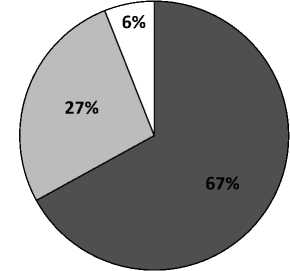
Да. Проблема очень актуальна
Да, но несущественно, так как есть более важные проблемы для Дагестана
Нет
Рис. 6. Распределение ответов на вопрос «Существует ли в Дагестане проблема разных возможностей получения благ жизни для представителей органов власти и членов их семей и остальных представителей общества?» Fig. 6. Distribution of answers to the question « Is there a problem in Dagestan of different opportunities for getting the benefits of life for government officials and their family members and other representatives of society?»
Источник: составлено по данным опроса, проведённого авторами в 2024 году.
различными притязаниями членов общества, легитимность которых определяется их соответствием принятыми в рамках общественного договора правилам и нормам.
* * *
Полученные нами в ходе опроса данные демонстрируют ярко выраженный дисбаланс между высоким уровнем доверия в рамках первичных социальных групп (семья, близкие друзья) и крайне низким уровнем институционального доверия. Структурные особенности социального капитала, отличающиеся доминированием закрытых форм при явном дефиците институционального доверия, формируют барьеры для обеспечения устойчивого экономического роста и результативного управления дагестанским регионом.
Учитывая полученные результаты, представляются необходимыми разработка и реализация комплексного механизма повышения институционального доверия и формирования открытого социального капитала как условия стимулирования экономического роста. Ключевыми направлениями в данном контексте должны стать: повышение прозрачности властных институтов, создание условий для социальной мобильности, поддержка предпринимательских инициатив и расширение практик гражданского участия в решении региональных проблем.
