
Higher Education Management Systems in Iraq: Problems and Perspectives
Journal: International Journal of Cognitive Research in Science, Engineering and Education @ijcrsee
Section: Original research
Article in issue: 3 vol.13, 2025.
Free access
Iraq is a country that has not only rich centuries-old history and antique culture, but also the oldest in the world education system combining old and new cultural and ethnic particularities. Islamic traditions and religious syncretism – all of these must be known to those who plan to receive education in this ancient and very important country of the Islamic world. This research is intended to fill a gap in intercultural and interfaith dialogue in the context of international scientific and educational cooperation Although the Iraqi higher education system shows the example of one in the country with an unstable political situation, it is represented not only by national educational institutions, but it is becoming a modern hierarchical structure that meets the needs of modern time, directly related to the growth and development of the nation. The purpose of the research is to analyze the Iraqi higher education management system within the world education market today, and to offer recommendations of how to improve current situation with implemented innovations and managerial decision-making methods. In the article we deal with the threefold methodology: the first part is the Iraqi higher education system analysis with insights into effective and efficient managerial practices to comply with contemporary challenges; the second part is modern managerial decision-making methods, such as the Kepner- Tregoe, consideration to implement in education for future improvement. Analytic Hierarchy Process (AHP) decision-making methods are supposed to significantly improve the Iraqi higher education management effectiveness; the third part is international student and teacher exchange, collaboration with famous Universities in Europe and Asia, joint scientific projects that play a crucial role in enhancing the quality and competitiveness of Iraqi higher education. The results of the research will help educational institutions formulate more effective management strategies, avoid risks, apply optimized organizational strategies and tactics, predict modern educational traits and trends, make use of advantageous measures, formulate cooperation and competition strategies, and improve innovation capabilities. In the conclusion recommendations were made how to boost institutional performance and make the complex academic processes streamlined and impactful for students and institutions.
Similar articles in the section Higher education. Universities. Academic study
Short address: https://sciup.org/170211408
IDS: 170211408 | UDC: 378.147.091.32(567) | DOI: 10.23947/2334-8496-2025-13-3-681-702
Text of the scientific article Higher Education Management Systems in Iraq: Problems and Perspectives
The development of an educational system that meets the need of modern times directly relates to the growth of a nation. Education extends beyond the mere addition of vocabulary to one’s thesaurus; it shapes personality, thoughts, and social skill, if and when delivered properly.
Iraq (also called Mesopotamia: the land between two rivers) was known as the cradle of civilization, the place where the first letter was written and complex urban centres grew. School education was supposed to develop children’s creativity, critical thinking and analyzing ability through formal education much

© 2025 by the authors. This article is an open access article distributed under the terms and conditions of the Creative Commons Attribution (CC BY) license .
similar to global models. Still standing in Baghdad the original Mustansiriyah school, established in 1227 by Abbasid Caliph Al-Mustansir, was indeed a significant and ancient scholarly institution; Islamic law, mathematics and medicine were taught there. It is considered one of the earliest world’s universities, and while its building was damaged during 1258 Mongol siege, it still stands and is now under the restoration.
The Iraqi society in 1958 was very much affected by the political and social awareness, which in turn was focused on the significance of mandatory education. During the 1960s, Iraq invested heavily in education, establishing new higher education institutions in major cities like Baghdad, Basra, Mosul, and Al-Sulaimaniyan while also providing Iraqi students with scholarship and grant opportunities to study in Western Europe and North America. This period was characterized by growing government spending on education and a focus on making mandatory education a priority. Also the government increased its spending on technological innovations in education.
Education in Iraq was free by the law, and in 1974 private education was completely abolished. The control of the government on the educational sector kept growing as more laws were issued, until the year 1987, allowing the government overseeing over pre-school institutions and compilation of educational policies and strategies of further development. By 1985, Iraq was free from illiteracy. In 1984 federal expenditure on education was only 6% of Gross National Product (GNP) and the average federal spending per student came up to $620.
The gulf war, the consequential sanctions on Iraq, and the UN Oil-for-Food-Programme (OFFP) in 1995, caused the expenditure on the educational sector greatly. The Program increased educational spending reaching $6,000 per student, as it was intended to help Iraqi civilians affected by sanctions allowing them trade oil for humanitarian goods, not to reduce spending on education. The resources obtained from the OFFP barely covered the social sectors that included health, water, and sanitation, with the education sector having the lowest share. Teaching staff’s salaries dropped significantly as the program did not cover it. This caused large-scale teacher Exodus: some of them changing profession, others looking for a job abroad. Starting from 2023, when education became one of the most affected sectors, the government considered education reform a major task in the rebuilding of Iraq.
Today in Iraq, all citizens have right to free education, primary education level is mandatory, and eradication of illiteracy as stated in Article 34 of the constitution of 2005. The Ministry of Education runs a strongly centralized national system according to the principle of centralization of planning and decentralization of implementation. In 2016, Iraq spent 6.8 trillion IQD (around $ 5.7 billion) on education for central Iraq, a 44.2% increase from 4.7 trillion IQD in 2010-2011. Iraqi federal government spends approximately 1.3 million IQD (around 1,000 USD) per student annually, covering all levels of education from pre-school to upper-secondary education, though infrastructure remains a major challenge. The majority of the education budget goes to salaries and operational expenses, with little left for other vital non-salary operational costs. While the per-student spending is a significant amount, overall government spending on education decreased from 7.9 trillion IQD in 2012-2014 to 6.7 trillion IQD in 2015-2016.
There are two ministries in Iraq that are responsible for the education development and management. The Ministry of Education (MoE) supervises preschools, elementary and secondary schools as well as centres for professional training and retaining, while the Ministry of Higher Education and Scientific Research (MOHESR) is responsible for post-secondary education institutions functioning, encompassing technical colleges and research facilities performance to comply with the federal governance. The Ministry of Higher Education and Scientific Research ( HEM Report, 2020 ) aims at making qualitative and quantitative changes in scientific, technical, informational, technological and cultural development in the country.
COVID-19 was the stop button for normal daily activities and education was one of the first sectors to halt all activities, albeit it had to continue regardless of the COVID-19 situation. The first means of remote education was introduced to students by the government in 2003 via a governmental TV channel, with the aid from UNESCO, dedicated to broadcasting the curriculum to students.
In the face of the COVID crisis, the Ministry of Education in Iraq was set with digital platforms available for students and educators to use. Google Classroom is one of the most commonly used across Iraq. Newton (The MoE online platform) was developed by the federal government. Courses are taught in Arabic for internally displaced and refugee learners in contexts where it serves as a primary language for particular regions, such as within the parallel education systems established for Syrian refugees in the Kurdistan region of Iraq. Some organizations also offer Arabic language instruction to support refugees and displaced people from various countries, helping them earn income and connect with others.
Iraq, formerly Mesopotamia, is a birthplace of the world civilization, with rich ancient culture and the origins of writing, law and the wheel, the formal schooling developed later in the history. Although Iraqi education today faces a lot of challenges from political and religious conflicts and federal underfunding, its ancient heritage is profound. Iraqi cultural and ethnic particularities, religious syncretism – all of these must be known to those who plan to receive higher education in this ancient and very important country of the Islamic world. This research is intended to fill a gap in intercultural and interfaith dialogue in the context of international scientific and educational cooperation.
In Iraqi scientific circles research into the higher education management systems was carried out, highlighting the problems and outlining development and innovation prospects for the Iraqi education. Authors to be mentioned are Sabah Faihan Mahmud ( Sabah, 2013 ), Ezzadin N. M. Amin Baban ( Baban and Rashid, 2017 ) , Salam J. Bash Al-Maliki ( Al-Maliky, 2012 ), Govand H. Sherwani ( Sherwani, 2018 ), Muk-dad A. Al-Khateeb , Nadhir Al-Ansari, Sven Knutsson ( Al-Khateeb, Al-Ansari, Knutsson, 2014 ), Fahmy Abdullah & Shler Salih ( Fahmy and Shler, 2022 ), Jinan Hatem Issa, Hazri Jamil ( Jinan and Hazri, 2010 ), etc.
Numerous international scholars have extensively studied Iraq’s higher education management, its evolution, and developmental trajectories: A.A. Ghatta, & M. Voronova ( Ghatta and Voronova, 2016 ), Sufyan Al-Janabi, & David Anderson( Al-Jaberi and Anderson, 2011 ), S. Marginson ( Marginson, 2016 ), V. Diwakar ( Diwakar, 2015 ), A. Johnson, P. Hoba ( Johnson and Hoba, 2015 ), etc..
The purpose of the research. Analyzing the Iraqi higher education current situation, its challenges, problems and perspectives within the world’s market should help improving higher education management system with implemented modern managerial decision-making methods.
Hypothesis 1. Analyzing the Iraqi higher education systems could reveal valuable insights into effective management practices in order to identify common challenges and problems and also to find solutions of the issues pinpointed.
Hypothesis 2. Modern management techniques such as the Kepner-Tregoe (KT) method and Analytic Hierarchy Process (AHP) implementation provides a structured approach for prioritizing objectives and evaluating alternatives by analyzing strengths and weaknesses, while AHP uses a hierarchical framework to prioritize criteria and make complex decisions through paired comparisons. These methods being based on systematic data provides more informed and objective decision-making in any sector, high education area in particular.
Hypothesis 3: Staff and student mobility assist national higher education system through the other countries positive experiences in the field of higher education. War, corruption, and a dysfunctional regulatory environment have further exacerbated these issues, leading to administrative inefficiencies, inadequate research facilities, and education quality decrease. This analysis will also allow developing recommendations and find countermeasures for educational institutions to comply with navigating transformation and mastering evolving dynamics of higher education management, emphasizing the ongoing process of adjusting organizational strategies in order to meet the multifaceted and fluid demands of the labor market and to cause changes in Iraqi modern higher education landscape ( Makarova, Makarova and Egorova, 2021 ).
International collaboration is vital for Iraqi higher education system by helping to address management challenges like lack of funding, outdated infrastructure, and insufficient staff training, which can be mitigated by adopting successful models from other countries. Key challenges identified are poor data management, federal interference, lack of transparency, and overemphasis on quantity rather than quality. Analyzing management system can pinpoint problems, challenges and specific issues that can then be solved by learning from international best practices.
Materials and Methods
Modern societal needs are transforming higher education through globalization and modernization, which demands that institutions adapt their functions, structures and ideologies to remain relevant and effectively serve as engines of cultural and scientific advancement. This evolution is shaped by increasing information access, technological innovations, and the need for highly skilled human resources in knowledge-based economies. Higher education serves as a main source of cultural and scientific evolution, playing a crucial role in shaping new socio-cultural realities and addressing global challenges. Key factors addressing these innovations are rapid high-tech breakthroughs, spending limitations, and shifting student expectations, necessitating a continuous transformation within educational systems to meet new demands for innovation, critical thinking, and adaptability in a rapidly changing world (Gilmeeva, 2010; Gorshkov, 2015; Prokofieva et al., 2018; Davoudi et al., 2018; Fartash et al., 2018; Vuong et al., 2024).
The provided research describes education as a dynamic system that adapts to societal needs and shifts, makes contributions to human capital development, and drives a nation’s future prosperity and advancement in different sectors. We assume that societal challenges influence education, while education also shapes society by fostering critical thinking, problem-solving, hard and soft skills, thereby increasing citizens’ vitality and adaptability in situations of political instability and economic crises. Management systems in higher education vary across the world, with each country adopting its own unique approach. “Strategies toward a world-class higher education system: What patterns can Iraq follow in order to comply with international education requirements?” In the USA, for example, they deal with a decentralized system of higher education, with institutions enjoying significant autonomy. In contrast, in France and Germany, there is a more centralized approach to higher education management, with the significant role government in supporting equal rights of all citizens to receive education.
In the Russian system of higher education there is a significant influence of state educational policy with increasing autonomy of leading and prominent Universities, private educational institutions that appeared en mass in the 1990s constitute just a very small percentage of the sector now ( Selezneva, Abakumova, and Sotnikov, 2024 ). Although a promising tendency to change from completely controlled by the federal government to a system of public administration is underway. Universities are hierarchically organized: with Moscow State University named after M. Lomonosov at the top, flagship academic universities, national research universities following in the wake, specialized educational institutions under federal and regional jurisdiction and financial support closing the list, with a small number of private colleges and universities going on a parallel course. Although the university-business collaboration is successfully productive, especially in the fields of information technology and petro chemistry, there is still a giant gap to be bridged in the interaction between the labour market and higher education outcomes.
There are several levels of degrees; some of them coinciding with the international standards, like Bachelor’s degree, Master’s degree and a Doctoral degree, some are different like a specialist degree (reserved for specific fields like medicine, pharmacy, linguistics, engineering and musical), that has no direct international equivalent and used to be the only degree for all fields in Russia until 2011 ( Belikov, 2010 ; Dzhurinsky, 2011 ). Russia’s abandonment of the Bologna system while maintaining standard degree levels to align with international systems and labour markets, national traditions are also preserved. The stated goal of adapting to a global job market and maintaining national traditions in the field of education are consistent with the country’s stated intent.
In French education system, f major feature is the high employment probability fostered by a strong partnership between education and production enforced by a number of student grants and internships.
In contrast, the Swiss education system is not centralized and is divided into academic and applied tracks, the latter following vocational teaching and learning ( Levina et al., 2018 ).
Iraq , however, faces a unique set of challenges. Higher education governance is managed through various models that are shaped by a country’s history, culture, religion, economics, and politics. These models differ in their degree of state control, ranging from more centralized to more liberal, decentralized, and collaborative systems. Key elements on one side of the scale are excessive political supervision, financial instability and inequality, with student and employer expectations, and the need to maintain quality and global competitiveness on the other side of the scale. National history, traditions, cultural norms, and religious past can impact on its educational values and, by extension, its administrative structures and management style. In order to comply with the global educational requirements and to meet world’s job market needs, quality and continuous improvement of education management styles are needed, often involving international accreditation and benchmarking against global standards.
Administrative models (Fig.1) must adapt to changing expectations from students, employers, and other stakeholders to remain relevant and effective. A country’s higher educational management is under the influence of some political and economic problems, including financial constraints and funding cuts, religious conflicts and national intolerance ( Kusargasheva, Muromtseva and Sabitova, 2013 ).
Managerial
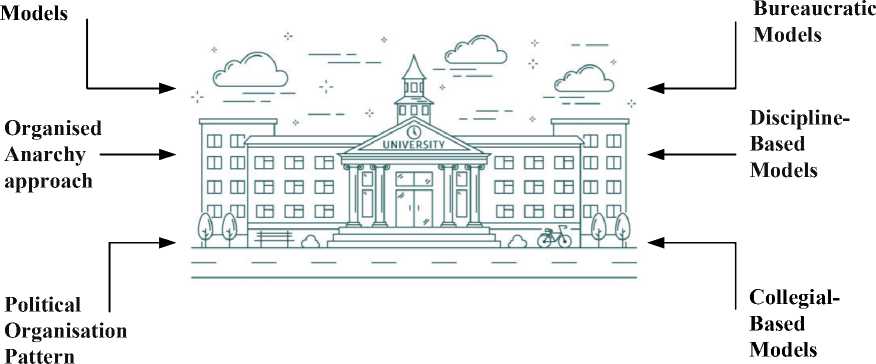
Figure 1. University Administrative Models of the world
Models and Processes of Educational Policy. Higher education management involves the organization, administration, and governance of educational institutions, heavily influenced by national educational policies. Various nations design and develop higher education management models so differently, as education reflects economic contexts, political trends and cultural heritage of the country ( Kok, Douglas and McClelland, 2008 ).
Management Models are chiefly related to Western countries, particularly the United States. Managerial based model, although containing similarities to bureaucratic structures, differs in its increased focus on managing. Its implementation includes many economy techniques that private sector possesses triple-helix while aiming at performance targets, focusing on education quality, curricula conformity, managing staff ( Deem, 2006 ) and controlling budgets( Deem and Brehony, 2005 ). Its central application is on meeting standards of university administration ( Denman, 2005 ; Grey, Knights and Willmott, 2021 ) and organisation advocating management control ( Lawler and Hearn, 1995 ) and devolved authority from academics to managers. Acceptance of the model affirmed appropriate spending and allowances ensuring not only cost-effective operation but financial survival. Undeniably while the model ( Holman, 2000 ) promotes satisfying performance quotas and budgets its application conflicts with welfares’ notions of education further restricting academic independence.
Bureaucratic Models. European bureaucratic structures (Germany and France, for instance) place particular emphasis on paperwork and regulative controls aiming to create conformity through standardised red-tape ( Kreitner, 2012 ). This model is increasingly being assimilated into the broadening academic job description and workload. Its application demarcates clear lines of responsibility highlighting accountability and identifying individual culpability. The model avers ‘seniority’ ( Jamali, 2005 ) and the ‘chains of command’ ( Liu and Dubinsky, 2000 ) providing a structured management hierarchy ( Middlehurst, 2004 ). While efficiency and effectiveness are strengthened through the use of standardized frameworks and corporate accountability, the paperwork flow and overemphasis on ‘choosing the right answer by ticking the box’ instead of giving a complete answer deteriorate thinking ability of students, detracting from required quality of collegial management and causing devolution to administrative supervision.
Collegial-Based Models are commonly found in Western countries such as the United States, Canada, and the United Kingdom, Nordic countries, Australia and New Zealand, South Africa .Collegial management structures are akin to those existing in the Ancient Universities of “Oxbridge” ( Ackroyd and Ackroyd, 1999 ). These structures consist of a community of scholars ( Ackroyd, Kirkpatrick, and Walker, 2007 ) and promote academic autonomy ( Barnett, 1993 ) allowing for flexibility in debate, discussion ( Fear and Doberneck, 2004 ), learning and teaching ( Peters, 1992 ). Collegial management is under administrative supervision focusing on education quality rather than on performance criteria and benchmarks. Universities practising such structures value “scholarly engagement, shared governance and decision making, and rationality” ( Kezar and Eckel, 2002 ) avoiding the more rigid and strict models that emphasise management and administration.
The Political Organisation Pattern exists through negotiation and debate at lower levels within the university hierarchy to reach consensus. The results of such discussions are then communicated to upper management for ratification or application .While the structure promotes contemplation and de- liberation and to some degree allows for freedoms of inquiry and suggestion, final authority still rests with upper management. This organisational pattern builds on Bergquist’s work of the negotiation culture that establishes “equitable and egalitarian policies and procedures, valuing confrontation, interest groups, mediation, and power” existent in university archetypal cultures.
The Discipline Based Model focuses university management on ensuring particular importance to researching and teaching. The approach essentially aims to focus management towards more scholarly activities embracing more traditional notions of university management, steering clear of commercial and managerial inclinations ( Gibbons, 2005 ). The model promotes a drive for quality and excellence in teaching and research with other considerations seen as secondary and less pertinent.
The Organised Anarchy approach to university management stems from M.D. Cohen’s model of the garbage can model of management ( Cohen, March and Olsen, 1972 ). Typical for this model is chaotic decision—making process and random interaction of challenges, choices, solutions and participants. Garbage can management model is strategic management that helps analyzing internal and external landscapes, creating strategies to achieve setting long-term goals and to forecast desirable outcomes in the future. With these model application long-term success and a competitive advantage can be achieved. Although the whole model seems unstable, unstructured and unpredictable, the elements of the model are complicatedly intermingled and intermeshed in such a way that the decision-making procedure finally takes place.
The Processes of Education Policy. Education policy is a major aspect of any education system directed at improving citizens’ economic prosperity and their social status. The Policy should be aimed at shaping every citizen’s individual learning experiences as the global priority for the government, thus providing the nation’s human capital, financial stability, employment for everyone, and overall prosperity of the nation. Although these aspects are equally significant in every country, understanding of their formation, drivers, and impact on educational institutions and this policy environment remain underdeveloped. Education policy applies decision-making tools such as human capital theory, social justice, and financial accountability influencing its design and implementation ( Vesić, Laković and Vesić, 2023 ).
Education policy itself is a set of theories, principles, guidelines, laws, and strategies formulated by federal or local educational authorities to regulate and guide the education system development and functioning within a specific educational landscape. These policies aim to achieve goals like customer satisfaction, product production and service performance. These quality objectives, established by top management, are often made SMART (Specific, Measurable, Achievable, Realistic, and Time-bound). To improve education management, the government of the country should clearly communicate its position and ideas about education and then support initiatives at all levels of organization, in this case the management system’s quality can be accessed and the equity in education can be achieved. This involves implementing clear objectives, identifying major stakeholders and underlining their needs, providing employee professional training and engagement, and streamlining documentation processes.
Education policies are heterogeneous and diverse depending on the country and its government’s goals, but in any case they should emphasise the country’s citizens’ civil rights, equality in education accessibility and inclusive education for people with disabilities. These policies should necessarily include teacher pre-service and in-service training as a part of professional up-grading, strong community involvement, and active family-school interaction to address the achievement gap and promote diversity. Their aim is to ensure all students, regardless of ability, have equal access to quality education, along with developing global competence and citizenship skills.
Policies also emphasize research, innovation, and flexible learning pathways, accommodating diverse learning styles and career aspirations.
The educational policy development procedure involves agenda setting, policy creation (design), adoption, and implementation, often followed by evaluation. The stages move from identifying issues and getting them on the agenda to creating solutions, formalizing them through adoption, and then putting them into practice through implementation and evaluation. This process typically includes several key stages:
-
1. Agenda Setting involves education system issues and challenges identification. Also this stage implies policy intervention in specific areas.
-
2. Policy Design. During this stage, involvement of educators, executives, parents, and experts is considered, and input from various perspectives to ensure a comprehensive policy is predicted.
-
3. Policy Adoption and Approbation. At this stage reviewing and revising policy proposals based on feedback, presenting the policy to decision makers, such as government officials, legislators, or a school board, seeking approval and endorsement of the policy by relevant authorities and seeking approval and endorsement of the policy by relevant authorities are included.
-
4. Policy Implementation. During this stage, educators and administrators are trained to ensure successful implementation. Also monitoring and adjusting implementation strategies are needed.
-
5. Monitoring and Evaluation. During this stage criteria and indicators are established in order to measure the effectiveness of the education policy, collecting data, analyzing the impact of this policy on the education system and identifying areas of success and those that may need improvement and development.
-
6. Policy Revision or Modification. During this stage necessary adjustments to the education policy are made based on the data obtained and circumstances changes; goals are revisited; objectives and strategies are chosen to better align with the evolving needs of the higher education system.
-
7. Policy Communication. At this stage educators, parents, and the public share their opinion and clear guidelines on how the policy affects various aspects of the education system are provided and transparency and openness in the communication process are ensured.
-
8. Estimation and Improvement is the final stage. It includes establishing mechanisms for ongoing feedback from stakeholders, using feedback to make continuous improvements to the policy and its implementation and adapting to emerging trends and challenges in education ( Sabatier and Weible, 2018 ).
So, to discuss global higher education management systems, we should mention that they depend greatly upon federal control and supervision, on one hand, and the community active participation in education management, on the other hand. In many Western European countries, like France and Germany, education is centralized with a very strong position of the government in their management and funding. In contrast, the US system is decentralized, with institutions having significant autonomy and freedom. It definitely depends on a world tendency to equate education to the market services; educational institutions that operate on market principles, treating education as a commodity, are often found in countries with policies influenced by liberalism. This approach is defined by the application of economic principles like competition and market dynamics to higher education, leading to outcomes like increased innovation and stronger industry ties, but also risks of lower quality and accessibility. The provision of education is based on supply and demand, with institutions and students interacting through a “price mechanism’. There is a move from direct government management toward greater privatization and private funding. The emphasis shifts to results, employability, and output rather than other educational values. Institutions compete with each other for students, funding, and reputation.
The global higher education market size was estimated at $ 736.80 billion in 2023 and is expected to demonstrate a compound annual growth rate (CAGR) of 12.1% from 2024 to 2030 (Fig. 2). The growing population in countries, like the United States of America, Canada, Great Britain, and India, higher education expansion is driven by the labor market needs. The demand of global labor market dictates international cooperation and collaboration between educational systems of these countries. Idea of continuous learning and development is becoming a growing trend as individuals look to advance their skills. The result of such collaboration is an increasing demand for University graduates with the internationally accepted degree, professional skills, and workshop training in their asset portfolio.
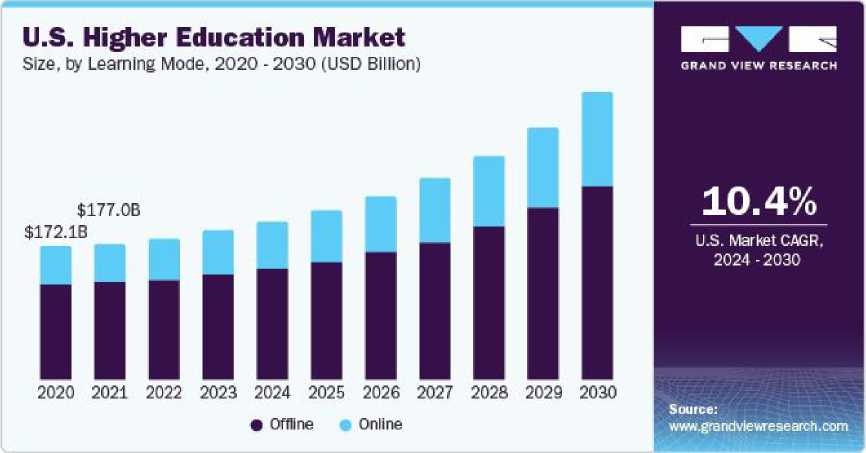
Figure 2. The global higher education market size 2020 to 2030 ($ Billion) ( HEM Report, 2020 )
The global market for higher education is a dynamic and rapidly evolving sector with its crucial role not only in providing knowledge and teaching skills, but also in shaping the future workforce and driving economic growth and national prosperity. Critical thinking, creative abilities, hard and soft skills are commodities in the global job market; so in order to comply with its demands higher education institutions must go in step with this market rapidly changing requirements and needs. It makes the education market to expand and to include various contemporary forms of learning like online and traditional offline education, distant teaching and learning, professional training, all of them complying with the growing needs of the labor market and the economy as a whole. Also hybrid models of education that combine in-person and digital instruction are popular. The market’s growth is driven by several factors, including technological advancements, government initiatives, and the globalization of education.
State universities lead the market in 2024. This segment is growing as it offers education at a lower tuition cost compared to private institutions. They receive funding, subsidies and federal support, making it possible to provide students with financial benefits. Scholarship affordability attracts a broader spectrum of local population, providing opportunities for a greater number of students get higher education and become high-skilled professionals. A university system features multiple distinct universities under a common governing board, while a multi-campus university has several physically separate locations under a single institutional umbrella. Satellite or branch campuses are physically distant from a main campus and can be located in different cities, states, or even countries. North America dominated the market with a revenue share of around 30% in 2023. North American universities are at the forefront of research and innovation because of cutting-edge research facilities, technological innovations and scientific breakthroughs. Virtual and distance learning, personalized learning experiences, international students enrolment, digital educational programs fostering global collaboration, provide educated and skilled workforce not only for the USA economy, but make a contribution into the modern world human capital. These advancements position institutions as innovative global leaders, thereby increasing their attractiveness to both domestic and international applicants. Universities in the region are frequently located in innovation centers and ecosystems strongly related to industries. Furthermore, a strong presence of world-renowned universities and educational institutions in the U.S. and Canada supports region’s growth.
Statistical analysis of the global higher education market includes the following:
Market Size and Growth. In 2023 the global higher education market was estimated at approximately USD 736.80 billion and still foreshows steady increase at a compound annual growth rate (CAGR) of 12.1% from 2024 to 2030.
Regional Insights. North America currently dominates the market, driven by advanced technologies, strong infrastructure, and high consumer spending power. Significant demand for higher education is also seen in regions like the U.S., Canada, the UK, and India, due to growing populations and the need for skilled labor.
Market Drivers. Increasing global demand for skilled professionals and the rise of online and hybrid learning models are major drivers. Federal financial support encourages education infrastructure improvement and affordability, boosting enrolment rates and increasing the outcomes.
Technological Advancements. Modern technologies like artificial intelligence (AI) and virtual reality (VR) provide students with innovative learning experiences, thus increasing the outcomes. Highly demanded cloud services allow educational institutions to preserve and retrieve data, apps, and resources effectively.
Trends and Innovations. The lifelong learning and up-skilling are to address workforce growing demands in the rapidly evolving world economy. Institutions are investing in creative areas to promote experiential learning across various subjects.
Economic Impact. Economic downturns and recessions can result in less public support for education and more competition for grants and scholarships. The widespread adoption of online and hybrid learning techniques is projected to boost market growth.
United States Higher Education Market Analysis
The U.S. higher education market is growing very well with excellent government funding and strong enrolment rates. In the fiscal year 2023, the budget for the U.S. Department of Education was about USD 79.1 billion with considerable amounts to be allocated towards research and programs for student financial aid.
According to an industry report, undergraduate enrolment saw a 1.2 percent increase from last year during the fall 2023 session which added around 176,000 students to college enrolment rolls nationally. The National Centre for Education Statistics noted that U.S. higher-education institutions delivered 2 million bachelor’s degrees and 205,000 doctoral degrees in 2022-2023. Online education with hybrid learning is increasing market expansion, especially within technical and vocational training. Huge public universities are major players. However, along with state and public universities a growing number of highly popular private institutions are emerging, thus expanding global education offerings. The U.S. education is a major educational hub providing world labour markets with high-skilled professionals and highly educated researchers
Europe Higher Education Market Analysis
Higher education market in Europe is currently experiencing unprecedented growth, which can be explained by high government funding, unified educational standards, international student mobility, and research and development activities. In 2023, the European Union allocated around $ 87.42 billion to higher education. The region, therefore, commits to developing the opportunities of its people. Additionally, due to the EU innovation strategy within academia $ 408.10 billion in research and development activities was invested, reflecting its commitment to pioneer work in this area. The current tendency is to attract more students from other countries to European universities, with Germany and the United Kingdom (UK) leading the pack. According to an industry report, Germany saw a record number of 2.9 million students in 2023. It is not surprising that more students are going there because of educational programs such as Erasmus+ and DAAD, scholarships and grants for international student and faculty mobility, joint research projects, with financial aid reducing barriers and leverage regional initiatives. Renowned institutions like the University of Oxford and ETH Zurich continue to attract global talents. Such technological advances as digitalization and virtualization of education, online and hybrid learning programs continually expand free access to education and boost the market.
Asian Higher Education Market Analysis
The Asian higher education market in Pacific region is expanding due to federal funding, rising middle-class population, and international educational partnership. Key drivers include China’s significant investment in education including $6.46 trillion in 2023. In 2024 education investment was characterized by a significant increase, which grew to $ 6.5 trillion. This was supported by a new strategic education plan that aimed to make China a global education leader, with a strong focus on research and international collaboration. Key initiatives included expanding access, strengthening vocational training, and targeted funding. India’s enrolment grew to 43 million in 2023, and a great focus on skill-based technical training. This growth is establishing the Asia Pacific region as a major global hub for higher education.
Latin America Higher Education Market Analysis
According to ITA, education expenditure for 2022 in Brazil was $ 24 billion. The budget of the Brazilian Ministry of Education for 2023 is estimated at $ 29 billion. The basic education system in Brazil encompasses 46.7 million students, with 8.3 million in preschool, 26.5 million in elementary school, and 7.7 million in high school. The higher education sector has 8.4 million enrolled students’, 75 percent of students are in private institutions, while the government emphasizes education highly and focuses on the internationalization of higher education significantly. Distance learning is gaining increased momentum with growing lower tuition fees and the suitability of programs for working populations. According to an industry report, around 355 institutions provide distance learning, and for the first time in 2023, the number of registrations for distance learning exceeded those for in-person courses. Brazil also ranks eighth in sending foreign students to U.S. universities, with 14,897 students enrolled during the 2021-2022 academic year.
Middle East and Africa Higher Education Market Analysis
The United Arab Emirates (UAE) is a highly competitive education market within the GCC region. According to ITA, education stands out as a top priority in the country, taking up 15.5% of the country’s federal budget of USD 17.1 billion in 2023. The “National Strategy for Higher Education 2030” seeks to equip the labour market with technical and practical skills from students of the UAE. It is also supposed to change accreditation standards in order to harmonize curricula with international education programs. In the UAE’s education system private schools and higher education establishments dominate, while the rest is a blend of public schools and higher education institutions. Being a multicultural community the U.S., UK, India, and the Dubai International Academic City in the UAE (accommodating 28 international universities) provide different international curricula in private schools. Investments and collaboration, such as those with the Rochester Institute of Technology, Dubai and New York University, Abu Dhabi, is rapidly transforming the higher education sector.
The global higher education market is expected to grow, with an estimation of USD 736.80 billion in 2023 and a projected compound annual growth rate (CAGR) of 12.1% from 2024 to 2030. Key trends and tendencies shaping this market include:
-
1. Demand for Education Increase: A population growth in countries like the U.S., Canada, the UK, and India is driving the demand for higher education institutions. The pursuit of skills advancement and continuous learning is leading to a rise in demand for graduate degrees and short workshops.
-
2. Diverse Educational Models: The educational market includes traditional institutions, also offering online learning platforms, vocational training centers, and hybrid models that combine in-person and digital instruction. This diversification allows for tailor-made education to different student segments, enabling lifelong learning and professional up-skilling.
-
3. State Universities’ Dominance: State universities are leading the market due to lower tuition costs compared to private institutions, backed by government funding.
-
4. Regional Insights:
This affordability attracts a wider demographic, enhancing enrolment rates.
-
- Asia Pacific: Countries like China and India are making substantial contributions to higher education.
-
- Latin America: Brazilian significant portion of private higher education is a result of past growth and the inability of the public sector to meet rising demand, though the prestige of public universities remains high due to stringent admission standards and a focus on research. Distance learning is gaining traction.
-
- Middle East and Africa: The UAE education structures are focusing on equipping students with practical skills and improving educational standards.
-
5. Technological Advancements: Artificial intelligence (AI) and virtual reality (VR) are among the most important in education. Effective application of cloud computing and services will provide solutions in data management and storage within higher education institutions.
-
6. Economic Impact: Education depends on public expenditure for education, that’s why adoption of online and hybrid learning strategies during the periods of economic fluctuations and crises is likely to drive education market growth and to keep it afloat.
In summary, the higher education market is increasingly characterized by a focus on accessibility, technological integration, and a diverse range of learning models, driven by the need for skilled professionals in a rapidly evolving economic landscape.
Results
As a result of the study the following conclusion can be made: to improve the efficiency and effectiveness of higher education management in Iraq and to significantly diversify educational services export and import to comply with the world educational system, modern managerial decision-making methods, such as Kepner-Tregoe, AHP decision-making methods can be implemented. To implement Kepner-Tregoe and AHP decision-making methods for selecting a perspective of higher education management systems in Iraq a brainstorming sessions with 4 experts in the subject area were conducted in the form of unstructured interview.
Step 1: Problem Definition. Iraqi higher education system is going through several challenges; some of them are outdated management, insufficient financial support, and defunct curricula. These issues slow down the overall education development, affecting student outcomes and the country’s development.
Step 2: Requirements
-
1. Accessibility: This one includes providing financial aid, scholarships and grants in order to make education more accessible, constructing more institutional facilities in underserved areas would also solve the problem.
-
2. Quality: Curricula update and staff in-service professional training should impact on education quality, enhance strategies and methods, and ensure meeting international educational standards and benchmarks.
-
3. Equity: Address disparities in educational opportunities and resources among different regions and demographic groups to ensure fair and equal access to quality education for all students.
-
4. Professional Development: Investment in teachers’ continuing professional development should be through pre-services and in-services. Also salaries, grants and scholarships should be aimed at retaining qualified educators within the system.
-
5. Infrastructure: Upgrade and maintain educational facilities, including classrooms, laboratories, libraries, and computer classes to create a creative teaching and learning environment.
Step 3: Goals
-
1. Improve student outcomes: Increase literacy, numeracy, soft and critical thinking skills among students to better prepare the workforce for the future careers and further studies by embedding human-centred competencies and reinvigorating sustainability.
-
2. Enhance quality of teaching: Attract, retain, and educate qualified professionals in the field of education through offering competitive salaries, career opportunities, pre-services, in-services and a favourable educational environment.
-
3. Modernize the curriculum: Match the curriculum to the 21st century requirements and equip students for a competitive graduate marketplace.
-
4. Expand access: ensure universal access to higher education and a better quality of learning through better policies focusing on scholarships and financial aid, and building more institutions.
-
5. Improve school infrastructure: Equip educational institutions with modern teaching and learning facilities, support equitable access for all children regardless of socioeconomic background, by removing financial barriers, increasing available places, and providing a conductive environment for effective teaching and learning.
Step 4: Alternatives
-
1. Increase government spending on education: A widely recommended policy, leading to better students’ outcomes, higher test scores and graduation rates, increased adult earnings and reduced poverty.
-
2. Implement educational reforms: Apply technological innovations, upgrade curricula, encourage teacher professional development through pre-service and in-service training, apply skill-based teaching strategies, evaluate student advancement and outputs.
-
3. Promote private sector involvement: Welcome private funding in education and improve infrastructure for educational services, while the public sector retains oversight and ensures access and quality. These might include private partners building and managing educational facilities, providing educational management services, developing curriculum, and investing in technology.
-
4. Strengthen teacher training and development: Offer pre-service and in-service professional development for the staff, make changes significant for digital and blending education, take systematic effort to provide free and accessible education for educators.
-
5. Improve educational technology: Apply online resources for teaching and learning experiences, to stimulate interactivity of knowledge acquisition.
Step 5: Criteria
-
1. Student achievement: Use norm-referenced tests and criterion-referenced tests to identify students’ gaps or successes in order to adjust teaching methods, improve curriculum, and provide targeted support, with ongoing analysis being key.
-
2. Teacher satisfaction: Implement all measures possible to attract and to retain skilled and devoted teachers, and overall job satisfaction school engagement can be significantly increased, student discipline cab be enhanced, and a motivated and committed teaching workforce can be ensured.
-
3. Equity: Evaluate the distribution of educational resources and opportunities across different regions and demographics to ensure fair access to quality education for all students.
-
4. Cost-effectiveness: Consider the financial implications of each alternative and its potential return on investment to ensure that resources are used efficiently and effectively.
-
5. Sustainability: Assess the long-term viability and scalability of each solution to ensure the education system improvement over time.
Step 6: Decision-Making Tool Selection
Kepner-Tregoe (KT) Decision Analysis;
Analytic Hierarchy Process (AHP).
Step 7: Evaluate Alternatives against Criteria
Selected decision-making tools will help to evaluate alternatives against criteria.
Step 8: Valid solution
Based on the analysis of goals and alternatives, the most promising alternatives appear to be a combination of increased government spending, educational reforms, and teacher training and development. These approaches have the potential to address multiple challenges and improve the overall quality of education in Iraq.
The Kepner-Tregoe method is a structured decision-making and problem-solving process that helps identify the best possible choice, not a perfect one, by systematically evaluating alternatives and reducing risks through a quantitative comparison of options against defined criteria. The approach emphasizes gathering objective, factual information to minimize bias and focuses on a logical, step-by-step analysis to make rational, well-reasoned decisions.
Table1. Selecting a perspective of higher education management systems in Iraq using Kepner-Trego Decision
Making Method
Increased government spending
|
Criterion |
Weight |
Criteria description |
Score |
Final Score |
|
Student achievement |
10 |
Percentage of students passing standardized tests |
8 |
80 |
|
Teacher satisfaction |
8 |
Teacher retention rates |
9 |
72 |
|
Equity |
7 |
Student-teacher ratios |
7 |
49 |
|
Cost-effectiveness |
6 |
Expenditures per student |
8 |
48 |
|
Sustainability |
5 |
Long-term funding sources: Government budget + private donations |
9 |
45 |
|
294 |
||||
|
Educational reforms |
||||
|
Student achievement |
10 |
Percentage of students passing standardized tests |
9 |
90 |
|
Teacher satisfaction |
8 |
Teacher retention rates |
8 |
64 |
|
Equity |
7 |
Student-teacher ratios |
9 |
63 |
|
Cost-effectiveness |
6 |
Expenditures per student |
7 |
42 |
|
Sustainability |
5 |
Long-term funding sources: Government budget + private donations |
6 |
30 |
|
289 |
||||
|
Private sector involvement |
||||
|
Student achievement |
10 |
Percentage of students passing standardized tests |
7 |
70 |
|
Teacher satisfaction |
8 |
Teacher retention rates |
6 |
48 |
|
Equity |
7 |
Student-teacher ratios |
8 |
56 |
|
Cost-effectiveness |
6 |
Expenditures per student |
9 |
54 |
|
Sustainability |
5 |
Long-term funding sources: Government budget + private donations |
7 |
35 |
|
263 |
||||
|
Teacher training and development |
||||
|
Student achievement |
10 |
Percentage of students passing standardized tests |
8 |
80 |
|
Teacher satisfaction |
8 |
Teacher retention rates |
10 |
80 |
|
Equity |
7 |
Student-teacher ratios |
7 |
49 |
|
Cost-effectiveness |
6 |
Expenditures per student |
6 |
36 |
|
Sustainability |
5 |
Long-term funding sources: Government budget + private donations |
6 |
30 |
|
275 |
||||
|
Educational technology |
||||
|
Student achievement |
10 |
Percentage of students passing standardized tests |
8 |
80 |
|
Teacher satisfaction |
8 |
Teacher retention rates |
7 |
56 |
|
Equity |
7 |
Student-teacher ratios |
7 |
49 |
|
Cost-effectiveness |
6 |
Expenditures per student |
8 |
48 |
|
Sustainability |
5 |
Long-term funding sources: Government budget + private donations |
8 |
40 |
|
273 |
||||
Valid Solution: Based on increased government spending (294) and educational reforms (289) appear as being the most promising alternatives. A positive assessment of two opinions concerning Iraq’s education system, suggesting they offer viable solutions to the nation’s challenges in the field of education. These issues include inequitable financial support, invalid infrastructure, and inadequate facilities.
Since one of the objectives in our study is to offer managerial decisions’ for Iraqi higher education management system’s problems and challenges, we will also consider the Analytic Hierarchy Process (AHP) method. The algorithm for applying the methodology and tools of the Analytic Hierarchy Process method is presented in the following sequential Tables 2-8:
Table2. Pair-wise comparison of selected criteria for higher education management systems in Iraq
|
Criterion |
Student achievement |
Teacher satisfaction |
Equity |
Costeffectiveness |
Sustainability |
Geomean |
Normalised weight |
|
Student achievement |
1 |
3 |
5 |
4 |
3 |
2.825 |
0.454397 |
|
Teacher satisfaction |
1/3 |
1 |
4 |
3 |
2 |
1.515 |
0.243781 |
|
Equity |
1/5 |
1/4 |
1 |
3 |
2 |
0.786 |
0.126417 |
|
Cost-effectiveness |
1/4 |
1/3 |
1/3 |
1 |
2 |
0.560 |
0.090225 |
|
Sustainability |
1/3 |
1/2 |
1/2 |
1/2 |
1 |
0.529 |
0.085180 |
|
Total |
6.217 |
1 |
|||||
Table 3. Alternative Comparisons for “Student achievement” criteria
|
Alternative |
Increased government spending |
Educational reforms |
Private sector involvement |
Teacher training and development |
Educational technology |
Geomean |
Normalised weight |
|
Increased government spending |
1 |
3 |
2 |
4 |
3 |
2.352 |
0.399185 |
|
Educational reforms |
1/3 |
1 |
3 |
2 |
2 |
1.319 |
0.223933 |
|
Private sector involvement |
1/2 |
1/3 |
1 |
3 |
2 |
1 |
0.16971 |
|
Teacher training and development |
1/4 |
1/2 |
1/3 |
1 |
3 |
0.659 |
0.111967 |
|
Educational technology |
1/3 |
1 |
1/2 |
1/3 |
1 |
0.560 |
0.095203 |
|
Total |
5.89 |
1 |
|||||
Table 4 . Alternative Comparisons for “Teacher satisfaction” criteria
|
Alternative |
Increased government spending |
Educational reforms |
Private sector involvement |
Teacher training and development |
Educational technology |
Geomean |
Normalised weight |
|
Increased government spending |
1 |
2 |
3 |
4 |
2 |
2.16 |
0.373395 |
|
Educational reforms |
1/2 |
1 |
3 |
2 |
3 |
1.55 |
0.267158 |
|
Private sector involvement |
1/3 |
1/3 |
1 |
2 |
3 |
0.922 |
0.158745 |
|
Teacher training and development |
1/4 |
1/2 |
1/2 |
1 |
3 |
0.71 |
0.123174 |
|
Educational technology |
1/2 |
1/3 |
1/3 |
1/3 |
1 |
0.45 |
0.077525 |
|
Total |
5.80 |
1 |
|||||
Table 5. Alternative Comparisons for “Equity” criteria
|
Alternative |
Increased government spending |
Educational reforms |
Private sector involvement |
Teacher training and development |
Educational technology |
Geomean |
Normalised weight |
|
Increased government spending |
1 |
2 |
3 |
2 |
4 |
2.16 |
0.381959 |
|
Educational reforms |
1/2 |
1 |
2 |
1 |
3 |
1.24 |
0.219377 |
|
Private sector involvement |
1/3 |
1/2 |
1 |
3 |
2 |
1 |
0.176103 |
|
Teacher training and development |
1/2 |
1 |
1/3 |
1 |
2 |
0.80 |
0.141365 |
|
Educational technology |
1/4 |
1/3 |
1/2 |
1/2 |
1 |
0.46 |
0.081193 |
|
Total |
5.67 |
1 |
|||||
Table 6. Alternative Comparisons for “Cost-effectiveness” criteria
|
Alternative |
Increased government spending |
Educational reforms |
Private sector involvement |
Teacher training and development |
Educational technology |
Geomean |
Normalised weight |
|
Increased government spending |
1 |
3 |
2 |
4 |
3 |
2.35 |
0.399185 |
|
Educational reforms |
1/3 |
1 |
3 |
2 |
2 |
1.31 |
0.223933 |
|
Private sector involvement |
1/2 |
1/3 |
1 |
3 |
2 |
1 |
0.16971 |
|
Teacher training and development |
1/4 |
1/2 |
1/3 |
1 |
3 |
0.65 |
0.111967 |
|
Educational technology |
1/3 |
1 |
1/2 |
1/3 |
1 |
0.56 |
0.095203 |
|
Total |
5.89 |
1 |
|||||
|
Table 7. Alternative Comparisons for “Sustainability” criteria |
|||||||
|
Alternative |
Increased government spending |
Educational reforms |
Private sector involvement |
Teacher training and development |
Educational technology |
Geomean |
Normalised weight |
|
Increased government spending |
1 |
2 |
3 |
4 |
3 |
2.35 |
0.406590 |
|
Educational reforms |
1/2 |
1 |
2 |
1 |
3 |
1.24 |
0.215335 |
|
Private sector involvement |
1/3 |
1/2 |
1 |
3 |
2 |
1 |
0.172858 |
|
Teacher training and development |
1/4 |
1 |
1/3 |
1 |
2 |
0.69 |
0.120798 |
|
Educational technology |
1/3 |
1/3 |
1/2 |
1/2 |
1 |
0.48 |
0.084417 |
|
Total |
5.78 |
1 |
|||||
Table 8. Selecting a perspective of higher education management systems in Iraq using Analytic Hierarchy Process (AHS) decision-making method
|
Criteria Want Objectives |
Normalized Criteria Weight |
Normalized Alternative Score |
Total Score |
|
Increased government spending |
|||
|
Student achievement |
0.454397 |
0.399185 |
0.18138847 |
|
Teacher satisfaction |
0.243781 |
0.373395 |
0.09102661 |
|
Equity |
0.126417 |
0.381959 |
0.04828611 |
|
Cost-effectiveness |
0.090225 |
0.399185 |
0.03601647 |
|
Sustainability |
0.085180 |
0.406590 |
0.03463334 |
|
0.391351 |
|||
|
Educational reforms |
|||
|
Student achievement |
0.454397 |
0.223933 |
0.10175448 |
|
Teacher satisfaction |
0.243781 |
0.267158 |
0.06512804 |
|
Equity |
0.126417 |
0.219377 |
0.02773298 |
|
Cost-effectiveness |
0.090225 |
0.223933 |
0.02020435 |
|
Sustainability |
0.085180 |
0.215335 |
0.01834224 |
|
0.233162 |
|||
|
Private sector involvement |
|||
|
Student achievement |
0.454397 |
0.16971 |
0.07711571 |
|
Teacher satisfaction |
0.243781 |
0.158745 |
0.03869901 |
|
Equity |
0.126417 |
0.176103 |
0.02226241 |
|
Cost-effectiveness |
0.090225 |
0.16971 |
0.01531208 |
|
Sustainability |
0.085180 |
0.172858 |
0.01472404 |
|
0.168113 |
|||
|
Teacher training and development |
|||
|
Student achievement |
0.454397 |
0.111967 |
0.05087747 |
|
Teacher satisfaction |
0.243781 |
0.123174 |
0.03002748 |
|
Equity |
0.126417 |
0.141365 |
0.01787094 |
|
Cost-effectiveness |
0.090225 |
0.111967 |
0.01010222 |
|
Sustainability |
0.085180 |
0.120798 |
0.01028957 |
|
0.119168 |
|||
|
Educational technology |
|||
|
Student achievement |
0.454397 |
0.095203 |
0.04325996 |
|
Teacher satisfaction |
0.243781 |
0.077525 |
0.01889912 |
|
Equity |
0.126417 |
0.081193 |
0.01026428 |
|
Cost-effectiveness |
0.090225 |
0.095203 |
0.00858969 |
|
Sustainability |
0.085180 |
0.084417 |
0.00719064 |
|
0.088204 |
|||
Valid Solution: The sum of the weighted ratings shows that increased government spending is the closest to the needs and goals. Increased federal support meets all the requirements of the education system, which means that increased government spending is the most successful choice.
Both methods used in the study offer approaches aimed at well-informed choices. The Kepner-Tregoe method, with its focus on risk assessment and quantitative comparison against predefined criteria, effectively identifies the most promising alternatives based on weighted scores. In the provided analysis,
“Increased federal support (government spending)” and “Educational reforms” emerged as the strongest contenders through this method. Complementarily, the AHP method delves deeper into the subjective importance of criteria through pair-wise comparisons, generating normalized weights involves applying a normalization technique to convert raw performance scores into a common, comparable scale, often between 0 and 1, to ensure fair comparison across different criteria. This process, as demonstrated in the tables, also points towards “Increased federal support” as the preferable option by yielding the highest total weighted score. By systematically evaluating alternatives against weighted criteria, both methods contribute to more efficient decision-making, minimizing potential risks and maximizing the likelihood of achieving desired outcomes in the context of higher education management systems in Iraq.
Discussions
Iraq is modern country with a rich ancient cultural history and the oldest in the world educational traditions. It has a lot to offer. Unfortunately, due to constant conflicts and political instability, Iraq was excluded from the list of safe countries for tourism and education.
A university structure can be viewed as a three-tiered hierarchy. In it centre of the university administration model there are teachers and students, engaged directly in teaching and learning ( Balmasova, 2016 ). The middle, managerial level (e.g., department heads and deans) acts as a buffer and bridge between the core and the outer, institutional level. This outer level, comprising senior administrators like university presidents, interacts with the external environment.
Typically, there is a loose connection between the centre and the outer levels, beneficial for preserving educational goals but resistant to updating teaching methods. For a system to function well, it is crucial to have professional professors, which requires support and development ( Anastasiadou and Taraza, 2020 ). Universities must also balance teaching and research priorities, reflecting that balance in their promotion standards. High-quality teaching, in fact, serves as a foundation for high-quality research. In the Iraqi context, however, several cultural and structural issues hinder progress. For instance, the Ministry of Higher education (MOHESR) uses ineffective methods to combat corruption, such as requiring faculty to submit multiple exam sets. This not only fails to address the real problem but also fosters resentment among staff.
Furthermore, a “culture of survival” has developed due to past national crises. In this culture, problems are concealed from higher authorities, reports are often unrealistic, and many administrators are unwilling to acknowledge the true situation. This leads to a widespread denial of system issues and a deep-seated resistance to change, as people fear for their job security. Any meaning reform challenges not only actions but also deeply held beliefs, ensuring that responses to external pressures, like international accreditation, are often minimal and purely for show ( Makarova, Makarova and Al-Mashhdani, 2024 ).
Finally, a significant cultural shift has occurred among students. Having entered a globally connected world after 2003, they can adjust to international educational standards. This has led to widespread disappointment and, with limited avenues for constructive expression, sometimes to aggressive behavior. This student dissatisfaction represents a major internal resistance. However, this same frustration could be harnessed as a powerful force for change if students were convicted that serious efforts were being made to enhance programs, teaching methods, and facilities.
Conclusions
The Iraqi higher education system possesses a rich history and the potential for significant growth. Understanding the complexities of this system is crucial for several reasons.
Firstly, it is the cornerstone of progress, “informed” is the key word here. To move further to international standards, education should use an approach based on information, not on assumptions or outdated policies.
Data-Driven Decisions - this approach relies on concrete data. This allows governments to move from reactive fixes to proactive, targeted strategies ( Al Hiali et al., 2023 ).
Addressing Specific Challenges - for example, a critical shortage of engineers, gap in technological experts, but a surplus of humanities graduates. Informed policy could then create targeted scholarships to support engineering fields, rather than applying a blanket funding cut or increases across all disciplines.
Resource Optimization ensures that limited public funds are allocated where they are most needed and will have the greatest impact, whether for infrastructure, faculty development, or student financial aid.
Consequently, by analyzing the Iraqi system, we can gain valuable insights into the challenges and compare the results with those systems in other countries experiencing political transition or facing security threats.
Secondly, we identify that no country has a monopoly on good ideas. Russia, with its long-storied academic tradition, is a pertinent case study.
-
• Learning from Diverse Models: Collaborating with Russian institutions can provide insights into their rigorous curricula and research methodologies.
-
• Managing a Vast and Diverse System: Like other large nations, Russia has the challenge of managing higher education across a huge geographical area with varying regional needs. Exchanging best practices on how to ensure quality and equity between flagship metropolitan universities and those in remote regions is invaluable.
-
• Joint Research and Development: Collaboration is about creating knowledge together. Partnerships can lead to joint research projects in areas of mutual interest, such as Arctic studies, nuclear energy, or computer science, pooling intellectual resources for greater innovation.
Thirdly, to strengthen the arguments is that we can add a point focused on the direct benefits to the core mission of universities: teaching and learning.
A well-managed and internationally engaged higher education system directly improves the educational experience for students and the teaching capacity of faculty.
-
• Curriculum Modernization: By analyzing global trends and labor market requirements, education should develop critical thinking, digital literacy, adaptability and flexibility.
-
• Faculty Development: International students enrolment should help them bring new experiences back to their home classrooms, raising the overall quality of instruction.
-
• Student Mobility and Global Competence: Structured international partnerships facilitate student exchange programs, dual degrees, and joint seminars. This prepares students to be global citizens, able to work in diverse and international environments.
The two points form a powerful rationale. By combining internal analysis for smart policymaking with external one with global goals can add a focus on enhancing direct educational outcomes for students and faculty creates a complete picture of strategic improvement.
The primary goal of this research is to conduct a comprehensive analysis of the current state of the Iraqi higher education and to offer recommendations for its improvement to comply with the world standards of higher education and to make Iraqi Universities appreciated by international students from all over the world.
Three hypotheses were proposed to succeed in this goal achievement and improvements implementation:
Hypothesis 1. Analyzing the Iraqi higher education systems could reveal valuable insights into effective management practices in order to identify common challenges and problems and also to find solutions of the issues pinpointed.
Hypothesis 2. Modern management techniques such as the Kepner-Tregoe (KT) method and Analytic Hierarchy Process (AHP) implementation provides a structured approach for prioritizing objectives and evaluating alternatives by analyzing strengths and weaknesses, while AHP uses a hierarchical framework to prioritize criteria and make complex decisions through paired comparisons. These methods being based on systematic data provides more informed and objective decision-making in any sector, high education area in particular.
Hypothesis 3: Staff and student mobility assist national higher education system through the other countries positive experiences in the field of higher education.
This research focuses on improving the Iraqi higher education system by examining hypotheses related to academic quality, management and institutional strategy. To build a resilient sector, the findings suggest solutions must address core issues across these three levels and involve students, faculty, administration, government, and the community. Problems often span multiple levels, requiring integrated solutions that consider their interconnected nature, such as providing student support services (manageri-al/institutional) to enhance enrolment and academic success (core). Modern management methods would help educational system to revive and prosper and to enter international education as an equal partner.
The provided article describes a common issue in Iraqi universities: an overemphasis on theoretical knowledge at the expense of developing practical skills and positive student attitudes. This is evident in delivering lectures and exams focused on sheer memorization, which may be due to a shortage of qualified teachers, limited access to modern equipment, and the unstable security situation hindering off-campus training. However, the neglect of student attitudes cannot be excused by these factors.
We believe in the cultural values that will help to attract international students and align Iraq’s higher education with global educational standards, an approach focusing on updating university governance and curriculum is needed, emphasizing international students and faculty mobility, student financial support, and a competitive learning environment. Key strategies include developing English-language teaching programs, international joint projects, campus infrastructure enhancement, and teaching methods amendment in order to design high-quality educational environment that would provide Iraq’s cultural, economic and educational reconstruction.
Although challenges that include lack of basic resources, the shortage of foreign students in Iraqi campuses, the exodus of qualified professors and academics, religious, national, ethnic conflicts, exist, the need to modernize content and move away from outdated or divisive material, the perspectives for the changes are rather promising, including modernization of school and university buildings and teaching materials, attracting professional highly-qualified teachers, giving equal educational opportunities to women, rural citizens, and displaced communities.
In conclusion, we have articulated the foundational role that education plays in rebuilding a nation. We consider education not as an equal sector among many, but as the bedrock upon which all other sectors depend. Our hope is that the Iraqi Education System as the “indispensable key factor” could revitalize the social fabric, tighten social links, and ensure a brighter future for all citizens. There exists an urgent and compelling need for a more comprehensive, strategically conceived, and diligently implemented reconstruction effort than one that solely focuses on short-term humanitarian assistance or the mere physical rehabilitation of damaged social infrastructure. Instead, the primary focus must be centered on systemic and deeply rooted reform processes that address the fundamental causes of the existing challenges and promote sustainable long-term improvement and innovation across the entire educational spectrum. Despite the significant problems and challenges that resist transformation in education, the updated education system following the best world universities patterns would assist in sustainable changes in the future, assisted by the spirit of dialogue between all stakeholders.
We hope that concerted collective efforts would contribute to reinvigoration of society, strong political commitment, consistent investment into education both from the private investors and the federal funding, developmental changes and sustainable infrastructure of higher education. This one would help capture new growth opportunities, social protection to address climate change in educational policies, digitalization of educational process, and provide insights into survival and flourishing of Iraqi higher education system. This collective endeavor holds the key to unlocking the vast potential of Iraq’s future generations and contributing to the nation’s long-term stability and prosperity. As it has mentioned, education is one of the most powerful tools for de-radicalization. It provides a positive, alternative narrative to that of extremist groups, grounded in knowledge, tolerance, and hope for the future. A government that provides a quality public good like education builds legitimacy and trust with its people.
Widespread educational opportunity reduces the sense of injustice and marginalization that often fuels political instability and conflict. When young people see a path to a better life through education, they are less likely to be recruited by violent movements. Education itself is a key to prosperity, freedom and equality of all citizens in the country.
Acknowledgements
We greatly appreciate the kind assistance of the International Journal of Cognitive Research in Science, Engineering and Education (IJCRSEE) editorial team and contribution of the Don State Technical University staff as well as our colleagues from the Southern Federal University and Al-Iraqia University College of Administration and Economics in realizing the ideas pointed out in the article.
Funding
This research did not receive any specific grant from funding agencies in the public, commercial, or not-for-profit sectors.
Conflict of interests
The authors declare no conflict of interest.
Data availability statement
Publicly available datasets were analyzed in this study.
Institutional Review Board Statement
Not applicable.
Author Contributions
Conceptualization, M.E.A., M.E.L. and A.D.T.; methodology, M.E.A., M.E.L. and A.D.T.; software, M.E.L. and A.D.T.; formal analysis, M.E.L. & A.D.T.; writing—original draft preparation, M.E.A., M.E.L. and A.D.T.; writing—review and editing, M.E.A. and M.E.L. All authors have read and agreed to the published version of the manuscript.
