
Implications of marketing mix elements for consumer purchasing decisions regarding sports equipment
Journal: Sport Mediji i Biznis @journal-smb
Article in issue: 2 vol.12, 2026.
Free access
This paper investigates consumer behavior and the primary factors affecting the selection and purchase of sports equipment in the Republic of Serbia, with particular emphasis on the role of sports marketing activities. The study employed a quantitative research design using a structured questionnaire administered to a sample of 112 respondents. The objective was to examine the relative importance of product quality, price, brand image, sponsorship, and promotional activities in shaping consumer purchasing decisions, as well as to assess the influence of demographic characteristics on sports marketing perceptions. The results revealed that 71.4% of respondents identified product quality as the most important factor influencing sports equipment purchasing decisions, while price ranked second (21.4%). Marketing-related activities, including sponsorship, athlete endorsement, influencer marketing, and social media promotion, demonstrated a limited direct influence on consumer purchasing behavior. Television remained the dominant source of sports content, whereas digital platforms and sports influencers exhibited a comparatively weaker impact. Consumer participation in loyalty programs, promotional campaigns, and prize contests was generally low. Significant differences were identified according to gender and region for selected aspects of purchasing behavior, whereas age and monthly income were not significant predictors. These findings provide direct empirical support for the main research hypothesis that product quality represents the dominant purchasing criterion in the Serbian sports equipment market. The study contributes to a better understanding of consumer behavior in sports marketing and highlights the importance of aligning marketing strategies with consumer priorities. The findings suggest that sports organizations and sports equipment manufacturers should prioritize product quality while using sponsorship, digital communication, and promotional activities as complementary tools for strengthening brand visibility and consumer engagement.
Short address: https://sciup.org/170213400
IDS: 170213400 | UDC: 659.113.25:685.6(497.11); 658.891:796.077.2 | DOI: 10.58984/smb2602196p
Text of the scientific article Implications of marketing mix elements for consumer purchasing decisions regarding sports equipment
During the 21st century, sports marketing expanded beyond its original promotional purpose and became an integral part of the sports industry. Sports consumption is associated with enjoyment, satisfaction, and personal identification, which increases the attractiveness of sports as a platform for promoting products and services. Advertising integration within sports broadcasts and sponsorship-related marketing have become common elements of sports communication strategies (Chadwick & Thwaites, 2004; Ratković, 2023). Sports events often create strong emotional connections with audiences and attract substantial public attention. Professional sports organizations, particularly football clubs, generate substantial revenue through broadcasting rights and sponsorship agreements because of their ability to attract large audiences worldwide. Demand for live sports broadcasts and competitive sporting events encourages marketers to connect brands with positive consumer experiences associated with sports (Desarbo & Madrigal, 2011). Sponsorship objectives commonly include increased brand visibility, stronger brand image, improved brand equity, goodwill development, and influence on consumer behavior. Sports marketing provides organizations with opportunities to promote products and services within a sports context and benefit from the social and emotional connections associated with sports consumption (Shekhar & Shah, 2023). Businesses have long recognized sports as an attractive market for investment and commercial growth (Sanchez et al., 2024). Early studies highlighted the importance of understanding the passion, engagement, and consumption habits of sports fans. These findings provided a foundation for later research on behavioral intentions in sports marketing. Behavioral intention refers to the perceived likelihood that an individual will perform a specific action. It may relate to event attendance, media consumption, or purchasing behavior. Strong behavioral intentions are associated with positive consumer attitudes and future purchasing decisions (Xiao et al., 2020). A better understanding of consumer behavior allows sports marketers to develop products, services, and marketing activities that correspond more closely to consumer needs and expectations (Kural & Özbek, 2023). Purchasing decisions are influenced by attitudes, values, and individual preferences, which makes consumer behavior an important area of marketing research (Jotanović et al., 2017). Recent studies have highlighted the growing importance of digital environments in shaping behavioral intentions (Uhm et al., 2023). Social media platforms, interactive content, and visual communication are frequently associated with consumer engagement and decisionmaking in sports marketing (Kumar & George, 2024; Wang et al., 2022). Research on behavioral intentions contributes to the development of sports branding and sponsorship strategies and supports a better understanding of consumer responses within sports marketing.
The present study builds upon our previous research on sports marketing and consumer behavior by extending the analysis toward consumers' perceptions of marketing activities associated with sports equipment purchasing in Serbia. While the earlier study primarily examined the general effects of sponsorship, brand image, and digital campaigns on consumer behavior, the present research provides a more detailed assessment of how specific marketing activities, including sponsorship, advertising, social media communication, athlete and influencer endorsements, and sources of sports information, are perceived by consumers in relation to sports equipment purchasing decisions. In addition, the study employs a newly collected empirical dataset and further examines demographic differences in consumer perceptions. Therefore, the contribution of the present study lies not in replicating previous findings but in broadening the conceptual framework by integrating traditional purchasing determinants with contemporary sports marketing instruments within a single analytical framework, thereby providing a more comprehensive understanding of consumer behavior in the Serbian sports equipment market (Pavlović et al., 2025).
Literature Review
Sports marketing has been understood through various theoretical frameworks over the years, illustrating its evolving and multidisciplinary character. In a similar vein, Ratten and Ratten (2011) highlight its significance as a strategic avenue for organizations to market their products and services within a sports-centric context. From a theoretical perspective, sports marketing can be examined through two main dimensions: the marketing of sports and marketing through sports (Shannon, 1999). The former pertains to the promotion of sports-related products, events, and activities directly to consumers, whereas the latter entails leveraging sports as a medium for advertising goods and services that are not related to sports (Goldman & Johns, 2009). In this framework, sports teams and athletes frequently act as pivotal promotional agents, enhancing brand visibility and consumer engagement. The economic importance of sport is reflected in its contribution to gross value added, employment, and the development of related industries, confirming its role as a driver of economic growth and market expansion (Kostadinović & Kostadinović, 2025). Initial contributions to the discipline underscored the commercial viability of sports marketing. Parkhouse and Ulrich (1979) recognized it as a highly appealing and profit-driven sector, stressing the necessity for systematic inquiry, theoretical development, and professional acumen. Building on these early perspectives, Shannon (1999) further integrated sports marketing into the broader marketing communication framework, emphasizing sponsorship, advertising, and publicity as key promotional tools. This contribution provided an important foundation for subsequent research on fan behavior, emotional attachment, and consumption patterns in sports environments. This research established a basis for future studies concentrating on fan behavior, emotional connections, and consumption trends within sports environments. Event-based marketing and sports-related activities are increasingly recognized as effective tools for brand building and destination promotion. Large-scale events can significantly enhance brand image, attract audiences, and stimulate economic and social benefits (Dašić, 2023). Building on these early theoretical frameworks, extended the application of marketing concepts by examining brand equity within sports organizations, including prominent leagues such as Major League Baseball. Since then, the field has experienced significant expansion, encompassing diverse research approaches and contexts. Conceptual studies (Witkemper et al., 2012), empirical investigations (Duan et al., 2020), and experimental research (Yuan et al., 2019) have contributed to a more comprehensive understanding of sports marketing phenomena. Marketing communication plays a crucial role in shaping consumer perceptions and strengthening competitive positioning, allowing organizations to differentiate their offerings in increasingly competitive markets. Customer relationship management is an essential component of modern marketing, as maintaining strong relationships with consumers enhances loyalty and significantly improves a company’s competitive position in the market (Ratković et al., 2011;
Methods
The research methodology applied in this study was based on a quantitative research approach. The methodological framework was aligned with the research objectives and hypotheses and supported systematic data collection, processing, and interpretation. The study was designed as descriptive and analytical research. Particular attention was given to the relationship between respondents' demographic characteristics and purchasing behavior. The study also examined the importance of product quality, price, brand, sponsorship activities, and promotional efforts. Primary data were collected through a structured questionnaire developed specifically for this study. The questionnaire was constructed based on concepts and variables identified in previous empirical research on sports marketing and consumer behavior, particularly the studies by Duan et al. (2020), Shekhar and Shah (2023), Kural and Özbek (2023), and Kumar and George (2024). The questionnaire was subsequently adapted to the objectives and context of the present research. Its content was developed in accordance with the relevant scientific literature and the research objectives, thereby supporting the content validity of the instrument. It consisted of three sections. The first section collected demographic information (gender, age, place of residence, and monthly income). The second section examined sports participation and purchasing behavior. The third section assessed perceptions of sports marketing activities, sponsorship, brand image, promotional campaigns, and purchasing criteria. The questionnaire included multiple-choice questions, dichotomous (Yes/No) questions, and five-point Likert-scale items ranging from 1 (very low/never) to 5 (very high/very often). It was distributed electronically through Google Forms. Respondents participated anonymously, and the confidentiality of the collected data was maintained. Participation was voluntary, which reduced the possibility of response bias. Before distribution, the questionnaire was reviewed by two university researchers with experience in marketing research to evaluate the clarity and relevance of the questions. Minor linguistic revisions were made before the final version was distributed.
The study was approved based on the Decision of the Ethics Committee of the Faculty of Sport, Union University – Nikola Tesla, Belgrade, No. 443-1/25, dated December 23, 2025, which confirmed that the proposed experimental research procedure complies with the ethical principles of the Declaration of Helsinki and approved the implementation of the study in accordance with the submitted research protocol. All participants were fully informed about the specific scientific purposes of the survey, data aggregation procedures, and strict anonymity metrics, and their explicit, written informed consent was obtained prior to accessing the questionnaire.
The research was conducted on a sample of 112 respondents from the Republic of Serbia between January 15, 2026, and February 15, 2026. A non-probability convenience sampling method was applied. Respondents were recruited through online distribution of the questionnaire using social media platforms and personal and professional networks. Participation was voluntary and limited to adult consumers residing in the Republic of Serbia who had previous experience purchasing sports equipment or sportswear. Because a
Pavlović, M., Ratković, M., & Ćirović, Z. (2026). Implications of marketing mix elements for consumer purchasing decisions regarding sports equipment, Sport media and business , 12(2), 173-196 convenience sample was used, the findings should not be considered statistically representative of the entire Serbian population but rather indicative of consumer perceptions within the surveyed sample. The sample included respondents with different demographic characteristics, which enabled the analysis of consumer behavior across several population groups. The methodology is consistent with similar empirical studies in the fields of tourism and consumer behavior, where survey methods and structured questionnaires are frequently used to examine attitudes and satisfaction (Pavlović & Marković, 2025). Data processing and statistical analyses were conducted using IBM SPSS (Statistical Package for the Social Sciences), version 25. Descriptive statistics, including frequencies, percentages, means, and standard deviations, were used to summarize respondent characteristics and purchasing behavior. The main research hypothesis was evaluated using frequency distributions of respondents' answers regarding the most important purchasing criterion. Independentsamples t-tests were applied to examine differences according to gender and age, whereas one-way analysis of variance (ANOVA) was used to compare respondents according to place of residence and monthly income. These statistical procedures were selected because they are appropriate for comparing mean values across independent groups and correspond directly to the research objectives and hypotheses. Statistical significance was established at p < 0.05.
Results
Table 1 . Sociodemographic characteristics of the respondents.
|
f |
% |
||
|
Gender |
Male |
48 |
42.9 |
|
Female |
64 |
57.1 |
|
|
Under 18 years |
2 |
1.8 |
|
|
26-35 years |
2 |
1.8 |
|
|
Age |
36-45 years |
9 |
8.0 |
|
46-60 years |
85 |
75.9 |
|
|
Over 60 years |
14 |
12.5 |
|
|
Belgrade Region |
44 |
39.3 |
|
|
Vojvodina Region |
20 |
17.9 |
|
|
Place of Residence |
Šumadija and Western Serbia |
11 |
9.8 |
|
Southern and Eastern Serbia |
37 |
33.0 |
|
|
No income |
12 |
10.7 |
|
|
Monthly Income |
Up to RSD 65,000 |
30 |
26.8 |
|
RSD 65,001 to RSD 120,000 |
33 |
29.5 |
|
Above RSD 120,001 19 17
Prefer not to disclose 18 16.1
Legend: f - frequency (number of participants); % - percentage; RSD - Serbian dinar (official currency of the Republic of Serbia).
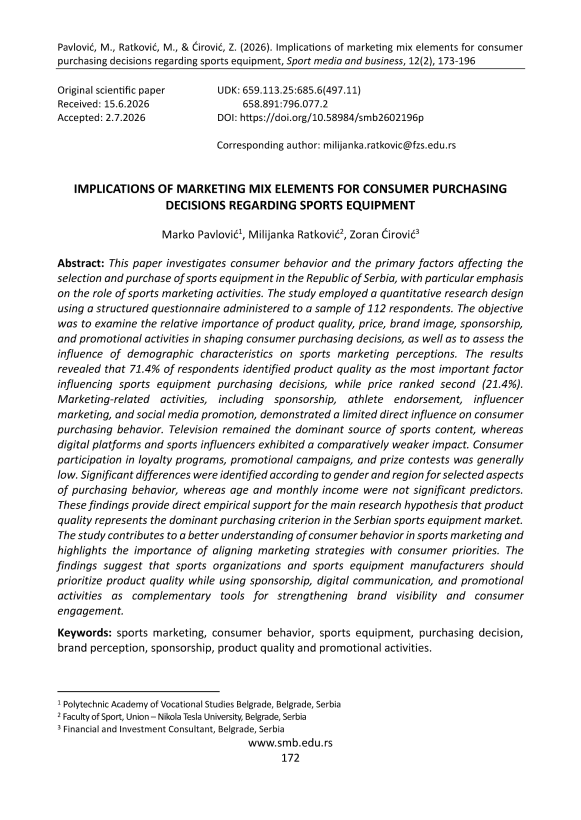
Table 1 summarizes the demographic characteristics of the respondents. The sample consisted of 112 participants with different gender, age, regional, and income characteristics. Most respondents were between 46 and 60 years of age, while the largest proportions resided in the Belgrade region and Southern and Eastern Serbia. Figure 1 and Table 2 show that basketball and tennis were the most frequently followed sports, whereas most respondents did not actively participate in sports activities. Respondents generally purchased sports equipment or sportswear several times per year (M = 2.71, SD = 0.70).
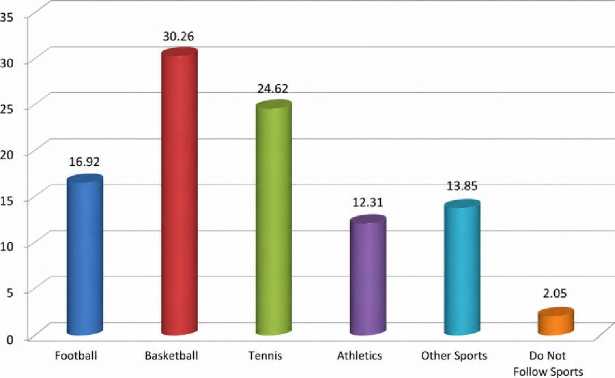
Figure 1. Respondents' preferred sports to follow.
Source : Authors.
Table 2 . Do you actively participate in a sport .
F %
Yes 3632.1
No 7667.9
Total 112100
Source : Authors.
Respondents were neutral regarding the importance of brand presence in sports (M = 2.53, SD = 0.94). Respondents reported that event sponsorship by brands rarely encouraged the use of their products (M = 1.91, SD = 0.85). The descriptive findings presented in Figures 2–4 and Table 3 indicate that respondents were generally exposed to sports marketing activities but reported only limited influence of sponsorship, athlete endorsements, and brand
Pavlović, M., Ratković, M., & Ćirović, Z. (2026). Implications of marketing mix elements for consumer purchasing decisions regarding sports equipment, Sport media and business , 12(2), 173-196 promotion on their purchasing decisions. Respondents were neutral regarding the importance of brand image when making decisions about purchasing sports equipment or sports-related products (M = 2.85, SD = 1.08). Taken together, these findings indicate that sports marketing activities contribute primarily to brand visibility rather than directly influencing purchasing decisions. Consumers appeared to rely more on product-related characteristics than on promotional activities when selecting sports equipment.
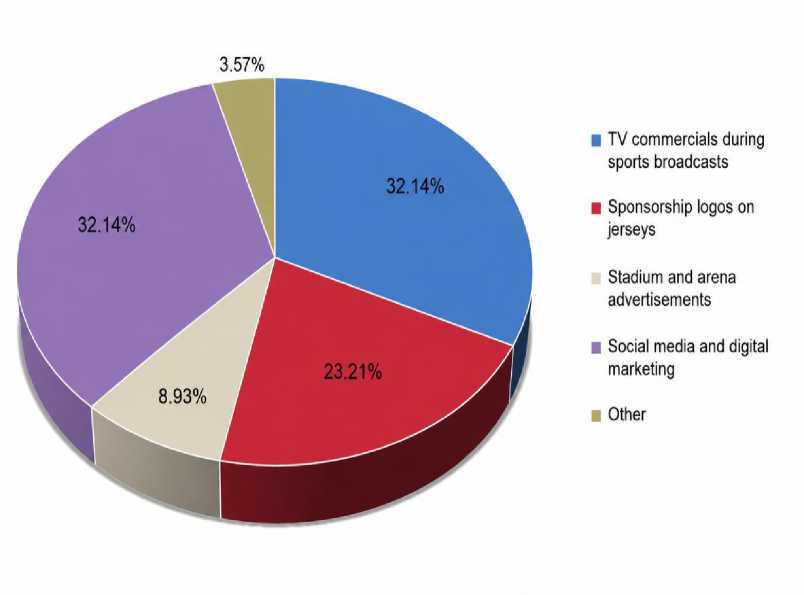
Figure 2. How do you most frequently notice advertisements in sports.
Source : Authors.
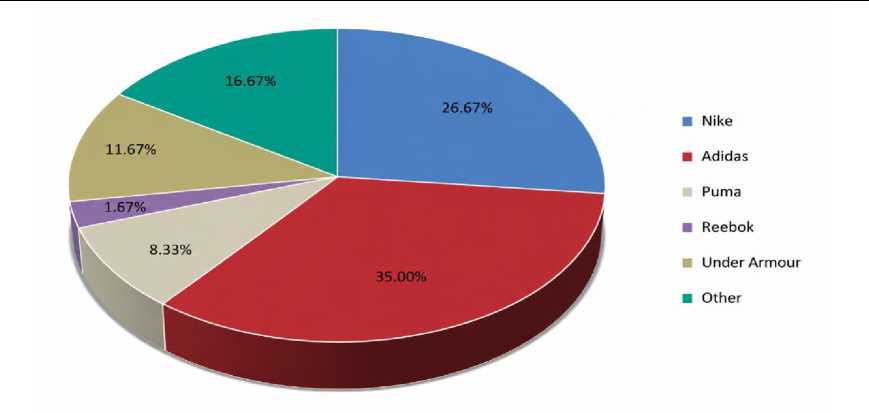
Figure 3. Which sports equipment brand do you purchase most frequently.
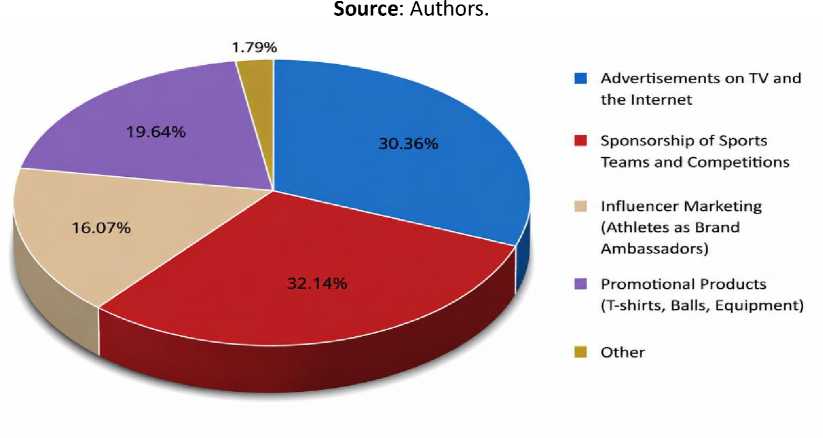
Figure 4 . Which form of promotion do you consider most effective in sports marketing.
Source : Authors.
Table 3. Have you e ver purchased a product because it was end orsed by an athlete.
F %
Yes 2623.2
No 8676.8
Total 112100
Source : Authors.
Pavlović, M., Ratković, M., & Ćirović, Z. (2026). Implications of marketing mix elements for consumer purchasing decisions regarding sports equipment, Sport media and business , 12(2), 173-196 According to the results presented in Figure 5, respondents most frequently followed sports content on television (78.57%). Most respondents reported that sports influencers did not motivate them to follow a particular brand (79.5%) (Table 4). Respondents rarely followed sports brand campaigns on social media (M = 1.98, SD = 0.81) and rarely participated in prize contests organized by sports brands (M = 1.55, SD = 0.80). Most respondents had not purchased a product due to promotion on social media (60.7%) (Table 5). Overall, the findings suggest that television remains the dominant communication channel for sports-related information, whereas digital marketing activities and influencer promotion currently exert only a limited influence on consumer purchasing behavior in the Serbian sports equipment market.
Table 4 . Do sports influencers motivate you to follow spe cific brands.
F %
Yes 2320.5
No 8979.5
Total 112100
Source : Authors.
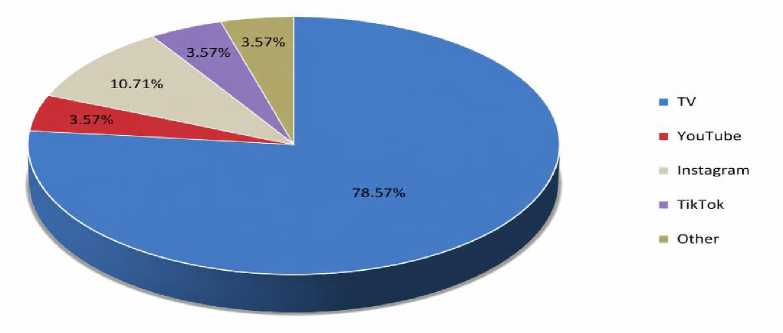
Figure 5. Which platform do you most frequently use to follow sports content.
Source : Authors.
Table 5 . Have you ever purchased a product due to promotion on social media.
|
F |
% |
|
|
Yes |
44 |
39.3 |
|
No |
68 |
60.7 |
|
Total |
112 |
100 |
Note: F – the number of respondents; % – percentage.
The following analysis presents the principal empirical finding of this study, namely the respondents' primary purchasing criterion, followed by statistical analyses examining whether demographic characteristics influenced consumer purchasing behavior and perceptions of sports marketing activities. The study examined whether there were significant differences in respondents' attitudes toward sports marketing based on gender. An independent samples t-test was used to assess gender differences. According to the results presented in Table 6, significant differences were found for following sports events and purchasing sports equipment or sportswear. Male respondents reported higher levels of sports event following and sports equipment or sportswear purchasing compared to female respondents.
Table 6. Respondents' most important criterion when purchasing sports equipment.
|
Factor |
F |
% |
|
Quality |
80 |
71.4% |
|
Price |
24 |
21.4% |
|
Comfort |
4 |
3.6% |
|
Athlete/Personal recommendation |
2 |
1.8% |
|
Brand |
2 |
1.8% |
Note : F – the number of respondents; % – percentage.
Table 6 presents the principal empirical finding of this study. Product quality clearly dominated all other purchasing criteria and provides direct empirical support for the main research hypothesis (H3). Price represented the second most important purchasing factor, whereas all remaining factors were selected only occasionally. Price ranked second (21.4%), whereas comfort (3.6%), brand (1.8%), and athlete or influencer recommendation (1.8%) were selected considerably less frequently. These findings provide direct empirical support for the main research hypothesis (H3), indicating that product quality is the dominant factor in sports equipment purchasing decisions in the Republic of Serbia. Following the evaluation of the main research hypothesis, additional analyses were conducted to examine whether demographic characteristics influenced respondents' purchasing behavior and perceptions of sports marketing activities.
Table 7. Differences in attitudes toward sports marketing by respondent gender.
|
Male (N=48) |
Female |
|||
|
(N=64) |
t |
p |
||
|
Mean Value |
||||
|
How Often Do You Follow Sports Events? |
3.83 ± 1.22 |
2.45 ± 0.71 |
6.969 |
<0.0005* |
|
How Often Do You Purchase Sports Equipment or Sportswear? |
2.87 ± 0.84 |
2.59 ± 0.55 |
2.128 |
0.036* |
|
How Important Is Brand Presence in Sports to You? |
2.62 ± 1.00 |
2.46 ± 0.90 |
0.862 |
0.391 |
|
Does Sponsorship of Sports Events by Brands Encourage You to Use Their Products or Services? |
2.00 ± 0.92 |
1.84 ± 0.80 |
0.957 |
0.341 |
|
How Important Is Brand Image When Making a Decision to Purchase Sports Equipment or Sports-Related Products? |
2.95 ± 1.11 |
2.78 ± 1.06 |
0.857 |
0.393 |
|
How Often Do You Follow Sports Brand Promotional Campaigns on Social Media? |
2.12 ± 0.78 |
1.87 ± 0.82 |
1.616 |
0.109 |
|
Do You Participate in Prize Contests Organized by Sports Brands? |
1.70 ± 0.89 |
1.43 ± 0.70 |
1.782 |
0.077 |
Note : t - the magnitude of the difference between the mean values; p - Statistical significance of the observed difference is set at the 0.05 level.
The study examined whether there were significant differences in respondents' attitudes toward sports marketing based on age. An independent samples t-test was used to assess differences between age groups. According to the results presented in Table 7, no significant differences were found with respect to respondents' age. These findings indicate that age was not a significant determinant of perceptions of sports marketing activities or purchasing behavior within the surveyed sample.
Table 8 . Differences in attitudes toward sports marketing by respondent age.
|
Up to 46 Years of Age (N=13) |
Over 46 Years of Age (N=99) |
t |
p |
|
|
How Often Do You Follow Sports Events? |
Mean Value 2.61 ± 1.38 3.10 ± 1.14 |
-1.400 |
0.164 |
|
|
How Often Do You Purchase Sports |
2.69 ± 0.85 |
2.71 ± 0.68 |
-0.119 |
0.905 |
|
Equipment or Sportswear? How Important Is Brand Presence in Sports to You? |
2.84 ± 1.21 |
2.49 ± 0.90 |
1.258 |
0.211 |
|
Does Sponsorship of Sports Events by Brands Encourage You to Use Their Products |
1.69 ± 1.03 |
1.93 ± 0.83 |
-0.980 |
0.329 |
|
or Services? How Important Is Brand Image When Making a Decision to Purchase Sports |
2.53 ± 1.19 |
2.89 ± 1.06 |
-1.132 |
0.260 |
|
Equipment or Sports-Related Products? How Often Do You Follow Sports Brand |
1.92 ± 0.86 |
1.98 ± 0.81 |
-0.276 |
0.783 |
|
Promotional Campaigns on Social Media? Do You Participate in Prize Contests |
2.00 ± 1.08 |
1.49 ± 0.74 |
1.635 |
0.125 |
|
Organized by Sports Brands? |
||||
Note : t - the magnitude of the difference between the mean values; p - statistical significance of the observed difference is set at the 0.05 level.
The study examined whether there were significant differences in respondents' attitudes toward sports marketing based on place of residence. Analysis of variance (ANOVA) was used to assess differences among regions. According to the results presented in Table 8, significant differences were found for the frequency of purchasing sports equipment or sportswear, purchase encouragement due to sponsored sports events, following promotional campaigns of sports brands, and participation in prize contests organized by sports brands. The post hoc test results showed a significant difference in the frequency of purchasing sports equipment or sportswear between respondents from the Vojvodina region and those from the Belgrade region (p = 0.012), as well as respondents from Southern and Eastern Serbia (p = 0.002). Respondents from the Vojvodina region reported more frequent purchases of sports equipment or sportswear. The post hoc test results also indicated a significant difference in purchase encouragement due to sponsored sports events between respondents from the Vojvodina region and those from the Belgrade region (p = 0.005), as well as respondents from Southern and Eastern Serbia (p = 0.046). Respondents from the Vojvodina region reported a higher level of purchase encouragement from sponsored sports events. A significant difference in following promotional campaigns of sports brands was found between respondents from the Vojvodina region and those from Šumadija and Western Serbia (p = 0.040) and Southern and Eastern Serbia (p = 0.026). Significant differences were also found between respondents from the Belgrade region and those from Šumadija and Western Serbia (p = 0.028) and Southern and Eastern Serbia (p = 0.008). Respondents from the Belgrade and Vojvodina regions reported lower levels of following promotional campaigns of sports brands.
The post hoc test results showed a significant difference in participation in prize contests organized by sports brands between respondents from Southern and Eastern Serbia and those from the Belgrade region (p = 0.005) and the Vojvodina region (p = 0.034). Respondents from Southern and Eastern Serbia reported higher participation in prize contests organized by sports brands.
Table 9. Differences in attitudes toward sports marketing by respondents' place of residence.
|
Belgrade Region (N=44) |
Vojvodina Region (N=20) |
Šumadija and Western Serbia (N=11) |
Southern and Eastern Serbia (N=37) |
t |
p |
|
|
Mean Value |
||||||
|
How Often Do You Follow Sports Events? |
2.81±1.16 |
3.45±1.05 |
3.09±0.94 |
3.08±1.29 |
1.355 |
0.260 |
|
How Often Do You |
||||||
|
Purchase Sports |
2.63±0.71 |
3.10±0.85 |
3.00±0.63 |
2.51±0.50 |
4.119 |
0.008* |
|
Equipment or Sportswear? |
||||||
|
How Important Is Brand Presence in Sports to You? |
2.54±0.99 |
2.60±0.99 |
2.63±0.80 |
2.45±0.93 |
0.150 |
0.930 |
|
Does Sponsorship of Sports Events by Brands |
||||||
|
Encourage You to Use |
2.09±0.91 |
1.45±0.51 |
2.00±0.63 |
1.91±0.92 |
2.754 |
0.046* |
|
Their Products or |
||||||
|
Services? |
||||||
|
How Important Is Brand Image When Making a |
||||||
|
Decision to Purchase |
2.72±1.10 |
3.00±1.12 |
3.27±0.78 |
2.81±1.10 |
0.890 |
0.449 |
|
Sports Equipment or Sports-Related Products? |
||||||
|
How Often Do You Follow Promotional Campaigns of Sports Brands on Social |
1.77±0.80 |
1.75±0.63 |
2.36±0.50 |
2.24±0.89 |
3.841 |
0.012* |
|
Media? |
||||||
|
Do You Participate in Prize |
||||||
|
Contests Organized by |
1.36±0.65 |
1.40±0.59 |
1.54±0.82 |
1.86±0.97 |
3.078 |
0.031* |
|
Sports Brands? |
||||||
Note : t - the magnitude of the difference between the mean values; p - statistical significance of the observed difference is set at the 0.05 level.
The study examined whether there were significant differences in respondents' attitudes toward sports marketing based on monthly income. Analysis of variance (ANOVA) was used to assess differences among income groups. According to the results presented in Table 9, no significant differences were found in attitudes toward sports marketing with respect to respondents' monthly income. Therefore, monthly income was not identified as a significant predictor of consumer attitudes toward sports marketing or purchasing behavior in this study.
Table 10 . Differences in attitudes toward sports marketing by respondents' monthly income.
|
No Income (N=12) |
Up to RSD 65,000 (N=30) |
SD 65,001 to RSD 120,000 (N=33) |
Above RSD 120,001 (N=19) |
Prefer Not to Disclose (N=37) |
t |
p |
|
|
Mean Value |
|||||||
|
How Often Do You Follow Sports Events? |
3.00±1.12 |
3.23±1.16 |
2.84±1.30 |
3.26±1.28 |
2.88±0.90 |
0.656 |
0.624 |
|
How Often Do You Purchase Sports Equipment or Sportswear? |
2.91±0.66 |
2.86±0.77 |
2.60±0.70 |
2.57±0.50 |
2.66±0.76 |
0.993 |
0.415 |
|
How Important Is Brand Presence in Sports to You? |
2.50±0.79 |
2.86±0.93 |
2.39±0.93 |
2.26±0.93 |
2.55±1.04 |
1.524 |
0.200 |
|
Does Sponsorship of Sports Events by Brands Encourage You to Use Their Products or Services? |
1.75±0.62 |
2.06±0.90 |
1.84±0.83 |
1.84±0.89 |
1.94±0.93 |
0.428 |
0.788 |
|
How Important Is Brand Image When Making a Decision to Purchase Sports Equipment or Sports-Related Products? |
2.83±0.57 |
3.00±1.17 |
2.72±1.20 |
2.94±1.02 |
2.77±1.06 |
0.301 |
0.877 |
|
How Often Do You Follow Promotional Campaigns of Sports Brands on Social Media? |
2.00±0.60 |
2.00±0.78 |
1.96±0.88 |
1.94±0.77 |
2.00±0.97 |
0.017 |
0.999 |
|
Do You Participate in Prize Contests Organized by Sports Brands? |
1.91±0.90 |
1.63±0.88 |
1.51±0.79 |
1.42±0.69 |
1.38±0.69 |
1.024 |
0.398 |
Note : RSD - Serbian dinar (official currency of the Republic of Serbia); t - the magnitude of the difference between the mean values; p - statistical significance of the observed difference is set at the 0.05 level.
Overall, the empirical findings demonstrate that product quality represents the dominant determinant of sports equipment purchasing decisions, whereas sports marketing activities such as sponsorship, influencer marketing, and promotional campaigns have only a limited direct influence on consumer purchasing behavior. Demographic characteristics showed only partial effects, with statistically significant differences identified primarily according to gender and place of residence. These findings provide empirical support for the stated research hypotheses and establish the basis for the discussion presented in the following section.
Discussion
As presented in Table 6, product quality was identified by 71.4% of respondents as the most important criterion when purchasing sports equipment. This finding provides direct empirical support for the main research hypothesis (H3) and is consistent with previous studies emphasizing the importance of product quality in consumer purchasing decisions. It also supports previous findings by Pavlović et al. (2025), who reported that product quality is the dominant factor influencing sports equipment purchasing decisions in Serbia. Although respondents frequently followed sports events, relatively few actively participated in sports activities. This finding suggests that sports consumption in Serbia is predominantly media-oriented rather than participation-oriented. Consequently, exposure to sports content does not necessarily translate into higher purchasing activity, indicating that consumer purchasing decisions depend primarily on product-related characteristics rather than on sports involvement itself. Regarding sports marketing, respondents assigned moderate importance to brand presence in sports and brand image. At the same time, sponsorship of sports events rarely encouraged respondents to use products or services associated with sponsoring brands. These findings indicate that consumers primarily base their purchasing decisions on product-related characteristics rather than on sports marketing activities. Consumers appear to base their decisions primarily on product characteristics, while promotional activities serve a more informational function. These findings are consistent with the studies of Shekhar and Shah (2023) and Kumar and George (2024), who concluded that sports marketing activities primarily enhance brand visibility and consumer engagement, whereas purchasing decisions continue to depend mainly on consumers' evaluation of product characteristics. An interesting finding is that most respondents had never purchased a product because it was endorsed by an athlete. Sports influencers also had a limited effect on respondents' willingness to follow specific brands. These results suggest that influencer marketing in the sports sector currently has limited effectiveness in the Serbian market. Although previous studies have reported an increasing importance of influencers in digital environments, the findings of this study indicate that their ability to influence consumer behavior remains relatively weak. One possible explanation is the demographic structure of the sample, in which respondents aged 46–60 years represented the largest group. Older consumers generally rely more on traditional information sources than on influencer-based communication, which may explain the relatively weak impact of athlete endorsements and social media promotion observed in this study. The study also found that television remains the dominant platform for following sports content. More than three quarters of respondents identified television as their primary source of sports information, while social media and digital channels were used less frequently. This finding suggests that traditional media continue to have an important position in sports marketing, particularly among older consumers, who represented the largest group within the sample. The analysis of gender differences revealed that male respondents followed sports events more frequently and purchased sports equipment more often than female respondents. However, no significant gender differences were found regarding attitudes toward brands, sponsorship activities, and promotional campaigns. These results suggest that gender influences the level of sports engagement and purchasing behavior but does not significantly affect perceptions of sports marketing activities. These findings indicate that demographic characteristics only partially explain consumer purchasing behavior. Gender influenced sports participation and purchasing frequency, whereas perceptions of sports marketing activities remained relatively consistent across demographic groups. No statistically significant differences were identified in attitudes toward sports marketing based on age or monthly income. The main research hypothesis (H3) was fully supported, as the frequency analysis demonstrated that product quality was identified by 71.4% of respondents as the dominant purchasing criterion. In contrast, the hypotheses related to demographic differences received only partial empirical support because statistically significant differences were identified only according to gender and place of residence. Although previous studies have suggested that demographic characteristics may influence consumer behavior, age and income were not significant determinants of attitudes toward sports marketing in this study. Some differences were identified according to respondents' place of residence. Respondents from the Vojvodina region purchased sports equipment more frequently and reported stronger responses to sponsored sports events. Respondents from Southern and Eastern Serbia participated more often in prize contests organized by sports brands. These findings suggest that regional characteristics may influence certain aspects of consumer behavior and should be considered when developing region-specific marketing strategies. From a practical perspective, these findings suggest that sports organizations and manufacturers should prioritize investments in product quality, functionality, and consumer value, while using sponsorship, digital communication, and influencer marketing primarily to strengthen brand awareness rather than as the principal drivers of purchasing decisions. In addition to promotional activities, the findings emphasize the importance of considering the broader marketing mix when analyzing consumer purchasing behavior. The present study primarily examined the influence of product quality, price, brand image, sponsorship, and selected promotional activities, whereas other marketing mix elements, such as distribution (place), availability of products, and the role of sales personnel, were not included in the analytical framework. These factors may also influence consumer purchasing decisions and therefore represent important directions for future research. Furthermore, the limited influence of social media observed in this study should not be interpreted as evidence that digital communication is generally ineffective. Previous studies have demonstrated that social media can significantly enhance consumer engagement, brand awareness, and purchase intentions in sports marketing, particularly among younger consumers (Mastromartino the sample, in which respondents aged 46–60 years constituted the largest group. This age group is more likely to rely on traditional media, particularly television, as the primary source of sports information, which may explain why television remained the dominant communication channel while social media exerted only a limited direct influence on purchasing decisions. Unlike our previous study, which focused on the overall role of sports marketing activities in shaping consumer behavior, the present research provides a more detailed analysis of consumers' perceptions of individual marketing instruments related to sports equipment purchasing decisions and their variation across demographic groups. Another finding that deserves further consideration is the relatively limited influence of price on sports equipment purchasing decisions. Although price was identified as the second most important purchasing criterion, its importance was considerably lower than that of product quality. A possible explanation may be related to the demographic structure of the sample, in which respondents aged 46–60 years represented the largest age group. Individuals within this age category are more likely to have stable employment and relatively stable financial resources, which may reduce the importance of price compared with product quality and product performance. Consequently, these findings should be interpreted with caution, as different age and income structures could produce different purchasing patterns. Future studies including a more balanced age distribution may provide a clearer understanding of the role of price in sports equipment purchasing decisions.
These findings support the view that consumer behaviour in sport is shaped by a broader set of market influences rather than by a single determinant. Similarly, Pavićević et al. (2026) emphasized that sporting outcomes alone are insufficient to explain market reactions, as commercial activities, sponsorship agreements, and other external factors substantially contribute to market dynamics.
Recommendations for Future Research
Future research should build upon the findings and limitations of the present study. Since this research was conducted using a convenience sample of 112 respondents from the Republic of Serbia, future studies should include larger and more representative samples to improve the generalizability of the findings and enable more reliable comparisons across demographic groups and regions.
The present study demonstrated that product quality represents the dominant factor influencing sports equipment purchasing decisions, whereas sponsorship, athlete endorsements, influencer marketing, and social media promotion exert only a limited direct influence on consumer behavior. Future research should investigate the underlying reasons for these findings by examining additional variables such as consumer trust, perceived product value, brand loyalty, customer satisfaction, and involvement in sports activities. These variables may provide a more comprehensive explanation of purchasing behavior and clarify the relationships identified in the present study. Given that the sample was predominantly composed of respondents aged 46–60 years, future studies should compare different age groups, particularly younger consumers, in order to determine whether the effectiveness of digital marketing, influencer marketing, and athlete endorsements varies across generations. Such analyses would contribute to a better understanding of demographic differences in sports marketing effectiveness. Future research should also employ longitudinal research designs to examine whether consumer attitudes toward sports marketing and purchasing behavior change over time as digital communication channels and consumer preferences continue to evolve. In addition, comparative studies involving different countries and cultural environments would provide valuable insights into whether the dominance of product quality observed in the Serbian market is also evident in other markets or whether cultural and economic factors modify consumer purchasing decisions. Overall, future studies should focus on developing more comprehensive models of consumer behavior that integrate product characteristics, marketing activities, psychological factors, and demographic variables in order to provide a deeper understanding of sports equipment purchasing decisions and to support the development of more effective marketing strategies.
Future research should adopt a more comprehensive approach by examining the full potential of all elements of the marketing mix in the context of sports equipment purchasing behavior. While the present study focused primarily on product-related characteristics, pricing, branding, and selected promotional activities, future studies should also investigate the influence of distribution channels (place), customer service, sales personnel, and other marketing mix elements. Considering the increasing complexity of sports marketing and changing consumer expectations, an integrated analysis of all marketing mix elements may provide a more comprehensive understanding of consumer purchasing behavior and contribute to the development of more effective marketing strategies in the sports equipment market.
Methodological Limitations
Several methodological limitations should be considered when interpreting the findings of this study.
First, the research was conducted using a non-probability convenience sample of 112 respondents from the Republic of Serbia. Although this sampling approach enabled efficient data collection, it limits the representativeness of the sample and the generalizability of the findings to the broader population of Serbian consumers. Furthermore, the predominance of respondents aged 46–60 years may have influenced the observed results, particularly those related to digital marketing, social media promotion, and influencer marketing.
Second, the study employed a structured questionnaire developed specifically for this research based on previous studies in sports marketing and consumer behavior. Although the questionnaire was reviewed by experts prior to data collection, several key constructs, including brand image, sponsorship effectiveness, promotional activities, and purchasing behavior, were measured using individual questionnaire items rather than previously validated multi-item scales. Consequently, these constructs may not have been fully operationalized, which should be considered when interpreting the findings.
Third, the study relied on self-reported responses. As with most survey-based research, respondents' answers may have been influenced by subjective perceptions, memory bias, or socially desirable responding. Therefore, reported purchasing behavior may not always correspond to actual consumer behavior.
Another limitation concerns the statistical analyses applied in this study. Although descriptive statistics, independent-samples t -tests, and one-way ANOVA were appropriate for addressing the research objectives and hypotheses, these methods do not allow the examination of more complex relationships among variables, such as mediation, moderation, or causal effects.
Finally, the research employed a cross-sectional design and was conducted exclusively in the Serbian market during a single period. Consequently, the findings cannot be generalized to other countries or cultural contexts, nor can they explain changes in consumer attitudes and purchasing behavior over time.
Conclusion
This study examined consumer perceptions of sports marketing activities and purchasing behavior in the Serbian sports equipment market. The findings indicate that, among the respondents included in this study, product quality was identified as the most important criterion when purchasing sports equipment, while price represented the second most frequently selected factor. In contrast, sponsorship, athlete endorsements, influencer marketing, and social media promotion demonstrated only a limited direct influence on purchasing decisions. These conclusions are directly supported by the descriptive and inferential analyses presented in the Results section.
The study also showed that television remains the primary source of sports-related information for most respondents, whereas digital marketing activities and sports influencers currently play a less important role in shaping purchasing behavior. Furthermore, statistically significant differences were identified according to gender and place of residence for selected aspects of sports participation and purchasing behavior, while no significant differences were observed according to age or monthly income.
The findings contribute to a better understanding of consumer behavior in the Serbian sports equipment market and provide empirical evidence regarding the relative importance of product-related characteristics and sports marketing activities. Within the surveyed sample, respondents attached greater importance to product quality than to promotional activities when making purchasing decisions. These findings may assist sports organizations, manufacturers, and retailers in designing marketing strategies that combine high product quality with appropriate communication and promotional activities.
Although the findings provide useful insights, they should be interpreted in light of the methodological limitations of the study, particularly the use of a convenience sample and a cross-sectional research design. Future studies employing larger and more representative samples, validated measurement instruments, and more advanced statistical approaches may provide a more comprehensive understanding of consumer purchasing behavior in sports marketing.
Author Contributions - Conceptualization: M.P. and M.R. Investigation: M.P. and M.R. Theoretical framework: M.P. and M.R. Data curation: M.P. Resources: M.P. and M.R. Writing – original draft: M.P., M.R., Z.Ć., Writing – review & editing: M.P. and M.R.
