
Экономические последствия депопуляции сельских территорий для развития аграрного сектора
Журнал: Народонаселение @narodonaselenie
Рубрика: Социально-экономические проблемы регионов России
Статья в выпуске: 4 т.28, 2025 года.
Бесплатный доступ
Современное развитие российского аграрного сектора происходит в условиях масштабной депопуляции сельских территорий, характеризующейся устойчивой миграцией населения в городские агломерации, снижением рождаемости в сельской местности и прогрессирующим старением сельского населения. Данное исследование посвящено комплексному анализу экономических последствий демографических трендов для производственного потенциала сельского хозяйства через призму трансформации трудовых ресурсов, изменения социально-экономической инфраструктуры и модификации агропроизводственных систем. Рассматриваются механизмы воздействия депопуляции на эффективность сельскохозяйственного производства, конкурентоспособность аграрных предприятий и устойчивость развития сельских территорий. Анализируется эволюция научных подходов к изучению взаимосвязи демографических и аграрно-экономических процессов от классических теорий сельского развития до современных концепций устойчивого агропроизводства в условиях демографических вызовов. Особое внимание уделяется теоретическому обоснованию адаптивных стратегий развития аграрного сектора в условиях сокращения сельского населения и обоснованию необходимости структурной модернизации сельскохозяйственного производства. Исследование демонстрирует важность разработки инновационных подходов к управлению трудовыми ресурсами в сельском хозяйстве, включая механизмы автоматизации, цифровизации и привлечения сезонной рабочей силы для компенсации демографических потерь. Разработанная авторами концептуальная модель включает анализ прямых и косвенных эффектов депопуляции на аграрное производство, оценку рисков снижения продовольственной безопасности и обоснование стратегических направлений адаптации сельского хозяйства к новым демографическим реалиям. Научная новизна исследования заключается в создании интегративной теоретической концепции взаимодействия депопуляции и аграрной экономики, учитывающей специфику российского сельского хозяйства и региональные особенности демографического развития, что открывает возможности для разработки эффективных стратегий пространственного развития агропромышленного комплекса.
Похожие статьи в разделе Производство продукции и услуг по отраслям народного хозяйства
Короткий адрес: https://sciup.org/143185797
IDS: 143185797 | DOI: 10.24412/1561-7785-2025-4-93-104
Economic consequences of the rural areas depopulation for agricultural development
Modern development of the Russian agricultural sector goes on in the context of large-scale depopulation of rural areas, characterized by sustainable migration of the population to urban agglomerations, decline in fertility in rural areas and progressive aging of the rural population. This study is devoted to a comprehensive analysis of the economic consequences of demographic trends for the agricultural production potential through the prism of labor force transformation, changes in the socio-economic infrastructure and modification of the agricultural production systems. There are considered mechanisms of the impact of depopulation processes on the efficiency of agricultural production, competitiveness of agricultural enterprises and sustainability of rural areas’ development. The evolution of scientific approaches to study of the relationship between demographic and agrarian-economic processes from classical theories of rural development to modern concepts of sustainable agricultural production in the face of demographic challenges is analyzed. Particular attention is paid to the theoretical substantiation of the adaptive strategies for development of the agricultural sector in the context of the rural population decline and the need for structural modernization of agricultural production. The study demonstrates the critical importance of developing innovative approaches to labor force management in agriculture, including mechanisms for automation, digitalization, and attracting seasonal labor to compensate for the demographic losses. The conceptual model developed by the authors includes an analysis of the direct and indirect effects of depopulation on agricultural production, an assessment of the risks of reducing food security, and a substantiation of strategic directions for adapting agriculture to new demographic realities. The scientific novelty of the study lies in creation of an integrative theoretical concept of the interaction of depopulation processes and the agrarian economy, taking into account the specifics of Russian agriculture and regional features of the demographic development, which opens up opportunities for developing effective strategies for the spatial development of the agro-industrial complex.
Текст научной статьи Экономические последствия депопуляции сельских территорий для развития аграрного сектора
Современная российская деревня переживает период глубоких демографических трансформаций, проявляющихся в интенсивной депопуляции сельских территорий, которая становится одним из ключевых факторов, определяющих развития агропромышленного комплекса 1. Согласно данным официальной статистики, сельское население России сократилось за последние три десятилетия более чем на 20%, что создаёт серьёзные вызовы для обеспечения продовольственной безопасности страны и устойчивого развития сельских территорий.
Актуальность исследования экономических последствий депопуляции сельских территорий обусловлена критической важностью аграрного сектора для национальной экономики и необходимостью адаптации сельскохозяйственного производства к изменяющимся демографическим условиям 2. В Европейском Союзе лишь 6% сельхозпроизводителей моложе 35 лет, а свыше 50% — старше 55 лет, что указывает на глобальный характер проблемы старения сельского населения и необходимость поиска новых подходов к организации агропроизводства 3. Научная проблема заключается в неразработанности теоретических основ и практических механизмов адаптации аграрного сектора к условиям масштабной депопуляции сельских территорий, а также в отсутствии комплексной методологии оценки экономических последствий демографических трендов для производственного потенциала сельского хозяйства. Несмотря на существование отдельных исследований в сферах демографии сельских территорий и экономики сельского хозяйства, в современной науке недостаточно изучены интегративные подходы к анализу взаимодействия депопуляции и аграрноэкономического развития.
Объектом исследования выступают экономические процессы в аграрном секторе в условиях депопуляции сельских территорий и трансформации демографической структуры сельского населения. Предметом исследования являются экономические механизмы и закономерности влияния демографических трендов на производственный потенциал сельского хозяйства. Цель исследования — разработка теоретических основ и методологических принципов анализа экономических последствий депопуляции для развития аграрного сектора с обоснованием стратегических направлений адаптации сельскохозяйственного производства к новым демографическим реалиям. Задачи исследования: 1) провести анализ эволюции теоретических концепций взаимосвязи демографических процессов и развития сельского хозяйства в контексте современных вызовов аграрной экономики; 2) исследовать механизмы воздействия депопуляции сельских территорий на производственный потенциал и экономическую эффективность аграрного сектора; 3) обосновать стратегические направления модернизации аграрного производства для компенсации негативных эффектов депопуляции. Практическая значимость работы определяется возможностью применения разработанных теоретических принципов в практике планирования развития агропромышленного комплекса и разработки региональных программ поддержки сельских территорий.
Методологическую основу исследования составляют принципы системного и структурно-функционального подходов в экономике, позволяющие рассматривать демографические и аграрноэкономические процессы в их взаимосвязи. Теоретической базой выступают концепции устойчивого развития сельских территорий, теории размещения сельскохозяйственного производства и современные представления о трансформации аграрных систем в условиях демографических вызовов. Особое внимание уделено работам следующих авторов: С.А. Вангородская, Е.В. Реутов, К.А. Хрипков [1], О.М. Вербицкая [2], А.А. Вяльшина [3], К.В. Климов, М.В. Филатова [4], А.И. Костяев, Г.Н. Никонова [5, 6], В.Н. Лексин [7], Л.В. Логинова [8], Д.В. Паршуков, З.Е. Шапорова [9], И.Н. Рюмкина [10], С.В. Рязанцев, А.Д. Брагин [11], Е.В. Серова [12], Т.В. Ускова, С.С. Патракова [13].
В качестве основного метода исследования использован сравнительноисторический анализ, включающий изучение эволюции демографических процессов в сельской местности и их влияния на развитие аграрного сектора. Применялись методы статистического анализа демографических и экономических показателей, экономико-математического моделирования и экспертной оценки тенденций развития сельского хозяйства. Эмпирическая база включает данные Всероссийской сельскохозяйственной переписи, материалы Министерства сельского хозяйства РФ, данные Росстата, аналитические отчёты ведущих аграрных исследовательских центров и международных организаций, специализирующихся на изучении сельского развития.
Результаты и обсуждения
Исследования взаимосвязи демографических процессов и развития сельского хозяйства имеют давние традиции в экономической науке, восходящие к классическим работам представителей аграрной экономики и сельской социологии, которые заложили основы понимания роли человеческого фактора в сельскохозяйственном производстве. Эволюция научных подходов к изучению демографических аспектов аграрного развития демонстрирует последовательное усложнение концептуальных моделей и расширение предметного поля исследований, причем каждый исторический период привносил новые методологические решения в понимание механизмов взаимодействия демографических и эко- номических факторов в сельском хозяйстве. Систематизация эволюции теоретических подходов к анализу демографических факторов развития сельского хозяйства, представленная в табл. 1, показывает переход от простых концепций трудозатрат-ности сельскохозяйственного производства к сложным интегративным моделям, учитывающим социально-экономические, технологические и экологические аспекты аграрного развития в условиях демографических трансформаций.
Классический период развития аграрной экономики, представленный работами А. В. Чаянова и Н. Д. Кондратьева, заложил фундаментальные основы понимания роли трудовых ресурсов в организации сельскохозяйственного производства, причем особое значение имела теория семейнотрудового хозяйства Чаянова, которая продемонстрировала специфику мотивации и организации труда в крестьянском хозяйстве. Данный подход позволил выявить уникальные характеристики сельского труда и обосновать необходимость учёта демографических особенностей сельского населения при планировании аграрного развития 4.
Теория модернизации сельского хозяйства, развитая во второй половине XX в. Т. Шульцем и другими представителями неоклассической экономической школы, внесла вклад в понимание роли человеческого капитала в повышении эффективности сельскохозяйственного производства. Концепция «эффективного, но бедного» крестьянина Т. Шульца продемонстрировала важность инвестиций в образование и профессиональную подготовку сельского населения для достижения устойчивого аграрного роста, что стало основой для понимания долгосрочных последствий депопуляции сельских территорий.
Формирование концепции устойчивого развития в конце XX в. ознаменовало новый этап в изучении взаимосвязей демографических и аграрно-экономических процес-
Yury A. Simagin, Natalia A. Nazarova
POPULATION. VOL. 28. NO. 4. 2025
Таблица 1
Эволюция теоретических подходов к анализу демографических факторов развития сельского хозяйства
Table 1
Evolution of theoretical approaches to the analysis of demographic factors of agricultural development
|
Исторический период |
Научная школа |
Основные представители |
Ключевые концепции |
Методологический вклад |
|
1920-1940 гг. |
Классическая аграрная экономика |
А. В. Чаянов, Н. Д. Кондратьев |
Трудовое хозяйство, аграрные циклы |
Обоснование роли семейного труда в сельском хозяйстве |
|
1950-1970 гг. |
Теория модернизации сельского хозяйства |
Т. Шульц, Й. Хайами |
Человеческий капитал, технологические инновации |
Анализ влияния образования на аграрную производительность |
|
1980-2000 гг. |
Концепция устойчивого развития |
Э. Остром, М. Липтон |
Общинное управление ресурсами, сельская бедность |
Изучение институциональных факторов сельского развития |
|
2000-2020 гг. |
Теория сельско-городских взаимосвязей |
Дж. Такер, П. ВанВей |
Урбанизация, миграция, трансформация землепользования |
Анализ влияния урбанизации на сельские территории |
|
2020 – настоящее время |
Концепция умного сельского хозяйства |
Р. Флеминг, С. Вольфорт |
Цифровизация, автоматизация, точное земледелие |
Адаптация агротехнологий к дефициту трудовых ресурсов |
Источники: 1) Что такое сельское хозяйство: роль в экономике, проблемы и перспективы. – URL: ; 2) Современные проблемы сельского хозяйства. – URL: (дата обращения: 13.01.2025).
сов, работы Э. Остром по изучению коллективного действия и управления общими ресурсами выявили критическую роль социального капитала в обеспечении устойчивости сельских сообществ. Данный подход позволил понять, как демографические изменения влияют на способность сельских сообществ к самоорганизации и коллективному решению проблем развития.
Современный этап развития теории сельско-городских взаимосвязей характеризуется усилением внимания к процессам урбанизации и их влиянию на сельские территории, причем исследования показывают неоднозначность эффектов урбанизации для сельского развития. С одной стороны, рост городов создаёт новые рынки сбыта для сельскохозяйственной продукции и стимулирует интенсификацию производства, с другой стороны, приводит к оттоку наиболее квалифицированных кадров из сельской местности и деградации сельской инфраструктуры. Анализ современного состояния демографических процессов в российской сельской местности выявляет критические тенденции, представленные в табл. 2, которые создают серьёзные вызовы для устойчивого развития аграрного сектора и требуют разработки адаптивных стратегий управления сельскохозяйственным производством. Представленные данные демонстрируют устойчивую тенденцию к сокращению численности сельского населения России, которое за период 2010– 2024 гг. уменьшилось на 3,7 млн человек, что составляет почти 10% от исходной численности. Особенно тревожным является прогнозируемое увеличение среднего возраста сельского населения до 49,7 лет к 2030 г., что свидетельствует о критическом старении сельских территорий и создаёт серьёзные риски для обеспечения преемственности в сельскохозяйственном производстве.
Анализ влияния депопуляции на разные отрасли сельского хозяйства (табл. 3), выявляет дифференцированные эффекты демографических трансформаций и позволяет определить приоритетные направления адаптационных мер. Анализ отраслевой структуры показывает, что наиболее уяз-
Таблица 2
Динамика демографических показателей сельской местности
России и их влияние на аграрный сектор
Table 2
Dynamics of demographic indicators of rural areas of Russia and their impact on the agricultural sector
|
Показатель |
2010 год |
2015 год |
2020 год |
2024 год |
Прогноз на 2030 год |
Влияние на сельское хозяйство |
|
Численность сельского населения (млн человек) |
37,5 |
36,2 |
35,1 |
33,8 |
31,5 |
Сокращение трудовых ресурсов |
|
Доля сельского населения (%) |
26,3 |
25,2 |
24,1 |
23,2 |
21,8 |
Снижение значимости сельских территорий |
|
Средний возраст сельского населения (лет) |
41,2 |
43,5 |
45,8 |
47,3 |
49,7 |
Старение кадров в сельском хозяйстве |
|
Общий коэффициент рождаемости (‰) |
11,8 |
10,9 |
9,2 |
8,7 |
7,8 |
Критическое сокращение воспроизводства населения |
|
Миграционный отток (тыс. человек в год) |
-185 |
-203 |
-228 |
-245 |
-267 |
Потеря наиболее активного населения |
|
Плотность населения (человек на 1 км²) |
2,2 |
2,1 |
2,0 |
1,9 |
1,8 |
Деградация сельской инфраструктуры |
Источник: составлено авторами на основе данных Росстата.
Таблица 3
Влияние депопуляции на отраслевую структуру сельского хозяйства России
Table 3
Impact of depopulation on the sectoral structure of agriculture in Russia
|
Подотрасль сельского хозяйства |
Трудоемкость |
Влияние депопуляции |
Адаптационные стратегии |
Перспективы развития |
|
Растениеводство зерновые |
Низкая |
Умеренное негативное |
Механизация, точное земледелие |
Устойчивые |
|
Овощеводство открытого грунта |
Высокая |
Критическое негативное |
Автоматизация, привлечение мигрантов |
Трансформация производства |
|
Животноводство молочное |
Высокая |
Критическое негативное |
Роботизация, укрупнение ферм |
Концентрация производства |
|
Животноводство мясное |
Средняя |
Значительное негативное |
Экстенсивные технологии |
Адаптация к условиям |
|
Птицеводство |
Средняя |
Умеренное негативное |
Автоматизация процессов |
Стабильное развитие |
|
Свиноводство |
Средняя |
Умеренное негативное |
Промышленные технологии |
Концентрация в агрохолдингах |
Источник: составлено авторами на основе анализа материалов: Сельское хозяйство Дальнего Востока: тенденции развития и потенциал роста 2024. — URL: selskoe-khozyaystvo-dalnego-vostoka-tendentsii-razvitiya-i-potentsial-rosta-2024/ (дата обращения: 13.01.2025).
вимыми к демографическим изменениям являются трудоёмкие подотрасли сельского хозяйства, такие как овощеводство открытого грунта и молочное животноводство, требующие постоянного присутствия квалифицированной рабочей силы. В то же время механизированные отрасли, такие как зерновое растениеводство, демонстрируют большую устойчивость к сокращению трудовых ресурсов и имеют лучшие перспективы адаптации к новым демографическим условиям.
Воздействие депопуляции на аграрный сектор представлено на рис. 1. Представлен-
Yury A. Simagin, Natalia A. Nazarova
POPULATION. VOL. 28. NO. 4. 2025
ная схема отражает комплексный характер воздействия депопуляции на аграрный сектор и демонстрирует взаимосвязь негативных эффектов, которые в совокупности создают системные риски для развития сельского хозяйства. Критическим является тот факт, что депопуляционные процессы носят самоусиливающийся характер: экономические проблемы сельских территорий стиму- лируют дальнейший отток населения, что усугубляет демографический кризис. При этом региональный анализ воздействия депопуляции на аграрный сектор выявляет значительную дифференциацию эффектов в зависимости от географического положения, специализации сельского хозяйства и уровня социально-экономического развития территорий.
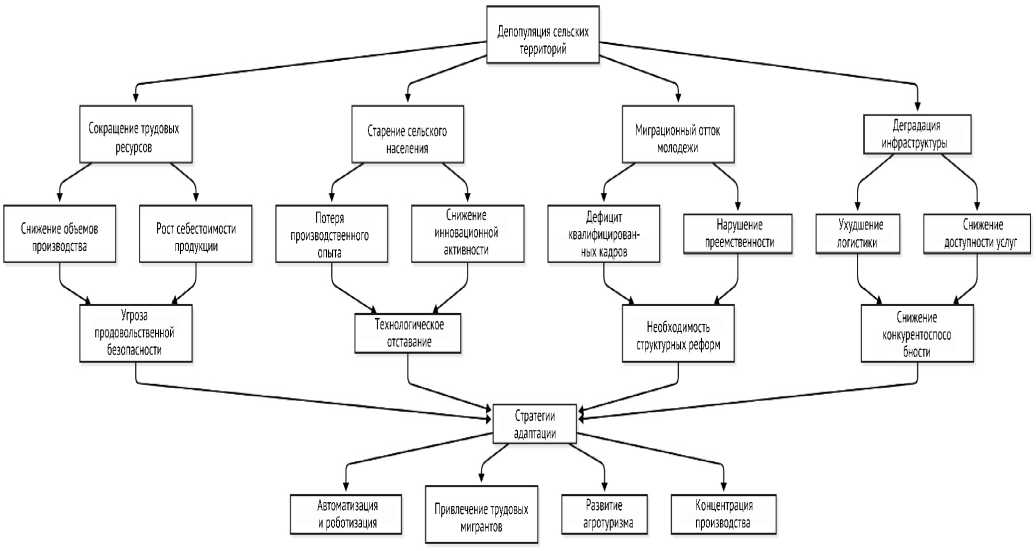
Рис. 1. Воздействие депопуляции на аграрный сектор
Fig. 1. Impact of depopulation on the agricultural sector Источник: разработано авторами.
Представленная в табл. 4 типология регионов по характеру демографических процессов и их влиянию на сельское хозяйство позволяет определить специфические стратегии развития для различных типов сельских территорий. Типологический анализ демонстрирует необходимость дифференцированных подходов к решению проблем депопуляции в зависимости от региональных особенностей. Стабильные регионы с развитым агропромышленным комплексом имеют наилучшие возможности для адаптации к демографическим вызовам через технологическую модернизацию, тогда как кризисные регионы требуют кардинальной структур- ной перестройки сельскохозяйственного производства.
Анализ международного опыта адаптации сельского хозяйства к депопуляции показывает разнообразие стратегических подходов к решению данной проблемы [14]. Европейские страны активно используют автоматизацию и роботизацию аграрного производства, что позволяет компенсировать дефицит трудовых ресурсов и поддерживать конкурентоспособность аграрного сектора. Одновременно действует система привлечения иностранных трудовых мигрантов для выполнения наиболее трудоёмких операций в сезоны интенсивных полевых работ. Особого внимания заслужи-
Морковкин Д.Е., Ряховский Д.И.,
Симагин Ю.А., Назарова Н.А.
НАРОДОНАСЕЛЕНИЕ T. 28. № 4. 2025
Таблица 4
Типология регионов РФ по характеру демографических процессов в сельской местности
Table 4
Typology of Russian regions by the nature of demographic processes in rural areas
|
Тип регионов |
Характеристика демографических процессов |
Влияние на сельское хозяйство |
Примеры регионов |
Приоритетные меры |
|
Южные стабильные |
Медленная депопуляция, молодое население |
Умеренное негативное воздействие |
Краснодарский край, Белгородская область |
Модернизация технологий |
|
Центральные кризисные |
Интенсивная депопуляция, старение |
Критическое сокращение производства |
Псковская, Тверская области |
Структурная перестройка |
|
Северные кризисные |
Экстремальная депопуляция, вахтовая занятость |
Деградация традиционного хозяйства |
Архангельская область, Республика Коми |
Альтернативные формы хозяйствования |
|
Южные предкризисные |
Умеренная депопуляция, миграционный приток |
Компенсация за счёт мигрантов |
Ставропольский край, Ростовская область |
Интеграция мигрантов |
|
Сибирские кризисные |
Значительная депопуляция, удалённость |
Сокращение освоенных территорий |
Томская, Новосибирская области |
Концентрация производства |
Источник: составлено авторами на основе анализа материалов: Миграции населения в 2024 году. — URL: (дата обращения: 13.01.2025).
вает опыт Японии, где в условиях критического старения сельского населения активно развиваются технологии точного земледелия и автономные сельскохозяйственные системы. Внедрение беспилотных технологий, роботизированных систем доения коров и автоматизированных теплиц позволяет поддерживать высокую эффективность производства при минимальном участии человеческого труда.
Перспективы развития российского сельского хозяйства в условиях депопуляции связаны с необходимостью комплексной модернизации отрасли, включающей технологическое переоснащение, развитие цифровых технологий и создание новых форм организации производства. Критическое значение имеет развитие системы профессиональной подготовки кадров для современного сельского хозяйства, способных работать с высокотехнологичным оборудованием и цифровыми системами управления.
Стратегическими направлениями адаптации аграрного сектора к демографическим вызовам должны стать: развитие точного земледелия и умных агротехнологий, создание крупных высокотехнологичных комплексов, интеграция с международными цепочками поставок продовольствия и развитие альтернативных форм сельско- го хозяйства, включая агротуризм [15]. Важным элементом стратегии является создание благоприятных условий для привлечения и закрепления молодых специалистов в сельской местности через развитие социальной инфраструктуры и повышение уровня жизни сельского населения.
Выводы
Анализ эволюции теоретических концепций взаимосвязи демографических процессов и развития сельского хозяйства выявил последовательную трансформацию научных подходов от классических теорий трудового хозяйства до современных концепций умного сельского хозяйства. Установлена ведущая роль теории человеческого капитала в формировании понимания долгосрочных последствий депопуляции для аграрного сектора, а также важность концепции устойчивого развития для обоснования необходимости адаптации аграрного производства к изменяющимся демографическим условиям. Современный этап характеризуется формированием интегративных подходов, учитывающих технологические, социальные и экологические аспекты аграрного развития в условиях демографических вызовов.
Исследование механизмов воздействия депопуляции сельских территорий на производственный потенциал аграрного сектора продемонстрировало критическое сокращение численности сельского населения России на 10% за период 2010–2024 гг. при одновременном увеличении среднего возраста до 47,3 лет. Выявлена дифференцированная уязвимость различных отраслей сельского хозяйства к демографическим изменениям: трудоёмкие отрасли (овощеводство, молочное животноводство) испытывают критическое негативное воздействие, тогда как механизированные производства (зерновое растениеводство) демонстрируют большую устойчивость. Установлена региональная дифференциация эффектов депопуляции, требующая разработки территориально-специфических стратегий адаптации.
Обоснование стратегических направлений модернизации сельскохозяйственного производства выявило необходимость комплексного подхода, включающего автоматизацию и роботизацию производственных процессов, развитие цифровых агротехно- логий, создание крупных высокотехнологичных агропромышленных комплексов и интеграцию с глобальными продовольственными цепочками. Критическое значение имеет развитие системы профессиональной подготовки кадров для современного сельского хозяйства и создание благоприятных условий для привлечения молодых специалистов в сельскую местность. Обоснована необходимость государственной поддержки процессов технологической модернизации и развития альтернативных форм сельскохозяйственной деятельности.
Проведённое исследование свидетельствует о необходимости трансформации российского аграрного сектора в ответ на демографические вызовы. Разработанная концептуальная модель взаимодействия депопуляционных процессов и аграрной экономики представляет собой теоретическую основу для формирования адаптивных стратегий развития сельского хозяйства, способных обеспечить продовольственную безопасность и устойчивое развитие сельских территорий в условиях изменяющейся демографической ситуации.
