
Microbiological Investigation of the Transboundary Rivers of the Eastern Zangezur Economic Region
Journal: Bulletin of Science and Practice @bulletennauki
Section: Естественные науки
Article in issue: 2 т.12, 2026.
Free access
The article presents the results of research conducted on water and sediment samples collected from transboundary rivers located in the Eastern Zangezur economic region of the Republic of Azerbaijan. Microbiological and physicochemical analyses were carried out on the samples, revealing that temperature varied seasonally between 6.8–27°C, pH ranged from 7.7 to 10.5, and dissolved oxygen levels ranged from 5.6 to 8.5 mg/L. Among the biogenic elements, the concentrations of nitrate (NO₃⁻) and phosphate (PO₄³⁻) exceeded permissible limits. Among the heavy metals, the amount of molybdenum (Mo) was found to be above acceptable levels. These findings indicate that the rivers are exposed to pollution from industrial and agricultural sources. Microbiological analyses revealed a high concentration of saprotrophic bacteria, as well as aerobic and anaerobic bacteria involved in the nitrogen cycle. In all the studied rivers, oil- and phenol-degrading bacteria were also detected. Additionally, bacteria of the genera Escherichia coli, Salmonella, and Shigella, which are indicators of fecal contamination, were found. The results provide important insights into the ecological condition of the studied water bodies and hold both scientific and practical significance for the protection of water resources in these areas.
Similar articles in the section Threats to the environment
Short address: https://sciup.org/14134420
IDS: 14134420 | UDC: 504.4.054 | DOI: 10.33619/2414-2948/123/08
Микробиологическое исследование трансграничных рек Восточно-Зангезурского экономического района
Представлены результаты исследований, проведённых на пробах воды и донных отложений, отобранных из трансграничных рек, расположенных в Восточно-Зангезурском экономическом районе Азербайджанской Республики. Проведённые микробиологические и физико-химические анализы показали, что температура воды сезонно изменялась в пределах 6,8–27°C, значения pH колебались от 7,7 до 10,5, а содержание растворённого кислорода составляло 5,6–8,5 мг/л. Среди биогенных элементов концентрации нитратов (NO₃⁻) и фосфатов (PO₄³⁻) превышали допустимые нормы. Из тяжёлых металлов превышение предельно допустимых концентраций было зафиксировано для молибдена (Mo). Полученные данные свидетельствуют о воздействии на исследуемые реки загрязнения промышленного и сельскохозяйственного происхождения. Микробиологические исследования выявили высокую численность сапротрофных бактерий, а также аэробных и анаэробных бактерий, участвующих в круговороте азота. Во всех изученных реках были обнаружены нефте- и фенолдеградирующие бактерии. Кроме того, выявлены бактерии родов Escherichia coli, Salmonella и Shigella, являющиеся индикаторами фекального загрязнения. Результаты исследования позволяют дать оценку экологического состояния исследуемых водных объектов.
Text of the scientific article Microbiological Investigation of the Transboundary Rivers of the Eastern Zangezur Economic Region
Бюллетень науки и практики / Bulletin of Science and Practice
UDC 504.4.054
One of the major global challenges of the modern era is the depletion of freshwater resources and the pollution of existing water bodies. Reports by organizations such as the United Nations (UN), the World Health Organization (WHO), UNESCO, and the International Water Resources Association emphasize the growing concern over freshwater scarcity.(4-5) Effective management and control of water resources particularly transboundary rivers and lakes are crucial. According to recent UN reports, the water crisis is no longer solely an environmental issue but has become a global socioeconomic and strategic security concern. These reports indicate that global water demand is expected to increase by approximately 55% between the year 2000 and 2050. This rise is primarily driven by rapid population growth, urbanization, industrial expansion, and intensive water use in agriculture [13].
The “World Water Development Report” published in 2024 states that around 2.2 billion people worldwide currently lack access to safely managed drinking water. This issue is not confined to developing countries alone but also poses serious concerns in regions with unequal distribution of water resources. (16-17)Water scarcity is also a pressing issue for Azerbaijan. Due to its geographical position and natural conditions, the country is classified as water-scarce. One of the most critical aspects is that approximately 70% of Azerbaijan’s total water resources are formed outside its borders mainly through transboundary rivers. This situation renders the country’s water security highly dependent on external factors. One of the most serious environmental problems related to transboundary rivers in Azerbaijan is the excessive pollution of these water bodies. The Kura and Araz rivers, which are among the main water sources of our country, enter Azerbaijan after passing through the territories of foreign countries, and the factors that significantly affect water quality are formed in those countries. The Araz River originates in the territory of Turkey, then flows through Armenia and Iran before joining the Kura River in the area known as Sugovushan, near the Sabirabad district of Azerbaijan, and together they flow into the Caspian Sea. During this process, industrial and agricultural activities carried out in the upstream countries of the Araz River, as well as the discharge of untreated wastewater into the river, lead to a decrease in water quality [4-6].
One of the most concerning issues for Azerbaijan is that the Republic of Armenia has not joined the Helsinki Convention, which is one of the key international agreements on the protection of transboundary water resources. This significantly hinders the joint and environmentally sustainable management of transboundary water resources in the region. In contrast, Azerbaijan has undertaken significant commitments in this area and is a party to 17 different international environmental conventions, including documents related to the protection of transboundary waters. However, Armenia’s failure to accede to this convention and its exclusion from international legal mechanisms make it much more difficult to protect transboundary water resources and ensure environmental security in the region. Currently, Azerbaijan does not possess any international legal instruments to compel Armenia’s participation in such matters. For this reason, it is of great importance to establish permanent and systematic monitoring of the biological safety of transboundary rivers that flow through Armenia before entering Azerbaijan particularly the Okhchuchay, Araz, Basitchay, and other water bodies. Alongside this, there is a need to develop new and modern principles of biological safety and to strengthen cooperation with regional and international organizations. The presented article provides the results of microbiological research conducted on several important transboundary rivers located in the Eastern Zangezur economic region namely the Araz River, Okhchuchay, Basitchay, the Bargushad River, and its tributary Aghachay. During the research, various microbiological and physico-chemical analyses were carried out on the waters of these rivers, and their water quality indicators were studied.
Initially, the physico-chemical properties of the river water were assessed including temperature, transparency, pH value, the amount of dissolved oxygen, and the levels of biogenic elements (such as nitrites, nitrates, ammonium ions, and phosphates) as well as heavy metals like iron (Fe), molybdenum (Mo), copper (Cu), aluminum (Al), and others. In addition, microbiological studies were conducted on samples collected from both the river water and the sediment layers of the riverbeds. These studies focused on saprotrophic, oil and phenol-degrading, and nitrogen-cycling bacteria. Among pathogenic microorganisms, the presence and spread of species such as Escherichia coli, Salmonella, and Shigella were analyzed. The findings revealed that all of the mentioned transboundary rivers are already contaminated with various pollutants including household waste, agricultural residues, heavy metals, and other toxic substances by the time they enter Azerbaijan’s territory. This poses a serious threat to the ecological status of the region, the environment, and public health.
Material and Methods
During the research, samples were collected from various points of the Okhchuchay, Araz, Bargushad, Basitchay, and Aghachay rivers using a selective sampling method. In order to analyze the hydrobiological and microbiological status, fieldwork was carried out at the following stations: Okhchuchay: Shayifli, Burunlu, and Jahangirbeyli points; Araz River: Aghbend and Khudafarin points; Bargushad River: Dilali Muskanli and Saray points; Basitchay: Baharli village, Ordekli village, and the Basitchay nature reserve areas; Aghachay: Samples were collected from selected points along the middle and lower reaches of the river. Water and sediment samples were collected seasonally during fieldwork. Samples were taken in sterile glass bottles and transported using refrigerated containers to ensure preservation. Various instruments were used to measure the physicochemical and microbiological parameters.
Water temperature (°C) was measured using a classical mercury thermometer. The pH value was determined in the field using a Milwaukee pH-200 portable pH meter. The concentration of dissolved oxygen (DO, mg/L) was measured using a Milwaukee MW600 portable oxygen analyzer. Biogenic elements nitrite (NO₂⁻), nitrate (NO₃⁻), ammonium (NH₄⁺), and phosphate (PO₄³⁻) were analyzed by the photometric method using a Palintest 7100 photometer. Heavy metals such as iron (Fe), molybdenum (Mo), copper (Cu), aluminum (Al), and other potentially toxic elements were also determined using the same Palintest 7100 device. For quality control, blank and duplicate samples were included in all analyses, and the accuracy of the results was verified using statistical methods.
For microbiological analyses, the attraction (enrichment) method was applied. To identify fungal and yeast-like microorganisms, samples were cultivated on the following nutrient media: SDA (Sabouraud Dextrose Agar): This medium provides a selective environment for the growth of microscopic fungi. YEPD (Yeast Extract Peptone Dextrose): This medium provides optimal conditions for the growth of yeast fungi. After the cultivation process, the Petri dishes were incubated at a temperature of 25–30°C for 3 to 7 days. The resulting colonies were subjected to preliminary identification based on their morphological characteristics (such as color, shape, colony structure, etc.), and the total density of fungi and yeast-like fungi was evaluated based on the number of colonies (CFU – Colony Forming Units). The identification of yeast fungi isolated into pure culture was carried out using an MT 5200 L microscope. During these microscopic observations, cell shape, size, and other morphological features were assessed to ensure accurate species identification. To ensure the reliability of the experimental results, the formula S/M = P ≤ 0.05 was used as a basis.
Results and discussion
The study of the physico-chemical properties of rivers is essential for understanding river ecosystems, assessing their sustainability, and evaluating the impact of human activities, climate change, and other ecological factors. Through systematic measurement of parameters such as water temperature, pH, dissolved oxygen, and biogenic elements, the overall health and stability of the aquatic environment can be determined. Within the scope of this research, the effects of physicochemical characteristics and biogenic elements on microorganisms particularly bacteria and micromycetes were thoroughly investigated.
Table 1
PHYSICO-CHEMICAL PROPERTIES OF TRANSBOUNDARY RIVER WATERS IN THE EASTERN ZANGEZUR ECONOMIC REGION
|
River |
Season |
Temperature (°C) |
Dissolved Oxygen (mg/L) |
pH |
|
Okhchuchay |
Winter |
7.8-8.3 |
7.7-8.1 |
8.3-8.5 |
|
Spring |
17.8-18.5 |
6.1-6.4 |
8.0-8.2 |
|
|
Summer |
26.5-27.5 |
5.7-6.0 |
7.8-8.0 |
|
|
Autumn |
16.5-17.0 |
6.5-6.7 |
7.3-7.9 |
|
|
Araz River |
Winter |
7.2-7.8 |
8.0-8.4 |
8.1-8.3 |
|
Spring |
16.5-17.5 |
6.6-7.0 |
7.9-8.1 |
|
|
Summer |
26.0-27.0 |
5.3-5.7 |
7.7-7.9 |
|
|
Autumn |
15.2-15.8 |
6.0-6.4 |
8.4-8.6 |
|
|
Basitchay |
Winter |
6.6-7.0 |
8.3-8.7 |
7.8-8.0 |
|
Spring |
15.8-16.5 |
6.8-7.2 |
7.7-7.9 |
|
|
Summer |
24.5-25.5 |
5.8-6.2 |
7.5-7.7 |
|
|
Autumn |
14.5-15.0 |
6.5-6.9 |
8.1-8.3 |
|
|
Bargushadchay |
Winter |
7.0-7.4 |
7.8-8.2 |
7.9-8.1 |
|
Spring |
17.5-18.0 |
6.3-6.7 |
8.0 – 8.2 |
|
|
Summer |
25.5-26.5 |
5.6-6.0 |
7.6- 7.8 |
|
|
Autumn |
14.7-15.2 |
6.2-6.6 |
8.3- 8.5 |
|
|
Aghachay |
Winter |
6.8-7.2 |
8.1-8.5 |
8.2- 8.4 |
|
Spring |
16.2-16.8 |
6.4-6.8 |
7.8-8.0 |
|
|
Summer |
25.0-26.0 |
5.4-5.8 |
7.4- 7.6 |
|
|
Autumn |
14.2-14.8 |
6.3-6.7 |
8.0-8.2 |
As shown in Table 1, the water temperature in the studied rivers ranged from 6.8–8.1°C in winter, 16.8–18.2°C in spring, 24.5–27°C in summer, and 15.2–16.8°C in autumn [8].
Water temperature has a direct impact on the amount of dissolved oxygen. In general, as the temperature of water increases, its ability to retain dissolved oxygen decreases. The main reason for this is that at higher temperatures, water molecules move more rapidly, weakening the hydrogen bonds between them. As a result, oxygen molecules are released from the water and rise to the surface, thereby reducing the overall concentration of oxygen. On the other hand, cold water molecules are more stable and tightly bonded, allowing them to retain more dissolved oxygen. These temperature differences can significantly affect the oxygen demand of aquatic organisms living in river ecosystems. Particularly under high-temperature conditions, oxygen deficiency can impair the life functions of aquatic organisms, leading to stress and potential mortality.
Therefore, oxygen scarcity can occur in ecosystems under thermal stress. Dissolved oxygen in water directly influences the life processes of various organisms living in river ecosystems and is essential for maintaining their normal functioning. At the same time, dissolved oxygen plays a key role in the biological purification processes carried out in rivers. During these processes, bacteria and other microorganisms utilize oxygen to break down organic matter, contributing to the selfpurification of rivers and the improvement of water quality. Thus, the amount of oxygen present in water is not only vital for the health of the ecosystem, but also for ensuring nutrient cycling and the sustainable functioning of river systems. Based on the data presented in Table 1, the amount of dissolved oxygen in the studied river waters showed seasonal variation. Specifically, this parameter ranged from 7.7 to 8.5 mg/L in winter, 6.25 to 6.7 mg/L in spring, 5.6 to 5.9 mg/L in summer, and 6.6 to 6.9 mg/L in autumn. This variability is mainly related to water temperature. It is known that as water temperature increases, its capacity to dissolve oxygen decreases. This explains why the amount of dissolved oxygen is lower in the summer months compared to other seasons.
In general, for river waters and other flowing water environments, a dissolved oxygen concentration between 8 and 10 mg/L is considered high quality. This range is regarded as optimal for the survival of aquatic organisms, sustaining metabolic processes, and maintaining ecosystem stability. If the dissolved oxygen concentration falls below 3 mg/L, it is considered an oxygendeficient state and a sign of serious pollution. Under such conditions, many sensitive species living in aquatic ecosystems may face life-threatening stress, and a reduction in biodiversity may occur [1523, 25].
Furthermore, Table 1 shows the seasonal dynamics of pH values across stations in the studied river waters. The pH ranged from 8.1 to 8.4 in winter, 7.9 to 8.1 in spring, 7.7 to 7.9 in summer, and 9.5 to 10.5 in autumn. The pH value provides important information about the acidity or alkalinity of water and its fluctuations can be influenced by both abiotic and biotic factors. Natural geochemical processes (such as rock weathering, leaching of carbonates and other ions from soil), biological activity (microorganism metabolism, respiration, and photosynthesis), anthropogenic impacts (e.g., industrial waste, agricultural runoff), and climate changes can all cause variations in pH. The optimal pH range in water is generally considered to be between 6.5 and 8.5. This range provides favorable conditions for most organisms living in river ecosystems. Deviations from this range, especially acidification or strong alkalinity, can negatively affect the stability of aquatic ecosystems and the life activities of organisms. Such conditions may lead to the disappearance of certain species, changes in microbial community structure, and overall disruption of the trophic chain [7].
Dissolved oxygen and pH levels play a crucial role in assessing the overall health and sustainability of river ecosystems, and monitoring their dynamics is essential for water environment surveillance (Figure 1). Biogenic elements — nitrates, nitrites, ammonium ions, and phosphates are key components of the hydrosphere and significantly affect the ecological condition of water bodies and the development of microorganisms. These substances are particularly important regulatory factors in the metabolic processes of microorganisms, especially bacteria and fungi. Their presence at optimal levels in the aquatic environment stimulates the growth and reproduction of microorganisms, but concentrations outside the normal range can disrupt ecosystem balance [21-24].
Analyses conducted on water samples taken from the rivers we studied determined the quantities of these biogenic elements. High concentrations of nitrates and phosphates are sometimes associated with anthropogenic impacts such as the leaching of fertilizers used in agriculture and the discharge of industrial and domestic waste into water bodies. Increases in ammonium ions and nitrites are mainly considered indicators of biological pollution [9-12].
Seasonal Temperature Variation by Rivers (°C)
CD
0J
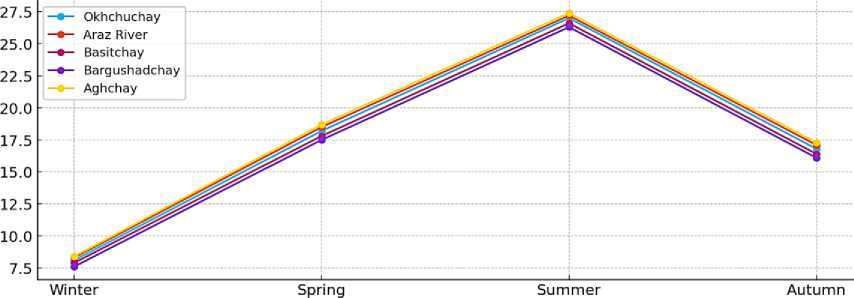
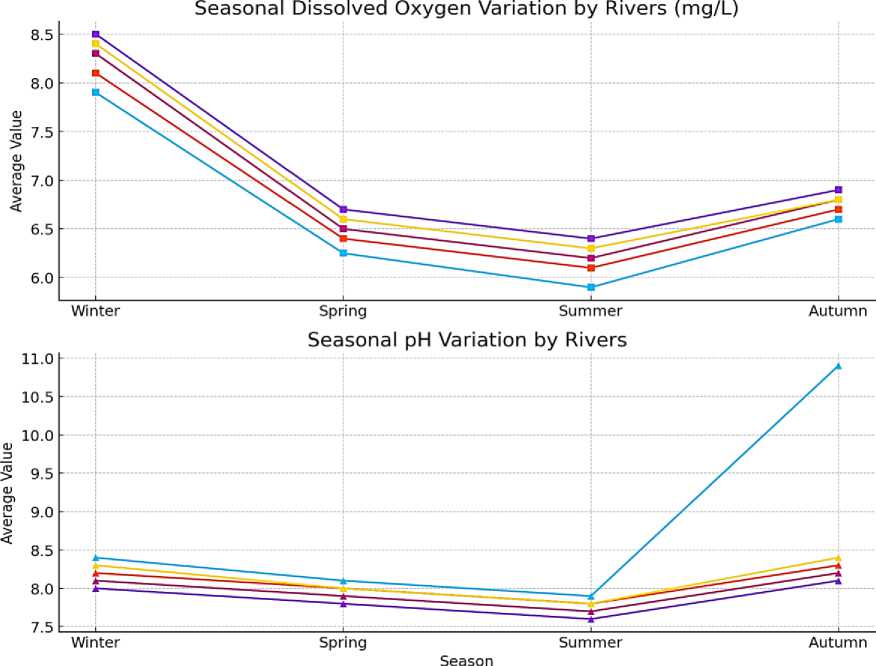
Figure 1. Water indicators in rivers
Table 2
CHEMICAL ANALYSIS RESULTS OF THE TRANSBOUNDARY RIVER WATERS IN THE EASTERN ZANGEZUR ECONOMIC REGION ALL VALUES ARE GIVEN IN mg/L
|
Parameter |
Okhchuchay |
Basitchay |
Araz |
Bargushadchay |
Aghachay |
|
no 2 |
0.55 |
0.00 |
0.23 |
0.02 |
0.03 |
|
NO3 |
5.50 |
2.60 |
4.50 |
2.13 |
6.30 |
|
NH |
1.13 |
0.05 |
0.75 |
0.75 |
0.03 |
|
PO4 |
0.60 |
0.10 |
0.50 |
1.25 |
0.21 |
|
Fe |
0.02 |
0.00 |
0.02 |
0.02 |
0.00 |
|
Mo |
0.457 |
0.006 |
0.197 |
0.606 |
1.164 |
|
Cu |
0.04 |
0.00 |
0.05 |
0.08 |
0.06 |
|
Al |
0.02 |
0.05 |
0.02 |
0.025 |
0.00 |
Бюллетень науки и практики / Bulletin of Science and Practice Т. 12. №2 2026
According to the Maximum Permissible Limits (MPL): Nitrite (NO₂⁻) — 3.3 mg/L, Nitrate (NO₃⁻) — 45.0 mg/L, Phosphorus (PO₄³⁻ ) — 0.001 mg/L, Ammonium (NH₄⁺) — 0.5 mg/L, Phenol — 0.001 mg/L , Zinc (Zn) — 1.0 mg/L, Copper (Cu) — 1.0 mg/L, Aluminium (Al) — 0.5 mg/L, Iron (Fe) — 0.3 mg/L, Molybdenum (Mo) — 0.05 mg/L (Figure 2).
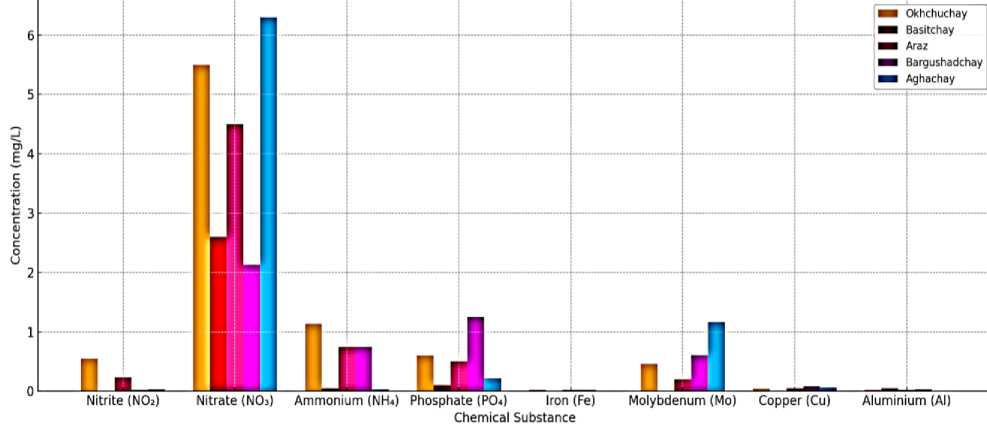
Figure 2. Biogenic elements in river waters
The variability in the concentrations of these elements can depend on both seasonal dynamics and factors such as proximity to pollution sources and the hydromorphological characteristics of the rivers. Excessive levels of biogenic substances may lead to oxygen depletion, eutrophication, and, in some cases, toxic effects in aquatic environments, which negatively impact not only microorganisms but also organisms at higher trophic levels, such as fish and other aquatic life forms. Consequently, monitoring and controlling the levels of biogenic substances is of critical importance for maintaining the ecological sustainability of river waters and preserving the microbiological balance of aquatic ecosystems. During the study, microbiological analysis of samples collected from the transboundary rivers of the Eastern Zangezur economic region revealed the presence of various genera of microscopic fungi. These fungi not only indicate pollution levels but also serve as important bioindicators characterizing the condition of hydrobiological systems. The identified fungal genera include: Aspergillus, Penicillium, Mucor, Fusarium, Trichoderma, Alternaria, Acremonium, Cladosporium, Chaetomium, Scopulariopsis, Rhizopus, Rhodotorula, Bipolaris, Candida, Geotrichum, and Mycelia sterilia. Some of these fungi — especially Aspergillus, Penicillium, and Candida-possess opportunistic pathogenic characteristics and pose potential risks to human and animal health. Other genera, such as Trichoderma and Chaetomium, participate in the decomposition of organic matter in soil and aquatic ecosystems, playing a vital role in maintaining ecological balance. Mycelia sterilia , which represents vegetative structures that do not produce spores, includes morphologically indistinct forms that are nevertheless important bioindicators of environmental conditions [18, 19].
The diversity and abundance of these microscopic fungi provide valuable insights into the level of organic pollution, the intensity of anthropogenic impacts, and the overall microbiological status of the river ecosystems (Table 3).
Based on the quantity of saprotrophic bacteria, it is possible to determine the anthropogenic impact, pollution level, and saprobic degree of water bodies. According to the results in the table, the number of saprotrophic bacteria in the studied river waters is high, and these values correspond ecologically to the “highly polluted” water category. Specifically, in 1 ml of clean water, the number of saprotrophic bacteria should not exceed 100; in slightly polluted water, it ranges between 100— 1000; and in polluted water, it exceeds 1000. The obtained results indicate that these river waters are highly polluted [14-20].
Table 3
MICROBIOLOGICAL INDICATORS OF THE TRANSBOUNDARY RIVER WATERS IN THE EASTERN ZANGEZUR ECONOMIC REGION
|
Indicator |
Okhchuchay (water/soil) |
Basitchay (water/soil) |
Araz (water/soil) |
Bargushadchay (water/soil) |
Aghachay (water/soil) |
|
Saprotrophic bacteria |
2000/34,000 |
5800/47,000 |
5400/530,000 |
1600/33,000 |
1800/144,000 |
|
Azotobacter |
120/140 |
100/300 |
70/120 |
300/700 |
2400/3600 |
|
Clostridium pasteurianum |
10²/10² |
10¹/10² |
10¹/10³ |
102/104 |
10¹/10² |
|
Denitrifying bacteria |
10¹/10² |
10¹/10² |
10³/10³ |
102/104 |
104/104 |
|
Phenol-degrading bacteria |
10³/10² |
10³/10³ |
103/104 |
10¹/10² |
10²/10³ |
|
Oil-degrading bacteria |
10¹/10² |
10²/10³ |
103/104 |
10¹/10² |
10² / 10³ |
|
Escherichia coli |
9/35 |
17/+++ |
45/+++ |
—/+ |
++/+++ |
|
Salmonella/Shigella (SS) |
-/+ |
+/+ |
+/+ |
-/- |
—/+ |
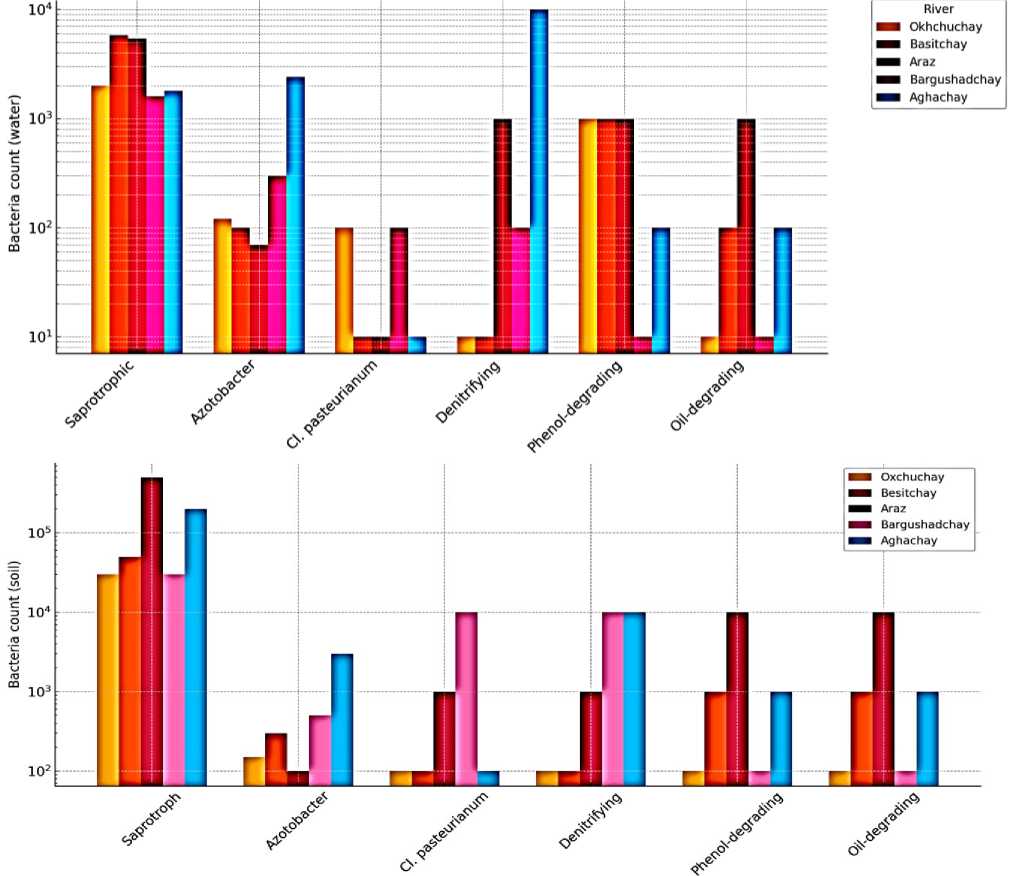
Figure 3. Biogenic elements in river waters
Additionally, a high concentration of aerobic and anaerobic bacteria involved in the nitrogen cycle was observed, which is an indicator of organic matter pollution and biological activity in the rivers. The presence of Clostridium pasteurianum a nitrogen-fixing, anaerobic, and heterotrophically feeding bacterium was recorded at all studied stations [13].
Oil and phenol-degrading bacteria were also identified at all observation points, indicating the presence of industrial and domestic organic pollutants in the ecosystem. Furthermore, Escherichia coli, Salmonella, and Shigella, which are indicators of fecal contamination from human and animal sources, were detected at some stations, albeit in low quantities. The conducted studies indicate that the transboundary rivers located in the Eastern Zangazur economic region-Okhchuchay, Araz, Basitchay, Bargushadchay, and Aghachay-are already in a significantly polluted state upon entering the territory of Azerbaijan. This pollution primarily originates from industrial and agricultural activities in Armenia and other upstream countries, as well as the direct discharge of untreated wastewater into the rivers. Physicochemical and microbiological analyses have revealed elevated levels of water temperature, pH, dissolved oxygen, biogenic elements, heavy metals, and pathogenic microorganisms. Particularly during the summer months, increased temperatures lead to a decrease in dissolved oxygen levels, causing biological stress within river ecosystems and negatively impacting the vital activities of aquatic organisms. Additionally, the presence of pathogenic bacteria such as Escherichia coli, Salmonella, and Shigella poses a serious threat to human health.
It is essential to establish sustainable and coordinated monitoring programs based on modern technologies. These systems can enable real-time assessment of water quality and timely identification of pollution sources. Installing and operating modern treatment facilities in areas where transboundary rivers enter the country will allow for the preliminary purification of river water. Expanding the scope of studies on transboundary rivers, including detailed investigations of sediment layers, flora, and fauna, is crucial for assessing the sustainability of aquatic ecosystems. Therefore, the protection of river ecosystem health requires not only technical and ecological approaches but also the comprehensive implementation of legal, political, and international cooperation mechanisms.
