
Мобилизация бывших военнопленных Красной армии после освобождения из немецкого концлагеря в 1943 г. (по материалам Западного районного военкомата Калмыцкой АССР)
Журнал: Новый исторический вестник @nivestnik
Рубрика: Российская государственность
Статья в выпуске: 2 (88), 2026 года.
Бесплатный доступ
Исследование посвящено просопографическому анализу группы бывших военнопленных Красной армии, освобожденных из немецкого концлагеря в г. Сальске в январе 1943 г. и повторно призванных Западным районным военным комиссариатом Калмыцкой АССР в феврале – марте 1943 г. Впервые выявлена и проанализирована редкая для военного времени практика повторного призыва освобожденных военнопленных через территориальный райвоенкомат спустя несколько недель после освобождения. В статье на основе архивных данных, впервые вводимых в оборот, исследуются такие вопросы, как: география и хронология пленения военнослужащих; анализ по месту рождения и воинскому званию; принадлежность к конкретным воинским частям и соединениям, механизм временного размещения военнопленных в Западном и Яшалтинском улусах и их последующая отправка в действующую армию через армейский сборный пункт в г. Сальске. В процессе исследования было установлено, что среди 379 военнослужащих (преимущественно рядового и сержантского состава) преобладали уроженцы южных регионов РСФСР, в том числе Ростовской области, Орджоникидзевского края и Калмыцкой АССР. Большинство из них попало в плен в ходе Воронежско-Ворошиловградской операции и начальной фазы Битвы за Кавказ, которые обернулись для Красной армии тяжелыми поражениями на Дону и Маныче в июле – августе 1942 г. С другой стороны, среди узников лагеря были военнослужащие, попавшие в плен под Сталинградом, в Севастополе, в ходе последующих фаз Битвы за Кавказ и даже в период Киевского «котла» 1941 года. После освобождения изможденных узников лагеря направили на долечивание в Западный и Яшалтинский улусы, а затем призвали через Западный военкомат и направили в состав 28-й армии. Нет никаких данных, которые говорили бы о каких-либо репрессиях узников Сальского лагеря из-за их пребывания в плену. Данный источник не только восполняет пробелы в судьбах сотен бойцов (чьи данные отсутствуют в ОБД «Мемориал» и «Память народа»), но и показывает, как на практике корректировались механизмы государственной политики в отношении бывших военнопленных в условиях острого дефицита людских ресурсов на фронте.
Похожие статьи в разделе Всеобщая история
Короткий адрес: https://sciup.org/149151136
IDS: 149151136 | DOI: 10.54770/20729286-2026-2-196
Mobilization of former prisoners of war of the Red Army after liberation from a German concentration camp in 1943 (based on the materials of the Western District Military Enlistment Office of the Kalmyk ASSR)
The study is devoted to a prosopographical analysis of a group of former Red Army prisoners of war, liberated from a German concentration camp in the city of Sal’sk and re-conscripted by the Western District Military Commissariat of the Kalmyk ASSR in February–March 1943. For the first time, a rare practice for wartime has been identified and analyzed: the re-conscription of liberated prisoners of war through a territorial district military commissariat just a few weeks after their liberation. Based on archival data introduced for the first time, the article investigates the following issues: the geography and chronology of the capture of military personnel; analysis by place of birth and military rank, affiliation with specific military units and formations, the mechanism for the temporary placement of former prisoners of war in the Western and Yashalta uluses (districts) and their subsequent dispatch to the active army via the army assembly point in the city of Sal’sk. The study revealed that 379 of the soldiers (mostly privates and sergeants) were from the southern regions of the RSFSR, including the Rostov Region, the Ordzhonikidze Territory, and the Kalmyk Autonomous Soviet Socialist Republic. Most of them were captured during the Voronezh-Voroshilovgrad Operation and the initial phase of the Battle of the Caucasus, which resulted in severe defeats for the Red Army on the Don and the Manych Rivers in July and August 1942. On the other hand, among the prisoners of the camp were military personnel who had been captured near Stalingrad, in Sevastopol, during the subsequent phases of the Battle of the Caucasus, and even during the Kiev «cauldron» in1 941. After their release, the exhausted prisoners were sent to the Western and Yashaltinsky uluses for medical treatment, and then they were conscripted through the Western Military Commissariat and assigned to the 28th Army. There is no evidence of any repressions against the prisoners of the Salsky camp due to their time in captivity. This source not only fills gaps in the fates of hundreds of soldiers (whose data are absent from the «Memorial» and «Memory of the People» databases) but also shows how the mechanisms of state policy towards former prisoners of war were adjusted in practice under conditions of an acute shortage of human resources at the front.
Текст научной статьи Мобилизация бывших военнопленных Красной армии после освобождения из немецкого концлагеря в 1943 г. (по материалам Западного районного военкомата Калмыцкой АССР)
V. N. Ochir-Goryaeva
Mobilization of former prisoners of war of the Red Army after liberation from a German concentration camp in 1943 (based on the materials of the Western District Military Enlistment Office of the Kalmyk ASSR)
Документы военных комиссариатов представляют собой важный источник ценных сведений о военнослужащих Красной армии, которые зачастую в иных источниках не сохранились. Например, сравнительно-сопоставительные исследования баз данных военнослужащих Красной армии, призванных из Калмыкии, составленных по данным сохранившихся книг учета военкоматов, в сравнении с базами данных, составленными по «Книгам памяти» и другим источникам, показывают, что в документах военкоматов круг персоналий заметно шире1.
После нескольких лет работы с фондами военкоматов мы столкнулись с уникальными документами: серией списков бывших военнопленных Красной армии, освобожденных из немецкого концлагеря в январе 1943 г. и повторно призванных Западным районным военкоматом (далее – РВК) Калмыцкой АССР в феврале–марте 1943 г. Следует заметить, что Западный и Яшалтинский улусы Калмыкии, на территории которых функционировал Западный РВК, были освобождены от оккупантов 21 января 1943 г.12.
Подчеркнем, что в данном случае речь идет не об «окруженцах» или вернувшихся дезертирах, а именно о военнопленных, попавших в плен на южном фланге Восточного фронта в августе 1941 г. – январе 1943 г. Этот факт вызвал у нас большое удивление, поскольку практики возвращения в строй освобожденных военнопленных были иными. С призывом бывших военнопленных через местный военкомат спустя несколько недель или даже месяцев после освобождения мы в наших изысканиях столкнулись впервые.
Основным источником нашей статьи стали списки военнопленных, призванных Западным РВК Калмыцкой АССР, которые были включены в дело № 94 (по описи 1962 года) Городовиковского РВК под названием «Списки военнообязанных, бывших в плену и отправленных в Советскую армию». Ныне это дело хранится в Национальном архиве Республики Калмыкия3. Следует заметить, что в данное архивное дело включены также списки местных военнообязанных и призывников, которые проходили мобилизацию в 1943–1944 гг. и которые в данной статье не анализируются.
В списках военнопленных приведены сведения о военнопленных, вновь призванных из различных населенных пунктов Западного и Яшалтинского улусов, которые в течение февраля – марта 1943 г. постепенно направлялись маршевыми командами, как правило, на армейский сборный пункт военнопленных (судя по его дислокации – 28-й армии Южного фронта). Списки по Яшалтин-скому улусу, которые оформлялись местными администрациями колхозов и совхозов, либо спецчастью Яшалтинского улусного исполкома, содержат очень скудную информацию. Как правило, в них приводятся только фамилия, имя, отчество, год рождения и дата повторного призыва военнопленного. Списки по Западному улусу оформлялись Западным РВК и содержат развернутую информацию. Помимо фамилии, имени и отчества, в них часто (но не всегда) приводятся год и место рождения, место жительства, дата повторного призыва, воинское звание, место службы в момент пленения, дата и место пленения, место назначения маршевой команды. Развернутые сведения этой группы списков выглядят вполне репрезентативными для проведения просопографического анализа этой группы военнослужащих.
Для уточнения судьбы военнослужащих были использованы базы данных «Память народа» и ОБД «Мемориал»4. В ходе этой проверки выяснилось, что у большинства персоналий отсутствуют сведения о первоначальном призыве, а в качестве даты поступления на службу указан повторный призыв в 1943 г. Таким образом, если бы не факт повторного призыва, отраженного только в этом источнике, то эти военнослужащие, вероятнее всего, остались бы вовсе незафиксированными в официальных документах. Кроме того, у большинства из них отсутствуют сведения о факте пребывания в плену, кроме рассматриваемого источника. Указанные факты подчеркивают исключительную значимость и ценность данного источника.
Официально освобожденные военнопленные, согласно Постановлению ГКО № 1069сс от 27 декабря 1941 г. «О мерах по выявлению среди бывших военнослужащих Красной Армии, находящихся в плену и в окружении, изменников Родины, шпионов и дезертиров», должны были собираться на специально созданных для этого сборно-пересыльных пунктах. Оттуда они направлялись в специальные лагеря НКВД СССР, где проходили фильтрацию в Особых отделах (с целью выявления возможных агентов противника и предателей Родины). Бывшие военнопленные, успешно прошедшие проверку, подлежали передаче в местные военкоматы и новому призыву5. В реальности они в составе маршевых подразделений направлялись в войсковые части, в том числе в офицерские штурмовые батальоны или даже штрафные роты6.
Впрочем, данное постановление выполнялось не всегда. Из-за нехватки кадров бывших военнопленных могли направлять в войска ускоренным порядком, поэтому многих из них при освобождении могли сразу вливать во фронтовые части путем призыва через так называемые «полевые военкоматы» или даже напрямую, без оформления призыва. Особенно акту- 198
альной эта задача была в период наступательных операций, когда войска несли заметные потери и испытывали значительную нехватку личного состава. 21 января 1943 г. вышло постановление ГКО № 2779, согласно которому командующим фронтами разрешалось использовать для пополнения часть военнопленных с армейских и фронтовых сборно-пересыльных пунктов без отправки в фильтрационные лагеря7. При этом их фильтрация не отменялась: Особые отделы НКВД должны были проводить ее на сборно-пересыльных пунктах.
Нужда в людских ресурсах в Действующей армии была велика, поэтому командующие фронтами часто использовали новое постановление ко всем освобожденным военнопленным без исключения. Например, 31 января 1943 г. командующий Южным фронтом генерал-полковник А. И. Еременко отдал приказание № 5, обязавшем всех командиров дивизий и бригад назначать в освобожденных населенных пунктах комендантов, чтобы « производить изъятие всех бывших военнослужащих Красной армии, находившихся в плену и окружении противника и направлять их под конвоем на сборно-пересыльные пункты ар-мий »8. Оттуда бывших военнопленных и «окруженцев» направляли в армейские запасные полки. Начальникам штабов армий предписывалось для сопровождения этих команд иметь во всех штабах соединений группы командиров из запасных армейских полков9.
При этом бывшие военнопленные Южного фронта явно не проходили фильтрацию, либо проходили ее ускоренно и формально. Например, в 52-й стрелковой бригаде (2-го формирования) 28-й армии Южного фронта после тяжелейших потерь в феврале – марте 1943 г. служило несколько десятков офицеров – бывших военнопленных и «окруженцев», только что вернувшихся в армию, в том числе: во 2-м батальоне – 5 военнопленных и 7 «окруженцев», в артиллерийском дивизионе – 4 военнопленных (считая младшего лейтенанта Н. П. Лоскутова, дважды попавшего в плен) и 4 «окруженца», в противотанковом дивизионе – 5 военнопленных (считая уроженца Варшавы лейтенанта Э. А. Немчака, бежавшего через месяц после пленения и более 5 месяцев скрывавшегося в тылу противника) и 4 «окруженца»10.
Возвращаясь к истории призыва военнопленных через Западный РВК Калмыцкой АССР, подчеркнем, что на территории Калмыкии концлагеря для военнопленных отсутствовали. Ближайшим концлагерем для Западного и Яшалтинского улусов был лагерь в г. Сальск. Этот город был захвачен немцами 31 июля 1942 г. После начала оккупации в районе кирпичного завода был устроен концлагерь для военнопленных, которые оказались в тяжелых условиях. Они находились в тесных и не приспособленных для жилья помещениях, голодали, мерзли, часто болели, занимались изнурительным физическим трудом под конвоем оккупантов. Если пленники от истощения выбивались из сил и падали, то конвоиры расстреливали их: « В ряде мест города [Сальска] в подвалах обнаружены трупы заключенных красноармейцев и командиров. Большое количество попавших в плен военнослужащих после пытки были расстреляны в карьерах у кирпичного завода »11.
Вот как описывали положение военнопленных очевидцы – местные жители г. Сальска: « В разрушенных печах, где раньше производился обжиг кирпича, гитлеровцы разместили около 700 военнопленных. Жили они в невероятной тесноте, не имея даже возможности прилечь, среди груд битого кирпича и мусора. Больные, израненные люди, желтые и опухшие от систематического недоедания, они должны были ежедневно с утра до ночи выполнять тяжелые и опасные работы. В ледяные зимние месяцы люди проводили ночи под холодными каменными сводами. Многие умерли от холода, недоедания, болезней. На глазах у всех немцы убивали военнопленных, которые от истощения не в состоянии были двигаться »12.
22 января 1943 г. Сальск был освобожден войсками 28-й армии, и оккупанты не успели уничтожить узников концлагеря. Однако освобожденные военнопленные были измождены и истощены. По всей видимости, в этом и кроется разгадка повторного призыва военнопленных. Истощенные пленники не могли нести военную службу, поэтому их направили для восстановления (или как тогда писали в документах – для долечивания) в Западный и Яшалтинский улусы Калмыкии.
Выбор этих районов для реабилитации узников концлагеря тоже вполне понятен. В январе 1943 г. после провала операции 200
«Wintergewitter» («Зимняя гроза») территория Зимовниковского, Пролетарского, Сальского и прилегающих к ним районов стала ареной тяжелых арьергардных боев войск Манштейна, отступающих под давлением Южного фронта Еременко. Указанные территории были разорены, множество зданий оказалось разрушено, запасы продовольствия у населения конфискованы. В то же время к востоку от этих районов группа Аулеба в течение первой половины января, удерживая рубеж по р. Маныч, успешно отражала атаки 248-й стрелковой дивизии и 159-й стрелковой бригады 28-й армии. Лишь вечером 17 января наши части смогли форсировать реку и занять с. Дивное. Утром 18 января части 110-й Калмыцкой кавдивизии освободили с. Петровское (ныне г. Светлоград)13. Над группой Аулеба нависла угроза окружения, поэтому противник быстро отступил на запад. В результате территория западных районов Калмыкии в отличие от центральных и северных улусов избежала разорения, сохранила большое количество зданий, в том числе общественных, и запасы продовольствия.
Военнопленные были расселены по населенным пунктам Западного и Яшалтинского улусов. Например, в пос. Башанта военнопленные проживали как в общежитиях и учреждениях, так и на частных квартирах. Очевидно, что такое расселение было осуществлено специально и директивным способом. В архивном пос. деле сохранились сведения о конкретном месте долечивания у 265 бывших военнопленных (62 %). В Западный улус Калмыцкой АССР было направлено 223 чел., в том числе в пос. Башанта – 45, совхоз № 112 (включая пять ферм) – 60, Заготскот – 1, в Цоросовский сельсовет – 28, Бюдермис-Кюбетовский – 27, 1-й Ики-Туктуновский – 18, 2-й Ики-Туктуновский – 22, Абга-неровский – 17, Бага-Бурульский сельсовет – 7 чел. В Яшалтин-ский улус было направлено 76 чел., в том числе в совхоз № 105 (включая три фермы) – 42, в 1-й Ики-Чоносовский сельсовет – 7, 2-й Ики-Чоносовский – 13, Сладковский – 8, Будульчинеровский – 3, Хоншукский сельсовет – 3 чел.
По мере долечивания бывшие военнопленные с 15 февраля 1943 г. стали призываться вновь, после чего они направлялись маршевыми командами в армейский сборный пункт в г. Сальск, с 1 марта – в ст. Мечётинскую, где они и должны были проходить фильтрацию14. Учитывая векторы продвижения войск Южного фронта, очевидно, что это был сборный пункт 28-й армии. По всей видимости, подавляющее большинство лиц из списка, не имевших, видимо, компрометирующих данных, эту фильтрацию прошли. Лишь несколько человек в этих списках были вычеркнуты, как не прошедшие фильтрацию или вернулись обратно (по состоянию здоровья).
В списках военнопленных содержится информация о 457 персоналиях. В процессе анализа было выявлено 76 человек, упомянутые дважды, и один – трижды. В связи с этим в итоговую базу данных было включено 379 чел.
Первый анализ был осуществлен по дате пленения с учетом того, что эти сведения были лишь у 221 чел. (58,3 %). Результаты анализа для большей наглядности приведены в виде графика на рис. 1.
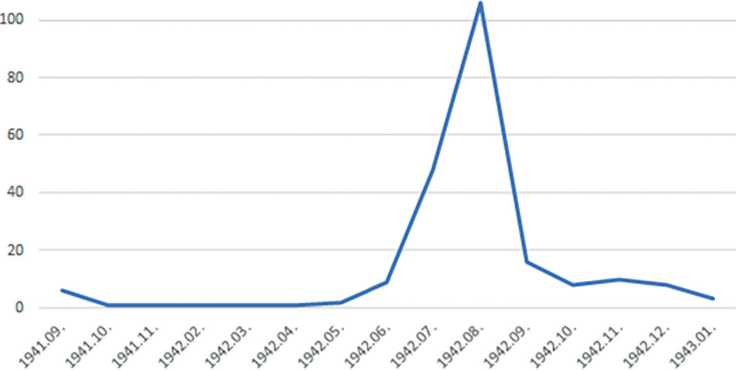
Рис. 1. Распределение военнопленных по дате пленения.
График ясно показывает, что наибольшее количество исследуемых персоналий попало в плен в июне – сентябре 1942 г., когда немецкие войска провели стратегическую операцию «Блау» / 202
«Брауншвейг» и начали операции по развитию достигнутых успехов – «Эдельвейс» и «Фишрайер». В этот период части панцер-ваффе, начав наступление 28 июня 1942 г., прорвали позиции Брянского фронта, после чего повернули на юг, в тыл Юго-Западного и Южного фронтов. Затем они, сломив ожесточенное сопротивление войск Северо-Кавказского фронта, захватили переправы через Дон и Маныч. В конце июля немецкие войска разбили 51-ю армию, разорвав связь между Сталинградским и Северо-Кавказским фронтами, а в начале августа в Сальском «котле» разгромили 37-ю армию, после чего устремились к горам Кавказа и Ста-линграду15. Неслучайно, что наибольшее количество пленных из Сальского концлагеря приходится на август 1942 г. (106 чел.), когда части вермахта добивали окруженные части 37-й и 51-й армий вблизи г. Сальск. При этом достаточно большое количество пленных было захвачено в июле 1942 г. (47 чел.) на территории Ростовской, Воронежской и даже Курской областей, на начальном этапе операции «Блау».
С другой стороны, следует отметить, что среди исследуемых персоналий есть небольшие группы военнослужащих, захваченные в плен за пределами полей сражений Воронежско-Во-рошиловградской операции и начальной фазы Битвы за Кавказ, в том числе и другими группами армий. Самой большой группой из таковых оказались военнослужащие, захваченные в плен группой армий «Б» в ходе Сталинградской битвы (Сталинград и под Сталинградом, Котельниково, Абганерово, Цаца, Клет-ская, Бузиновка и др.) в период с 20 июля 1942 г. по 15 января 1943 г.
Встречаются в незначительных количествах военнопленные, захваченные весной 1942 г. в ходе Харьковской операции или боев на Донбассе. Еще 6 военнослужащих попали в плен в Севастополе в период с мая по июль 1942 г. К ним, несомненно, следует добавить рядового И. Н. Юношева, служившего в 3-й Крымской дивизии и плененного в ноябре 1942 г. в районе Матвеева Кургана. Поскольку 3-я Крымская стрелковая дивизия всю войну находилась на Дальнем Востоке, то очевидно, что речь идет о 3-й Крымской дивизии народного ополчения, в октябре 1941 г. преобразованной в 172-ю стрелковую дивизию и погибшей в Севастополе в июне 1942 г. Поскольку Юношев именует свое соединение 3-й Крымской дивизией, то можно предположить, что он отстал от нее именно в октябре 1941 г. во время отступления 172-й дивизии с Ишуньских позиций в Севастополь и стал «окру-женцем». Позже он стал пробираться на восток и в ноябре 1942 г. был захвачен на «Миус-фронте».
Среди военнопленных встречаются военнослужащие, захваченные в плен в ходе Битвы за Кавказ по всей линии боевого соприкосновения от Черного моря до ногайских степей (Новороссийск, Пашковка, Кущевская, Тбилисская, Кавказская, Армавир, Майкоп, Ессентуки, Невинномысск, Минводы, Пятигорск, совхоз «Моздокский», Ачикулак, Кума и даже Кизляр) в период с августа по декабрь 1942 г. Есть среди исследуемых персоналий военнослужащие, захваченные в плен в Калмыкии (Элиста, Улан Хеечи, Яшкуль, Утта, Хулхута, Черноземельский улус и др.) в период с августа по декабрь 1942 г. В основном это были бойцы частей 28-й армии. Самые поздние по времени пленения воинов этого объединения датируются январем 1943 г. (Дивное и Красный Маныч). Еще у одного военнослужащего, попавшего в плен 15 января 1943 г., место пленения было указано «под Сталинградом».
Самые ранние по времени пленения относятся к сентябрю 1941 г.: Киевскому «котлу» (Пирятин, Кременчуг, Полтавская область) и боям под Запорожье, закончившихся Мелитопольским «котлом». Еще один военнослужащий (сержант С. Н. Шарапов из 38-й кавдивизии) попал в плен в октябре 1941 г. в районе Зугрэса, на Донбассе. Как видно, почти все военнослужащие были захвачены в боях на южном фланге Восточного фронта, только у одного военнослужащего (Ф.С. Скрынника) местом пленения было указано д. Святы Гомельской области. Однако никаких данных, которые позволили уточнить обстоятельства пленения (дата и место службы) у нас нет, указана только его профессия (шофер), поэтому оставим этот вопрос без комментариев.
Распределение военнопленных по времени (сгруппировав их для экономии места по полугодиям) и региону пленения приведено в таблице 1.
Таблица 1. Распределение военнопленных по периодам и месту пленения2
|
Регион пленения |
1941 г. |
1942 г., 1-е пол. |
1942 г., 2-я пол. |
1943 г. |
Нет данных |
Всего |
|
Украинская ССР |
5 |
3 |
4 |
— |
11 |
23 |
|
Гомельская обл. БССР |
— |
— |
— |
— |
1 |
1 |
|
Адыгейская АО |
— |
— |
1 |
— |
— |
1 |
|
Воронежская обл. |
— |
2 |
— |
— |
— |
2 |
|
Калмыцкая АССР |
— |
— |
17 |
— |
5 |
22 |
|
Краснодарский край |
— |
2 |
7 |
— |
1 |
10 |
|
Крымская АССР |
— |
3 |
1 |
— |
2 |
6 |
|
Курская обл. |
— |
1 |
4 |
— |
— |
5 |
|
Орджони-кидзевский край |
— |
— |
60 |
2 |
4 |
66 |
|
Ростовская обл. |
1 |
3 |
56 |
— |
5 |
65 |
|
Сталинградская обл. |
— |
— |
26 |
1 |
8 |
35 |
|
Нет данных |
2 |
— |
20 |
— |
121 |
143 |
|
Всего |
8 |
14 |
196 |
3 |
158 |
379 |
2 Здесь и далее названия и границы регионов СССР, а также их административная подчиненность приведены по данным на 22 июня 1941 г. без учета последующих изменений.
Таким образом, видно, что большинство военнослужащих, у которых известно место пленения, попали в плен в Орджоникидзев-ским крае (66 чел.) и Ростовской области (65 чел.). По времени пленения «пик» вполне логично приходится на вторую половину 1942 г. (60 и 56 чел. соответственно), когда активно шли Воронежско-Воро-шиловградская операция и Битва за Кавказ. Третьим регионом по количеству пленных является Сталинградская область – 33 чел., из которых 26 попали в плен во второй половине 1942 г. в ходе Сталинградской битвы. Четвертым регионом по количеству пленных стала близлежащая Калмыцкая АССР – 22 чел, из которых 17 были пленены во второй половине 1942 г. в период частичной оккупации республики частями 16-й моторизованной дивизии вермахта16.
Концентрация в г. Сальск военнопленных, захваченных в Ростовской области, северной части Орджоникидзевского края и Калмыцкой АССР выглядит вполне логичной по географическому принципу. Однако на территории Краснодарского и Орджоникидзевского краев, Сталинградской области были десятки лагерей для военнопленных (например, в Майкопе, Ставрополе, Петровском, Пятигорске, Минводах, Георгиевске, Питомнике, Россошках и др.), не говоря уже о Крыме и Украине. Поэтому логика перемещения в Сальск военнопленных, захваченных в отдаленных регионах, для нас остается неясной.
Следующий анализ был проведен по воинским званиям военнопленных. Результаты анализа приведены в таблице 2.
Таблица 2. Распределение военнопленных по воинскому званию
|
Воинское звание |
Количество |
|
Старший политрук |
1 |
|
Старший лейтенант, старший техник-лейтенант |
3 |
|
Лейтенант, техник-интендант 2-го ранга |
5 |
|
Младший лейтенант, младший военфельдшер |
6 |
|
Курсант |
3 |
|
Старшина |
6 |
|
Старший сержант |
16 |
|
Сержант |
34 |
|
Младший сержант |
9 |
|
Младший начальствующий состав (без указания звания) |
1 |
|
Санинструктор |
3 |
|
Ефрейтор |
4 |
|
Рядовой, красноармеец |
246 |
|
Нет данных |
42 |
|
Итого |
379 |
Этот анализ показал очевидное абсолютное преобладание рядового состава – 246 чел. (64,9 %). Младший начальствующий состав (69 чел., или 18,1 %) составил почти пятую часть из выживших военнопленных. Любопытно отметить, что в лагере среди выживших было 15 представителей среднего командно-начальствующего состава в звании от старшего политрука до младшего лейтенанта.
Сведения о месте службы на момент пленения сохранились у 240 чел. (63,3 % от общего числа). Среди идентифицированных соединений заметно выделяется 110-я Калмыцкая кавалерийская дивизия (58 чел.). Это неудивительно, так как это соединение, оставленное командованием 37-й армии в арьергарде, прорывалось из Сальского «котла» одним из последних, причем через Сальск, в отличие от других. После этого 110-я кавдивизия, одна из немногих, кто сохранил связь со штабом 37-й армии, вела арьергардные бои, отступая к Воро-шиловску (Ставрополю), в том числе в районе с. Донское. После того, как немцы 2 августа взяли Ворошиловск, 110-я кавдивизия оказалась расколота. Тылы соединения отошли в сторону Буденновска и вышли к Лагани (среди военнопленных есть попавшие в плен под Буденновском и в Петровском); боевой костяк (основу которого составил 273-й кавполк), исполняя приказ, степными путями вышел к Тереку17.
Некоторые бойцы 110-й кавдивизии попали в плен под Целиной, Трубецкой, Безопасным, что свидетельствует об их прорыве из Сальского «котла» с пехотными частями. Отдельные военнослужащие 110-й кавдивизии, отстав от своих частей и не зная конечного пункта отхода, стали отступать в Калмыкию, поэтому попали в плен под Тахтой, Дивным, Красной Поляной, Башантой. Шесть бойцов 110-й кавдивизии попали в плен еще в боях на Дону (Мелиховская, Ажинов, Федулов), в конце июля 1942 г. Наконец, есть одиночные бойцы 110-й кавдивизии, попавшие в плен в ногайских степях в декабре 1942 г.
Если рассматривать по отдельности части 110-й кавдивизии, то среди военнопленных зафиксировано три представителя 292-го ка-вполка и 14 – 311-го кавполка. Это вызывает удивление, так как половина 311-го кавполка и большая часть 292-го кавполка в Сальский «котел» не попали, поскольку из-за путаницы в приказах отступили к Майкопу. Другая половина 311-го кавполка во главе с командиром еще в боях на Дону была отрезана от основных сил соединения и после тяжелых потерь отступила в кавкорпус Б. А. Погребова. После разгрома 51-й армии остатки двух эскадронов 311-го кавполка отошли в Калмыкию (среди военнопленных есть попавший в плен под Улан Хеечи), где и присоединились к тылам 110-й кавдивизии. При этом 273-й кавполк, на который легла основная тяжесть боев в Сальском «котле», прорыва в Сальске и последующих боев, среди военнопленных не упоминается вовсе.
Среди отдельных частей заметно выделяется 15-й запасной кавалерийский полк (21 чел.), в составе которого было большое количество бойцов бывшей 111-й Калмыцкой кавдивизии18. Конечно, на первый взгляд, это должно вызвать удивление: запасной кавполк – это не фронтовая часть и в боях участвовать не должен. Однако столь значительное представительство этой части в Сальском концлагере легко объяснить. Когда немцы внезапным ударом захватили Ворошиловск, 15-му запасному кавполку, который там базировался, не успели дать приказ об отступлении. Запасникам пришлось принять бой, а затем поспешно отходить по степи, оставляя отставших бойцов. Почти все они попали в плен в августе 1942 г. (в основном в первые дни месяца), причем 14 из 21 – под Ворошиловском или в самом Ворошиловске. Двое воен-нослужащих-калмыка, числящихся в этой части, попали в плен 16 декабря 1942 г под Ачикулаком. Но, на наш взгляд, это очевидная ошибка писаря. К тому же проверка по «Памяти народа» показала, что на самом деле служили они в 138-м кавполку 30-й кавдивизии (то есть, скорее всего, в августе 1942 г. они были переданы из 15-го запасного кавпол-ка на доукомплектование 110-й кавдивизии, а оттуда, в конце сентября 1942 г. – на доукомплектование 30-й кавдивизии).
Проведение анализа по объединениям представляется весьма сложным, так как у большинства из них эти сведения отсутствуют и реконструировать их не удалось. Если исключить из анализа уже упомянутых бойцов 110-й кавдивизии, то наибольшее представительство мы фиксируем в 37-й (6 чел.), 9-й, 18-й,
51-й (по 4 чел.), 12-й и Приморской (по 3 чел.) армиях, причем большинство их них попало в плен летом 1942 г. Это ярко свидетельствует о том, что отступление войск Северо-Кавказского фронта (в состав которого входило пять из шести упомянутых армий) от Маныча проходило в условиях хаоса и паники, что привело к перемешиванию войск.
Место рождения было указано лишь у 251 из 379 человек (66,2 %). Среди них абсолютное большинство составляли уроженцы южных регионов РСФСР, непосредственно прилегавших к театру военных действий. Еще 14 чел. были уроженцами Украины, 12 – Казахстана, 3 – Узбекистана, по 1 – Грузии, Азербайджана, Таджикистана. Большая доля уроженцев Ростовской области (86 чел.) и Орджоники-дзевского края (43 чел.) объясняется тем, что именно здесь в 1941– 1942 гг. формировались многие части Южного и Северо-Кавказского фронтов. Вполне закономерным является высокое представительно Калмыцкой АССР (37 чел.), учитывая наличие большого количества воинов 110-й Калмыцкой кавдивизии.
К сожалению, проследить дальнейшую судьбу всех узников Сальского концлагеря или большинства из них оказалось весьма сложно. Лишь по некоторым из них сохранились фрагментарные сведения, по которым затруднительно делать какие-то обобщения. Значительная часть военнослужащих, о судьбе которых есть хоть какие-то данные, воевала в различных соединениях, которые весной 1943 г. входили в состав 28-й армии, в том числе:
в 248-й стрелковой дивизии, закончившей войну как Одесская Краснознаменная;
в 52-й стрелковой бригаде, с мая 1943 г. – 127-й стрелковой дивизии, закончившей войну как Чистяковская Краснознаменная ордена Кутузова;
в 159-й стрелковой бригаде, с мая 1943 г. – 130-й стрелковой дивизии, закончившей войну как Таганрогская ордена Ленина Краснознаменная ордена Суворова;
в 79-й стрелковой бригаде, с июня 1943 г. – 221-й стрелковой дивизии, закончившей войну как Мариупольско-Хинганская Краснознаменная ордена Суворова.
Уже по почетным наименованиям соединений видно, что все они освобождали Донбасс и Новороссию.
Как минимум 26 чел. из числа бывших военнопленных погибли или умерли от ран. Самые первые из них пали смертью храбрых в мае – июне 1943 г. при штурме Миус-фронта в районе Матвеева Кургана. Последним из известных нам погибших на фронте был старшина Адольф Моголциков, погибший 20 февраля 1945 г. в Латвии19. 9 бывших узников пропали без вести, причем двое из них уже летом 1943 г. все на том же Миус-фронте, а последний из известных нам (старший сержант Я. П. Лосевской) – в январе 1945 г.20. Еще один – снова попал в плен, причем уже 27 апреля 1943 г. Еще один был 27 марта 1944 г. приговорен к смертной казни. 8 калмыков – бывших узников немецкого концлагеря были отозваны с фронта по национальному признаку и испытали ужасы уже советского лагеря – Широковского лагеря НКВД СССР. Из-за тяжелых условий жизни в Широклаге двое из них умерли, еще один (санинструктор Н. Ц. Абушинов) – сбежал из лагеря на фронт21.
Фрагментарные сведения о награждениях позволяют говорить, что ряд бывших узников были отмечены (с учетом повторных награждений и без учета юбилейных наград и наград за участие) как минимум 10 медалями «За боевые заслуги», 26 медалями «За отвагу», 7 орденами Красной Звезды, двумя орденами Отечественной войны 2-й степ., двумя орденами Отечественной войны 1-й степ., тремя орденами Славы 3-й степ. Приведенные данные, несмотря на фрагментарность, не дают никаких оснований утверждать, что изучаемые персоналии подверглись хоть каким-то репрессиям за нахождение в плену. Калмыки попали в Широклаг по другой причине, из-за своей национальности, когда Калмыкия была ликвидирована, а весь калмыцкий народ выслан на спецпоселение. При этом в лагерной картотеке Широклага, опубликованной в 2000 г., на них не было сведений о нахождении в плену22. Единственный осужденный подвергся репрессии спустя год после освобождения и вряд ли это было связано с нахождением в плену. Таким образом, фрагментарные сведения о последующей судьбе узников Сальского концлагеря не позволяют нам говорить о том, что они подвергались каким-то репрессиям за нахождение в плену.
Таким образом, можно прийти к выводу, что бывшие военнопленные, призванные Западным РВК Калмыцкой АССР в феврале– марте 1943 г., это выжившие узники концлагеря в Сальске, которые проходили долечивание после тягот и ужасов немецкого плена. 210
Большинство из них попало в плен в ходе Воронежско-Воро-шиловградской операции и начальной фазы Битвы за Кавказ. Среди них было много военнослужащих из 110-й Калмыцкой кавдивизии, которая одной из последних прорывалась из Сальского «котла» через Сальск. Также в этом лагере оказались военнопленные, захваченные в ходе других операций и на других фронтах, например, в Киевском «котле» 1941 г., при обороне Севастополя, в боях под Сталинградом и на астраханском направлении, на всем протяжении фронта Битвы за Кавказ от Черного моря до ногайских степей.
После освобождения в январе 1943 г. военнопленных Сальского концлагеря, находившимся в тяжелейших условиях, пришлось направить на долечивание в Западный и Яшалтинский улусы Калмыцкой АССР. Освобожденных военнослужащих директивным способом расселили на частных квартирах и общежитиях, где они смогли восстановить свое подорванное здоровье. В феврале – марте 1943 г. освобожденных военнопленных призвали вновь и направили на сборный пункт 28-й армии, откуда они ушли во фронтовые части. Бывшие военнопленные участвовали в боях по освобождению Донбасса и Новороссии, некоторые из них были отмечены боевыми наградами. Нет никаких данных, свидетельствующих о том, что бывшие узники Сальского концлагеря подвергались каким-либо репрессиям за пребывание в плену.
