
Model characteistics of the morphofunctional state of highly qualified athletesfrom various schools practicing sanda
Journal: Sport Mediji i Biznis @journal-smb
Article in issue: 1 vol.12, 2026.
Free access
This article presents data from a comparative analysis of the morphofunctional state, physical qualities, and functional fitness parameters of highly skilled Sanda athletes from Russia and the athletes from Republic of China. Based on physiological testing data, differences identified in morphofunctional status, respiratory muscle development and pulmonary ventilation, limb muscle hypertrophy, psychophysiological characteristics of reflex response speed and accuracy, and mental and physical aerobic capacity. This allowed us to identify key parameters for constructing useful models for assessing the functional fitness of elite martial artists. Results. Russian martial artists are distinguished by: 1.a high level of myofibrillar hypertrophy in the upper limb muscles; 2. development of maximum voluntary muscle strength in the upper limbs; 3.significant accuracy and speed of response to stimuli in the “Reaction to Light” and “Reaction to a Moving Object” tests; 4. a high ability to resist fatigue when solving cognitive tasks of increasing complexity; 5. a high level of coordination and aerobic endurance, indicating a high level of sensory and central reflex development. These advantages enable Russian athletes to effectively perform in grabs, strikes, and throws, which involve the muscles of the upper limbs. Chinese athletes show predominantly myofibrillar hypertrophy in the thigh and lower leg muscles, enabling them to more effectively deliver kicks to the opponent’s head, torso, and thigh using kicking techniques. The most informative test for assessing the coordination abilities of martial artists is the “Target” test, performed in a classic imitation-mimicking fighting stance. Among the tests characterizing the specialized performance of martial artists, the “Shuttle Run” test (3 x 10 m (sec)) is the most informative, demonstrating the highest degree of reliable differences. The key points for modeling the functional fitness characteristics of martial artists were indicators of aerobic fitness and upper limb muscle strength. The identified range of aerobic endurance and maximum voluntary hand muscle strength development can serve as a guide for focusing physical training loads on elite, highly skilled martial artists from various global Sanda schools.
Similar articles in the section Sport. Games. Physical exercises
Short address: https://sciup.org/170211688
IDS: 170211688 | UDC: 796.85.012.1 | DOI: 10.58984/smb2601041z
Text of the scientific article Model characteistics of the morphofunctional state of highly qualified athletesfrom various schools practicing sanda
DOI:
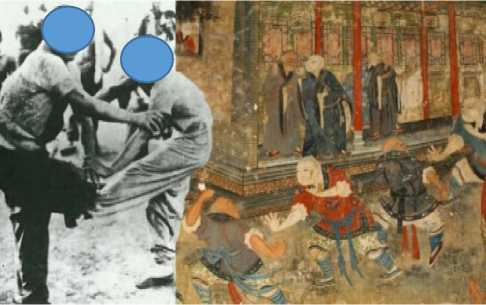
Currently, throughout the world, including in Russia, Serbia, the United States, and especially in Southeast Asia, the number of sports schools and clubs actively promoting martial arts and Sanda (judo, karate, sambo, freestyle and Greco-Roman wrestling, boxing, Kyokushin, etc.) among various segments of the population is growing (Zakharyeva, 2025). Sanda (ancient Chinese kickboxing), a widely known style of Chinese martial arts, can be defined as a martial art that combines elements of traditional Chinese boxing and modern martial arts, featuring elements of Quan Fa with full-contact combat techniques, realistic combat scenarios, and very strict training methods (Zhang, 2018). Sanda is a system that combines the art of practical and highly effective hand-to-hand combat ( 散打 ) and the practices of traditional wushu (kicking ( 踢腿 ) and punching ( 冲孔 , 冲孔 ), throws and grabs), modern selfdefense methods and elements of combat systems, where fighters, as in many other martial arts, divided into age and weight categories (Maslov, (n.d.). The technique and methodology of teaching oriental martial arts in the PRC has come a long way from ritual dances and theatrical performances to a method of effective protec-tion/self-defense/defense against attack and the achievement of spiritual perfection of the martial artist, achieving self-realization in martial arts (Maslov, (n.d.). At the same time, the style in which the fighters trained was not essential. The Sanda fighting technique itself included the most lethal possible techniques and movements, which honed to perfection and kept secret in various martial arts schools (Figure 1).
Figure 1. A leg grab technique traditionally used by Sanda martial artists since ancient China.
Over time, the study of martial arts in the PRC evolved into a sophisticated science that encompassed body and palm control, energy management, and internal strength. It combined the development of the body's physical qualities and functional reserves, physical and cognitive abilities, tactical thinking, and mind control. Over time, knowledge of combat and tactical training for athletes supplemented in martial arts schools with medical knowledge of acupuncture and Shuatsu massage, which involves altering a person's state through the application of acupuncture points. Over the course of many centuries of combat experience, which China forced to acquire due to historical events and wars, Sanda systematized and streamlined, developing into a system for training fighters and later encompassing the training of professional athletes practicing martial arts. Currently, national teams of various ages and sporting qualifications from China and the Russian Federation actively participate and win prizes in martial arts and Sanda competitions at European and Asian championships, world championships, and the World Youth Games. However, modern Sanda fighters, actively competing in the international arena, experience intense, and often extreme, physical exertion daily, as they are forced to compete in highly competitive environments. This necessitates scientific research to identify new, effective criteria for the selection of athletes based on the development of models characterizing the level of development of the athlete's morphofunctional state (Podrigalo et al, 2021; Norton, K Olds, 2001; Volodchenko, et al 2017). It has been established that for achieving success in long-term training in martial arts and Sanda, the following are important: technical, tactical, psychological, and physical preparation, belonging to a certain somatotype, and typological characteristics of the central nervous system: strength/weakness, the ability to differentiate inhibition, mobility, and balanced nervous processes (Martínez-Mireles, et al 2025). Most martial arts are characterized by speed-strength work with the presence of static tension, the competitive activity of athletes is carried out in the submaximal power zone, with a predominantly anaerobic/aerobic mode of work and high energy expenditure, when shifts in the work of the cardiorespiratory system reach maximum values, and there is an accumulation of lactic acid against the background of metabolic acidosis. Of particular importance for the development of the presented direction of scientific research are studies on the comparative analysis of the parameters of the morphofunctional state of highly qualified athletes practicing Sanda, from various ethnic groups and world martial arts schools (Podrigalo et al, 2021. Evaluation of a set of parameters of the morphofunctional state of highly qualified martial artists practicing Sanda, training in the world's leading martial arts schools -in China and Russia, will allow us to form a modern understanding of the standard of an athlete - a martial artist, which can serve as a reference point for coaches working with athletes - martial artists in various countries. The issue of creating useful models that distinguish elite Sanda martial artists based on morphofunctional status parameters, which will improve sports selection, remains unresolved.
The purpose of the study: to determine differences in the parameters of morpho-functional state and develop model characteristics of functional fitness for martial artists practicing Sanda from Russia and China.
Research objectives:
-
1. to conduct a comparative analysis of the parameters of morphofunctional state, vertical stability, and its changes when athletes adopt simulated poses in simulated combat conditions; and the physical qualities of highly skilled martial artists from Russia and China practicing Sanda.
-
2. to determine differences in the characteristics of general and specific performance and its changes in simulated combat conditions in athletes of European and Asian ethnic groups practicing Sanda at the advanced stage.
-
3. to develop model characteristics of physical fitness for highly skilled martial artists from Russia and China practicing Sanda, based on morphofunctional state data.
Methods and Study organization
Physiological testing conducted on 41 Sanda athletes from Russia and China. All athletes were highly qualified Sanda practitioners. At the time of testing, all athletes had no acute or exacerbated chronic illnesses. Their athletic qualifications ranged from first adult sports category to Master of Sports of Russia. The Chinese martial artists had high athletic qualifications according to the criteria of Chinese sports categories. They regularly participated in Sanda competitions at various levels, from regional to Russian, Chinese, and World Championships, where they were champions and prize-winners. The average age of the subjects was 20.56 ± 2.5 years, the average training experience was 12.9 ± 3.5 years, and the average training load was 18.1 ± 7.7 hours per week.
The athletes divided into two comparison groups based on ethnicity:
Group 1 (gr1) - n=26 martial artists from the Russian Federation; n=26 martial artists from the Russian Federation; average age: 19.44±2.11; average length of service in martial arts: 11.10±0.92; average training load: 15.75±2.26 (hours per week)
Group 2 (gr2) - n=15 - ethnically belonging to the Mongoloid race, average age: 20.13±1.87 years; length of service: 10.99±1.91 years; training load (hours per week): 17.53±8.47 hours.
Inclusion criteria for athletes in the testing group:
-
1. Athletes with high athletic achievements;
-
2. More than 10 years of experience in Sanda;
-
3. No history of acute respiratory illnesses or exacerbations of chronic diseases at the time of testing;
-
4. A level of athletic qualification of at least the first adult sports category.
Exclusion criteria for athletes from the testing group:
-
1. Athletes without high athletic achievements;
-
2. Less than 10 years of experience in Sanda;
-
3. Acute respiratory diseases or exacerbations of chronic diseases at the time of examination;
-
4. Athletic qualification level below 1 adult sports category;
-
5. Unwillingness of the athlete to undergo physiological testing.
The scientific experiment was conducted in the "Medical and Biological Support of National Sports Teams" laboratory of the Research Institute of Sport and Sports Medicine of the Russian University of Sport "GTSOLIFK" (Moscow) during the hours of physiological sympathicotonia from 8:50 AM to 12:10 PM at a room temperature of 21.0 ± 1.0 °C; air humidity no more than 57%, in compliance with the ethical medical and biological standards set forth in the Declaration of Helsinki and the Directives of the European Community. Athletes participated in the physiological experiment voluntarily and informed about the safety of the research, the absence of harm to health, and the possibility of infection.
The study conducted during the hours of physiological sympathicotonia: from 8:50 a.m. to 12:20 p.m. and included a number of methods for examining the state of human functional systems, tests assessing the morphofunctional state, physical performance, and physical qualities of martial artists.
The following methods were use in the study:
-
1. Sociological methods: the survey conducted in person: the health of martial artists, the nature and severity of musculoskeletal and central nervous system injuries, and the presence of chronic diseases examined; sports genetics taken into account - information was collected on the presence of sudden death syndrome in the family and attacks of angina during training and competitions; recovery methods after intense physical exertion and competitions studied; motivation for practicing martial arts; the psychological stability of athletes before
-
2. Anthropometric methods: 1. assessment of total body dimensions: body length (in cm) was carried out using a VEROL 20022 medical stadiometer; Body weight assessment (in-kg) - carried out using MEHELECTRON-M VET-60-20-1S-AB (300x400) floor scales, chest circumference (in cm) measured using a centimeter tape; 2. body and limb circumferences: chest circumference at rest (cm), on inhalation and exhalation (cm); head, waist, shoulder, forearm, thigh and lower leg circumferences measured using standard methods (in cm); 3. subcutaneous fat fold thickness under the shoulder blade, on the abdomen, on the back of the shoulder, thigh, forearm, thigh and lower leg surface (in mm) measured using a MEDCA-m caliper.
-
3. Psychophysiological testing conducted using the IVPS 2.1 computer program (Koryagina Yu.V., Nopin S.V. (2001-2003)). Athletes performed tests assessing reflex responses to biologically significant stimuli: light, sound, moving object, choice reaction time (ms), and individual minute time (s).
-
4. The psychomotor performance of martial artists was assessed using the "URA" Mental Performance Computer Test (Sonkin V.V., Sonkin V.D., Zaitseva V.P. (2009)), with increasing cognitive load and varying information delivery speeds. The test completed in three stages of increasing difficulty;
-
5. Wrist and deadlift dynamometry (wrist dynamometer - DMER-120 and deadlift dynamometer - DS-500 RF);
-
6. Tonometry (semi-automatic tonometer Microlife BP A50) with determination of systolic (SBP) and diastolic DBP arterial blood pressure and heart rate (HR), then indirect methods were used to calculate cardiac performance indicators: SBV (systolic blood volume (ml) according to the Starr formula: 90.97+0.54×PP-0.57×DBP-0.61× Age, where: pulse pressure (PP) = SBP-DBP; DBP- is diastolic pressure, age (in year); minute blood volume (MBV) (l/min) = SBV × HR
-
7. Pulmonary ventilation assessed using spirometry (electronic Spirometer Spiro S-100; Moscow, Intoks) and functional respiratory tests of Stange and Genchi;
-
8. Heart rate monitoring (Polar H10) during functional tests;
-
9. PWC170 (bicycle ergometric) is a 2-stage test with a submaximal load modified by V.L. Karpman (1978). Absolute PWC170 values calculated using the formula:
-
10. Flexibility - bench incline test (cm);
-
11. The study of coordination abilities conducted using the Stabilan-01-2 computerized stabilometer, manufactured by RITM Design Bureau, Taganrog. The following tests performed: 1. "Target" (two versions): 1.1. "Target" test performed in classic test with biofeedback and 1.2. "Target" test performed in a special imitation-imitative fighting stance; 2. "Stability in the Romberg pose" test on both legs and separately on the left and right legs with visual control and its limitation. To interpret the results, the integral and linear indicators of the stabilometric tests evaluated;
-
12. Tests for assessing special fitness adopted in martial arts:
competitions assessed; the level of aggression and stress resistance analyzed based on the athletes' subjective assessments.
PWC170=W1+ (W2-W1)*(170 -Heart rate1)/(Heart rate2-Heart rate1)
where: W1 - is the power of the first load (W or kgm/min), W2 - is the power of the second load (W or kgm/min), HR1 - is the heart rate at the end of the first load (bpm), HR2 - is the heart rate at the end of the second load (bpm).
Cooper test (12-minute smooth run in standardized track and field conditions); VO2 max calculated = (D12 - 504.9)/44.73, where D12 is the distance covered in meters during the 12-minute test.
-
1. Stepping over a one-meter zone, performing two side steps in 30 seconds (points);
-
2. Acrobatic sequence: long somersault + forward somersault from head and hands + backward somersault (points);
-
3. Shuttle run 3*10m (sec);
-
4. Sequence: Starting position – basic stance, forward somersault – from head and hands (through a bridge with an entry into the basic stance) – backward somersault, and return to the starting position (points).
-
13. Mathematical processing of the obtained data performed in Microsoft Excel and IBM SPSS Statistics
-
14. The nonparametric Mann-Whitney U-test used to calculate statistically significant indicators between independent samples.
Results of our own research
Forty-one highly skilled martial artists from Russia and China, who have successfully competed in Russian, Chinese, European, and World Championships and achieved high athletic results, participated in the physiological experiment. The anthropometric differences between the Sanda wrestlers from Russia and China presented in Table 1. No significant differences observed between the comparison groups for age, body length (cm), and body weight (kg). Therefore, the athletes compared based on their morphofunctional status and functional fitness.
Table 1. Anthropometric indicators of martial artists from the Russian Federation and Sanda fighters from China
|
Parameter |
Martial artists from the Russian Federation gr1 (n=26) |
Sanda fighters from China. gr2 (n=15) |
P - level |
||
|
M |
St.dev |
M |
St.dev |
||
|
Age (years) |
19,38 |
3,11 |
21,13 |
2,77 |
0,17 |
|
Body length (cm) |
177,14 |
11,32 |
181,00 |
6,67 |
0,32 |
|
Body weight (kg) |
75,43 |
16,61 |
76,20 |
11,78 |
0,90 |
|
Chest circumferenceat rest (cm) |
96,8 |
10,5 |
98,93 |
10,85 |
0,04* |
|
Chest circumference on inhalation (in cm) |
102,71 |
5,5 |
103,47 |
10,33 |
0,02* |
|
Chest circumference on exhalation (in cm) |
94,91 |
8,9 |
97,60 |
10,64 |
0,03* |
|
Chest excursion (cm) |
7,81 |
2,1 |
5,87 |
1,01 |
0,02* |
|
Head circumference (cm) |
55,2 |
4,2 |
58,73 |
2,46 |
0,05* |
|
Waist circumference (cm) |
63,63 |
10,23 |
80,00 |
9,55 |
0,04* |
|
Shoulder circumference (cm) |
45,79 |
13,00 |
35,67 |
7,52 |
0,05* |
|
Forearm circumference (cm) |
28,81 |
3,77 |
30,00 |
4,28 |
0,03* |
|
Hip circumference (cm) |
44,36 |
9,98 |
58,47 |
5,72 |
0,01* |
|
Calf circumference (cm) |
35,60 |
8,39 |
39,27 |
2,91 |
0,01* |
Note: * – statistically significant differences.
The results presented in Table 1, the average values of the "Body Length" indicator in martial artists from the Russian Federation and China slightly exceed the standards for healthy untrained young men aged 19-20 (176.5-176 cm), the average values of the "Body Length" indicator in martial artists from the Russian Federation and China slightly exceed the standards for healthy untrained young men aged 19-20 (176.5-176 cm). The values of the "Body Weight" (kg) indicator and the chest circumference indicators in martial artists from the Russian Federation and China exceed the standards for healthy untrained young men aged 19-20 (60-62.2 kg and 91-92.2 kg, respectively). The chest excursion (CE) (chest circumference on inhalation (cm) - chest circumference on exhalation (cm)) is significantly greater in Russian martial artists than in Chinese athletes. In both comparison groups, the EGC indicator is average (standards: <4 cm - low; 5-9 cm - average; 10 and > - high), however, in Russian athletes it is closer to high values. Characterizing body circumference measurements, it should be noted that the shoulder circumference measurements are significantly larger in Russian athletes (p < 0.05), while the circumference measurements of the forearm, waist, thigh and shin are larger in athletes from the PRC. A high degree of reliable differences established when comparing the girth measurements of the thigh and shin, priority noted for the development of the thigh and shin muscles in athletes from the PRC (p ≤ 0.01).Thus, an analysis of the anthropometric comparison between Russian and Chinese martial artists revealed that Russian athletes have superior shoulder muscle development, enabling them to excel in grappling, striking, and throwing moves involving the upper extremities. These strikes are particularly valuable in Sanda and awarded 2 points by the referee. Compared to Russian athletes, Chinese athletes have superior thigh and calf muscle development, enabling them to more effectively deliver kicks to the head and torso. Furthermore, Chinese Sanda fighters are more likely to effectively strike an opponent's thigh using kicking techniques than Russian athletes, which can be awarded 1 to 2 points by the referee.
The characteristics of maximum voluntary muscle force (MVMF) values and its changes during dynamic and static physical exercise performed by martial artists from China and Russia presented in Table 2.
Table 2 . Results of maximum voluntary muscle force and its changes during physical exercise performed by martial artists from Russia and China
|
Parameter |
Martial artists from the Russian Federation gr1 (n=26) |
Sanda fighters from China. gr2 (n=15) |
P - level |
||
|
Maximum voluntary muscle strength of the right arm (daN) |
52,24 |
9,61 |
49,14 |
7,96 |
0,02* |
|
Maximum voluntary muscle strength of the left arm (daN) |
50,47 |
9,26 |
46,59 |
8,11 |
0,05* |
|
Maximum voluntary muscle strength of the right arm after 30 seconds of squatting at maximum tempo (daN) |
53,26 |
9,42 |
48,13 |
9,46 |
0,03* |
|
Maximum voluntary muscle strength of the left arm after 30 seconds of squatting at maximum tempo (daN) |
50,68 |
10,70 |
45,93 |
9,34 |
0,02* |
|
Maximum voluntary muscle force of the right arm after 90 seconds of jumping at maximum tempo (daN) |
49,05 |
9,05 |
48,67 |
9,52 |
0,04* |
|
Maximum voluntary muscle force of the left arm after 90 seconds of jumping at maximum tempo (daN) |
48,99 |
5,08 |
46,63 |
9,47 |
0,05* |
|
Maximum voluntary muscle strength of the right arm after performing a static load - holding the corner with outstretched arms for 1 minute (daN) |
50,80 |
8,34 |
44,27 |
6,17 |
0,05* |
|
Maximum voluntary muscle strength of the left arm after performing a static load - holding the corner with outstretched arms for 1 minute (daN) |
49,82 |
7,35 |
40,60 |
6,08 |
0,05* |
|
The coefficient of strength endurance of the right hand after 3 loads |
0,98 |
0,08 |
0,92 |
0,20 |
0,05* |
|
The coefficient of strength endurance of the left arm after 3 loads |
0,94 |
0,10 |
0,91 |
0,19 |
0,05* |
Note: * – statistically significant differences.
A comparative analysis of the maximum voluntary muscle strength (MVMS) of the right and left hands revealed significant intergroup differences, both in assessing the initial MVMS of both hands and in assessing the MVMS and strength endurance coefficient during dynamic and static loads. When assessing the initial indicator (measured in a standing position with feet shoulder-width apart and arms extended to the sides), the MVMS of the right hand was higher in martial artists from the Ru-ssian Federation, with a high degree of significant difference (p < 0.02), while the MVMS of the left hand in group 1 had a lower degree of significance (p < 0.05). After performing the first dynamic load (30-second squats at maximum tempo), the group of athletes from the Russian Federation (gr1) showed an increase in the MVMS predominantly for the right hand, with no changes compared to the initial values for the left hand. In the group of athletes from China (gr2), after the first dynamic phy-sical load, a decrease in the MPSM of the hands of the right and left hands by an average of 1 daN was noted. The coefficient of strength endurance (CSE) for the right hand was higher in athletes from China, and for the left hand it was higher in Russians; a highly reliable difference was noted (p<0.02). After the second dynamic physical load, performed in the glycolysis zone (90 s jumps at maximum tempo), both groups of athletes reduced the CSE of both hands. The values of the CSE were higher in Sanda fighters from China. A highly reliable difference was noted for the right hand (p<0.02). After performing a static load in the form of holding a corner with outstretched arms in gr1, the CSE va- lues are very slightly reduced compared to the initial values of CSE for both hands. In Chinese Sanda wrestlers, measurements taken after static exercise showed significantly reduced MPSM values for both arms. The strength endurance coefficient after FN3 was higher in Russian athletes (p<0.05).
The analysis of the psychomotor performance of Russian martial artists and Chinese Sanda fighters conducted based on the athletes' psychophysiological tests using the computer program developed by Yu. V. Koryagina and S. V. Nopin (2001-2003). The results of the tests, reflecting the martial artists' ability to navigate in space and time, presented in Table 3.
Table 3. Psychophysiological indicators of martial artists from the Russian Federation and China
|
Parameter |
Martial artists from the Russian Federation gr1 (n=26) |
Sanda fighters from China gr2 (n=15) |
P - level |
||
|
M |
St.dev |
M |
St.dev |
||
|
Reaction to light (ms) |
221,74 |
12,69 |
237,68 |
18,90 |
0,02* |
|
Response to sound (ms) |
243,57 |
11,07 |
278,63 |
21,36 |
0,007* |
|
Reaction to a moving object (number of leading reactions) (ms) |
0,71 |
1,60 |
0,85 |
0,52 |
0,05* |
|
Reaction to a moving object (number of delayed reactions) (ms) |
0,29 |
1,38 |
1,24 |
0,46 |
0,008* |
|
Choice reaction - mean value (ms) |
326,17 |
13,19 |
297,26 |
17,10 |
0,01* |
|
Individual minutes (s) |
60518,71 |
707,94 |
62846,88 |
937,72 |
0,0001* |
Note: * – statistically significant differences.
Martial artists from the Russian Federation are statistically distinguished by a faster reaction in the "Reaction to Light" and "Reaction to Sound" tests compared to gr2 athletes with a high level of reliable differences (p < 0.007). Sanda fighters from Chine are distinguished by a higher number of leading and lagging errors in the "Reaction to a Moving Object" test (ms), which may negatively affect their motor accuracy when striking an opponent and performing movements during fights. We obtained the data on the performance of martial artists in the "Reaction to a Moving Object" test coincide with the data obtained in the studies of A.N. Bleer (2009)[11]. The ability to differentiated inhibition, determined by the results of the "Choice Reaction Time" test (ms) is better in Sanda fighters from the Russian Federation. The most informative psychophysiological test, in terms of identifying intergroup diffe- rences, is the "Individual Minute" test. It was found, that athletes from the Russian Federation (gr1) have almost perfect accuracy in the assessment of time (g1-g2 at p<0.0001), which indicates a high degree of development of their training.
The results of the third stage of the "Mental Performance" test for martial artists from Russia and China shown in Table 4.
Table 4. - Results of the "Mental Performance" tests (Sonkin V.V. 2009)
|
Parameter |
Martial artists from the Russian Federation gr1 (n=26) |
Sanda fighters from China. gr2 (n=15) |
P- level |
||
|
M |
St.dev |
M |
St.dev |
||
|
URA, stage 2, interval 2, number of errors |
1,00 |
0,82 |
0,13 |
0,35 |
0,02* |
|
URA, stage 2, interval 10, number of errors |
5,50 |
1,89 |
7,63 |
2,77 |
0,05* |
|
Execution speed, (ms) |
950,00 |
191,49 |
1125,00 |
103,51 |
0,06* |
Note: * – statistically significant differences.
When comparing the results of the Mental Performance test, a significant difference was found in the second stage, based on the results of the second test attempt, with the Chinese martial artists showing an advantage, indicating a more complete and rapid adaptation to the increasingly complex cognitive task. It should be noted that Russian martial artists demonstrated greater psychomotor performance based on the results of the final attempts of the second and third stages of the URA test (Table 4), possessing a greater ability to resist fatigue when solving cognitive tasks of increasing difficulty (p < 0.05). Russian martial artists noted a higher speed of completing test tasks as the cognitive load increased, while noting a high degree of reliability of these differences.
Analysis of the cardiorespiratory parameters of Chinese Sanda fighters and Russian martial artists revealed a number of intergroup differences in test parameters characterizing cardiac and respiratory performance. The results of pulmonary ventilation parameters for highly skilled Sanda martial artists from Russia and China presented in Table 5.
Table 5. - Pulmonary ventilation parameters for highly skilled Sanda martial artists from Russia and China, based on spirometry data
|
Parameter |
Martial artists from the Russian Federation gr1 (n=26) |
Sanda fighters from China. gr2 (n=15) |
P -level |
||
|
M |
St.dev |
M |
St.dev |
||
|
Tidal volume (ml) |
1162,24 |
209,65 |
1100,00 |
140,83 |
0,05* |
|
Inspiratory reserve volume (ml) |
2359,29 |
542,96 |
2076,87 |
792,04 |
0,01* |
|
Expiratory reserve volume (ml) |
1228,24 |
440,12 |
1461,07 |
283,29 |
0,02* |
|
Inspiratory capacity, (ml) |
3247,95 |
637,28 |
2974,73 |
836,41 |
0,02* |
|
Vital capacity of the lungs (ml) |
4284,48 |
767,86 |
4106,87 |
741,57 |
0,05* |
|
Maximum ventilation (L/min) |
132,94 |
16,64 |
123,04 |
6,54 |
0,03* |
|
Minute tidal volume (ml) |
744,76 |
45,9 |
652,67 |
55,42 |
0,04* |
|
Respiratory rate at rest per minute (breathing cycles per minute) |
9,5 |
1,6 |
9,20 |
1,26 |
0,2 |
Note: * – statistically significant differences.
According to the data presented in Table 5, statistically significant differences in pulmonary ventilation indices established for all the presented parameters, which reflects clear advantages of pulmonary ventilation development in Russian martial artists (gr1). The parameter "Maximum pulmonary ventilation" (l/min) (g1-g2, at p≤0.03) is especially valuable for assessing the state of respiratory reserves; MVL values directly correlate with the development of training and reflect the state of respiratory reserves. Russian martial artists note a longer breath-holding time in the Stange test (sec): gr1 - 96.18±18.98(sec); gr2 - 90.40±13.76(sec) with highly reliable differences (g1-g2, at p≤0.006) and a higher level of oxygen concentration decrease according to the SpO2 index (in%) after apnea: gr1 - 93.54±5.79(sec); gr2 - 97.93±1.10(s) (g1-g2, p≤0.009).
Our research has shown that at rest, Russian martial artists have higher saturation levels than Chinese athletes (g1-g2, p≤0.02). During functional breathing tests, athletes in the g1 group are able to withstand more pronounced hypoxia with lower levels of hypoxemia: the difference in SpO2 after apnea in the Stange test between the g2 and g1 comparison groups was 4.38%, with statistically significant differences (g1-g2; p<0.009).
The results of cardiovascular performance indicators presented in Table 6.
Table 6. - Cardiovascular indicators in highly skilled martial artists practicing Sanda from the Russian Federation and China
|
Parameter |
Martial artists from the Russian Federation gr1 (n=26) |
Sanda fighters from China. gr2 (n=15) |
P - level |
||
|
M |
St.dev |
M |
St.dev |
||
|
Heart rate (resting) (beats per minute) |
72,43 |
13,10 |
68,07 |
5,11 |
0,17 |
|
Systolic blood pressure (at rest, sitting), (mmHg) |
134,29 |
7,76 |
124,87 |
7,46 |
0,01* |
|
Diastolic blood pressure (resting, sitting) (mmHg) |
66,86 |
8,07 |
74,33 |
4,65 |
0,01* |
|
Systolic blood volume (at rest), (ml) |
83,42 |
7,71 |
69,52 |
4,65 |
0,0001* |
|
Minute blood volume (at rest), (ml) |
6069,81 |
800,41 |
4720,46 |
332,70 |
0,0001* |
|
Pulse pressure (mmHg) |
67,43 |
8,56 |
50,53 |
8,18 |
0,0001* |
|
Mean hemodynamic pressure (mmHg) |
83,87 |
34,45 |
96,06 |
4,46 |
0,18 |
|
SpO2 at rest (%) |
98,58 |
3,61 |
98,27 |
0,80 |
0,91 |
|
Endurance coefficient (conventional units) |
11,12 |
1,1 |
13,96 |
1,7 |
0,01* |
Note: * – statistically significant differences.
The table 6 presents the data a high degree of reliable differences revealed, when comparing the results of the indicators Systolic blood volume (ml), Minute blood volume (ml) and pulse pressure (mmHg) (g1-g2, at p <0.0001), which is a sign of adaptive restructuring of the myocardium with an increase in the reserve of the pumping function of the heart under the influence of a high level of training. The values of the endurance coefficient (conventional units), calculated using the Kvaas formula, emphasize a decrease in the average value of the endurance coefficient noted among Russian martial artists, which indicates the development of fatigue during the performance of systematic intense physical activity; the value of the endurance coefficient (conventional units) among athletes from China corresponds to the norm (12-16 conventional units). One athlete from China (gr2) showed a significant increase in the value of the Endurance Coefficient - 23.75 conventional units, which is a sign of significant myocardial stress under conditions of developing tissue myocardial hypoxia and requires an in-depth medical examination. According to the analysis of individual Endurance Coefficient data, 33.3% (5 individuals) of Chinese Sanda fighters and 50% (13 individuals) of Russian martial artists showed a decrease in the endurance coefficient in the range from 8.53 to 11.12 conventional units, indicating the development of fatigue after intense physical activity and requiring an individualized approach by the coach to prescribing physical activity during training and systematic monitoring of the cardiovascular system by sports physicians throughout the training process.
To assess the development of coordination abilities, martial artists from both comparison groups performed the “Target” test in an imitation of a classical fighting stance (Table 7; Figures 1–3).
Figures 1–3. A martial artist performing the "Target" test in a classical fighting stance
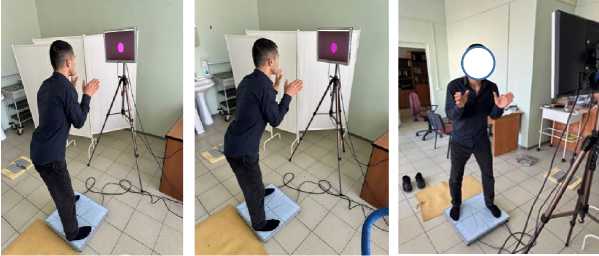
Table 7 . - Stabilographic indices of highly skilled martial artists from Russia and China performing the "Target" test in a simulated classical fighting stance. Visual control.
|
Parameter |
Martial artists from the Russian Federation gr1 (n=26) |
Sanda fighters from China. gr2 (n=15) |
P - level |
||
|
M |
St.dev |
M |
St.dev |
||
|
Frontal spread Q(x), (mm) |
1,88 |
0,59 |
2,76 |
0,54 |
0,01* |
|
Sagittal scatter Q(y), (mm) |
2,32 |
0,48 |
2,66 |
0,81 |
0,379 |
|
Average spread R, (mm) |
2,88 |
0,73 |
4,31 |
1,44 |
0,04* |
|
Average speed of movement of the center of pressure V, (mm/s) |
7,93 |
1,49 |
11,73 |
1,45 |
0,001* |
|
Rate of change of statokinesiogram area SV, (sq. mm/s) |
12,07 |
2,07 |
13,05 |
2,15 |
0,421 |
|
Ellipse area EllS, (mm2) |
74,09 |
4,63 |
72,95 |
2,33 |
0,598 |
|
EllE compression ratio |
1,42 |
0,35 |
1,78 |
0,37 |
0,09* |
|
Length of the trajectory of the center pressure along the front, LX, (mm) |
105,36 |
113,37 |
2,27 |
0,0001 * |
|
|
Length of the trajectory of the center of pressure along the sagittal, LY, (mm) |
109,87 |
3,36 |
117,30 |
7,01 |
0,02* |
|
Quality of the equilibrium function, (%) |
86,61 |
5,14 |
81,39 |
2,87 |
0,04* |
Note: * – statistically significant differences.
As can be seen from Table 7, reliable differences in the comparison groups were established for "Average spread of R, mm"; "Length of the trajectory of the Center of Pressure along the sagittal, LY, mm" and "Quality of the equilibrium function, %". The maximum degree of reliability of differences was established when comparing the values of the indicators "Length of the trajectory of the Center of Pressure along the frontal, LX, mm" (g1 - g2; at p < 0.0001) and "Average speed of movement of the Center of Pressure V, mm/sec" (g1 - g2; at p < 0.001).
Thus, among the battery of stabilometric tests (Target, Romberg Stability, visual control, and visual limitation, performed in classical stances), the Target test, performed in a "simulated classical fighting stance" with visual control, was particularly valuable for identifying intergroup differences. This allowed us to identify advantages in the static characteristics of vestibular functions in Russian Gr1 martial artists.
Aerobic endurance indicators for athletes from the Russian Federation and Sanda fighters from the People's Republic of China obtained using the Kenneth Cooper test. The results of the Kenneth Cooper test for martial artists from the Russian Federation and the People's Republic of China presented in Table 8.
Table 8. Results of the Kenneth Cooper test for martial artists from the Russian Federation and the People's Republic of China
|
Parameter |
Martial artists from the Russian Federation gr1 (n=26) |
Sanda fighters from China. gr2 (n=15) |
P -level |
||
|
M |
St.dev |
M |
St.dev |
||
|
Distance in the Cooper test (m) |
42000 |
380,01 |
3070,00 |
270,19 |
0,05* |
|
Maximum oxygen consumption (l/min) |
4,18 |
0,56 |
3,42 |
1,54 |
0,34 |
|
rel Maximum oxygen consumption (l/min/kg) |
58,18 |
8,43 |
51,61 |
2,21 |
0,05* |
Note: * – statistically significant differences.
As Table 9 shows, Russian athletes have superior aerobic capacity compared to Chinese Sanda fighters, as reflected by the distance covered by the athletes in the Cooper test (m) (gr1 - gr2; p < 0.05). Using the formula adopted in sports physiology, absolute maximum oxygen consumption (MOQ) and relative maximum oxygen consumption (ROQ) calculated. Relative maximum oxygen consumption (ROQ) values significantly differed between the comparison groups (g1 - g2; p < 0.05).
A comparative analysis of the development of specialized endurance in martial artists from the Russian Federation and China conducted using the results of tests traditionally used in martial arts to assess specialized fitness (Table 10).
Table 10. Results of specialized fitness tests performed by martial artists from the Russian Federation and China.
|
Parameter |
Martial artists from the Russian Federation gr1 (n=26) |
Sanda fighters from China. gr2 (n=15) |
P - level |
||
|
M |
St.dev |
M |
St.dev |
||
|
Stepping over a one-meter zone, performing 2 side steps in 30 seconds (points) |
4,81 |
0,53 |
4,41 |
0,55 |
0,04* |
|
Acrobatic combination: long somersault + forward somersault from head and hands + back somersault (points) |
4,38 |
0,52 |
4,82 |
0,45 |
0,05* |
|
Shuttle run 3*10m (sec) |
6,38 |
0,24 |
7,38 |
0,26 |
0,004* |
|
Connection: starting position -basic stance, forward somersault - from the head and hands (through the bridge with getting up to the basic stance) -backward somersault, return to the starting position (points) |
9,5 |
0,27 |
8,40 |
2,19 |
0,05* |
Note: * – statistically significant differences.
As evidenced by the test results, Russian martial artists performed better in most tests assessing athletes' specialized performance. These tests include: 1. Stepping over a meter-long zone, performing two side steps in 30 seconds; 2. Shuttle run 3*10m (seconds); 3. In the test, the combination: I.P. - O.S., forward roll - head and hands (through a bridge with an initial landing in O.S.) - backward roll, I.P. (points), which highlights the superior development of specialized endurance in Gr1 athletes. It has been established that martial artists from the Russian Federation have better development of aerobic endurance and special endurance, which, together with the high development of muscle strength in the upper limbs, a high level of development of psychomotor performance and motor precision in reactions to biologically significant stimuli and moving stimuli, and large reserves of the cardiorespiratory system, determines their success in the international arena.
According to scientific research professor S.E. Tabakov (2009 -2025), it is necessary to analyze the parameters of the morphofunctional state that determine the state of the muscular apparatus of the upper limb girdle and the performance of the cardiovascular system that adequately ensures the work of this apparatus.
Model characteristics of the functional fitness of athletes - highly qualified martial artists from the Russian Federation and China practicing Sanda are the indicators of aerobic fitness and muscle strength of the upper limbs. The established range of values for aerobic fitness: relative PWC170: 22.0 - 24.50 (kg / m / min / kg); aerobic endurance in the K. Cooper test: 3070 - 4200 (m); the indicator of relative. Maximum oxygen consumption PC: 51.61 - 58.18 (ml / min / kg); Maximum voluntary hand muscle strength: 49.14–68.67±10.67 kg, which can serve as a benchmark for the focus of physical training for highly skilled elite martial artists. Model characteristics of elite martial artists from the Russian Federation and China (range of aerobic performance parameter values) presented in Table 11.
Table 11. Model characteristics of elite martial artists from the Russian Federation and China (range of values of aerobic performance parameters and upper limb muscle strength).
|
Parameter |
Martial artists from the Russian Federation gr1 (n=26) |
Sanda fighters from China gr2 (n=15) |
р - level |
||
|
M |
St.dev |
M |
St.dev |
||
|
Distance in the Cooper test (m) |
42000 |
380,01 |
3070,00 |
270,19 |
0,05 |
|
relative Maximum oxygen consumption (l/min/kg) |
58,18 |
8,43 |
51,61 |
2,21 |
0,05 |
|
relative PWC 170 , (kgm/min/kg) |
22,66 |
0,26 |
24,51 |
0,41 |
0,36 |
|
Maximum voluntary muscle strength of the right arm (daN) |
52,24 |
9,61 |
49,14 |
7,96 |
0,02* |
|
Maximum voluntary muscle strength of the left arm daN |
50,47 |
9,26 |
46,59 |
8,11 |
0,05* |
|
Maximum voluntary muscle force of the right arm after 30 seconds of squatting at maximum tempo (daN) |
53,26 |
9,42 |
48,13 |
9,46 |
0,03* |
|
Maximum voluntary muscle force of the left arm after 30 seconds of squatting at maximum tempo (daN) |
50,68 |
10,70 |
45,93 |
9,34 |
0,02* |
Note: * – statistically significant differences.
The established range of aerobic fitness values can serve as a guideline for the focus of physical training for elite, highly skilled martial artists in both the People's Republic of China and Russia.
Discussion of Research Results
In modern scientific literature, there are studies on the comparative analysis of the functional state parameters of athletes practicing martial arts (James, et al., 2016; Plush, et al. 2021; Marinho, et al. 2016; Maling Shaolin Kung Fu Academy. (n.d.)). However, there is a clear lack of studies that have conducted a comparative analysis of the morphofunctional status parameters and functional fitness of highly qualified athletes training at leading global Sanda schools.This study presents a comparative analysis of the parameters of morphofunctional state, physical qualities, and functional fitness in highly skilled athletes, including elite athletes-World Champions, and Russian and Chinese champions-practicing Sanda. Differences in morphofunctional status, physical performance, the degree of respiratory muscle development and muscle hypertrophy in the limbs, psychophysiological characteristics of the speed and accuracy of reflex reactions reflecting the martial artists' spatial and temporal orientation, and mental, physical, aerobic, and mental performance identified among the identified differences in anthropometric parameters. Among the identified differences in anthropometric parameters, it is worth noting the differences in the priority given to the development of individual muscle fiber groups in the limbs of martial artists belonging to various global Sanda schools. Athletes from the Russian Federation distinguished by: the development of myofibrillar hypertrophy in the upper limb muscles, high chest excursion, a high level of maximum voluntary strength in the upper limb muscles, high precision and speed of response to stimuli in response to light and moving objects, a high ability to resist fatigue when solving cognitive tasks of increasing complexity, and a high level of coordination, indicating a high level of sensory and central reflex development. These advantages enable Russian athletes to perform high-quality grabs, strikes, and throws, which involve the muscles of the upper limbs. Such strikes are especially valuable in Sanda and are worth 2 points by the referee. Compared to Russian athletes, Chinese athletes have stronger thigh and calf muscles, enabling them to more effectively deliver kicks to the head and body, as well as kicks to the opponent's thigh using kicking techniques, than Russian athletes. The referee can be assessed this by with 1 to 2 points. Among the psychophysiological tests, the following tests are particularly noteworthy: "Reaction to Sound" (ms), "Reaction to a Moving Object" (ms), especially the "Number of Leading and Delayed Errors" parameters, and the results of the "Individual Minute" test (s).We recommend using such tests for the selection of martial artists for national teams. As Professors A.N. Bleer and V.V. Shiyan have shown based on their long-term studies of martial artists, martial artists who place first and in prizes in Sanda competitions do not exhibit leading errors when monitoring their RDO test results before competitions (Bleer, 2006). The most informative test for assessing the coordination abilities of martial artists based on stabilometric testing data is the Target test, performed by athletes in a classic imitation-mimicking fighting stance. The Target and Romberg stability tests, which rely on visual control and its limitations, performed in classic stances, are not informative for identifying highly skilled martial artists who are successful in Sanda competitions held with athletes from various world schools. Russian martial artists report "excellent" results in the Kenneth Cooper test, demonstrating highly developed aerobic abilities. Among the tests characterizing the specialized performance of martial artists, the Shuttle Run (3 x 10 m (sec)) is the most informative, demonstrating the highest degree of reliable differences. In these tests, Russian athletes outperform Chinese Sanda wrestlers. These characteristics of morphofunctional development and functional fitness enable Russian martial artists to achieve high prizes in international competitions. To develop model characteristics of the physical fitness of highly skilled Russian and Chinese martial artists practicing Sanda, morphofunctional data used, determining the condition of the upper extremity girdle muscles and the performance of the cardiovascular system, which adequately supports this system (S.E. Tabakov (2009)). The focal points of the model characteristics of the functional fitness of martial artists were indicators of aerobic fitness and upper limb muscle strength. The identified range of aerobic endurance and maximum voluntary hand muscle strength develop-ment can serve as a benchmark for the physical training focus of elite, highly skilled martial artists from various global Sanda schools.
Conclusions
-
1. The functional fitness model characteristics of highly skilled Russian and Chinese martial artists practicing Sanda should be within the following ranges:
-
- aerobic fitness values: relative PWC170: 22.0 - 24.50 (kg/m/min/kg); - aerobic endurance values in the K. Cooper test: 4200 - 3070 (m); - relative VO2 max values: 58.18 - 51.61 (ml /min/kg);
-
- maximum voluntary hand muscle strength values: 49.14 - 68.67 ± 10.67 kg;
-
- strength endurance coefficient values: 1.0 ± 0.23; maximum voluntary deadlift values: 126.80 - 160.76 kg.
-
2. When assessing the level of development of coordination abilities in Sanda at the stage of athletic excellence, special attention paid to the stabilometric test "Target", ca-rried out in an imitation pose - a classic fighting stance, which allows for a quick and effective determination of the level of development of coordination abilities under the influence of intense physical activity.
-
3. Significant importance for the ongoing monitoring of the morphofunctional state of elite martial artists from the Russian Federation and China given to studying the strength characteristics of the upper limb muscles at rest and during physical activity, based on the results of dynamometry with an assessment of the strength endurance coefficient.
-
4. According to stabilometric tests characterizing the development of coordination abilities, performed by athletes in imitation of classical fighting stances, highly qualified martial artists from the Russian Federation outperform athletes from the People's Republic of China, which determines the advantages in the development of agility and allows athletes from Russia to take prizes at world championships.
-
5. During the physiological testing, reliable differences were established in anthropometric parameters and parameters of the cardiorespiratory, central nervous, and muscular systems; psychomotor performance; the level of development of aerobic and special endurance and maximum voluntary muscle strength of the upper limbs in martial artists from China and the Russian Federation. This reflected in the priority development of maximum voluntary muscle strength of the hands, higher values of the physiological parameters Maximum Oxygen Consumption, Maximum Pulmonary Ventilation, a greater distance in the K. Cooper test, a more responsive response to biologically significant stimuli, and a high level of development of aerobic and special endurance in martial artists from the Russian Federation compared to athletes from China.
Conformity of martial artists to the model characteristics of functional fitness will contribute to the improvement of technical and tactical skills, can serve as selection criteria for national teams and will allow martial artists to be successful in competitions, which is relevant for both the Russian Federation and the People's Republic of China.
