
Perceptions of Climate Change in Local Arctic Communities: An Analysis of Subjective Assessments and Meteorological Observations
Journal: Arctic and North @arctic-and-north
Section: Northern and arctic societies
Article in issue: 63, 2026.
Free access
Studying the population’s perceptions of climate change is an important component of solving the problem of identifying effective measures for adapting to ongoing processes. In the regions of the Russian Arctic, which are significantly affected by climate transformations, this aspect has not been sufficiently studied. The aim of this article is to identify the features of the subjective perception of climate change by the population of local Arctic territories. The object of the study is the population of the municipal settlement “Pinezhskoe” of the Pinezhskiy Municipal District of the Arkhangelsk Oblast. The main research method was a large-scale standardized public survey conducted in 2023. The authors compared the results of the sociological survey with actual meteorological observation data from the Pinega weather station. The study revealed a fairly high degree of correspondence between the population’s subjective perception of climate change and such climatic trends as a more intensive temperature rise in winter compared to summer, an extension of the off-season periods, and an increase in the frequency of wind gusts. The population also notes sharp temperature fluctuations during the winter, the occurrence of heatwaves in summer, thaws in winter and frosts in summer, which was confirmed by an analysis of actual meteorological data. The following feature of the subjective perception of climate change has been identified: the population is less likely to observe natural processes and phenomena, indicating climate change, and is more likely to feel the specific consequences that affect their human activities and social well-being. Climate change has the greatest impact on the health of the population, the comfort of living in the region during the off-season, and the possibility of ensuring traditional natural resources use. The obtained results can be used to improve regional climate change adaptation plans based on new local knowledge.
Short address: https://sciup.org/148334008
IDS: 148334008 | UDC: [316.4+364.2+551.582.1](985)(045) | DOI: 10.37482/issn2221-2698.2026.63.302
Text of the scientific article Perceptions of Climate Change in Local Arctic Communities: An Analysis of Subjective Assessments and Meteorological Observations
DOI:
Climate change is one of the driving forces influencing modern socio-economic development. The Arctic is characterized by a higher rate of climate and environmental quality changes. In social terms, this means more rapid changes in living conditions and the quality of life for the population, the emergence of health risks, and social imbalance. The high degree of the economy’s dependence on the territory and resources, coupled with the uneven development of the region, makes the Arctic population more vulnerable to environmental changes. Assessing the vulnerability of specific population groups, forecasting social consequences, and developing reliable adaptation strategies to enhance the resilience of Arctic communities necessitate the search for new approaches to studying the impact of climate change on the development of Arctic territories.
Assessing and forecasting the consequences of climate change in the Arctic are closely linked to analyzing public perceptions of this issue. Research of public opinion on climate change provides an opportunity to expand knowledge of the interrelationship between natural and social processes, and enables the state and the population to be better prepared for the transformations taking place and to improve the adaptation strategies and plans implemented at the state level (Ryabova, Klyuchnikova, Borovichev et al., 2024; Huntington, Callaghan, Fox et al., 2004). The importance of subjective perceptions of climate change for the management process is due to the possibility of taking into account the comfort of living in the territory and analyzing individual behavioral strategies. The so-called “traditional knowledge” (or “popular monitoring”) regarding the ongoing social, economic, environmental, and biological changes are informative, deep, and accurate in relation to local territories (Kasten, 2021; Savo, Lepofsky, Benner et al., 2016).. The accumulated traditional knowledge of the indigenous peoples of the North is of greatest value in this regard (Bogoslovskaya, 2015). Despite the wide range of possibilities offered by local knowledge of climate change processes in the area of residence, its use for scientific research requires rigorous verification (Reyes-García, Fernandez-Llamazares Onrubia, Garcia-del-Amo, 2020).
The hypothesis of this study is based on the assumption that there is a correspondence between the subjective perceptions of climate change processes by the indigenous populations of the Arctic and the observed climate trends.
The aim of the study is to identify the characteristics of the subjective perception of climate change by the population of local Arctic territories.
The novelty lies in expanding scientific knowledge about the problem of climate change in local territories of the Russian Arctic by assessing the population’s perception of climate change trends and consequences and analyzing actual data characterizing these processes.
Analysis of public perceptions of climate change in the Russian and international Arctic
The social aspects of climate change are a relatively new field of scientific research. Researchers primarily focus on analyzing people’s attitudes and perceptions toward climate change, risk perception, and the search for effective adaptation strategies (Andreenkova, 2021; Makarov, 2013). Currently, one of the largest projects in this field is the Peoples’ Climate Vote, implemented with the support of the UN and involving approximately 73,000 people from 77 countries. According to the 2021 report, 65% of respondents over the age of 18 from G20 countries recognized climate change as a global emergency 1. Among the key topics for 2024 was research into how climate change impacts people’s daily lives 2. The studies emphasize the importance of climate research at regional and local levels, which allows for the examination of local conditions, factors, risks, prevailing ideologies, and local demographic characteristics of climate change perception (Adger, Barnett, Brown et al., 2013) and their consideration when developing local management decisions to adapt the population, the environment, and the economy to climate change (Howe, Mildenberger, Marlon, 2014).
An analysis of cross-country comparisons of sociological research results reveals ambiguous public attitudes toward the problem of climate change. A large-scale sociological study (the European Social Survey) conducted in 2016 in Russia and most Western European countries, including Arctic states such as Sweden, Norway, Finland, and Iceland, placed the Russian Federation among countries with low levels of public awareness of the problem of global climate change. Russia is also characterized by a low level of concern regarding climate change and its consequences. Moreover, Russians have a lower sense of personal responsibility in the fight against climate change (Kurbanov, Prokhoda, 2019). One of the reasons for this perception is the current socio-economic processes, against the backdrop of which the issue of climate change is not considered the most pressing.
There are few studies examining public perceptions of climate change in the Russian Arctic, which emphasizes the relevance of researching this issue. A large-scale interdisciplinary project to assess the population’s awareness of climate change and readiness to adapt was implemented in the Republic of Yakutia (Sakha) from 2012 to 2017 (Anisimov, Zhiltsova, Zhegusov, 2017).. The authors of the study compared the results of sociological surveys in which respondents were asked to assess changes in climate indicators (temperature and precipitation patterns, duration of seasons, the likelihood of emergency situations and their impact on personal well-being) with objective meteorological observation data. Among the key signs of climate change, residents of Yakutia note warming and sharp temperature fluctuations in winter, shorter winter periods, longer offseason periods, temperature fluctuations in summer, increase in wind strength and changes in wind direction, increased snow cover, and reduced ice coverage on rivers. According to respondents, climate change causes socio-economic problems such as increased incidence of slippery surfaces, deterioration of traditional storage conditions for fish and meat during winter, higher level of morbidity during periods of temperature fluctuations, and reduced supply of food and non-food goods to remote settlements. A comparison of subjective climate perception data and meteorological observations revealed that actual climate change trends are not always accurately reflected in the public consciousness. Short-term climate anomalies, which do not significantly influence climate trends, contribute to distorted perceptions. Such conclusions regarding the perception of the consequences of climate change are confirmed by the results of earlier studies on the rural population of the Republic of Sakha (Yakutia) (Vinokurova, 2011). The thawing of permafrost, more frequent flooding, strong winds, changes in seasonal temperature patterns and fires are perceived not only as a threat to the traditional way of life, but also as a threat to personal worldview. According to the rural population, a major problem is caused by the thawing of the ground, which leads to the accumulation of water in areas around houses, the subsidence of house foundations, and the destruction of buildings (Svinoboev, Neustroeva, 2017). The subjective reaction to the ongoing natural and climatic changes is growing social tension and migration of the population from rural areas.
Rising temperatures, sharp fluctuations in winter, an increase in cloudy days, and a decrease in summer temperatures are noted by the population of large cities in the Komi Republic (Syktyvkar, Vorkuta) (Shcherbakova, 2019). The consequences of climate change, according to the population, include increased incidence of icy roads and the associated increased injury rate, an increase in respiratory diseases, increased blood pressure, and a deterioration in general wellbeing during winter, as well as an increase in insects in summer, the spread of which leads to the development of various infectious diseases. Every third respondent is concerned about the problem of an increase in diseases caused by climate change. Particular concern is caused by the thawing of permafrost and the associated potential destruction of buildings and transport infrastructure. The perception of climate change in the Komi Republic is confirmed by a number of meteorological and sanitary-epidemiological observations: the northward shift of the permafrost boundary, an increase in annual precipitation, a rise in tick bites, and the spread of other infections.
A survey of the Murmansk Oblast residents conducted in 2018–2020 using in-depth semistructured interviews also revealed that the population has observed climate change processes over the past 30 years, the key ones being rising winter temperatures, increased natural hazards (wind, ice, storms), weather variability, and increase in the length of the off-season (Ryabova, Klyuchnikova, Borovichev et al., 2024). Subjective assessments of climate change generally align with objective meteorological data. One aspect of the study was the change in biodiversity as perceived by the population. The main trends in biodiversity change within the Murmansk Oblast are linked to the emergence of new species or an increase in the number of fungi, a decline in the quality and quantity of fish in water bodies, and the emergence of new plant pathogens. These
NORTHERN AND ARCTIC SOCIETIES
Anna A. Provorova, Olga V. Gubina. Perceptions of Climate Change … observations are consistent with the results of scientific research and are of great importance for assessing the level of provision of the population of the Arctic region with high-quality nutrition, as well as for analyzing current agricultural conditions.
Researchers’ particular attention in assessing climate change is drawn to the indigenous small-numbered peoples of the North (ISPN), as environmental change threatens their livelihoods and unique cultures. The scientific value of “traditional knowledge” regarding the dynamics of the natural environment lies in the wide range of observers and the broad spectrum of indicators of the processes being observed (weather characteristics, ice conditions, the state of the coastline, and the distribution of plant and animal species). What researchers diagnose during individual expeditions is observed by local communities continuously, over the course of many generations. “Popular monitoring” provides information on local areas outside the scope of permanent scientific observation (Borovichev, Vronskiy, 2020). The indigenous population’s in-depth knowledge of their land enables them to perceive and describe changes in the external environment more quickly.
The large-scale international project SIKU (Sea Ice Knowledge and Use), implemented in 2007–2008, involved the study of traditional ecological knowledge of the indigenous peoples of the North living in Alaska, Canada, Greenland, and Russia (Chukotka Autonomous Okrug) (Bogoslovskaya, Krupnik, 2013). During the project’s implementation in Chukotka, a large dataset was collected comprising local observations of sea ice conditions, weather patterns, the state of the tundra surface, and the species composition of flora and fauna, indicating rapid warming in high-latitude regions. Among other “popular monitoring” projects, it is worth mentioning the “Indigenous Peoples of the North and Climate Change: From Data Collection to Real Adaptation Plans”, implemented in 2010–2012 with the participation of the population of Yakutia, Kamchatka Krai and the Chukotka Autonomous Okrug, during which local residents were engaged in observing and recording weather phenomena in areas outside the field of view of specialists (Bogoslovskaya, 2015). These studies have scientific, methodological and practical continuation in other regions. The international project “Traditional Knowledge of the Indigenous Population, Documentation of Traditional Nature Management Resources and Development of the Potential of Local Public Organizations”, the goal of which was to involve the local population in monitoring and subsequent participation in the management of biodiversity of the territories, was tested in the Murmansk Oblast and the Komi Republic in 2016-2017 and is currently being implemented in several districts of the Republic of Sakha (Yakutia) (Borovichev, Vronsky, 2020).
At the same time, it is important to understand that the subjective perception of climate change may differ from observed climate processes. The results of a 2010 survey of the indigenous population of Vaygach Island on the perception of climate change turned out to be different from the observed temperature trends (Davydov, Mikhailova, 2013). A marker of climate change for the indigenous peoples of the North is the transformation of the conditions of traditional economic management. Surveys of indigenous peoples of the Nenets Autonomous Okrug in 2014, 2015, and 2017 using the focus group method identified the factors negatively affecting reindeer herding,
NORTHERN AND ARCTIC SOCIETIES
Anna A. Provorova, Olga V. Gubina. Perceptions of Climate Change … fishing, hunting, and wild plant gathering. Thus, changes in the tundra vegetation cover, temperature fluctuations in winter, and disruption of ice-cover periods lead to limited availability of food, which affects the reindeer population. The decline of bird populations, the primary prey for hunters, and changes in their migration routes make hunting, as a traditional form of natural resource use, unproductive. The decline in the number of valuable fish species and the spread of “trash” species, as well as the shortening of fishing seasons due to unstable temperatures, also complicate fishing. It is important to note that products from traditional nature management constitute the basis of the diet of residents and are a key factor in maintaining health (Mikhailova, 2018).
In the international scientific literature, particular attention is paid to residents of indigenous communities in Arctic territories as the most vulnerable groups, due to their lifestyle and economic activities in close contact with nature3. Research focuses on assessing the extent to which indigenous people are confident that climate change is actually occurring, as well as on evaluating the level of risk of climate change impacts in their specific place of residence. The main approach is based on the understanding that indigenous people possess traditional ecological knowledge (Huntington, Callaghan, Fox, 2004), which determines their way of life and livelihoods and enables them to be perceptive observers of the environment and its changes (Rosales, Chapman, 2015).
Considering the reliability of local traditional ecological knowledge, social surveys of Inuit on Labrador Island (Canada) identified so-called "entry points" for decision-making that contribute to maintaining their health and well-being in the face of climate change (Sawatzky, Cunsolo, Shi-wak et al., 2021). Components of health surveillance systems that allow for the impact of climate change on the health of populations in the circumpolar North were identified (Sawatzky, Cunsolo, Jones-Bitton et al., 2018). In the study (Tran, Divine, Heffner, 2020), the local nature of local community knowledge about the relationship between climate and coastal erosion on the Alaskan coast and its impact on the ecological state of territories, culture, and livelihoods was revealed through semi-structured interviews and focus groups. Weatherhead E. et al., studying the views of the Inuit of Nunavut (Canada), found that the weather is becoming more unstable and difficult to predict, which imposes restrictions on traditional activities (Weatherhead, Gearheard, Barr, 2010). The traditional economy of the indigenous population is threatened by reduced berry yields, insect abundance, peat melting and freezing, and changes in ice conditions. This was discovered during surveys of the population of Arctic communities in Savukoski (Finland) and Jokkmokk (Sweden) (Eilola, Horstkotte, Forbes et al., 2024). The main consequences, according to the population of the Russian and foreign Arctic, are the deterioration of infrastructure due to permafrost thawing, coastal erosion, and sea level rise (Ford, Pearce, Canosa et al., 2021).
In conclusion of our review of the scientific literature, we would like to state that the use of public opinion surveys is a valuable tool for assessing the socio-economic impacts of climate change, both in Russia and abroad. At the same time, we note that this method has not yet become widely adopted in research on this issue in Russia, which, in turn, does not contribute to an adequate level of public involvement in the process of developing plans for adaptation to climate change.
Materials and methods
The key research method was a large-scale standardized sociological survey of the population of the municipal settlement “Pinezhskoe” (since 2024, the Pinezhskiy Territorial Department) of the Pinezhskiy Municipal District of the Arkhangelsk Oblast, conducted in 2023. The total population of the study area as of January 1, 2023, was 3,357 people 4. The main economic activities are logging, wood processing, cattle breeding, potato growing, food processing, education, culture, and tourism. According to the Federal Law, the entire territory of the Pinezhskiy Municipal District, including its settlements, is classified as part of the Arctic Zone of the Russian Federation 5.
The sample comprised 370 people aged 18 and over, with a maximum margin of error of 5%. The majority of respondents (83%) live in the village of Pinega, while the rest live in nearby settlements (the villages of Tsimola, Voepala, Taiga and Krasny Bor). The survey results were analyzed using IBM SPSS Statistics (Ver. 22) with descriptive statistical methods. The overwhelming majority (95%) of the surveyed population have lived in their villages for more than 10 years, which enhances the reliability and quality of observations regarding climate change and its consequences.
Along with hydrometeorological data, materials characterizing the quantitative indicators of the consequences of climate change were collected, the main sources of which were the annual reports of Rospotrebnadzor for the Arkhangelsk Oblast, the annual reports of the Dvina-Pechora Basin Water Management Directorate of the Federal Water Resources Agency of the Russian Federation on the floods, operational information of the Main Directorate of the Ministry of Emergency Situations for the Arkhangelsk Oblast for the available period since 2000, information from the Traffic Control Centre of the “Arkhangelskavtodor Road Agency” on road conditions in the Ar- khangelsk Oblast, cartographic data of the Information and Analytical System Portal “Forest Dispatcher of the Arkhangelsk Oblast”, data from regional and federal media on incidents and emergency situations related to weather and climate change.
Climate change perceptions among the population of the Pinega village
The main issues investigated regarding the population’s perception of climate change were the subjective assessment of changes in weather conditions in the area of residence over recent years, the observation and recording of signs/phenomena characterizing climate change, and the identification of the consequences of climate change affecting the comfort of living.
The analysis of weather perceptions included such aspects as temperature dynamics and fluctuations in summer and winter, changes in precipitation levels and wind patterns, duration of the off-season periods. Respondents were asked to select several responses characterizing climate change.
The survey revealed that Pinega residents most frequently noted a rise in temperature during the winter (20.7% of responses), sharp fluctuations in daily and intra-daily temperatures during the winter (14.7%), instability of the climate, manifested in the volatility of seasonal temperatures: thaws in winter and frosts in summer (14.5%) (Fig. 1). The population was less likely to note temperature fluctuations during the summer (heatwaves) (8% of responses), increased wind speeds (7.9%), and longer off-season periods (7.6%). According to the population, the changes in winter precipitation, as measured by snow cover thickness, is insignificant (3.4% of responses). It is important to note the relatively high proportion of responses indicating the absence of climate change (9.2%).
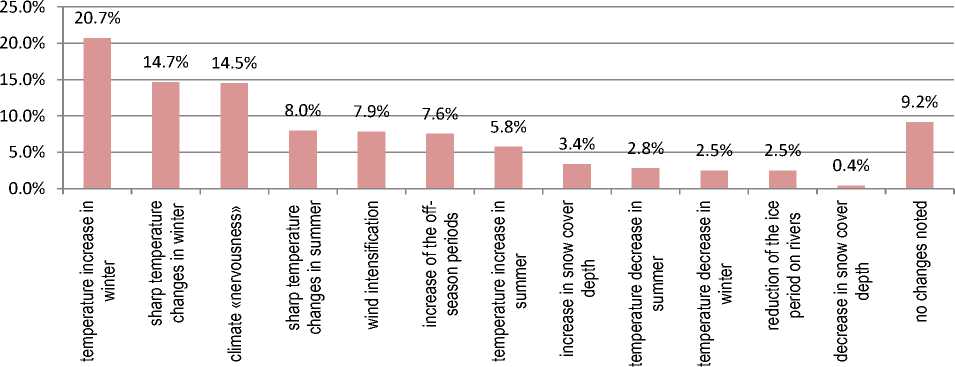
Fig. 1. Distribution of responses to the question: “Have you noticed any changes in weather conditions in your area in recent years?” (%).
The survey results obtained in the Pinezhskoe settlement, which indicate rising temperatures and greater temperature fluctuations during the winter, as well as longer periods between seasons, generally correlate with the findings of sociological studies carried out in the Republic of Sakha (Yakutia), the Komi Republic, and the Murmansk Oblast (Anisimov, Zhiltsova, Zhegusov, 2017; Shcherbakova, 2019; Ryabova, Klyuchnikova, Borovichev et al., 2024)..
In addition to assessing changes in weather conditions, the population’s perception of climate change is reflected in their observation of natural phenomena that may cause socioeconomic damage: hazardous hydrometeorological phenomena and the spread of insects that transmit infectious diseases. The survey revealed a low level of public awareness of climate change processes: 31% of respondents noted the absence of natural phenomena observed in Pinega — signs of climate change (Fig. 2). According to the population, the main manifestations of climate change in the Pinezhskoe settlement are the spread of insects, including vectors of dangerous infectious diseases, forest fires, and floods.
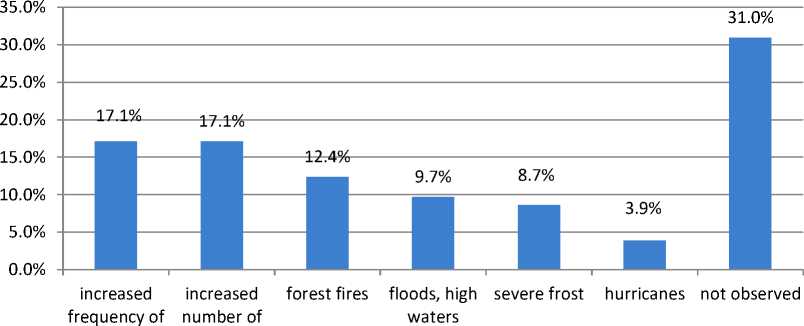
tick bites insects, mosquitoes
Fig. 2. Distribution of responses to the question: “Have you observed any phenomena in your area over the last few years that indicate climate change?" (%).
The problem of the spread of insects that carry dangerous infectious diseases, such as ix-odid ticks, is becoming an increasingly pressing issue for the Pinezhskiy District. The expansion of the distribution areas of pathogens of natural focal diseases is evidenced by the increase in the registration of visits to medical organizations due to tick bites. In the Pinezhskiy District, tick attacks were not registered until 1999; in 2000–2009, 6 cases per 100,000 people were registered, and in 2010–2019, there were already 25 cases. In 2019, the Pinezhskiy District received the status of an endemic area for tick-borne encephalitis (Tokarevich, Tronin, Buzinov et al., 2021). This problem is acute in the Arkhangelsk Oblast. In 2023, the region was the leader in the AZRF in the number of visits to medical organizations due to tick bites — 654 cases per 100,000 people, while in Russia this figure was 1.9 times lower 9.
The problem of forest fires in the Pinezhskiy District is relevant, but less significant compared to the annual forest fire situation in other municipalities of the region. It is important to note the mixed dynamics of forest fire numbers in recent years, which may influence the overall perception of this problem. Despite stable indicators, some years were characterized by high forest fire rates (Table 1). The hot summers of 2018 and 2022 resulted in a large number of forest fires both in the district and across the entire region. It is also important to note the higher incidence of forest fires in 2021, 2023 and 2024 compared to previous years.
Table 1
Forest fire trends in the Pinezhskiy Municipal District, 2017–2024 10
|
Indicators |
2017 |
2018 |
2019 |
2020 |
2021 |
2022 |
2023 |
2024 |
|
Number of forest fires in the Pinezhskiy District |
5 |
25 |
2 |
6 |
11 |
25 |
11 |
11 |
|
Number of forest fires in the Arkhangelsk Oblast |
35 |
127 |
58 |
55 |
183 |
182 |
110 |
192 |
|
Share of forest fires in the Pinezhskiy District in the number of forest fires in the Arkhangelsk Oblast, % |
14.3 |
20.5 |
3.4 |
10.9 |
6 |
13.7 |
10 |
5.7 |
The population of the Pinezhskiy District considers floods and high water to be less of a concern than fires and insect infestations. According to hydrological studies, observations at the Kulogory hydrological station over a 70-year period revealed one of three statistically significant increases in maximum water levels in the region, attributed to climate change (Terskiy, Frolova, 2011). Traditionally, the villages of Yorkino, Kevrola and Shardonem, situated in the bends of the Pinega River, are particularly affected by flooding in the Pinezhskiy District. Ice jams form here, causing rising waters. An analysis of operational data from the Main Directorate of the Ministry of Emergency Situations of the Russian Federation for the Arkhangelsk Oblast 11, reports from the Dvina-Pechora Basin Water Management Directorate 12, and regional media revealed that during spring floods over the past 25 years, flooding of residential buildings and social facilities, roads, and low-lying bridges occurred in 2000, 2007, 2014, 2019, 2020, and 2022. In 2010, 2015, and 2016, roads were flooded, cutting off the settlement from land transport links. Transportation was carried out by ferries and boats 13. According to local inhabitants, the most severe floods were in 2000 14 (more than 200 homes were flooded in Kevrola) and in 2007 (35 homes 15 were flooded for 9 days 16 in Yorkino, Kushkopal, and Shardonem). The winter flood of 2006–2007 was unique in the
NORTHERN AND ARCTIC SOCIETIES
Anna A. Provorova, Olga V. Gubina. Perceptions of Climate Change … entire history of hydrological observations in Pinega 17, when roads and bridges were flooded, and communication between settlements was disrupted.
The population of Pinega (8.7%) considers severe frosts, which are recorded when the air temperature drops below -35°C between November and March, to be a sign of climate change 18. To estimate severe frosts in Pinega, the annual number of such days was calculated, including days with air temperatures below -30°C (Fig. 3).
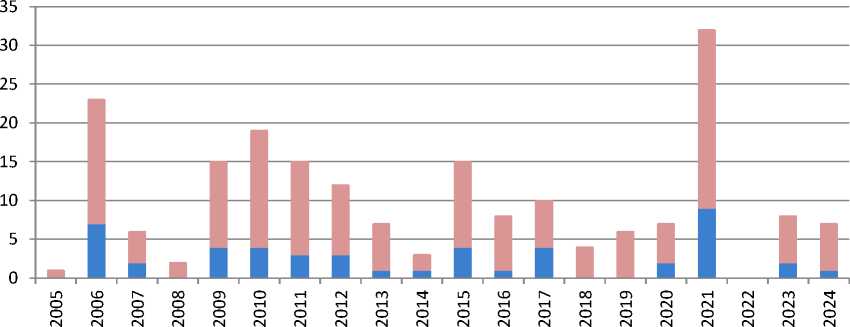
■ Number of days with temperatures below -35°C ■ Number of days with temperatures below -30°C
Fig. 3. Number of frosty days in Pinega.
The dynamics of frosty weather in Pinega is ambiguous, which may influence the overall perception of the severity and frequency of this phenomenon: winters with extremely cold weather may be followed by winters in which air temperatures below -30 °C or -35 °C were not recorded at all (for example, in 2022). The coldest years in Pinega since 2005 were 2006 and 2021. In 2005, 2008 and 2018, the air temperature did not fall below -35 °C. The period from 2009 to 2012 can be seen as having a higher number of frosty and very frosty days compared to the period from 2018 to 2024.
A subjective assessment of the impacts of climate change makes it possible to identify key issues affecting comfort, health, and living conditions. As the survey showed, the health sector is the most vulnerable, indicating the population’s high sensitivity to climate change. Concerns include temperature fluctuations affecting general well-being (23.5%), as well as the emergence of infectious diseases that are difficult to treat, such as tick-borne encephalitis (9%) (Fig. 4).
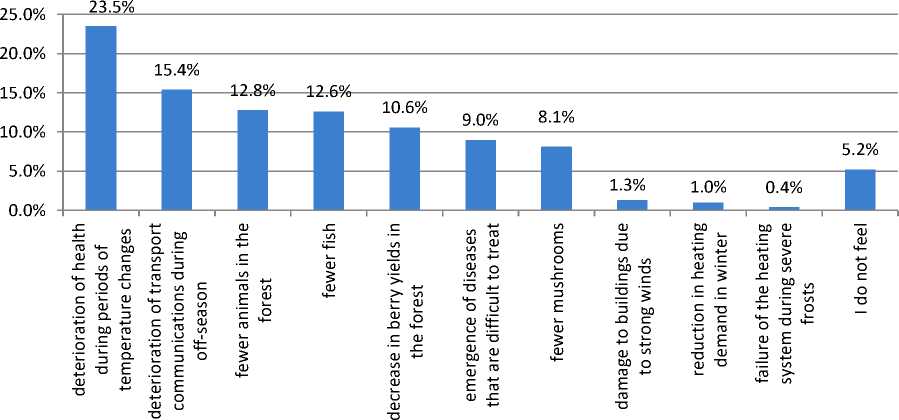
Fig. 4. Distribution of responses to the question: “Do you feel the effects of climate change?” (%).
The impact of sharp temperature fluctuations on the well-being of the population in Arctic regions is a widespread problem. Thus, more than half of the population of Yakutia experiences deterioration in their well-being during periods of temperature fluctuations, particularly in winter (Zhegusov, Maksimov, Ivakhana, 2020). This study showed that the rural population is more susceptible to temperature fluctuations. Women and the elderly are particularly sensitive to weather anomalies. Our results confirm this conclusion: over 63% of those who answered the question about feeling unwell during periods of temperature fluctuations were women; 25.9% of those most sensitive to fluctuations were aged 41–55, and 33.3% — aged 55–69.
The threat of the spread of natural focal diseases (tick-borne viral encephalitis, tick-borne borreliosis), caused by the northward migration of ticks, is becoming increasingly significant. Alongside a considerable increase in tick bites in the region, there has been a decline in the incidence of tick-borne viral encephalitis, which is partly due to an increase in specific preventive measures. The incidence of tick-borne viral encephalitis in the Arkhangelsk Oblast in 2023, compared to 2010, decreased by half, reaching 4 cases per 100,000 people. Among all Arctic regions, the Arkhangelsk Oblast ranks third in the number of cases of tick-borne viral encephalitis, behind the Krasnoyarsk Krai and the Republic of Karelia 19. The high mortality rate of the diseases, the lack of preventative measures against certain viruses (for example, borreliosis), the rapid spread of ticks northward and the resulting vulnerability of the indigenous population, as well as the low availability of medical care necessitate the development of special measures to adapt to this type of climate change impact.
Among the key problems, the population also highlights the deterioration of transport links during the off-season (15.4%). The specificity of transportation in the Pinezhskiy District is the predominance of sand and gravel road surfaces, unstable during the off-season 20. Annual floods lead to roads being flooded and washed away, disrupting transport links 21. Warm winters cause problems with ice crossings over the river failing to freeze properly 22. A prolonged spring and waves of flooding complicate pontoon transport links. The importance of the Pinega River transport network is due to its key role in ensuring connectivity between several municipal districts.
The decline in the productivity of forest and aquatic ecosystems is a major cause for concern among the population: there are fewer wild animals (12.8% of responses), fewer berries (10.6%) and fewer fish (12.6%). In addition to the significant nutritional value of products from traditional natural resource use, the gathering and processing of wild plants, hunting and fishing are an important source of income for households in remote rural areas with high levels of unemployment.
The survey results showed that the population notices changes in weather conditions, paying less attention to natural processes and phenomena that indicate climate change, and is more acutely aware of the consequences of climate change, which affect their quality of life and ability to sustain life.
Comparative analysis of public perceptions of climate change and actual meteorological observation data in the Pinega village
In order to conduct a comparative analysis of sociological and meteorological data, respondents’ answers to the question “Have you noticed any changes in weather conditions in your area in recent years?” were compared with certain meteorological indicators (Table 2).
Table 2
Correspondence between respondents’ answers and meteorological indicators
|
Sociological data |
Meteorological data |
|
|
Respondents’ answers regarding changes in weather conditions |
Meteorological indicators |
Available data series |
|
“increase/decrease in temperature in winter” |
Average monthly air temperature in January (°C) |
1980–2024 |
|
“increase/decrease in temperature in summer” |
Average monthly air temperature in July (°C) |
1980–2024 |
|
“sharp temperature fluctuations in winter” |
Air temperature at a height of 2 m above ground level (°C), measured 8 times a day |
2005–2024 |
|
“sharp temperature fluctuations in summer (heatwaves)” |
||
|
“climate instability” (thaws in winter, frosts in summer) |
||
|
“increased wind speeds” |
Wind speed at 10–12 m above ground (m/s); Maximum wind gust at 10–12 m above ground (m/s) |
2005–2024 |
|
“extension of the off-season” |
Average daily air temperature (°C), measured 8 times per day |
2005–2024 |
|
“increase/decrease in snow cover depth” |
Snow depth (cm) |
2005–2024 |
|
“shortening of the ice cover period on rivers” |
No data |
- |
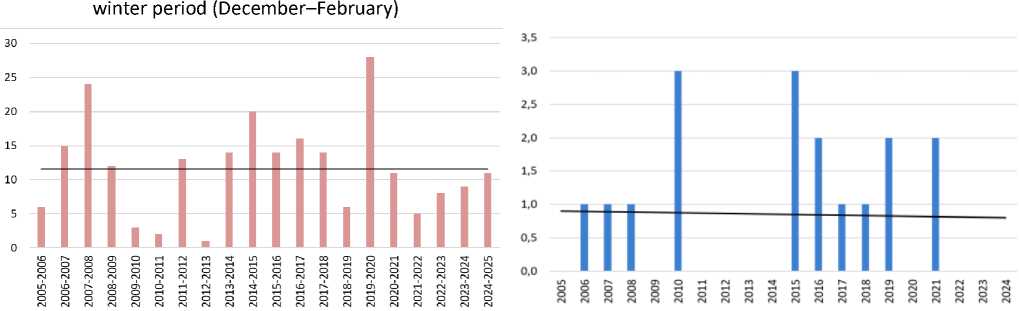
An analysis of temperature trends in the village of Pinega over the last 45 years indicates climate change. Calculations have shown that the average monthly air temperature in January from 1980 to 2024 increased by 3.8°C, while the average monthly air temperature in July increased by 2.2°C, indicating more intense warming during the winter period (Fig. 5a–b). This aspect of meteorological observations corresponds to the results of the public survey.
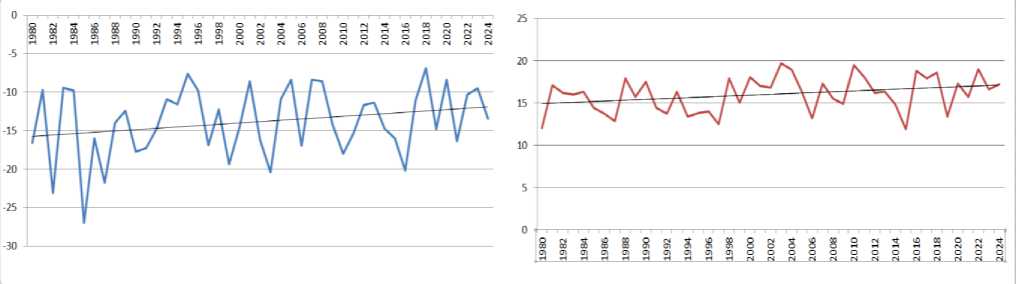
a) Average monthly temperature trends in January, °С b) Average monthly temperature trends in July, °С
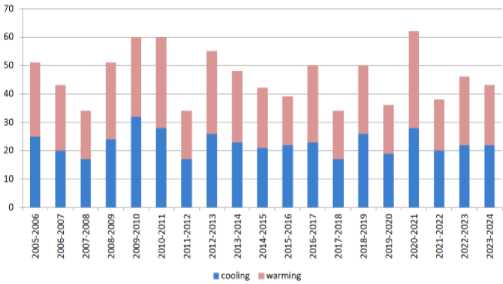
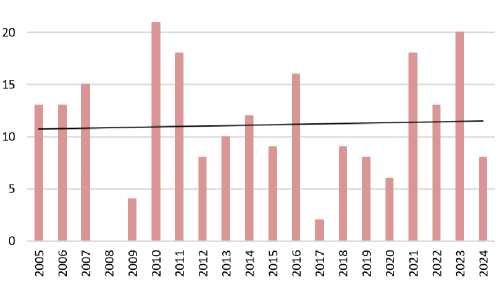
c) Number of sharp temperature fluctuations during the d) Duration of heatwaves from May 1 to August 31, days
e) Number of days with thaws e) Number of days with frosts
g) Duration of the winter period, days
Fig. 5. Temperature indicators in Pinega. Compiled on the basis of meteorological data from Pinega Station No. 22563 23.
Temperature characteristics are the most obvious manifestation of climate change, as shown by population surveys. Therefore, our study places significant emphasis on temperature indicators. In 14.7% of responses, Pinega residents cite sudden temperature fluctuations in winter as a sign of changing weather. To assess the actual situation, we used the indicator of the number of sharp temperature fluctuations, calculated by counting the number of temperature changes with a variability of ≥ 8°C (Kobysheva, Khairullin, 2005). It is a specialized indicator in terms of its impact on human health.
We calculated the number of cooling and warming periods within a 24-hour period at the Pinega weather station (Fig. 5-c) during the calendar winter (December–February). Approximately 23 sharp cooling episodes and the same number of sharp warming episodes are recorded annually during the winter period — approximately once every 4 days. The lowest number of temperature fluctuations “towards frost” (17 times) was recorded in the winters of 2007–2008, 2011–2012 and 2017–2018. The highest number of sharp coolings (32 times) was recorded in the winter of 2009– 2010, with 28 coolings each in the winter periods of 2010–2011 and 2020–2021. Sharp warming episodes occurred most frequently in the winter of 2010–2011 (32 times) and 2020–2021 (34 times). There has been a decrease in the number of sudden cold snaps — an average of 1.5 events per winter — and a decrease in the number of sudden warm spells — an average of 2.7 events per winter. We have found that the sharp fluctuations in air temperature during the winter, as noted by the local population, are in fact characteristic of the weather in Pinega.
In contrast to winter temperature fluctuations, summer fluctuations occur in Pinega almost daily, due to the significant difference in temperature between day and night. Therefore, it is more appropriate to estimate the number of heatwaves, which was conducted in accordance with the Roshydromet climate norms, in force since 2022 24, calculated for the Pinega station 25. Based on the criteria for hazardous hydrometeorological phenomena in the Arkhangelsk Oblast, we calcu-
NORTHERN AND ARCTIC SOCIETIES
Anna A. Provorova, Olga V. Gubina. Perceptions of Climate Change … lated the annual number of days when the average daily air temperature exceeded the monthly climate norm by 7°C or more (Fig. 5-d) from 1 May to 31 August. Since 2005, Pinega has had years without a single hot day in summer (2008). The most intense heatwaves were in the summer months of 2010, when 11 and 9 hot days were recorded in May and July, respectively. Hot weather, according to climatic norms, lasted for several days in a row. Many hot days were observed in 2011 and 2021 (18 days each), as well as in 2023 (20 days). During the period under review, the air temperature rarely rose above 30°C and was recorded for several hours in 2006, 2007, 2010, 2011, 2013, 2016, 2021 and 2022. On average, Pinega experiences 11 hot days between May and August, and this number is increasing annually. According to the survey, 8% of Pinega residents mentioned heatwaves, which is confirmed by meteorological observations.
Winter thaws and summer frosts are signs of the climate “nervousness”. Pinega residents noted these changes in 14.5% of responses as indicators of changing weather conditions. Rare thaws were observed in the winters of 2009–2010, 2010–2011, and 2012–2013, during which 1–3 days with air temperatures above 0°C were observed (Fig. 5 d–e). The maximum number of days with thaws was observed in the winters of 2007–2008 and 2019–2020 — 24 and 28 days, respectively. The warmest thaws were in 2006: the air temperature during these days in December reached +5.3°C. The highest positive air temperature in winter was recorded on December 1, 2020 (+6.1°C). As a rule, thaws in Pinega occur in December, and their frequency increases slightly. Frosts in the summer periods from June 1 to August 31 are considered a rare phenomenon for Pinega. Between 2005 and 2024, no more than three days with air temperatures below 0°C were recorded, occurring in 2010 and 2015. In other years, there were fewer days with frosts, or they did not occur at all (from 2011 to 2014). The lowest temperatures were recorded during the frosts of June 2008, when the air temperature dropped to -2.2°C. Based on the analysis of meteorological data on the frequency of thaws and frosts and the opinion of the Pinega population on the “nervousness” of the climate, we can conclude that these phenomena are comparable.
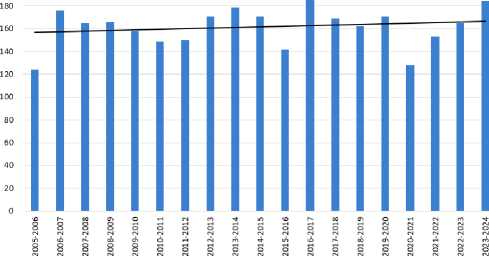
In 7.6% of responses, Pinega residents noted an increase in the length of the off-season periods as a sign of changing weather conditions. To compare the survey data and actual data on the duration of the off-seasons, the indicator of a stable transition of temperature through 0°C was used (Sadokov, Kozeltseva, Kuznetsova, 2012). For the period from 2005 to 2024, we determined the annual dates of the transition from autumn to winter (the beginning of winter) and from winter to spring (the end of winter) in Pinega. The assessment showed that the duration of the winter period increased, on average, from 157 to 166 days per year. Given a slight increase in the number of thaws in winter, as well as an increase in temperature during this period, it can be assumed that winters are becoming longer and milder. At the same time, when determining the date of a stable transition through 0°C, we observed that fluctuations in the average daily temperature often occur both before the beginning and at the end of winter. They last for several days, with the average daily temperature alternately above and below zero. Such repeated temperature fluctuations during the transition from one season to another (off-season) were characteristic of Pinega at the be- ginning and end of the winter period in 2005, 2007, 2008, 2009, 2011, 2013, 2014, 2017, 2019, 2020, and 2024 (Fig. 5g). In Pinega, the start and end of winter have an unstable calendar pattern. The earliest start of winter was recorded on October 10, 2014; the latest — on November 21, 2020. The earliest end of winter was on March 26–29, 2010, 2015, 2016, and 2021; the latest — on May 7, 2005. This unstable nature of the start and end of winter may be regarded by the inhabitants of Pinega as an off-season.
Average annual wind speed, m/s Wind gust frequency, days per year
Fig. 6. Wind conditions at the Pinega weather station. Compiled on the basis of meteorological data from Pinega Station No. 22563 26.
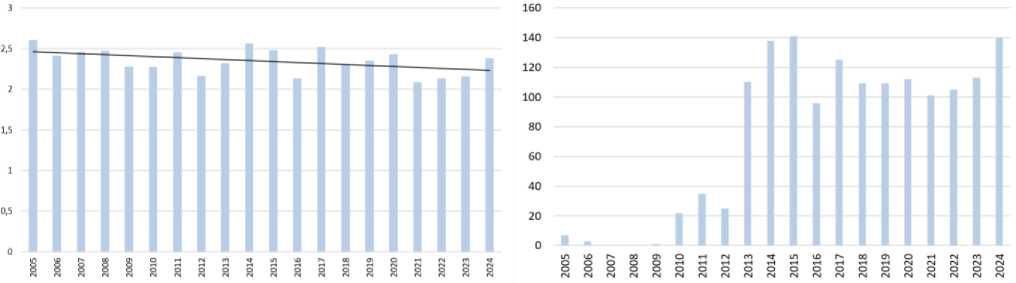
Pinega residents note increased wind speed as one of the five main signs of weather change. To describe the actual wind conditions, we calculated the average annual wind speed (Atlas of the Winds of Russia, 2000), as well as the number of days per year with strong and gusty winds 27. The average annual wind speed in Pinega has decreased from 2.46 to 2.23 m/s over 20 years. However, the number of days with strong and gusty winds has increased significantly. While in 2005, 2006, and 2009, their number was minimal (7, 3, and 1 day, respectively), since 2013, the number of windy days per year reached 110–140. Wind gusts have decreased: in 2005–2006, gusts of 47– 50 m/s were observed in Pinega, while in 2009, they reached 18 m/s. Winds of this strength were not observed in Pinega again until 2025 (Fig. 6). Thus, we can conclude that the wind regime in Pinega is changing: winds are becoming calmer, but the number of days with strong winds is increasing.
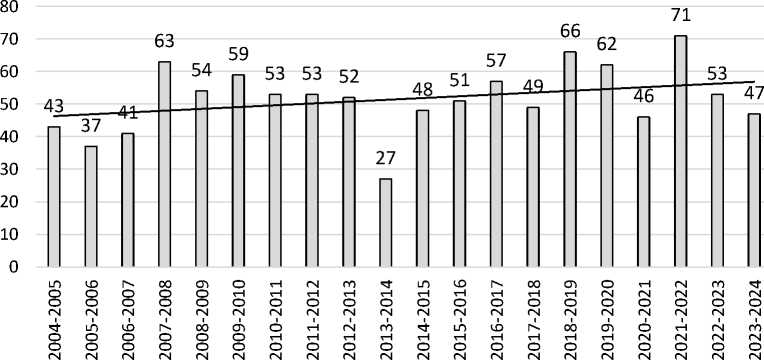
Fig. 7. Snow depth in Pinega as of March 1, cm. Compiled on the basis of meteorological data from Pinega Station No.
Residents do not notice any significant increase or decrease in snow cover depth (3.4% and 0.4%). The dependence of snow cover on climate change is not obvious, and a rise in temperature does not always correspond to a reduction in snow reserves; however, the depth of snow cover determines the depth of soil freezing and the hydrological characteristics of the area. Between 2005 and 2024, snow cover depth varied on average between 40 and 60 cm, reaching peak values in some years (71 cm in 2022). From 2005 to 2013, an increase in snow cover depth was observed, but since 2015 the trend has become unstable, manifesting as significant fluctuations in accumulated snow volumes (Fig. 7). A slight increase in snow cover depth is observed, which generally corresponds to public opinion.
The comparative analysis suggests a high degree of comparability between climate change data obtained from the social survey and actual meteorological data recorded in the local area. Therefore, sociological research methods used in studying climate change can be considered reliable.
Conclusion
Studying public perceptions of ongoing climate processes is an important step in identifying ways to mitigate or avoid harm, as well as to take advantage of the favorable opportunities presented by the consequences of climate change. From the perspective of social impact, assessing the subjective perception of climate change becomes a source of qualitative knowledge characterizing social well-being of the population, comfort of living in the area, health status, and challenges to traditional livelihoods. Obtaining such information across various regions of the Russian Arctic, including at the local level, allows for a broader understanding of the nature of climate change’s impact on the livelihoods of the Arctic population.
The results of the study showed that, in general, the subjective perception of climate change occurring in the village of Pinega corresponds to observed climate trends: a more intense
28 Weather Forecast portal. Weather archive. URL: (accessed 01 December 2024).
increase in the average monthly air temperature during the winter period compared to the rise in the average monthly air temperature during the summer period, longer and milder winters, and unstable nature of the seasonal transition when temperatures cross 0°C. The increase in wind strength noted by the population has also been confirmed by factual data on changes in wind patterns, showing a decrease in average annual wind speed alongside a simultaneous increase in the annual number of days with strong gusts. Analysis of meteorological data also confirmed the population’s perception of sharp temperature fluctuations in winter, heatwaves in summer, thaws in winter, and, to a lesser extent, frosts in summer. The insignificant proportion of responses regarding changes in weather conditions, such as increases or decreases in summer temperatures, decreases in winter temperatures, and changes in snow depth, were also confirmed by an analysis of actual hydrometeorological data. The results of a comparison of the population’s subjective perception of climate change and meteorological observation data confirm that “traditional knowledge” can be used as a source of information for assessing climate dynamics, especially in local Arctic areas remote from hydrometeorological network stations.
The study revealed a low level of public awareness of natural processes that indicate climate change: forest fires, severe frosts, floods, and the spread of insects that carry infectious diseases. However, objective data indicate the occurrence of these processes at the local level: a frosty winter in 2021, forest fires near the village of Pinega in 2023, an increase in the number of public complaints about tick bites and the designation of an endemic area for tick-borne viral encephalitis in 2019, and an increase in road flooding during flood periods due to rising water levels. On the one hand, this can be explained by the low frequency of hazardous natural phenomena currently occurring in the Pinezhskiy Municipal District. On the other hand, it can be attributed to the population’s low awareness of climate change and their preoccupation with other, more pressing socio-economic issues. At the same time, the population acutely experiences the impacts of climate change, which largely impacts health, livelihoods in the off-season, and traditional natural resource management. The obtained results reflect the specific characteristics of the local area and can be used to improve regional climate change adaptation plans.
The approach used, based on a comparison of meteorological data and the results of a sociological survey, offers a new perspective on the development of climate change adaptation policies. The impacts of climate change vary in scale and direction across Arctic regions. Therefore, obtaining local knowledge about the consequences of climate change is of paramount importance and enables the development of more effective adaptation measures aimed at increasing the resilience of Arctic communities and addressing socio-economic challenges.
