
Signature as a Trace of Identity: A Theoretical - Research Approach to Criminal Profiling
Journal: International Journal of Cognitive Research in Science, Engineering and Education @ijcrsee
Section: Articles
Article in issue: 1 vol.14, 2026.
Free access
This paper examines the concept of the signature in criminal profiling as a key indicator that reveals the offender’s psychological structure and internal motivation. Unlike the modus operandi - which includes the technical and functional aspects of committing a crime - the signature reflects the offender’s emotional and psychological needs that extend beyond the purpose of the act itself. The signature is viewed as an expression of inner impulses and fantasies, manifested through stable behavioral patterns and rituals. The research emphasizes its applicability in contemporary profiling, particularly in the identification of serial offenders, where stable signature elements allow investigators to connect cases that initially appear unrelated. However, a signature is not always present - it may be absent due to situational factors, emotional fluctuations, or deliberate concealment of trace evidence. The examination of real investigative cases, along with examples from literature and film, shows that identifying the offender’s signature behavior helps investigators better understand the motives that drive the crime. Once the signature is recognized, it provides deeper insight into the offender’s internal impulses, making it easier to connect related crimes and contributing to their eventual resolution.
Similar articles in the section Criminology. Criminal sciences. Criminalistics

Short address: https://sciup.org/170212437
IDS: 170212437 | UDC: 343.95:159;.923 343.91/.93:343.611; 343.982.32 | DOI: 10.23947/2334-8496-2026-14-1-145-157
Text of the scientific article Signature as a Trace of Identity: A Theoretical - Research Approach to Criminal Profiling
In crime novels, films, and television series, serial killers often leave distinctive traces - known as signatures - that reveal their unique psychology and personal style of offending. For example, in the 1980 film Maniac , the killer scalps his victims and uses their hair to decorate mannequins. Similarly, Buffalo Bill from the 1991 film The Silence of the Lambs places moths inside the throats of his victims as part of a symbolic ritual. In Dan Brown’s Angels and Demons , the murderer brands symbols representing the four natural elements onto the bodies of his victims. In Seven , the character portrayed by Kevin Spacey stages murders inspired by the seven deadly sins, while in the series True Detective , the killer places crowns made of deer antlers on the victims’ heads, creating a disturbing visual signature . In the series Dexter , the protagonist Dexter Morgan directs his homicidal urges toward criminals who have escaped justice. Immediately before killing, he collects a personal trophy to relive the experience later. His distinctive ritual signature involves making a precise cut on the victim’s cheek with a scalpel - usually while the victim is still alive, though sometimes post-mortem - just below the right eye. He then places a drop of blood between two microscope slides. These slides are neatly arranged in a wooden storage box hidden inside his air-conditioning unit ( Bjelajac, 2025: 267–268 ). Patrick Bateman, the protagonist of American Psycho , represents the archetype of a double identity: outwardly a successful and charming businessman, he hides a deeply disturbed murderer beneath the surface. His luxurious lifestyle allows him to carry out his crimes unnoticed. The bodies of his victims display precise, ritualistic marks, revealing his obsessive need for control, the aestheticization of violence, and compulsive behavior driven by narcissistic and antisocial personality traits.
In real life, serial killers are often far less imaginative than the versions portrayed in Hollywood.
-
*Corresponding author: zdjbjelajac@gmail.com

-
© 2026 by the authors. This article is an open access article distributed under the terms and conditions of the Creative Commons Attribution (CC BY) license ( https://creativecommons.org/licenses/by/4.0/ ).
Their crimes are not shaped by cinematic spectacle, but by recognizable behavioral patterns known to experts as modus operandi (MO) and the killer’s signature . The modus operandi describes what the offender must do in order to commit the crime. This pattern may change depending on circumstances. For example, Dennis Rader, known as the BTK Killer , murdered most of his victims by strangulation and asphyxiation, yet in several cases he killed differently, including by hanging or stabbing. The signature , on the other hand, represents the killer’s personal imprint - an element that fulfills emotional and psychological needs. It includes rituals, patterns, and actions that reflect the killer’s deep fantasies about his victims ( Bjelajac, 2025: 269 ). Unlike the modus operandi , the signature is stable and persistent over time and rarely changes. It is often formed long before the first murder, as a result of early psychological impulses and pathological experiences. This development can be seen in the case of Dennis Rader, who as a child displayed sadistic tendencies by torturing and killing animals - behaviors that later evolved into his recognizable signature in serial offenses.
Linking crimes has become a subject of growing attention in academic research. Studies have provided support for the principles of behavioral consistency and distinctiveness, which form the foundation of crime linkage (Davies and Woodhams, 2019). The most notorious serial killers simultaneously evoke horror, curiosity, and fascination, because they reveal how deeply human nature can descend into darkness and distortion. Their ability to live for years among ordinary people - appearing as neighbors, friends, churchgoers, parents, or spouses - while simultaneously leading a double life as cold-blooded murderers, demonstrates how thin the boundary between normality and pathology can be. Many of them operated unnoticed, hiding their monstrous impulses behind the mask of social acceptance. When the truth eventually surfaced, the shock was immense - precisely because those who seemed the most ordinary became symbols of human depravity. Today, with a deeper understanding of criminal psychology, we recognize that these offenders are human beings as well, but individuals who, at some point in their lives, abandoned moral and legal boundaries and stepped into the depths of their own darkness.
Generally speaking, a violent serial offender often displays one defining element of criminal behavior during the commission of a crime: his signature , that is, a recognizable personal imprint expressed through actions that go beyond what is necessary to complete the offense - modus operandi - and reveal the offender’s unique psychological makeup. Unlike the MO, the offender’s signature does not change in its core. Certain details may evolve or become more refined over time (for example, a lust killer may engage in increasingly intense post-mortem mutilation as he progresses from one crime to the next), but the fundamental aspect of the signature remains constant (in this case, the performance of post-mortem mutilations) ( Douglas and Douglas, 2006 ). What constitutes such a signature ? Surviving victims or witnesses may sometimes testify about behavioral components of the signature . For instance, a rapist may reveal his signature behavior through displays of domination, manipulation, or control during the verbal, physical, or sexual phase of the assault. Extremely vulgar or degrading language, as well as insisting on a specific script or scenario, represents a verbal signature . When the offender scripts the victim, he demands a particular verbal response (e.g., “ tell me how much you enjoy this ,” or “ tell me how good I am ”). A rapist may also follow his own internal script by performing a sequence of sexual acts with different victims in the same predetermined order ( Douglas and Douglas, 2006 ). These victims are very often women involved in prostitution, whom the offender perceives as accessible targets lacking social protection and suitable for acting out his deviant fantasies (Bjelajac, 2011).
The aim of this research is to examine in detail the theoretical and practical aspects of the signature as one of the key indicators in contemporary criminal profiling. Special emphasis is placed on the psychological, emotional, and forensic dimensions of the signature , as well as on its role in differentiating serial crimes and identifying offenders. The study explores the signature as an expression of the offender’s internal needs, its relationship to motive and modus operandi , and the conditions under which the signature may be altered, concealed, or completely absent. Furthermore, the objective is to clarify the functional role of signature behavior in the profiling process through a research-based perspective supported by practical examples (both real and fictional cases). Additionally, the paper aims to provide a concise overview of activities that constitute signature behavior and to highlight its significance in accurately linking and profiling serial offenders.
Based on the defined objectives, the research questions were formulated to address the key features and recognizable characteristics of the signature in criminal investigation practice, its fundamental principles and elements in the profiling process, as well as the challenges that arise during its application in investigative procedures: how the signature manifests as a key indicator in criminal profiling; in what way the signature reflects the offender’s internal psychological and emotional needs; what the essential differences are between modus operandi and signature behavior in terms of function and interpretation; how the signature may shift across different stages of criminal behavior and under which circumstances it may be absent; which factors contribute to the lack of signature in certain offenses, including the offender’s emotional state, situational conditions, or previous experience; to what extent monitoring signature behavior improves the accuracy of profiling and the identification of serial offenders; and how examining concrete examples of signature behavior can contribute to advancing profiling methodology; and how research insights related to the signature can be applied in contemporary forensic and law-enforcement practice. In line with the above, the following hypotheses were formulated: the signature represents a stable and recognizable behavioral pattern that reflects the offender’s deep psychological and emotional needs; there is a clear distinction between modus operandi and signature, with the signature expressing internal motives, fantasies, and psychological impulses, whereas modus operandi has a functional and operational purpose; signature analysis holds significant diagnostic and identification value in criminal profiling, as it enables recognition of stable and recurring behavioral patterns; the signature is not present in every crime, and its absence is related to situational factors, emotional instability, or deliberate concealment of traces; the analysis of concrete cases in which distinctive signature behavior appears shows that correctly identifying this pattern facilitates linking multiple crimes committed by the same offender and enables more accurate profiling; in addition, portrayals of serial crimes in popular culture and crime television series have contributed to the wider understanding of this concept and have brought it closer to the general public, although simplifying the profiling process, contribute to the understanding and popularization of the signature concept in both public and academic domains.
Methodology
The research is based on a qualitative - comparative and descriptive–analytical approach, aimed at thoroughly examining the signature as a psychological-forensic indicator within the criminal profiling process. The study includes an analysis of relevant scientific and professional literature in the fields of criminology, forensic psychology, and behavioral analytics, as well as empirical examples of real cases and their representations in popular culture and crime television series. The methodological framework involves identifying and classifying forms of signature behavior, comparing them with modus operandi to determine similarities and differences, and analyzing the conditions under which the signature evolves, changes, or disappears. Special emphasis is placed on evaluating the forensic and psychological value of the signature in the profiling process and its significance for identifying serial offenders. The obtained results are analyzed descriptively and interpretatively, with the aim of confirming or refuting the proposed hypotheses and highlighting practical implications and possibilities for applying the signature concept in contemporary investigative practice and criminal analytics.
Signature as an Expression of the Offender’s Inner Needs
“Several women - eleven victims in total - were murdered in separate incidents in the Whitechapel district of London between 1888 and 1891. Analysis of these homicides showed that six of the cases were linked through a series of specific and personal signature characteristics, including picquerism (pleasure derived from stabbing with a sharp object), excessive use of force (overkill), victim incapacitation, domination and control, displaying the body in an exposed location, unusual body positioning, sexual degradation, mutilation, organ removal, targeting specific body areas, preplanning and organization, as well as the presence of multiple combined signature traits” ( Keppel, Weis, Brown, and Welch, 2005 ). Overkill is characterized by the presence of excessive or repetitive wounds inflicted on the victim’s body ( Tavone et al., 2022 ; Baldari et al., 2024 ). Such behavioral patterns indicate a deeply rooted psychopathological need of the offender to express control, power, and ritualized symbolism through the act of violence, transforming the crime from a purely physical event into a manifestation of an internal psychological construct.
The signature aspect of a violent offender represents an integral and unique component of their behavior (Geberth, 1995, p. 45). A signature may be described as a personal stamp or a unique behavioral pattern; it is defined as a distinctive combination of actions that becomes observable across two or more crimes (Hazelwood and Warren, 2003, p. 591; Keppel and Birnes, 1997, pp. 2–3). According to several authors (Bartol and Bartol, 2005, p. 327; Douglas and Munn, 1992, p. 3; Hickey, 2002, pp. 124–125), the signature represents a part of the offender’s behavior that is not necessary for committing the crime, yet carries a distinct personal imprint. Unlike actions that are functionally required to complete the offense, the signature reflects the offender’s internal psychological needs and emotional motives. It stems from fantasies and ideas that have been developed in the offender’s mind over time, with the crime serving as the means through which those fantasies are finally enacted. When the offender acts on what was previously imagined, certain details at the crime scene reveal elements of his identity - a ritual, gesture, or symbol with personal meaning that distinguishes him from other perpetrators. Through this ritual, the offender leaves part of their personality at the crime scene. This becomes evident through specific characteristics of the scene or through unique actions carried out during the crime. The offender’s signature is not necessarily tied solely to internal fantasy. It may manifest in various forms, but it is broadly understood as the offender’s personal trace (Hickey, 2006, p. 103). The signature does not exclusively represent fantasy - it can also reflect a complex expression of psychological needs, emotional impulses, and the need for control. It manifests as a subtle yet persistent mark of the offender’s individuality, revealing how the offender perceives themselves, the victim, and the act of the crime itself.
The signature refers to a specific pattern of behavior that reveals the offender’s underlying psychological and emotional drives . In offender profiling theory, two levels of this concept are distinguished: the conceptual component and the behavioral manifestation . The conceptual component reflects the motivational background - the emotions, needs, or fantasies that the offender seeks to satisfy through the crime. The behavioral manifestation consists of concrete actions at the crime scene that are not necessary to commit the offense, but clearly express the offender’s internal motivation ( Douglas et al., 1992, p. 261 ; Turvey, 2003, pp. 279–281 ; Savino and Turvey, 2005, pp. 270–271 ). These behaviors serve as a unique imprint of the offender’s personality, exposing underlying motivations and illustrating how the offender perceives the criminal act.
Keppel (2000) points out that, in practice, offender signature is frequently mistaken for modus oper-andi , despite the clear conceptual distinction between the two. The modus operandi refers to the actions that are necessary for carrying out the crime - such as the method of entry, controlling the victim, or escaping the crime scene. This pattern may evolve over time, as the offender gains experience, learns from mistakes, and adapts tactics to new circumstances. The signature , on the other hand, does not depend on situational factors and does not change for practical reasons. It reflects the offender’s internal world - his fantasies, obsessions, and psychological needs. Because of this, the signature is far more stable: while the technical aspects of a crime may change, the underlying emotional motive remains constant. Offenders who exhibit signature behavior are not satisfied with merely completing the criminal act. They feel compelled to leave a trace that carries personal meaning. What previously existed only in fantasy -imagined scenarios repeatedly rehearsed in the mind - becomes real during the crime, expressed through a specific action, object, symbol, or ritual ( Keppel and Birnes, 1997, pp. 4–5 ; Keppel, 1995 ; Keppel, 2000). In that moment, what once existed only in his imagination shifts into concrete action and takes on a real form through the crime.
“It is important to emphasize that crime scenes and offender behavior are never completely identical across different offenses, even when committed by the same perpetrator. Victims may respond differently, which can influence the offender’s reactions, and the locations of the crimes often vary as well - all of which can affect the offender’s behavior. The mere repetition of certain actions across multiple offenses does not in itself constitute a signature. In general, signature behavior requires additional time beyond what is necessary to carry out the functional elements of the modus operandi . It is not essential for completing the crime and may involve the expression of emotions and/or fantasies” ( Savino and Turvey, 2005, pp. 272–273 ). Through this, the signature becomes an expression of the offender’s internal need to assign personal meaning to the crime, beyond its functional execution.
Research Perspective and Application of the Signature Aspect
A characteristic aspect of a violent offender is a unique and integral part of their behavior. This signature component refers to the psychodynamics - the mental and emotional motivation behind the act. Although human behavior is unpredictable, it often exhibits repetitive patterns. Research has shown that certain actions performed by particular personality types at a crime scene tend to reoccur in other homicide investigations (Geberth, 1995). A criminal investigator specializing in homicide cases, who has enriched their professional experience with a deep understanding of the psychodynamics of human behavior, gains the ability to build a comprehensive framework of knowledge. This framework not only enables the investigator to perceive behavioral patterns and psychological motives of offenders but also to effectively apply the acquired knowledge in analyzing and comparing similar cases ( Bjelajac, 2025: 274–275 ; Bjelajac, 2022 ; Bjelajac, 2024 ). Such insight provides the investigator with the ability to identify hidden patterns and connections among crimes that may initially appear unrelated, to recognize consistent elements in offender behavior, and, based on that, to develop more effective strategies that enhance the course of investigations and the resolution of complex criminal cases.
From a research perspective, it is important to note that these individualistic behaviors are learned behaviors that tend to remain consistent over time. The offender’s MO (modus operandi) , or method of operation, is also a learned behavior. However, such behaviors evolve as offenders gain experience, build confidence, or become involved with the criminal justice system. The signature component may also change to some extent; however, such changes usually involve an escalation in violence and sexual mutilation, consistent with paraphilic sexual sadism often observed in lust murders. The MO encompasses the actions necessary to carry out the crime, while the signature aspect represents the offender’s underlying emotional needs. These needs are typically expressed through behaviors and actions that go beyond what is necessary to complete the criminal act. When dealing with an offender who is a sexual sadist, an escalation of violence can be expected as the series of crimes progresses (Geberth, 1995). Understanding and distinguishing between the modus operandi and signature behavior is of essential importance in criminal profiling, as it enables the investigator to recognize connections between seemingly unrelated crimes and to identify their common behavioral patterns. By synthesizing the technical aspects of the act with the psychological traces left by the offender, it becomes possible to reconstruct the offender’s mindset, identify recurring behavioral patterns, and uncover the deeper motives that drive their actions.
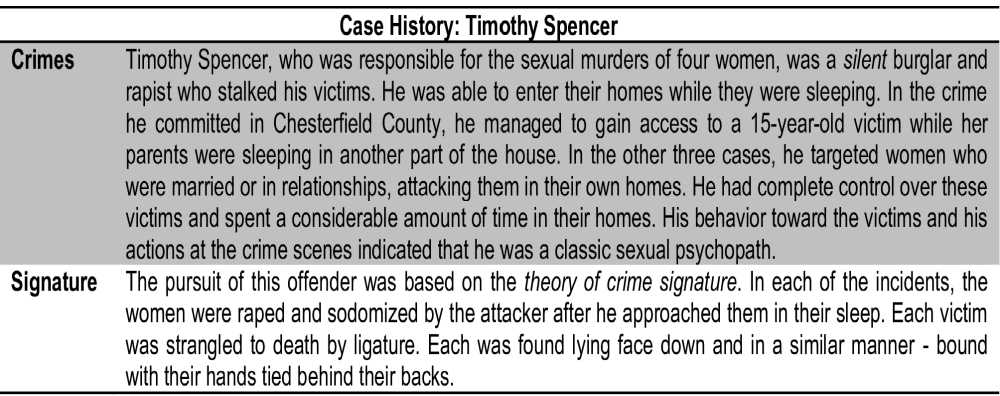
Figure 1. Case History: Timothy Spencer (Geberth, 1995)
An example of a characteristic signature - behavior that goes beyond what is necessary to commit the crime - can be observed in the Bethelsdorp Rape Case. The victim was sleeping in her home when two offenders broke in. Both of them raped the victim. After the rape, one of the suspects took a stick and inserted it into the victim’s vagina. This behavior is often regarded as an act that exceeds what is required to commit the crime. Both offenders had already completed penetration (raped the victim), but subsequently inserted the stick into her vagina, which under law constitutes an additional act of rape. The insertion of foreign objects is often considered a psychologically motivated behavior (Labuschagne and Theron, 2008:117). When actions appear at the crime scene that are not necessary for committing the offense, but instead carry the offender’s personal message or meaning, this is considered a signature. Such behavior becomes recognizable through specific and repeated acts: a particular sequence of sexual activities, a characteristic method of binding, inflicting the same type of injury, deliberately positioning the victim’s body in an unusual or shocking way, torturing or mutilating the victim, as well as performing a ritual that holds personal significance for the offender (Bjelajac, 2025: 277–278). These abnormal behaviors can sometimes be more easily detected through nonverbal patterns of communication - such as body posture, facial expressions, or controlled movements - which unconsciously reflect the offender’s internal dynamics and latent psychological impulses (Bjelajac and Banović, 2024).
_______________________________________ Case History: George Russell _______________________________________
Crimes A series of murders occurred in the state of Washington in 1990. The killings began in Bellevue, Washington, in June and ended in King County in September 1990. Initially, authorities were not aware of the connection between these cases due to delays in analyzing pubic hair evidence collected from the first two crime scenes. Furthermore, the investigation was misdirected when a more persistent suspect appeared in the second murder inquiry. However, once the hair evidence was analyzed and the initial suspect eliminated, authorities were presented with a classic series of signature - type events.
Signature It is important to note that in the real world of conducting active homicide investigations, we do not have the luxury of retrospective knowledge. Many so-called experts who criticize police investigations become “smart after the fact,” once ALL the information becomes available for review. When you look at this case chronologically and assess the information authorities had at the time of the investigation, it becomes clear how these cases initially did not appear to be connected.
Figure 2 . Case History: George Russell (Geberth, 1995)
In the case of the Vampire Killer (Law and Order, June 1991), the murderer targeted young women whom he eviscerated. The investigation revealed that the perpetrator had removed the blood and body parts of his victims. Sexual motives were evident in the mutilations. Other activities of the offender were so absurd and bizarre that the authorities were immediately able to link the incidents. However, the motivation behind these crimes appeared completely irrational (Geberth, 1995). The criminal, who seemed utterly indifferent to the possibility of being caught, left numerous physical traces and pieces of evidence at the crime scenes. Investigators correctly directed the investigation toward an individual who could be characterized as psychotic or disorganized . Indeed, one of the most common signatures belongs to a psychopathic sexual sadist , whose primary trait is the desire for complete domination over the victim (Geberth, 1995):
-
• Suspect : The suspect is a 33-year-old Black male, a known burglar, who as an adolescent had a history of fetish-related break-ins and other behavioral disturbances. He was identified as a suspect when a stolen handgun, taken from a nearby house close to the scene of the latest murder, was found in his possession. Pubic hairs discovered at each of the crime scenes were of Negroid origin and determined to match the suspect. The subject, a self-proclaimed admirer of law enforcement, was fascinated by police work. He owned police scanners and told people that he worked for the police and the FBI. He was also obsessed with serial murder cases and was reportedly well-informed about the Ted Bundy and Green River Killer cases. He closely followed the news, clipping articles and collecting photographs of the victims. He would compare them with each other and mock police investigative techniques. He often commented that the only way the police would catch the killer was if trace evidence were left behind.
-
• Evidence: Each of the victims’ bodies bore pubic hairs of Negroid origin found on or near them. Seminal fluid recovered from the first victim was matched to the suspect through DNA testing. Police located the vehicle used to transport the first victim and discovered blood on the front seat cushion, which DNA analysis confirmed to belong to the first victim. Investigators also found a witness who identified one of the rings stolen from the second victim; the suspect had attempted to sell the ring to this witness. A ring stolen from the last victim ultimately led investigators to the suspect.
-
• Signature Aspect: Each murder was sexually motivated. Every victim was discovered completely nude, with the bodies positioned face-up to display the breasts and genital area. The victims had been arranged and/or posed after death with props and/or objects inserted into or placed upon their bod-
- ies. It was evident that the killer spent a considerable amount of time with each victim and engaged in activities that went beyond what was necessary to cause death. There was a clear progression in the level of violence inflicted upon each successive victim. The cause of death in every case was blunt force trauma. From each victim, the offender took trophies - such as clothing, rings, and jewelry. Every crime scene revealed pubic hairs of Black origin, indicating an African American perpetrator.
An exceptionally suggestive portrayal of a contract killer’s signature pattern is presented in the acclaimed Turkish TV series Yargı (2021) , where the character of the murderer is shaped through a dark fusion of family trauma and learned violence. After his mother died during childbirth, he was raised by his father, a butcher, from whom he learned the technique of animal slaughter at an early age. According to his own testimony, he developed a perverse sense of pleasure while watching blood. His first murder was both personal and symbolic - he executed his own uncle on his father’s orders - thus beginning a path of no return. Over time, he turned killing into a profession completely devoid of empathy, combining cold rationality with a ritualistic pattern of behavior that constitutes his unique signature . In practice, together with an accomplice, he would abduct his victims and take them to a secure hideout, where he offered them the illusion of choice - asking them to decide for themselves how they wished to die - and then fulfilling their “wish” with eerie composure. Yet, his act did not end with the killing itself. In the final stage of the ritual, guided by deeply rooted yet perverted religious symbolism , he would prepare the bodies for “burial” according to Islamic custom: performing the ritual washing (Ghusl) , wrapping them in cloth (Kafan), and finally returning them to the victims’ own homes . In this way, the crime acquired a dimension of grotesque “spiritual symmetry” revealing the psychological complexity and perverse need for control that lies at the very core of his signature behavior.
Why is the offender’s signature not always present in every crime?
The crime scene often serves as a key source of information regarding the unique signature elements of the offender, particularly through traces that indicate excessive or unnecessary use of force. For instance, an abundance of blood scattered across various surfaces within the area where the crime occurred may suggest that the victim was moved, dragged, or subjected to prolonged violence. Such evidence points to the application of force that exceeds what is functionally necessary to subdue the victim - whether in the context of sexual violence or the act of murder itself. Such actions are not merely part of the technical execution of the crime. They often reveal strong internal emotions and tension within the offender. Through them, it becomes evident how the offender experiences control, power, or gratification from inflicting violence - emotions that go beyond the functional purpose of committing the crime.
Variations in profiling practices have led to inconsistencies regarding the reliance on evidence, the conclusions drawn, and the investigative usefulness of profiles (Almond et al., 2011; Fox et al., 2020). The offender’s signature is not always present in every crime committed by a serial offender. Unforeseen events - such as interruptions or unexpected reactions from the victim - may compel the perpetrator to abandon certain unnecessary steps. In such instances, the offender often feels unsatisfied or unfulfilled by the act. Why does this happen? Violent crimes often originate as fantasies within the offender’s mind, particularly among serial offenders. As they fantasize and dwell on their thoughts, they develop an increasing need to act out these violent fantasies. When they finally do, certain aspects of the crime reflect their unique personal expression of these fantasies - a process referred to as personalization. When the offender repeats their crimes, this personalization recurs and becomes their signature. The elements that constitute the signature represent the most specific manifestations of the offender’s fantasies and are therefore the most meaningful to them (Douglas and Douglas, 2006). Another reason for the absence of signature elements in some serial crimes is that investigators do not always have access to surviving victims or the original crime scene. Violent crimes often involve high-risk victims, which may mean that no one reports their disappearance, and consequently, no search is conducted for them or their remains. Many offenders dispose of bodies far from the crime scene, often in isolated locations. This can lead to significant decomposition, making it difficult to detect traces of the signature on the body or clothing of the victim. If the body has been discarded, the true crime scene - and most indicators of the offender’s signature - are located elsewhere (Douglas and Douglas, 2006). Such practices of body disposal not only serve as attempts to conceal evidence but also reflect the offender’s continued sense of control over the act and its outcome -a psychological extension of the offender’s need to maintain power even after the crime has been completed.
Although identifying an offender’s signature or personal mark is often complex and demanding, it can represent a crucial element in the process of identifying a serial criminal. Unfortunately, the harsh reality is that the more victims there are, the more evidence emerges that may reveal a recognizable signature of the perpetrator. These traces enable investigators to link crimes together and ultimately identify the individual responsible. Investigators work tirelessly to stop violent serial offenders, yet the process often requires comprehensive evidence collection. This includes analyzing evidence obtained from multiple victims, examining crime scenes and body disposal sites, reviewing witness statements, and consulting other sources of information ( Bjelajac, 2025: 285 ). Such findings allow for the identification of characteristic signature elements that connect multiple crimes committed by the same serial offender, providing crucial insights into their operational patterns and underlying motivations.
A concise overview of practical examples of activities displaying a signature pattern
It should be noted that the possible examples of signature -related activities are virtually countless, as they are based on the offender’s fantasies, which can encompass almost anything. However, Gebert has provided several examples drawn from cases in which he was involved as a homicide investigation consultant ( Gebert, 2003: 726–728 ; Gebert, 2006: 831–833 ):
-
• Offender: tears or rips clothing from the victim’s body; forces the victim to remove their clothing; uses the victim’s underwear for binding; exerts complete control over the victim; binds the victim in an explicit manner, e.g., binding hands and feet behind the back, using sliding knots, a noose, or a ligature around the neck; uses a specific type of binding material, e.g., rope, adhesive tape, duct tape, parachute cord, twine, wire, electrical cable, nautical rope. This may also indicate the offender’s particular interest. Places a blindfold over the victim’s eyes and mouth; rapes the victim while their hands are bound behind their back; binds the victim while they are naked; engages in postmortem binding; commits sexual assault while the victim is bound; follows a specific sequence of sexual acts with the victim, e.g., anal intercourse, then forced fellatio, then rape; dresses the victim in clothing or underwear brought to the crime scene that does not belong to the victim; brings sexual toys or instruments for use on the victim; masturbates on the victim’s body; brings petroleum jelly for use during the sexual assault; positions the body in a specific posture, e.g., naked, with legs splayed, buttocks raised, face down, face up, in a sleeping position, covered, or redressed; targets a specific victim type; engages in mutilation and torture before the victim’s death; performs mutilation after the victim’s death; engages in necrophilia; practices anthropophagy (consumption of blood and/or flesh); removes body parts, e.g., breasts, nipples, vulva, penis, buttocks, hands, feet, head, scalp.
Gebert, through several other examples based on cases in which he was involved as a homicide investigation consultant, continues as follows ( Gebert, 2003: 726–728 ; Gebert, 2006: 831–833 ):
-
• Offender: exposes parts of the victim’s body to provoke shock; places parts of the victim’s body into the victim’s mouth or body cavities, e.g., places a severed breast into the victim’s mouth or inserts a severed penis into the throat of a decapitated victim; positions the body against an object at the crime scene or against something he brought. Any staging, supporting of the body with objects, or insertion of items into body orifices or other body parts is considered a signature ; repeatedly stabs the victim in sexual regions, such as the breasts, buttocks, chest, or genitals, which is considered excessive wounding; uses a specific method to kill his victims (strangulation, blunt-force trauma, stabbing, shooting, drowning, electroshock, burying a live victim, etc.); targets a female victim with a child present; because of the child, the victim is inclined to cooperate with his demands; sneaks into the victim’s bed while she is sleeping, surprises and attacks her in bed; manually strangles his victim; uses a ligature in strangulation, e.g., rope, clothing, or something he brought to the crime scene; shoots his victims in specific locations, e.g., the head, chest; uses a particular type of weapon; employs a blunt instrument to strike the head or brutally beats his victims; engages in bondage play, and when the victim is helpless and vulnerable, the offender escalates to physical torture.
The offender often uses previously recorded video or audio footage of past victims as a means of psychological intimidation, showing them to the current victim in order to emphasize the power and control he possesses. In certain cases, the victim is held captive - as a sexual slave or hostage - in a strictly confined space such as a cage or an enclosed box resembling a coffin, through which the offender further asserts dominance and complete dehumanization of the victim.
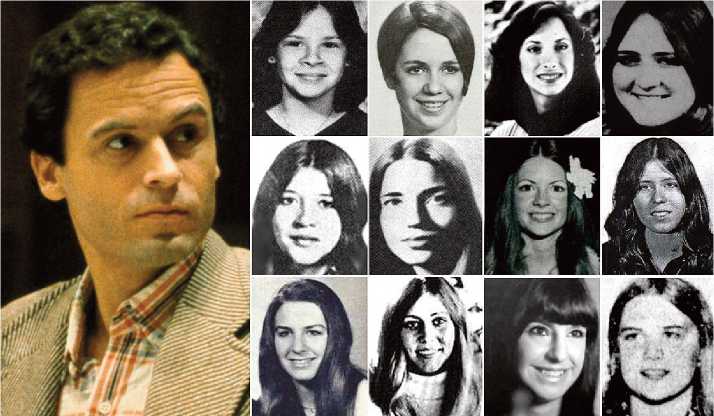
Figure 3 . The notorious American serial killer Ted Bundy, who had twisted motives and brutal methods, confessed to killing 30 women across 7 states in the mid-1970s (Delmonico, 2019) .
Ritual and signature are fantasy-driven, repetitive behaviors at the crime scene that have been identified as characteristic of serial sexual homicides ( Schlesinger et al., 2010 ). A sexual fantasy is, by its nature, a mental construct that does not necessarily have to manifest in reality. However, in individuals prone to violence or deviant behavior, attempts to translate such fantasies into the real world often lead to the development of a distinct signature . The more the offender strives to bring elements of his fantasy to life, the more recognizable and consistent his actions become during the commission of the crime. For example, serial killer Ted Bundy often committed his crimes according to a repetitive pattern that reflected his inner fantasies. His signature involved approaching victims with a false display of vulnerability, often pretending to be injured in order to attract their attention and assistance ( Bjelajac, 2025: 289–290 ). This behavioral pattern, although not essential to the act of killing itself, represented an expression of his obsessive need to maintain complete control over the victim and the situation - stemming from deeply ingrained fantasies of dominance, power, and the subjugation of others.
Discussion: The Representation of Signature Behavior in Contemporary Crime Series
Within the conducted research, representations of signature behavior in contemporary crime series were analyzed (Bjelajac, Filipović, 2022a; Bjelajac, Filipović, 2022b), with special emphasis placed on the psychological and forensic dimensions of this concept. Unlike the modus operandi, which reflects the technical aspects of committing a crime, the signature in these series functions as a symbolic expression of the perpetrator’s inner need, most often manifested through ritualistic, emotional, or artistically shaped behavior. A more extensive analysis included the series Criminal Minds, Dexter, Mindhunter, True Detective, Hannibal, and The Following, which consistently depict various types of signatures - from trophies and rituals to artistic representations of crime. In Hannibal, for instance, murders are aesthetically composed, turning the signature into a work of art, while in Dexter, the main character creates a personal archive of blood samples from his victims. In True Detective, the signature takes on a symbolic form - ritual figures and crowns made of antlers - which point to religious and metaphysical motives behind the crime. Such portrayals contribute to the popularization of the signature concept but often simultaneously simplify its interpretation, transforming psychologically complex phenomena into visual metaphors. Despite this, these series offer significant potential for analytical comparison with real-life cases, as they illuminate key differences between the technical and emotional aspects of crime.
Contemporary crime television series offer a unique opportunity to explore the inner psychological world of the offender, focusing on their signature as a reflection of personal fantasies and emotional needs. In Mindhunter , interactions between FBI agents and suspects, along with analyses of their rituals, demonstrate how the repetition of certain patterns - including victim selection, specific body positioning, and manipulation of the crime scene - represents a form of mental preparation that precedes the actual act. Such portrayals illuminate not only the offender’s motivations and impulses for control but also clearly differentiate the technical aspects of committing the crime (modus operandi) from the elements that serve personal gratification and inner expression (signature) . In this way, these series function as narrative and visual experiments, allowing viewers, researchers, and criminology students to identify patterns that might go unnoticed in real cases and to connect outward behavior with the offender’s psychological processes.
minate the interplay between fantasy, compulsion, and behavioral expression in serial criminality.
|
Series |
Type of Signature Behavior |
Psychological Motive |
Forensic Function |
Note |
|
Dexter |
Collecting victims’ blood samples and ritualistically displaying evidence of their crimes |
Need for control and re-experiencing the act of murder as a way of channeling inner conflict |
Trophy element representing a stable indicator; can be used to identify behavioral patterns and connect crimes |
The signature reflects a ritualized act of selfaffirmation and a symbolic compensation for moral ambivalence |
|
Hannibal |
Aestheticization of murders and symbolic staging of bodies within an artistic context |
Narcissistic fascination with the aesthetics of death and rationalization of aggression through artistic expression |
Visual forensic signature through patterns of staged bodies and spatial compositions |
The signature manifests as an artistic sublimation of aggressive and destructive impulses into an aesthetically shaped composition |
|
True Detective |
Ritual figures, spirals, and antlers placed near the body |
Religious symbolism and mythological rationalization of violence |
Scene reconstruction through symbolic traces |
The signature reflects ritualized symbolism and the ideological framework of violence |
|
Mindhunter |
Empirically based analysis of real-life signature patterns of serial killers |
Exploration of deep psychodynamic structures and compulsive behavioral patterns |
Theoretical and empirical modeling of signature patterns within profiling |
The series contributes to the popularization and understanding of the scientific and methodological approach in criminal profiling |
|
The Following |
Ideologically motivated reproduction of crimes following the teachings and authority of a cult leader |
Formation of a shared identity through ideological and emotional identification with the leader |
Collective signature pattern manifested through group ritual behavior |
The signature functions as a means of ideological control, collective manipulation, and legitimization of violence |
|
Criminal Minds |
Ritualized behavioral patterns expressed through messages, symbolic artifacts, and trophies |
Fulfillment of fantasies and psychological compensation through a narcissistic need for recognition |
Standardized forensic-psychological model of FBI analysis of signature behavior and its variations |
The series depicts the classic dynamic relationship between signature behavior and modus operand! in forensic profiling |
Figure 4 . Comparative Analysis of Signature Behavior in Crime Series
Series such as The Following and Criminal Minds further illustrate how signature elements can mediate between the artistic interpretation of a crime and actual criminal behavior. The ritualistic behaviors and repeated symbolic gestures are not only visually striking but also serve as a means to explore the dynamics of power, control, and obsessive impulses. The depiction of trophies, objects, and meticulously constructed scenes emphasizes the offender’s obsessive dedication to their fantasies and their material realization. Through these narratives, viewers gain insight into how serial killers internalize their fantasies and project them into reality through consistent and recognizable patterns. Through this narrative approach, the series do more than simply present the signature as a plot device - they guide the viewer into the offender’s mindset and reveal the psychological motives that drive their actions.
The table below presents a comparative analysis of signature behaviors in selected crime television series. This analysis is based on an interpretative rather than empirical approach, offering an original synthesis of forensic and psychological concepts as depicted through the lens of popular culture. It highlights recurring motifs, ritualistic patterns, and symbolic gestures, demonstrating how fictionalized narratives can mirror underlying psychological processes observed in real-world offenders. By examining these portrayals, the study provides a framework for understanding how media representations can illu
The results show that signature behavior is present in about 40% of the analyzed episodes, where it is portrayed as a stable psychological indicator that helps investigators identify the motives and profiles of offenders. In approximately 30% of cases, the signature appears in the form of ritual elements, while in 10% of cases it is represented as a trophy or an object of sentimental value to the perpetrator. Around 20% of portrayals of signature behavior in the series have a symbolic or artistic dimension, confirming that popular culture often uses the signature as an aesthetic tool, whereas forensic reality emphasizes its stability and connection to inner impulses and fantasies. Compared to real criminal cases, the series faithfully reflect the basic principles of the signature but often exaggerate its frequency and significance in every investigation. Nevertheless, as an educational model, they contribute to the understanding of behavioral patterns and to the popularization of profiling as an interdisciplinary method in forensic psychology.
Concluding Considerations
Criminal profiling seeks to identify key personality traits and behavioral patterns of an offender based on how the crime was carried out. This field has evolved gradually, undergoing several stages of refinement since psychologists and psychiatrists first began applying it in modern investigative practice ( Petherick and Brooks, 2020 ). The analysis of the signature in criminal profiling confirms that this phenomenon represents one of the most stable and reliable indicators of an offender’s inner psychological structure. Unlike the modus operandi , which adapts to circumstances and experience, the signature remains a consistent expression of the emotional and symbolic needs that motivate the crime. It reveals the dynamics of fantasies, rituals, and impulses that go beyond the mere purpose of the act, thereby offering deeper insight into the offender’s motives and identity.
The research results indicate that the signature is not universally present in every crime but depends on a number of factors - such as emotional stability, situational circumstances, and the conscious attempt to conceal traces. When a signature can be clearly identified, it becomes a valuable investigative clue: it allows investigators to link cases that may seem unrelated at first glance, trace how the violence develops over time, and build a clearer psychological picture of the offender.
The practical and research application of the signature concept demonstrates that its recognition is of crucial importance in the investigation of serial crimes. The analysis of real cases and their portrayals in contemporary crime series confirms its multilayered role - from a diagnostic tool in forensic psychology to a methodological instrument for interpreting offender behavior. Although popular culture tends to simplify its interpretation, it has contributed to the affirmation of this topic and to its broader understanding within both the public and academic spheres.
In conclusion, the signature can be viewed as the offender’s emotional-psychological code - a stable, recurring, and symbolic pattern that links the perpetrator’s inner world with the external act of crime. Its analysis not only contributes to more precise profiling and more efficient resolution of serial crimes but also opens new fields of research into the psychodynamics of criminal behavior. This study confirms that the analysis of the signature must become an integral part of contemporary criminological and forensic methodologies, as it enables a deeper understanding of the motivation, identity, and behavioral continuity of offenders.
Acknowledgments
I would like to thank Sanja Bjelajac for her assistance during the writing process, for providing language support, and for proofreading the manuscript.
Funding
This research did not receive any specific grant from funding agencies in the public, commercial, or non-profit sectors.
Conflict of Interest
The author declares that there is no conflict of interest.
Data Availability Statement
The original contributions presented in the study are included in the article. Further inquiries can be directed to the corresponding author.
Institutional Review Board Statement
This study was conducted in full compliance with applicable research ethics standards.
Author Contributions
Personal contribution. The author has read and agreed to the published version of the manuscript.
