
Сравнительный анализ практики применения искусственного интеллекта в обучении английскому языку в вузах Китая и России
Журнал: Высшее образование сегодня @hetoday
Рубрика: Сравнительная педагогика
Статья в выпуске: 2, 2026 года.
Бесплатный доступ
Стремительное развитие технологий на основе искусственного интеллекта стимулирует их интеграцию в сферу высшего образования, в частности, в преподавание английского языка. Актуальность исследования определяется противоречием между масштабным внедрением цифровых инструментов и отсутствием системного сопоставительного анализа их дидактической эффективности в различных национальных контекстах. Цель исследования – выявить общие тенденции, национальную специфику, а также педагогические эффекты и риски применения искусственного интеллекта в обучении английскому языку в университетах Китая и России. Методологической основой исследования послужил сравнительно-сопоставительный подход, в качестве методов использовались обзор современной научной литературы и анализ опубликованных эмпирических кейсов. Показано, что в Китае преобладает масштабное использование интеллектуальных обучающих платформ и технологий обработки естественного языка для адаптации учебно-методических материалов и автоматизации обратной связи. В России выделяются практики разработки преподавателями материалов с использованием нейросетей и чат-ботов для повышения речевой активности и автономности студентов. Результаты подтверждают потенциал искусственного интеллекта для повышения вовлеченности обучающихся при условии его научно обоснованной интеграции в традиционную дидактику. Сделан вывод о необходимости сочетания технологических решений с педагогическим контролем и развитием у студентов критического мышления.
Похожие статьи в разделе Высшее образование. Университеты. Академическое обучение
Короткий адрес: https://sciup.org/148333708
IDS: 148333708 | УДК: 378:372.881.111.1:004 | DOI: 10.18137/RNU.HET.26.02.P.236
Comparative Analysis of the Practice of Applying Artifi cial Intelligence in English Language Teaching at Universities in China and Russia
The rapid development of artificial intelligence-based technologies is stimulating their integration into higher education, in particular, into English language teaching. The relevance of the research is determined by the contradiction between the largescale introduction of digital tools and the lack of a systematic comparative analysis of their didactic effectiveness in various national contexts. The purpose of the study is to identify general trends, national specifics, as well as pedagogical effects and risks of using artificial intelligence in English language teaching at universities in China and Russia. The methodological basis of the research was a comparative approach, which used a review of modern scientific literature and an analysis of published empirical cases. It is shown that China is dominated by the large-scale use of intelligent learning platforms and natural language processing technologies to adapt teaching materials and automate feedback. In Russia, the practice of teachers developing materials using neural networks and chatbots to increase students' speech activity and autonomy stands out. The results confirm the potential of artificial intelligence to increase student engagement, provided it is scientifically integrated into traditional didactics. It is concluded that it is necessary to combine technological solutions with pedagogical control and the development of students' critical thinking.
Текст научной статьи Сравнительный анализ практики применения искусственного интеллекта в обучении английскому языку в вузах Китая и России
Introduction. The role of AI in education has attracted much attention as digital technologies advance. In the era of COVID-19 recovery, both Chinese and Russian higher‐education systems emphasize informatization of teaching. Chinese government guides call for “modern information technologies such as multimedia, artificial intelligence, virtual reality and big data” as key tools in university English instruction. AI tools (machine learning algorithms, NLP, intelligent tutoring systems) are seen as means to personalize learning paths and address resource imbalances. Similarly, Russian educators note that trends toward personalized adaptive learning are becoming integral to higher education.
The relevance of this research is determined by a complex of unresolved problems and contradictions in the field of digital language pedagogy. Firstly, there is a contradiction between the active integration of artificial intelligence technologies into English language teaching in the national educational systems of China and Russia, driven by digitalization strategies, and the lack of systematic comparative studies that would analyze the direction, scale, and didactic effectiveness of these processes in a contrasting context. This results in a fragmented understanding of AI application practices and limits the possibility of transferring effective educational solutions between different socio-cultural and institutional environments. Secondly, there is a problem of insufficient pedagogical conceptualization of AI use: despite the availability of numerous technological tools (from adaptive platforms to generative neural networks), there is a deficit of research that holistically assesses their impact on the educational process, considering not only potential benefits (personalization, increased engagement) but also risks (erosion of critical thinking, digital inequality, transformation of the teacher's role). The existing body of research within each country often does not provide a basis for generalized conclusions or for developing balanced integration models.
The potential of this article lies in its direct focus on filling these gaps. By conducting a comparative analysis of academic literature and empirical cases, the study aims to systematize the current practices of AI application, identify both convergent trends and nationally specific features, and provide a structured overview of the pedagogical results and challenges. This creates a foundation for further theoretical understanding of AI-mediated language education and for practical methodological development in the field of foreign language teaching.
The aim of this article is to conduct a comparative analysis of current applications of artificial intelligence in English language education at higher education institutions in China and Russia, identifying general trends, national specifics, and pedagogical outcomes based on a review of academic literature and published empirical cases.
This study focuses on current AI applications in university-level English courses in China and Russia, ana-
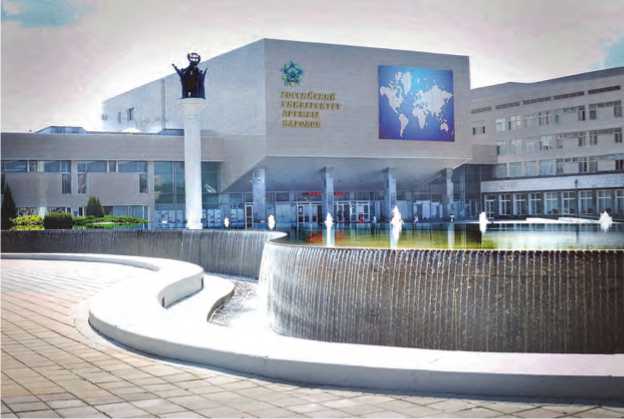
Российский университет дружбы народов имени Патриса Лумумбы
lyzing how instructors and institutions are using AI in practice. We organize a literature-driven comparison of approaches in each country (as distinct case studies) and highlight concrete examples of implementations. No recommendations are made; rather, we describe and analyze existing practices and outcomes.
