
Study of microscopic fungi on medicinal plants growing in the Kedabay region
Journal: Bulletin of Science and Practice @bulletennauki
Section: Естественные науки
Article in issue: 11 т.11, 2025.
Free access
Mycological investigations on medicinal plants is carried out in many countries of the world, but local studies in this direction are not widespread enough. The study of microscopic fungal species (mycoflora) distributing on some medicinal plants ( Urtica dioica L., Stellaria media L., Cephalaria gigantea (Ledeb.) Bobrov) in the natural conditions of the Gadabay region and widely used in folk medicine, determining their systematic composition, and evaluating the results obtained on a scientific basis. The study was conducted based on mycological methods. The characteristics and eco-trophic relationships of them have been studied. The anamorphs of fungi belonging to the Ascomycota division are more numerous than those belonging to other taxonomic groups. They account for 66% of the total number of fungi recorded during the studies. 34% belong to the Zygomycota phylum. More than 15 species of micromycetes were found on the studied plants and they were systematically attributed to different taxonomic groups. Plant-fungal relationships were observed in various ecolotrophic types: parasitism, saprotrophy and, in rare cases, mutualism. The dominance of pathogenic micromycetes increased, especially in weakened and mechanically damaged plant organs. The results of the study are of great importance in terms of increasing the level of biological safety of medicinal plants and determining the hygienic and sanitary norms that should be observed during their proper collection, storage, and use.
Similar articles in the section Systematic botany
Short address: https://sciup.org/14135395
IDS: 14135395 | UDC: 582.287.237 | DOI: 10.33619/2414-2948/120/04
Изучение микроскопических грибов лекарственных растений, произрастающих на территории Кедабейского района
Микологические исследования лекарственных растений проводятся во многих странах мира, но локальные исследования в этом направлении недостаточно распространены. Изучение микроскопических видов грибов (микофлоры), распространенных на некоторых лекарственных растениях ( Urtica dioica L., Stellaria media L., Cephalaria gigantea (Ledeb.) Bobrov) в природных условиях Кедабекского района и широко используемых в народной медицине, определение их систематического состава и научная оценка полученных результатов. Исследование проводилось на основе микологических методов. Изучены их особенности и эколого-трофические связи. Анаморфы грибов, относящихся к отделу Ascomycota, более многочисленны, чем принадлежащие к другим таксономическим группам. Они составляют 66% от общего числа грибов, зарегистрированных в ходе исследований. 34% относятся к отделу Zygomycota. На изученных растениях обнаружено более 15 видов микромицетов, которые систематически отнесены к разным таксономическим группам. Взаимоотношения растений и грибов наблюдались по различным экологотрофным типам: паразитизму, сапротрофии и, в редких случаях, мутуализму. Доминирование патогенных микромицетов усиливалось, особенно в ослабленных и механически поврежденных органах растений. Результаты исследования имеют важное значение для повышения уровня биологической безопасности лекарственных растений и определения санитарно-гигиенических норм, которые необходимо соблюдать при их сборе, хранении и использовании.
Text of the scientific article Study of microscopic fungi on medicinal plants growing in the Kedabay region
Бюллетень науки и практики / Bulletin of Science and Practice Т. 11. №11 2025
UDC 582.287.237
In recent years, interest in natural and herbal remedies has increased significantly worldwide. On the one hand, this interest is due to the widespread use of medicinal plants with proven pharmacological effects in folk medicine, and on the other hand, it is explained by the fact that they have fewer side effects than synthetic drugs [1].
Medicinal plants that grow naturally in various regions of Azerbaijan, especially in mountainous areas such as the Gadabay region, and are widely used among the people, not only have a rich bioactive substance content, but also have high potential in economic and ecological terms. However, microbial and fungal contamination encountered during the collection, storage and use of medicinal plants can negatively affect the quality and safety of these plants. Microscopic fungi can develop in the form of colonies on plants, change their structure, reduce the amount of biologically active substances and even secrete mycotoxins dangerous to human health. This becomes even more relevant as a result of improper collection, drying and storage conditions of medicinal plants.
Mycological monitoring of medicinal plants is carried out in many countries of the world, but local studies in this direction, especially the study of specific flora and mycoflora relationships in regions, are not widespread enough. Although the Gadabay region has rich vegetation, the species composition and distribution characteristics of microscopic fungi on medicinal plants distributing in this area have not been systematically studied so far. Therefore, the study of the mycological composition of some medicinal plants distributing in natural conditions in the Gadabay region is relevant both from a scientific and practical point of view. The results of the study may contribute to improving the sanitary and safety indicators of these plants, the formation of proper harvesting and storage technologies, and, in general, to ensuring safer use in folk medicine and pharmacology.
The objects of these investigations are microscopic fungal species (mycoflora) distributing on some medicinal plants ( Urtica dioica L., Stellaria media L., Cephalaria gigantea (Ledeb.) Bobrov) in the natural conditions of the Gadabay region.
There are up to 60 species of Cephalaria Schrad. ex Roem. genus, and up to 12 species are found in Azerbaijan. The most common species of this genus are found in Southern Europe, South Africa, and the Mediterranean countries. The Cephalaria Kotschyi , Cephalaria nachiczevanica , and Cephalaria gigantea species are widespread in our country. These species are mainly distributed in the Gadabay, Dashkesan, Shahbuz, Lachin, Kelbajar, Zagatala, Davachi, Ismayilli, and Lankaran regions of the republic. Cephalaria gigantea — is the plant with 150-200 cm height. The stem is bare or covered with short hairs and erect. The lower parts of the plant are covered with stiff hairs. The arrangement of the leaves is opposite. The shape is simple, feathery, oblong-oval, or oblong-lanceolate. The corolla is covered with hairs on the outside and is grayish-yellow in color [2].
This plant is widespread in the north of the Lesser Caucasus, in the center and south of the Greater Caucasus, in the Guba regions. It is also found mainly in forest and mountain meadows, in the middle and upper mountainous zones. This plant is also very important as a dye plant. The flavonoid dye substances quercin, quercimeril (7-glucoside quercetin), 7-0-D-glucopyranoside, cynarozide, etc. have been found in the composition of the aboveground and flower parts.
Бюллетень науки и практики / Bulletin of Science and Practice Т. 11. №11 2025
Urtica dioica L. — belongs to the Urticaceae family. Representatives of this family are mainly herbs, sometimes shrubs and small trees. They have opposite and alternate leaves. The surface of these leaves and stems are covered with a rich mixture of silica and formic acid, which is covered with sharp and brittle hairs. This mixture is very sharp and stinging. The leaves have long petioles and serrated edges [3].
Urtica-in Latin means "to burn", "to prick". Its flowers are mostly single or solitary and have a simple inflorescence. The inflorescence is composed of 4-5 free or connate leaflets. Its seeds are endosperm, and the fruit is a small nut-like or drupe. The genus has a total of 40 genera. It is mainly distributed in the tropics, mountainous humid subtropical forests, temperate climates, from plains to the upper mountain belt. 600 species are distributed. 3 genera and 8 species are found in Azerbaijan [4].
The most valuable species is considered Urtica dioica . It is a herbaceous plant and is 100-150 cm high. Its main characteristic features are: its roots are branched, it has dark green leaves arranged oppositely, its four-year-old rhizomatous stem is branched and reproduces intensively with it. It has a spike-shaped flower group, and its fruit is a capsule. Its flowering begins in July and lasts until September. It is mainly found in humid areas with a lot of nitrogen, in places where groundwater emerges, therefore it is a typical nitrophilic plant. Even 0.001 mg of the substance contained in the stinging hairs of this plant can have a serious effect on the body. These hairs consist of a flask-shaped base and a hook at the tip. When in contact with the skin, cellular fluid enters the body through the hairs. Plant is rich in vitamins. Thus, vitamins K, A, C, P, B have been identified in its composition. As a medicinal substance, its use is very important in avitaminosis, hemorrhoids, internal bleeding, and gynecological bleeding. Its juice is also rubbed on purulent, watery wounds, and this juice is used for liver colds, for dissolving stones in the bile ducts, and against paralysis. At the same time, it can cleanse the lungs and stomach of unnecessary substances. It is used as an adhesive ointment against rheumatism and radiculitis in joints and muscles. In our country, its leaves are dried and used as a spice by adding a little sugar. It is also used as a valuable raw material in the preparation of many dishes in many regions — qutab, salad, green soup, etc. [5].
For the first time, Ibn Sina reported on the medical importance of this plant. He used this plant to stop nosebleeds. Plant contains 20.8% protein, 2.5% fat, 18% cellulose, macroelements consisting of iron and calcium, and 16.6 mg % potassium. Cellulose, which can also be used for fiber production, has been found in its stem. Preparations obtained from it are used as tonics, polyvitamins, antiseptics, diuretics, and expectorants. Secretin, which reduces blood sugar levels and stimulates the production of insulin in the body, has also been found in its leaves [6]. It is also used as a dye. Green dye is obtained from the green leaves, and this dye is used in the food and medical industries. It is also used in the cosmetic industry, infusions and baths, creams and ointments are prepared from it. They are widely used in the treatment of chronic skin wounds, itching, eczema and boils. It is also used as a disinfectant. Thus, it is applied to knots and bumps on the skin, and is used to eliminate foul odors from wounds. Its gruel is used to increase elasticity and also to restore tissues. Its extract is used against petrification and to treat warts. The juice obtained from its leaves is used to remove dandruff from the hair and strengthen the base of the hair [7].
Stellaria media L. — also known as heartwort. It belongs to the Caryophyllaceae family. The family has a number of characteristic features: it is an annual or perennial herb or subshrub, its swollen, pointed stems are adapted to atypical polycambial condensation, its leaves are mostly opposite, some are alternate, simple and entire, its shape is linear or lanceolate, some have a leaf base, some do not. The flower group is a symbiosis flower group. Most are unisexual, while some are actinomorphic or zygomorphic, located singly. Simple or double inflorescences are observed. The petals are free, folded or turned into a nail. Free or adjacent sepals are observed. In some, the
Бюллетень науки и практики / Bulletin of Science and Practice Т. 11. №11 2025 corolla is not found at all. The fruit is a multi-seeded capsule, rarely a single-seeded nutlet or berry. It is covered with hair and opens with flaps.
Its species are widespread all over the world, including our Republic. Thus, there are 80 genera and 2000 species in the world, and up to 35 genera and up to 200 species in Azerbaijan [8].
Representatives of the subfamily Alsinoideae are mainly annual and perennial herbaceous plants. In representatives of this subfamily, free sepals and petals form a rachis. The number of sepals and petals is 5, the number of columns is 3, and the number of stamens is mainly 10,5,3. The fruits of the subfamily are spherical or ovoid capsules that open with 6 valves [9].
In our republic, the main species of Stellaria are represented by 5 species. There are representatives of food and fodder importance, and these representatives are weed plants adapted to various habitats. This species is found in many regions of Azerbaijan and is known for its lying trunk, small leaves, and white flowers. It is a herbaceous plant. It contains rich essential oil.
It is considered a plant rich in vitamins [10]. Also, the Stellaria is used in the preparation of a number of dishes (dovga, kuku, qutab). Vitamins A, C, B, K are found. It is mainly used to regulate the digestive system, so when children have a stomachache, it is brewed as tea and given to drink, which gives positive results [9].
The results of the study are of great importance in terms of increasing the level of biological safety of medicinal plants and determining the hygienic and sanitary norms that should be observed during their proper collection, storage, and use.
Material and Methods
Geographical location and physical conditions of Gadabay district
Gadabay district, known for its natural beauty, rich history and culture, is one of the charming corners of Azerbaijan. It is located in the high and middle mountainous belts of the Lesser Caucasus, in the area bordering the Gazakh and Tovuz districts in the west of Azerbaijan. Its area is 1232.98 square kilometers and is considered one of the ancient settlements of Azerbaijan. Goshabulag and Gojadagh are considered the highest peaks, as Goshabulag is 3549 m, and Gojadagh is 3317 m. Anthropogenic, Jurassic, Cretaceous and Paleogene sediments are mainly distributed here. White and black marble deposits are mainly found in the deposits.
The climate is typical of a mountainous region, as a mild subtropical climate prevails in the lower parts of the region, but colder climatic conditions prevail as the altitude increases. High mountainous areas receive a lot of snowfall. A cold, dry, mountainous tundra climate prevails in winter. A mild, dry, warm climate prevails in summer. The air temperature in July is 10-20°C, and in January -2-10°C. Mountain-forest lands are observed in mountainous areas with a mild-warm climate between 700-200 m [11].
Yellow, black, brown and brown soils are found. Brown soils have developed under moist forests rich in rot. Brown soils are found in forests with a relatively dry climate. Yellow soils are widespread in the Talysh Mountains and Lankaran Lowland. The soil is red and yellow due to the iron it contains. A very dense river network is found. The upper reaches of the Akhinja and Zayam rivers are located in this region, and the upper reaches of the Shamkir river are located on the southwestern border of the region. One of the most important water sources is the Gamarli river. It is provided with various lakes and small reservoirs suitable for irrigation. The Tartar River is located in the southern part of Gadabay and is used for irrigation purposes. There are various mountains and mountainous valleys in the region. The most famous of these are the Gadabay Mountains, Murovdag and the Tartar River Valley .
Бюллетень науки и практики / Bulletin of Science and Practice Т. 11. №11 2025
Methods of fungal researchs
The study was conducted based on mycological methods and approaches taking samples from some medicinal plants growing in the Gadabay region. There are various fungal diseases in plants. There are several methods for their correct identification. The method used at the initial stage is identification based on visual signs. Fungi form variously shaped spots, molds, and rots on the plant. At the same time, leaf twisting and deformation, plant stunting or wilting are observed. However, microscopic, molecular methods, culture methods and serological tests are used to obtain more accurate results and determine the type of fungus. Through these tests and methods, the type of fungus is determined with complete accuracy [12].
During the cultivation method of fungi, a number of equipment and supplies, nutrient media are used in the laboratory. When choosing a nutrient medium, it is necessary to know in which nutrient medium the fungi develop. When preparing the nutrient medium, an accurate weighing scale, a flask or a Pyrex bottle, a magnetic stirring oven, distilled water and powdered nutrient media were used. Ready-made YGC (Yeast Extract) and DG18 (Dichloran-Glycerol) agars were used as nutrient media. After weighing 22.5 g of YGC and DG18 agars with 1L of distilled water accurately on a scale and pouring them into the flask, distilled water is measured using a beaker and added to the flask. After being placed on a magnetic stirrer for good mixing, it is autoclaved. The prepared sterile nutrient media are poured into petri dishes in a completely sterile manner in a UV box. The sample is separated using tweezers and sterilely taken and placed in a petri dish. A control (witness sample) is placed in the nutrient medium to ensure that no fungi fall from the outside and there is no external contamination. Then it is placed in an incubator at 25-27˚C. The full development of the fungi is possible within 5 days. It is necessary to make sure that the incubators are working properly within 5 days. For this, the temperatures of the incubators should be measured and recorded every day. The development of the fungi is monitored from the 3rd day. The colonies that develop should be removed to a clean environment and the type determined.
After the colony is placed on a slide, it is examined under a microscope using the Gram stain method and the type is determined. For this, the database of the International Association of Mycology, as well as the CBC fund, is used. It is possible to determine whether the growth and development of mushroom species differ by the Growth Factor. The Growth Factor is based on a special formula: D is the diameter of the colony (measured in millimeters), H is the vertical size (height) of the colony, S is the density indicator of the colony (evaluated on a scale from 1 to 5), and T is the cultivation period (in days). The systematic location of plant species and their distribution frequency were calculated using the following formula: N = n/s. Where, N is the frequency of use (units/ha), n is the number of specific medicinal plant species observed in a given area, and s is the total area of the studied area (in hectares). The frequency of occurrence of fungal species in samples and the prevalence of diseases caused by pathogenic microorganisms were determined using the following formula: P = (n/N) × 100. Where, P is the frequency of detection of fungal species in samples or the prevalence of diseases caused by pathogens (in %), n is the number of specific fungal samples (plant individuals carrying the disease) observed, and N is the total number of plant samples studied in general. The experiments were repeated at least three times, and the results obtained were analyzed using statistical methods. Only indicators that correspond to the formula: m/M = P ≤ 0.05. Where M is the average value, m is the standard deviation, P is the probability level estimated by the Student test were considered reliable and included in the dissertation .
Results and discussion
Fungi can act as both harmful and beneficial microorganisms in nature. Fungi that inhabit medicinal plants or plants can change the synthesis of pharmacological substances in them, cause pathogenicity, and reduce or completely destroy the biological activity of the plant. On the other hand, endophytic or mycorrhizal fungi can increase the resistance of plants to stress factors and increase the level of active metabolites. This expands their biotechnological and biopharmacological potential.The study of fungal species in medicinal plants is considered important for the following main reasons: early identification of pathogenic fungal species that cause disease in plants and determination of preventive measures: determination of beneficial microflora that establish a symbiotic or mutualistic relationship with the plant; discovery of new bioactive compounds of fungal origin and their pharmacological study; ensuring the quality and safety of medicinal plants during storage, processing and use; analysis of indicator microorganisms for assessing the sanitary and ecological state of the environment. All this shows that the study of the mycobiota of medicinal plants is an urgent and multidisciplinary field of research not only for the preservation of their biological and medical importance, but also for phytopathology, ecology, biotechnology and pharmaceutical sciences. Such studies, in addition to ensuring the sustainable development of medicinal plants, also make a significant contribution to increasing their therapeutic and industrial value. The study of the mycobiota of medicinal plants: ensures the safety and effectiveness of natural remedies, enables the discovery of new drugs, supports the transition to environmentally friendly, harmless, biologically based agricultural technologies [13].
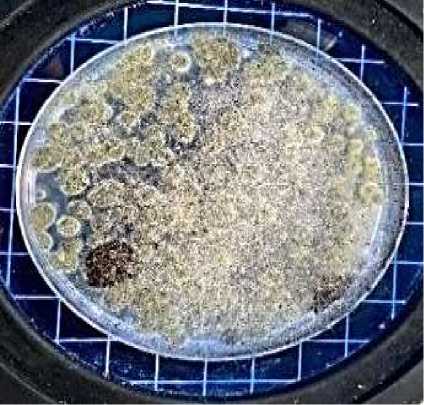
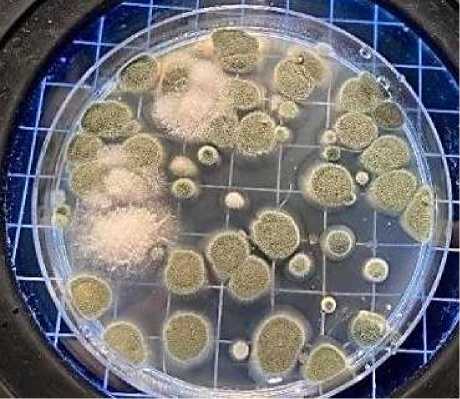
Research was conducted on 3 medicinal plants from two areas of Gadabay, and 15 fungal species were identified (Figure 1-7).
Table 1 TAXONOMY OF FUNGI
|
Phylum |
Class |
Ordo |
Family |
Genus (number of species) |
|
Zygomycota |
Zygomycetes |
Mucorales |
Syncephalastraceae Rhizopodaceae Mucoraceae |
Syncephalastrum (1) Rhizopus (1) Mucor (2) |
|
Mortierellomycetes |
Mortierellales |
Mortierellaceae |
Mortierella (1) |
|
|
Ascomycota |
Eurotiomycetes |
Eurotiales |
Trichocomaceae |
Penicillium (2) Aspergillus (5) |
|
Sordariomycetes |
Hypocreales |
Nectriaceae |
Fusarium (1) |
|
|
Dothideomycetes |
Pleosporales |
Stemphyliaceae Alternariaceae |
Stemphylium (1) Alternaria (1) |
|
|
2 |
5 |
5 |
8 |
15 |
Identification of fungi helps in finding methods of prevention and elimination of plant diseases caused by them. The identified fungal species differ from each other in the structure, shape, and color of the colonies they form. Since each of them has its own characteristics, they are grouped into different categories. The characteristics and eco-trophic relationships of them have been studied. As can be seen from the Table 1, the anamorphs of fungi belonging to the Ascomycota division are more numerous than those belonging to other taxonomic groups. They account for 66% of the total number of fungi recorded during the studies. 34% belong to the Zygomycota division [13]. Evaluation of fungi involved in the formation of mycobiota of some medicinal plants growing in the Gadabay region according to ecolotrophic relationships. In recent years, plant-microbiome studies have become of great importance in terms of studying biodiversity and establishing sustainable agricultural systems. Microorganisms living on and inside plants, especially microscopic fungi are directly related to the development, stress resistance and metabolic activity of plants.
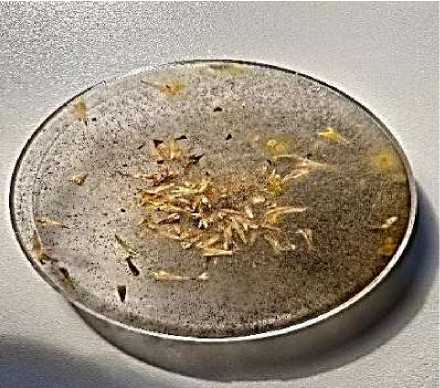
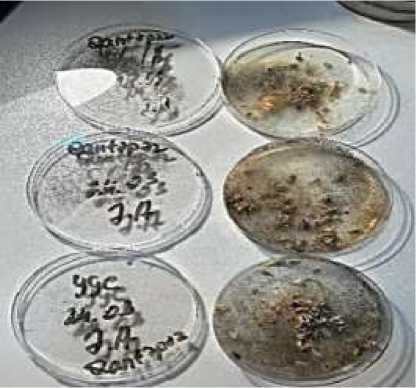
Figure 1. Initial cultures of Cephalaria gigantea (Ledeb.) Bobrov using nutrient media
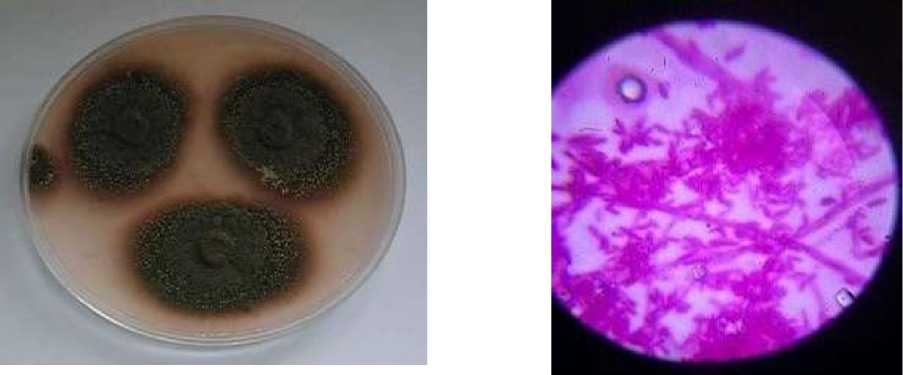
Figure 2. Cultures obtained by pure culture of colonies obtained from C ephalaria gigantea (Ledeb.) Bobrov ( Aspergillus nidulans )
A
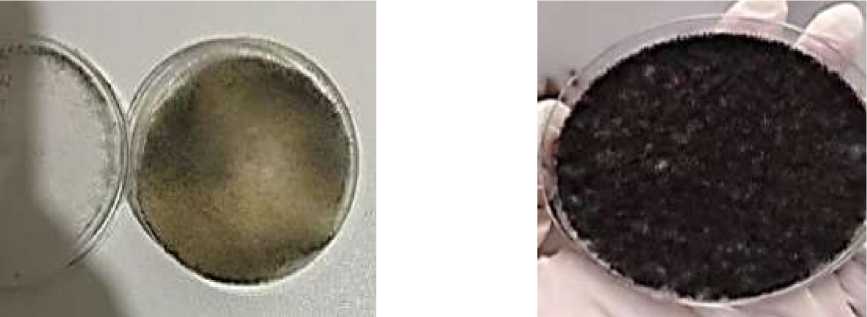
Figure 4. Cultures of Stellaria media L. initially grown using nutrient medium
Figure 3. Microscopic view of conidia from a mushroom sample taken from C ephalaria gigantea (Ledeb.) Bobrov ( Aspergillus nidulans )
B

A B
Figure 4. Cultures obtained as a result of pure culture of colonies from Stellaria media L. (A — Mucor racemosus , B — Aspergillus parasiticus )
A B
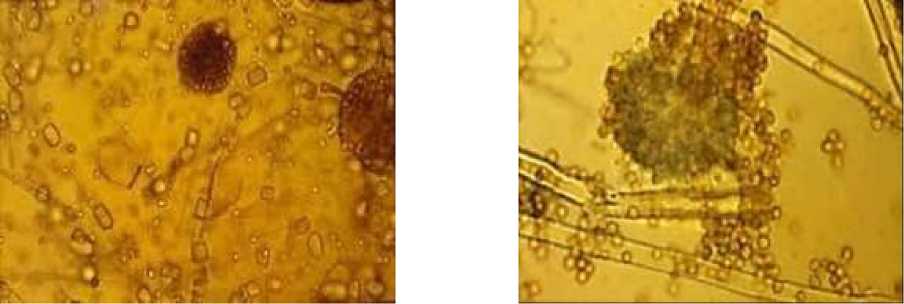
Figure 5. Microscopic view of conidia of a fungal sample taken from Stellaria media L. (A — Mucor racemosus , B — Aspergillus parasiticus )
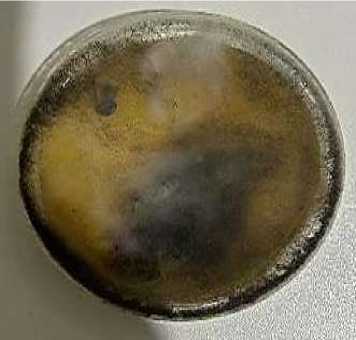
Figure 6. Urtica dioica L. cultures initially grown using nutrient media
They play various ecolotrophic roles and interact with plants as symbionts, pathogens or saprotrophs. Saprotrophic fungi are fungi that live on and feed on dead and decaying matter. They play a very important role by breaking down dead organisms and ensuring the recycling of substances. Pathogenic fungi, unlike saprotrophic representatives, live on living organisms and cause crop losses in agriculture, as well as a number of serious diseases. Symbiont fungal species live together with other organisms and provide mutual benefit (mutualism).
A
B
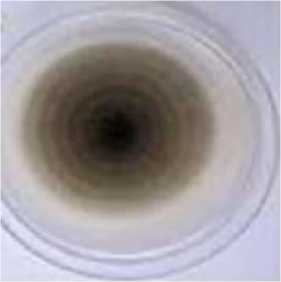
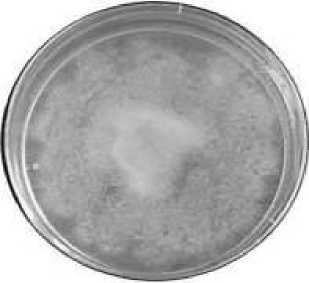
Figure 7. Cultures obtained by pure culture of colonies obtained from Urtica dioica L. (A — Alternaria tenuissima , B — Mucor hiemalis )
That is, the fungal organism transfers water and minerals from the soil to the plant. The plant transfers sugars produced as a result of photosynthesis to the fungus. Symbiont forms include mycorrhiza and symbionts. During their long historical evolution, fungi have acquired adaptations and adaptations to environmental conditions, which have resulted in the formation of ecological groups. Therefore, they have formed various biologically active substances such as antibiotics, mycotoxins, vaccines, etc. They also play a significant role in the mineralization and biochemical transformation of dead organisms and living remains in the soil, in increasing soil fertility, and in soil formation. The soil ecological group is a favorable habitat and food source. It is considered the main ecological environment for fungi. Gadabay region, one of the high mountainous zones of Azerbaijan, has a rich floristic diversity and various medicinal plants are distributed here in natural conditions. The mycobiota formed on these plants is important both in terms of maintaining ecological balance and in terms of medical and agrobiotechnological potential [13].
The ecolotrophic approach allows for the assessment of the ecological position and food acquisition strategies of fungi together. Within the framework of this study, fungi participating in the mycobiota of medicinal plants found in the flora of the Gadabay region were divided into parasitic, saprotrophic, symbiont, and endophytic groups. The aim of this study is to determine and evaluate the composition of mycobiota formed on selected medicinal plants growing in the Gadabay region and the ecolotrophic functions (parasitism, saprotrophism, symbiosis, and endophytism) of these fungi (Table 2) [12].
Table 2
DISTRIBUTION OF FUNGAL SPECIES BY ECOLOTROPHIC GROUPS ( Phytopathogenic fungi )
|
The type of fungi |
Danger |
Pathogenicity index |
|
Syncephalastrum racemosum |
Low-risk of infection in immunocompromised individuals |
Opportunist (rare) |
|
Aspergillus nidulans |
Moderate-can produce allergens, toxic metabolites Opportunist |
|
|
Rhizopus oryzae |
Moderate-can cause mucormycosis |
Opportunist / pathogen |
|
Stemphylium solani |
Medium-leaf spot, yield loss |
Plant pathogen |
|
Aspergillus niger |
Medium / High-mycotoxin (ochratoxin A), allergy |
Opportunist |
|
Fusarium verticillioides |
High fumonisin toxin (carcinogen) |
Plant and crop pathogen |
Phytopathogenic fungi are mainly obligate and facultative parasites by their lifestyle. They enter plants in various ways - stomata, cracks and other ways. They manifest the diseases they cause in a number of forms: Rots — they mainly damage the root system and food pipes. The main reason for rotting is the loss of turgor. Rots — the plant tissue becomes soft, the cells lose their connection
Бюллетень науки и практики / Bulletin of Science and Practice Т. 11. №11 2025 with each other. Spots or necrosis — in this case, colored spots form on the surface of the leaves, which is caused by the effect of the toxin secreted by the fungus. Blights — are formed as a result of the development of the fungal mycelium in the plant. Mummification — the mycelium of the fungus develops in the plant tissue. In medicinal plants, fungi cause diseases such as blight (ascochytatosis, septoria, cladasporiosis, cercasporosis, phyllostictosis), fusarium wilt, various types of rot (gray, root, white, soft, etc.), rust, downy mildew, phytophthora, rust (powdery and solid), etc.
Conclusions
As a result of the conducted studies, it was determined that a rich and diverse mycobiota is formed on medicinal plants growing in the Gadabay region. More than 15 species of micromycetes were found on the plants of the studied plants and they were systematically attributed to different taxonomic groups. The obtained results can be summarized as follows: the most common fungal genera were: Alternaria, Rhizopus, Fusarium, Penicillium, Aspergillus, Mucor , etc. Many of these species are phytopathogenic and saprotrophic in nature. Plant-fungal relationships were observed in various ecolotrophic types: parasitism, saprotrophy and, in rare cases, mutualism. The dominance of pathogenic micromycetes increased, especially in weakened and mechanically damaged plant organs. The study showed that microorganisms which affect the therapeutic potential of medicinal plants are formed in accordance with their biochemical composition and environmental conditions. Changes in the composition of mycobiota are closely related to the age of the plant and environmental factors. Microbiological monitoring may play an important role in the future industrial use of these plants in terms of hygienic and technological control. In particular, biosecurity measures are recommended to reduce the risk of fungal contamination during the harvesting and drying stages of the plants.
