
Sustainable meat safety: electron beam treatment on the quality and safety indicators of poultry meat
Journal: Bulletin of Almaty Technological University @vestnik-atu
Section: Технология пищевой и перерабатывающей промышленности
Article in issue: 2 (152), 2026.
Free access
Food safety has been a concern for consumers, especially when storing various types of meat. Non-thermal technology, in particular electron beam irradiation, can ensure the safety of poultry meat by inactivating food pathogens without significantly affecting its nutritional and organoleptic characteristics. Compared to other non thermal methods, electron beam irradiation is considered a new non-thermal technology for meat due to its low cost, lack of contamination, and antibacterial effect. However, this technology still has some limitations, such as lipid oxidation (LPOD), protein oxidation (PNOD), physicochemical changes, and organoleptic changes, which limit its application in various types of meat. The aim of this scientific study is to highlight new ideas for the application of electron beam irradiation in poultry meat storage. This article focuses on the application and mechanism of electron beam irradiation sterilisation, justifies the electron beam irradiation dose, and highlights areas for future research. In addition, particular attention is paid to optimising processing parameters to minimise quality deterioration while maintaining microbiological safety and extending shelf life.
Similar articles in the section Industries, crafts and trades for finished or assembled articles
Short address: https://sciup.org/140315560
IDS: 140315560 | UDC: 68.39.37 | DOI: 10.48184/2304-568X-2026-2-42-49
Устойчивое обеспечение безопасности мяса: влияние обработки электронными пучками на показатели качества и безопасности мяса птицы
Безопасность пищевых продуктов была проблемой для потребителей, особенно при хранении различных видов мяса. Нетермическая технология, в частности облучение электронным пучком, может обеспечить безопасность мяса птицы за счет инактивации пищевых патогенов без существенного влияния на питательные и органалептические характеристики. По сравнению с другими нетермическими методами облучение электронным пучком считается новой нетермической технологией для мяса из-за ее низкой цены, отсутствия загрязнения и антибактериального эффекта. Однако эта технология все еще имеет некоторые ограничения, такие как окисление липидов (LPOD), окисление белков (PNOD), физико-химические и органалептические изменения, которые ограничивают ее применение в различных видах мяса. Цель научного исследования - осветить новые идеи применения облучения электронным пучком при хранении мяса птицы. В статье основное внимание уделено применению и механизму стерилизации облучения электронным пучком, обоснована доза облучения электронным пучком, а также подчеркнуты направления будущих исследований.
Ет қауіпсіздігін тұрақты қамтамасыз ету: құс етінің сапасы мен қауіпсіздігі көрсеткіштеріне электрондық сәулелермен өңдеу
Азық-түлік қауіпсіздігі тұтынушылар үшін, әсіресе әртүрлі ет түрлерін сақтау кезінде маңызды мәселе болып табылады. Термиялық емес технология, атап айтқанда электронды сәулемен өңдеу, қоректік және органолептикалық сипаттамаларға айтарлықтай әсер етпестен тағамдық патогендерді инактивациялау арқылы құс етінің қауіпсіздігін қамтамасыз ете алады. Басқа термиялық емес әдістермен салыстырғанда, электронды сәулелік өңдеу ет үшін жаңа термиялық емес технология болып саналады, себебі оның құны төмен, екінші реттік ластану қаупі жоқ және айқын бактерияға қарсы әсерге ие. Дегенмен, бұл технологияда липидтердің тотығуы (LPOD), ақуыздардың тотығуы (PNOD), физика-химиялық және органолептикалық өзгерістер сияқты бірқатар шектеулер бар, бұл оның әртүрлі ет түрлерінде қолданылуын шектейді. Зерттеудің мақсаты — құс етін сақтау барысында электронды сәулемен өңдеуді қолданудың жаңа ғылыми тәсілдерін негіздеу. Мақалада электронды сәулемен зарарсыздандыру механизмі қарастырылып, өңдеудің оңтайлы дозасы негізделеді, сондай-ақ өнім сапасын сақтау мен сақтау мерзімін ұзартуға бағытталған болашақ зерттеулердің перспективалық бағыттары айқындалады.
Text of the scientific article Sustainable meat safety: electron beam treatment on the quality and safety indicators of poultry meat
МРНТИ 68.39.37
In recent decades, food safety assurance and shelf-life extension have emerged as central challenges in the food industry [1]. Poultry meat represents a major protein source worldwide; however, its high water activity and nutrient-rich composition create favorable conditions for microbial proliferation, particularly for pathogens such as Salmonella spp. and Listeria monocytogenes [2]. The presence of these microorganisms not only accelerates spoilage processes but also increases the incidence of foodborne illnesses.
Among emerging non-thermal preservation technologies, electron beam (E-beam) irradiation has attracted considerable attention due to its capacity to inactivate microorganisms while maintaining product quality [3]. This technology involves exposure of food materials to high-energy electrons, resulting in disruption of microbial DNA and cellular structures. Compared with gamma irradiation, E-beam treatment offers lower penetration depth but enables precise dose control and reduced processing time, which is advantageous for industrial applications [4].
Previous studies have demonstrated the effectiveness of E-beam irradiation in reducing pathogenic bacteria in poultry meat [5], particularly Salmonella spp., Listeria monocytogenes, and Campylobacter jejuni [6]. Microbial reductions of several logarithmic cycles have been reported at doses between 2 and 4 kGy, while higher doses can achieve near-complete inactivation [7]. Nevertheless, excessive irradiation levels may promote lipid oxidation and negatively affect sensory properties [8].
In addition to microbial control, E-beam irradiation contributes to shelf-life extension of chilled poultry products. Doses in the range of 2 - 4 kGy have been shown to prolong storage stability by up to several weeks [9], especially when combined with vacuum packaging [10,11]. However, optimization of irradiation parameters remains essential to balance microbial safety with product quality.
Therefore, comprehensive evaluation of microbiological, physicochemical, and sensory changes in poultry meat subjected to electron beam irradiation is required to establish effective and safe processing regimes.
Materials and methods
The study was carried out in several consecutive stages in order to evaluate the effect of electron beam irradiation on microbiological safety and quality of poultry meat.
At the first stage, model systems were prepared using sterile sodium chloride (NaCl) solution. The solutions were artificially inoculated with Salmonella enterica (strain 9842) and Escherichia coli (strain 47078) to obtain an initial microbial concentration of approximately 10⁸ CFU. These model samples were irradiated at different dose levels to assess the sensitivity of microorganisms to electron beam treatment. The results of this stage were used to determine irradiation doses capable of providing effective microbial inactivation.
At the second stage, real meat samples were used. Poultry meat was artificially contaminated with selected pathogenic microorganisms in order to simulate unfavorable sanitary conditions. The choice of bacterial cultures was based on common food safety requirements for ready-to-eat meat products. After irradiation, microbiological analyses were performed to evaluate the relationship between absorbed dose and microbial reduction.
At the final stage, poultry meat samples without artificial contamination were irradiated to study the influence of electron beam treatment on physicochemical properties, sensory quality, and shelf life during refrigerated storage.
Irradiation was conducted using an industrial electron accelerator ILU-10 [12]. The energy of accelerated electrons ranged from 2.5 to 5 MeV, and the beam current reached up to 10 mA. Samples were transported through the irradiation zone using an automated roller conveyor equipped with adjustable lifting platforms. The conveyor speed varied from 2 to 8 cm/s depending on the required absorbed dose.
For experiments with model systems, irradiation was performed at the Institute of Nuclear Physics of the Ministry of Energy of the Republic of Kazakhstan. Electron energy was set at 5 MeV, and absorbed doses of 2, 4, 6, and 8 kGy were applied. Dose control was achieved by adjusting the beam current while keeping the conveyor speed constant.
During processing, samples were placed horizontally on the conveyor and irradiated from both sides by rotating them 180 degrees to ensure uniform dose distribution.
Results and discussion
Poultry meat samples were treated with electron beam irradiation at doses of 2, 4, 6, and 8 kGy and stored under refrigerated conditions. During storage, sensory quality, physicochemical parameters, and microbiological safety were regularly evaluated. (Fig. 1).
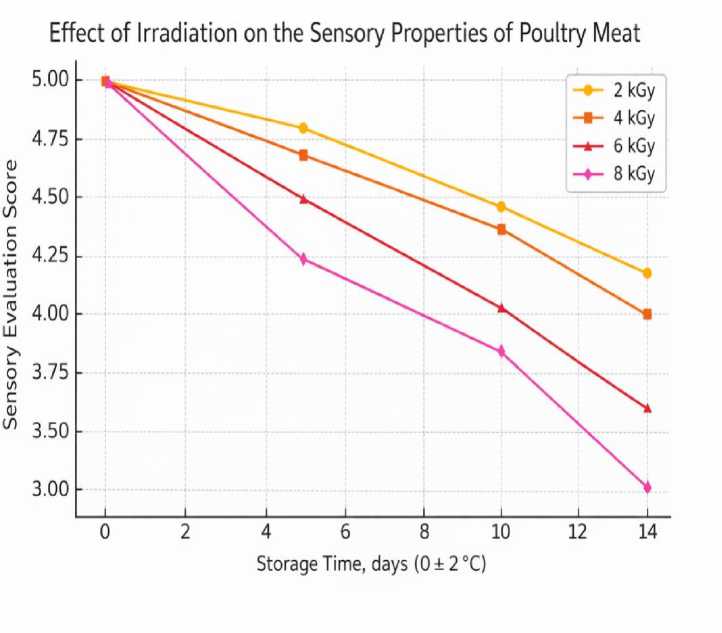
Figure 1. Effect of irradiation on the sensory properties of poultry meat
Sensory properties
Taste. Poultry meat treated at doses of 2 and 4 kGy preserved its natural taste during the first 14 days of storage. No clear differences were detected when compared with non-irradiated samples. In contrast, samples exposed to 6 and 8 kGy showed noticeable taste changes from about day 10. A mild cooked-like flavor and slight rancid notes gradually appeared as storage progressed.
Odor. Meat irradiated at 2 and 4 kGy maintained a fresh and pleasant smell for up to 20 days. At higher doses, however, weak off-odors were detected starting from day 10 of storage. These changes are likely related to oxidative reactions in lipids.
Color. Visual changes in meat color depended on irradiation dose. Samples treated with 6 and 8 kGy showed darkening after approximately 14 days of storage. In contrast, meat irradiated at 2 and 4 kGy remained visually stable with no noticeable discoloration throughout the storage period.
Texture. Texture remained soft and close to fresh meat in samples treated at 2 and 4 kGy for up to 30 days. At higher doses, meat gradually became firmer and drier by around day 20, which may be explained by structural changes in muscle proteins caused by irradiation.
Overall, these results agree with previous reports indicating that high irradiation doses can negatively influence meat texture and consumer acceptance [13] .
Physicochemical changes
The effect of electron beam irradiation on pH values of poultry meat is shown in Figure 2. A general decrease in pH was observed as irradiation dose increased. This trend suggests that higher doses promote oxidative processes and modifications in protein structure.
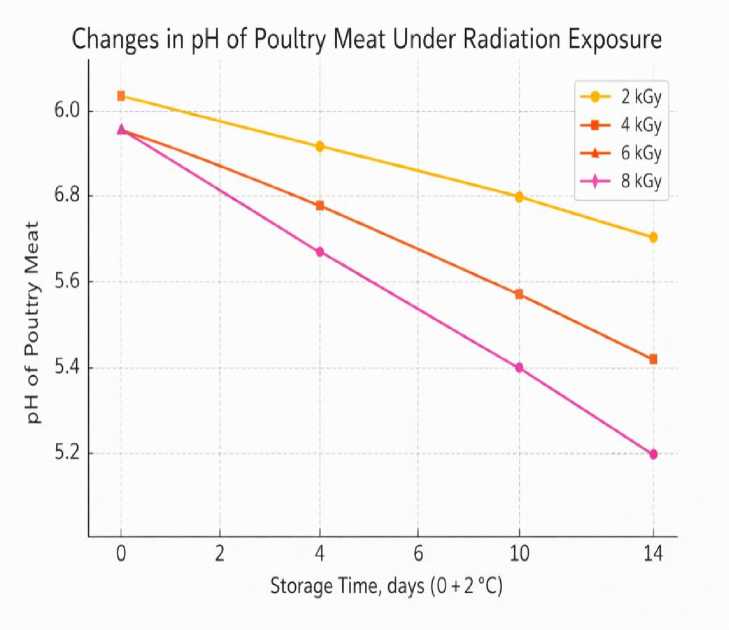
Figure 2. Changes in pH of poultry meat under irradiation
pH changes. Meat treated with irradiation doses of 2 and 4 kGy showed stable pH values between 5.8 and 6.1 during the first 20 days of storage. In contrast, samples exposed to 6 and 8 kGy experienced a faster decline in pH, reaching about 5.5 by the tenth day. This decrease is likely linked to increased oxidation of proteins and lipids. In general, low irradiation doses caused only minor pH fluctuations, while higher doses led to a clear reduction in pH. Similar trends were reported by Hashim et al., who observed decreasing pH values with increasing irradiation intensity [14].
Composition of Poultry Meat After 1 Day
Irradiation Dose (kGy)
Control
2 kGy
4 kGy
6 kGy
8 kGy
-•- Moisture, %
-■- Fat, %
-*- Protein, %
-+- Ash, %
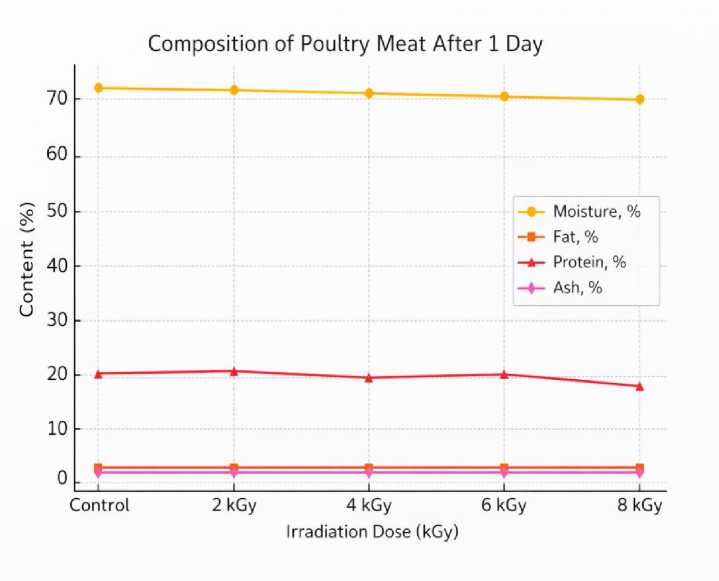
Figure 3 - Composition of poultry meat after 1 day
Composition of Poultry Meat After 5 Days
70 -
s50
S 40
—•— Moisture, %
-^ Fat, %
-*- Protein, %
-•- Ash, %
, Control
2 kGy 4 kGy 6 kGy
Irradiation Dose (kGy)
8 kGy
Figure 4. Composition of poultry meat after 5 days
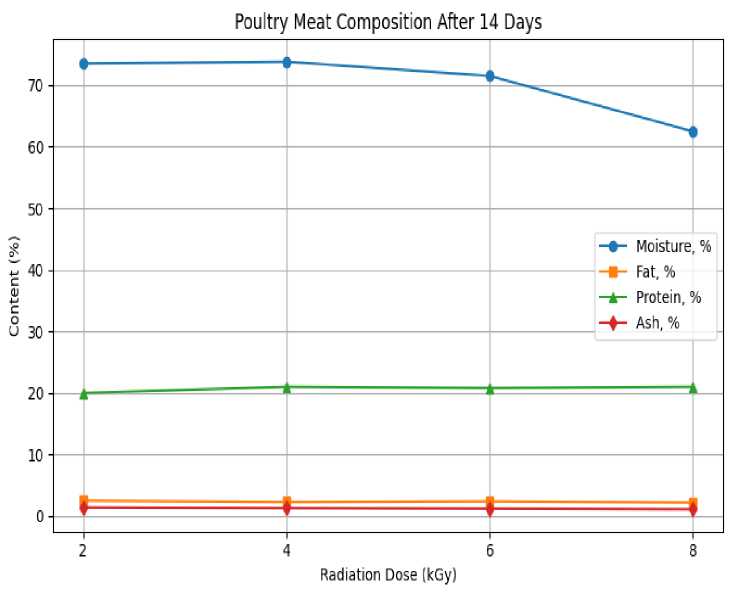
Figure 5. Composition of poultry meat after 14 days
Physicochemical composition
Moisture content. The amount of moisture in poultry meat gradually decreased as irradiation dose increased. The greatest reduction was observed in samples treated at 8 kGy, where moisture loss reached about 12% after 14 days of storage. In contrast, non-irradiated meat showed a slight increase in moisture by day 5, after which samples spoiled and were excluded from further measurements. The decrease in moisture in irradiated samples may be linked to reduced biological activity and structural changes in muscle tissue.
Fat content. Differences in fat content were observed between irradiated and control samples. A temporary increase in measured fat levels was noted, which may be explained by breakdown of lipid molecules and relative concentration effects. Over storage time, fat content in samples treated at 6 and 8 kGy gradually declined, indicating ongoing oxidative degradation.
Protein content. Protein levels remained generally stable in both irradiated and nonirradiated meat. The most favorable protein retention was observed in samples exposed to 2 and 4 kGy, suggesting that moderate irradiation doses do not negatively affect protein composition.
Ash content. Ash content showed a slight decrease with increasing irradiation dose and storage duration. Higher doses caused minor mineral losses, although overall changes remained limited. Previous studies have also reported that irradiation above 3 kGy can intensify lipid oxidation and reduce certain vitamins such as A and E [15]. In addition, flavor changes have been linked to the formation of sulfur-containing compounds rather than lipid oxidation alone [16].
Microbiological quality
Electron beam irradiation led to a clear reduction in total microbial load in poultry meat. Microbial counts were measured in samples treated at 2, 4, 6, and 8 kGy after 1, 5, and 14 days of refrigerated storage.
Non-irradiated samples initially showed microbial levels of approximately 3.4–3.9 × 10² CFU/g. After irradiation, these values decreased depending on dose, reaching about 2.0 × 10² CFU/g at 2 kGy, around 1.5 × 10² CFU/g at 4 kGy, and below 5.0 × 10¹ CFU/g at 6 and 8 kGy.
During storage, microbial growth in control samples increased rapidly. After five days, counts more than doubled, and by day fourteen they reached 1.15–2.5 × 10⁴ CFU/g, exceeding acceptable hygienic limits.
In irradiated samples, microbial growth was strongly suppressed. Reductions after five days ranged from about twofold at low doses to over fourteenfold at high doses. After fourteen days, the difference became even more pronounced, with microbial levels in high-dose samples remaining over one hundred times lower than in non-irradiated meat.
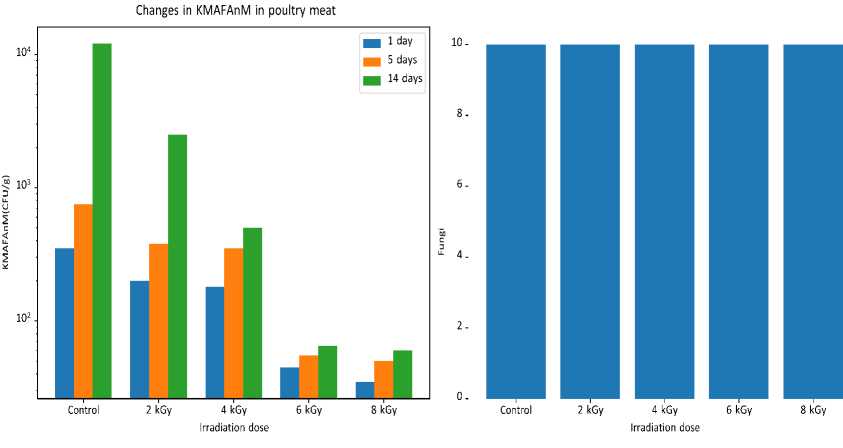
Figure 6. Changes in MAFAM in poultry meat
No Salmonella spp. , Listeria monocytogenes , or coliform bacteria were detected in any of the irradiated samples. Mold levels also remained within acceptable limits throughout storage. These findings show that poultry meat treated with electron beam doses of 2, 4, 6, and 8 kGy can be safely stored under refrigerated conditions for at least 14 days.
Lower irradiation doses of 2–4 kGy were sufficient to effectively suppress pathogenic microorganisms while preserving desirable sensory quality. At these levels, microbial safety was improved without causing noticeable negative effects on taste, odor, or texture.
Similar antimicrobial effects have been reported in previous studies. Yang et al. observed strong reductions in spoilage and lactic acid bacteria following low-energy electron beam treatment at 8 kGy [17]. Wahyono et al. also demonstrated effective inactivation of Salmonella and E. coli using electron beam irradiation [18].
Shelf-life estimation. Shelf life of chilled poultry meat depended on irradiation dose and quality changes during storage:
-Non-irradiated samples remained acceptable for approximately 3 days
-
- Samples treated at 2 kGy remained stable for about 7 days
-
- Samples treated at 4 kGy retained acceptable quality for up to 14 days
-
- Samples treated at 6 and 8 kGy remained microbiologically safe for up to 20 days, although noticeable sensory deterioration occurred.
Overall, irradiation doses between 2 and 4 kGy provided the most practical balance between safety and product quality, extending shelf life by up to two to three weeks [19] with minimal changes in sensory and physicochemical characteristics. Higher doses achieved longer microbial stability but caused clear declines in taste, texture, and nutritional quality.
Conclusions
This study examined the effects of electron beam irradiation on chilled poultry meat at doses of 2, 4, 6, and 8 kGy. Based on the results, the following conclusions can be made:
-
1. Shelf-life extension. Electron beam treatment significantly increased the shelf life of poultry meat. At doses of 2 and 4 kGy, meat could be stored for 14–20 days, almost double the storage time of non-irradiated samples. The longest shelf life was observed at 6 and 8 kGy, up to 30 days, but these higher doses also caused noticeable changes in meat quality.
-
2. Sensory quality. Meat treated with 2 and 4 kGy retained good taste, odor, and texture throughout storage. At 6 and 8 kGy, slight changes in taste (mild cooked or slightly rancid flavor) and texture (increased dryness and firmness) appeared around day 20.
-
3. Physicochemical parameters. Moderate doses (2–4 kGy) had little effect on pH, moisture, or lipid oxidation, which remained stable for about 20 days. Higher doses (6–8 kGy) caused a decrease in pH and an increase in indicators of lipid oxidation, such as peroxide value and malondialdehyde (MDA). Despite these changes, values stayed within acceptable limits.
-
4. Microbial safety. Electron beam irradiation effectively reduced bacterial contamination. Total
-
5. Nutrient retention. While higher doses extended shelf life, 6 and 8 kGy also led to losses of certain vitamins, especially B₁ and E. This should be considered when choosing irradiation doses for long-term storage.
microbial counts in samples treated at 2 and 4 kGy remained safe for 14–20 days. At 6 and 8 kGy, microbial levels stayed below permissible limits for up to 30 days. Doses of 4 kGy and higher completely removed pathogens like Salmonella spp. and Listeria monocytogenes .
Funding
This study was supported by the Ministry of Science and Higher Education of the Republic of Kazakhstan, Grant No. IRN AP23490268, “Development and Experimental Validation of Radiation Processing to Ensure the Preservation of Agricultural and Food Products” (2024–2026).
