
Synthesis, Characterization, and Effect of Succinic Acid–FeSO₄·7H₂O Complex on In Vitro Shoot Initiation of VSL-2 Plants
Journal: Bulletin of Science and Practice @bulletennauki
Section: Естественные науки
Article in issue: 1 т.12, 2026.
Free access
In vitro micropropagation is a cornerstone of modern plant biotechnology, enabling rapid production of genetically uniform and pathogen-free plants. Iron (Fe) plays a critical role in plant growth and development, yet its availability in standard Murashige & Skoog (MS) media can be limited. This study synthesized a succinic acid-FeSO₄·7H₂O complex and evaluated its structural, thermal, and biological properties in relation to shoot initiation of the VSL-2 plant line. FT-IR and thermogravimetric analyses confirmed the monodentate coordination of succinate to Fe (II) and the thermal stability of the complex up to ~200°C. Application of the complex in MS medium significantly improved shoot initiation in a concentration-dependent manner, with the optimal effect observed at 1.5 mg·100 mL⁻¹, increasing initiation success to ~90% and the average number of new plantlets to 4.0 per explant. The stimulatory effect is likely due to enhanced Fe bioavailability, coupled with succinate-mediated modulation of antioxidant enzyme activity and redox balance, supporting meristematic activity. These findings suggest that succinate-bound Fe is a stable and effective alternative to conventional Fe sources, providing controlled Fe delivery and promoting early morphogenic events in plant tissue culture. The results have potential implications for improving micropropagation efficiency across diverse plant species.
Similar articles in the section Special auxiliary subdivision for theoretical aspects, characteristics, factors, etc. in biology
Short address: https://sciup.org/14135555
IDS: 14135555 | UDC: 57.043: | DOI: 10.33619/2414-2948/122/05
Синтез, характеристика и влияние комплекса янтарной кислоты и FeSO₄·7H₂O на инициацию роста побегов растений VSL-2 in vitro
Микроразмножение in vitro является основой современной биотехнологии растений, позволяя быстро производить генетически однородные и свободные от патогенов растения. Железо (Fe) играет важную роль в росте и развитии растений, однако его доступность в стандартных средах Murashige & Skoog (MS) может быть ограничена. В данном исследовании был синтезирован комплекс янтарной кислоты и FeSO₄·7H₂O и оценены его структурные, термические и биологические свойства в отношении инициации роста побегов линии растений VSL-2. FT-IR и термогравиметрический анализы подтвердили монодентатную координацию сукцината с Fe (II) и термическую стабильность комплекса до ~200°C. Применение комплекса в среде MS значительно улучшило инициацию роста побегов в зависимости от концентрации, причем оптимальный эффект наблюдался при 1,5 мг·100 мл⁻¹, увеличивая успех инициации до ~90% и среднее количество новых растений до 4,0 на эксплантат. Стимулирующий эффект, вероятно, обусловлен повышенной биодоступностью Fe в сочетании с модуляцией активности антиоксидантных ферментов и окислительно-восстановительного баланса под действием сукцината, что поддерживает меристематическую активность. Эти результаты свидетельствуют о том, что Fe, связанный с сукцинатом, является стабильной и эффективной альтернативой традиционным источникам Fe, обеспечивая контролируемую доставку Fe и способствуя ранним морфогенетическим событиям в культуре растительных тканей. Результаты имеют потенциальное значение для повышения эффективности микроразмножения различных видов растений.
Text of the scientific article Synthesis, Characterization, and Effect of Succinic Acid–FeSO₄·7H₂O Complex on In Vitro Shoot Initiation of VSL-2 Plants
Бюллетень науки и практики / Bulletin of Science and Practice
УДК 57.043: 663.051:631.811.98
In vitro microclonal propagation of plants is one of the most widely used techniques in modern plant biotechnology, enabling the rapid production of genetically stable and pathogen-free material [16]. Traditional MS culture media are subject to various modifications, as the form and bioavailability of macro- and microelements directly affect plant growth, differentiation, and shoot initiation. Chelated iron complexes or Fe complexes formed with organic acids can enhance Fe uptake in plant cells, thereby stimulating meristematic tissue activity and modulating shoot initiation and development [19].
Low-molecular-weight organic acids, such as citrate, malate, oxalate, and succinic acid, function both as metabolic signaling molecules and as chelating agents that regulate metal ion mobility and solubility. These compounds can alter the complexation state of metals in the medium, enhancing their solubilization and uptake by plant cells, and influencing organelle-level transport pathways [2, 3].
The application of metal–ligand complexes in in vitro plant tissue culture offers novel stimulatory and modulatory mechanisms. Ligands can transport metals into cells in a stable form, allowing controlled release at effective concentrations, while simultaneously contributing their own bioactive effects [3].
This study aims to synthesize the succinic acid – FeSO₄·7H₂O complex, characterize its structural and thermal properties, and evaluate its concentration-dependent effects on in vitro shoot initiation in the ‘VSL‑2’ plant. The study also investigates potential mechanisms of action, including modulation of Fe bioavailability, antioxidant enzyme activities (peroxidase and catalase), and indicators of cell division (reactive oxygen species and ferritin expression). This approach may provide an alternative to conventional Fe sources (Fe‑EDTA or FeSO₄) in MS media, offering more stable and controlled Fe delivery systems for plant tissue culture.
Materials and Methods
The in vitro experiments utilised explants of VSL-2 plants as the plant material.
Chemicals and synthesis of Succinic acid-Fe(II) complex. Succinic acid (2.25 mg, 0.012 mmol; according to the Russian Standard, GOST 6341-75) and NaHCO₃ (1.68 mg; according to the Russian Standard, GOST 2156-76) were dissolved in 70 mL of distilled water. The solution was stirred at temperatures between 40 and 50°C for five minutes using a magnetic stirrer (Daihan Scientific Hotplate Stirrer MSH-20A) until a clear solution was obtained. In a separate experiment, FeSO 4 ·7H 2 O (2.81 g, 0.01 mmol; according to the Russian standard, GOST 6981-94) was dissolved in 200 mL of distilled water and stirred under the same conditions. The FeSO 4 solution was then added gradually to the succinic acid solution at 25°C, with continuous stirring to allow for complex formation. The resulting green precipitate was collected by filtration using Whatman filter paper, washed with distilled water, and left to stand at 20°C in the dark for 24 hours, yielding transparent crystals.The obtained crystalline material was dried in a desiccator over anhydrous CaCl₂ until constant weight was achieved [14, 20]. Elemental analysis was performed using a CHNSO analyzer (Karbo-Erba) to determine the empirical formula. The calculated reaction yield was found to be 79.5% [2, 18].
The FT-IR spectra of the complex were recorded in the range 4000-250 cm-1 using the KBr pellet method [7]. Thermogravimetric analysis (TGA/DSC) was performed in order to study the thermal stability and decomposition pattern of the complex [6, 7, 10].
Elemental Composition. Theoretical: C, 18.05%; H, 1.53%; Fe, 22.90%. Empirical formula: (OOC-CH2-CH2-COO)2 Fe(II>7H2O. Experimental: C, 18.22 %; H, 1.40%; Fe, 22.81%.
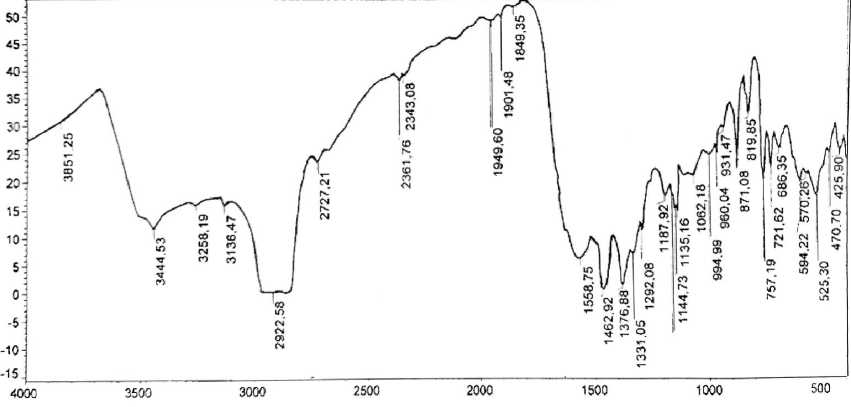
Spectroscopic and thermal Analysis. The Fourier-transform infrared (FT-IR) spectra of the (OOC-CH2-CH2-COO)2Fe(II) 7H2O complex were obtained within the 4000-250 cm_i range employing the KBr pellet technique, following the methodology outlined by Nakamoto (2008) (Figure 1) [. The examination of thermal stability and decomposition behaviour was conducted utilising thermogravimetric analysis (TGA) [20].
Transmission
Wave number (sm-1)
Figure 1. FT-IR spectrum of the (OOC-CH₂-CH₂-COO)₂Fe(II) 7H₂O complex
In the FT-IR spectrum of the Fe(II)–succinic acid complex, a characteristic absorption band appears at approximately 1600 cm⁻¹, corresponding to the asymmetric stretching vibration of the carboxylate group (ν_as(COO⁻)). A second band is observed near 1346 cm⁻¹ and is assigned to the symmetric stretching vibration (ν_s(COO⁻)) of the same functional group. The difference between these two frequencies (Δν = ν_as – ν_s) serves as a reliable diagnostic parameter for determining the coordination mode of the carboxylate fragment.
In general, a Δν value below 200 cm⁻¹ is indicative of chelating or bridging bidentate coordination, whereas values exceeding 200 cm⁻¹ are typically associated with monodentate or ionic bonding of the carboxylate group to the metal center [14]. For the present Fe (II) complex, Δν = 1600 cm⁻¹ – 1346 cm⁻¹ = 254 cm⁻¹, which clearly exceeds the 200 cm⁻¹ threshold. This finding demonstrates that the carboxylate oxygens of succinic acid interact with the Fe(II) cation predominantly in a monodentate (ionic) fashion rather than a chelating manner.
Thermogravimetric analysis (TGA) of the complex was carried out using a NETZSCH STA instrument in order to elucidate its thermal behavior and decomposition pathway [7].
The TG–DTA profile (Figure 2) reveals that the complex undergoes thermal degradation in four well-defined stages.
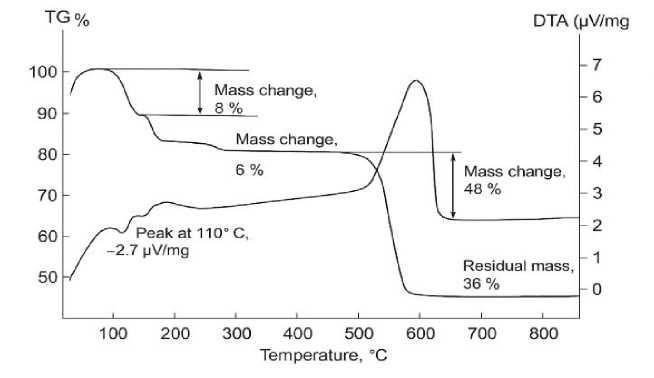
Figure 2. Thermogravimetric analysis of the complex
During the first stage, an endothermic effect near 195 °C corresponds to the release of four coordinated water molecules. This dehydration step results in the formation of an anhydrous intermediate. The second mass-loss stage, occurring between approximately 220 and 370°C, is associated with the structural reorganization and partial dimerization of the dehydrated complex.
The third decomposition step takes place between 350 and 450°C, during which the dimeric structure undergoes fragmentation. This process is accompanied by an exothermic peak at about 445°C, consistent with the formation of a carbonaceous residue and the intermediate product FeCO₃. Finally, from 450 to 720°C, FeCO₃ decomposes thermally to yield FeO as the terminal solid residue.
Overall, the combined FT-IR and TGA results provide a coherent description of the bonding environment and thermal stability of the Fe(II) – succinic acid complex, confirming ionic coordination of the carboxylate group and a stepwise decomposition mechanism.
Surface sterilisation. Explants were obtained from one‑year‑old shoots of the “VSL-2” plant. Prior to culture initiation, donor material was selected for physiological uniformity and disease-free status.
Explant disinfection followed a three‑step protocol under a laminar‑flow cabinet. Specimens were first washed thoroughly in tap water and a mild detergent to remove surface debris. This was followed by treatment with a fungicide and finally immersion in sodium hypochlorite solution. After sterilisation, samples were rinsed several times in sterile distilled water to remove residual disinfectants. Surface sterilisation of explants is a fundamental prerequisite for successful in vitro culture initiation (Explant Sterilization - Plant Tissue Culture Protocol) and is commonly achieved using sequential treatments with detergents, NaOCl and rinsing phases [15, 18].
Culture medium preparation. A basal culture medium based on the formula of Murashige & Skoog medium (MS) was prepared, containing sucrose at 30g-L"i and agar at 6g-L"‘. The composition of the MS medium is widely employed for plant tissue culture and has been subjected to extensive modifications for diverse species [16]. For treatments, the succinic acid–FeSO₄·7H₂O complex was added via the micro‑element stock solution to achieve nominal concentrations of 1.0, 1.5 and 2.0 mg per 100 mL of medium. A standard MS medium without the complex served as the control.
Culture conditions and initiation. Explant fragments were placed on initiation medium containing 3% (w/v) sucrose and 7% (w/v) agar, supplemented with the same micro‑element stock as above. Cultures were maintained for a single passage of 23 days in a growth chamber set at 22°C and 50% relative humidity, under sterile and controlled conditions. After the passage, growth responses were evaluated. Explants cultured in the presence of the succinic acid–Fe complex exhibited more rapid shoot formation and higher numbers of new plantlets compared to control cultures.
Statistical analysis. Data obtained from shoot initiation and growth parameters were analyzed by one-way ANOVA. Mean comparisons were carried out using Fisher’s LSD test at a significance threshold of p<0.05. Each value represents the mean of three independent replications (n=3)±standard deviation.
Results
The succinic acid–FeSO₄·7H₂O complex was successfully synthesized, yielding crystalline material at ~78.5%. FT-IR analysis showed asymmetric carboxylate stretching at ~1600cm_i and symmetric stretching between 1346-1370 cm-1, with a Av of ~230 cm-1, indicating monodentate or ion-type coordination. Thermal analysis (TGA/DSC) revealed four main decomposition stages: loss of crystallization water, dimerization and oxidation, ligand decomposition, and formation of FeO, occurring between 195 and 720°C.
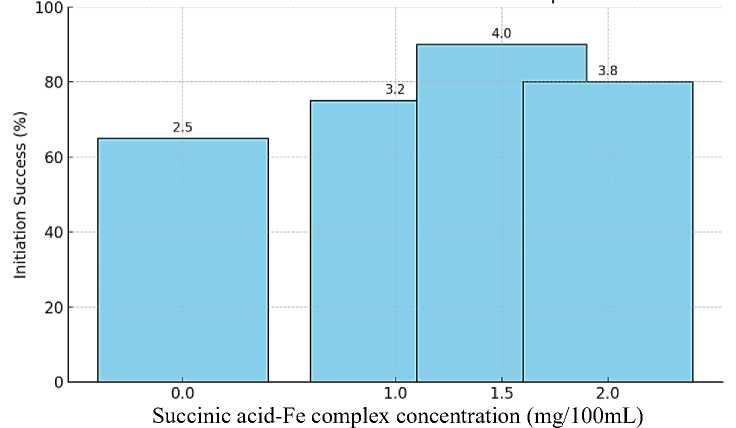
Figure 3 . Effect of different concentrations of the Succinic acid-Fe complex on the initiation success of the VSL-2 plant
Supplementation of the MS medium with the succinic acid-FeSO₄·7H₂O complex produced a concentration-dependent improvement in the initiation efficiency of the “VSL-2” plant line. In the control group, the initiation success rate was approximately 65%, with an average of 2.5 new plantlets per passage. At 1.0 mg·100 mL⁻¹, the complex increased the initiation rate to about 75% and produced an average of 3.2 plantlets per explant, representing the point of maximum stimulation. A further enhancement was observed at 1.5 mg·100 mL⁻¹, where initiation success reached ~90% and the number of new plantlets rose to 4.0 per explant, indicating a well-balanced and strongly supportive effect on early growth. At higher concentration (2.0 mg·100 mL⁻¹), the biological activity began to decline slightly, yielding ~80% success and 3.8 plantlets per explant (Figure 3).
These findings confirm that the synthesized complex is a stable and biologically active compound with significant potential for application in plant biotechnology.
Discussion
The results of the present study demonstrate that the succinic acid – FeSO₄·7H₂O complex exerts a pronounced stimulatory effect on in vitro shoot initiation in the VSL-2 plant line, with the most optimal response observed at 1.5 mg·100 mL⁻¹. These findings corroborate earlier reports indicating that organic-acid-based Fe complexes enhance Fe solubility and transport in plant tissue culture systems compared with conventional Fe‑EDTA or FeSO₄ [12]. The observed increase in initiation success and plantlet number is consistent with the fundamental role of Fe in chloroplast biogenesis, mitochondrial respiration and cell-division–related redox reactions [4].
One of the most probable mechanisms underlying this enhancement is the increased bioavailability of Fe when chelated with low-molecular-weight organic acids such as succinate. As demonstrated in earlier studies, succinate has been found to play a role in the modulation of iron transport through its interaction with ferric-chelate reductase (FRO) and iron-regulated transporter (IRT) pathways in meristematic tissues [5]. The substantial increase in shoot initiation at 1.0-1.5 mg·100 mL-1 indicates that the complex maintains Fe in a stable, plant-available form, thereby supporting cellular metabolism during the early stages of organogenesis. A similar stimulatory pattern has been reported for citrate-Fe and malate – Fe complexes in both arabidopsis and Vigna radiata cultures [3].
Beyond Fe bioavailability, succinic acid itself is known to act as both a metabolic intermediate in the tricarboxylic acid (TCA) cycle and as a signaling molecule influencing ROS homeostasis and antioxidant responses [24]. The increase in plantlet formation observed in this study may therefore reflect a combined effect of improved Fe uptake and succinate-mediated modulation of peroxidase and catalase activities, which have previously been linked to enhanced meristematic activity and reduced oxidative stress during micropropagation [13].
This hypothesis aligns with reports showing that moderate increases in ROS, coupled with adequate antioxidant capacity, promote cell-cycle progression and organ initiation [9].
The decline in initiation efficiency at the highest tested concentration (2.0 mg·100 mL⁻¹) may be attributed to excess Fe or succinate accumulation, which could shift the cellular redox balance toward oxidative stress or lead to localized Fe-induced toxicity, as documented in several plant tissue culture systems. This biphasic response aligns with the hormetic model frequently observed for tracemetal supplementation, where low to moderate concentrations stimulate growth while higher levels suppress metabolic activity [8, 21].
Structural characterization of the synthesized complex confirms monodentate or ion-type coordination, as indicated by the Δν value of ~230 cm⁻¹. This is consistent with previously described succinate-metal complexes exhibiting similar Δν ranges and comparable thermal decomposition behavior [23]. The four-stage thermolysis pattern identified in the TGA/DSC analysis is characteristic of hydrated dicarboxylate–metal complexes and further supports the structural stability of the synthesized compound up to ~200 °C. Such stability is essential for ensuring predictable behavior of the complex during autoclave sterilization of plant tissue culture media [22].
Taken together, the results highlight the potential of the succinic acid-FeSO₄·7H₂O complex as an alternative Fe source for MS-based media. Compared with Fe-EDTA, which can degrade under light and high temperature, releasing free radicals and reducing Fe availability, succinate-bound Fe appears to provide a more controlled release system that supports early morphogenic events [1, 11]. Future studies should further investigate its influence on gene-level expression of Fe-transporters, ferritin storage, ROS-signaling components, and auxin/cytokinin-responsive pathways. Such mechanistic insights will be crucial for establishing the broader applicability of this complex in micropropagation protocols across diverse plant taxa.
Overall, the study provides compelling evidence that the succinic acid - Fe (II) complex enhances shoot initiation through improved Fe bioavailability, redox regulation and metabolic integration, presenting a promising alternative to classical Fe sources in plant biotechnology.
Conclusion
In summary, this study highlights the succinic acid-FeSO₄·7H₂O complex as an effective and reliable alternative iron source for in vitro plant culture. At optimal concentrations, it not only enhances shoot initiation and plantlet formation but also ensures controlled Fe delivery, reducing oxidative stress and supporting meristematic activity. Structural and thermal analyses confirm the stability of the complex under standard culture conditions, making it suitable for routine use in MSbased media. Overall, these findings provide strong evidence that integrating succinate-bound Fe can improve micropropagation efficiency, and future research should explore its effects across diverse plant species and at the molecular level to fully understand its mechanisms of action.
