
Tangible vs Intangible in the Axiosphere of Shift Workers
Journal: Arctic and North @arctic-and-north
Section: Northern and arctic societies
Article in issue: 63, 2026.
Free access
The rotational method of work, being a special form of employment, involves a long stay of employees away from their permanent place of residence. This mode of work has a significant impact on the axiosphere of personality, forming a special balance between tangible and intangible values. The research is aimed at analyzing the ratio of materialistic and non-materialistic aspects in the value orientations of shift workers, identifying the specifics of the value framework, as well as the factors influencing their transformation over the period spent working under such conditions. The theoretical basis of the work was the concepts of values and axiological systems, including the works of Russian and foreign scientists studying the phenomenon of professional mobility, social adaptation and the influence of working conditions on personal preferences. The empirical part of the study is based on data from the authors’ survey of shift workers (n=77) in various industries (oil and gas, construction, mining, etc.). Analysis and interpretation of the data obtained showed that tangible values play a key role in shift work. It has been established that over time, the significance of various values is being rethought and strategies for the shortage of intangible assets are being formed. The findings of the study can be useful not only for employers, psychologists, sociologists, and HR specialists, but may also be taken into account by interested parties to harmonize the value system of shift workers and to increase job satisfaction.
Short address: https://sciup.org/148334010
IDS: 148334010 | UDC: 316.334.22(98+99)(045) | DOI: 10.37482/issn2221-2698.2026.63.347
Text of the scientific article Tangible vs Intangible in the Axiosphere of Shift Workers
DOI:
The modern labor market is characterized by high worker mobility, which is particularly evident in the shift work system common in mining, construction, and other industries. The shift work system involves workers spending long periods away from home, which has a significant impact on their axiosphere.
∗ © Yatsevich O.E., Shabatura L.N., Yudashkina V.V., 2026
Arktika i Sever [Arctic and North]. 2026; 63: 347–367.
This work is licensed under a CC BY-SA License
The axiosphere of a shift worker is a flexible, but structured value system that reflects the specific nature of shift work and combines material, professional, social, and personal values. Their axiosphere is a reflection of human strength, self-sacrifice, and the spirit of overcoming. Shift work can rightfully be called a modern phenomenon, providing researchers with unique material for analyzing the transformation of individual value systems under the influence of extreme work regimes.
The study aims to understand the distinctive lifestyle and work of shift workers, their value systems, and the impact of extreme working conditions on their personal worldview. This research does not simply record facts; it reveals the underlying meanings of shift work, connecting material motives with socio-spiritual aspects.
The importance of shift workers’ labor was significantly highlighted by the President of the Russian Federation, V.V. Putin, at the international forum “Arctic: Territory of Dialogue”, which took place on March 26-27, 2025, in Murmansk 1. The President emphasized the special role of the Arctic regions in the country’s future development. More than two million shift workers are employed in this challenging climate zone, contributing to strengthening the state’s power, which emphasizes the importance of studying the value systems of those working in the Far North.
For the first time in scientific practice, this study provides a comprehensive analysis of the relationship between tangible and intangible values within the axiosphere of shift workers. This allows identifying the specific nature of their value priorities, shaped by conditions of temporary professional mobility, social isolation and cyclical changes in work and rest schedules. At the empirical level, the authors determined specific features of the axiosphere of shift workers, reflecting the adaptive mechanisms of their social identity and strategies for maintaining psychological wellbeing, with a tendency towards compensatory reinforcement of the importance of interpersonal relationships, family values, and a focus on personal development in conditions of professional isolation.
The relevance of the study is determined by a complex of factors reflecting the current realities of professional activity under the shift work system, as this form of employment is becoming an increasingly common form of work organization, especially in geographically remote industries.
Until now, Russian and foreign academic literature has paid only fragmentary attention to the value orientations of shift workers, with the focus being on socio-economic, legal and psychological aspects, while their axiosphere has remained largely under-researched. The results obtained complement existing scientific approaches to the study of the value orientations of professional groups with non-standard forms of employment and contribute to the development of the theoretical and methodological foundations of axiological sociology of labor.
Studying the values of shift workers is necessary for a number of reasons:
-
• predicting behavioral responses and understanding employee relationships, as they often face high levels of stress and social isolation while being away from home and family;
-
• understanding values will help to determine shift workers’ motivation and to organize their work taking into account this knowledge, thereby increasing their productivity. Motivation management helps to identify the factors that enable employees to work more effectively, as some employees value financial rewards, while others — the opportunity to advance their careers;
-
• employees’ values should align with those of the organization, which positively impacts the psychological and emotional atmosphere within the team, increases productivity, reduces stress levels and staff turnover, and creates a harmonious working environment;
-
• research results can serve as a starting point for developing a system for influencing and regulating the psychological and emotional state of employees and their families.
Studying the value orientations of shift workers may reveal the causes and factors influencing their socio-psychological well-being, the drivers and outcomes of self-realization, and improve and harmonize their work and home environments.
The aim of this study is to analyze the characteristics of the relationship between tangible and intangible aspects in the axiosphere of people working on a rotational basis in the Far North.
The research objectives focus on the following issues:
-
• to analyze the characteristics of shift work (long periods away from home, unstable schedule, isolation);
-
• to identify the core values of shift workers, ranking them by importance and examining the balance between tangible and intangible values in their axiosphere;
-
• to identify and to analyze the value priorities, motives, and attitudes that influence the professional activities, personal lives of shift workers, their adaptation to specific working conditions, and their axiosphere as a whole;
-
• to create a profile of the average shift worker.
Literature review
The concept of organized shift work as a distinct system emerged in the 20th century, when rapid technological advances in the extractive industries and transport made it possible to transfer workers to remote regions. The first official shift workers were the employees of oil fields and mines in the USA, Canada and the USSR in the 1930s–1960s.
However, if we consider the concept of “shift worker” in a broader sense, its roots can be traced back to the ancient forms of labor involving temporary stays in remote locations. Therefore, the predecessors of shift workers can confidently include nomads, seasonal farmers, and builders of various structures, some of which are considered wonders of the world.
For example, in Ancient Egypt, people participating in the construction of the pyramids lived in camps organized for them, which is similar to the concept of dormitory housing in shiftbased work method. Just like modern shift workers, they worked far from home and returned home once the work was completed.
Sailors and resource miners, seasonal farmers, fishermen, hunters, miners, and precious metal extractors often lived in temporary settlements and represent a conventional, collective image of a person who voluntarily set off to work far from home to perform a task that ensures their livelihood (and sometimes, out of curiosity to see something new), and who were absent for months or even years (Zelenko, 2023).
An analysis of the Russian word “vakhtovik” (shift worker) reveals its German roots: Wache (German) — “guard”, “watch”, “duty”. This word entered the Russian language in the 18th century through nautical terminology, where it denoted a shift duty on a ship. The suffix -ovik, typical of the Russian language, indicates membership in a specific group of people or type of activity 2.
We studied and analyzed scientific articles from the eLibrary and ScienceDirect databases, where several key themes can be identified, revealing the characteristics of shift workers’ life priorities and behavior in the context of their specific work:
-
• work and career (expectations regarding salary and working conditions; professional ambitions and the desire to improve living conditions through work) (Tereletsko-va, Yakshtayte, 2023);
-
• family and relationships (the impact of a shift schedule on family relationships and personal life; the breakdown of family relationships, prolonged absences leading to conflicts) (Khilazheva, 2021);
-
• gender aspects (predominance of men in shift-based professions, consequences for family roles) (Dorow, Hilario, O’Leary, 2023);
-
• health and safety (values related to physical health and safety in the workplace; the impact of stress and isolation on the psycho-emotional state of workers) (Shurkevich, Vetoshkin, Gapon et al., 2017; Bobko, Cherniuk, Antoniuk et al., 2022; Dorrian, Heath, Sargent et al., 2017);
-
• social connections and communication (social isolation, limited social connections, friendships and professional contacts, the importance of friendship and collegial relationships in conditions of isolation, the importance of a social network at work) (Ksenofontova, 2022; Silin, 2021);
-
• adaptation issues (adaptation to a shift cycle, to long periods of work and rest, the need to balance work and personal time, difficulties in returning to “normal life”) (Fedorova, Gizatullina, 2021);
-
• material values and economic incentives (expectations regarding compensation for shift workers’ labor, including premiums and bonuses) (Khoteyeva, Simakova, Stepus, 2024; Bykov, 2018);
-
• psychological issues (physical and emotional burnout due to irregular working hours, stress, anxiety);
-
• legal issues affecting employees working in isolation (Bolgova, 2018);
-
• education, training, and career advancement (Loginov, 2021; Sviridova, Bobrova, Nekerov, 2019);
-
• quality of life of shift workers (Ivanova, Makarova, 2021; Prokopova, Kravchuk, Garin, 2020).
The category of values occupies a special place in a number of humanities, which can be explained, first of all, by the breadth of its application. Although the study of this category dates back to antiquity, it is believed that the German scholar R.G. Lotze (Lotze, 2012) made it the subject of study as a fully-fledged, autonomous field of scientific philosophy only in the mid-1860s. Later, F. Nietzsche’s phrase about the “revaluation of all values” became a catchphrase in scientific circles and gave new impetus to the development of psychological research by A. Meinong (Meinong, 1899) and Christian von Ehrenfels 3.
In 1992, S. Schwartz proposed dividing values into basic and universal categories, and argued that values influence people’s motivation and behavior (Schwartz, 1992).
The ten basic values identified by S. Schwartz, such as security, self-determination, achievement, tradition, and hedonism, are universal and inherent in most cultures and social groups, which would allow for an adequate analysis of the values of people working on a rotational basis.
-
M. Rokeach defines value as “an enduring belief that a specific mode of conduct or endstate of existence is personally or socially preferable” (Rokeach, 1972). The scientist identified 18 terminal and 18 instrumental values and argued that terminal values determine an individual’s value orientations (interesting work, financial security, etc.), while instrumental values define personal qualities (diligence, responsibility, courage). A graded hierarchical value model is difficult to apply when surveying people working on a rotational shift basis, as it requires a high degree of concentration from respondents in prioritizing and assumes a relative stability among those surveyed. This cannot be said about shift workers, since it can be supposed that their values are quite flexible and can change depending on circumstances: one set during a shift, another during rest periods.
It can be concluded that M. Rokeach’s strict model does not always accurately reflect the real value system, as one of its conditions is staticity, which cannot be said of shift workers, whose
NORTHERN AND ARCTIC SOCIETIES
Olga E. Yatsevich, Lyubov N. Shabatura, Valentina V. Yudashkina. Tangible vs Intangible … life priorities are dynamic and depend on the nature of the work performed, living arrangements and other relevant factors.
A new application of value scaling is found in Ronald Inglehart’s theory of post-materialism, in which the author distinguishes between materialistic values (focused on survival, security and economic stability) and post-materialistic values (focused on self-expression, freedom, creativity and quality of life) (Inglehart, 1999). According to the researcher, people experiencing economic and physical instability tend towards materialistic values, whereas those whose basic needs are met shift towards post-materialistic values.
When studying the axiosphere of shift workers, a clear bias towards the application of R. Inglehart’s theory is evident, as it can be assumed that materialistic values come to the fore among people who choose to work far from home.
Working in isolation in extreme climatic conditions is associated not only with a high level of risk and physical strain, but also with the absence of family members ready to provide support. All the above factors prioritize materialistic values: safety, consisting of working conditions and life insurance guaranteed by the employer; a degree of economic stability, which distinguishes shift workers from those working on the “mainland”; and support from the state and the company (benefits, compensation, social packages, health resort treatment, dental prosthetics, paid family leave, etc.).
Post-materialistic values, which emphasize the ability to express oneself (choosing a profession not for financial gain, but for the romance of it, or to discover new horizons), may emerge and strengthen among wealthier and younger workers. Young workers arriving in the North are often inspired by post-materialistic interests, which, however, under the influence of difficult conditions, can swing towards materialistic attitudes.
On the other hand, experienced workers who are highly qualified, recognized within the team and enjoy various social guarantees may strive to demonstrate post-materialistic values, expressed in a desire to develop professionally, participate in management, and contribute to corporate culture.
-
R. Inglehart’s theory helps to clearly interpret how living and working conditions in the Far North shape the value orientations of shift workers.
Researchers L.G. Dikaya and M.M. Kutlubaeva emphasized the interconnection between values and the harsh climate. The researchers described the value orientations of shift workers in the Far North (Dikaya, Kutlubaeva, 2017) and paid particular attention to the concept of a resource-based approach to adaptation in harsh climatic conditions. By resource-based adaptation, the authors understand not only physical, but also mental capabilities of a person. L.G. Dikaya offers recommendations for maintaining psychological well-being and improving professional performance through the assessment of spiritual and value orientations.
A.N. Silin introduces the concept of a “multi-local lifestyle of shift workers”, which transforms their values and social attitudes. He notes that long periods away from home and specific
NORTHERN AND ARCTIC SOCIETIES
Olga E. Yatsevich, Lyubov N. Shabatura, Valentina V. Yudashkina. Tangible vs Intangible … working conditions lead to a re-evaluation of the value system, shifting priorities related to family, work, and self-development (Silin, Yudashkin, 2020). The scientist also emphasizes that the rotational work method, on the one hand, contributes to the effective development of remote regions, and on the other, may cause changes in value orientations (Silin, 2024).
A.N. Fedotova and M.V. Prynkov analyze the impact of rotational work on family relationships. A.N. Fedotova studied how the prolonged absence of one of the spouses affects family dynamics, the distribution of roles, emotional closeness, and communication between family members, which in turn influences the value systems of workers (Fedotova, 2016).
M.V. Prynkov draws attention to the fact that the redistribution of roles in the families of shift workers transfers male responsibilities to women, making them more independent and capable of making quick decisions. A woman’s self-reliance and independence often leads to tension and conflict upon her husband’s return from a shift. The prolonged absence of a spouse hinders the fulfilment of the family’s emotional function, which affects the quality of the marital relationship and impedes the dynamics of family values (Prynkov, 2020).
An analysis of the scientific literature devoted to the values of shift workers suggests that the issue of shift work is typically addressed in terms of working conditions, staffing issues, work organization, its impact on physical and mental health, its influence on family relationships, and the socio-cultural phenomenon itself. The issue of shift workers’ values is generally treated superficially; as a rule, the focus is on the transformation of family values. At the same time, there are virtually no studies proposing a hierarchical classification of values into material and nonmaterial categories according to their significance in the context of a harsh climate and isolation from family.
Methodology, materials and methods
The research was based on scientific works examining various aspects of shift workers’ activities (sociological, psychological, health-related, etc.), available on scientometric platforms, including works by Russian (eLibrary and CyberLeninka) and international (ScienceDirect, Web of Science, Scopus) researchers.
The authors of this study used both general scientific and discipline-specific methods and approaches. The ontological approach to studying shift workers’ values involves examining the nature of their values, understanding how they are formed, transformed and function in professional and everyday life. This approach includes a hermeneutic analysis rooted in the interpretation of the meanings that shift workers ascribe to their activities and lives.
The anthropological approach focuses on studying the values of shift workers as part of their culture, lifestyle, and social identity. Shift work is viewed not only as an economic activity, but also as a unique form of existence that directly influences daily practices, behavior patterns, rituals, and worldview.
The comprehensive approach can be regarded as fundamental, as it integrates various scientific methods and theoretical frameworks, allowing for a comprehensive understanding of shift workers’ values. Its advantage lies in the combination of philosophical, sociological, psychological, and anthropological perspectives for analyzing this social group.
Analysis and synthesis, induction and deduction, and the dialectical method were essential in identifying the characteristics of labor mobility and shift work, as well as in establishing correlations between shift workers’ socio-psychological problems and value orientations.
The use of a questionnaire survey in the study enables the identification of shift workers’ core value orientations, their attitudes towards work, family, financial matters, teamwork, and working and living conditions, ensuring representativeness and enabling the identification of patterns.
The group survey was conducted using a random sampling method, meaning each shift worker had an equal chance of being included in the sample, reducing the risk of bias and enabling the identification of general trends.
The data collection method chosen by the research team was an online survey conducted between December 2024 and January 2025 (n=77), distributed via an online link, allowing respondents to complete the survey in a relaxed environment at a time convenient for them, without direct interviewer instruction.
The questionnaire included several sections devoted to general information important in shaping and understanding the value framework of the average shift worker.
The study of the value orientations of people working on a rotational basis in the Far North has a number of limitations related to the region’s specific characteristics, working conditions and the target group, and is based on the following components:
-
• remoteness and extreme climatic conditions of the Far North limit access to the study group and make it difficult to conduct face-to-face surveys and interviews;
-
• constant exposure to stress factors, such as difficult working conditions, polar nights, cold, and isolation, may affect the honesty and openness of respondents in evaluating the proposed answers to the questions;
-
• shift workers may belong to different ethnic, cultural, and social groups, which complicates the generalization of the study results;
-
• research participants may be cautious in their responses (despite the questionnaire being anonymous), fearing negative consequences from their employer, which may distort the results;
-
• limited number of previous studies on this topic in the context of the Far North makes it difficult to compare and interpret the obtained results.
Results
A total of 77 people took part in the survey: 72 men and 5 women. The respondents were shift workers employed in the Far North beyond the Arctic Circle in the Yamalo-Nenets Autonomous Okrug. The survey identified a sociological profile of shift workers (Table 1).
-
Table 1
Distribution by gender and age
|
under 25 years old |
25–35 years old |
36–45 years old |
46–55 years old |
Total |
|
|
male |
21 |
30 |
18 |
3 |
72 |
|
female |
0 |
2 |
3 |
0 |
5 |
Since the oil industry is associated with difficult working conditions, the majority of workers are male, as confirmed by the survey results: 93.5% of respondents were male and 6.5% were female; 41.6% of respondents were 25–35 years old.
The main sectors in which respondents work on a rotational basis are: mining (63.6%), construction (14.3%), energy (5.2%), and logistics and transportation (5.2%). The length of work experience in the Far North is presented in Table 2.
-
Table 2
Length of work experience on a shift basis
|
Work experience |
Responses, % |
|
4–7 years |
32.5% |
|
1–3 years |
28.6% |
|
less than 1 year |
20.8% |
|
more than 10 years |
13% |
|
more than 15 years |
5.2% |
The survey revealed that the majority of shift workers have been working remotely for more than 1 year (20.8%) to 7 years (32.5%). This suggests that young men work on a shift basis to achieve specific goals, such as buying a car or improving their living conditions.
As for marital status, 55.8% of respondents are married, 9.1% are cohabiting with their partner, 6.5% are divorced, and 28.6% are single. 53.2% of respondents have children: 27.9% stated they have one child, 20.8% have two children, and 5.2% have three children. 46.8% of respondents do not have children.
Furthermore, 77.9% of respondents were raised in a two-parent family, 20.8% — in a single-parent family, and 1.3% (one person) was an orphan. One in three respondents (31.2%) had a father who worked on a rotational basis, and in 3.9% cases both parents were shift workers.
Only 3.9% of respondents have a partner (in this case, a wife) working on a rotational basis, while 80.5% have a partner who does not work on a rotational basis, which confirms the assertion that shift work is the preferred form of employment for men.
Almost 2.6% of respondents belong to the indigenous small-numbered peoples of the North (ISPN). This can be explained by their attachment to a traditional way of life based on
NORTHERN AND ARCTIC SOCIETIES
Olga E. Yatsevich, Lyubov N. Shabatura, Valentina V. Yudashkina. Tangible vs Intangible … reindeer herding, fishing, hunting and gathering, which is poorly compatible with prolonged absences from home.
Russian was the native language for 89.7% of respondents. Several people noted that their native languages were Chechen, Ukrainian, Tatar, Lezgin, Bashkir, and Azerbaijani. This demonstrates cultural diversity and a multicultural environment where people with different traditions, languages, and worldviews adapt to common working and living conditions.
Multiculturalism and differences in religion and traditions impact work life, leading to certain challenges regarding dietary habits, fasting, religious rituals, and holidays. However, respondents noted a respectful and friendly attitude of their colleagues on shift, regardless of nationality and religion.
As regards their place of residence, 37.7% of respondents were born in the Far North, 7.8% moved there as children, and 14.3% moved there as adults. Thus, the majority of respondents (59.8%) lives in the Far North and work on a rotational basis; 37.7% of respondents come to work from other regions. The geographical spread of rotational workers is extensive: Tyumen and the southern Tyumen Oblast, Sverdlovsk Oblast, Chelyabinsk Oblast, Perm Krai, Krasnoyarsk Krai, Kurgan Oblast, Novosibirsk Oblast, Sakhalin Oblast, Tomsk Oblast, Khabarovsk Krai, Moscow, Kazan, Kaluga, Nizhny Novgorod, and the Republic of Belarus. A total of 2.6% of respondents were assigned to the Far North through work allocation.
The survey confirmed that the main reason for shift work is improving financial situation: 64.9% of respondents expect a salary of at least 300,000 rubles, 27.3% — at least 200,000 rubles, and 6.5% — at least 150,000 rubles.
Thus, according to the survey, a shift worker is typically a Russian-speaking man of reproductive age living and working in the Far North of the Russian Federation. Every second shift worker has a family and children. Many respondents had fathers who worked or currently work on a rotational basis.
The study provided a profile of the average shift worker in the Far North (see Table 3):
-
Table 3
Profile of the average shift worker
|
Socio-demographic characteristics |
Gender: 99% male; Age: 25–45 years old; Marital status: predominantly married with children. Education: from vocational to higher education (primarily technical) |
|
Professional activity |
Sectors: oil and gas, construction, energy, logistics, transportation; Work schedule: standard “month-in-month” shift pattern; Salary: from 100,000 to 300,000 rubles, which is above the average salary in Russia |
The survey analyzed the value orientations of shift workers. When asked, “How important are your family and loved ones to you?”, 96.1% answered “very important”, and 3.9% replied “important”. Family is the main source of moral support, the primary focus that helps maintaining motivation and psychological well-being.
In the study, the authors identified the reasons why young men work on a rotational basis, as well as their priorities at work.
-
Table 4
What do you value most in your work?
|
Options |
Responses, % |
|
High salary |
79.2% |
|
Career advancement |
58.4% |
|
Confidence in job stability |
50.6% |
|
Vacation between shifts, allowing time to do household chores (home renovations, gardening, building a sauna, going on vacation, etc.) |
44.2% |
|
Friendly working team |
32.5% |
|
Favorable working conditions |
28.6% |
|
Opportunity to combine work and personal interests |
24.7% |
The main reason for working on a rotational basis is “high salary” (79.2%). “Career advancement” and “confidence in stability” were chosen by 58.4% and 50.6% of respondents, respectively. The least popular options were “friendly team” (32.5%), “favorable working co n-ditions” (28.6%), and “opportunity to combine work and personal interests” (24.7%).
The most attractive benefits are health insurance (72.7%), health resort treatment (59.7%), meals (53.2%) and free transportation (49.4%). This confirms that the dominant reason for choosing shift work is financial well-being, the bonuses offered, and the benefits packages.
Respondents also highly value the opportunities for self-development in shift work. Thus, 48.1% of respondents rated their chances for career advancement as very high, while 45.5% rated their chances for self-development as average. Only 6.5% rated their opportunities for self-development as low. Almost 87% of respondents have a secondary vocational education, and are currently receiving higher education. Furthermore, 65% of respondents noted that training and professional development are encouraged by their employer, while 25% stated that their employer hinders their development. Thus, materialistic values are closely intertwined with non-materialistic ones: shift workers are attracted by high salaries and interesting work, as well as opportunities for professional and personal development.
Despite high salaries, confidence and stability, opportunities for self-development, only 41.6% of respondents would recommend shift work to their friends, relatives, and acquaintances, while 58.4% would not — a view that can be considered well-founded, based on their own work experience.
At the same time, 59.7% plan to work on a rotational basis until they save enough money to purchase a car, apartment, etc.; 40.3% of respondents plan to work until retirement. High wages and the opportunity to save money to improve their living conditions and provide for their family often become strong arguments in favor of shift work.
To assess the socio-psychological problems of shift workers, the following were analyzed: anxiety level, stress level, and satisfaction level.
Despite the fact that respondents rated their career advancement as high, their level of job satisfaction is low (see Fig. 1).
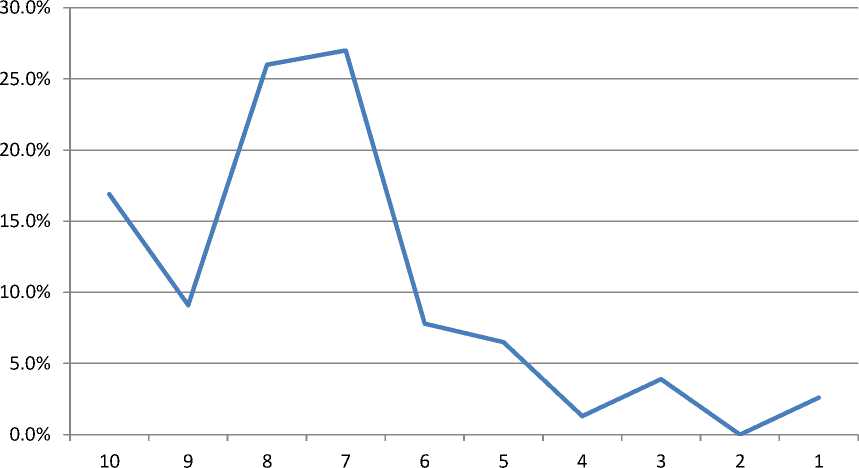
Fig. 1. Job satisfaction of shift workers, rated from 1 to 10 4.
Thus, only 16.9% are completely satisfied with their work, while 26% of respondents rated their job satisfaction at 7 or 8 points. Despite the generally high level of job satisfaction, there were also those who rated their job satisfaction below 4 points.
Respondents cited the following as the most stressful aspects of shift work: separation from family (74%), harsh climatic conditions (41.6%), long shifts (22.1%) and the lack of a st able schedule (11.7%).
Besides, 66.2% cited “a strong impact on physical and mental health” as one of the main disadvantages of shift work; 18.2% of respondents stated that “shift work has an impact on psychological and emotional well-being, but not a significant one”.
Another disadvantage of shift work was “frequent fatigue from routine”, cited by 72.7% of respondents, while 16.9% noted that they “feel tired every day”. Only 10.4% of respondents believed that shift work does not negatively impact them.
Respondents stated that the disruption to their normal daily routine, variable work schedules, and work in harsh climates lead to frequent sick leave, which significantly impacts career advancement and, consequently, reduces earnings, thereby impacting the family’s financial well-being.
Relationships with colleagues on shift are of great importance to shift workers (78%). For 40.3% of respondents, relationships with colleagues are important, and 37.7% consider them to be very important. Only 22.1% stated that it is not very important to them. Although the axiological component “friends” (Fig. 2) ranks only fifth in the list, respondents noted that concepts such as “friendship”, “trust”, and “respect” play a significant role in their lives.
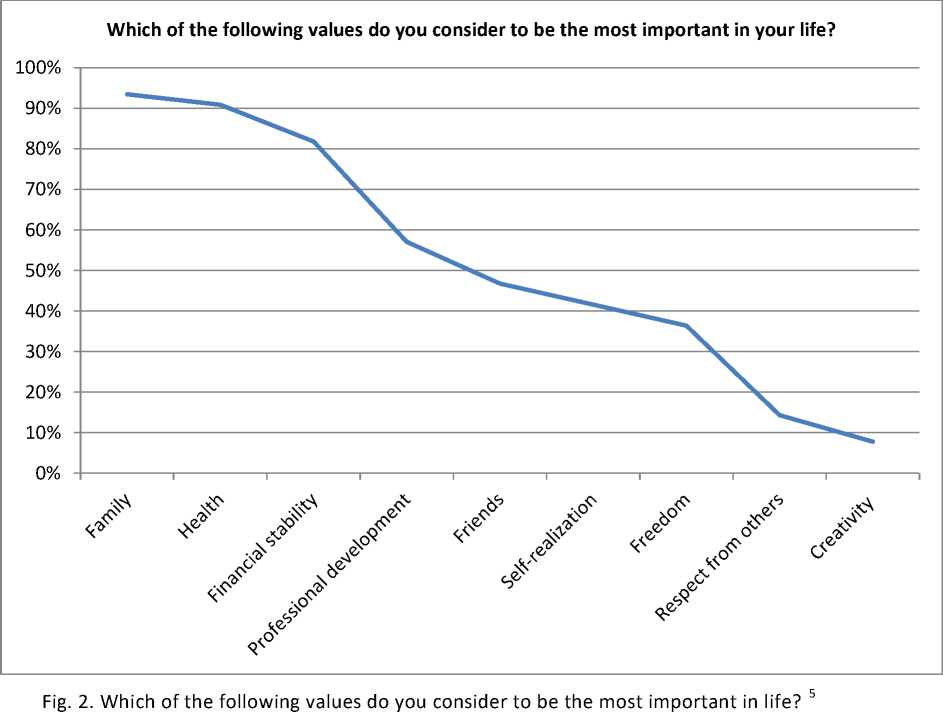
The most important value for 94% of respondents is “family”. “Health” ranks second (91%), “financial stability” and “professional development” — third (82%) and fourth (57%), respectively. Moreover, financial stability and career advancement are directly linked to family and health. The survey revealed that men typically work shifts to provide for their families. The lowest ratings are for the options “respect from others” (14%) and “creativity” (8%), which confirms R. Inglehart’s theory that until materialistic values are realized, people are not interested in post-materialistic values.
Considering that shift workers can spend months working in the Far North, the question was asked: “Are you able to maintain a balance between work and personal life?” A positive response (“yes, always”) was given by 64.9%, “sometimes” — by 15.6%, “rather not” — by 14.3%, and “no” — by 5.2%.
Shift workers offered their own answers to the question about what helps them to cope with stress, the most popular of which were “communication with loved ones”, “hobbies”, and “sports”. Many chose “family”, “relatives”, “communication with friends”, and “support from family and relatives” (Fig. 3). Only one respondent chose “money”, which demonstrates the importance of basic social values such as family, friendship and social interaction to those sur- veyed.
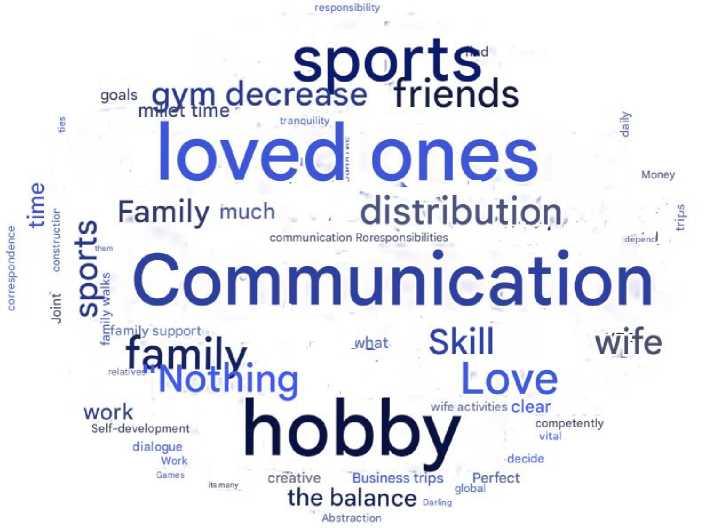
Fig. 3. What helps you to cope with stress? 6
However, the values that matter most to shift workers are not only material well-being and health, but also the importance of basic social values (family, friendship, love). The respondents’ assessments demonstrate their choice of values such as love, loyalty and respect for loved ones and friends. The table below (see Table 5) compares tangible and intangible assets.
Table 5
Tangible vs intangible assets
|
Category |
Tangible assets |
Intangible assets |
|
income, stability |
high salary, bonuses |
confidence in the future, stability |
|
housing, living conditions |
paid housing during shifts, personal housing |
comfort, home comfort |
|
transport |
paid flights, company transport |
convenience and safety of travel |
|
food |
free meals on site |
quality and variety of food |
|
working conditions |
workwear, equipment, machinery |
safety, respect at work |
|
social security |
health insurance, pension savings |
sense of security |
|
family, relationships |
financial support for family |
communication, opportunity to spend time with loved ones |
|
career growth |
high salary, career advancement, opportunities for professional retraining |
self-realization, respect of colleagues |
|
health |
paid medical examinations, treatment, medication |
well-being, stress resistance |
After completing their shift, workers may experience difficulties adapting to their family and society. This leads to a “double life” syndrome: a person feels neither fully part of the work team nor of their home environment.
Conclusions
The findings of the study indicate that shift workers possess a specific axiosphere dominated by a materialistic core, characterized by adaptability to challenging climatic conditions and the opportunity for professional self-expression. The values of shift workers are dynamic, but with clearly defined elements of stability. While static values remain constant regardless of circumstances (family, financial stability), dynamic values are influenced by work conditions and lifestyle (attitudes toward leisure, social connections, health priorities).
Shift work possesses a whole range of distinctive features which have a multi-level impact on the physical and psychological well-being of workers, as well as on their social lives, forming a unique model of life that requires special attention.
Shift workers, for whom family is the most important value, often compensate for separation with financial support and try to communicate via phone and video calls, but these opportunities are not always available, which exacerbates their mental state.
Labor mobility and the nature of shift work undoubtedly influence priorities and life goals. The financial aspect remains one of the leading motivators, but the personal circumstances and values of the individual may add their own emphasis. Career advancement is often postponed in favor of financial priorities, as this type of work schedule rarely allows for career advancement, leaving positions and responsibilities unchanged from the start of employment.
Shift work and labor mobility allow workers to develop a specific system of priorities, where family values are tested to the limit, often forcing them to seek ways to reduce their dependence on shift work and change their field of work.
Research and analysis of the essential characteristics of shift work revealed a direct correlation between the resulting socio-psychological problems and the value orientations of workers. For example, a strong emphasis on family evokes the need for material support, which motivates respondents to engage in shift work. At the same time, the longer a shift worker is employed in the unfavorable conditions of the Far North, the greater the risk of developing and worsening the aforementioned socio-psychological problems, including the loss of their most important values: family and health. However, it should be noted that a distinctive feature of the axiosphere of shift workers is material security, which does not diminish their desire for self-development and selfrealization, as well as their drive to develop stress resilience, strengthen physical and psychological endurance, and harmonize relationships within the family and at work; this highlights the significance of the non-material aspect in the axiosphere of shift workers.
The theoretical significance of this work lies in providing an empirical basis for developing recommendations on social support for shift workers, including programs to maintain and develop their social connections, which is particularly relevant in conditions of temporary separation from their usual society. The data obtained can be integrated into the process of developing a corporate culture; understanding the value priorities of shift workers will allow employers to develop more effective motivational schemes, thereby contributing to increased job satisfaction. The re- search findings can be used in developing professional adaptation and support programs for personnel.
The practical potential of the research can be realized through its use for educational and advisory purposes, where the findings can be incorporated into professional development programs for specialists in the fields of human resource management, organizational psychology and sociology of work.
