
The Impact of Digital Platforms on the Transparency of Customs Operations in International Trade
Journal: International Journal of Information Engineering and Electronic Business @ijieeb
Article in issue: 5 vol.18, 2026.
Free access
Digital technologies optimize certain aspects of customs operations, but also change the functional purpose of customs, raising its role in ensuring the transparency of international trade. The aim of the study was to assess the impact of factors measured by the Organisation for Economic Co-operation and Development (OECD) trade facilitation indicators on the transparency of customs operations. The study employed correlation, regression analyses, and analysis of variance (ANOVA). The study provides an integrated empirical analysis of the complex impact of technological, operational, and regulatory factors on the transparency of customs operations. The results revealed that the automation of customs procedures with a regression coefficient for the corresponding indicator of 0.3132 had the strongest positive impact on the availability of information (transparency of customs operations). A strong impact of the opportunities and methods for appealing administrative decisions of border authorities (0.2688), as well as simplifying customs control procedures and introducing “single windows” (0.2384) was observed. A less considerable, but statistically significant impact was shown by compliance with the discipline of fees, payments, and fines (0.1438) and simplification and standardization of trade documentation (0.1366). It is concluded that strategies for increasing the transparency of customs operations should focus on the above factors, while increasing the effectiveness of areas that did not show a significant impact on transparency. These are the involvement of the trade community, interaction between internal and external border agencies, the development of Advance rulings, as well as ensuring good governance and impartiality. The effectiveness of these areas should be increased by improving the mechanisms for their provision at the national and international levels. The results of the study are useful for determining priority areas of strategies for increasing the transparency of customs operations, especially regarding the development of digital platforms, for example, accelerating automation, developing single windows, etc.
Short address: https://sciup.org/15020741
IDS: 15020741 | DOI: 10.5815/ijieeb.2026.05.04
Text of the scientific article The Impact of Digital Platforms on the Transparency of Customs Operations in International Trade
Published Online on October 8, 2026 by MECS Press
In view of the importance of international trade for expanding countries’ markets, customs perform not only the functions of collecting customs payments, but also enhance the competitiveness of countries [1,2]. Customs authorities are assigned an important role in the supply chain, as well as in managing and monitoring international trade [3,4]. The role of customs in ensuring effective information exchange, risk management and transparency in international trade is increasing [5]. In fact, digital technologies have been the impetus for reviewing the role of customs authorities, which not only optimize certain aspects of customs operations, but also change the functional purpose of customs [6,7].
Customs transparency is a multidimensional factor that cannot be assessed only through the availability of information. It includes foreseeability of processes, responsibility of officials, transparency of decision making, and institutional clarity. Nevertheless, since quantifying these dimensions in a similar cross-country environment is very complex, empirical research tends to use observable proxies. Transparency is operationalized in this study according to the OECD Trade Facilitation Indicator of Information Availability (proxy for transparency of customs operations) that indicates the availability, clarity, and distribution of trade information. Although it is not a complete measure of transparency, this is a quantifiable and common proxy measure of the informational aspect of transparency.
Digital platforms allow for increasing efficiency and simplifying customs procedures, and also ensure the compatibility of national customs systems with international standards [8]. Digital platforms enable automating processes, declaring goods electronically, making electronic payments, ensuring electronic data exchange, etc. [9,10]. In international trade, the use of digital platforms also significantly improves access to information, which means greater transparency in customs operations [11,12]. In turn, transparency in customs serves as the basis for efficient, fair, and predictable international trade.
The Trade Facilitation Agreement (TFA) was adopted under the auspices of the World Trade Organization (WTO). It is a global document that sets out rules to improve the transparency, efficiency and speed of customs procedures [13]. The Trade Facilitation Indicators (TFI) developed by the OECD are a tool for assessing countries’ progress in implementing the TFA provisions. Among other things, these indicators cover progress in customs automation and procedures, including the introduction of single windows. A single window is a digital platform for submitting customs documents through a single electronic access point [14].
The key hypothesis of the study is the assumption of a significant impact of digital platforms on the transparency of customs operations. Accordingly, the aim of the study was to analyse the impact of factors measured by OECD TFIs on the transparency of customs operations. Compared to the previous research that either offers descriptive evaluations of digitalization or centers on the case analysis of particular countries, the current study builds a cross-country empirical specification operationalizing transparency as a dependent variable in the framework of the OECD Trade Facilitation Indicators and quantifying the relative role of technological, regulatory, and organizational factors. The value of the research is not in the form of new statistical methods as such, but rather in the integrative modelling of heterogeneous institutional dimensions in a single econometric framework and the empirical discovery of their relative impacts on customs transparency on a global scale .
In response to the identified research gaps, the aim of this study is to empirically assess the impact of factors measured by the OECD Trade Facilitation Indicators on the transparency of customs operations. Unlike prior studies, this research focuses on quantifying the relative contribution of technological, regulatory, and organizational determinants within a unified analytical framework. To achieve this aim, the study addresses the following objectives:
- assess the linear relationship between the availability of information (transparency of customs operations) and TFIs;
- analyse the impact of factors measured by OECD TFIs on the transparency of customs operations;
- based on the analysis, draw conclusions about the main determinants of the impact on the transparency of customs operations.
2. Literature Review
However, despite extensive discussion of digitalization and transparency in the literature, there is still no clear empirical consensus on which specific mechanisms of digital transformation in customs administration most strongly influence transparency outcomes, particularly in a cross-country context.
A number of studies assessed the impact of digitalization and the implementation of digital platforms on the efficiency of administrative procedures, in particular customs operations, positively. Ponti et al. concluded that digitalization has significant potential to increase the transparency of public administration [15]. Omar et al. and Hammerschmid et al. reach similar conclusions, but do not directly analyze customs operations or the use of customs digital platforms [16,17]. Junquera-Varela et al. [18] positively assessed the implementation of information systems in the internal activities of customs administrations, but researchers mainly focused on the effectiveness of technologies for revenue mobilization.
Sorescu and Bollig [19] examined the effectiveness of trade facilitation reforms designed to simplify and accelerate trade procedures. Such reforms involve the implementation of digital solutions, automation, and single window systems. The researchers emphasized the positive impact of digital solutions on increasing customs transparency, supporting their conclusions with statistical analysis, but did not apply more in-depth empirical testing methods. Clark and Bernard [20] noted that trade facilitation measures have a stronger positive impact on international trade than reducing tariff barriers. However, the researchers have not focused directly on the impact of digital platforms on the transparency of customs operations. Beverelli and Ticku [21] noted that customs simplification and trade facilitation measures have a positive impact on transparency. However, the work mainly focuses on tariff evasion, while transparency in customs covers a wider range of issues – efficiency, trust, security, etc.
Yereshko et al. [22] studied the state of digitalization of customs procedures in Ukraine. The researchers noted that the key role in this process is played by electronic customs (eCustoms), NCTS (New Computerised Transit System), and the Single Window system. The researchers analysed the impact of electronic customs on trade, investigated awareness of the Single Window system and provided the results of a SWOT analysis of the implementation of this system. Ishchuk et al. [23] showed the impact of information and communication technologies (ICT) and electronic systems on customs operations in Ukraine. The researchers emphasized the implementation of anti-corruption measures through the Single Window and provided statistical data on the volume of foreign trade transactions processed through this system. However, both studies lack a detailed empirical analysis of the impact of digitalization on transparency.
The implementation of the “single window” as a key digital platform in the context of increasing customs transparency has also been analysed by foreign authors. The study by Pamulapati [24] assessed the implementation of the “single window” mechanism in Cambodia, Cameroon, Georgia, Kenya, Kyrgyzstan, Mexico, Pakistan, Peru, the United Kingdom of Great Britain and Northern Ireland (UK), and Uzbekistan. Despite an in-depth analysis of the evolution of national legislation in this area, the study does not reveal the actual impact of the “single window” on the transparency of customs procedures. Vatyan et al. [25] examined the implementation of digital platforms (electronic customs payment systems, single account) using the example of Armenia. However, the researchers did not conduct an empirical analysis of the role of these platforms in ensuring the transparency of customs operations.
Dalton and Stošić [26] examined how the implementation of technology can improve customs transit performance in Serbia. The study provides empirical evidence for the effectiveness of the technologies, but the issue of transparency is addressed indirectly in the paper, as the main focus is on issues of efficiency and standardization of processes. Kyenche [27] examined the impact of customs automation on transparency and efficiency of revenue collection in Kilimanjaro (Tanzania). However, the paper mainly focuses on assessing the effectiveness of electronic cargo tracking systems, which are only a separate functional tool of electronic customs platforms.
The literature review shows that the current literature mostly analyses digitalization in the customs either by provision of qualitative institutional analysis of the same or by case-specific assessment or by descriptive statistical methods. Yet, no cross-country empirical models, which would integrate technology, regulation and organizational dimensions into a single analytical model with standardized international measures, exist. In addition, the existing literature does not directly measure the marginal impact and the relative significance of such dimensions in the explanation of transparency results. This paper fills this gap by developing a multivariate econometric model using OECD Trade Facilitation Indicators, and allows making a comparative evaluation of structural sources of transparency in a significant international sample.
Although the literature on digitalization in customs and public administration is increasing, quite a number of gaps are still critical. First, the majority of the studies use a descriptive/case-based methodology and consider countries or particular digital tools (e.g., single window systems or electronic customs platforms), and this restricts the generalizability of the results. Second, current studies usually focus on digitalization as a unified concept with no activity to differentiate technological, regulatory, and organizational aspects and their differentiated impacts on transparency. Third, the cross-country quantitative research is lacking in terms of cross-country standardized international datasets, e.g. OECD Trade Facilitation Indicators, to guarantee comparability and strength of findings. Lastly, the previous literature has seldom tried to quantify the relative role and statistical significance of individual determinants in a combined empirical model.
Thus, the current literature lacks a proper explanation of the exact elements of trade facilitation and digitalization that lead to transparency in customs operations and does not offer a comparative evaluation between countries. This paper fills these gaps by creating an econometric model that incorporates various dimensions of trade facilitation and measures the relative effect of these dimensions on transparency by using a large international sample.
The theoretical framework of this research includes the amalgamation of the theory of trade facilitation, institutional economics and the theory of information asymmetry. In the context of trade facilitation, efficiency, and transparency of customs are ranked among the key factors in minimizing transaction costs and enhancing predictability of international trade flows. This approach is reflected in the OECD Trade Facilitation Indicators, which encompass structural factors that affect the performance and openness of the customs systems.
In institutional economics, transparency is considered to be an attribute of institutional quality, such as the efficiency of regulatory structures, governance systems, and administrative processes. The appeal procedures, fees and charges, governance and impartiality are some of the variables that indicate the level of accountability by institutions, minimization of discretionary behaviour and increase of trust in the administration of the state.
Moreover, a microeconomic explanation of the role of digitalization and information availability is given by the theory of information asymmetry. Asymmetry in international trade involving traders and the customs authorities may result in inefficiencies, higher compliance costs and corruption opportunities. Information asymmetry is minimized by digital platforms, automation, and standardized procedures, which enhance access to reliable information, enhance procedural clarity, and restrain the ability of discretionary decision-making.
According to this combined theoretical approach, technological factors (automation, procedures), regulatory factors (appeal mechanisms, fees), and organizational factors (coordination and governance) are likely to positively influence transparency since they all contribute to decreased information asymmetry, improved institutional quality, and easier trade. This theoretical framework explains the choice of variables and it facilitates the specification of the econometric model that was applied in the research.
Critical comparison of the existing studies will show that there are a number of significant limitations. To begin with, despite the majority of authors expressing a favorable opinion on the beneficial impact of digitalization on customs efficiency and transparency, there is an empirical gap between studies, and the methodological diversity of these studies is quite high. Other studies are based on qualitative or case studies (e.g., of individual window systems or national customs reforms); others are based on limited statistical methods, but do not combine multiple institutional dimensions. Second, the conceptualization and measurement of transparency is inconsistent, with most research taking a very limited approach to transparency as efficiency or anti-corruption results, rather than transparency as a multidimensional construct. Third, the available results cannot be compared as they are different in terms of data, country coverage, and methodological design, and thus it is impossible to make generalized conclusions.
Consequently, the existing literature lacks a single empirical evaluation of the effect of various elements of trade facilitation on transparency in a cross-country situation. The present research contributes to the previous ones by combining technological, regulatory, and organizational variables into one econometric model using standardized OECD indicators that can be compared to each other in terms of their relative significance.
-
3. Methodology
-
3.1. Research Design
-
-
3.2. Sample
The research design involved three stages, the first of which was to advance a hypothesis, collect and clean data for analysis. The second stage involved data analysis in accordance with the research methodology. The third stage provided for drawing analytical conclusions and recommendations based on the research results.
The sample of indicators for analysis included the TFIs developed by the OECD. Information Availability is used as a proxy indicator representing the informational dimension of transparency in customs operations. This operationalization reflects the accessibility and clarity of trade-related information, while acknowledging that transparency also includes broader institutional characteristics that are not directly captured in the model. Other indicators reflected technological, regulatory, and organizational factors that potentially had an impact on the transparency indicator. Table 1 presents the list and key components of the observed indicators.
The sample of countries for the study was made up of all countries included in the OECD assessment for the observed indicators. The general sample included the latest data for these indicators for 176 countries. The final sample consisted of 154 countries because of the lack of data for individual indicators for some countries. The reduction of the sample from 176 to 154 countries is due to missing values for certain OECD Trade Facilitation Indicators. To determine the probability of bias, the distribution of missing data was checked within groups of countries. The analysis shows that the missing data is not systematically clustered in one geographical area or income bracket, implying that the final sample has a broad cross-sectional sample of countries. Nevertheless, the slight underrepresentation of low-income and institutionally weaker economies cannot be completely ruled out, which should be noted when explaining the findings. The selection of these indicators is theoretically grounded in the interaction between trade facilitation mechanisms, institutional quality, and information asymmetry, as outlined in the theoretical framework.
Table 1. List of Indicators for Analysis.
|
Indicator |
What it reflects |
|
Informational dimension of transparency |
Trade transparency |
|
Involvement of the trade community |
Stakeholder engagement |
|
Advance rulings |
Regulatory predictability |
|
Appeal procedures |
Legal recourse |
|
Fees and charges |
Cost discipline |
|
Documents |
Documentation simplification |
|
Automation |
Digital processing |
|
Procedures |
Procedural efficiency |
|
Internal border agency co-operation |
Domestic coordination |
|
External border agency co-operation |
Cross-border coordination |
|
Governance and impartiality |
Institutional integrity |
Source: OECD [28]
The data that was employed in this research is of a cross-sectional nature and is grounded on the most current values of the OECD Trade Facilitation Indicators as of the time the data was collected. These indicators are country level estimations of a particular reference period and not a time series or panel data. Thus, the analysis measures crosscountry difference in transparency and its determinants, but does not include a time slot. The data correspond to the most recent OECD release (2022 edition of the Trade Facilitation Indicators), ensuring comparability across countries.
-
3.3. Methods
The research employed a correlation analysis using the Pearson criterion to assess the strength and direction of the linear relationship between the indicators. Analysis using the multiple linear regression assessed the simultaneous impact of several factors measured by OECD TFIs on the availability of information (transparency of customs operations). The analysis was carried out using the formula:
Y = ^ + pJ r + p 2 X 2 + ... + p n X n (1)
where:
-
Y - dependent variable (it was the informational dimension of transparency (transparency of customs operations) in this study);
-
Xi, X2, ..., Xn - independent variables (they include trade facilitation indicators in the study);
po - intercept;
pi, p2, ..., pn - regression coefficients.
The adequacy of the obtained model is evidenced by high values of the correlation coefficient R (0.9393) and the adjusted coefficient of determination R² (0.8740). ANOVA showed how well the model explains the variation of the independent variable; its results are presented in Table 2.
Table 2. The ANOVA Results.
|
d.f. |
SS |
MS |
F |
p-value |
|
|
Regression |
10. |
32.8033 |
3.2803 |
107.1393 |
0.0000 |
|
Residual |
143. |
4.3783 |
0.0306 |
||
|
Total |
153. |
37.1816 |
Source: calculated by the author based on OECD [28]
The rationale of including all the OECD Trade Facilitation Indicators in one regression model is the multidimensional character of trade facilitation and transparency which are simultaneously influenced by technological, regulatory, and organizational factors. By estimating a complete model, the marginal contribution of each indicator can be estimated holding other variables constant, eliminating the effect of other variables and reducing omitted variable bias. Simultaneously, the specification is a mirror of the OECD framework, in which the indicators are only meant to measure complementary aspects of trade facilitation as opposed to independent or competing constructs. In addition, alternative specifications (including reduced models excluding statistically insignificant variables) were tested, and the main results remained stable in terms of the significance and relative magnitude of key predictors, confirming the robustness of the baseline model.
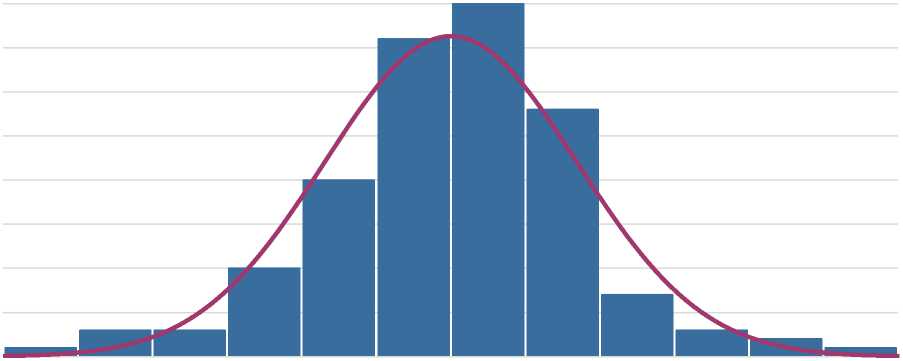
The ANOVA showed that the constructed model is statistically significant (F = 107.1393; p-value = 0.0000), and therefore the independent variables explain well the change in the transparency of customs operations. The model was additionally evaluated using the Durbin-Watson, Breusch-Pagan, Shapiro-Wilk tests, the variance inflation factor (VIF) and tolerance (TOL) tests. The tests showed the absence of problems with autocorrelation of residuals, heteroscedasticity, multicollinearity and confirmed that the residuals of the model are normally distributed. Fig. 1-3 show diagnostic plots for the obtained regression model, demonstrating the suitability of the model for explaining the level of transparency of customs operations. The VIF values indicate moderate multicollinearity, particularly for the variables Automation (6.6) and Procedures (5.9). This is expected, as both indicators reflect closely related dimensions of digitalization and procedural simplification within the OECD framework. While these values do not exceed critical thresholds commonly associated with severe multicollinearity, they suggest partial overlap among predictors, which may affect the stability and individual interpretation of coefficients. Therefore, the estimated coefficients should be interpreted with caution, with greater emphasis placed on the overall model fit and the relative significance of key variables rather than on precise coefficient magnitudes. Additional checks using alternative specifications (excluding one of the correlated variables) confirmed that the direction and statistical significance of the main effects remain consistent, indicating that multicollinearity does not materially distort the core findings.
о 'о
о
-0.6 To - -0.5 To - -0.4 To - -0.3 To - -0.2 To - -0.1 To 0 0 To 0.1
0.5
0.4
0.3
0.2
0.1
0.4 To 0.5 and
0.5 over
0.1 To 0.2 To 0.3 To
0.2 0.3 0.4
Fig. 1. Histogram of Residuals for the Resulting Regression Model. Source: calculated by the author based on OECD [28]
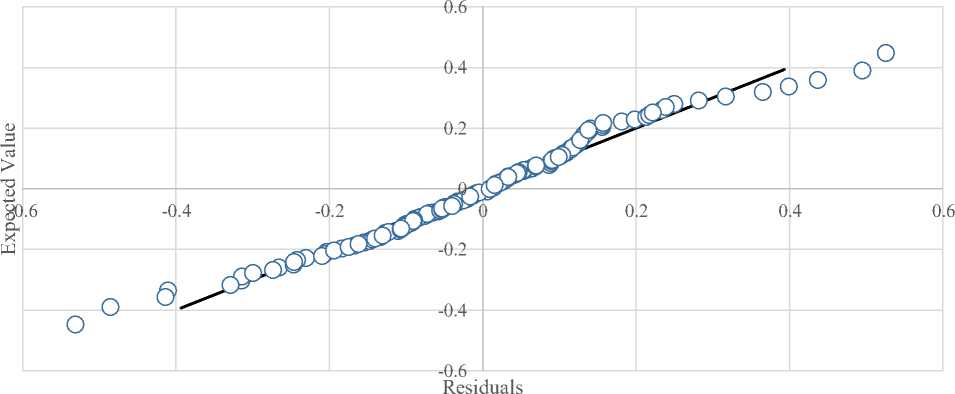
Fig. 2. Q-Q Plot for the Resulting Regression Model. Source: graphed by the author based on OECD [28]
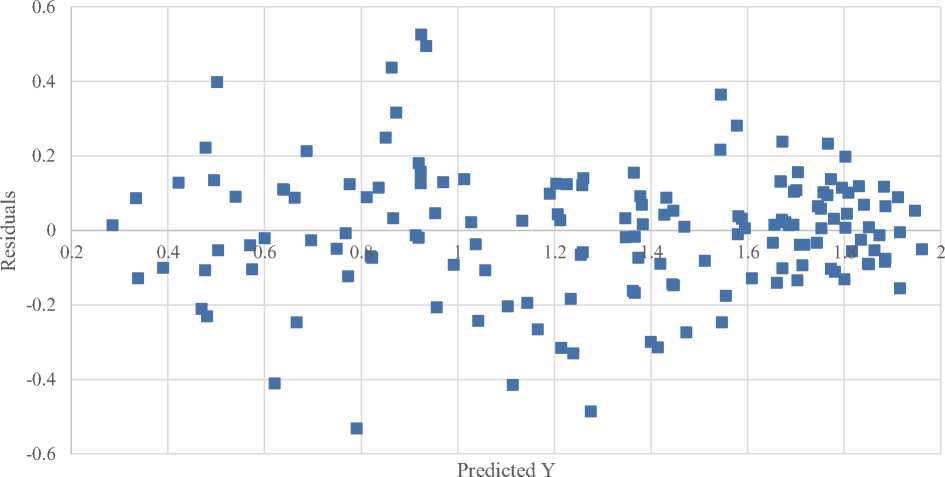
Fig. 3. Plot of Residuals Versus Predicted Values for the Resulting Regression Model.
Source: graphed by the author based on OECD [28]
Although the study employs conventional econometric techniques such as correlation analysis, multiple regression, and ANOVA, their application is methodologically justified by the structure of the OECD indicator system and the research objective of isolating the relative contribution of multiple institutional factors. The novelty lies in the specification of the model, the integration of heterogeneous indicators into a unified analytical framework, and the interpretation of standardized effects for cross-country comparison, rather than in the use of new statistical procedures. Given the cross-sectional nature of the data, the estimated relationships should be interpreted as associations across countries rather than dynamic effects over time.
The model presumes the linearity of the relationship between the explanatory variables and the dependent variable. This assumption is in line with the exploratory characteristics of the research, and the aim of the research to estimate the average marginal effects of trade facilitation indicators between countries. It is however recognized that in crosscountry institutional data, the relationship can be non-linear or conditional which captures threshold effects or an interaction between the variables (e.g., the effectiveness of digitalization by institutional quality). The baseline model did not have non-linear specifications and interaction terms because of the data constraints and because of the emphasis on model interpretability. Future research could extend the analysis by incorporating non-linear transformations or interaction effects to capture more complex relationships between institutional and technological factors.
The possible weakness of the model is that of endogeneity especially when it comes to factors like Automation and Procedures. Such factors might not just affect transparency but can also be affected by those, indicating reverse causality or coinciding relationships. Considering that the data is cross-sectional, and that there are no appropriate instrumental variables to correct the endogeneity, the model does not explicitly treat the endogeneity. Thus, it can be seen that the estimated coefficients do not represent causes, but are the signs of statistical connections.
4. Results
The correlation analysis confirmed a statistically significant correlation between the trade facilitation indicators and the informational dimension of transparency, which characterizes the transparency of customs operations in the context of the study. The results of the analysis are presented in Table 3, which indicates which relationships are statistically significant. The sign of the correlation coefficient characterizes the direction of the relationship (direct or inverse), and its absolute value indicates the strength of the relationship.
Table 3. Results of the Correlation Analysis between the Trade Facilitation Indicators and the informational dimension of transparency (Transparency of Customs Operations)
|
R** |
_g Я g о |
5 £“ “о § 1—( |
аг М "5 0-1 ■ё < |
^ "0 © © а < |
ал И S3 ал & |
ал Я |
я © < |
ал ^ "3 © £ |
ел ~ 13 2 н © Я W © 1—( |
© ел - "б Я f © 5 © я ° © Ы |
■б © л ё.2 я « © & © — 0 |
|
Informational dimension of transparency |
1.0000 |
||||||||||
|
Involvement of the trade community |
0.2561* |
1.0000 |
|||||||||
|
Advance rulings |
-0.0182 |
-0.0655 |
1.0000 |
||||||||
|
Appeal procedures |
0.7473* |
0.2239* |
-0.0763 |
1.0000 |
|||||||
|
Fees and charges |
0.7620* |
0.2025* |
-0.0661 |
0.5781* |
1.0000 |
||||||
|
Documents |
0.8046* |
0.2326* |
0.0057 |
0.5992* |
0.6367* |
1.0000 |
|||||
|
Automation |
0.8918* |
0.2732* |
0.0121 |
0.6541* |
0.7304* |
0.8316* |
1.0000 |
||||
|
Procedures |
0.8602* |
0.1991* |
-0.0349 |
0.6395* |
0.6903* |
0.8388* |
0.8855* |
1.0000 |
|||
|
Internal border agency co-operation |
-0.0620 |
0.2390* |
-0.0161 |
0.0031 |
-0.0812 |
-0.0007 |
-0.0641 |
-0.0416 |
1.0000 |
||
|
External border agency co-operation |
0.1035 |
0.0856 |
-0.0822 |
0.0481 |
0.1949* |
0.1128 |
0.1155 |
0.1494 |
-0.0079 |
1.0000 |
|
|
Governance and impartiality |
0.1935* |
0.3988* |
-0.0611 |
0.1895* |
0.1529* |
0.1415 |
0.1577 |
0.1738* |
0.6539* |
0.0602 |
1.0000 |
Note: *Correlations are significant at the 5% level (2-tailed)
**R - correlation coefficient
Source: calculated by the author based on OECD [28]
The regression coefficients should be interpreted as indicating statistical associations between variables rather than direct causal effects. Given the cross-sectional design and potential endogeneity, the estimated relationships do not imply that changes in individual indicators will necessarily produce proportional changes in transparency in a policy context.
Among the indicators with which the informational dimension of transparency (transparency of customs operations) has a direct statistically significant relationship, the closest correlation is observed with five indicators. These include Appeal Procedures, Fees and Charges, Documents, Automation, Procedures. Less closely, but also statistically significantly, this indicator is related to Involvement of the Trade Community, as well as to Governance and Impartiality. This indicates that the transparency of customs operations is determined not only by technological, but also by organizational factors, as well as the quality of the regulatory environment. However, the correlation analysis does not show a comprehensive impact of the observed factors on transparency, so the obtained results should be supplemented with an analysis using the multiple linear regression method (Formula 1). This will provide an assessment of the simultaneous impact of technological, regulatory and organizational factors on transparency and explain to what extent these factors determine its level. The resulting regression model for the dependent variable - informational dimension of transparency - looks as follows:
Informational dimension of transparency = - 0.1790 + 0.0160 * Involvement of the trade community + 0.0104 * Advance rulings + 0.2688 * Appeal procedures + 0.1438 * Fees and charges + 0.1366 * Documents + 0.3132 * Automation + 0.2384 * Procedures - 0.0560 * Internal border agency co-operation - 0.0106 * External border agency co-operation + 0.0471 * Governance and impartiality
Table 4 contains the results of the regression analysis of the impact of factors measured by OECD TFIs on the informational dimension of transparency. The coefficients of the regression analysis show the strength and direction of the impact of each independent indicator on the dependent variable. Standardized Beta coefficients compare the relative strength of the impact of different variables regardless of the units of measurement. The Rejected mark indicates variables for which the null hypothesis of no impact was rejected at the 5% significance level (p-value < 0.05). The VIF and TOL values indicate the absence of significant problems with multicollinearity in the model. The highest VIF values are for the Automation (6.6) and Procedures (5.9) variables, which may indicate some multicollinearity, however, this does not significantly affect the stability of the model. These indicators may be partially related to each other, as they directly relate to digitalization.
Table 4. Results of Regression Analysis of the Impact of Factors Measured by OECD Trade Facilitation Indicators on the informational dimension of transparency.
|
Coefficients |
Std Err |
LCL |
UCL |
t Stat |
p-value |
H0 (5%) |
VIF |
TOL |
Beta |
|
|
Intercept |
-0.1790 |
0.1035 |
-0.3837 |
0.0257 |
-1.7288 |
0.0860 |
Accepted |
|||
|
Involvement of the trade community |
0.0160 |
0.0377 |
-0.0585 |
0.0905 |
0.4247 |
0.6717 |
Accepted |
1.3654 |
0.7324 |
0.0142 |
|
Advance rulings |
0.0104 |
0.0267 |
-0.0424 |
0.0632 |
0.3885 |
0.6983 |
Accepted |
1.0388 |
0.9627 |
0.0114 |
|
Appeal procedures |
0.2688* |
0.0448 |
0.1802 |
0.3574 |
5.9941 |
0.0000 |
Rejected |
1.9019 |
0.5258 |
0.2372* |
|
Fees and charges |
0.1438* |
0.0597 |
0.0258 |
0.2617 |
2.4087 |
0.0173 |
Rejected |
2.7535 |
0.3632 |
0.1147* |
|
Documents |
0.1366* |
0.0587 |
0.0207 |
0.2526 |
2.3286 |
0.0213 |
Rejected |
3.8946 |
0.2568 |
0.1319* |
|
Automation |
0.3132* |
0.0631 |
0.1884 |
0.4379 |
4.9630 |
0.0000 |
Rejected |
6.5998 |
0.1515 |
0.3659* |
|
Procedures |
0.2384* |
0.0889 |
0.0627 |
0.4140 |
2.6819 |
0.0082 |
Rejected |
5.8645 |
0.1705 |
0.1864* |
|
Internal border agency co-operation |
-0.0560 |
0.0413 |
-0.1377 |
0.0257 |
-1.3538 |
0.1779 |
Accepted |
1.8199 |
0.5495 |
-0.0524 |
|
External border agency co-operation |
-0.0106 |
0.0289 |
-0.0678 |
0.0466 |
-0.3664 |
0.7146 |
Accepted |
1.0636 |
0.9402 |
-0.0108 |
|
Governance and impartiality |
0.0471 |
0.0359 |
-0.0238 |
0.1180 |
1.3140 |
0.1909 |
Accepted |
2.0589 |
0.4857 |
0.0541 |
Source: calculated by the author based on OECD [28]
The regression analysis found that the informational dimension of transparency is statistically significantly influenced by five variables. These are Appeal Procedures, Fees and Charges, Documents, Automation, Procedures. These variables demonstrated the closest relationship with transparency according to the results of the correlation analysis as well. At the same time, Involvement of the Trade Community, as well as Governance and Impartiality were not significant despite a weak correlation with the informational dimension of transparency. Detailed analytical conclusions and economic interpretation of the impact of each indicator included in the model are provided below.
The highest positive impact on the Availability of Information (transparency of customs operations) is exerted by Automation (0.3132). Covering electronic data exchange, automation of border procedures, etc., this indicator directly affects transparency, reducing the human factor, preventing corruption and improving access to information. The next indicator in terms of impact is Appeal Procedures (0.2688), which concerns the possibility and methods of appealing administrative decisions of border authorities. It is also important for increasing transparency, reducing legal uncertainty and ensuring higher accountability of border authorities. Procedures (0.2384) concern the simplification of border control and the introduction of single windows, which provides quick access to information and increases the transparency of customs operations. The Fees and Charges (0.1438) characterize the discipline regarding fees and charges for import and export, as well as fines. The value of this indicator directly affects the level of abuse and ensures a level playing field for participants in foreign economic activity. The Documents indicator (0.1366) refers to the simplification of trade documents and standardization, which increases the simplicity, accessibility, and transparency of customs documentation.
The following indicators included in the model were found to be statistically insignificant, but their analysis will provide a more complete understanding of the complex impact of trade facilitation indicators on transparency. The statistical insignificance of the Involvement of the Trade Community can be explained by the formal nature of the participants’ involvement, as in practice their participation usually increases trust and the quality of regulation. The insignificance of Advance Rulings may be explained by the scarce use of this tool at the current stage. Internal Border Agency Cooperation and External Border Agency Cooperation have an insignificant impact on transparency, probably because of their indirect nature and the difficulty of measuring the level of such interaction. In theory, Governance and Impartiality should contribute to transparency, but in practice may not have sufficiently effective mechanisms for ensuring it.
The results of the study enable identifying specific determinants of the transparency of customs operations and the level of their influence. Summing up the analysis, it is worth noting that the strongest positive impact on the Availability of Information (transparency of customs operations) is exerted by Automation and Procedures. These indicators relate to electronic data exchange, automation of border procedures, simplification of border control, and the introduction of single windows. In turn, this is directly related to the use of digital platforms in the management of customs processes, which confirms the hypothesis of a significant impact of digital platforms on the transparency of customs operations. At the same time, the results showed that technological factors affect the transparency of customs operations in combination with organizational and regulatory factors (Appeal Procedures, Fees and Charges, Documents). Therefore, ensuring transparent customs involves the implementation of an integrated approach, where technologies act as tools, and organizational and regulatory factors form the basis and ensure the effectiveness of their use. The consistency of results across the available sample suggests that the exclusion of observations due to missing data does not materially affect the main findings. Nevertheless, the results should be interpreted with caution, particularly in relation to countries with limited data availability.
5. Discussion
The identified relationships should be interpreted as correlational patterns, as potential bidirectional links between digitalization and transparency cannot be fully disentangled within the current empirical design. The empirical results are consistent with the proposed theoretical framework, which suggests that improvements in technological infrastructure and institutional quality reduce information asymmetry and enhance transparency in customs operations. The results should be interpreted in the context of transparency as proxied by information availability rather than as a full representation of all institutional dimensions of transparency. The value of this work is to be understood as an attempt at analytical synthesis instead of a methodological advancement. Although the overall significance of digitalization of the transparency in the public sector has been already identified in the literature, the study contributes to the development of the research area by empirically unravelling the comparative role of technological (automation, procedures), regulatory (appeal mechanisms, fees), and organizational factors in a common cross-country context. This enables determining both whether digitalization is important and which institutional components contribute to transparency outcomes and to what degree.
The study confirmed that Automation and Procedures have the most significant impact on the availability of information and transparency of customs operations. At the same time, the analysis took into account the complex impact of both technological, regulatory, and organizational indicators. This gives grounds to conclude about the importance of the interaction of these indicators to ensure the transparency of customs administration.
The author’s conclusions on the effectiveness of the use of digital technologies in increasing the transparency of public administration, in particular, the transparency of customs operations, are confirmed in the studies of other researchers. Ponti et al. [15] and Lazor et al. [29] investigated the general impact of digitalization on administrative transparency and the corruption rate, noting the positive consequences of the introduction of new technologies. Similar conclusions were reached by Latupeirissa et al. [30] and Sharmin and Chowdhury [31], who noted the positive impact of digitalization on the efficiency and accountability of government bodies. Mynenko et al. [32] and Androniceanu et al. [33] proved that digitalization increases the transparency of state power and reduces the level of corruption using quantitative analysis methods. The results of Addo [34] indicate that information technology allows for the control of corruption over time, using the example of Ghana Customs.
Similar to the author’s study, Sorescu and Bollig [19] found a significant positive impact of trade facilitation measures on international trade and the transparency of customs operations. Beverelli and Ticku [21] confirmed the effectiveness of trade facilitation reforms in reducing tariff evasion. The author provides empirical evidence for Clark and Bernard’s [20] observation that trade facilitation measures have a greater impact than reducing financial costs in international trade. This is evidenced by the high regression coefficient for Automation compared to the Fees and Charges.
Junquera-Varela et al. [18] and Pamulapati [24] examined the role of information systems and ICT in ensuring customs efficiency. Despite the noted importance of digitalization, both papers emphasized that technologies alone provide tools only. Achieving specific goals involves implementing a comprehensive strategy that encompasses regulatory, institutional, and operational aspects. According to the results of Dalton and Stošić [26] and Kyenche [27], it can also be concluded that the effectiveness of technology decreases in the absence of appropriate management. This is consistent with the results of our study, which notes that the highest effectiveness in ensuring the transparency of customs operations is possible through a combination of technological, regulatory, and organizational instruments of influence.
In view of the global nature of the study, it lacks an assessment of specific digital solutions and their role in increasing the transparency of customs operations. Despite the value of the author’s conclusions, further research may focus on the impact of individual digital platforms on transparency. Examples of such analysis include the studies of Yereshko et al. [22] and Ishchuk et al. [23], who described the effectiveness of eCustoms and the single window at Ukrainian customs. Another example is the study of Lebid et al. [35], who analysed the effectiveness of the implementation of the New Computerised Transit System (NCTS) as a new computerized transit system. However, the noted shortcomings do not diminish the value of the study, which consists in identifying determinants of the impact on the transparency of customs operations in terms of technological, regulatory and organizational dimensions. The obtained results can be applied in building customs policy with a focus on digitalization and improving regulatory and organizational aspects.
The results obtained support the fact that the digitalization variables, in this case, the automation and simplification of the procedures, are closely linked with the informational aspect of transparency in customs operations, which is aligned with the rest of the literature on digital platforms and change. Huang and Tang also underline the importance of digital platforms in enhancing information flows and decision-making, which helps to corroborate our observation that automation is the most strongly related factor, even though we consider it on an institutional level [36]. On the same note, Diaz-Suarez et al. emphasize greater openness via digital platforms and in their study, this increases our findings, yet they are more behavioural, but our study offers cross-country of empirical evidence [37].
Our findings are also aligned with the innovation-oriented approach of Xie et al. where both studies emphasize the significance of information management; though they are concerned with entrepreneurship, we showcase similar processes in regulatory transparency [38]. The necessity of digital infrastructure change identified by Koldovskiy is proved as the automation demonstrates the highest correlation with transparency, but in our findings, the infrastructure is not enough and it should be supported by other institutional characteristics [39]. The meta-analysis by Liang and Tian confirms the positive influence of digital transformation, however, our results indicate that its impact is not even, and only some of its elements are statistically significant [40].
Hadizadeh et al. claim that digital platforms lead to economic sustainability, which is indirectly confirmed by our findings by the enhanced transparency conditions, but which we demonstrate to depend on specific institutional arrangements [41]. Meanwhile, Eik et al. focus on the wider aspects of transparency, such as trust and ethics, and our results partially confirm this, demonstrating that there is an improvement in the availability of information, yet other institutional aspects are not significant [42]. Lastly, Prokopenko et al. underline the importance of the latest technologies like blockchain in improving transparency, which is consistent with our findings, but we note that the technologies cannot be effective unless combined with regulatory tools [43].
Overall, the comparison with existing literature confirms that the positive role of digital platforms in enhancing transparency is well supported. At the same time, this study contributes by providing a more differentiated and empirically grounded perspective, showing that the effects of digitalization are uneven across institutional dimensions and should be interpreted as associative rather than strictly causal relationships.
-
5.1. Limitations
-
5.2. Recommendations
The limitations of the study are the lack of data on individual country indicators, which led to a reduction in the study sample from 176 countries to 154. However, this did not significantly affect the quality of the results, as the regional diversity of the sample was preserved, which allowed for representative results. Another limitation of the study is the operationalization of transparency through a single proxy variable (Information Availability). While this indicator captures an important dimension of transparency, it does not fully reflect other aspects such as accountability, predictability, and institutional openness. Therefore, the results should be interpreted as reflecting the informational component of transparency rather than the concept in its entirety. The cross-sectional design of the dataset limits the ability to capture temporal dynamics and causal relationships over time, which could be addressed in future research using panel data. Another limitation is related to missing data for certain countries, which led to a reduced sample size. Although the distribution of missing observations does not indicate strong systematic bias, some country groups -particularly less developed economies - may be underrepresented, potentially affecting the generalizability of the findings. The presence of moderate multicollinearity among certain predictors, particularly those related to digitalization (Automation and Procedures), may limit the precision of individual coefficient estimates. Although this does not affect the overall explanatory power of the model, it constrains the interpretation of the relative magnitude of closely related variables. The use of a linear model may oversimplify potentially non-linear or conditional relationships between trade facilitation indicators and transparency. In particular, threshold effects and interactions between technological and institutional variables are not captured in the current specification. Another limitation relates to potential endogeneity between key variables, particularly Automation and Procedures, which may be jointly determined with transparency. The absence of instrumental variable techniques or panel data restricts the ability to establish causal relationships.
Strategies to increase the transparency of customs procedures should include:
- automation of customs procedures, in particular through the use of electronic data exchange systems and automation of border procedures as key factors that increase the availability of information;
- ensuring effective procedures for appealing administrative decisions of border authorities, which will help to increase trust in them and reduce legal uncertainty;
- developing single-window mechanisms to simplify border procedures by improving access to information;
- ensuring proper discipline regarding fees and payments;
- standardizing trade documentation in accordance with international standards in order to simplify and increase the transparency of international trade;
- strengthening the real participation and involvement of the trade community in building customs policy;
- developing Advance Rulings mechanisms;
- developing interagency cooperation between internal and external border agencies;
- increasing the effectiveness of mechanisms to ensure good governance and impartiality in customs activities.
6. Conclusions
The policy implications derived from the analysis should be interpreted with caution, as the results reflect statistical associations rather than confirmed causal relationships. Customs plays a leading role in international trade, directly affecting the countries’ competitiveness. Ensuring the transparency of customs operations is necessary for the implementation of fair and effective international trade. The analysis conducted in the research showed that electronic platforms are a key factor affecting the transparency of customs operations in modern conditions, which confirmed the main hypothesis of the study.
Detailing the results obtained, it is worth noting that, along with technological factors, operational and regulatory factors also affect the transparency of customs operations. The strongest influence is exerted by the automation of customs procedures, combining electronic data exchange, automation of border procedures, etc. Important factors in ensuring transparency are providing opportunities and methods for appealing administrative decisions of border authorities, simplifying customs control procedures and introducing single windows. A smaller, but statistically significant impact on transparency is the observance of discipline regarding fees, payments and fines, as well as the simplification and standardization of trade documentation.
The strategies to increase the transparency of customs operations should focus on the observed factors, while simultaneously increasing the effectiveness of areas that did not show a significant impact on transparency. These include the involvement of the trade community, interaction between internal and external border structures, the development of Advance Rulings, and ensuring good governance and impartiality. The insignificant impact of these factors can be explained by the imperfection of the mechanisms for their provision, in particular, the low level of institutional capacity, the fragmentation of the regulatory framework, the lack of clear procedures for assessing effectiveness, etc. The results of the study can be used as a basis for reviewing customs policy priorities with a focus on the identified determinants of impact, especially the digitalization of processes, the introduction of digital platforms. Prospects for further research are the development of mechanisms to improve the implementation of instruments, the effectiveness of which, as the analysis shows, remains low. This is possible through the analysis of international experience in the implementation of Advance Rulings, the study of models of cooperation with business (Public-Private Dialogue), etc.
All the Declarations and StatementsAuthor Contributions Statement
All authors contributed to the conception and design of the study, collection and processing of data, interpretation of the results, drafting of the manuscript, and critical revision of the final text.
All authors have read and approved the final version of the manuscript.
Conflict of Interest Statement
The authors declare that they have no known competing financial interests or personal relationships that could have appeared to influence the work reported in this paper.
Funding Declaration
None. This research received no external funding.
Data Availability Statement
The data used in this study were compiled by the authors from open statistical and analytical sources cited in the manuscript. The processed dataset is available from the corresponding author upon reasonable request.
Ethical Declarations
None. The study was based exclusively on open secondary statistical and analytical sources and did not involve human participants, animals, medical data, or personal sensitive data.
Acknowledgments
None.
Declaration of Generative AI in Scholarly Writing
None.
Abbreviations
None.
Appendix
None.