
The impact of global climate change on vegetation of the Garagush mountain ridge in the Nakhchivan Autonomous Republic
Journal: Bulletin of Science and Practice @bulletennauki
Section: Естественные науки
Article in issue: 11 т.11, 2025.
Free access
Climate change and global warming have exerted significant impacts on the vegetation of the Qaragush Mountain region in the Nakhchivan Autonomous Republic. Recent seasonal observations conducted over a seven-year period, supported by historical data, reveal intensifying drought conditions, shifts in species composition, and progressive degradation of plant communities. These ecological changes highlight the vulnerability of mountain ecosystems to climatic variability and underscore the importance of long-term monitoring. The findings contribute to a better understanding of regional ecological transformations and provide a basis for future research on adaptive conservation strategies.
Similar articles in the section Plant physiology
Short address: https://sciup.org/14135430
IDS: 14135430 | UDC: 581.1: | DOI: 10.33619/2414-2948/120/09
Влияние глобального изменения климата на растительность горного хребта Гарагуш Нахчыванской автономной республики
Изменение климата и глобальное потепление оказали значительное влияние на растительность горыГарагуш в Нахчыванской Автономной Республике. Недавние сезонные наблюдения, проводимые в течение семи лет, подкрепленные историческими данными, выявили усиление засух, изменения в видовом составе и прогрессирующую деградацию растительных сообществ. Эти экологические изменения подчеркивают уязвимость горных экосистем к изменчивости климата и важность долгосрочного мониторинга. Полученные результаты способствуют лучшему пониманию региональных экологических преобразований и создают основу для будущих исследований адаптивных стратегий сохранения.
Text of the scientific article The impact of global climate change on vegetation of the Garagush mountain ridge in the Nakhchivan Autonomous Republic
Бюллетень науки и практики / Bulletin of Science and Practice Т. 11. №11 2025
UDC 581.1: 504.062.2
растительность; деградация экосистем.
Observations were carried out seasonally over a seven-year period using both classical field approaches and modern analytical methods. The Nakhchivan Autonomous Republic, renowned for its diverse and distinctive natural features, is one of the most ancient regions in terms of geological formation and ecological evolution. Geological evidence indicates that tropical forests once covered this area. Over time, however, dramatic climatic fluctuations, tectonic activity, and other natural processes shaped the current soil–climate composition and biodiversity profile [1-3]. Today, the region holds a significant position within the Caucasus for both its biogeographical importance and genetic diversity (Figure 1).
Global climate change, variability, and ecological destabilization rank among the most urgent challenges of the 21st century. Increasingly frequent forest fires, persistent droughts, floods, landslides, and other natural disasters profoundly affect ecological systems, agriculture, and, in particular, plant communities. As primary producers, plants play a critical role in the biosphere by regulating atmospheric balance, sustaining food chains, and providing habitat structure [4].
Plants are fundamental to life: they produce oxygen, absorb carbon dioxide, contribute to soil formation, and prevent erosion. They are also indispensable to human societies through their applications in medicine, cosmetics, textiles, and food production. Nevertheless, due to anthropogenic pressures-such as deforestation, pollution, and unsustainable resource use-combined with natural climatic stressors, many plant species face an increasing risk of extinction. While large-scale natural processes remain beyond human control, raising environmental awareness and implementing sustainable management practices can help mitigate these negative effects [5].
Climate variability, global warming, and the disruption of ecological stability are among the most pressing global problems of our time. A glance at the global picture reveals chaos: forest fires and droughts on one hand, floods, landslides, earthquakes, and tsunamis on the other. These changes in climate and ecology have a profound impact on many areas, including botany and agriculture. Plants, which play an essential role in the lives of all living beings, are now at risk of extinction [6].
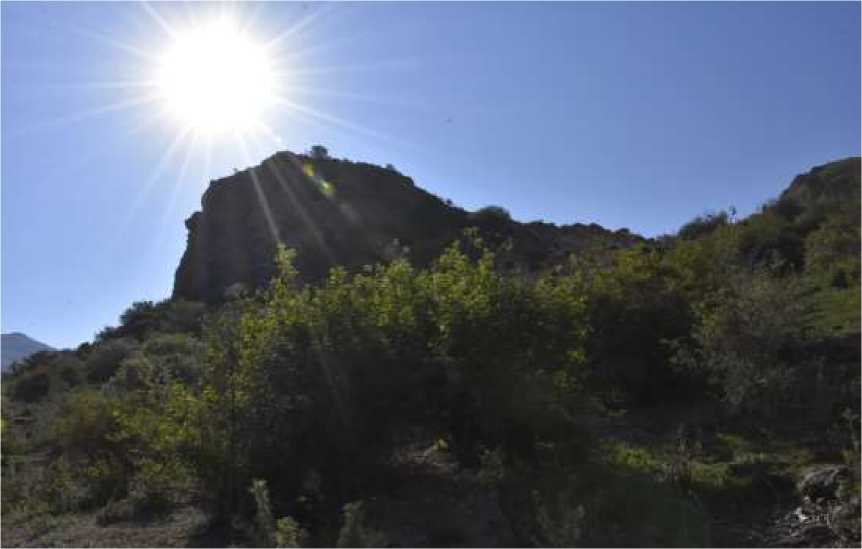
Figure 1. Garagush Mountain (Photo taken by the author)
Plants provide food and oxygen, absorb carbon dioxide, support other living beings, and are fundamental to soil formation. They help prevent erosion and landslides, and they contribute to industries such as medicine, cosmetics, textiles, and aesthetics. It is impossible to imagine life without these organisms. However, due to unregulated use, deforestation, climate factors, and environmental pollution, plants now face the threat of extinction. Alongside natural disasters and climate changes, human activity is also a significant contributing factor. Although we cannot alter natural global processes, educating people and encouraging the efficient use of natural resources can help mitigate some of these challenges [7].
Materials and Methods
Study Area and Observations. The subalpine meadows of Qaragush Mountain are characterized by tall herbaceous vegetation. Over the last century, significant shifts in plant cover have been observed, with ongoing transformations evident in recent years. Declining water availability, reduced precipitation, and rising summer temperatures have resulted in diminished plant density and biodiversity, particularly in lowland areas. Historically dominant plant species have either disappeared or become highly fragmented. The shrinking presence of water bodies has had cascading effects on microhabitats and overall vegetation structure [7-12].
The region hosts numerous fruit, vegetable, and medicinal plants traditionally used by local communities. However, the collection of many species has now been restricted, as several have been classified as rare or endangered and are included in the Red Book of the Nakhchivan Autonomous Republic and the Red Book of Azerbaijan [8].
Data Collection and Methods. Research was conducted seasonally over a seven-year period using a combination of classical field approaches and modern analytical methods. Botanical-floristic, ecological, aerological, phytosociological, and statistical techniques were applied. The taxonomic composition of rare plant species in the Dərələyəz mountain range was clarified, and the phytosociological characteristics of identified species were studied. Dominant, subdominant, and edifying species were distinguished. The current conservation status of rare or endangered species included in the national and international Red Books was assessed [11].
Photographs were taken of phytocoenoses and individual rare species. Based on collected data, recommendations were made for the efficient use of vegetation in the region’s summer pastures.
Results
Plant Diversity and Classification. Field research identified 869 plant species in the Qaragush Mountain region, representing 484 genera and 89 families. Of these, 76 species are listed in the Red Books of Azerbaijan and the Nakhchivan Autonomous Republic (Table).
Table
RARE AND ENDANGERED SPECIES
|
Division/Class |
Species |
Genera |
Families |
|
Pteridophyta |
2 |
2 |
2 |
|
Gymnospermae |
3 |
1 |
1 |
|
Monocotyledons |
22 |
18 |
11 |
|
Dicotyledons |
49 |
41 |
28 |
|
Total |
76 |
62 |
42 |
Wild edible plants found in steppe vegetation include Scorzonera rigida, Capsella bursa-pastoris, Chenopodium album, Chenopodium foliosum, Spinacia tetrandra, Salicornia europaea, Atriplex turcomanica, and Polygonum aviculare .
Conservation Status. Some wild decorative, vegetable, fruit, and medicinal plants in the Qaragush region are categorized as rare, with many being geophytes. The primary conservation task has been ex situ propagation at the Botanical Garden of the Bioresources Institute, Nakhchivan Division of ANAS, with the aim of reintroduction into natural habitats and protection of their gene pool. For the first time, the natural reserves of certain wild plants in the Qaragush area have been studied. These species have been incorporated into the Arpachay State Nature Reserve, where collection and grazing activities are prohibited.
Environmental Pressures. The vegetation of Qaragush Mountain, especially the subalpine meadows used as summer pastures, is in critical condition. Severe droughts and high summer temperatures in recent years, coupled with uncontrolled grazing, have accelerated vegetation loss. As a result, the area has been placed under special protection by the Ministry of Ecology and Natural Resources of the Nakhchivan Autonomous Republic (Figure 2).
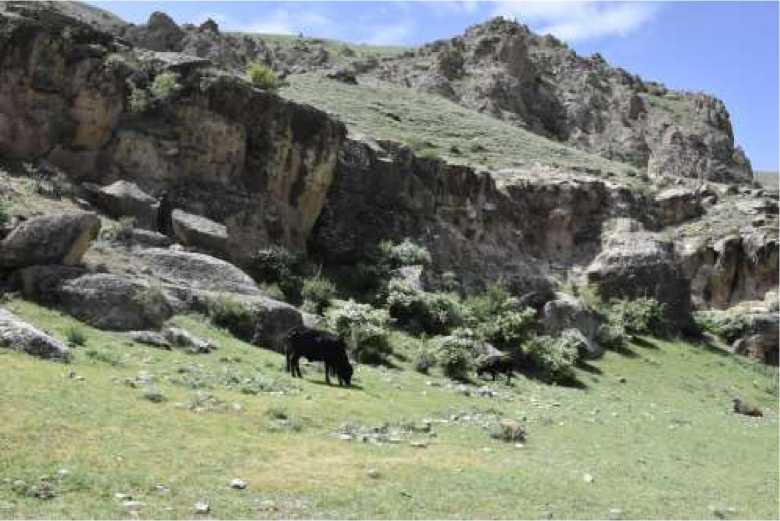
Figure 2. Garagush Mountain (Photo taken by the author)
Discussion
The results of this study demonstrate that the vegetation of Qaragush Mountain is undergoing significant ecological transformations driven by both natural and anthropogenic pressures. The high level of plant diversity, with 869 species recorded, highlights the importance of this region as a reservoir of genetic resources within the Caucasus. However, the fact that 76 species are already included in national and regional Red Books underscores the vulnerability of the flora to ongoing climatic and human-induced changes [7-12].
Climate change has played a decisive role in shaping the current vegetation patterns. Increased summer temperatures, coupled with decreased precipitation and prolonged droughts, have accelerated the decline of water-dependent species and favored the spread of xerophytic plants. This trend is consistent with observations in other mountainous ecosystems of the Caucasus and beyond, where climate variability has led to habitat fragmentation and species loss. Human activities such as overgrazing, uncontrolled harvesting of medicinal and edible plants, and land-use changes have further intensified ecological degradation. While local communities have traditionally relied on wild plants for food, medicine, and other purposes, unsustainable collection practices threaten the survival of several species. These findings highlight the urgent need to balance traditional practices with modern conservation strategies. The establishment of protected areas, such as the Arpachay State Nature Reserve, represents a positive step toward preserving the unique flora of Qaragush Mountain. Ex situ conservation efforts at the Botanical Garden of the Bioresources Institute provide an additional safeguard for rare species and their potential reintroduction into natural habitats. However, long-term success requires integrated approaches that combine legal protection, ecological monitoring, community engagement, and sustainable management of natural resources. Overall, this study emphasizes that the Qaragush Mountain ecosystem reflects broader global patterns of ecological vulnerability under climate change. Its protection is not only critical for
Бюллетень науки и практики / Bulletin of Science and Practice Т. 11. №11 2025 regional biodiversity but also contributes to the global effort to safeguard mountain ecosystems that are disproportionately sensitive to environmental change.
Conclusion
High temperatures and reduced precipitation in the Qaragush Mountain region have led to the formation of drought-tolerant plant communities. As a result, the coverage of various vegetation types has shrunk or disappeared altogether. The unregulated use of fruit, vegetable, and medicinal plants has forced authorities to ban their collection. Many species, due to their rarity or extinction risk, are included in both the Nakhchivan and national Red Books of Azerbaijan. Given the accelerating impact of climate change, the vegetation of Qaragush Mountain is undergoing rapid transformation. To protect the gene pool of rare and endangered species, conservation measures such as ex situ cultivation, monitoring, and reintegration into natural habitats are essential. These efforts will help safeguard biodiversity and preserve ecological balance in the region for future generations.
