
Использование раскаленных речных галек в быту населением новопетровской культуры Западного Приамурья
Журнал: Вестник Новосибирского государственного университета. Серия: История, филология @historyphilology
Рубрика: Археология Евразии
Статья в выпуске: 5 т.25, 2026 года.
Бесплатный доступ
Исследованы обожженные и растрескавшиеся речные гальки (более 1 750 экз.) для определения их роли в хозяйственной и бытовой жизни у населения ранненеолитической новопетровской культуры оседлых рыболовов на р. Амур. С учетом этнографических сведений установлено, что раскаленные гальки могли применяться в различных бытовых ситуациях: для приготовления пищи в деревянных сосудах, для дополнительного обогрева жилищ, а в холодные месяцы года в деревянных корытах с водой с их помощью варили рыбу для своры ездовых собак, которых кормили в жилищах. Высказано предположение, что, несмотря на отсутствие находок костей животных, у носителей новопетровской культуры на Амуре собаководство уже могло представлять одно из первых проявлений производящего хозяйства экстенсивной формы.
Похожие статьи в разделе Предыстория. Доисторические остатки, артефакты, древности
Короткий адрес: https://sciup.org/147253842
IDS: 147253842 | УДК: 903 | DOI: 10.25205/1818-7919-2026-25-5-52-61
The Use of Heated River Pebbles in Everyday Life by the Population of the Early Neolithic Novopetrovka Culture of the Western Amur Region
Purpose. This article presents a study of burnt and cracked river pebbles to determine their role in the economic and household life of the population of the Early Neolithic Novopetrovka culture of sedentary fishermen on the Amur River. More than 320 pebbles from dwellings and more than 1430 fragments from the habitation zone were taken into account. Results. Retrospective research has shown that hot pebbles could have been used in various household situations: for cooking in wooden and leather vessels, for additional heating of homes, and for obtaining water from snow and ice. It was noted that sled dogs were fed in dwellings in winter where fish was boiled in wooden troughs using hot pebbles. It has been found that maintaining a large number of dogs requires a constant food source, such as fishing. Conclusion. The way the dogs were fed indicates that they were organized and controlled packs. It is possible that among the population of the Novopetrovkа culture on the Amur River, dog breeding already represented one of the first manifestations of an extensive form of productive economy. During that time, dogs could perform various functions: guarding their owner’s home; serving as a source of food, hides, wool, and down; participating in hunting; and pulling sleds or drags. The latter was essential due to the supply of tuff from the right bank of the Amur River for making various tools.
Текст научной статьи Использование раскаленных речных галек в быту населением новопетровской культуры Западного Приамурья
,
,
В ранненеолитической новопетровской культуре (12,6–8,6 тыс. кал. л. н. [Деревянко и др., 2004, с. 63, табл. 1]) на Амуре, в юго-восточной части Западного Приамурья (рис. 1), основным сырьем для изготовления каменных орудий был светлый вулканический туф. С нуклеусов получали разной длины ножевидные пластины и отщепы, которые сколами, ретушированием и шлифовкой оформлялись в ножи, наконечники стрел, скребки, резцы, острия, провертки, сверла и другой бытовой инвентарь. Для производства каменного инвентаря также использовались песчаники (оселки, стержни-отжимники, круглые грузила с отверстиями), сланцы, гранитоиды (утяжелители с отверстиями), пористый туф (булава), биотит (украшения, пуговица), периодически халцедон (небольшие пластинки) [Деревянко, 1970; Нестеров, 2025].
Частой находкой во время раскопок памятников новопетровской культуры являются различных размеров и форм речные гальки. Крупные галечные плиты использовались в качестве наковален; продолговатые конусовидные служили пестами, отбойниками и отжимниками при производстве призматических, клиновидных, конусовидных и аморфных нуклеусов из вулканического туфа и скалывании с них пластин и отщепов. Из плоских галек делали грузила для сетей.
Еще одной особенностью каменной индустрии носителей новопетровской культуры является целенаправленное применение в быту раскаленных на огне речных галек. О том, насколько своеобразным это явление было для новопетровской культуры в Западном Приамурье, свидетельствуют немногочисленные примеры присутствия обожженных галек в материалах громатухинской культуры начального – раннего неолита и поздненеолитической осиноозерской культуры.
На памятнике Громатуха на р. Зее обожженные и растрескавшиеся речные гальки найдены в разных стратиграфических и позиционных ситуациях. Часть из них обнаружена в слое 1 – артефакты осиноозерской культуры. В четырех случаях в слое 3 найдены скопления колотых и обожженных галек, которые можно связать с громатухинской культурой [Окладников, Деревянко, 1977, с. 36–38, 50–51].
На неолитическом поселении громатухинской культуры в с. Кумары обнаружены 9 прямоугольных очагов (55–60 × 55–60 см). Они были «сложены из небольших красноватобордового оттенка голышей-окатышей величиной 5–20 см, сильно обожженных и преимущественно растрескавшихся» [Там же, с. 119–120]. На памятнике Сергеевка этой же культуры прокаленные и растрескавшиеся от нагрева гальки кварцита, гранита и плотного песчаника в виде овала диаметром немногим более 1 м были рассредоточены на площади 6 кв. м [Окладников, Деревянко, 1977, с. 104].
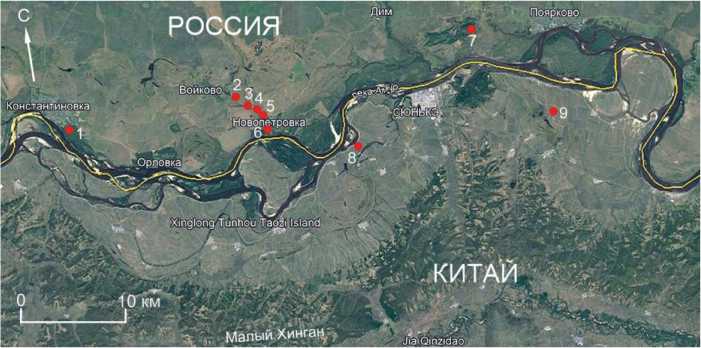
Рис. 1. Карта памятников новопетровской культуры на р. Амур:
1 – Константиновка; 2 – Кукурузное Поле; 3 – Новопетровка I; 4 – Новопетровка III; 5 – Новопет-ровка IV; 6 – Новопетровка II; 7 – могильник Шапка; 8 – Лучан; 9 – Лимин
Fig. 1. Map of Novopetrovka culture sites on the Amur River:
1 – Konstantinovka; 2 – Kukuruznoe Pole; 3 – Novopetrovka I; 4 – Novopetrovka III; 5 – Novopetrov-ka IV; 6 – Novopetrovka II; 7 – Shapka burial ground; 8 – Luchang; 9 – Liming
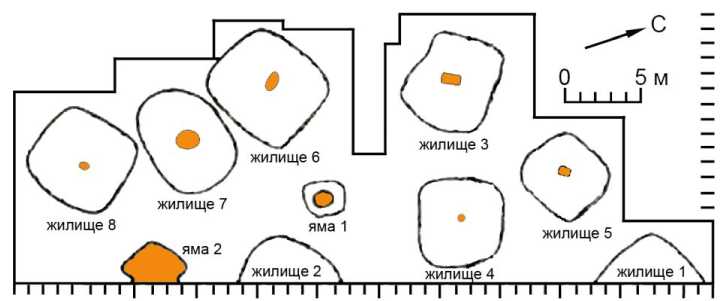
Рис. 2. План раскопанных жилищ на поселении Новопетровка II (по: [Деревянко, 1970, с. 38, рис. 9], в авторской редакции)
Fig. 2. Plan of excavated dwellings at the Novopetrivka II settlement (by: [Derevianko, 1970, p. 38, fig. 9], in the author’s edition)
На памятнике Осиновое Озеро осиноозерской культуры зафиксировано два случая присутствия обожженных и растрескавшихся галек в жилище. В одном случае это было скопление мелких галечек с фрагментами керамики, в другом – гальки были рядом с очагом, но они не являлись частью его конструкции [Окладников и др., 1971, с. 353, 355]. Возможно, в первом случае нагретые галечки находились в сосудах, которые использовались обитателями в качестве мобильных обогревателей.
Определение дислокации обожженных и растрескавшихся речных галек на поселениях имеет значение для понимания их роли в хозяйстве и быте их обитателей.
На пос. Константиновка в жилище у очага с обкладкой из сланцевых плиток и в его заполнении найдено 18 обожженных и растрескавшихся галек. Несколько таких гранитных галек обнаружено за пределами жилища вместе с фрагментами керамики и сработанным нуклеусом [Деревянко, 1970, с. 25, 27].
Значительное количество обожженных и растрескавшихся галек в разных планиграфиче-ских и стратиграфических ситуациях найдено на памятнике Новопетровка II. Здесь исследовано восемь жилищ, две хозяйственные ямы и межжилищное пространство (рис. 2). Всего на раскопанной площади отмечено 265 галек, из них 31 – в слое светло-коричневой супеси, 77 – в заполнении котлованов, 157 – на полу жилищ; 11 – в межжилищном пространстве; 7 – в хозяйственной яме 1 [Деревянко, 1970, с. 39, 41, 45–103].
На поселении Новопетровка III в жилище (раскопки 1964 г.) прямоугольной формы площадью 43,5 кв. м (6,4 × 6,8 м), вокруг очага диаметром более 2 м отмечено 9 сильно растрескавшихся обожженных галек. В заполнении котлована жилища таких галек было восемь, и четыре встречены в слое светло-коричневой супеси [Там же, с. 120, 122]. На исследованной площади обитания к югу от жилища (300 кв. м, раскопки 2003, 2004 гг.) собрано около 1 430 фрагментов аморфных галек со следами прокала, с измененным цветом, со следами трещин на поверхности (рис. 3, 4).
В итоге с поселений Константиновка и Новопетровка II, III известно 322 обожженные и растрескавшиеся гальки. Из них 35 происходят из слоя светло-коричневой супеси, 85 – из заполнения котлованов жилищ и 202 – с их пола. Это количество не является полным, так как в описаниях не всегда указывается их число, а только констатируется факт находки.
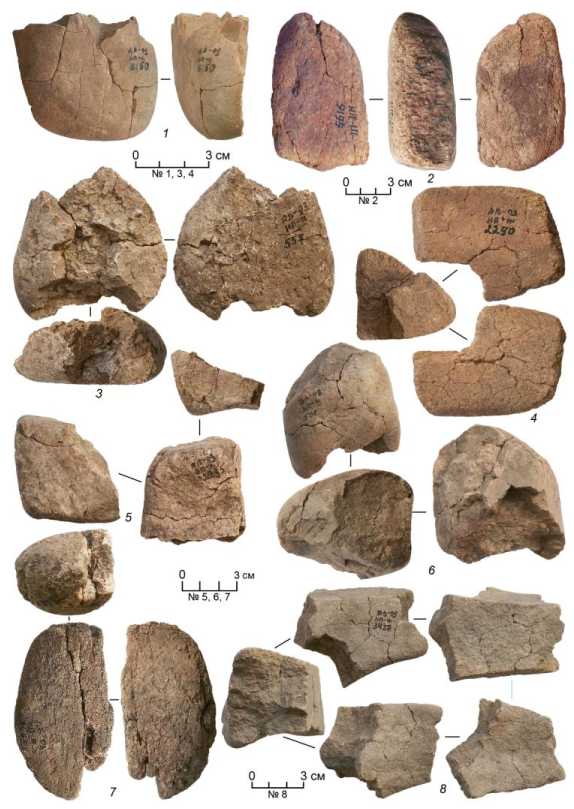
Рис. 3. Обожженные и растрескавшиеся гальки с памятника Новопетровка III
Fig. 3. Burnt and cracked pebbles from the Novopetrivka III site
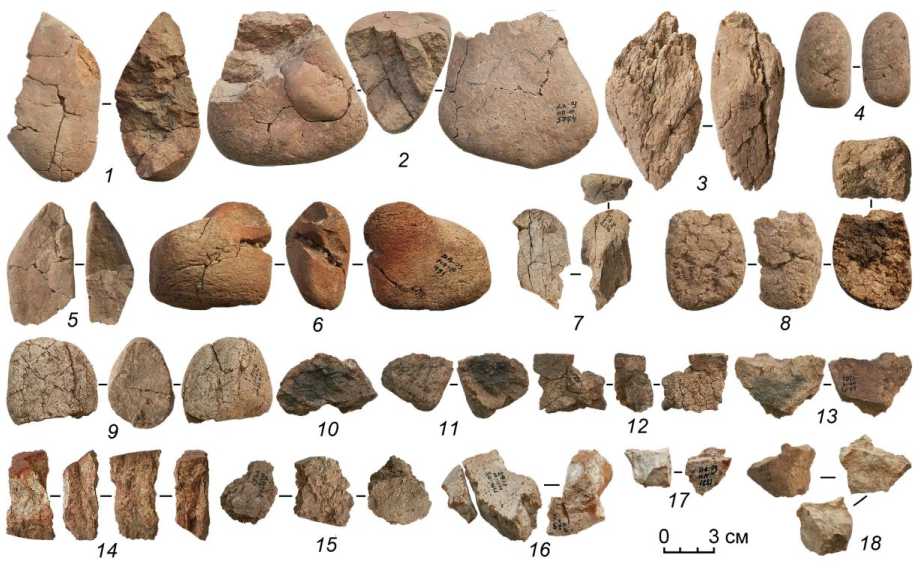
Рис. 4. Крупные обломки ( 1–9 ) и мелкие фрагменты ( 10–18 ) обожженных и растрескавшихся галек с памятника Новопетровка III
Fig. 4. Large debris ( 1–9 ) and small fragments ( 10–18 ) of burnt and cracked pebbles from the Novopetrivka III site
Таким образом, большое количество обожженных на сильном огне галек, их расположение, как отметил А. П. Деревянко, «вокруг очагов и в самих очагах жилищ», которые «лежали отдельно или целыми скоплениями» («особенно у тех очагов, которые занимали сравнительно большую площадь») [1970, с. 163], можно считать не случайным. Их широкое применение явно было связано с особенностью хозяйственной деятельности населения новопетровской культуры.
Самое логичное предположение об использовании раскаленных галек – для приготовления пищи в деревянных или кожаных емкостях. Оно, основанное на археологических данных и на этнографических наблюдениях за бытом дальневосточных камчадалов и курильских айнов, было высказано А. П. Деревянко после раскопок на новопетровских памятниках, но при этом отмечена и роль керамических сосудов [Там же].
Другое возможное применение – расщепление кварцитовых галек с помощью огня в ямах на сколы и отщепы для изготовления каменного инструментария. Применительно к населению новопетровской культуры А. П. Деревянко отметил, что орудия из них не изготавливались, основным сырьем был вулканический туф [Там же, с. 164].
Раскаленные гальки могли использоваться для получения теплой или горячей воды из снега и льда в зимнее время. Прямых свидетельств из этнографии нет, но растрескивание раскаленных галек происходит при контакте с холодным веществом из-за резкого перепада температуры, вплоть до полного разрушения их на куски.
Для новопетровской культуры пока не известна обкладка очагов по периметру гальками или уплощенными камнями, как и облицовка его дна для сохранения высокой температуры. Однако идея облицовки галькой места очага, видимо, все же имела место и, возможно, пока не встречена при археологических раскопках, но известна у некоторых народов Приамурья.
Например, в XIX в. орочи на территории нижнего Амура место для очага засыпали галечником и огораживали деревянной рамой, обмазанной с внутренней стороны глиной [Ларькин, 1964, с. 47].
Так как речные гальки являются хорошим аккумулятором тепла, их могли применять для локального обогрева спального места, помещая горячие гальки в мешочки из кожи или в сосуды. Для этого могли использовать и мелкие гальки. В прилегающей к жилищу зоне обитания на поселении Новопетровка III в мусорных ямах были найдены два скопления мелкой гальки, которые лежали в виде вымостки округлой формы [Деревянко и др., 2004, с. 57, рис. 38, 1 ; с. 63–64]. Такое расположение галек могло образоваться, если только они находились в мягкой емкости. Прямых доказательств этому нет, но в некоторых жилищах есть небольшие дополнительные очажки недалеко от стен, угли в которых могли служить для обогрева обитателей (Новопетровка II, жил. 6; Новопетровка III, жил. 1) [Деревянко, 1970, с. 81, 122].
Как показывают этнографические материалы, раскаленные гальки не использовали для сохранения выловленной рыбы. Крупную рыбу вялили, коптили, а также жарили [Ларькин, 1964, с. 53]. При этом ее разрезали, потрошили, снимали с нее кожу и развешивали на сушильнях. Например, гольды выловленную кету и употребляли в свежем виде, и заготавливали в большом количестве впрок: «…сушильни вокруг юрт обвешаны были тесными рядами распластанной рыбы, которая на них висела широкими полосами. Многочисленные отбросы распространяли в воздухе запах гнили и служили обильной добычей собакам, воронам и по-плевкам» (большим мухам. – С. Н. ) [Шренк, 1899, с. 216, 227].
Наличие у населения новопетровской культуры в юго-восточной части Западного Приамурья поселений, приуроченных к берегам Амура и к источникам вулканического туфа на его правобережье; стационарные жилища долговременного проживания; булавы для глушения крупных рыб; галечные грузила, якоря для ставных сетей и, видимо, для лодок, находки сожженных костей рыб в очагах и др. свидетельствуют об оседлом образе жизни обитателей новопетровских поселений, основанном на рыболовстве, в том числе проходной рыбы лососевых пород во время ее нереста [Деревянко, 1970, с. 169–172; Нестеров, 2025].
Видимо, наличие большого количества обожженной и растрескавшейся гальки на поселениях новопетровской культуры, свидетельствующее об ее интенсивном и длительном применении в быту, связано именно с оседлым образом жизни и рыболовством как основой их хозяйства, в отличие от неолитического населения охотников громатухинской и осиноозерской культур. Некоторые способы применения раскаленных галек приведены выше. Но, на наш взгляд, они использовались еще в каких-то значимых для обитателей поселков бытовых действиях, судя по большому количеству галек.
Выявление скрытой в обожженных и растрескавшихся гальках информации для понимания хозяйственно-бытового уклада населения новопетровской культуры оказалось новым направлением, хотя основа применения горячих галек для нагрева воды при готовке пищи осталась прежней.
Многие исследователи самобытных культур коренных народов Сибири XIX в. обращали внимание на то, что те из них, кто в основе хозяйства имеет устойчивый источник мясного питания (рыболовство, оленеводство), обязательно практикуют упряжную езду на собаках и, соответственно, занимаются собаководством в той или иной степени интенсивности.
Рыболовы «гиляки больше всех других амурских инородцев ездят на собаках, и потому животное это занимает в их жизни и хозяйстве гораздо более важное место, чем у остальных туземцев края. Собака одновременно служит им рабочим скотом, доставляет наиболее обыкновенный и любимый мех для одежды, а мясо ее гиляки употребляют в пищу. <…> В хозяйстве, где собака заменяет рабочий скот, необходимо при ее малой физической силе содер- жать ее в большом количестве. А так как она принадлежит к числу плотоядных 1, то для прокормления ее требуются большие, постоянные запасы животной пищи, заготовлять которые могут только оседлые на морском берегу или на большой рыбной реке рыболовы, а не скитающиеся там и сям охотники» [Шренк, 1899, с. 176].
Гиляки, имея своры собак, их селекцией, хотя бы на уровне контроля их размножения и простого отбора из щенков сильных особей, не занимались. В упряжке для нарт они использовали только самцов, поэтому их кормили один раз в день зимой, а летом через день, а самок – лишь иногда в зимнее время, «чтобы не околевали»; летом собаки находились на подножном корме. «Худые и голодные бродят они в юртах и вокруг и с жадностью бросаются на всевозможные отбросы» [Там же, с. 176].
Еда и собак, и самих гиляков состояла в основном из рыбы. Собакам на корм предназначались головы и хребты с остатками на них мяса. В исключительных случаях им скармливали юколу. «Весь корм вообще предлагается собакам вареный, а не сырой, как то делают русские. И кормление происходит не на открытом воздухе, а внутри жилища на специальном столе или у очага». Здесь же кормят щенков [Там же, с. 168, 169].
Вот как этот процесс у гиляков середины XIX в. описывает Л. И. Шренк: «Как скоро варка похлебки в одном их больших котлов подходит к концу, на край стола или площадки у очага ставят пару длинных корыт. Затем отворяют двери, и собаки находящиеся во дворе на привязи на ремнях и цепях, впускаются. Голодные животные врываются в юрту, сбивая друг друга с ног, вспрыгивают на стол и теснятся на нем или на полу вокруг корыт. Женщины большими уполовниками черпают кипучую похлебку из котла, наполняют ею ведра и выливают в корыта» (рис. 5) [Там же, с. 168].
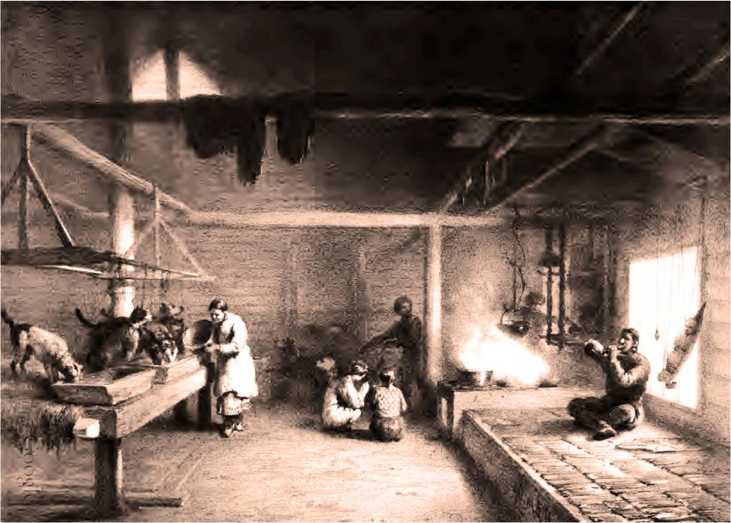
Рис. 5 . Кормление собак в жилище гиляков в XIX в. (по: [Шренк, 1899, табл. XII])
Fig. 5. Feeding dogs in a Gilyak dwelling in the 19th century (вy: [Shrenk, 1899, pl. XII])
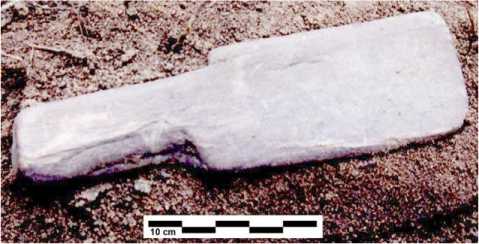
Рис. 6. Каменная лопатка с памятника Новопетровка III Fig. 6. Stone spatula from the Novopetrivka III site
И если у гиляков Л. И. Шренк описывает использование металлических котлов для приготовления еды собакам, то из дневника И. А. Лопатина 2 известно, что юраки (ненцы. – С. Н. ) нижнего Енисея «собакам варят рыбу, кладя раскаленные камни в корыта, где вода с рыбою (выделено авт. – С. Н. )», а собак, как и на Дальнем Востоке, «здесь называют скотиною» [Клеопов, 1964, с. 89].
Экстраполируя этнографические сведения о содержании собак коренными жителями Сибири и Дальнего Востока на археологические материалы новопетровской культуры и исходя из выводов о том, что ее носители были оседлыми рыболовами на берегах Амура [Деревянко, 1970, с. 158], можно сказать, что в их хозяйстве имело место собаководство, хотя кости собак и других животных во время раскопок пока не находили. Раскаленные гальки, видимо, в основном использовались в приготовлении рыбной или другой похлебки для кормления собак. Ее варили в деревянных корытах, куда бросали раскаленные в очагах жилищ камни. В жилищах же, видимо, собак и кормили. А. П. Деревянко отметил закономерность находки большого количества растрескавшихся галек от большой площади жилищ [1970, с. 168]. У гиляков «в тесной подземной юрте, где низкие нары только узким проходом отделяются от площадки очага, в момент кормления собак для людей почти не остается места» [Шренк, 1899, с. 168]. Возможно, на поселении Новопетровка II две хозяйственные постройки, расположенные между восемью раскопанными жилищами, кроме функции сушки и копчения рыбы во время ее заготовки [Деревянко, 1970, с. 109], могли использоваться для приготовления корма собакам, хозяева которых из-за небольших площадей своих жилищ испытывали в этом трудности.
Чем доставали раскаленные гальки из углей очага носители новопетровской культуры, можно представить только предположительно, на основании современного понимания этого процесса и некоторых косвенных фактов. Первое, нужно было вытащить гальки из горячих углей на край очага при помощи деревянной палки или длинной кости. Затем нужно захватить раскаленную гальку и бросить ее в емкость с водой, льдом или снегом. Это могли быть толстая кожаная прихватка, две палки, расколотые по длине трубчатые кости животных, лопаточки. Костяные и деревянные предметы не сохранились на этих поселениях, но одна лопатка из сланца найдена в зоне обитания на поселении Новопетровка III (рис. 6) 3.
На востоке Азии кости древнейших собак найдены в ушковской культуре (11–10 тыс. л. н.) Камчатки. Их кости возрастом около 9,5 тыс. л. обнаружены на о. Жохова в Якутии. Есть предположение, что эти собаки могли использоваться как упряжные. На территории Китая развитие собаководства фиксируется как минимум с 9 тыс. л. н. Хозяева использовали собачье мясо в пищу, а также могли собак запрягать в сани или волокуши. Не исключено, что одомашнивание собак «заложило основу для последующей доместикации других видов животных и развития производящего хозяйства» [Кудинова, 2024, с. 9, 19–23].
Предполагается, что у населения новопетровской культуры раннего неолита на Амуре существовало собаководство, хотя находок костей животных пока нет из-за условий их сохранности. Реконструируемый способ кормления собак свидетельствуют о том, что это были организованные и управляемые человеком своры. Представляется, что собаководство у них могло представлять одно из первых проявлений производящего хозяйства экстенсивной формы. Собаки в это время могли выполнять различные функции: охранять жилища; служить источником пищи, шкур, шерсти и пуха; участвовать в охоте; работать в упряжках нарт, саней или волокуш. Последнее было актуальным, потому что левобережное население новопетровской культуры вынуждено было совершать экспедиции на правый берег Амура за тяжелым вулканическим туфом, который использовался для получения пластин и изготовления из них бытового и промыслового инструментария [Нестеров, 2025, с. 66–67]. Можно полагать, что на поселениях были специалисты по изготовлению не только лодок, но и нарт.
Таким образом, обожженные и растрескавшиеся гальки с новопетровских поселений по аналогии с использованием раскаленных галек в быту коренными народами Сибири и Дальнего Востока в недавнем прошлом предполагают у населения новопетровской культуры раннего неолита зачаточное экстенсивное производящее хозяйство в виде собаководства и связанный с ним спектр хозяйственно-бытовой деятельности.
