
Theoretical foundations of the production of women’s classical-style garments
Journal: Bulletin of Almaty Technological University @vestnik-atu
Section: Технология текстиля и одежды, дизайн
Article in issue: 1 (151), 2026.
Free access
The study investigates the theoretical and practical foundations of classical women’s fashion design and production, positioning it within the framework of sustainability and modern technological innovation. In an era dominated by fast fashion and rapidly shifting trends, the classical style remains a symbol of stability, cultural continuity, and refined taste. However, the absence of a systematic, science-based approach to its creation has led to inconsistencies in design and quality. The research develops a Three-Dimensional Theoretical Model that unites historical-canonical, aesthetic-functional, and technological-technical dimensions into a coherent methodological system. Through historical-typological, stylistic, and comparative analyses, the study explores the practices of leading international brands—Max Mara, Dior, Chanel, and Zara—between 2021 and 2025. Empirical data derived from corporate sustainability reports, design archives, and industry databases reveal how classical aesthetics align with technological precision and sustainability principles. The findings demonstrate that the preservation of the classical canon depends on the integration of three key factors: historical continuity, aesthetic harmony, and technological advancement. Luxury brands such as Max Mara, Dior, and Chanel exemplify this balance, achieving longevity and quality through craftsmanship and innovation, while Zara represents an adaptive “mass classicism” model suited to the fast-fashion segment. The proposed model provides a structured foundation for contemporary fashion design theory and offers practical applications for sustainable, high-quality garment production. It reaffirms the classical style’s relevance as a timeless, ethical, and technologically adaptive system in modern fashion.
Similar articles in the section Home economics. Domestic science. Housekeeping


Short address: https://sciup.org/140314171
IDS: 140314171 | UDC: 64.33.71 | DOI: 10.48184/2304-568X-2026-1-233-240
Теоретические основы производства женских изделий классического стиля
В данном исследовании рассматриваются теоретические и практические основы дизайна и производства классической женской одежды в рамках концепции устойчивого развития и современных технологических инноваций. В эпоху доминирования быстрой моды и быстро меняющихся трендов классический стиль остается символом стабильности, культурной преемственности и утонченного вкуса. Однако отсутствие системного, научно обоснованного подхода к его созданию привело к несогласованности в дизайне и качестве. В исследовании разрабатывается трехмерная теоретическая модель, объединяющая историко-каноническое, эстетико-функциональное и технологическо-техническое измерения в единую методологическую систему. С помощью историко-типологического, стилистического и сравнительного анализов в работе изучается практика ведущих международных брендов — Max Mara, Dior, Chanel и Zara — в период с 2021 по 2025 год. Эмпирические данные, полученные из корпоративных отчетов об устойчивом развитии, дизайнерских архивов и отраслевых баз данных, раскрывают, как классическая эстетика сочетается с технологической точностью и принципами устойчивого развития. Результаты показывают, что сохранение классического канона зависит от интеграции трех ключевых факторов: исторической преемственности, эстетической гармонии и технологического прогресса. Люксовые бренды, такие как Max Mara, Dior и Chanel, являются примером такого баланса, достигая долговечности и качества благодаря мастерству и инновациям, в то время как Zara представляет адаптивную модель «массового классицизма», подходящую для сегмента быстрой моды. Предложенная модель представляет собой структурированную основу для современной теории дизайна одежды и предлагает практические решения для устойчивого производства высококачественных изделий. Она подтверждает актуальность классического стиля как вневременной, этичной и технологически адаптивной системы в современной моде.
Классикалық стильдегі әйелдер киімін өндірудің теориялық негіздері
Бұл зерттеуде тұрақты даму тұжырымдамасы мен заманауи технологиялық инновациялар аясында классикалық стильдегі әйелдер киімін жобалау және өндірудің теориялық және практикалық негіздері қарастырылады. Жылдам мода мен тез өзгеретін трендтер үстемдік еткен дәуірде классикалық стиль тұрақтылықтың, мәдени сабақтастықтың және нәзік талғамның символы болып қала береді. Алайда оны қалыптастыруда жүйелі, ғылыми негізделген тәсілдің болмауы дизайн мен сападағы үйлесімсіздікке алып келді. Зерттеу барысында тарихи-канондық, эстетикалық-функционалдық және технологиялықтехникалық өлшемдерді біртұтас әдіснамалық жүйеге біріктіретін үшөлшемді теориялық модель ұсынылады. Тарихи-типологиялық, стильдік және салыстырмалы талдау әдістері арқылы 2021–2025 жылдар аралығында Max Mara, Dior, Chanel және Zara сияқты жетекші халықаралық брендтердің тәжірибесі зерттелді. Тұрақты даму жөніндегі корпоративтік есептерден, дизайнерлік мұрағаттардан және салалық дерекқорлардан алынған эмпирикалық мәліметтер классикалық эстетиканың технологиялық дәлдікпен және тұрақты даму қағидаларымен қалай үйлесетінін айқындайды. Нәтижелер классикалық канонды сақтаудың үш негізгі фактордың интеграциясына тәуелді екенін көрсетеді: тарихи сабақтастық, эстетикалық үйлесім және технологиялық прогресс. Max Mara, Dior және Chanel сияқты люкс брендтер шеберлік пен инновациялар арқылы ұзақ мерзімділік пен жоғары сапаға қол жеткізіп, осы тепе-теңдіктің үлгісін көрсетеді, ал Zara жылдам мода сегментіне лайық «жаппай классицизмнің» бейімделген моделін ұсынады. Ұсынылған модель киім дизайнының заманауи теориясы үшін құрылымдалған негіз болып табылады және жоғары сапалы өнімдерді тұрақты өндіруге арналған практикалық шешімдер ұсынады. Ол классикалық стильдің қазіргі сәндегі мәңгілік, этикалық және технологиялық тұрғыдан бейімделгіш жүйе ретіндегі өзектілігін растайды.
Text of the scientific article Theoretical foundations of the production of women’s classical-style garments
IRSTI 64.33.71
Despite the dominance of rapidly changing trends and the “fast fashion” paradigm in the contemporary fashion industry, the classic women’s style continues to maintain a steady and enduring demand. However, the concept of “classicism” is often interpreted superficially in design and production practices, leading to subjective design decisions, a decline in quality, and the loss of longterm value. Therefore, there is a clear need to systematize the production of classic garments based on consistent theoretical foundations — historical, aesthetic, and technological principles [1-3].
The relevance of this research lies in the classical style’s connection to sustainability, investment attractiveness, and timeless values, as well as in the lack of a scientifically grounded framework for its production process. In today’s fashion environment, where consumers increasingly seek durability, refinement, and conscious consumption, understanding and preserving the classical canon has become more important than ever.
Purpose and objectives of the study. The main purpose of this research is to develop a comprehensive theoretical model for designing and producing women’s clothing in the classical style.
The study sets out to achieve the following objectives:
-
• To analyze the historical formation and developmental stages of classic women’s clothing.
-
• To identify and systematize the immutable aesthetic principles and defining features of the classical style.
-
• To explore the role and evolution of classicism within the context of modern fashion trends.
-
• To examine the technological approaches and design methodologies used by leading international brands (Zara, Max Mara, Dior, and Chanel) in maintaining quality and authenticity.
-
• To develop a practical methodology for the design and production of classic garments based on the proposed theoretical model.
Research materials and methods
The methodological framework of this study combines historical-typological analysis, stylistic analysis, and comparative analysis, applying both inductive and deductive approaches. The research draws upon archival materials, brand documentation, and open-access industry databases to ensure empirical and theoretical integrity [4].
The methodological foundation of this study is built upon the principles of theoretical constructivism and applied research, which together provide a balanced framework for analyzing the classical style both as an aesthetic phenomenon and as a practical design system. This dual approach enables a comprehensive understanding of how theoretical concepts are manifested in real-world fashion production practices.
Research material. The empirical and theoretical data of the research were derived from multiple sources:
Scientific Literature — including monographs, scholarly articles, and analytical publications focused on the history of fashion, design philosophy, and aesthetics.
Empirical Sources — encompassing the official reports, corporate websites, creative director interviews, and conceptual statements of international fashion houses such as Max Mara, Dior, Chanel, and Zara.
These materials provided both historical and contemporary insights into how the classical style is conceptualized, interpreted, and produced within different economic and cultural contexts.
Research methods. A set of complementary scientific and analytical methods was employed to ensure methodological rigor and comprehensive coverage of the research objectives:
Historical-genetic method: applied to trace the formation and evolution of the classical style, revealing its cultural, social, and aesthetic roots across historical periods.
Structural-functional analysis: used to examine the internal logic and interrelation of constructive, aesthetic, and technological elements within classical garments.
Comparative (cross-brand) analysis: conducted to identify similarities and differences in how brands such as Max Mara, Dior, Chanel, and Zara conceptualize, design, and manufacture garments that align with classical principles.
Through the integration of these methods, the study bridges theoretical insights with empirical brand practices, revealing the mechanisms that sustain the classical canon in contemporary fashion systems.
Methodological framework. The analytical framework synthesizes historical, aesthetic, and technological dimensions of the classical style. This triadic approach supports the construction of a ThreeDimensional Theoretical Model of Classic Garment Design and Production, developed as the core outcome of the research.
The model aims to establish a systematic, scientifically grounded methodology for understanding and reproducing classical aesthetics in fashion design, aligning artistic creativity with technological precision and sustainable production principles [9].
Historical formation and developmental stages of women’s classical style
The study reveals that the emergence of the women’s classical style began in the late 19th and early 20th centuries, when the structured forms and proportional harmony of English dandy fashion in men’s clothing began to influence women’s dress. A decisive milestone in defining modern classicism in women’s fashion was the presentation of Christian Dior’s “New Look” collection in 1947. Its full skirts, accentuated waistline, and refined construction became the epitome of feminine elegance and a symbol of post-war revival.
Subsequently, Coco Chanel reinterpreted classicism through her “little black dress,” tweed suits, and structured jackets, merging comfort, practicality, and sophistication into a new aesthetic code. Her vision established the foundation for the timeless modern classic — a synthesis of functional minimalism and refined taste.
The evolution of classical style continued through the decades:
-
- The 1960s introduced Jacqueline Kennedy’s graceful simplicity, embodying understated refinement.
-
- The 1980s emphasized architectural silhouettes and “power dressing,” symbolizing female empowerment in professional spaces.
-
- The 1990s brought a wave of minimalism, reinforcing the notion that true elegance lies in proportion, restraint, and construction quality.
These transformations reflect the classical style’s ability to adapt without losing its core aesthetic identity, remaining relevant amid social and cultural changes.
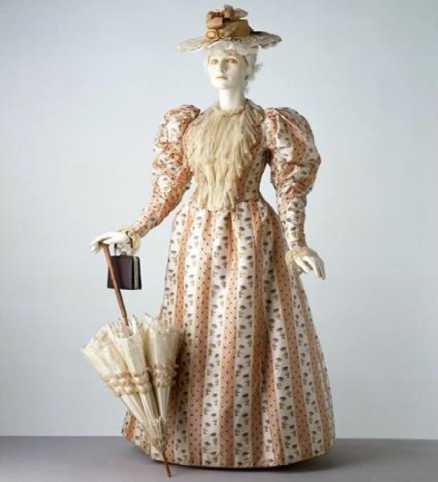
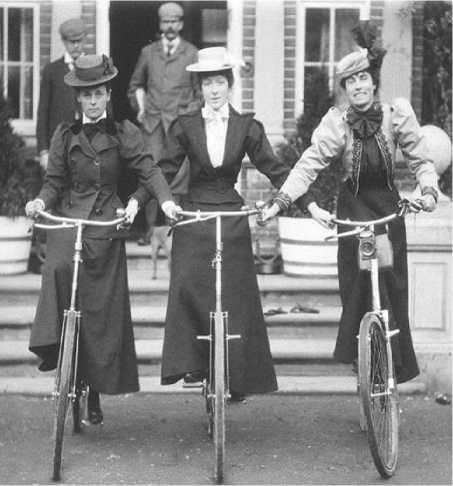
Figure 2. Women’s dress (1898), platinum print. Victoria and Albert Museum, London (E.2283:191-1997), Ashton Collection.
Core characteristics and aesthetic principles of the classical style. The research identifies that classical style is defined by enduring aesthetic constants, proportional harmony, and refined simplicity.
The fundamental attributes of classical style include:
Geometric purity and proportional balance. Based on the golden ratio, these proportions ensure structural equilibrium between the waist, bust, and shoulders, resulting in a harmonious silhouette.
Minimalism and functionality. Decorative excess is avoided; emphasis is placed on form, fit, and ergonomic comfort.
Timelessness. Classic garments retain their relevance across multiple seasons and even decades.
Superior craftsmanship. Precision in tailoring, material selection, and construction ensures longevity and durability.
Aesthetically, classical style can be described as a system of visual harmony — a balance between symmetry, proportion, and purity of line, representing an enduring ideal of elegance.
Contemporary role and trends of the classical style. The analysis demonstrates that, in contemporary fashion, classical aesthetics have become integral to the sustainable fashion movement. Disenchanted with the disposability of fast fashion, consumers increasingly prioritize durability, ethical production, and refined simplicity.
Modern interpretations of classicism combine traditional silhouettes with innovative materials and technological advancements. For instance, transformable or modular garments preserve classical structure while adapting to dynamic, urban lifestyles.
The emerging concept of “Quiet Luxury” exemplifies this evolution — focusing on restraint, craftsmanship, and discreet elegance. Brands such as Brunello Cucinelli, Loro Piana, and The Row reinterpret classical aesthetics through flawless quality and minimal design, aligning beauty with longevity and authenticity [5-6].

Figure 3. Contemporary interpretations of classical style in Quiet Luxury brands (examples from Brunello Cucinelli, Loro Piana, and The Row collections).
Comparative analysis of leading global brands reveals that while each interprets the classical canon through its unique philosophy, they all share a commitment to quality, precision tailoring, and aesthetic consistency:
Max Mara builds its identity around the timeless coat, emphasizing high-quality wool, cashmere, and silk blends, and anatomically precise tailoring aligned with natural body proportions.
Dior reimagines archival designs such as the “Bar” jacket and “Lady Dior” handbag through modern technologies, including laser cutting and 3D shaping.
Zara, as a fast-fashion brand, incorporates classical elements (white shirts, blazers, trousers) but sacrifices long-term quality due to rapid production cycles and cost efficiency — forming the concept of “mass classicism.”
Chanel remains faithful to its legacy through iconic symbols — the tweed suit, chain bag, and little black dress — while continually modernizing details and materials.
Comparative Indicators of Classic Style and Quality Assurance Technologies across Brands (2021–2025).
Table 1. Selected KPIs (2021–2025)
|
Brand |
2021 |
2022 |
2023 |
2024 |
2025 |
|
Inditex (Zara) |
21% (“more sustainable raw materials”) |
N/R (not reported) |
N/R (not reported) |
N/R (not reported) |
73% (classified as lower-impact fibres; 39% recycled fibres) |
|
LVMH (including Dior) |
N/R |
N/R |
N/R |
N/R |
~71% of Group energy mix supplied by renewables |
|
LVMH — Fashion & Leather Goods CO₂ emissions (tCO₂e) |
N/R |
N/R |
97,875 tCO₂e (Fashion & Leather Goods) |
77,132 tCO₂e (Fashion & Leather Goods, pro-forma) |
(2025: provisional data published in LVMH corporate climate report) |
|
Chanel — Total carbon footprint (tCO₂e) |
N/R |
N/R |
1,029,120 tCO₂e (total footprint) |
1,235,661 tCO₂e (total footprint) |
950,043 tCO₂e (Mission 1.5° update; Scope 1+2 = 24,071 tCO₂e) |
|
Max Mara — Sustainability KPIs (annual public data) |
N/R (limited KPI disclosure; “We avoid/few lower-impact materials” rating) |
N/R |
N/R |
N/R |
N/R |
Analytical Summary (2021–2025). The analysis of corporate sustainability reports from 2021 to 2025 demonstrates that the interpretation and preservation of the classic style in fashion are closely linked to each brand’s strategic positioning, production model, and market segment.
Inditex (Zara) has emerged as one of the most active participants in translating sustainable fashion principles into the mass-market segment. The share of sustainable raw materials increased from 21% in 2021 to 73% in 2025, including 39% recycled fibres. This growth indicates a significant intensification of environmental responsibility while maintaining production scale. Furthermore, Zara’s consistent inclusion of classical design elements—white shirts, blazers, and black trousers—demonstrates a functional adaptation of timeless fashion codes for durable, affordable products [7-8].
In contrast, LVMH (Dior) integrates sustainability primarily through energy efficiency and technological innovation within its design and production processes. By 2025, the Group reports that approximately 71% of its total energy mix is derived from renewable sources. Dior’s “archival design” strategy—reviving historical silhouettes through modern technologies such as laser cutting and precision tailoring—embodies a synthesis of aesthetic heritage and technological moder- nization. This practice strengthens the brand’s classic identity while advancing sustainability as a design methodology.
Chanel remains one of the few haute couture houses to transparently publish its full carbon footprint. The brand reported total emissions of 1,029,120 tCO₂e in 2023, 1,235,661 tCO₂e in 2024, and a decline to 950,043 tCO₂e in 2025 under the Mission 1.5° initiative. The reduction reflects Chanel’s investment in renewable energy diversification and supply-chain optimization. This demonstrates that technological innovation and environmental responsibility can coexist with the preservation of classical aesthetics and craftsmanship.
Due to its closed corporate structure, Max Mara provides limited quantitative sustainability data. Nevertheless, its brand philosophy—based on high-quality natural fabrics, precision tailoring, and enduring silhouettes—embodies a practical model of classical preservation. Unlike its competitors, Max Mara interprets sustainability not as a marketing strategy but as a form of internal production ethics and cultural continuity.
Results and discussion
As a result of the conducted research, a conceptual framework titled “Three-Dimensional Theoretical Model for the Design and Production of Classic Garments” was developed. This model integrates historical, aesthetic, and technological dimensions into a unified system that provides a comprehensive foundation for understanding and producing classic women’s clothing in the modern fashion context.
Historical–canonical dimension. This dimension defines the genetic and cultural foundation of classical fashion. It requires a deep exploration of historical prototypes — such as Chanel’s iconic suit or Dior’s “New Look” silhouette — which established the immutable aesthetic codes of proportion, silhouette harmony, and structural balance.
The historical–canonical level functions as the starting point for the design process, ensuring that each creation maintains continuity with the timeless values and principles that define the classical tradition.
Aesthetic–functional dimension. This stage integrates visual harmony with practical usability. The designer must balance aesthetic requirements — such as symmetry, proportion, and compositional unity — with functional concerns, including comfort, adaptability, and wearability.
Within this dimension, the selection of silhouette, measurement systems, and constructive design solutions plays a decisive role in achieving elegance without compromising functionality.
This balance allows classical garments to maintain their enduring appeal while responding to contemporary lifestyle needs.
Technological–technical dimension. The third dimension emphasizes quality assurance and production excellence. It addresses material selection, garment construction, and advanced manufacturing technologies. Key parameters include:
Material Science: the use of natural, high-quality, and sustainable fabrics;
Constructive Precision: ensuring anatomical accuracy and perfect fit through advanced patternmaking techniques;
Innovative Technologies: application of laser cutting, thermo-fusion, and automated sewing systems to enhance durability and precision.
This dimension guarantees that the classical garment not only embodies aesthetic perfection but also achieves high performance, comfort, and longevity in real-world use.
Table 2. Three-Dimensional model of classic garment design
|
Dimension |
Main Focus Areas |
Evaluation Score (1–10) |
Weight (%) |
|
Historical–Canonical |
Study of historical prototypes (e.g., Chanel, Dior) |
9.0 |
30 |
|
Identification of classical aesthetic codes |
8.8 |
||
|
Integration of cultural heritage into contemporary design |
8.5 |
||
|
Aesthetic–Functional |
Maintenance of proportion and balance |
9.2 |
35 |
|
Comfort, adaptability, and universality |
9.0 |
||
|
Development of silhouette and measurement systems |
8.7 |
||
|
Technological– Technical |
Selection of high-quality and sustainable materials |
9.5 |
35 |
|
Constructive precision and sewing technology |
9.3 |
||
|
Application of laser cutting, thermo-fusion, etc. |
8.9 |
The analysis confirms that the successful realization of a classic garment depends on the harmonious integration of all three dimensions — historical, aesthetic, and technological. Their synergy ensures that the classical style remains relevant, sustainable, and functional within the rapidly evolving global fashion landscape.
The proposed model not only provides a scientific basis for existing design practices, but also offers a methodological tool to identify and eliminate production inconsistencies. For instance, fast-fashion brands often emphasize only the aesthetic-functional level while neglecting historical or technological rigor, leading to short product lifespans. In contrast, luxury houses such as Max Mara and Hermès maintain equilibrium across all three dimensions, which explains their high product longevity and enduring market value [10].
The model thus serves as a practical guide for designers and manufacturers, enabling more objective, repeatable, and quality-oriented decisionmaking. Moreover, it aligns with sustainable fashion principles, promoting the creation of durable, timeless garments that combine artistic refinement with ethical production standards [11-13].
Conclusion
The findings of this study demonstrate that the design and production of women’s classical-style garments represent a complex and multidimensional process that requires not only traditional craftsmanship but also a solid theoretical and methodological foundation.
The proposed Three-Dimensional Theoretical Model — consisting of Historical-Canonical, Aesthetic-Functional, and Technological-Technical dimensions — provides a systematic framework for understanding and developing the classical style in modern fashion. This model enables designers and manufacturers to integrate historical heritage, aesthetic harmony, and advanced production technologies to ensure quality, durability, and timeless appeal.
The analysis of leading international brands such as Max Mara, Dior, Chanel, and Zara confirms the practical applicability and relevance of the proposed model. Their experience illustrates that a successful classical product combines traditional aesthetic values with innovative and sustainable technologies, resulting in garments that retain their value and functionality over time [14-15].
Furthermore, the research substantiates the significant role of classical style in the context of sustainable fashion and smart consumption, emphasizing its contribution to the creation of high-quality, long-lasting products that align with global sustainability principles.
Future research should focus on the digitalization of the proposed model and its adaptation across various economic segments (massmarket, premium, and luxury) and diverse cultural contexts, to further validate and expand its theoretical and practical potential.
