
Topic Modeling and Sentiment Analysis on News Headlines Using BERTopic and IndoBERT Models
Journal: International Journal of Intelligent Systems and Applications @ijisa
Article in issue: 4 vol.18, 2026.
Free access
The high flow of information from online media in Indonesia makes it difficult for manual analysis to identify emerging themes and sentiments. News headlines, as the first element seen by the public, play a crucial role in shaping opinion, but their massive volume and diverse themes make it difficult for manual analysis to identify topics and their underlying sentiments. To address this challenge, this study analyzed 30,329 news headlines from the online news portal detik.com for the entire year 2024. A quantitative Natural Language Processing (NLP) framework was applied, consisting of data collection through web scraping, text preprocessing, transformer-based topic modeling using BERTopic, sentiment classification using IndoBERT, and a topic sentiment intersection analysis. Preprocessing included case folding, text cleaning, normalization of informal words, and tokenization. For lexicon-based labeling, stopword removal and stemming were applied, while transformer-based models utilized minimally processed text to preserve contextual information. Topic modeling was performed using BERTopic, while sentiment classification (positive, negative, and neutral) used the IndoBERT model. The main objective of this study was to evaluate the combined performance of the two models in mapping dominant issues and the sentiments contained in media reports. The results showed that BERTopic successfully identified 366 topics. An evaluation of the 10 most dominant topics yielded a coherence score of 0.5145, indicating a relevant topic clustering. The IndoBERT demonstrated high agreement with lexicon-generated sentiment labels, with an accuracy of 94.78%, a precision of 95.04%, a recall of 94.79%, and an F1-score of 94.81%. These findings confirm that the combination of transformer-based models is effective for in-depth analysis of discourse in Indonesian-language political news headlines from a major Indonesian online news portal (detik.com).
Short address: https://sciup.org/15020652
IDS: 15020652 | DOI: 10.5815/ijisa.2026.04.12
Text of the scientific article Topic Modeling and Sentiment Analysis on News Headlines Using BERTopic and IndoBERT Models
Published Online on August 8, 2026 by MECS Press
The digital era has fundamentally changed the way people access and consume information, with digital media now an integral part of everyday life. A 2024 report from We Are Social showed that the average internet user in Indonesia spent 7 hours and 38 minutes daily on various online activities. [1]. Of that duration, the time allocated to reading news, both online and in print, reached 1 hour and 26 minutes. This significant duration indicates the enormous volume of textual data produced by online news portals and consumed by the public. This massive volume of data creates new challenges, where manual analysis to understand dominant issues and overall sentiment patterns is no longer efficient and
This work is open access and licensed under the Creative Commons CC BY 4.0 License.
adequate. Therefore, a technological approach is needed that can systematically and objectively process and analyze large-scale data.
The solution to this challenge comes in the form of Natural Language Processing (NLP), a branch of artificial intelligence that enables machines to process and understand human language. In the context of news analysis, two key approaches in NLP are particularly relevant: topic modeling, which identifies dominant themes in news reports [2], and sentiment analysis, which explores the opinions or emotional polarities contained within them [3]. For topic modeling, this study utilized BERTopic, a modern deep learning-based model that integrates embeddings from Bidirectional Encoder Representations from Transformers (BERT) with advanced clustering algorithms. BERTopic demonstrates significant advantages over traditional methods such as Latent Dirichlet Allocation (LDA) and Non-Negative Matrix Factorization (NMF) due to its ability to understand word meaning contextually, rather than simply based on their frequency of occurrence. Several studies have demonstrated BERTopic's superiority in analyzing COVID-19-related Twitter data in [4], while other studies [5, 6] also confirmed its better performance than LDA in terms of topic coherence and accuracy in chatbot and news analysis.
Meanwhile, for sentiment analysis, this study relies on IndoBERT, a language model developed specifically for Indonesian in [7]. As a model trained using a massive corpus of Indonesian language data, IndoBERT can capture contextual nuances, language variations, and even informal language with high accuracy. Its superiority is proven in various studies, such as research [8], which shows IndoBERT achieved an f1-score of 84% in sentiment analysis of PPKM policies on Twitter, outperforming SVM (70%) and Naïve Bayes (83%). Similarly, another study noted IndoBERT's excellent performance with an accuracy of 82.19% in sentiment analysis of news reports regarding COVID-19 [9]. Furthermore, the effectiveness of IndoBERT was confirmed in a study that applied a combination of IndoBERT and BERTopic models to analyze 32,985 tweets [10]. In the study, IndoBERT achieved a sentiment classification accuracy of 96%, demonstrating its superior ability to deeply process Indonesian text when combined with topic modeling.
Although BERTopic and IndoBERT have proven effective across various domains, their combined application to news headlines remains limited. News headlines are uniquely concise, concise, and formal, yet play a crucial role in shaping the public's initial perception of an issue [11]. This study chose political news as a case study, considering that this topic is one of the most popular among Indonesian netizens, with a percentage reaching 40.56% according to a report from Goodstats [12]. Data for this study were taken from detik.com, one of the top online news portals in Indonesia, with a weekly reach of 50% according to the Digital News Report 2024 from the University of Oxford [13].
Thus, this study aims to apply and evaluate the effectiveness of the BERTopic and IndoBERT models combined to perform topic modeling and sentiment analysis on Indonesian-language political news headlines. This research is expected to provide empirical evidence regarding the ability of transformer-based models to analyze dense and formal news texts and serve as a reference method for future similar research. This study analyzes the 2024 news corpus as a single dataset to evaluate the effectiveness of transformer-based models, rather than focusing on temporal topic evolution.
2. Related Works 2.1. Natural Language Processing (NLP)
Natural Language Processing (NLP) is a branch of artificial intelligence that enables computers to understand, interpret, and generate natural human language [14]. In practice, NLP has found a variety of useful applications. Chatbots and virtual assistants use this technology to understand user queries and provide relevant responses. Machine translation systems rely on NLP to translate text between languages while preserving meaning and context.
Technological developments in the field of NLP have made significant progress with the emergence of transformerbased models such as BERT and GPT [15]. These models have transformed the way NLP systems understand context through attention mechanisms that allow the models to focus on the most relevant parts of the text.
2.2. Topic Modeling
2.3. BERT
BERT (Bidirectional Encoder Representations from Transformers) is a revolutionary language model introduced by a team of Google researchers in 2019 [17]. This model uses a transformer architecture that allows for bidirectional understanding of the context of words in a sentence. In contrast to traditional language models that process text sequentially from left to right or right to left, BERT can understand the context of words by considering words that appear before and after simultaneously. This ability is made possible through a self-attention mechanism on the transformer architecture, which allows the model to assign different weights to each word in a sentence based on its relevance to the word being processed.
2.4. BERTopic
2.5. Sentiment Analysis
2.6. IndoBERT
3. Methodology
Topic modeling is a statistical method that aims to identify hidden themes or topics in a collection of text documents. Algorithms in topic modeling provide techniques for grouping themes in text. This method, which is included in unsupervised machine learning, uses a soft/fuzzy clustering approach where each object can belong to more than one cluster [16]. Topic modeling works by identifying groups of words that frequently appear together and considering each document as a mixture of several topics. Each topic is then represented by a set of words with a certain probability of occurrence.
BERT (Bidirectional Encoder Representations from Transformers), introduced by a Google research team, is a revolutionary model that uses a transformer architecture to process text bidirectionally [17]. BERT's power in producing semantically rich text representations is further exploited by modern topic modeling methods such as BERTopic. Introduced by Grootendorst [18], BERTopic was designed to overcome the limitations of traditional models like LDA and NMF, which are unable to capture semantic relationships between words. This method integrates transformer-based document embedding with clustering techniques such as HDBSCAN and topic representation using a variation of Classbased TF-IDF (c-TF-IDF). By leveraging BERT's contextual embedding as its foundation, BERTopic can generate more accurate and semantically coherent topics, making it a superior choice for in-depth text analysis.
Sentiment analysis is a branch of Natural Language Processing (NLP) that aims to identify, extract, and classify the opinions, attitudes, or emotions contained in text [19]. Basically, sentiment analysis focuses on grouping text into positive, negative, or neutral sentiments. In information systems, sentiment analysis plays an important role in helping organizations understand user sentiment patterns towards digital services or products [20].
IndoBERT is a language model based on the BERT architecture that is specially trained for the Indonesian language [21]. This model was developed to overcome the limitations of the pre-trained language model which is mostly focused on English and other Indo-European languages. IndoBERT is trained using a large corpus of Indonesian texts, covering a wide range of sources such as news articles, Indonesian Wikipedia, and other web content [7]. The IndoBERT architecture adopts the basic structure of the BERT model with some modifications to accommodate the special characteristics of the Indonesian language. In its implementation, IndoBERT has shown superior performance compared to the multilingual language model for various Indonesian processing tasks [9]. This advantage is particularly evident in his ability to understand the local context and language nuances specific to Indonesian, including the use of informal and mixed languages commonly found in modern Indonesian texts.
This study adopts a quantitative approach with a descriptive and exploratory research design. The research process follows a structured Natural Language Processing (NLP) workflow consisting of problem formulation, data collection, dataset description, text preprocessing, transformer-based modeling, and topic sentiment intersection analysis. The overall research framework is illustrated in Fig. 1.
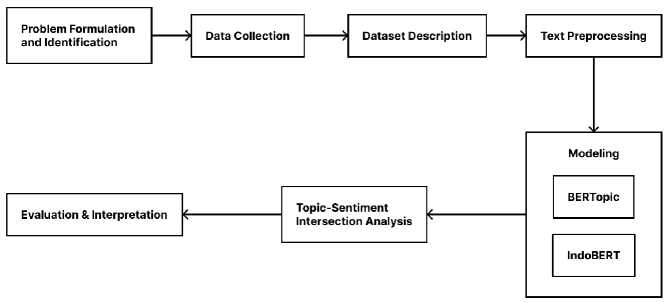
Fig.1. Research framework
-
3.1. Problem Formulation and Identification
-
3.2. Data Collection
This stage includes data collection activities through web scraping techniques from online news portals detik.com. The data collected is based on the period from January 1, 2024, to December 31, 2024, related to Indonesian politics. This scraping process is done using the Python programming language and special libraries for web scraping such as
-
3.3. Dataset Description
-
3.4. Text Preprocessing
-
3.5. Modeling
-
3.6. Topic–Sentiment Intersection Analysis
This stage defines the research problem and establishes the analytical approach adopted to address it. This study examines the analysis of political news headlines to reveal topics and sentiments, considering the role of digital media in shaping public opinion. By combining BERTopic for topic modeling and IndoBERT for sentiment analysis, the research focuses on online news portals detik.com as the main data source to provide an in-depth understanding of the presentation and reception of political news in Indonesia.
BeautifulSoup.
This stage provides a descriptive analysis of the scraped political news headlines, including temporal distribution to identify reporting intensity across different periods. The distribution of the data is then visualized on a time-based basis to identify periods with high news volumes and uncover trends in political reporting.
The raw data then goes through a systematic preprocessing stage, including case folding, data cleaning, tokenization, normalization, stopword removal, and stemming to ensure data quality and consistency [23]. For the transformer-based models (IndoBERT and BERTopic), the original sentence structure is preserved without stemming or stopword removal, since excessive preprocessing may remove contextual information required by the self-attention mechanism. Stopword removal and stemming were applied only during the lexicon-based sentiment labeling stage to improve dictionary matching accuracy.
The data that has been cleaned is processed using two models. First, BERTopic was applied to identify topics, with input in the form of embedding from the indobenchmark/indobert-base-p1 model [22]. Second, the IndoBERT model was used for sentiment classification after the data was automatically labeled using a lexicon-based approach [23] and balanced with the Random Oversampling (ROS) technique [24].
The model’s performance was evaluated quantitatively. The topic quality of BERTopic was assessed using the coherence score, whereas the IndoBERT classification performance was evaluated based on accuracy, precision, recall, and F1-score metrics derived from the confusion matrix. The evaluation process was validated using 5-Fold CrossValidation, following the approach presented in [26, 27].
To obtain deeper insights into the distribution of sentiment across thematic clusters, a topic sentiment intersection analysis was conducted. This stage integrates the dominant topics generated by BERTopic with sentiment predictions produced by IndoBERT. Each news headline was mapped to its corresponding topic and sentiment label, enabling the calculation of sentiment distribution within each topic cluster. This analysis aims to identify how sentiment polarity (positive, negative, and neutral) is distributed across major political themes, thereby revealing the dominant emotional tone associated with specific political narratives in Indonesian online media.
3.7. Evaluation
4. Result
4.1. Dataset Description4.2. Preprocessing Data Results
The interpretation stage focuses on analyzing and reflecting on the results obtained through three main aspects. First, the performance metrics are examined and compared with related studies to validate the robustness of the findings. Second, the study’s contribution is highlighted by emphasizing the integration of BERTopic and IndoBERT in the domain of political news headlines, which remains relatively underexplored. Third, the practical and academic implications of the findings are discussed, particularly their relevance for researchers, political analysts, and media practitioners.
The data collection process through web scraping from detik.com news portals for the period January 1 to December 31, 2024, succeeded in collecting 30,709 raw news headlines. Each data entry collected includes headline text, source URL, and publication date. An exploratory analysis of the temporal distribution of data shows fluctuations in news volume throughout the year, with the highest peaks identified in January (3,623 headlines) and August (3,389 headlines). This monthly distribution is presented visually in the form of a bar chart in Fig. 2.
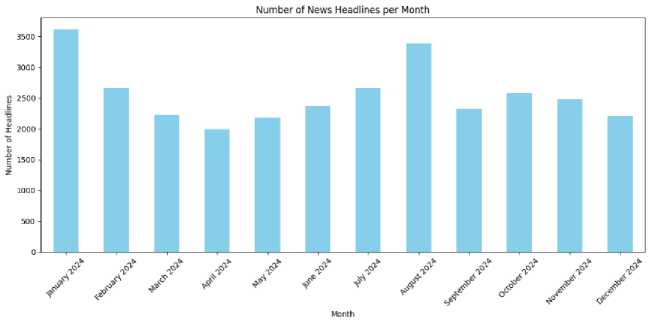
Fig.2. Monthly frequency of news headlines in the dataset (January–december 2024)
Before the text preprocessing process, duplicate data was checked and deleted based on the news headline column, so that out of a total of 30,709 data collected, 30,329 data remained to be used in the research. Furthermore, text preprocessing is carried out to reduce noise and inconsistencies so that the data is cleaner, structured, and ready for analysis. The preprocessing process is carried out in stages through the following stages:
-
• Case folding: The first step is to convert all letters in the text to lowercase. This process is crucial to avoid differences in word representation due to capitalization. For example, the words "POLITIK" and "politik" would be treated differently by the system if the case were not aligned. The results of this step can be seen in Table 1.
Table 1. Example of case folding applied to news headline
|
Before case folding |
After case folding |
|
Kapolri Imbau Jaga Kerukunan Jelang Pemilu 2024 |
kapolri imbau jaga kerukunan jelang pemilu 2024 |
|
Mahfud Vs TPN Prabowo-Gibran soal Program Makan Siang Gratis |
mahfud vs tpn prabowo-gibran soal program makan siang gratis |
|
Kubu AMIN Anggap Fahri Lucu-lucuan Unggah Foto Lawas Prabowo-Anies-Sandi |
kubu amin anggap fahri lucu-lucuan unggah foto lawas prabowo-anies-sandi |
• Data cleaning: At this stage, unnecessary characters, such as numbers, punctuation, and excessive spaces, are cleaned. The goal is to reduce noise in the text data, making it cleaner and more standardized. Some examples of data cleaning results can be seen in Table 2.
Table 2. Example of data cleaning applied to news headline
|
Before data cleaning |
After case folding |
|
ganjar: indonesia butuh 3 pabrik pupuk baru untuk penuhi kebutuhan petani |
ganjar indonesia butuh pabrik pupuk baru untuk penuhi kebutuhan petani |
|
bagaimana cara mencoblos di luar negeri? simak 3 metodenya! |
bagaimana cara mencoblos di luar negeri simak metodenya |
|
anies tak masalah 2 panelis debat pilpres dari unhan: hadapi saja |
anies tak masalah panelis debat pilpres dari unhan hadapi saja |
• Tokenization: The step is to break the sentence down into smaller word components. This process is known as tokenization. Tokenization makes it easier for the system to analyze each word separately. An example of the results can be seen in Table 3.
Table 3. Example of tokenization applied to news headline
|
Before tokenization |
After tokenization |
|
aksi boikot produk israel ubah pola konsumsi masyarakat brand lokal |
['aksi', 'boikot', 'produk', 'israel', 'ubah', 'pola', 'konsumsi', 'masyarakat', 'brand', 'lokal'] |
|
tkn prabowo gibran minta dukung sabar respons isu pemilu curang |
['tkn', 'prabowo', 'gibran', 'minta', 'dukung', 'sabar', 'respons', 'isu', 'pemilu', 'curang'] |
|
kpu siap tahap pilkada mulai april |
['kpu', 'siap', 'tahap', 'pilkada', 'mulai', 'april'] |
-
• Normalization: The process is carried out to standardize non-standard words or words that do not conform to
the KBBI (Indonesian Dictionary) into standard words. This stage aims to avoid variations in words that have the same meaning but are spelled differently. The results of an example of the normalization application can be seen in Table 4.
Table 4. Example of normalization applied to news headline
|
Before normalization |
After normalization |
|
['jokowi', 'saat', 'ditanya', 'gaya', 'debat', 'gibran', 'saya', 'nggak' , 'mau', 'menilai', 'lagi'] |
['jokowi', 'saat', 'ditanya', 'gaya', 'debat', 'gibran', 'saya', 'tidak' , 'mau', 'menilai', 'lagi'] |
|
['tpn', 'ganjar', 'prediksi', 'gibran', 'bakal', 'standar', 'aja' , 'di', 'debat', 'malam', 'ini'] |
['tpn', 'ganjar', 'prediksi', 'gibran', 'bakal', 'standar', 'saja' , 'di', 'debat', 'malam', 'ini'] |
|
['mahfud', 'soal', 'program', 'susu', 'gratis', 'prabowo', 'kita', 'yang', 'kecil', 'kecil', 'aja' , 'impor'] |
['mahfud', 'soal', 'program', 'susu', 'gratis', 'prabowo', 'kita', 'yang', 'kecil', 'kecil', 'saja' , 'impor'] |
Stopword removal: The aims to eliminate words deemed irrelevant to the analysis, such as "yang," "di," "ke," "dan," and other common words. Some examples of the results can be seen in Table 5.
Table 5. Example of stopword removal applied to news headline
|
Before stopword removal |
After stopword removal |
|
['prabowo', 'ingin' , 'tni', 'polri', 'tetap', 'di' , 'bawah', 'presiden'] |
['prabowo', 'tni', 'polri', 'tetap', 'bawah', 'presiden'] |
|
['bicara', 'ke' , 'menkeu', 'jokowi', 'minta', 'subsidi', 'pupuk', 'ditambah', 'jadi' , 'rp', 'triliun'] |
['bicara', 'menkeu', 'jokowi', 'minta', 'subsidi', 'pupuk', 'ditambah', 'rp', 'triliun'] |
|
['dinilai', 'kurang', 'keras', 'saat' , 'debat', 'dengan' , 'gibran', 'mahfud', 'bilang', 'begini'] |
['dinilai', 'kurang', 'keras', 'debat', 'gibran', 'mahfud', 'bilang', 'begini'] |
Stemming: The process of converting words with affixes to their base form. For example, the words "membangun," "pembangun," and "dibangun" will be converted to the base word "bangun." This is done to prevent the model from treating these words as separate entities when they have the same meaning. An example of the application results can be seen in Table 6.
Table 6. Example of stemming applied to news headline
|
Before stemming |
After stemming |
|
['kpu', 'umumkan' , 'lembaga', 'survei', 'terdaftar' , 'pemilu'] |
['kpu', 'umum' , 'lembaga', 'survei', 'daftar' , 'pemilu'] |
|
['ridwan', 'kamil', 'ikn', 'bukan', 'ide', 'jokowi', 'implementasi', 'kewajiban' , 'sejarah'] |
['ridwan', 'kamil', 'ikn', 'bukan', 'ide', 'jokowi', 'implementasi', 'wajib' , 'sejarah'] |
|
['waka', 'mpr', 'sebut', 'peningkatan' , 'jumlah', 'desa', 'wisata', 'berdampak' , 'positif'] |
['waka', 'mpr', 'sebut', 'tingkat' , 'jumlah', 'desa', 'wisata', 'dampak' , 'positif'] |
It is important to note that stopword removal and stemming were primarily used for the lexicon-based sentiment labeling process. For the transformer-based modeling stages (IndoBERT and BERTopic), the normalized text without stemming was utilized to preserve contextual semantic information.
-
4.3. Topic Modeling Using BERTopic
The results of topic as seen in Fig. 3, modeling with BERTopic began by converting the preprocessed headline into a vector representation (embedding) using the indobenchmark/indobert-base-p1 model. These vectors are then processed by BERTopic which automatically performs clustering (HDBSCAN) and topic representation extraction (c-TF-IDF). From this process, the model managed to identify 366 topics seen in Fig. 3, with a significant finding that 13,837 documents (45.7%) were classified as noise (topic -1). The relatively high proportion of noise reflects the fragmented and event-driven structure of political news headlines. In density-based clustering methods such as HDBSCAN, documents that do not form dense semantic neighborhoods are intentionally labeled as noise to preserve cluster purity rather than being forced into artificial groupings.
Topic Count Name Representation
|
0 -1 13837 |
-1 _prabowo_jokowi_soal_minta [prabowo. jokowi. soal. minta. tak. anies, men |
|
1 0 713 |
O_demokrasi_didik_politik_bijak [demokrasi didik politik bijak, merdeka di |
|
2 1 424 |
1_bamsoet_dorong_mkd_bangsa [bamsoet dorong mkd. bangsa, mpr, tingkat. a... |
|
3 2 329 |
2_pilgubjakarta_anies_maju [pilgub Jakarta, anies. maju pks dki usung |
|
4 3 271 |
3_fransiskus_paus_misa_kunjung [fransiskus. paus. misa. kunjung. katedral. gb |
|
362 361 10 |
361_giant_wall_sea_mbz [giant wall, sea mbz, urbanisasi. ev. ekolog |
|
363 362 10 |
362_lalin_rekayasa_etle_situasional [lalin, rekayasa. etle. situasional patung k... |
|
364 363 10 |
363_podomoro_tenjo_angsurJ1an [podomoro tenjo angsur. jtan millennials, j... |
|
365 364 10 |
364_miss_tuyul_singapura_skandal [miss, tuyul. singapura skandal. ukraina Ian |
|
366 365 10 |
365_pecat_bobby_nasution_pdip [pecat bobby nasution pdip rakabuming, cam |
Fig.3. Topic identification results using BERTopic
Since the dataset consists of short news headlines, BERTopic’s class-based TF-IDF (c-TF-IDF) mechanism is particularly suitable for this scenario. Unlike traditional document-level TF-IDF, c-TF-IDF emphasizes discriminative terms within each topic cluster, which helps mitigate the sparsity problem commonly found in short-text data such as headlines.
The BERTopic modeling process initially produced 366 topics from 30,329 news headlines. On average, this corresponds to approximately 82 documents per topic, which remains within a reasonable range for density-based clustering applied to large, event-driven corpora. This relatively large number of topics reflects the event-driven nature of political news, where many headlines correspond to specific incidents, short-term issues, or individual political statements. As a result, the model tends to generate fine-grained clusters that capture micro-level events rather than broad thematic categories.
However, since the objective of this study is to analyze dominant discourse patterns rather than isolated event fragments, the analysis focuses exclusively on the 10 most dominant topics ranked by document frequency. These dominant topics represent the most recurring and substantively significant political issues during the observation period, while lower-frequency clusters are treated as event-specific or peripheral semantic variations. These 10 dominant topics were subsequently integrated with sentiment classification results to examine how thematic prominence corresponds to sentiment distribution, forming the core analytical contribution of this study.
The quality of topics was evaluated using the coherence score, which ranged from 0.3227 to 0.7095, with an average of 0.5145 for the top 10 topics. This score indicates a moderate level of topic quality. Although the value is not considered high in absolute terms, it reflects acceptable semantic consistency given the short-text and event-driven nature of news headlines. For comparison, an LDA baseline on the same dataset produced a coherence score of 0.3252 for the top 10 dominant topics. This result shows that BERTopic provides a substantially better semantic grouping than the traditional LDA approach in this short-text news scenario. Table 7 presents the 10 most dominant topics identified by the BERTopic model.
Table 7. Distribution of the ten most dominant topics identified by BERTopic
|
Topic |
Number of Headline |
Main Topic |
|
1 |
713 |
Pendidikan politik dan demokrasi |
|
2 |
424 |
Peran lembaga legislatif dan bamsoet |
|
3 |
329 |
Kontestasi pilkada jakarta dan tokoh politik |
|
4 |
271 |
Kunjungan paus fransiskus |
|
5 |
250 |
Polemik capres dan capres alternatif |
|
6 |
241 |
Politik internasional dan tokoh global |
|
7 |
234 |
Inisiatif MPR dalam peningkatan sektor strategis |
|
8 |
232 |
Isu pekerja migran dan imigrasi ilegal |
|
9 |
224 |
Kerja sama bilateral dan pertemuan internasional |
|
10 |
222 |
Seruan pemilu damai |
-
4.4. Sentiment Analysis Using IndoBERT
Sentiment analysis in this study was conducted using the IndoBERT model, a transformer-based language model specifically pre-trained on Indonesian text. This process aims to classify news headlines into three sentiment categories: positive, negative, and neutral. To achieve this, a series of preprocessing and modeling steps was carried out, including automatic sentiment labeling, handling of data imbalance, and performance evaluation. The following subsections describe these stages in detail, starting with sentiment labeling of the dataset, followed by the application of data balancing techniques, and concluding with the evaluation of the IndoBERT model.
-
• Data labeling using lexicon based: Before training the supervised learning model, each headline in the dataset is automatically labeled sentiment. This process uses a lexicon-based approach with the InSet Lexicon sentiment dictionary, which is specially designed for Indonesian. Each headline was assigned a sentiment score based on predefined dictionaries, with the dominant polarity serving as the ground-truth label. This method was selected to facilitate the large-scale labeling of 30,329 headlines without manual annotation. The resulting labels were subsequently used to train and evaluate the IndoBERT sentiment classification model. As shown in Table 8, the labeling results reveal a significant class imbalance, consisting of 19,262 positive headlines (63.5%), 8,629 negative headlines (28.5%), and 2,438 neutral headlines (8.0%).
Table 8. Number of headlines per sentiment class
|
Sentiment |
Amount |
|
Positive |
19262 |
|
Negative |
8629 |
|
Neutral |
2438 |
Sentiment labels were generated automatically using a lexicon-based scoring approach. Therefore, the reported performance reflects the IndoBERT model's ability to learn and generalize from lexicon-supervised labels rather than manually annotated ground truth. To better capture the dominant lexical characteristics of each sentiment category, a word cloud visualization was employed. This technique visually represents the most frequent words in the dataset, with separate visualizations provided for the positive, negative, and neutral sentiment classes. In Fig. 4 which illustrates positive sentiment, words such "dukung", "ganjar", and "temu" emerge as dominant elements. These words indicate support, active participation, and a positive tone within the discussed topics, reflecting a tendency toward opinions that are approving or appreciative.
Word Cloud - Positive Sentiment
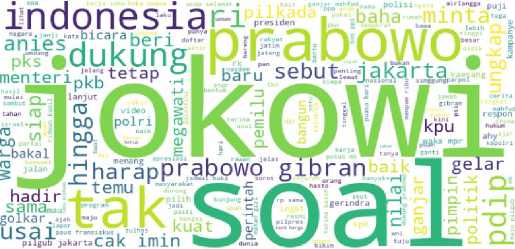
Fig.4. Positive sentiment word cloud visualization
Furthermore, Fig. 5 illustrates the distribution of words in the negative sentiment category. Words such as "anak", "apa", and "korupsi" dominate, pointing to issues that are often critical or problematic. This indicates that the narratives in this category predominantly contain criticism, skeptical inquiries, or discussions of issues that evoke negative perceptions.
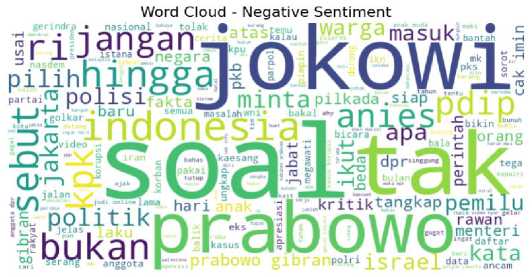
Fig.5. Negative sentiment word cloud visualization
Meanwhile, Fig. 6 presents the word cloud for the neutral sentiment category. In this category, words such as "politik", and "soal" frequently appear, reflecting discussions that are primarily informative, descriptive, or emotionally neutral. Headlines in this category tend not to convey strong emotional affiliation, either positively or negatively.
Word Cloud - Neutral Sentiment

Fig.6. Neutral sentiment word cloud visualization
-
• Data balancing using random oversampling: To overcome the problem of class imbalance, the random oversampling (ROS) technique is applied. ROS works by randomly duplicating samples from minority classes (negative and neutral) until the number is equal to the number of samples in the majority (positive) class as shown in Fig. 7. The goal of this stage is to create a balanced training dataset, thus ensuring that the IndoBERT model does not tend to predict the majority class and can recognize the patterns of each sentiment class fairly. In addition to accuracy, macro-average F1-score and confusion matrix analysis were used to evaluate classification performance in the presence of class imbalance.
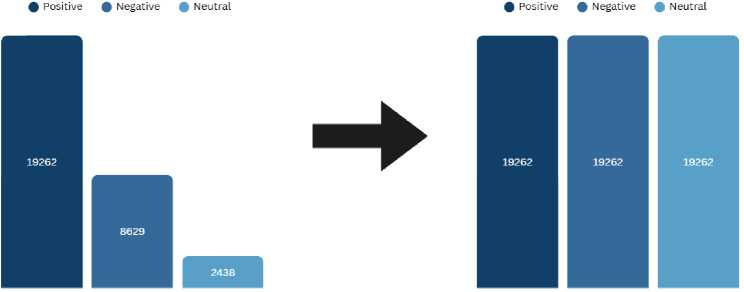
Fig.7. Random oversampling applied to sentiment class distribution
-
• IndoBERT model classification performance analysis: The model was evaluated using four different training, validation, and test data sharing ratio scenarios to analyze the impact of the proportion of training data on performance. The results of the evaluation show a consistent trend of performance improvement along with the increase in the amount of training data, as summarized in Table 9.
-
4.5. Topic–Sentiment Intersection Analysis
Table 9. Performance comparison of the IndoBERT model at different data partition ratios
|
Ratio |
IndoBERT |
|||
|
Accuracy |
Precision |
Recall |
F1-Score |
|
|
60:20:20 |
91,54% |
92,10% |
91,53% |
91,58% |
|
70:15:15 |
92,90% |
93,32% |
92,95% |
92,99% |
|
80:10:10 |
94,64% |
94,78% |
94,64% |
94,63% |
|
90:05:05 |
94,78% |
95,04% |
94,79% |
94,81% |
The highest performance was achieved at a 90:5:5 ratio, which indicates that a larger proportion of trained data has a positive impact on the model's generalization capabilities. In this configuration, the model shows excellent performance with an accuracy of 94.78% and an f1-score of 94.81%. To ensure the reliability, stability, and generalization of results, the model was validated using a stratified 5-fold cross-validation technique. This procedure partitions the dataset into five subsets while preserving class distribution in each fold. In each iteration, four folds were used for training and one-fold for validation. Oversampling was applied exclusively within the training portion of each fold to address class imbalance, while the validation fold retained the original data distribution. This design prevents data leakage and ensures that no synthetic or duplicated samples appear in validation partitions. The averaged results across folds, shown in Table 10, demonstrate consistent performance, indicating that the reported accuracy does not depend on a single data split.
Table 10. Performance analysis of IndoBERT with 5-fold cross-validation
|
Fold |
Accuracy |
Precision |
Recall |
F1-Score |
|
1 |
0,9431 |
0,9456 |
0,9431 |
0,9432 |
|
2 |
0,9324 |
0,9385 |
0,9324 |
0,9329 |
|
3 |
0,9388 |
0,9425 |
0,9388 |
0,9387 |
|
4 |
0,9460 |
0,9486 |
0,9460 |
0,9460 |
|
5 |
0,9372 |
0,9420 |
0,9372 |
0,9375 |
To address the relationship between dominant topics and public sentiment, we merged the BERTopic results with the IndoBERT sentiment predictions at the headline level. This integration allows us to examine the emotional distribution within each dominant topic. The results show in Table 11 that most dominant topics are associated primarily with neutral sentiment. For instance, Topic 1 exhibits 94.39% neutral sentiment, while Topic 4 shows 96.00% neutrality. This indicates that political news headlines tend to maintain an informative and objective tone rather than expressing explicit evaluative polarity.
Table 11. Distribution of the ten most dominant topics identified by BERTopic
|
Topic |
Main Topic |
Negative (%) |
Neutral (%) |
Positive (%) |
|
1 |
Pendidikan politik dan demokrasi |
10.30 |
71.30 |
18.40 |
|
2 |
Peran lembaga legislatif dan bamsoet |
3.04 |
94.39 |
2.57 |
|
3 |
Kontestasi pilkada jakarta dan tokoh politik |
4.28 |
86.65 |
9.07 |
|
4 |
Kunjungan paus fransiskus |
7.75 |
91.09 |
1.16 |
|
5 |
Polemik capres dan capres alternatif |
1.20 |
96.00 |
2.80 |
|
6 |
Politik internasional dan tokoh global |
2.07 |
95.85 |
2.07 |
|
7 |
Inisiatif MPR dalam peningkatan sektor strategis |
0.00 |
60.68 |
39.32 |
|
8 |
Isu pekerja migran dan imigrasi ilegal |
0.00 |
70.26 |
29.74 |
|
9 |
Kerja sama bilateral dan pertemuan internasional |
1.79 |
87.50 |
10.71 |
|
10 |
Seruan pemilu damai |
9.01 |
89.64 |
1.35 |
4.6. Discussion
This study demonstrates that the integration of BERTopic and IndoBERT provides an effective framework for discourse analysis of Indonesian political news headlines. BERTopic achieved a coherence score of 0.5145, indicating a strong ability to cluster short and formal texts into semantically meaningful topics. This result substantially exceeds the coherence score reported in [27], which obtained 0.09 on election headline data, and is competitive with [28], which achieved 0.53 using informal social media texts. These findings suggest that BERTopic performs particularly well in structured news contexts, where semantic consistency across headlines supports more stable topic formation. The use of contextual embeddings further enhances the model’s capacity to preserve semantic relationships even in short textual units such as headlines.
5. Conclusions
In terms of sentiment classification, IndoBERT achieved an accuracy of 94.78% and an F1-score of 94.81%, outperforming previous studies such as [29], which reported 90% accuracy in hoax detection, and [30] which achieved 80% accuracy in sentiment analysis of presidential candidates on Twitter. These results confirm the robustness of IndoBERT for formal Indonesian texts, particularly when combined with data balancing techniques. The high performance indicates that transformer-based architectures adapted to local languages are highly reliable for sentiment classification tasks in political news domains.
Beyond individual model performance, the intersection analysis between dominant topics and sentiment provides deeper insight into political news discourse. The results show that most dominant topics are predominantly associated with neutral sentiment. This pattern suggests that Indonesian political news headlines tend to adopt an informative and objective framing style rather than explicitly evaluative or emotionally charged language. While certain topics display relatively higher proportions of positive or negative sentiment, neutrality remains the prevailing tone across the majority of thematic clusters. This finding aligns with journalistic conventions that emphasize informational delivery over opinion expression in headline construction.
Interestingly, the initial lexicon-based labeling approach produced a substantially higher proportion of positive sentiment. However, after applying the IndoBERT model, the overall sentiment distribution shifted toward neutrality. This discrepancy highlights fundamental methodological differences between dictionary-based and transformer-based approaches. Lexicon-based methods assign polarity at the word level, which may overestimate sentiment intensity by ignoring contextual nuance. In contrast, transformer-based models interpret sentiment through contextual semantic representation, allowing for more nuanced and conservative classification. Consequently, IndoBERT appears to provide a more context-aware interpretation of sentiment, particularly suitable for short and formal texts such as political news headlines.
From a broader perspective, this study addresses several research gaps. In terms of population gap, the analysis covers 30,329 headlines over a full year, offering broader and more representative coverage than prior studies that relied on smaller datasets or different domains. Regarding the empirical gap, this research provides strong evidence that the integration of BERTopic and IndoBERT is effective for analyzing short and formal political news headlines. Concerning the knowledge gap, the mapping of dominant topics and their associated sentiment distributions contributes new insights into thematic patterns and sentiment framing within Indonesian political news discourse.
Practically, the proposed framework can assist media practitioners, political analysts, and policymakers in monitoring issue trends and sentiment framing efficiently. Theoretically, this study reinforces the growing body of evidence that transformer-based language models tailored to local languages, when combined with advanced topic modeling techniques such as BERTopic, constitute a reliable and scalable approach for in-depth media discourse analysis.
This study successfully implemented and evaluated the combination of BERTopic and IndoBERT for topic modeling and sentiment analysis on Indonesian political news headlines. BERTopic achieved coherence scores ranging from 0.3227 to 0.7095, with an average of 0.5145 for the top dominant topics. Compared to the LDA baseline, which produced a coherence score of 0.3252 on the same dataset, BERTopic demonstrated superior semantic clustering performance. Furthermore, the IndoBERT model achieved an accuracy of 94.78% with a macro-F1 score of 94.81%, indicating strong alignment with lexicon-generated sentiment labels. The evaluation was conducted using a stratified train–validation–test split to reduce potential data imbalance effects.
Substantively, the integration analysis reveals that Indonesian political news discourse in 2024 was predominantly neutral across dominant thematic clusters. Topics related to legislative roles, political contestation, and international affairs exhibited overwhelmingly neutral sentiment, suggesting an informative rather than overtly polarized reporting style. Positive sentiment was more pronounced in governance-oriented topics, such as strategic sector initiatives and migrant worker issues, indicating supportive framing in policy-driven narratives. Notably, none of the dominant topics were characterized by strong negative polarity, implying that headline-level political coverage during 2024 remained largely balanced and event-contextual rather than emotionally charged.
This study analyzes the dataset as a static corpus and does not incorporate temporal topic evolution. Considering that news data is inherently dynamic, future research may explore Dynamic BERTopic or time-aware topic modeling approaches to capture emerging themes and topic transitions over time. Although the dataset spans a full year, the analysis was conducted at a corpus level to provide a structural mapping of dominant issues rather than examining monthly or event-driven fluctuations. Future studies may segment the dataset temporally to analyze sentiment trends, event-driven spikes, and discourse evolution across specific political periods. In addition, this study relies solely on data from detik.com, which has a distinctive editorial style characterized by concise and fast-paced headlines. Therefore, the findings may not fully represent other Indonesian news portals with different editorial approaches. Moreover, this study primarily relies on automated evaluation metrics, including coherence score for topic modeling and classification metrics for sentiment analysis. Human evaluation of topic interpretability and expert validation of sentiment labels were not conducted. Furthermore, the sentiment classification performance was evaluated against lexicon-generated labels rather than manually annotated ground-truth data, which may limit the generalizability and external validity of the reported accuracy. Given that news headlines may contain nuanced, neutral, or context-dependent expressions, future research should incorporate expert-based validation or inter-annotator agreement analysis to further strengthen the reliability and interpretability of the findings.
Despite these limitations, the findings indicate that the integration of transformer-based topic modeling and sentiment classification provides a structured and scalable framework for analyzing large-scale Indonesian news discourse. In addition, the use of pretrained transformer models may introduce implicit biases originating from the large-scale web corpora used during pretraining. IndoBERT, trained on general Indonesian web text, may reflect political, cultural, or regional biases embedded in its source data. Therefore, the sentiment classifications should be interpreted as computational estimations rather than definitive judgments of media stance. Future research may incorporate bias auditing or cross-model comparison to assess potential algorithmic bias.
All the Declarations and StatementsAuthor Contributions Statement
Bagas Yana Prayoga – Conceptualization, Methodology, Data Curation, Software Implementation, Model Training, Validation, Performance Evaluation, and Writing: Conducted the main research, collected and preprocessed the data, implemented the BERTopic and IndoBERT models, performed experiments, and wrote the manuscript.
All authors have read and agreed to the published version of the manuscript.
Conflict of Interest Statement
The authors declare no conflicts of interest.
Funding Declaration
This research received no external funding.
Data Availability Statement
Ethical Declarations
This study did not involve human participants, animals, or any confidential data. All data used in this research were publicly available news headlines collected from online media sources.
Acknowledgments
The authors would like to thank the supervisors and the Department of Information Systems, UIN Syarif Hidayatullah Jakarta, for their guidance and support during the research process.
Declaration of Generative AI in Scholarly Writing
The authors used generative AI tools to assist with language editing and readability improvement during the manuscript preparation. All content was reviewed and revised by the authors, who take full responsibility for the final version of the manuscript.
Abbreviations
The following abbreviations are used in this manuscript:
AI – Artificial Intelligence
NLP – Natural Language Processing
DL – Deep Learning
BERT – Bidirectional Encoder Representations from Transformers
BERTopic – Bidirectional Encoder Representations from Transformers for Topic Modeling
IndoBERT– Indonesian Bidirectional Encoder Representations from Transformers
ROS – Random Oversampling
