
Well-being as a Strategic Framework for Healthcare Policy, Management, and Evaluation: A Conceptual Analysis with OECD Evidence
Journal: International Journal of Management Trends: Key Concepts and Research @journal-ijmt
Article in issue: 1 vol.5, 2026.
Free access
This study examines the theoretical foundations of well-being and assesses its applicability as a strategic framework for healthcare policy management, planning, implementation, and evaluation. Methodology: A conceptual-descriptive research design was employed, combining a critical review of relevant scientific literature with a secondary analysis of OECD well-being indicators. The methodological approach included thematic content analysis, comparative analysis, and descriptive interpretation of empirical data related to subjective life satisfaction and health outcomes. Results: The findings indicate a positive association between subjective life satisfaction and objective health indicators. Countries characterized by strong healthcare systems, comprehensive social protection mechanisms, and integrated public policies consistently demonstrate higher levels of both subjective and objective well-being. The analysis confirms the multidimensional nature of well-being and its relevance for healthcare policy evaluation. Conclusions: Well-being represents a valuable framework for healthcare system management and governance. Integrating subjective and objective indicators into policy planning and evaluation can contribute to more effective, equitable, and sustainable healthcare policies. Recommendations: Healthcare policymakers should increasingly incorporate multidimensional well-being indicators into strategic planning, performance monitoring, and policy evaluation processes. Additional data: The proposed framework is supported by a review of contemporary well-being literature and a comparative analysis of selected OECD indicators.
Similar articles in the section Social welfare


Short address: https://sciup.org/170213190
IDS: 170213190 | UDC: 364.658; 304.35 | DOI: 10.58898/ijmt.v5i1.40-59
Text of the scientific article Well-being as a Strategic Framework for Healthcare Policy, Management, and Evaluation: A Conceptual Analysis with OECD Evidence
Research Background
(се) ® © 2026 by the authors. This article is an open access article distributed under the terms and conditions of the Creative Commons Attribution (CC BY) license .
that effective healthcare governance requires broader and more integrated approaches that address the social, psychological, economic, and environmental determinants of health.
In recent decades, the concept of well-being has gained increasing prominence within public policy, public health, and sustainable development agendas. Unlike conventional health indicators, well-being encompasses multiple dimensions of human experience, including physical health, mental well-being, social relationships, economic security, and subjective life satisfaction. This multidimensional perspective provides a more comprehensive understanding of individual and population welfare while offering a broader framework for assessing policy effectiveness and societal progress.
International organizations such as the World Health Organization (WHO) and the Organisation for Economic Co-operation and Development (OECD) have increasingly emphasized the importance of integrating well-being into policy development and evaluation. Consequently, well-being has evolved from a descriptive concept into a strategic policy objective that informs decision-making across multiple sectors, including healthcare, education, social protection, and economic development.
Research Problem
Despite the growing importance of well-being in public policy discourse, its role as a managerial framework for healthcare policy design, implementation, and evaluation remains insufficiently conceptualized. Existing research has primarily examined well-being from the perspectives of public health outcomes, quality-of-life measurement, and social policy assessment. While these contributions have significantly advanced understanding of well-being, comparatively limited attention has been devoted to its application as a strategic management framework within healthcare systems.
The current literature lacks a comprehensive approach that systematically links multidimensional well-being indicators with key healthcare management functions, including strategic planning, resource allocation, policy implementation, performance monitoring, and policy evaluation. Consequently, healthcare decision-makers often continue to rely predominantly on clinical and economic indicators that may not fully capture the broader societal consequences of healthcare policies.
This gap highlights the need for a conceptual and empirical examination of well-being as a managerial framework capable of supporting more holistic, evidence-based, and sustainable healthcare governance.
Research Framework
The central research question guiding this study is:
How can the multidimensional concept of well-being be integrated into healthcare policy management as a strategic framework for policy planning, implementation, and evaluation?
To address this question, the study pursues the following objectives:
-
1. To examine the theoretical foundations and contemporary interpretations of well-being.
-
2. To identify the principal dimensions of well-being relevant to healthcare policy and management.
-
3. To analyze selected OECD well-being indicators and their implications for healthcare governance.
-
4. To explore the relationship between subjective well-being and selected health outcomes.
-
5. To develop an integrative conceptual framework linking multidimensional well-being with healthcare policy management and evaluation.
The study is guided by the following analytical propositions:
AP1: Countries characterized by higher levels of subjective well-being tend to demonstrate more favorable health outcomes.
AP2: The integration of subjective and objective well-being indicators provides a more comprehensive basis for healthcare policy evaluation than traditional health indicators alone.
AP3: The application of a multidimensional well-being framework can contribute to more effective, sustainable, and citizen-centered healthcare system management.
Study Rationale and Contribution
Contemporary healthcare systems operate within increasingly complex social, demographic, and epidemiological environments. Population ageing, the growing burden of chronic diseases, rising mental health challenges, and persistent health inequalities require governance approaches that extend beyond traditional biomedical models and sector-specific interventions. Consequently, healthcare management increasingly demands integrative frameworks capable of supporting long-term planning, cross-sectoral coordination, and comprehensive policy evaluation.
Within this context, well-being has emerged as a concept of growing relevance in international public health and public policy discourse. By encompassing physical health, mental well-being, social participation, economic security, and subjective life satisfaction, well-being provides a broader perspective on societal progress than conventional health or economic indicators alone (OECD, 2011). As a result, it has become an increasingly important objective of contemporary public policies and sustainable development strategies.
Despite the expanding literature on well-being, its application as a managerial framework for healthcare governance remains underdeveloped. Existing studies have predominantly focused on measuring well-being outcomes or examining their relationship with social and health determinants. Comparatively little attention has been devoted to understanding how well-being can inform healthcare management functions such as strategic planning, policy implementation, performance monitoring, resource allocation, and policy evaluation.
This study addresses this gap by developing an integrative conceptual framework that positions wellbeing not only as a policy outcome but also as a managerial framework for healthcare governance. Drawing upon a critical review of the literature and an analysis of selected OECD indicators, the study 42
The principal contribution of the study lies in bridging the gap between well-being research and healthcare management theory. By systematically linking multidimensional well-being indicators with healthcare policy processes, the proposed framework offers both a conceptual contribution to the literature and practical guidance for policymakers seeking more sustainable, equitable, and effective healthcare systems.
An Integrative Well-being Framework as a Managerial Tool for Healthcare Policy Management
Contemporary healthcare systems operate in increasingly complex environments characterized by demographic transitions, epidemiological changes, fiscal constraints, and growing public expectations regarding quality of care and quality of life. In such circumstances, healthcare policy management can no longer rely exclusively on traditional indicators of clinical performance and economic efficiency. While these indicators remain essential, they provide only a partial understanding of the broader societal impacts of healthcare policies. Consequently, there is a growing need for management frameworks capable of capturing the multidimensional outcomes of public interventions and supporting more comprehensive approaches to healthcare governance.
Within this context, well-being has emerged as a promising conceptual and managerial framework. Traditionally regarded as a desired outcome of public policy, well-being can also be understood as a strategic management tool that informs policy planning, implementation, monitoring, and evaluation. By integrating physical health, mental well-being, social participation, economic security, and subjective life satisfaction, the well-being approach provides a more holistic perspective on healthcare system performance than conventional biomedical or financial indicators alone (OECD, 2011).
An integrative well-being framework establishes a systematic connection between healthcare policy objectives and the broader social determinants of health. This perspective recognizes that population health is shaped not only by healthcare services but also by social, economic, environmental, and behavioral factors. Consequently, effective healthcare governance requires consideration of the interactions among these determinants and the development of coordinated policy responses capable of addressing them simultaneously (Marmot et al., 2008).
From a strategic management perspective, the well-being framework facilitates a redefinition of healthcare policy objectives. Rather than concentrating exclusively on disease prevention, treatment outcomes, or cost containment, policymakers are encouraged to adopt broader goals related to quality of life, social inclusion, resilience, and long-term population welfare. Such an approach aligns healthcare policy with broader public policy objectives, including sustainable development, social cohesion, and equity, thereby enhancing the strategic relevance of healthcare governance within contemporary societies (Stiglitz et al., 2009).
At the operational level, the framework supports intersectoral collaboration and integrated policy implementation. Health outcomes are strongly influenced by factors that lie beyond the direct control of healthcare institutions, including education, employment, housing conditions, environmental quality, and social protection systems. Consequently, healthcare management increasingly requires mechanisms that facilitate coordination across sectors and administrative levels. International initiatives such as the Health in All Policies approach demonstrate the importance of integrating health considerations into decisionmaking processes across multiple policy domains (WHO, 2014). Within this context, a well-being framework provides a common strategic language that can improve coordination among stakeholders and strengthen policy coherence.
The application of a well-being perspective also has important implications for performance management and policy evaluation. Traditional evaluation systems frequently prioritize quantitative measures such as mortality rates, hospital admissions, service utilization, and healthcare expenditures. Although these indicators remain indispensable, they often fail to capture broader outcomes that matter to citizens and communities. An integrative well-being framework expands evaluation beyond clinical effectiveness by incorporating indicators related to quality of life, psychological well-being, social connectedness, and subjective life satisfaction. The inclusion of both objective and subjective dimensions enables a more comprehensive assessment of policy effectiveness and societal impact (OECD, 2013).
Furthermore, the framework contributes to evidence-based decision-making by encouraging the use of multidimensional performance indicators. Such indicators enable policymakers and healthcare managers to identify trade-offs between competing policy objectives, assess the distributional effects of interventions, and allocate resources more effectively. By linking policy inputs, implementation processes, and well-being outcomes, the framework supports greater transparency, accountability, and strategic learning within healthcare systems.
Nevertheless, the implementation of an integrative well-being framework presents several methodological and institutional challenges. The multidimensional nature of well-being complicates measurement and comparison across populations and countries. In addition, subjective indicators may be influenced by cultural norms, social expectations, and contextual factors that affect their interpretation. Effective implementation therefore requires robust measurement systems, institutional capacities for data analysis, and governance structures capable of coordinating actions across sectors and policy domains.
Despite these challenges, the integrative well-being framework offers significant theoretical and practical advantages for healthcare policy management. Rather than replacing traditional biomedical or economic approaches, it complements and extends them by incorporating broader dimensions of human welfare into policy processes. As a result, the framework provides a comprehensive basis for strategic planning, policy implementation, performance management, and evaluation, thereby supporting the development of more sustainable, equitable, and citizen-centered healthcare systems.
The conceptual model proposed in this study positions well-being simultaneously as a policy objective and as a managerial framework for healthcare governance. By systematically linking multidimensional well-being indicators with key healthcare management functions—including strategic planning, policy implementation, performance monitoring, and evaluation—the framework provides a comprehensive basis for evidence-based decision-making.
Furthermore, it contributes to a more holistic understanding of healthcare governance and offers a conceptual foundation for future empirical research examining the relationship between well-being and healthcare system performance.
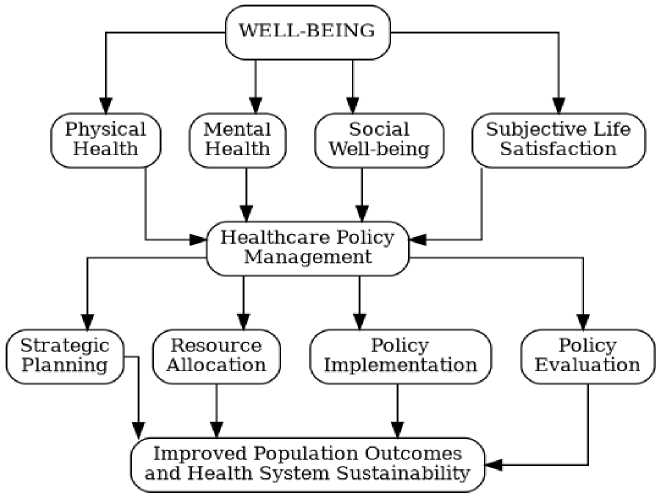
Figure 1. Integrative Well-being Framework for Healthcare Policy Management
Source: Authors' elaboration.
From the Biomedical Model to a Well-being Approach: Implications for Healthcare System Management
The evolution of healthcare systems over the past decades has been accompanied by significant changes in the understanding of health and the determinants that shape it. Traditionally, healthcare policy and management have been largely influenced by the biomedical model, which has served as the dominant paradigm for defining health, organizing healthcare services, and evaluating system performance.
Within the biomedical framework, health is primarily conceptualized as the absence of disease or physiological dysfunction. Consequently, healthcare management has focused predominantly on the diagnosis, treatment, and control of pathological conditions, with policy success often measured through clinical outcomes, mortality rates, and healthcare service utilization. This approach has undoubtedly contributed to substantial advances in medical science, technological innovation, and the effectiveness of clinical interventions, leading to significant improvements in population health and life expectancy (Engel, 1977).
However, while the biomedical model has proven highly effective in addressing acute illnesses and advancing clinical care, it has been less successful in accounting for the broader social, psychological, and environmental factors that influence health outcomes. By concentrating primarily on biological determinants, the model tends to overlook the complex interactions between individual health, social circumstances, living conditions, and subjective experiences of well-being.
As a result, healthcare policies based exclusively on biomedical assumptions may fail to capture the full range of factors that contribute to population health and quality of life.
From a healthcare management perspective, the biomedical model has traditionally encouraged governance structures centered on hospital-based services, specialized medical care, and the treatment 45
ijmt.rs of disease. Within this paradigm, managerial decision-making is typically guided by indicators such as service utilization rates, the number of medical procedures performed, average length of hospital stays, and healthcare expenditures per patient. While these measures remain essential for monitoring operational efficiency and clinical performance, they provide only a partial assessment of healthcare system effectiveness. In particular, they offer limited insight into the long-term societal consequences of health policies, including their effects on quality of life, social participation, and population well-being (WHO, 2008).
The growing burden of chronic non-communicable diseases, mental health disorders, and conditions requiring continuous care has exposed many of the limitations associated with a predominantly biomedical perspective. Unlike acute illnesses, these conditions are influenced by a wide range of social, behavioral, economic, and environmental factors that cannot be effectively addressed through clinical interventions alone. Consequently, healthcare managers and policymakers increasingly recognize the need for broader analytical frameworks capable of capturing the complex interactions between health outcomes and their underlying determinants (Marmot et al., 2008).
In response to these challenges, the well-being approach has emerged as an alternative and complementary framework for understanding health and organizing healthcare systems. Rather than defining health solely as the absence of disease, this perspective conceptualizes health as a dynamic and multidimensional state influenced by physical, mental, social, and psychological factors. It also incorporates subjective dimensions such as life satisfaction, perceived quality of life, and individuals’ capacity to function effectively within their social and economic environments (OECD, 2011). This broader understanding of health significantly expands the scope of healthcare management and policy evaluation.
From a managerial standpoint, the transition from a biomedical model to a well-being framework implies a shift from sector-specific governance toward integrated and intersectoral policy management. Healthcare outcomes are increasingly understood as products of interactions among multiple policy domains, including education, employment, housing, environmental protection, and social welfare. Consequently, effective healthcare governance requires mechanisms that facilitate collaboration across sectors and encourage coordinated policy responses to complex health challenges. International initiatives such as Health in All Policies illustrate the growing recognition that population health depends on decisions made throughout the broader public policy environment (WHO, 2014).
The adoption of a well-being perspective also transforms the manner in which policy objectives are defined and healthcare system performance is evaluated. Traditional performance assessment frameworks primarily emphasize mortality rates, morbidity indicators, healthcare utilization, and costefficiency measures. While these indicators remain indispensable, they do not fully capture the broader outcomes that healthcare systems are expected to achieve. A well-being-oriented framework expands performance measurement by incorporating indicators related to mental health, social inclusion, resilience, quality of life, and subjective life satisfaction. Such indicators provide a more comprehensive understanding of how healthcare policies affect individuals and communities, thereby enhancing the quality of strategic decision-making and policy evaluation (OECD, 2013).
Moreover, the well-being approach promotes a more citizen-centered model of healthcare governance. By placing individuals’ experiences, perceptions, and life circumstances at the center of policy evaluation, it strengthens the responsiveness of healthcare systems to the needs and expectations of the population. This perspective aligns with contemporary public management principles that emphasize accountability, stakeholder engagement, and outcome-oriented governance.
Importantly, the well-being framework should not be viewed as a replacement for the biomedical model. Clinical outcomes, disease prevention, and evidence-based medical interventions remain fundamental components of healthcare management. Rather, the well-being approach extends the analytical scope of healthcare governance by integrating broader social and subjective dimensions of health into existing management frameworks. In this sense, biomedical and well-being perspectives should be regarded as complementary rather than competing approaches.
The transition from a biomedical paradigm toward a multidimensional well-being framework represents a significant evolution in contemporary healthcare management theory and practice. It provides a conceptual basis for designing policies that address not only disease and treatment outcomes but also the broader conditions that enable individuals and communities to thrive. Consequently, understanding the distinctions and complementarities between these approaches is essential for developing more effective, sustainable, and equitable healthcare systems.
This theoretical shift provides the foundation for the central argument of the present study: that wellbeing can serve not only as an outcome of healthcare policy but also as a strategic managerial framework capable of guiding policy design, implementation, monitoring, and evaluation within contemporary healthcare systems.
The Multidimensionality of Well-being and Its Importance for Healthcare Policy Management
One of the defining characteristics of the well-being concept is its multidimensional nature, which distinguishes it fundamentally from traditional approaches to health based primarily on clinical and biomedical indicators. The contemporary understanding of well-being has been strongly influenced by Diener's work on subjective well-being, which emphasizes individuals’ cognitive and affective evaluations of their lives as a central component of overall well-being (Diener, 1984). While conventional models tend to evaluate health through measures of morbidity, mortality, and healthcare utilization, the well-being perspective incorporates a broader set of dimensions, including physical health, mental and emotional well-being, social relationships, economic security, personal autonomy, and subjective life satisfaction (Dodge et al., 2012). This broader conceptualization reflects a growing recognition that health and quality of life are shaped by a complex interplay of factors that extend beyond the healthcare sector itself.
Beyond subjective life satisfaction, psychological well-being has been conceptualized through dimensions such as autonomy, personal growth, environmental mastery, positive relations with others, purpose in life, and self-acceptance (Ryff, 1989).
From a theoretical perspective, multidimensional well-being provides an integrative analytical framework capable of capturing the diverse determinants that influence individual and population health. Extensive evidence demonstrates that health outcomes are not solely the product of healthcare services but emerge from interactions among social, economic, environmental, behavioral, and psychological factors (Marmot et al., 2008). Consequently, healthcare policy management requires governance approaches that recognize these interdependencies and facilitate coordination across multiple policy domains.
The multidimensional nature of well-being has important implications for strategic healthcare management. Traditional health policies have often prioritized disease prevention, treatment effectiveness, and cost containment as primary objectives.
Although these goals remain essential, they may not fully reflect broader societal expectations regarding quality of life, social participation, equity, and long-term well-being. A multidimensional framework enables policymakers to redefine strategic objectives in ways that extend beyond clinical outcomes and incorporate wider societal benefits. Such an approach supports long-term planning, strengthens policy coherence, and contributes to the sustainability of healthcare systems (OECD, 2011).
The multidimensional approach is equally important in the fields of performance management and policy evaluation. Traditional evaluation frameworks often rely heavily on quantitative indicators related to service delivery, resource utilization, and clinical outcomes. While valuable, these measures provide only a partial assessment of policy effectiveness. The incorporation of well-being indicators—including subjective life satisfaction, psychological well-being, social connectedness, and perceived quality of life— allows decision-makers to evaluate the broader consequences of public interventions. In this sense, policy evaluation shifts from measuring outputs and activities toward assessing meaningful outcomes that reflect the lived experiences of individuals and communities (OECD, 2013).
Furthermore, multidimensional well-being supports more sophisticated forms of evidence-based policymaking. By integrating objective and subjective indicators, healthcare managers can better understand how different policies influence various dimensions of human welfare and identify potential trade-offs between competing objectives. This approach facilitates more informed resource allocation decisions, enhances accountability, and contributes to the development of performance management systems that are more responsive to societal needs.
Nevertheless, implementing a multidimensional well-being framework presents important methodological and organizational challenges. Different dimensions of well-being vary considerably in terms of measurability, reliability, and comparability. Subjective indicators, in particular, may be influenced by cultural norms, individual expectations, and contextual factors that complicate interpretation across populations and countries. Addressing these challenges requires the development of robust measurement methodologies, reliable data collection systems, and institutional capacities capable of analyzing and interpreting complex datasets (Dodge et al., 2012).
In addition to methodological considerations, healthcare institutions must adapt their governance structures and decision-making processes to accommodate multidimensional evaluation frameworks. This requires stronger analytical capacities, greater intersectoral coordination, and a commitment to longterm policy planning that extends beyond short-term performance targets. Such organizational transformations may be demanding, but they are increasingly necessary in healthcare systems seeking to address complex and interconnected health challenges.
Despite these challenges, the multidimensionality of well-being represents one of the concept’s greatest strengths. By providing a comprehensive understanding of the factors that influence human welfare, it enables a more holistic assessment of healthcare policies and their societal impacts. Moreover, it establishes a conceptual bridge between public health, healthcare management, and public policy analysis, thereby facilitating more integrated approaches to governance and decision-making.
Ultimately, the multidimensional well-being framework offers healthcare policymakers and managers a strategic lens through which population health can be understood, monitored, and improved. Its capacity to integrate diverse dimensions of human welfare makes it particularly valuable for contemporary healthcare systems seeking to balance clinical effectiveness, social equity, economic sustainability, and overall quality of life. As such, multidimensional well-being represents not only a measurement framework but also a strategic paradigm for healthcare policy management and governance.
Materials and Methods
Research Design
This study employs a conceptual-descriptive research design that combines theoretical analysis with the examination of secondary empirical data. Such a design is particularly appropriate for investigating multidimensional concepts that are characterized by theoretical complexity and practical relevance. The conceptual component of the study focuses on examining the theoretical foundations of well-being and its potential role within healthcare policy management, while the empirical component explores selected well-being indicators across OECD member countries.
Such conceptual-descriptive designs are commonly used in management and policy research when the objective is to develop theoretical frameworks and synthesize existing knowledge rather than test causal relationships (Jaakkola, 2020).
The chosen design enables the integration of theoretical insights and empirical evidence, thereby supporting the development of a comprehensive framework for understanding the managerial implications of well-being in healthcare governance.
Research Strategy
The research is based on a narrative and conceptual literature review complemented by a comparative analysis of internationally recognized well-being indicators. The literature review was conducted to identify dominant theoretical approaches to well-being, explore its multidimensional nature, and examine its relevance for healthcare policy and management.
In addition, secondary data obtained from OECD databases were analyzed to illustrate the relationship between subjective well-being and selected health indicators. The combination of conceptual and empirical approaches allows for a more comprehensive understanding of the role of well-being in healthcare policy management.
Data Sources and Selection Criteria
The empirical component of the study relies on secondary data obtained from internationally recognized and publicly accessible sources. Data were collected from:
-
• Organisation for Economic Co-operation and Development (OECD) reports and databases;
-
• World Health Organization (WHO) publications and policy documents;
-
• Peer-reviewed scientific literature;
-
• International policy and governance reports.
OECD member countries were selected because they provide standardized, internationally comparable, and methodologically consistent indicators related to well-being, health outcomes, and quality of life. For the purposes of comparative analysis, selected countries were chosen to represent varying levels of subjective life satisfaction and healthcare system performance. This approach enables the exploration of patterns and differences across diverse national contexts while maintaining comparability of indicators.
The empirical analysis focuses primarily on indicators of subjective life satisfaction, self-reported health status, and selected health-related measures available through OECD databases.
Analytical Methods
Several complementary analytical methods were employed in this study.
Content Analysis
Content analysis was used to examine scientific literature, policy documents, and institutional reports relevant to well-being and healthcare management. This method facilitated the identification of key concepts, theoretical approaches, and recurring themes within the literature.
Thematic Analysis
Thematic analysis was applied to categorize and interpret the principal dimensions of well-being and their relevance to healthcare governance. Through this process, major themes related to strategic management, policy evaluation, and population health were identified and synthesized.
Comparative Analysis
Comparative analysis was conducted using selected OECD indicators to examine differences and similarities among countries with varying levels of subjective well-being and health outcomes. This approach enabled the exploration of potential relationships between well-being indicators and healthcare system performance.
Descriptive Statistical Interpretation
Descriptive statistical interpretation was used to summarize and interpret selected OECD indicators. The analysis focused on identifying general trends, patterns, and associations between subjective life satisfaction and objective health measures rather than establishing causal relationships.
Validity and Reliability
The validity of the study is strengthened through the use of internationally recognized datasets and indicators developed by the OECD and other reputable international organizations. These data sources employ standardized methodologies and rigorous quality-control procedures, ensuring consistency and comparability across countries.
Reliability is supported by the transparency and replicability of the data collection process. All empirical data used in the analysis are publicly available and derived from established institutional sources. Furthermore, the use of multiple sources of evidence, including scientific literature, policy documents, and statistical indicators, contributes to methodological triangulation and enhances the overall robustness of the findings.
Research Limitations
Several limitations should be acknowledged. First, the study relies exclusively on secondary data sources and conceptual interpretation, which limits the ability to establish causal relationships between well-being indicators and healthcare outcomes. Second, subjective measures of well-being may be influenced by cultural, social, and contextual factors that affect cross-national comparability. Third, the descriptive nature of the empirical analysis does not permit statistical testing of causal mechanisms or policy effects.
Despite these limitations, the study provides valuable theoretical and empirical insights into the potential role of well-being as a strategic framework for healthcare policy management and governance.
Results
This chapter presents the empirical findings derived from selected OECD well-being and health indicators. The analysis focuses on three complementary dimensions: subjective life satisfaction, objective health outcomes, and the relationship between subjective and objective measures of well-being. Together, these indicators provide insight into the multidimensional nature of well-being and its relevance for healthcare policy management.
Subjective Life Satisfaction
Subjective life satisfaction represents one of the most widely used indicators of individual well-being and reflects how people evaluate their lives as a whole. The OECD measures life satisfaction on a scale ranging from 0 (lowest satisfaction) to 10 (highest satisfaction), enabling international comparisons across countries.
Table 1. Subjective Life Satisfaction in Select ed OECD Countries
Average Score (0–10)
Country
Finland 7.5 and above
Denmark 7.5 and above
Iceland 7.5 and above
Sweden 7.3
Belgium 6.8
Average Score (0–10) Country
Czechia6.9
Greece5.8
Hungary6.0
Japan6.1
Russia5.5
Turkey4.9
Data source: Organisation for Economic Co-operation and Development (OECD). (2024). Society at a Glance 2024: OECD Social Indicators (Life satisfaction). OECD Publishing.
The data reveal substantial variation in subjective life satisfaction among OECD countries. Nordic countries consistently report the highest levels of life satisfaction, with Finland, Denmark, and Iceland recording average scores above 7.5, followed closely by Sweden (7.3). These findings are consistent with previous research linking high levels of subjective well-being to strong social protection systems, institutional trust, social cohesion, and comprehensive public services.
In contrast, lower levels of life satisfaction are observed in several Eastern and Southern European countries. Turkey reports the lowest score among the countries included in the analysis (4.9), followed by Russia (5.5) and Greece (5.8). These differences suggest that subjective well-being is influenced not only by healthcare performance but also by broader socioeconomic and institutional factors.
Overall, the findings indicate that subjective life satisfaction varies considerably across national contexts and may serve as an important complementary indicator for evaluating the broader outcomes of public policies.
Health Indicators
To complement subjective assessments of well-being, the analysis includes objective health indicators derived from the OECD Better Life Index. Two indicators were selected: life expectancy at birth and the percentage of the population reporting good health.
Table 2. Health Indicators in Selected OECD Countries
Country Life Expectancy (years) % Population Reporting Good Health
Italy 84 73%
Sweden 83 76%
Russia 73 43%
OECD Avg. 81 68%
Data source: Organisation for Economic Co-operation and Development (OECD). (n.d.). Better Life Index – Health. Retrieved from
The results demonstrate notable differences in health outcomes across countries. Italy and Sweden exhibit the strongest performance, with life expectancy reaching 84 and 83 years, respectively, accompanied by high levels of self-reported health. These findings suggest that countries characterized by strong healthcare systems and favorable social conditions tend to achieve better outcomes across multiple dimensions of health.
By contrast, Russia reports substantially lower values, with a life expectancy of 73 years and only 43% of the population reporting good health. The magnitude of these differences illustrates the importance of considering both healthcare system performance and broader social determinants when assessing population health.
The OECD average values provide an important benchmark for comparison and demonstrate that countries vary considerably in their capacity to generate favorable health outcomes. These differences reinforce the argument that healthcare performance should be evaluated through a broader set of indicators than clinical measures alone.
Relationship Between Subjective and Objective Well-being Indicators
A central premise of this study is that subjective and objective dimensions of well-being should be analyzed jointly in order to obtain a more comprehensive understanding of healthcare system performance and societal welfare.
Table 3. Comparative Overview of Subjective and Objective Well-being Indicators
Country Life Satisfaction (0–10) Self-Reported Health (% Population)
|
Finland |
7.5 and above |
High (OECD Health Data) |
|
Sweden |
7.3 |
76% |
|
Italy |
6.5 |
73% |
|
Greece |
5.8 |
Lower values |
|
Russia |
5.5 |
43% |
Data sources: OECD. (2024). Society at a Glance 2024: OECD Social Indicators (Life satisfaction). OECD Publishing. , OECD. (n.d.). Better Life Index – Health. Retrieved from
The comparative analysis reveals a consistent pattern across the selected countries. Nations characterized by higher levels of subjective life satisfaction generally also demonstrate stronger health outcomes. Finland and Sweden, for example, combine high levels of life satisfaction with favorable health indicators, suggesting a positive association between perceived well-being and objective health conditions.
Conversely, countries reporting lower levels of life satisfaction also tend to exhibit weaker health outcomes. Russia provides the clearest example of this pattern, displaying both comparatively low life satisfaction and low levels of self-reported health. Greece also demonstrates below-average performance across multiple dimensions.
Although the findings do not establish a causal relationship, they suggest that subjective and objective dimensions of well-being are interconnected and should be considered jointly when evaluating healthcare policies. The results support the argument that health system performance cannot be fully understood through clinical indicators alone and that subjective perceptions provide valuable information regarding the broader societal effects of public interventions.
Summary of Findings
Several key findings emerge from the empirical analysis.
First, substantial differences in subjective life satisfaction exist across OECD countries, indicating that well-being is shaped by a combination of health, social, economic, and institutional factors.
Second, countries with stronger health outcomes generally report higher levels of subjective wellbeing, suggesting a positive association between objective and subjective dimensions of welfare.
Third, the findings reinforce the multidimensional nature of well-being and demonstrate the limitations of relying exclusively on traditional health indicators when evaluating healthcare policies.
Finally, the results provide empirical support for the analytical propositions advanced in this study. The observed patterns indicate that integrating subjective and objective indicators may offer a more comprehensive basis for healthcare policy evaluation and contribute to more informed and effective healthcare governance.
Discussion
The purpose of this study was to explore the applicability of well-being as a strategic framework for healthcare policy management and governance. By combining conceptual analysis with selected OECD indicators, the study examined the relationship between subjective and objective dimensions of well-being and assessed their relevance for healthcare policy planning, implementation, and evaluation.
The findings support the central premise of the study: healthcare system performance cannot be adequately understood through clinical and economic indicators alone. Rather, effective healthcare governance requires a multidimensional perspective that incorporates both objective health outcomes and subjective perceptions of well-being. The results demonstrate that countries characterized by stronger healthcare systems and more comprehensive social protection mechanisms tend to achieve higher levels of both life satisfaction and health outcomes, suggesting an important relationship between population well-being and healthcare system performance.
Relationship Between Subjective Life Satisfaction and Health Outcomes
One of the most important findings of this study is the observed association between subjective life satisfaction and objective health indicators. Countries such as Finland and Sweden consistently demonstrate high levels of both subjective well-being and favorable health outcomes, whereas countries with lower levels of life satisfaction generally exhibit less favorable health indicators.
Although the present study does not seek to establish causality, these findings are consistent with previous research emphasizing the interconnected nature of health, social conditions, and individual wellbeing. Marmot et al. (2008) argue that health outcomes are shaped by a broad range of social determinants, including education, employment, income security, and social inclusion. Similarly, Huppert and So (2013) highlight the importance of psychological and social dimensions in shaping overall life satisfaction.
The findings suggest that subjective well-being should not be regarded merely as a supplementary indicator but as a meaningful component of healthcare system evaluation. Citizens' perceptions of their quality of life provide valuable information regarding the effectiveness of public policies and may reveal dimensions of policy performance that remain invisible when relying exclusively on traditional clinical indicators.
The Multidimensional Nature of Well-being
The empirical findings reinforce the conceptual argument that well-being is inherently multidimensional. The observed variation among countries indicates that physical health alone cannot fully explain differences in life satisfaction and overall well-being. Instead, well-being appears to emerge from the interaction of health conditions, social relationships, economic circumstances, institutional quality, and psychological factors. This perspective is consistent with Keyes’ concept of flourishing, which integrates emotional, psychological, and social well-being into a unified framework of positive functioning (Keyes, 2002).
These findings support contemporary theoretical approaches that conceptualize well-being as a holistic construct encompassing both objective living conditions and subjective experiences (OECD, 2013; Helliwell et al., 2020). From a policy perspective, this implies that healthcare systems should not focus exclusively on disease treatment and service provision but should also consider broader determinants that influence quality of life and population welfare.
The multidimensional perspective is particularly relevant for healthcare managers and policymakers because it provides a more comprehensive basis for assessing policy effectiveness. By integrating subjective and objective indicators, decision-makers can gain a deeper understanding of the real-world consequences of public interventions and better align policy objectives with societal needs.
Implications for Healthcare Policy and Management
The findings have several important implications for healthcare governance and policy management.
First, healthcare performance monitoring systems should incorporate both objective and subjective indicators of well-being. While traditional health indicators remain indispensable, they should be complemented by measures of life satisfaction, mental well-being, and social connectedness in order to provide a more comprehensive assessment of policy outcomes.
Second, healthcare policies should increasingly address the broader determinants of well-being. Investments in preventive care, mental health services, social support programs, education, and community development may generate benefits that extend beyond conventional health outcomes and contribute to overall population welfare. This broader policy orientation is also consistent with positive psychology frameworks, particularly Seligman’s PERMA model, which conceptualizes well-being through five interrelated dimensions: positive emotions, engagement, relationships, meaning, and accomplishment (Seligman, 2011). These dimensions further support the argument that healthcare policies should move beyond disease treatment and incorporate factors that contribute to human flourishing and quality of life.
Third, the results highlight the importance of intersectoral governance. Since well-being is influenced by factors that extend beyond healthcare institutions, effective policy responses require collaboration among healthcare, social welfare, education, employment, and environmental sectors. This finding aligns with the principles of the Health in All Policies approach promoted by the World Health Organization.
Finally, benchmarking across countries provides opportunities for policy learning and knowledge transfer. Comparative analysis can assist policymakers in identifying successful governance models and adapting best practices to different institutional contexts.
Relation to Existing Literature
The findings of this study are broadly consistent with previous research on well-being and public policy. OECD reports have repeatedly emphasized the value of integrating subjective and objective indicators when assessing societal progress, while Helliwell et al. (2020) and Huppert and So (2013) demonstrate the importance of subjective well-being as a meaningful dimension of public policy evaluation.
However, the present study extends existing literature by explicitly linking multidimensional wellbeing with healthcare management functions. Whereas much of the previous research has focused on measuring well-being outcomes, this study examines how well-being can be operationalized as a managerial framework that informs strategic planning, policy implementation, performance monitoring, and evaluation. In this regard, the study contributes to bridging the gap between healthcare management theory and contemporary well-being research.
Scientific Contribution
The principal scientific contribution of this study lies in the development of an integrative conceptual framework that systematically connects multidimensional well-being indicators with healthcare policy management processes. Unlike traditional approaches that prioritize clinical and economic outcomes, the proposed framework incorporates both subjective and objective dimensions of well-being into strategic decision-making and performance evaluation.
By positioning well-being as both a policy objective and a managerial framework, the study contributes to the emerging literature on healthcare governance and provides a conceptual basis for more holistic approaches to healthcare system management. Furthermore, the integration of empirical OECD indicators with conceptual analysis strengthens the practical relevance of the proposed framework and demonstrates its applicability within contemporary healthcare systems.
Unlike existing studies that primarily treat well-being as a policy outcome, this study conceptualizes well-being as a managerial framework that can guide strategic healthcare governance.
Limitations and Future Research Directions
Several limitations should be acknowledged. First, the study relies on secondary data sources, limiting the ability to examine country-specific contextual factors in greater depth. Second, subjective wellbeing indicators may be influenced by cultural and social differences that affect cross-national comparability. Third, the descriptive nature of the empirical analysis does not allow for causal inference regarding the relationship between well-being and health outcomes.
Future research should expand the empirical scope of analysis by incorporating a larger number of countries and longitudinal datasets. More advanced statistical methods could be employed to examine causal relationships between healthcare policies and well-being outcomes. Additionally, future studies may explore the development of composite indicators that integrate health, social, economic, and psychological dimensions into a unified framework for healthcare policy evaluation.
Overall, the findings support the argument that multidimensional well-being offers a valuable framework for understanding, managing, and evaluating healthcare systems. Integrating subjective and objective dimensions of well-being into healthcare governance may contribute to more effective, equitable, and sustainable policy outcomes while enhancing the quality of life of populations.
Conclusion
This study examined the multidimensional concept of well-being and its applicability as a strategic framework for healthcare policy management. Drawing upon conceptual analysis and selected OECD indicators, the research explored the relationship between subjective life satisfaction and objective health outcomes, while assessing the potential of well-being to inform healthcare policy design, implementation, and evaluation.
The findings support the view that well-being should be understood as a multidimensional construct encompassing physical health, mental well-being, social inclusion, and subjective life satisfaction. The comparative analysis revealed that countries characterized by stronger healthcare systems and more comprehensive social protection mechanisms tend to achieve higher levels of both subjective and objective well-being. These results reinforce the argument that healthcare system performance cannot be adequately assessed through clinical and economic indicators alone.
A central contribution of this study is the development of an integrative conceptual framework that positions well-being not only as a policy outcome but also as a managerial framework for healthcare governance. By linking multidimensional well-being indicators with strategic planning, policy implementation, performance monitoring, and evaluation, the proposed framework contributes to the growing literature on healthcare management and public policy governance.
The study further demonstrates that the integration of subjective and objective indicators provides a more comprehensive basis for policy assessment and decision-making. Such an approach enables policymakers to better understand the broader societal consequences of healthcare interventions and to design policies that address the complex determinants of population health and quality of life.
From a practical perspective, the findings suggest that healthcare institutions and policymakers should increasingly incorporate well-being indicators into strategic planning, budgeting processes, performance assessment systems, and policy evaluation frameworks. Greater attention should also be devoted to intersectoral collaboration, recognizing that population well-being is influenced by factors extending beyond healthcare services alone.
Several limitations should be acknowledged. The study relies on secondary data sources and descriptive analysis, which limit the ability to establish causal relationships. In addition, subjective wellbeing indicators may be influenced by cultural and contextual factors that affect cross-national comparability. Future research should employ longitudinal datasets, broader international samples, and advanced statistical techniques to examine the causal pathways linking healthcare policies, social determinants, and well-being outcomes.
Overall, the findings support the growing international recognition of well-being as a comprehensive indicator of societal progress and healthcare system performance. The transition from narrowly defined biomedical models toward multidimensional well-being frameworks represents an important step in the evolution of healthcare governance. By integrating objective health outcomes with subjective assessments of quality of life, healthcare systems may become more effective, equitable, sustainable, and responsive to the needs of contemporary populations.
The proposed framework may serve as a foundation for future empirical studies and the practical integration of well-being indicators into healthcare governance systems.
Conflict of Interest
The authors declare no conflict of interest.
