
Impact of cooperative language learning on communicative competence of university students majoring in engineering
Journal: Bulletin of South Ural State University. Series: Education. Pedagogical Sciences @vestnik-susu-ped
Section: Инженерное образование
Article in issue: 2 т.18, 2026.
Free access
The growing demand for engineers proficient in English, to access advanced technologies and engage in international projects, necessitates effective pedagogical approaches in higher education. A literature review reveals the absence of a coherent framework that integrates the potential of CLL into developing foreign language communicative competence within professional contexts. Responding to re-quests from both educators and learners, this study develops and validates a structured CLL model tailored to form foreign language communicative competence of engineering students. This article addresses the formation of foreign language communicative competence in engineering students through cooperative language learning (CLL). Using theoretical methods (integrative literature review, modeling) and empirical methods (pedagogical experiment, descriptive statistics) the research introduces a novel CLL-based foreign language communicative competence model. Formative and summative assessments across five communicative competence components of the first-year engineering undergraduates from the Institute of Natural Sciences and Mathematics of the South Ural State University confirm the model’s effectiveness. Post-intervention questionnaires and interviews enabled to identify three categories of CLL challenges: participation barriers, group dynamics, and instructional demands. The iterative refinement of mitigation strategies in response to these challenges constitutes a key finding: successful CLL implementation depends not merely on cooperative activities but on systematic, observation-driven adjustment. The results contribute to professional education by offering an empirically grounded model for foreign language communicative competence development in engineering programs.
Short address: https://sciup.org/147254812
IDS: 147254812 | UDC: 811 + 378.44 | DOI: 10.14529/ped260209
Влияние кооперативного обучения иностранному языку на формирование иноязычной коммуникативной компетенции студентов инженерных направлений
Растущий спрос на инженеров, владеющих английским языком для доступа к передовым технологи-ям и участия в международных проектах, обусловливает необходимость внедрения эффективных педагогических подходов в высшем образовании. Анализ литературы выявил отсутствие целостной основы, интегрирующей потенциал кооперативного обучения в процесс формирования иноязычной коммуникативной компетенции. На основе изучения практического опыта был выявлен запрос со стороны обучающихся и преподавателей на эффективные модели обучения, сочетающие возможности кооперативного обучения с развитием иноязычной коммуникативной компетенции в профессиональном контексте. Таким образом, возникает необходимость в разработке модели формирования иноязычной коммуникативной компетенции средствами кооперативного обучения, отвечающей вызовам и требованиям профессиональной коммуникации. Целью статьи является обоснование структурированной модели формирования иноязычной коммуникативной компетенции студентов инженерных направлений на основе кооперативного обучения. В исследовании использовались теоретические (анализ современной научно-методической литературы) и эмпирические (интервью, анкетирование, математическая обработка полученных данных, комплексный метод моделирования и педагогического эксперимента) методы. В эксперименте приняли участие бакалавры первого курса инженерных специальностей института естественных и точных наук Южно-Уральского госу-дарственного университета. По итогам формирующего и итогового оценивания студентов в соответствии с пятью компонентами коммуникативной компетенции была доказана эффективность раз-работанной модели. После анализа проведенных интервью и анкетирования обозначились вызовы кооперативного обучения, определение которых помогло разработать стратегии сглаживания выявленных трудностей. Таким образом, внедрение модели формирования иноязычной коммуникативной компетенции средствами кооперативного обучения требует не только применение кооператив-ных технологий обучения, но и систематическое наблюдение за сложностями, которые испытывают студенты.
Text of the scientific article Impact of cooperative language learning on communicative competence of university students majoring in engineering
The global spread of English as the lingua franca of science, technology, and international business has created unprecedented demand for effective English communication skills among university graduates. Nowhere is this demand more acute than in engineering, where professionals collaborate across borders, present technical findings to diverse audiences, and negotiate complex projects in multilingual teams. Conse- quently, educators face the challenge of creating learning environments that develop not only linguistic knowledge but also the broader communicative competencies required for professional success [31].
Cooperative Language Learning (CLL) has emerged as a pedagogical approach capable of addressing this challenge. By structuring learning around pair and group work, CLL enhances motivation, reduces language anxiety, boosts self- esteem, and promotes meaningful interaction among students [4]. Students engaged in cooperative tasks exchange information, negotiate meaning, and collaboratively solve problems. The teacher's role shifts from knowledge transmitter to task-setter, creating the structured environment necessary for productive information exchange [22].
Besides, the theoretical alignment between CLL and communicative competence is widely discussed [3, 15, 16, 19]. Communicative competence, rooted in the foundational work of Hymes [17] and operationalized by Canale and Swain [7], encompasses linguistic, sociolinguistic, discourse, strategic, and pragmatic components. It represents not merely grammatical knowledge but the ability to navigate personal, social, and cultural dimensions of interaction [14]. CLL, as a pedagogical strategy, creates conditions for developing all five components through authentic, interactive language use.
Despite this theoretical alignment and growing empirical support for CLL's effectiveness, significant challenges persist in its implementation. Research documents student resistance to peer learning, teacher uncertainty about CLL methods, and difficulties in monitoring large classes. Group dynamics present particular challenges: shy learners may fail to participate actively due to fear of judgment, while dominant learners can monopolize interaction, limiting opportunities for others. These challenges are doubled in non-linguistic university contexts, where students' professional training takes priority and language instruction must compete for attention and motivation. So, a critical gap exists between CLL's theoretical benefits and the actionable strategies required for its consistent, effective implementation – particularly among specialized students such as future engineers. While numerous studies confirm that CLL enhances language skills, fewer examine how to address the internal challenges of unbalanced participation, instructor monitoring demands, and professional contextualization to ensure CLL cultivates all components of communicative competence in an integrated manner.
The present study addresses this gap by investigating CLL's application with engineering students at South Ural State University. The research is guided by the following aim: to test and implement a structured Cooperative Language Learning model for the formation of foreign language communicative competence of university students majoring in engineering. This aim defines the following objectives:
-
1) to identify the key elements of communicative competence developed through CLL and to examine how cooperative strategies are implemented in the classroom setting to foster communication skills;
-
2) to design and implement structured CLL model with evidence-based strategies for CLL effectiveness in developing communicative competence among engineering students, according to Russian regulatory framework for higher education and profession;
-
3) to evaluate the influence of CLL activities on engineering students' communicative competence;
-
4) to identify challenges faced by instructors and learners during CLL implementation.
By working towards these objectives, the study aims to provide both theoretical insight into CLL's mechanisms and practical guidance for educators seeking to implement cooperative approaches in professionally oriented language programs. The findings are expected to assist English teachers and institutional stakeholders in making informed decisions about CLL application in real-world university contexts.
Literature Review
To address the first objective of the current research we are investigating theoretical foundations of communicative competence, the main principles of cooperative language learning, and empirical evidence for their successful combination in professional-domain applications. The point of scientific interest lies not only in core background, but also in implementation challenges and group dynamics to design an efficient pedagogical model.
In our study we rely on the concept of communicative competence of the following researchers Hymes D., Canale M. and Swain M., Fantini A.E., Abdulrahman N.C. and Ayyash E., Cazden C.B., Barzani S., Taghizadeh R. and others [1, 6, 7, 9, 14, 17, 30]. While Hymes focused only on the grammatical part of the communicative competence, Canale and Swain proposed sociolinguisric, strategic, discourse competence alongside with the grammatical. This multidimensional model still remains the dominant one for the communicative competence conceptualization in the language pedagogy. Fantini added that communicative competence includes personal, social and cultural interaction, this is relevant for students preparing for international professional context. In the later years Abdulrahman and Ayyash started to distinguish between linguistic competence (knowledge of language structes), communicative competence (meaningful language use) and interactional competence (cooperational management). These works together establish the communicative competence as a multidimensional construction, requiring integrated attention [1, 7, 9, 14, 17].
Thus, the conducted literature review displays five key elements of the of communicative competence: linguistic, sociolinguistic, discourse, strategic, pragmatic [1, 6, 9, 14, 17, 30].
In our study of CLL we rely on the following researchers Johnson D.W. and Johnson R.T., Slavin R.E., Vygotsky L.S., Richards J.C. and Rodgers T.S., Su F. and Zou D., Alrayah H., Namaziandost E., Shatalebi V. and Nasri M., Chan S., Maneewan S. and Koul R., Wang T., Yavuz O. and Arslan A. and others [4, 10, 18, 24, 27–29, 32, 33, 35].
Johnson and Johnson [18] trace its foundations to social interdependence theory, identifying five essential elements for effective cooperation: positive interdependence, individual accountability, promotive interaction, social skills, and group processing. Slavin [28] explains CLL's effectiveness through two mechanisms: motivational (peer encouragement) and cognitive (elaboration and explanation during peer interaction).
Vygotsky's concept of the Zone of Proximal Development [32] provides the psychological foundation for CLL, as learners collaboratively construct knowledge with more capable peers. Richards and Rodgers [27] characterize CLL as an approach where “learning is dependent on the socially structured exchange of information between learners,” with teachers acting as facilitators in structured environments.
Integrating CLL with professional content represents a growing research area [34]. Ahma-dian and Long [2] provide the definitive handbook on task-based language teaching (TBLT), supporting the use of professionally contextualized tasks. Ghaith and Awada [16] link cooperative learning to world-readiness standards, offering guidance for aligning CLL with professional competencies. Li [23] demonstrates how tasks requiring analysis and problem-solving enhance both cognitive and linguistic development, supporting the inclusion of engineering-focused activities. Dörnyei's [13] L2 Motivational Self System explains how learners' visions of their future professional selves can drive motivation – a theoretical basis for linking language practice to engineering identity.
Despite documented benefits, CLL implementation faces persistent challenges. Bachman,
Barr, and Liao [5] examine cultural affective factors in collaborative projects, identifying shyness and uneven participation. Castro-Chao and Bouso [8] investigate how fear disrupts collaboration in higher education, providing direct support for identifying affective barriers. Finkbeiner [15] addresses the instructor's role, emphasizing structured pedagogical design to mitigate challenges. Kukulska-Hulme and Viberg [21] review technology-mediated collaboration, offering insights for future directions as engineering students increasingly interact through digital platforms.
So, the prerequisites for the study were revealed through the analysis of foreign and Russian research: the lack of structured CLL model with evidence-based strategies for CLL effectiveness in developing communicative competence among engineering students.
Materials and Methods
To achieve the stated aim and address the research objectives, the study employed a combination of theoretical methods – integrative literature review and pedagogical modeling – and empirical methods, specifically a teaching experiment. Descriptive statistics was applied to summarize and analyze the quantitative data collected during the experiment.
On the philosophical level we used the anthropocentric approach, which put the learners, their interests, professional abilities, potential into the center of the educational process. On the scientific level the systematic approach was used to study CLL model as a whole and the activitybased approach – to prepare collaborative casestudy tasks. We implemented modeling and structuring of architectural components to design structured CLL model with evidence-based strategies for CLL effectiveness in developing communicative competence among engineering students.
We conducted students’ formative and sum-mative assessment aligned with the five components of communicative competence and evaluated the results to implement the model in a pedagogical experiment.
On the pedagogical level we implemented competence-based approach and context-based approach. The literature review was conducted to refine key concepts and identify existing gaps in research of communicative competence developed through CLL and to examine how cooperative strategies are implemented in the classroom setting to foster communication skills.
On the level of methodology we used professional-domain and complex collaborative tasks.
We used questionnaires and interviews with 20 engineering students to evaluate the influence of CLL activities on engineering students' communicative competence. We analyzed postintervention questionnaires and interviews to identify 3 categories of challenges faced by instructors and learners during CLL implementation.
This study employed a teaching experiment design to investigate the impact of a structured Cooperative Language Learning model on the communicative competence of engineering students. The teaching experiment, implemented over one academic semester (September 2025 – January 2025), comprised three sequential stages: Forming Stage (pre-intervention assessment), Experimental Teaching phase (CLL intervention), and Summative Stage (post-intervention assessment). This design enabled both the measurement of communicative competence development and the observation of implementation processes and challenges as they naturally occurred in the classroom setting.
The study was conducted at South Ural State University (The Institute of Natural Sciences and Mathematics). Participants were 20 undergraduate students (17 male, 3 female) majoring in engineering disciplines, including software engineering, electronic engineering, and computer science. All participants were native Russian speakers studying English as a foreign language. Their English proficiency, assessed through a placement test, corresponded to CEFR levels A2–B1 (elementary to intermediate). Participants were enrolled in a compulsory English for Specific Purposes (ESP) course designed for engineering students. The sample was drawn from a single intact class to maintain consistency of instruction and group dynamics throughout the experiment.
The intervention comprised 12 weekly sessions of 90 minutes each, integrated into the regular ESP course curriculum (Table 1).
To enhance engagement and reduce language anxiety, gamified activities were integrated throughout: hot ball game (rapid-fire speaking), snowballing (cumulative information recall), and draw, mime, or explain (vocabulary development). In the professional-domain tasks the activities were designed to mirror authentic engineering communication contexts:
-
• Group Technical Problem-Solving: Students collaborated to solve engineering problems (e.g., optimizing circuit design, troubleshooting code), presenting solutions to the class.
-
• Role-Playing Engineering Scenarios: Students assumed professional roles (project manager, client, technical expert) in simulated workplace interactions (e.g., client consultations, team meetings).
-
• Collaborative Presentations on Emerging Technologies: Groups researched and presented on topics such as artificial intelligence applications or sustainable energy solutions.
-
• Peer Review of Technical Reports: Students exchanged draft reports, providing structured feedback on content, organization, and language.
-
• Debate on Ethical Issues in Engineering: Teams prepared and debated ethical dilemmas (e.g., data privacy, autonomous systems).
-
• Collaborative Writing of Project Proposals: Groups collaboratively drafted project proposals requiring technical description, justification, and persuasive language.
For data collection multiple instruments were used, which included guided discussion for pretest, reflective dialogue circle for post-test, postintervention questionnaires and challenges survey. Systematic observation was conducted throughout the intervention. The researcher maintained detailed field notes documenting: student participation patterns and group dynamics, instances of shyness or dominance within groups,
Table 1
Structure of the CLL Intervention
|
Stage |
Sessions |
Focus |
Key Activities |
|
Preparation |
1–3 |
building cooperative skills |
ice-breaker games, hot ball game, group contract creation, role assignment |
|
Application |
4–8 |
professional-domain tasks |
group technical problem-solving, role-playing engineering scenarios, collaborative presentations on emerging technologies |
|
Integration |
9–11 |
complex collaborative tasks |
peer review of technical reports, debate on ethical issues in engineering, collaborative writing of project proposals |
|
Reflection |
12 |
assessment and metacognition |
reflective dialogue circle, self-assessment, peer feedback |
quality of interaction and negotiation of meaning, instructor interventions and monitoring strategies, time management and task completion.
Results and discussion
The first outcome involved the identification of the key elements of communicative competence developed through CLL and the substantiation of the theoretical and methodological foundations of the CLL model. The conducted literature review displayed five key elements of the of communicative competence: linguistic, sociolin-guistic, discourse, strategic, pragmatic. The lack of structured CLL model with evidence-based strategies for CLL effectiveness was stated in developing communicative competence among engineering students.
Our focus was on the design of the structured CLL model with evidence-based strategies for CLL effectiveness in developing communicative competence among engineering students. The structured model was implemented over 12 weeks with 20 engineering students at South Ural State University, following the four-stage framework described in the Methods section. The preparation stage successfully established cooperative norms and group cohesion. During the application stage, students engaged productively with professionally contextualized tasks, showing particular engagement with group technical problem-solving activities that drew directly on their engineering knowledge. The integration stage saw students managing complex multi-stage tasks with increasing autonomy and decreasing reliance on instructor. The reflection stage provided rich data on students' metacognitive awareness of their own development.
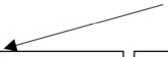
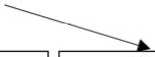
Based on the theoretical foundations established in the literature review, a structured CLL model was designed specifically for engineering students (Fig. 1). The model incorporated Johnson and Johnson's [18] five essential elements of cooperative learning: positive interdependence, individual accountability, promotive interaction, social skills, and group processing.
The proposed model integrates cooperative learning principles with communicative competence components through professionally contextualized tasks. The model operates on the premise that engineering students develop communicative competence most effectively when language learning is embedded in authentic, collaborative activities that mirror professional engineering practice.
The designed model is operated within the Russian higher education legal frame (The Federal State Educational Standards 3++) [25].
These standards deal with the engineering students’ competency. Universal Competency-4 (UC-4) is of great importance, it covers the ability to carryout business communication in oral and written forms in the official language of the Russian Federation and foreign languages. The presented model lies upon UC-4, developing engineering competency in the communication context. Moreover, these standards [20] emphasize competencies in technical documentation, team coordination, client communication, and project management – all of which require advanced communicative competence in both Russian and foreign languages (Table 2).
For institutions adopting international best practices, the model also aligns with the CDIO++ framework, an adaptation of the international CDIO initiative to Russian educational requirements [11, 12]. This alignment ensures that CLL activities support communication skills across all stages of the engineering lifecycle: Conceive (project proposals), Design (technical problem-
Table 2
Communicative competencies alignment with FSES 3++ requirements
|
Model Component |
FSES 3++ Competency |
Professional Standard |
|
Linguistic competence (technical vocabulary, grammar, pronunciation) |
UC-4: Business communication in foreign language |
Technical documentation requirements across engineering standards |
|
Sociolinguistic competence (appro-priacy, register, cultural norms) |
UC-4: Communication in business contexts |
Client interaction, stakeholder communication |
|
Discourse competence (cohesion, coherence, turn-taking, topic management) |
CPC: Teamwork and project coordination |
Team collaboration in engineering projects |
|
Strategic competence (compensation, repairing, paraphrasing, clarification) |
UC-6: Self-management and problem-solving |
Troubleshooting, technical problemsolving |
|
Pragmatic competence (modality, functional language, intended meaning, persuasion) |
UC-4: Persuasive communication, negotiation |
Project proposals, client presentations |
Goal develop future engineers' communicative competence in English for specific purposes
|
Russian Federal |
Russian |
CDIO |
Social |
Zone of Proximal |
Communicative |
|
State Educational |
Professional |
Framework |
Interdependence |
Development |
Competence |
|
Standards |
Standards |
Theory |
Framework |
Main Design Principles
structured environment
-
• clear learning objectives communicated before each task
-
• explicit role assignment (leader, recorder, timekeeper, reporter)
-
• detailed rubrics provided in advance
-
• time parameters for each task phase
-
• systematic instructor monitoring protocol
professional contextualization
-
• tasks mirror authentic engineering communication contexts
-
• technical vocabulary integrated meaningfully
-
• engineering scenarios drawn from professional practice
-
• products (reports, presentations, proposals) resemble workplace deliverables
afTective support
-
• gamified warm-up activities to reduce anxiety,
-
• low-stakes practice before high-stakes tasks
-
• positive interdependence ensures all contributions valued
-
• celebratory recognition of group achievements
-
• safe environment for language experimentation
Foundations
|
' 1 1 1 1 1 |
|
|
Social and Regulatory' Demand |
Core Pedagogical Pillars |
Implementation Framework (4-stage cycle)
Stage 1 Preparation - build cooperative skills, establish norms, warm-up
Stage 2 Application - technical problem-solving, role-play scenarios, technical presentations
Stage 3 Integration - multistage projects, peer review, debates, collaborative writing
Stage 4 Reflection - self-assessment, peer feedback, metacognitive discussion
Communicative competence outcomes linguistic grammar, vocabulary, pronunciation
sociolinguistic appropriacy, register, style, cultural norms
discourse cohesion, coherence, turn-taking, topic management
strategic compensation, repairing, paraphrasing, clarification
pragmatic modality, functional language, intended meaning, persuasion
Fig. 1. The Structured CLL Model for developing Engineering Students’ Communicative Competence solving), Implement (peer review), and Operate (role-playing scenarios) [26].
The model rests on three interconnected pedagogical pillars, that together provide a comprehensive foundation for developing communicative competence through cooperative learning. The first pillar is social interdependence theory, articulated by Johnson and Johnson [18], which explains how the structure of goals determines how individuals interact. The second pillar is Vygotsky's [32] sociocultural theory, particularly the concept of the zone of proximal development. Within cooperative learning arrangements, learners with varying proficiency levels interact within each other's zones of proximal development, collaboratively constructing knowledge through scaffolding, explanation, and negotiation. The third pillar is the communicative competence framework originating with Hymes [17] and operationalized by Canale and Swain [7]. These three theoretical traditions converge in their implications for language pedagogy: learning is most effective when it occurs through structured social interaction that respects individual accountability, when learners collaborate within their zones of proximal development, and when tasks are designed to develop all components of communicative competence in an integrated manner. The model operationalizes these principles for the specific context of engineering education.
From these theoretical foundations, the model derives three main design principles that guide its implementation: structured environment, professional contextualization and affective support. These principles function interdependently, each reinforcing the others to create optimal conditions for communicative competence development.
The first principle of the structured environment can be referred to Johnson and Johnson theory that deals with the systematic CLL. Su and Zou [29] confirm that effective technology-enhanced collaborative language learning requires clear principles and high organization – a finding that applies equally to face-to-face contexts. The instructor functions as a task-setter and monitoring presence, intervening strategically when groups encounter difficulty but otherwise allowing students to manage their own interaction. This structured approach, grounded in Slavin's [28] analysis of cooperative learning mechanisms, ensures that the motivational benefits of peer encouragement and the cognitive benefits of elaboration and explanation are systematically realized.
The second principle, professional contex-tualization, responds to the specific needs of engineering students who will communicate in technical workplace environments. Drawing on taskbased language teaching principles articulated by Ahmadian and Long [2], the model embeds language learning within tasks that mirror authentic engineering communication contexts. Professional contextualization operates at multiple levels: tasks simulate real engineering activities such as problem-solving, design review, and client consultation; vocabulary and discourse patterns reflect those encountered in technical documentation and professional correspondence; and scenarios draw on ethical dilemmas and practical challenges that engineers face in practice. Ghaith and Awada [16] demonstrate that linking cooperative learning to world-readiness standards enhances both motivation and achievement, while Li [23] shows that tasks requiring analysis and problem-solving simultaneously develop cognitive and linguistic abilities. For engineering students, this principle addresses Dörnyei's [13] L2 Motivational Self System by connecting language learning to their emerging professional identity – when students perceive language tasks as relevant to their future careers, investment in learning deepens substantially. Professional contextualization transforms language learning from an abstract academic requirement into an integral component of professional preparation.
The third principle, affective support, addresses the emotional and psychological barriers that can impede language development, particularly in speaking and interaction. Research consistently identifies language anxiety as a significant obstacle to second language acquisition, with fear of judgment, embarrassment about errors, and nervousness when speaking before peers inhibiting participation and practice [8, 24]. The model incorporates multiple mechanisms to reduce anxiety and build confidence. Gamified warm-up activities – such as the Hot Ball Game for rapidfire speaking or Draw, Mime, or Explain for vocabulary development – create low-stakes opportunities for language use before students engage in more demanding tasks. Positive interdependence ensures that each student's contribution is valued and necessary for group success, reducing the pressure of individual performance. Structured turn-taking protocols prevent dominant learners from monopolizing interaction while creating protected opportunities for quieter students to contribute. The instructor models a supportive stance, responding to errors as learning opportunities rather than failures and celebrating group achievements. Chan, Maneewan, and Koul [10] confirm that gamified cooperative tasks significantly increase student engagement and motivation, while Wang [33] demonstrates that structured cooperative activities reduce speaking anxiety.
The model operationalizes its theoretical foundations and design principles through a four-stage implementation framework that guides students from foundational skill development through increasingly complex collaborative tasks to meta-cognitive reflection.
The initial stage focuses on building cooperative skills and establishing the norms that will provide further interaction. During these first three weeks, students who may have limited experience with structured collaborative learning develop the social and procedural competencies necessary for effective group work. Sessions begin with icebreaker activities and low-stakes gamified tasks such as the Hot Ball Game, where students toss a ball while responding to prompts, creating a playful atmosphere that reduces anxiety and introduces basic speaking practice. Students collaboratively develop a group contract while the instructor introduces role assignments (leader, recorder, timekeeper, reporter) and explains how these rotating responsibilities ensure balanced participation across sessions. By the end of Stage 1, students have established functional group relationships, understand their roles and responsibilities, and experienced success in low-pressure collaborative tasks – getting prepared for more demanding work ahead.
With cooperative norms established, Stage 2 introduces professionally contextualized tasks that engage students in authentic engineering communication scenarios. This five-week phase represents the core of the intervention, where students apply developing language skills to tasks that mirror professional practice while maintaining the structured support established in the foundation stage. Group Technical Problem-Solving tasks present student teams with authentic engineering challenges appropriate to their specialization. These tasks develop linguistic competence through technical vocabulary use, discourse competence through sequential explanation of problem- solving processes, and strategic competence through negotiation and clarification. Role-Playing Engineering Scenarios transport students into simulated professional situations: a project manager consulting with a client, a team leader presenting design options to stakeholders, or a quality assurance engineer providing feedback on a colleague's work. These scenarios are particularly effective for developing sociolinguistic and pragmatic competence, as students must make mo-ment-by-moment decisions about appropriate register, politeness strategies, and speech act realization. Collaborative Presentations on Emerging Technologies require groups to research a topic such as artificial intelligence applications in manufacturing or sustainable energy innovations, synthesize information from multiple sources, and deliver coordinated presentations to the class. This task integrates all language skills – reading research, discussing findings, writing presentation notes, and speaking publicly – while developing the discourse competence necessary for coherent, well-structured extended speech.
The third stage engages students in complex, multi-stage collaborative tasks that integrate the full range of communicative competencies developed in previous phases. These tasks require sustained collaboration over multiple sessions, demanding that students manage not only language and content but also project planning, coordination, and shared responsibility for final products. Peer Review of Technical Reports engages students in reciprocal evaluation of each other's written work. After drafting individual technical reports on engineering topics, students exchange reports within their groups and provide structured feedback using rubrics that address content accuracy, organizational coherence, vocabulary appropriacy, and grammatical precision. Debate on Ethical Issues in Engineering challenges students to prepare and defend positions on complex professional dilemmas – data privacy concerns in software development, environmental impact of industrial processes, or ethical implications of autonomous systems. Working in teams, students research their assigned positions, anticipate counterarguments, and develop persuasive discourse strategies. Collaborative Writing of Project Proposals represents the most complex task in the sequence.
The reflection stage concludes with individual goal-setting for continued development beyond the course. This forward-looking orientation ensures that the benefits of the intervention extend beyond the immediate course into students' ongoing development as communicative professionals.
The four-stage framework embodies a deliberate progression from simpler to more complex tasks, from greater instructor guidance to greater learner autonomy, and from explicit attention to cooperative processes to fluent integration of collaboration and communication. Each stage builds on competencies developed in previous stages while introducing new challenges that extend students' capabilities. The foundation stage establishes the cooperative infrastructure that makes subsequent collaboration productive; the application stage introduces professionally contextualized tasks that demonstrate the relevance of communicative competence; the integration stage challenges students to combine multiple competencies in complex, authentic tasks; and the reflection stage ensures that learning is consolidated and internalized.
To implement the CLL model in a pedagogical experiment we conducted students’ formative and summative assessment aligned with the five components of communicative competence (Table 3).
Assessment operates formatively throughout the intervention, providing ongoing feedback that guides both instruction and learning, and summa-tively at key transition points to document progress toward the competencies specified in FSES 3++ and relevant professional standards. Formative assessment is embedded in every session through systematic instructor observation to track participation patterns, interaction quality, and evidence of specific competencies – linguistic accuracy during technical explanations, socio-linguistic appropriacy in role-play scenarios, discourse management in group discussions, strategic competence during communication breakdowns, and pragmatic awareness in simulated professional interactions. Peer assessment complements instructor observation, with students providing feedback to group members using rubrics aligned with the five competency components; this process not only generates additional assessment data but itself develops students' evaluative capabilities and metacognitive awareness. Summative assessment occurs at the conclusion of each stage through performance tasks that integrate multiple competencies: technical problem-solving presentations at the end of Stage 2 assess linguistic and discourse competence in extended spoken discourse; peer review reports at the end of Stage 3 evaluate written accuracy and strategic feedback provision; and the final collaborative project proposal, assessed against rubrics addressing all five competency components, serves as a comprehensive measure of integrated communicative development. The reflective dialogue circle in Stage 4 functions as both learning activity and assessment opportunity, with students' metacognitive articulations of their development providing evidence of strategic competence consolidation. All assessment data are systematically documented and triangulated to generate a comprehensive profile of each student's communicative competence development, informing both final evaluation and recommendations for continued growth.
Systematic observation revealed measurable development across all five components of communicative competence. Pre-intervention observations during the guided discussion task showed limited communicative competence: the majority of students displayed low to moderate confidence, evidenced by frequent hesitations, brief responses, and reliance on teacher-directed interaction. Vocabulary usage was predominantly basic and general rather than technically specific, and collaborative idea-building among students was largely absent.
Following the intervention, observation of the reflective dialogue circle and analysis of recorded interactions during cooperative tasks demonstrated substantial positive changes. Students' speaking fluency improved, with participants speaking more often and for longer duration during both gamified warm-up activities and formal presentations.
Students demonstrated better attention to peers’ contributions, increased ability to recall and respond to information presented by group members, and more frequent use of clarification requests and confirmation check. Observation documented a shift from teacher-directed interaction to student-initiated communication, with groups managing turn-taking, negotiating meaning, and supporting one another. The frequency of peer scaffolding behaviors increased substantially from the preparation to integration stages (Table 4).
Post-intervention questionnaire data revealed generally positive student perceptions of the model. The professional-domain tasks received particularly favorable ratings, with 85% of students agreeing or strongly agreeing that “solving
Table 3 Assessment
|
Competences |
Formative Assessment |
Summative Assessment |
|
Linguistic |
Observation of vocabulary use, grammar in peer explanations |
Technical vocabulary test, written report accuracy |
|
Sociolinguistic |
Role-play performance, register appropriateness in scenarios |
Reflective dialogue, peer assessment of ap-propriacy |
|
Discourse |
Turn-taking observation, coherence in problem explanations |
Collaborative presentation structure, proposal organization |
|
Strategic |
Clarification requests |
Self-report questionnaires, interview data |
|
Pragmatic |
Understanding and adequate response |
Functional language test, performance in ethical debate |
Table 4
Summary of observed communicative competence components
The analysis of post-intervention questionnaires and interviews showed the three categories of challenges: participation barriers, group dynamics, instructional demands.
When it was asked about the difficulty of expressing their opinions, 11 students (55%) responded affirmatively. Follow-up interview data clarified different affective factors rather than linguistic limitations. Moreover, 40% of respondents reported about the feeling of nervousness speaking in front of their peers. So, the participation barriers turned out to be the most significant problem.
Group dynamics presented ongoing challenges requiring instructor attention. Observation records documented instances of unequal participation, with more confident or proficient students dominating discussions while quieter students retreated into passive roles. A minority of students (20%) reported in the challenges survey that varying English proficiency levels within their group created difficulties, with some lower-proficiency students expressing frustration at their inability to contribute as fully as they wished and some higher-proficiency students expressing frustration at the slower pace required for inclusive participation. One higher-proficiency student reflected: “I wanted our group to move faster, but I had to slow down and explain things. At first this was frustrating, but later I realized it helped me understand the material better myself.”
Instructional demands on the instructor proved substantial. Observation records documented the intensive monitoring required to ensure equitable participation across multiple groups simultaneously. The instructor maintained a structured observation protocol but noted in reflective notes: “Moving between five groups in a 90-minute session, trying to track who is speaking, who is silent, whether groups are on task, and what kind of language students are producing – this requires constant attention and leaves little room for anything else.” Time management emerged as an additional challenge, with some groups consistently requiring more time than allocated for complex tasks, creating pressure to either rush final stages or extend beyond scheduled class time.
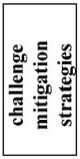
The identification of these challenges during implementation led to the iterative development and refinement of mitigation strategies, which were tested and adjusted throughout the later stages of the intervention (Table 5). These strategies, grounded in the theoretical principles of the model and responsive to the specific challenges observed, form an integral component of the model's contribution to practice.
In response to the 55% of students reporting difficulty expressing opinions, the model incorporated structured turn-taking protocols implemented from the foundation stage onward.
Table 5
Challenge Mitigation Strategies
|
Challenge |
Mitigation Strategy |
Implementation |
|
Shyness/low participation |
Assigned roles with rotating responsibilities |
Each student must fulfill speaking roles (e.g., reporter) on rotation |
|
Dominant learners |
Structured turn-taking protocols |
Talking chips; timed equal speaking opportunities |
|
Uneven proficiency |
Heterogeneous grouping, peer tutoring roles |
Mixed A2/B1 groups, expert-novice pairing |
|
Instructor monitoring demands |
Systematic observation protocol, peer assessment |
Structured observation checklist, student peer observers |
|
Management |
Timed task segments, visible countdowns |
Each task phase times, digital timers displayed |
The talking chips technique – where each student must place a physical token in the center of the group before speaking, with all tokens redistributed only after every member has spoken – ensured equitable distribution of talk time and created protected opportunities for quieter students to contribute. Students initially found this protocol artificial, but by the application stage, they reported that it had become internalized as a norm. One student noted in interview: “At first the chips felt like a game, but actually they helped me learn that my ideas matter and I have a right to speak. Now in other classes I notice when I am silent and make myself contribute.” Rotating role assignments ensured that every student practiced speaking in different discourse modes – as reporter synthesizing group ideas, as presenter addressing the whole class, as facile-tator guiding discussion – developing confidence across varied communicative contexts.
Mitigating group dynamics challenges. The challenge of uneven proficiency levels, reported by 20% of students, was addressed through deliberate heterogeneous grouping combined with task differentiation. Groups were composed to include a range of proficiency levels, with the understanding that this heterogeneity would create opportunities for peer scaffolding.
The observation protocol focused instructor attention on key indicators – participation equity across five minutes of observation per group, evidence of targeted competencies, group processing behaviors – enabling efficient data collection across multiple groups in each session. Peer assessment engaged students in monitoring their own groups’ functioning, with structured forms guiding attention to process indicators. This distributed evaluative responsibility while simultaneously developing students’ metacogni-tive awareness of effective collaboration.
Analysis of data suggests a positive relationship between implementation of mitigation strategies and improved participation outcomes. Following the introduction of structured turntaking protocols in Week 4, observation records documented increased equity in participation across all groups, with the proportion of observed sessions where one or two students dominated discussion declining from 65% in Weeks 1–3 to 25% in Weeks 9–11. Student self-reports of nervousness when speaking before peers decreased from 40% at pre-intervention to 25% at post-intervention.
The iterative refinement of mitigation strategies throughout implementation underscores a key finding of this study: effective CLL implementation requires not merely adopting cooperative activities but systematically addressing the challenges that emerge through ongoing observation and responsive adjustment. The model, with its integrated challenge mitigation strategies, provides a framework for this responsive approach while maintaining the structured environment essential for productive collaboration.
Theoretical significance of the study lies in the design of the structured CLL model with evidence-based strategies for CLL effectiveness in developing communicative competence among engineering students. The practical value of the research consists in the identification of the CLL Model challenges during implementation. Mitigation strategies, grounded in the theoretical principles of the model and responsive to the specific challenges observed, form an integral component of the model's contribution to practice. The novelty of the study is in redefining the language learning process among engineering students through a theoretically sound, structured CLL model with developing communicative competence.
Further Discussion
The findings of this study demonstrate the significant potential of the CLL model to enhance the development of future engineers’ foreign language communicative competence. When engineering students cooperatively solve technical problems, they engage in activities that constitute professional practice itself.
Moreover, the study is grounding on the Russian regulatory framework that can be implemented within existing educational structures. The model’s alignment with competency requirements provides curriculum development that satisfies both regulatory demands and pedagogical best practices.
There is no denying the fact that the findings carry practical implications for educators. First, structured implementation matters: instructors should establish cooperative norms and turntaking protocols before introducing complex professional tasks. Second, professional contextuali-zation enhances motivation: tasks connecting to students' engineering identities generate greater engagement. Third, ongoing attention to affective barriers is essential: even experienced groups require support for anxious participants. Fourth, instructor monitoring demands can be managed through systematic observation protocols and peer assessment. Fifth, alignment with regulatory frameworks facilitates institutional adoption.
Conclusion
This study substantiated a structured CLL model for the formation of foreign language communicative competence of university students majoring in engineering. The research addressed a persistent gap in the literature: while CLL's theoretical benefits are well established, fewer studies have examined how to address implementation challenges. The structured model was designed and successfully implemented with evidencebased strategies for CLL effectiveness in developing communicative competence among engineering students. The influence of CLL activities on engineering students' communicative competence were evaluated. The findings demonstrate that the model successfully developed students’ communicative competence. However, the analysis of post-intervention questionnaires and interviews revealed the three categories of challenges for learners: participation barriers, group dynamics, instructional demands. So, the challenge mitigation strategies were presented.
