
Impact of experiential learning pedagogies using project-based learning, work simulation on development of career adaptability and decision-making in high school students
Journal: Bulletin of South Ural State University. Series: Education. Pedagogical Sciences @vestnik-susu-ped
Section: Образование в странах мира
Article in issue: 1 т.18, 2026.
Free access
The research employed a quasi-experimental longitudinal research design to investigate how project-based learning (PBL) and work simulation have a long-term effect on developing career adaptability and decision-making among Ghanaian high school students. The intervention started in 2022 at the Armed Forces Senior High School in Kumasi, and a follow-up questionnaire was given to 60 of the same students 3 years later. The results of the PLS-SEM analysis showed that PBL had a strong, positive, and statistically significant effect on both career adaptability (β = 0.522, p = 0.000) and decision-making (β = 0.500, p = 0.000). Work simulation also had a positive and significant effect on decision-making (β = 0.266, p = 0.000), although its effect on career adaptability was not statistically significant. The findings confirmed the value of experiential learning as a powerful tool for the development of critical career skills over time. Based on the findings, it is recommended to stakeholders in education in Ghana to incorporate PBL and WS into the Ghanaian school curriculum.
Similar articles in the section Education and training out of school. Further education
Short address: https://sciup.org/147254098
IDS: 147254098 | UDC: 374.33 | DOI: 10.14529/ped260109
Влияние педагогики экспериментального обучения с использованием проектного обучения и имитационного моделирования профессиональной среды на развитие карьерной адаптивности и навыков принятия решений у старшеклассников
В исследовании использовался квазиэкспериментальный лонгитюдный дизайн для изучения долгосрочного влияния проектного обучения и имитационного моделирования профессиональной среды на развитие карьерной адаптивности и навыков принятия решений у старшеклассников Ганы. Эксперимент начался в 2022 году в старшей школе вооруженных сил в Кумаси, а через 3 года тем же 60 учащимся был предложен повторный опросник. Результаты анализа PLS-SEM показали, что проектное обучение оказывает сильное положительное и статистически значимое влияние как на карьерную адаптивность (β = 0,522, p = 0,000), так и на принятие решений (β = 0,500, p = 0,000). Имитационное моделирование профессиональной среды также продемонстрировало положительное и значимое влияние на принятие решений (β = 0,266, p = 0,000), в то время как его влияние на карьерную адаптивность статистической значимости не достигло. Полученные данные подтверждают ценность экспериментального обучения как эффективного инструмента для развития ключевых карьерных навыков в долгосрочной перспективе. На основании результатов исследования рекомендуется органам управления образовательных организаций Ганы рассмотреть возможность включения проектного обучения и имитационного моделирования профессиональной среды в учебную программу средней школы.
Text of the scientific article Impact of experiential learning pedagogies using project-based learning, work simulation on development of career adaptability and decision-making in high school students
Education is thought to be an important engine of national progress and development, as it gives people the knowledge, skill, and values they need to create, to think, to act collectively, and to create institutions that allow sustainable and consistent economic growth and good governance [1]. As a result, countries are making considerable efforts to improve their educational systems to support quality education for their citizens [6]. However, the traditional methods of teaching and learning were mostly dependent on lecturing students, which most times led to the “spewing phenomenon,” where students will simply memorize information and then repeat it back (in most cases, word-for-word) without any real understanding. The root of the approach is in the belief that knowledge is a static entity that must be transmitted from the teacher to the student, a situation where the practical application of such knowledge and the critical thinking which is necessary for true comprehension are all ignored [12]. This teacher-centered model often lacks formative assessment strategies essential for guiding and deepening the learning process [7].
According to [19] the traditional method of learning became a challenge because it failed in most case to bridge the gap between the theoretical knowledge a student acquires and the practical application of that knowledge, which then leaves students ill-equipped to handle real-world complexities. The acknowledgement of the challenges that come with the traditional approach to teaching and learning is what spawned the experiential learning (EL) approach [9]. Experiential learning is a pedagogical framework with emphasis on learning through direct experience, reflection, and application, by moving beyond passive reception of information [14]. According to [4]
the root of EL can be traced to the Eastern Confucian philosophy (551–479 BC), which was expressed in the saying that: “When I hear, I forget; when I see, I remember; when I do, I understand.” It was later developed by key theorists like John Dewey and David Kolb, who expressed it as a cyclical process that consist of concrete experience, reflective observation, abstract conceptualization, and active experimentation [14]. The approach has been recognized across the globe as a powerful way to promote deeper understanding of issues and skill development [4].
In Ghana, the transition towards experiential learning is especially relevant. Scholars like [5, 10, 18] have indicated that there is still a wide gap between the theoretical knowledge imbibed in students and the requisite experience they get, which will ready them for the actual application of what they have learned in schools [9]. From the Junior High School (JHS) level to university graduates, the main focus of the educational system has always been on preparing students to obtain distinction in their exams rather than giving them practical knowledge or experience. The effect is that students usually graduate with strong academic records but then they lack the practical skills and confidence that are needed to enter the workforce successfully, which have contributed to high youth unemployment and a skills mismatch in the labor market [10, 18]. The gap has shown the urgent need for pedagogical shifts that connect classroom learning to real-world demands.
To bridge the gap between theory and practice, two experiential learning pedagogies have been identified to suit the Ghanaian case better: Project-Based Learning (PBL) and work simulation. [1] defined PBL as “an instructional strategy that allows students to work collaboratively on complex, real-world problems or questions over an extended period of time.” What makes PBL even more suitable in the Ghanaian case is its emphasis on active student engagement, problem-solving, and collaboration, which is able to address directly, the deficits in practical application and teamwork identified in the traditional system. The work simulation, on the other hand, is a teaching technique whereby a realistic work environment or professional situation is simulated to enable the students learn to apply their knowledge and skills in a low risk and controlled environment [19]. Similar to PBL, work simulation can assist in the development of key soft skills like decision-making, communication, and flexibility, and can give a student a chance to explore the various methods before they encounter the professional world [19].
Both the PBL and work simulation pedagogies provide a very useful method that can be used to incorporate practical experience and professional-ready skills directly into the curriculum to make it more meaningful and improve the future success of students [1, 19]. However, the question faced by scholars and policymakers alike, which has contributed massively to the status quo of the theoretical-practical gap in Ghana, is how to effectively implement these experiential learning pedagogies, especially among pretertiary students like those in Senior High School (SHS). This warrants a critical study because this specific group of students is at a pivotal stage of development, where they are making significant decisions about their academic and career paths [3]. The early exposure to an experiential learning process has the potential to have a vast, longitudinal effect on the ability of these individuals to adjust and adapt their careers, as well as make decisions that can allow them to better navigate or otherwise go through the quickly evolving job market than they could have under more traditional approaches [8]. Therefore, understanding the practical application and longterm benefits of these pedagogies at the SHS level is crucial for informing policy and curriculum design that goes beyond rote memorization and truly fosters career readiness.
Yet, little academic attention has been paid to this subject in this respect, particularly in the form of a longitudinal study on the effect that these particular pedagogies have on high school students in Ghana. The research works which have been done on the global scale are mainly aimed at the effectiveness of PBL and work simulation in enhancing the general skills development in a variety of educational settings [1, 17, 19]. The works suggest the general helpfulness of such pedagogies. However, they are not directly applicable nor longitudinally comparable to the career adaptability and decisionmaking in high school students. At the local level, the investigation in Ghana has mainly focused on the presence of the theory-practice gap in higher education [5, 10, 18] and the effects of practical activities on one subject. An example of such study is the impact of experiential learning on the attitude of students towards biology [3] or an overall evaluation of the effect of practical work on performance [2].
It is, therefore, the aim of the present study to address this gap by conducting a longitudinal study on the particular effects of PBL and work simulation on the advancement of career adaptability and decision-making skills in Senior High School students in Ghana; which is a much-needed direction of research that has remained understudied.
Specific Objectives
The definite objectives of the study are to:
-
1. To assess the longitudinal effect of experiential learning (Project-Based Learning and Work Simulation) on students’ career adaptability.
-
2. To determine the longitudinal effect of experiential learning (Project-Based Learning and Work Simulation) on students’ decisionmaking.
Kolb's Experiential Learning Model
Elaborating on this perspective, David Kolb developed his popular Experiential Learning
Model (ELM), in which he characterizes learning as a four-stage cycle. The ELM was developed in the publication of a book by [14], and emerged from a growing need for a framework that would accurately, concisely, and systematically describe the learning process that individuals commonly engage in when learning from experience (Fig. 1). The cycle starts with “Concrete Experience (CE)” when the learner has an experience; “Reflective Observation (RO) when the learner observes and thinks about the experience; then Abstract Conceptualization (AC),” where the learner creates new ideas or modifies old ideas in response to the reflection; and finally, “Active Experimentation (AE),” when the learner applies these new concepts to the world about them [14]. One of the central assumptions of the ELM by Kolb is that a balance of the four phases of the cycle is needed to promote the integration of knowledge and skills since the learner must move freely through the entire cycle on a regular basis to internalize the concepts or ideas.
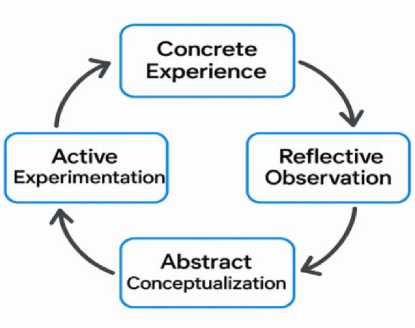
Fig. 1. Theoretical Framework Source: Kolb (1984)
The ELM is very relevant to this study because it offers the theoretical foundation on how to conceptualize pedagogies such as projectbased learning (PBL) and work simulation in developing career adaptability and decision-making skills. PBL and work simulation are both programmed active experimentation and concrete experience [14, 21]. The Concrete Experience stage involves the process of the students completing a real-life project or the process of maneuvering through a simulated professional situation. Their further analysis of difficulties, achievements and disappointments coincides with Reflective Observation [11]. The students are next able to generalize to new knowledge concerning teamwork, problem-solving, and professional roles (Abstract Conceptualization), which they can put into practice during new tasks (Active Experimentation). Within the framework of this model, it is possible to trace how a particular set of pedagogical practices help to develop a set of key professional skills in the long run by ensuring that students go through a full learning cycle [13].
Project-Based Learning and Career Adaptability and Decision-making
Project-Based Learning (PBL) is a pedagogical model that encourages student learning through a long-term, collaborative investigation into a complex real-world question or problem [1]. It is based on the principles of experiential learning and moves from working on an isolated task to working on longer-term projects which draw on knowledge across and beyond disciplines to produce a product or solution [17]. Advocates of PBL contend it leads to deeper learning, moving the focus away from rote memorization towards actively solving complex issues and critiquing their own critical thinking skills [1]. For example, the study conducted by [17] found a PBL framework and industry collaboration enhanced student future readiness and same behaviors in higher education. PBL, by its design, gives students the room to manage their own time, engage in collaboration with peers, and cope with ambiguity, all of which are key elements for success in their future careers.
The implementation of PBL has been linked to a profound level of change relating to the development of career-related competencies. Studies like that done by [8] have shown the longterm effects that the implementation of experiential learning programs with PBL have on the success of students in political science. On the same note [13], stated that active learning designs such as those used in PBL are effective in enhancing the career adaptability of university students. Nonetheless, despite these studies, existing literature has a lot of research on university level education [1, 17], primary school students [15] or qualitative views [11]. There is a certain lack of longitudinal research studies on the impact of PBL on career adaptability and decision making among high school learners, and particularly in the Ghanaian context, where the education system remains considerably theory-based [2, 3].
Work Simulation and Career
Adaptability and Decision-making
Work simulation is a training method that offers the trainees a real-life, low-threat situation to utilize the theoretic understanding in practice and professional life [19]. In contrast to common case studies, work simulations are more dynamic and interactive and it is frequently necessary that the student have to make decisions in real-time and observe the impact of their actions [19]. The approach is based on the active experimentation principle in the Kolb model because it enables students to experiment and receive feedback immediately during the course that closes the gap between theory and practice in a professional field [21]. Proponents of work simulations say that they are especially suitable in imparting the so-called soft skills, which are in high demand in the market but hard to teach in traditional lecturing lessons, and include communication, teamwork, and decision-making skills [11].
Studies on work simulation emphasize that it is the most effective way of ensuring that students are ready to work in the job market. As an example, [19] supported this claim by stating that simulation-based learning is beneficial when it comes to business higher education because it enables students to work on complex problems in a risk-free environment. In a very similar manner, [11] concluded that work simulation is an important element of experiential learning that contributes to the development of career preparedness in college students. Nevertheless, the available research on the topic of work simulation focuses, in large, on the university and professional training setting, including medicine and business [19, 21]. There is a major gap in the empirical data that exists on work simulation and its lasting effect on the career adaptability and decisionmaking of high school students.
Research Methods
Study Design
This research design was also a quasiexperimental longitudinal study in order to determine the long-term impact of experiential learning pedagogies to the students in regards to their career flexibility and decision making. The intervention was first launched in 2018 at the Armed Forces Senior High School, where the students were put through two different experiential learning methods Project-Based Learning (PBL) and Work Simulation (WS). In 2022 a baseline questionnaire was used to record the initial exposure and experience of students with these pedagogies. In 2025, the students were again followed up after 3 years of study and a follow-up questionnaire conducted in order to determine their present levels of career adaptability and decision-making. Such a design enabled the researcher to connect past exposure to experiential learning and the current career-related skills and competencies.
Design of Intervention
In 2022, the focus of the intervention was on the implementation of Project-Based Learning (PBL) and Work Simulation (WS) into subjects of choice. In PBL, students had to work on real-world projects, that is, creating business models, community solution design, and sharing findings with peers and facilitators. However, Work Simulation offered role-plays and scenario-based simulation exercises, which simulated workplace situations, and students acted as managers, health professionals, or entrepreneurs and tried to solve realistic problems. These pedagogies were used to overcome the old rote learning and enable the students to develop transferable skills that are needed in the contemporary work place.
Sampling Technique and Size
On the baseline (2022), 100 students took part in the intervention and filled in the questionnaire. The investigator maintained a safe record of the identifiers of the respondents to track them longitudinally. All 100 participants were recontacted in 2025. Among them 17 had already migrated to foreign countries and 10 were not contacted and 13 refused to fill their questionnaires. The resulting number of students who were available to use in the follow-up analysis was 60. The purposive sampling technique was used to make sure that only the students directly exposed to the intervention in 2022 took part in the study.
Instrumentation
To measure the study key variables, two different questionnaires were made and administered at varying times.
2022 Questionnaire
This instrument was used to gauge the level of exposure and interaction of the students with PBL and WS activities. The Project-Based Learning scale had six items (6) and the Work Simulation had six items (6), which were developed to reflect what the students were going through in the independent variable: experiential learning.
2025 Questionnaire
The dependent variables, which were measured with this instrument, are the level of career adaptability and decision-making skills of students. Career Adaptability scale consisted of four (4) items and Decision-Making scale consisted of four items (4).
Data Analysis
Both the descriptive and inferential statistics were used to analyze the data. The socio-demo- graphic features of the respondents and the central tendencies of the variables were summarized by using descriptive statistics (frequencies, and percentages). Partial Least Squares Structural Equation Modeling (PLS-SEM) was used to perform inferential analysis with SMARTPLS 4.0.
Results
Socio-Demographic Characteristics of Respondents
The demographic characteristics of the 60 participants (Table 1) showed that the cohort consisted of mostly males (63.3%), and females comprised the other 36.7. The distributions of ages were as suspected of six-year follow-up research where the majority of the respondents (65.0) were in the 18–24 age group and the remaining 33.3 were in the 25–29 age group. Professional status was overwhelmingly 88.3 percent full-time employees and the rest of the respondents were part-time or casual employees. Educational progress was also found to have been high with majority of the respondents having attained or studying undergraduate courses (65.0%), and a significant percentage (23.3) having attained postgraduate education. Relatively, an extremely large proportion of the cohort (91.7% said they had between 1 and 5 years of work experience, which is in keeping with their current age and educational development since a senior high school.
Construct Reliability and Validity
The findings of the construct reliability and construct validity test show that all the measurement scales employed in the study are healthy and appropriate to be used in further examination (Table 2). The Cronbach Alpha and Composite Reliability (rho c) values confirmed the internal consistency of the constructs since all values were higher than the recommended 0.70 value. In particular, the scale of Project-Based Learning (PBL), Decision-Making (DM), and Work Simulation (WS) showed high levels of reliability with
Table 1
Socio-Demographic Characteristics of Respondents
|
Variable |
Features |
Frequency |
Percentage (%) |
|
Gender |
Male |
38 |
63.3 |
|
Female |
22 |
36.7 |
|
|
Age |
18–24 |
39 |
65.0 |
|
25–29 |
20 |
33.3 |
|
|
30–34 |
1 |
1.7 |
|
|
Type of Employment |
Part-Time |
2 |
3.3 |
|
Full-Time |
53 |
88.3 |
|
|
Casual |
5 |
8.3 |
|
|
Total |
60 |
100.0 |
|
|
Education |
SHS |
7 |
11.7 |
|
Undergraduate |
39 |
65.0 |
|
|
Postgraduate Student |
14 |
23.3 |
|
|
Work Experience |
1–5 Years |
55 |
91.7 |
|
6–10 Years |
2 |
3.3 |
|
|
Unemployed |
3 |
5.0 |
|
|
Total |
60 |
100.0 |
Source: Field Survey (2025).
Table 2
Construct Reliability and Validity
|
Construct |
Cronbach's Alpha |
Composite Reliability (rho_a) |
Composite Reliability (rho_c) |
Average Variance Extracted (AVE) |
|
CA |
0.762 |
0.793 |
0.846 |
0.579 |
|
DM |
0.863 |
0.867 |
0.907 |
0.709 |
|
PBL |
0.867 |
0.873 |
0.900 |
0.601 |
|
WS |
0.807 |
0.811 |
0.864 |
0.562 |
Source: Field Data (2025).
Composite Reliability high above 0.86. Moreover, the four constructs had a higher value of the minimum acceptable value of 0.50 on their AVE values. This proves convergent validity of the scales, which show that all the items are a strong measure of what they are supposed to measure. Having determined reliability and validity, the data is valid, which makes it possible to make a reliable measurement of the relations inside the structural model.
Hypothesis Testing
The following hypotheses were tested in line with the study objectives
-
• H 1 : Project-Based Learning (PBL) has a positive and significant long-term effect on students' Career Adaptability (CA).
-
• H 2 : Project-Based Learning (PBL) has a positive and significant long-term effect on students' Decision-Making (DM).
-
• H 3 : Work Simulation (WS) has a positive and significant long-term effect on students' Career Adaptability (CA).
-
• H 4 : Work Simulation (WS) has a positive and significant long-term effect on students' Decision-Making (DM).0
The hypothesis testing results (Table 3, Fig. 2) give clear overview of the long-term effects of experiential learning on career adaptability and decision-making. As shown in the path coefficients, Project-Based Learning (PBL) has a strong, positive, and statistically significant effect on both Career Adaptability (β = 0.522, p = 0.000) and Decision-Making (β = 0.500, p = 0.000). This is an indication that the exposure to PBL in high school is associated with a higher development of these key career competencies six years later. In contrast, whereas Work Simulation (WS) shows a positive effect on both Career Adaptability (β = 0.220, p = 0.083) and Decision-Making (β = 0.266, p = 0.000), the effect on Career Adaptability is not statistically significant.
All of the findings point to the fact that the positive impact of both pedagogies is quite similar, but PBL seems to be more substantial and significant in the long-term perspective in the development of career related skills in students.
Discussion of Findings
The result of the research has validated the long-term effect of experiential learning on the career development of the students. The paper demonstrates, especially, how the concept of Project-Based Learning (PBL) can be useful in fostering career adaptability and decision-making. The positive, statistically significant, and strong nature of relationships observed between PBL and career adaptability (= 0.522) and decisionmaking (= 0.500) offer firm support to the already established literature that have promoted active learning pedagogies [1, 17]. This is explained by the nature of PBL that perfectly fits in the Experiential Learning Model of Kolb. The long-term, real world projects can force students to go through the entire four-step learning cycle; through concrete experience, to active experimentation, over an extended duration. The process does not only bring together the application of theoretical knowledge but also helps the students cultivate the psychosocial resources, like confidence and a sense of control, that are key for long-term career adaptability [14]. The extended nature of PBL allows for embedded formative assessment, which is crucial for reinforcing learning and skill mastery [16]. The results give compelling empirical evidence that PBL is a powerful vehicle for bridging the theory-practice gap and preparing high school students for future career success.
Work Simulation (WS) did indicate a statistically significant positive effect on decisionmaking (= 0.266), but its correlation with career adaptability was not statistically significant. This subtle result indicates that WS is highly effective in refining specific, situational skills pertaining to decision-making as part of a professional context [19] but may perhaps lack the need to experience a broader range of skills that are more durable over time forming the trait of career adaptability [11]. The structured, time-constrained nature of
Table 3
Path Coefficient and significance
|
Path |
Original Sample ( β ) |
Sample Mean (M) |
Std. Deviation (STDEV) |
t-value |
p-value |
|
PBL → CA |
0.522 |
0.518 |
0.113 |
4.615 |
0.000 |
|
PBL → DM |
0.500 |
0.491 |
0.126 |
3.969 |
0.000 |
|
WS → CA |
0.220 |
0.250 |
0.127 |
1.734 |
0.083 |
|
WS → DM |
0.266 |
0.285 |
0.149 |
1.791 |
0.000 |
Source: Field Data (2025).
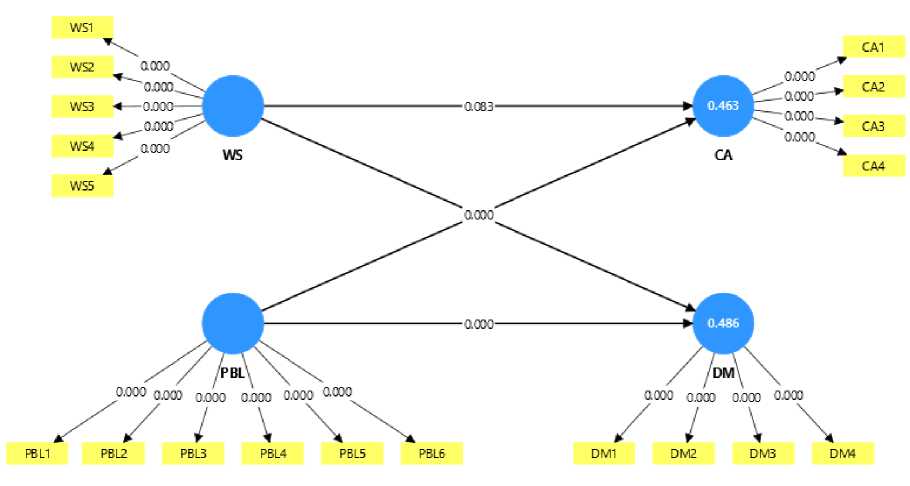
Fig. 2. Path Coefficient and significance
a simulation, unlike the sustained, self-directed nature of PBL project, can preclude deep and reflective learning that can shape the overall career perspective of a student. Collectively, the results close a major gap in the literature and offer a longitudinal view of a hitherto under-studied setting. The findings support the idea that both pedagogies represent useful mechanisms to promote career readiness, although they can benefit different facets of that readiness, with the PBL affecting that readiness more deeply and extensively long-term.
Conclusion
Finally, this longitudinal article presents strong evidence that high school exposure to experiential learning pedagogies effectively and durably influences career related skill development. The results support two out of four hypotheses and prove that Project-Based Learning (PBL) produces a long-term effect, which is strong, positive, and significant on career adaptability and decision-making. Grates to this, the study affirms a third postulation that Work Simulation (WS), too, positively and significantly influences decision-making in the long run. Although there was no significant association between the variables Work Simulation and career adaptability, the overall findings support the usefulness of active, hands-on approaches to learning in training students on how to approach their prospective careers.
Recommendations
Based on the findings, it is recommended to schools, Ghana Education Service and the ministry of Education that:
-
1. Project-Based Learning (PBL) and Work Simulation need to be i n corporated into the sch o ol curriculum officially to equip students bett e r to be part of the work f orce.
-
2. The implementation of PBL should be the first consideration of educ a tors because the results indicate that it brings a more profound and extensive long-term effect on the career flexibility and decision-making of t he students.
