
Разбор детей духовенства в царствование императора Николая I (на примере Вологодской епархии)
Журнал: Вестник Исторического общества Санкт-Петербургской Духовной Академии @herald-historical-society
Рубрика: Российская империя и Русская Православная Церковь в XVIII — начале XX века
Статья в выпуске: 4 (24), 2025 года.
Бесплатный доступ
В работе рассматривается феномен так называемого «разбора» детей духовенства в период правления императора Николая I, инициированного государственной властью в 1831 г., а также то, как проведение подобной акции повлияло на судьбу обучавшихся и окончивших курс образования в духовной семинарии. Подробно освещается исторический контекст и причины «разбора» в эпоху Николая I. Особое внимание автор уделяет рассмотрению окончательного оформления самого понятия «дети духовенства», закрепленного указом Св. Синода от 10 ноября 1826 г. В исследовании указывается также на ключевую проблему в жизни детей духовенства в эпоху Николая I, заключавшуюся в предоставлении вакантных священнических должностей выпускникам, окончившим духовную семинарию. Подобные исследовательские координаты необходимы для анализа «разбора» именно как акции, призванной, с одной стороны, пополнить число рекрутов для военного ведомства, с другой — обратить «ненужных для духовного ведомства в военную службу». Иллюстрирование конкретных примеров судеб детей духовенства, отчисленных и окончивших семинарию, осуществляется на примере Вологодской епархии с привлечением архивных материалов, преимущественно — сохранившихся прошений учеников, адресованных епископам, с просьбой об исключении из семинарии с целью поступить или в епархиальное ведомство, или на гражданскую службу. В итоге автор приходит к выводу, что «разбор» детей духовенства эпохи Николая I, рассматриваемый не как «точечная», а как процессуальная акция, можно назвать одним из факторов постепенного исключения из духовного сословия ряда лиц, которые к середине XIX в., перейдя в некое «промежуточное» состояние в сословной структуре империи, получат название разночинцев.
Похожие статьи в разделе Всеобщая история
Короткий адрес: https://sciup.org/140314716
IDS: 140314716 | УДК: 94(47).073:271.2-725 | DOI: 10.47132/2587-8425_2025_4_44
Debriefing of the Children of the Clergy During the Reign of Emperor Nicholas I (on the Example of the Vologda Diocese)
In the work, the author examines the phenomenon of the so-called “debriefing” of children of the clergy during the reign of Emperor Nicholas I, initiated by the state authorities in 1831, as well as how the conduct of such an action by the state authorities affected the fate of those who specifically studied and completed the theological seminary course of theological education. The historical context and the reasons for the “debriefing” in the era of Nicholas I are highlighted in detail. The author pays special attention to the consideration of the final formalization of the very concept of “children of the clergy”, fixed by the decree of the Holy Synod of November 10, 1826. The study also points to a key problem in the lives of children of the clergy in the era of Nicholas I, which was the problem of providing vacant priesthood positions for graduates who graduated from the seminary. These research coordinates are necessary for the analysis of the “debriefing” precisely as an action designed, on the one hand, to replenish the number of recruits for the military department, on the other, to exclude “people unnecessary for the theological department”. The illustration of specific examples of the fate of clergy children who were expelled and completed a seminary course is carried out using the example of the Vologda diocese with the involvement of archival material, specifically preserved petitions addressed to bishops requesting exclusion from the seminary department or to the eparchial, or to a secular department. In the end, the author comes to the conclusion that the “debriefing” of the children of the clergy of the era of Nicholas I, considered not as a “point”, but a procedural action, can be called one of the factors of the gradual exclusion from the clergy of a number of persons who by the middle of the 19th century, passing into some “intermediate” state in the estate structure of the empire, they will receive the name of raznochintsev.
Текст научной статьи Разбор детей духовенства в царствование императора Николая I (на примере Вологодской епархии)
E-mail: ORCID:
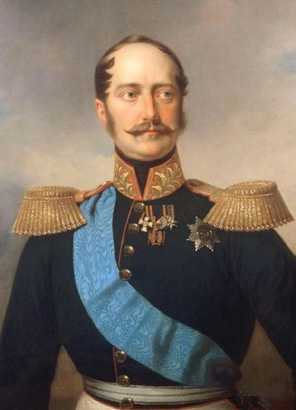
Николай I (1796-1855) — император Российской империи (1825–1855)
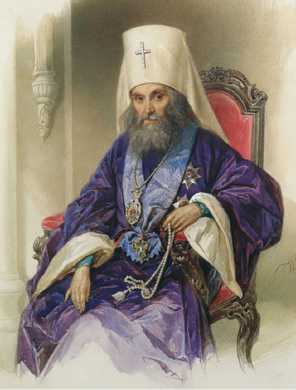
Филарет (Дроздов) (1782–1867) — митрополит Московский и Коломенский
Император Николай I, как и все российские монархи XIX в., в своей церковной политике уделял особое внимание двум тесно связанным между собой сферам: реформированию духовного образования и вопросам, связанным с правовым положением духовенства в империи. Непосредственная близость между указанными составляющими внутрицерковной жизни заключалась в том положении, которое занимали дети духовенства. В контексте оформления представителей духовенства в особое сословие со своими привилегиями, несомненно, не мог не встать вопрос о точном объяснении того, кто, собственно, мог быть отнесен к такой категории, как «дети духовенства». Дискуссии по этому поводу не утихали до середины XIX столетия, и весьма показательна в этой связи записка с предложениями по реформированию высших и средних духовных учебных заведений, составленная Ф. Л. Переверзевым, тайным советником, служившим в Совете Министерства внутренних дел. В записке, помимо корректировки общих положений, касавшихся изменения преподаваемых дисциплин и штатов, отмечалась необходимость введения ограничения на поступление в семинарии детей причетников и всего низшего клира1. Митрополит Московский Филарет (Дроздов), без ведома которого не проходила ни единая реформа в ведомстве православного исповедания2, конечно, был ознакомлен с запиской и сентенциозно высказал следующее мнение по вопросу об ограничении числа поступающих в духовноучебные заведения столь искусственным путем: «нельзя приказать природе, чтобы она от священнослужителей производила детей способнейших, а от причетников менее способных»3. Конечно, приведенный случай не затрагивает напрямую определения правового статуса детей духовенства, и все-таки он красноречиво свидетельствует о подчас пренебрежительном отношении к некоторым представителям «духовного чина», что обусловлено было рядом причин, о которых будет сказано ниже.
Официальная позиция по указанному вопросу была высказана в самом начале царствования императора Николая I. Постановление Св. Синода от 10 ноября 1826 г. дало следующее определение, кого следует причислять к «детям духовенства»: «должно разуметь не одних только священнических и диаконских, но всех вообще церковнослужителей греко- российской Церкви, в разных должностях служащих и поступающих со временем в высшие степени»4. Подобная формулировка не могла предположить исключение из этой категории даже детей причетников, потому любые высочайшие указы, относящиеся к изменению системы духовного образования или правового положения детей духовенства, касались априори крайне широкого круга лиц.
В царствование Николая I в рамках новой системы духовного образования, оформившейся еще в царствование Александра I, возникла проблема предоставления вакантных мест для выпускников, оканчивавших семинарский курс. В действительности ситуация выглядела таким образом, что количество поступающих и обучавшихся в духовно-
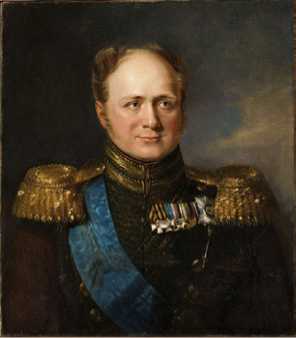
Александр I (1777–1825) — император Российской империи (1801–1825)
учебных заведениях превышало допустимые штатами «квоты» для получения места служения по окончании учебы. В связи с указанной проблемой судьбы многих детей
священнослужителей оказывались в подвешенном состоянии, когда молодым людям, становившимся, по замечанию историка С. Л. Фирсова, «деклассированными элемен-тами»5, приходилось иногда годами жить «праздно», обращаясь к епархиальным преосвященным с просьбами о решении проблем самыми различными способами. В обширном эпистолярном наследии епископов Православной Российской Церкви, относящемся к эпохе Николая I, то и дело могут обнаруживаться пассажи следующего характера: «Аттестат порядочен, и ученик может получить место. Но чтобы место явилось, сие я не властен сделать»6.
Чтобы централизовано ликвидировать проблему дефицита мест служения в первую очередь для выпускников именно семинарий, в 1831 г. Николай I инициирует так называемый «разбор» детей духовенства «для обращения ненужных для духовного ведомства в военную службу»7. Император руководствовался, несомненно, и общим утилитарным подходом к регламентации жизни империи в целом и Церкви в ней. Разборы духовенства имели место и в предшествующие эпохи8, однако, принципиальная разница разборов николаевского времени заключается в прямом указании на способ разрешения возникшей проблемы. Императорским указом, принятым и реализованным Св. Синодом, было повелено определять на военную службу всех окончивших и так и не нашедших себе место, а также неуспевающих в учебе детей духовенства в возрасте от 15 до 40 лет9. Поскольку обстоятельства нехватки церковных мест оставались неразрешенными на протяжении всего николаевского царствования, проблема по определению учащихся и выпускников духовных семинарий оставалась в этот период всегда актуальной10. По итогу проведения «разбора» лишь на 1831 г. в рекруты были отправлены «5022 годных к военной службе мужчин из духовного звания»11. К 1848 г. для увеличения контроля над безместными выпускниками семинарий, а также праздными священно- и церковнослужителями была введена паспортная система12. В «Извлечениях из отчета по Ведомству духовных дел православного исповедания», которые начали публиковаться с 1837 г.13, в особом разделе отдела по духовно- учебным заведениям приводились общие статистические данные, отражавшие динамику и количество переходов учащихся из духовного ведомства или в светские учебные заведения (меньшинство), или на гражданскую службу. Имели место случаи перехода из семинарского в епархиальное ведомство. С 1836 по 1838 гг. информация о таковых воспитанниках семинарий указывалась без конкретизации, то есть, единым числом. Так, в 1836 г. всего в светское звание перешло 112 человек (в это количество входят не только выпустившиеся и учащиеся, но и учи-теля)14. С «Извлечения» за 1839 г. вводится более подробная дифференциация15. Отдельно необходимо отметить, что рекордные цифры по переводу из духовного чина в иное состояние наблюдаются в отчетах, пришедшихся на годы Крымской вой ны (1853–1856 гг.). Так, в 1854 г. всего пятеро учащихся было переведено в светские учебные заведения, тогда как в распоряжение военного ведомства поступило 192 челове-ка16, а в 1855 г. на военную службу были зачислены 242 ученика семинарий17.
Отдельный интерес представляют свидетельства о попытках семинаристов отдельных епархий устроить свою судьбу. И хотя сам феномен «разбора» касался не только бывших семинаристов, именно на их судьбах, на лицах, для которых устроить свою жизнь было намного сложнее, мы и останавливаемся в рамках настоящего исследования. Региональные архивы в этой связи могут предоставить обширный и малоисследованный источниковый материал, представляющий собой, как правило, прошения на имя епархиальных преосвященных и последовавшие затем архиерейские резолюции по делу конкретных учащихся, утверждавшиеся непосредственно Императором и Св. Синодом. На примере Вологодской епархии мы имеем возможность рассмотреть перечень классических «развитий сюжетов» с попытками представителей детей духовенства установить определенность в жизненном пути, даже если ради этого приходилось расставаться с претензиями на священный сан. Фонд Вологодской консистории (ф. 496) Государственного архива Вологодской области содержит множество дел, в которых собраны прошения учащихся и выпускников Вологодской семинарии, относящиеся к 1840-гг. Проанализировав имеющийся материал, мы можем попытаться каталогизировать, во-первых, альтернативы, которые стояли перед исключенными и окончившими семинарский курс молодыми людьми духовного звания, во-вторых, возможные причины, вынуждавшие их или вовсе оставлять духовное сословие, или коренным образом изменять свой статус в нем.
В Вологодской епархии начало проведению в жизнь нового вектора политики Николая I в отношении детей духовенства было положено 27 мая 1831 г.18, когда на имя правящего архиерея епископа Стефана (Романовского) (1777–1841) поступил указ от 10 мая того же года об «учинении детям священно- и церковнослужителей разбора». Вологодская духовная консистория постановила присланный указ «посредством благочинных опубликовать всему Вологодской Епархии Духовенству»19.
Исходя из проработанной источниковой базы, мы можем заключить, что для Вологодской епархии в период реализации политики «разбора» наиболее распространенными у семинаристов было два пути, позволявших так или иначе миновать перспективы поступления в распоряжение военного ведомства: или идти в монастырь, или, надлежаще обосновав свое намерение, стараться испросить исключение из духовного звания и поступление на гражданскую службу. Среди общего количества рассмотренных нами прошений доминируют те, в которых указана вторая причина.
Как правило, проанализированные прошения начинаются с инвариантной формулировки: «По окончании курса Вологодской духовной семинарии^ нахожусь я и поныне на содержании родителя своего»20. Абсолютное большинство исследованного источникового материала свидетельствует о подчас стесненных обстоятельствах жизни семьи, в которой ребенок-семинарист мог быть хотя единственным, но тем не менее вводящим родителей в обременительное состояние, на что также указывается в ряде прошений. Затем непременно следовало описание обстоятельств, понуждавших выпускника или отчисленного учащегося обращаться к правящему архиерею. В случае, если учащийся имеет желание поступить на гражданскую службу, обстоятельства, понуждавшие его к принятию этого решения, могли сводиться к состоянию здоровья. Приведем некоторые выдержки из двух прошений 1840-1842 гг., в которых выпускники Вологодской семинарии, обучавшиеся в ней, как следует из «до-ношения» Св. Синоду епископа Вологодского Ири-нарха (Попова) (1790–1877), «со способностями первый очень хорошими и прилежанием хорошим, а последний со способностями хорошими и прилежанием весьма ревностным»21, испрашивают исключение их из духовного звания в гражданское именно по состоянию здоровья.
Семинаристы Василий Белышев и Александр Попов, окончившие семинарский курс в 1840 и 1842 гг. соответственно, объясняли свою неспособность оставаться в духовном звании не столько отсутствием места (первый выпускник и вовсе
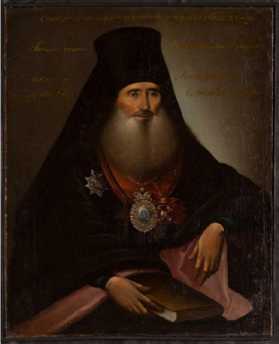
Стефан (Романовский) (1777–1841) — епископ Волынский и Житомирский (1813–1828), епископ Вологодский и Великоустюжский (1828–1841), архиепископ Астраханский и Кавказский (1841)
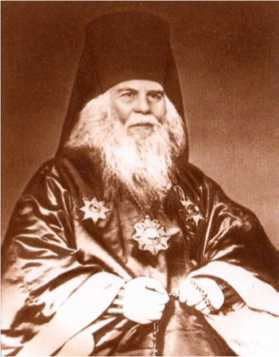
Иринарх (Попов) (1790– 1877) — епископ Старицкий, викарий Тверской епархии (3 мая — 15 сентября1836), епископ Рижский, викарий Псковской епархии (1836–1841), епископ Острожский, викарий Воронежской епархии (1841– 1842), епископ Вологодский и Устюжский (1842–1844), Архиепископ Кишенёвский и Хотинский (1844–1858), архиепископ Подольский и Брацлавский (1858–1863), архиепископ Рязанский и Зарайский (1863–1867)
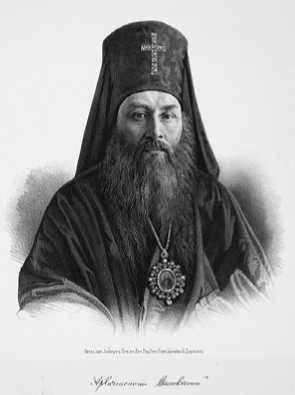
Иннокентий (Борисов) (1800–1857) — архиепископ Херсонский и Таврический (1848–1857)
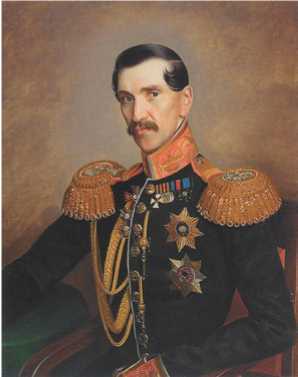
Граф Николай Александрович Протасов (1798–1855) — обер-прокурор Святейшего Синода (1836–1855)
был приписан к церкви бывшим вологодским преосвященным Иннокентием (Борисовым)22), сколько своей физической неспособностью к священническому служению. Василий Белышев в своем прошении отмечает, что уже прошло два года, как он окончил семинарию в 1840 г., но поступить на место служения он не может, чему причиной является «расстроенное состояние… здоровья», делающее его «вовсе не способным к брачной жизни, по слабости… естественных членов»23. Дальнейшая аргументация имеет классический и весьма симптоматичный характер, отсылающий к семейным обстоятельствам: «я весьма много наскучил как самому себе бездействием, так и моим родителям, находясь на их содержании»24. Александр Попов, в свою очередь, указывает на некую «робость», которая вкоренилась в нем «еще в юношеских летах», часто сопровождавшуюся «трясением рук и ног»25. После написания прошений в консисторию с указанием дальнейших планов (Василий Белышев, например, желал поступить на гражданскую службу в С.- Петербург), выпускники прошли надлежащее освидетельствование в вологодской врачебной управе, подтвердившей в тех же формулировках, что указаны в прошениях учеников на имя епископа Иринарха, наличие болезненных признаков26.
Еще одной причиной поступления в гражданское звание могла быть практическая и профессиональная непригодность, заключавшаяся в том, что выпускник по формальным, тенденциозным (т. е. обусловленным конкретными запросами времени) причинам не мог претендовать на священническое место даже в сельской местности. Примечательно в этой связи прошение ученика Николая Малевинского, окончившего Вологодскую семинарию по второму разряду также в 1842 г. Выпускник аргументирует невозможность для себя принятия священного сана незнанием «сельского хозяйства»27, что, как известно, в эпоху обер-прокурорства графа Н. А. Протасова было необходимо для прохождения службы в сельском приходе28. Другой причиной, вынудившей ученика обратиться к епископу Иринарху (Попову) с просьбой о переводе в светское звание, стало обыкновенное «неимение при градских церквах праздных священнических мест»29.
Более сложными были жизненные пути исключенных из семинарии учащихся, которые в большинстве своем, желая избежать службы по военному ведомству и стремясь облегчить положение своих родителей, принимали решение о поступлении в монастырь. Прошение исключенного в 1839 г. из Вологодской семинарии ученика низшего отделения Николая Скворцова на имя епископа Вологодского Стефана (Романовского) может послужить яркой иллюстрацией положения, в котором могли оказываться дети низшего духовенства, пребывание которых в семье на попечении родителей становилось просто невозможным в силу экономических причин. Позволим себе привести несколько подробнее содержание прошения отчисленного ученика: «Не имея никакого места, теперь я нахожусь на попечении отца обремененного семейством Дьячка Грязовецкого уезда… Павла Васильевича Скворцова, и потому должен претерпевать крайнюю нужду. Но чтобы мне не быть в праздности и хотя немного облегчить бедное [состояние] отца и своё собственное, вознамерился я… избрать себе место Грязовецкого уезда в Корнилиевом монастыре в числе братства с тем, чтобы мне там навыкнуть чтению и пению церковному и узнать порядок служения, почему и настоятель оного монастыря принять меня согла-сен»30. Апеллируя к тяжелому с материальной точки зрения семейному положению, ученик испрашивает позволения перейти из семинарского в епархиальное ведомство, не указывая конкретную причину своего отчисления, которая не приводится и в свидетельстве от инспектора семинарии. Практически аналогичное прошение было подано тому же Вологодскому епископу Стефану (Романовскому) отчисленным в 1839 г. учеником Алексеем Обориным, желавшим в третьеклассный Арсеньев монастырь31. Причина перевода точно также не обосновывается.
Однако в деле ученика Михаила Иларионова, отчисленного из Вологодской семинарии в 1847 г. и точно также пожелавшего поступить в распоряжение епархиального ведомства через зачисление в монастырь, мы можем обнаружить более подробную характеристику тех жизненных перипетий, что нередко побуждали семинарских воспитанников оставлять обучение. Ученик среднего отделения второго класса Вологодской духовной семинарии Михаил Иларионов, как следует из двух его прошений на имя епископа Вологодского Евлампия (Пятницкого) (1794-1862), принял решение об отчислении из духовной школы по собственному желанию, точнее, по причине неимения «средств к продолжению обучения»32. Из этого следует, что воспитанник входил в число своекоштных, т. е. тех, кто самостоятельно содержал себя. Обстоятельства жизни Михаила Иларионова были осложнены к тому же смертью обоих родителей, вследствие чего следующие слова звучат с психологической точки зрения весьма характерно, позволяя точнее понять подчас непростые жизненные испытания, перед которыми вставали дети духовенства: «Как Отец мой и мать давно померли и родственников я никого не имею, посему будучи оставлен Промыслом Божиим поступить послушником
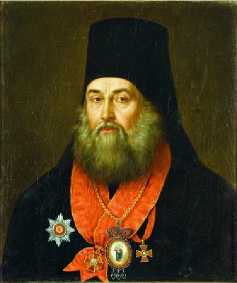
Евлампий
(Пятницкий) — епископ Екатеринбургский, викарий Пермской епархии (1834– 1840), епископ Орловский и Севский (1840–1844), епископ Вологодский и Великоустюжский (1844–1852), архиепископ Тобольский и Сибирский (1852–1856)
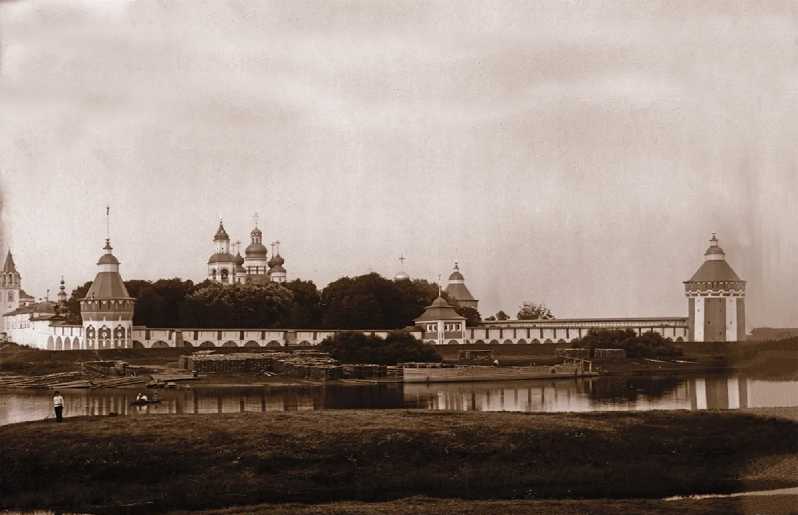
Вид на ансамбль Спасо- Прилуцкого Димитриева мужского монастыря г. Вологды. Фотография начала XX века самому себе, я решился поступить в какой-либо монастырь для услуг монашества»33. Как отмечает Михаил Иларионов в другом своем прошении на имя того же преосвященного, его брат также обучался в семинарии, но на казеннокоштном положении, а младшая сестра была отдана в приют34. Из этих данностей жизни бывший ученик видит в исключении из семинарского ведомства и зачислении в епархиальное с целью поступления в монастырь свою единственную альтернативу.
Епископ Евлампий удовлетворил прошение бывшего воспитанника семинарии и направил его изначально в Григориево- Пельшемский Лопотов монастырь, где Михаил Иларионов не смог прожить долгое время. В отчете местного игумена Феодосия указывается на крайнюю болезненность новопоступившего послушника в ногах, так что он «даже не может вести жизнь сидячую, занимаясь письмом»35. Первую половину 1848 г. Михаил Иларионов проводит в положении больного, после чего архиерей отправляет его в Спасо- Прилуцкий монастырь36. Дальнейшая судьба Михаила Иларионова сложилась весьма непросто: подав ряд прошений епископу Евлампию еще с 1847 г., в которых молодой человек указывал на крайнюю свою нищету и просил о выделении ему пособия из монастырских средств, бывший семинарист решается на побег из монастыря. В рапорте архимандрита Спасо- Прилуцкого монастыря Адриана (Тяжелова) (1800–1870) отмечается, что послушник, не предупредив ни эконома, ни кого-либо из братии, покинул стены обители, в связи с чем в документе испрашивается исключение его из числа послушников. Весьма примечательно обоснование поступка, приведенное в объяснительной записке Михаила Иларионова после того, как он, скитавшийся на протяжении некоторого времени в лесу и по деревням, был замечен и представлен к архиерею. В объяснительной записке читаем: «мысль врезавшаяся в мою голову с самого моего поступления в монастырь была та, что я буду всеми ненавидим и презираем за то, что нахожусь в бедности, в болезни и без покровителей. Эта мысль более оправдывалась в моей голове тем, что когда Ваше Преосвященство приказали мне выдать рубашку, я по приходу с ней в монастырь и при спросе где ее взять, был упрекнут послушником Павлом Перцевым, что я ее украл. После сего надеясь получить и другую милость… именно подрясник, был уже встречен недоброжелательством многих послушников»37. Приведенное пространное объяснение, хотя оно и изложено непосредственно виновником, совершившим побег из монастыря, тем не менее ценно с позиции личного восприятия своего положения бывшим учеником семинарии. Михаилу Иларионову в итоге были выданы вещи на общую сумму в 3 руб. 50 коп., а просьба архимандрита Адриана об исключении его из числа братии, как следует из отчета эконома обители, выделившего сумму на покупку тканей для одежды, не была удовлетворена.
Таким образом, мы можем заключить, что в силу общего дефицита церковных мест для служения и после инициации «разбора» детей духовенства в 1831 г., понимаемого не как «точечная», но как процессуальная акция, многие учащиеся и выпускники семинарий могли оказываться в «подвешенном» состоянии. На примере рассмотренных материалов, относящихся к периоду царствования Николая I, была осуществлена попытка изучения быта детей духовенства Вологодской епархии и их стремления устраивать свои судьбы в тех условиях, когда правовые механизмы, регламентировавшие жизнь семинаристов даже в том случае, если они оставляли духовное звание, предоставляли весьма ограниченное число дальнейших альтернатив.
Безусловно, большинство из приведенных материалов в некотором роде представляют собой источники субъективные (прошения), быть может, не всегда корректно отображающие действительные обстоятельства, но все-таки являющие крайне ценные сведения, позволяющие проникнуть в самый образ мышления бывших семинаристов, ищущих какие-либо пути, чтобы продолжить жизнь в конфессионально пристрастном государстве, исключаясь при этом из духовного звания и переходя, как правило, на гражданскую службу. Этот феномен периода царствования Николая I, как представляется, так и остается малоизученным. Между тем, именно он повлияет на формирование в дальнейшем более «размытой» сословной структуры империи, ведь, по замечанию протоиерея Георгия Флоровского, «“разночинец” чаще всего и был семинарист»38. Истоки этого процесса перехода некоторых представителей детей духовенства в некое «промежуточное» состояние, несомненно, нужно искать в более глубоком рассмотрении политики Николая I по отношению к оформлению правового статуса духовенства в империи в целом.
