Strengthening Security in Iomt: A Blockchain-Based Cybersecurity Framework for Similarity Directed Graph Neural Network Driven ECG Signal Classification
Journal: International Journal of Computer Network and Information Security @ijcnis
Article in issue: 3 vol.18, 2026.
Free access
The Internet of Medical Things (IoMT) allows ongoing monitoring and automatic analysis of physiological signals, e.g., electrocardiogram (ECG) or similar ones. Nevertheless, the high level of classification, feature representation, and computational viability in the IoMT resource-constrained environment remains a challenge. Traditional machine learning algorithms have been characterized by poor scalability and poor inter-feature modeling in ECG signals. To overcome these constraints, the present research proposes an ECG classification model based on a Similarity Directed Graph Neural Network (SDGNN) that encodes ECG features as graph-structured data to model their relationships explicitly. To improve classification efficiency and convergence stability, a Mountaineering Team-Based Optimization (MTBO) algorithm is used to optimise parameters and fine-tune models. The experimental assessment of the benchmark ECG datasets shows that the suggested SDGNN-MTBO framework is even more accurate and precise than the regular methods, while consuming less computing resources. The framework achieves 99% classification accuracy, indicating its suitability for conducting a reliable analysis of the ECG signal in a healthcare monitoring system that employs the IoMT.
Similar articles in the section Pathology of the circulatory system, blood vessels. Cardiovascular complaints
Short address: https://sciup.org/15020428
IDS: 15020428 | DOI: 10.5815/ijcnis.2026.03.10
Text of the scientific article Strengthening Security in Iomt: A Blockchain-Based Cybersecurity Framework for Similarity Directed Graph Neural Network Driven ECG Signal Classification
In recent years, the fusion of blockchain technology with deep learning has emerged as a groundbreaking approach to enhancing cybersecurity in healthcare, particularly in applications like Electrocardiogram (ECG) signal classification [1, 2]. ECG signal analysis is used as a tool for technical observation and diagnostics of various cardiac disorders as it records electrocardiogram, or the electrical patterns of the heart muscle activity. Both earlier ECG analysis techniques have used machine learning methodologies and rule based algorithms for analysis, but both of them fail for analyzing higher dimensions and complex signal data [3, 4]. Further, patient health information including ECG signals can also be often subjected to cybersecurity threats such as hacking, unlawful entry and data manipulation due the centralised structure of traditional healthcare systems [5, 6]. These are factors that pose a dual problem in that the classification system must not only have to be reliable but also safe for use on ECG data, a need that requires an elaborate framework that can meet both tasks [7].
Blockchain standards, decentralization, immutability, high transparency, consensus mechanisms match the key requirements for securing health information. In an ECG classification framework, blockchain enables the protection of the privacy of the patients' records, minimize dependency on the infrastructure that is vulnerable to single failure, and increase credibility of the data. Blockchain integration gives the solution a decentralized database for securely handling the ECG signal and has a cryptographic layer to protect the information from unauthorized modifications. Use of data transactions is also well recorded by the blockchain specialists; the records are also recorded distributed across many nodes hence making it very difficult for unapproved parties to arrange to past records [8, 9].
Conversely, deep learning has reinvented the classification of ECG signal by eliminating the need for subjecting data of high dimensions to feature extraction. The CNNs, RNNs, and freshly the attention-based networks have proved to be highly effective for the ECG pattern analysis because of these issues [10]. These models can rightly identify abnormalities, differentiate and observe arrhythmias, further categorize cardiovascular disorders with higher Accuracy compared to conventional machine learning methods. However, DL models always demand a huge amount The suggested framework will take advantage of blockchain to ensure the safety of ECG data storage, access, and transfer and will combine deep learning to classify signals correctly and efficiently [11,12]. This new technology is a combination of the positive points of the two technologies: the strong security measures of blockchain and the ability of deep learning to recognize accurate patterns. In real-world scenarios, the process starts with the purchase of ECG data, and it is followed by the preprocessing and storage on a blockchain network. Each data transaction, including additions and modifications, is securely recorded with cryptographic hashes, ensuring transparency and integrity [13-15]. Authorized healthcare professionals and stakeholders can access the data via blockchain, maintaining trust in its Accuracy [16, 17]. The trained deep learning models use the safely stored data to classify ECG signals in real-time and determine any possible abnormalities or irregularities with high Accuracy [18].
An ECG signal classification using a blockchain and deep-based cybersecurity system can be considered a revolutionary solution to the contemporary healthcare system. It not only permits the effective and safe categorization of vital cardiac health information, but also promotes trust and interaction between healthcare providers [19, 20]. This framework can help to greatly improve the cybersecurity standards of healthcare and enhance the outcomes of patients with cardiovascular conditions due to the combination of the latest opportunities of blockchain and DL.
• The article also proposes a new SDGNN model, which utilizes the capabilities of graph-based data representation to model intricate correlations between the characteristics of the ECG signal, which significantly improves the classification performance and its robustness.
• The proposed algorithm to fine-tune the model parameters is the MTBO algorithm, which is an innovative optimization algorithm based on the teamwork of mountainering that is also aimed at bettering the overall performance of the classification framework.
• The architecture can easily be integrated into a secure IoMT infrastructure, which guarantees data integrity, privacy, and real-time processing which is important in medical applications such as cardiac monitoring.
• Extensive testing of a variety of benchmark problems can prove the efficiency of the SDGNN-MTBO framework that is more effective in terms of Accuracy, robustness, and cost efficiency over the current methods of classification and optimization.
• The given framework will help to overcome the main issues in the IoMT settings such as the scalability, reliability, and efficiency of resources, benefiting the creation of more sophisticated, reliable, and effective healthcare monitoring tools.
2. Literature Survey
Improving Security in IoMT: The proposal, which was under submission in 2024, was submitted by Ameen AH et al in the form of A Blockchain-Based Cybersecurity Framework ofMachine Learning-Driven ECG Signal Classification. The proposed framework is applied to one model of the electrocardiogram (ECG) signal classification with two datasets; one of MITBIH dataset with a broader population and the other of Medical Technology Database (MTDB) with a smaller population. The datasets are then divided into testing dataset and training dataset. The tools used in the extraction and selection of features used in this case are the Pan-Tomkins and the genetic algorithms. To improve the security the test data encrypts the data using BC technology. Lastly, signal classification is done using svm classifier.
Liu H et al. created Total Variation PCA-based Descriptors of Electrocardiography Identity Recognition in 2024. The deviation of each point on the ECG heartbeats is calculated by the difference between the points with the next point and the last point. Second, we get techniques of feature mapping to unsupervised projecting these MDFs into low dimensions where 1) the difference between the reconstructed and original representation in line with the MDFs is minimized. 2) It has been seen that all the reconstructed MDFs are the ones with the least fluctuations. Third, we used clustering and pooling descriptors to project each heartbeat of the ECG by a histogram feature. Lastly, we used global feature learning strategies in order to get the representation or an ECG heartbeat.
It was suggested that deep multi-task learning of bioelectrical signals was presented by Medhi JK et al. in 2023. In this case, we suggest a new deep multi-task learning method of bioelectrical signal analysis and processing. Depending on the motive and purpose of the activities, we distinguish between two distinct cases the consistent source-target continuity, and the inconsistent source-target continuity. In each case, we offer the means which may be applied in breaking down the first job and data set into a number of sub-tasks and sub-data sets. In an attempt to solve the multitask learning challenge, we propose generic deep parameter sharing neural networks. The details of implementation are presented in terms of a basic recurrent neural networks (RNN), recurrent neural networks long short-term memory units (LSTM), recurrent neural networks gated recurrent units (GRU) and one-dimension convolutional neural networks (1D CNN).
In a study conducted by He Z et al in 2023, a new unsupervised domain adaption approach to inter-subject ECG classification was proposed. It is, first, founded on the multi-level alignment of features, and second, it contains graph convolutional networks. The features of the data structure features are then extracted using the GCN module. Three alignment mechanisms are created during domain adaptation, namely have compared with mandatory, recommended, and voluntary structure alignment, semantic alignment, and domain alignment. The three alignment algorithms are combined into one deep network in order to direct the feature extractor to both domain shared and domain specific semantic features. This is capable of decreasing the level of divergence between the source and target domains accordingly.
SF-ECG: Rafi TH and Ko YW et al described in 2023 in the electrocardiography-based arrhythmia classification the technique of SF-ECG: Source-free intersubject domain adaptation in signal classification. We address the two issues simultaneously, with the introduction of the source-free domain adaption method of patient-specific ECG classification, that is, SF-ECG. This solution will do away with the privacy issue which comes about when adapting the model because the method does not require source data. To produce new source data imbalanced classes, we utilize a generative network (GAN), which is capable of being trained on the generation of ECG data of specific patients in classes with limited data. The second step is intensive correction of the target ECG features in accordance with similar neighbors using the local structure clustering approach. In order to extrapolate the model to other data samples that were not part of the model, we apply a classifier that was trained on source data with synthesized source samples after getting target features by clustering. In 2023, Zhou T. et al. are proposing CCGL-YOLOV5: Creation of global-local attention system that connects two modalities at varying scales. yamgola YOLO V5 Lung tumor detector. On this basis, this study comes up with the Cross-modal Cross-scale Clobal-Local Attention YOLOV5 Lung Tumor Detection Model or CCGL-YOLOV5 in short. The main works are as follows: First, the Cross-Modal fusing Transformer Module (CMFTM) will be suggested to enhance the fusing performance of multimodal key lesion features that could provide the interactive fusion of multimodal features; Second, Global-Local Feature Interaction Module (GLFIM) will be designed to advance the interactive fusion between the global features of different modalities and the local features of the lesion location.
Table 1. Related work comparison.
|
Authors |
Techni ques |
Pros |
Cons |
|
Ameen AH et al. (2024) [21] |
SVM |
Provides secure encryption of test data with blockchain. Combines machine learning (SVM) and feature selection for accurate ECG classification. |
Pan-Tomkins and genetic algorithms can be time-intensive for real-time applications. |
|
Liu H et al. (2024) [22] |
PCA |
Minimizes reconstruction errors and total variation for precise ECG feature extraction. Low-dimensional descriptors enhance computational efficiency. |
The unsupervised feature mapping might underperform with noisy or imbalanced datasets. |
|
Medhi JK et al. (2023) [23] |
1DCNN |
Efficiently handles multiple subtasks within a single framework. |
Requires extensive data preprocessing for multi-task scenarios. |
|
He Z et al. (2023) [24] |
GCN |
Combine GCNs GCN with Sdomain, semantic, and structure alignment for effective inter-subject classification. Reduces domain differences for improved model generalization. |
Limited scalability for large-scale datasets with complex domain shifts. |
|
Rafi TH and Ko YW et al. (2023) [25] |
SF-ECG |
GANs will generate information on unequal classes hence improving performance. Strong feature alignment is obtained through local |
In the worst case, reliance on synthesized data can reduce performance. |
|
clustering. |
|||
|
Zhou T et al. (2023) [26] |
GLFIM |
CMFTM and GLFIM modules improve the interaction of the world and locality and detecting lesions. |
Slow to compute: multi-modal processing and attention mechanisms. |
|
Sharma N and Sunkaria RK (2023) [27] |
WT |
Low distortion high compression ratio biorthogonal wavelets. |
The compression method might not be appropriate with various ECG data. |
To discussed an approach of signal compression to the electrocardiography signals, Namaste Sharma and Ravinder K Sunkaria described a non-decimated stationary Wavelet Transform (WT)-based technique. That is, the various thresholding settings are a division of N levels of the signal. The rest of the wavelet coefficients are truncated, and the larger of them are taken into account. The bior wavelet has been used in this provied strategy because it enhances the compression ratio and percent root means square ratio (PRD) relative to the existing strategy. The coefficients are then preprocessed by the Savitzky Golay filter which then results in the smoothing of distorted signals. Applying the quantization in regard to the values, the term suggests that the values that are close to zero are excluded. These are stressed ECG signals that are retrieved through running length encoding (RLE) of these values. Table 1 shows the comparison of related works.
2.1. Problem Statement
3. Proposed Methodology3.1 Input acquisition
MITDB database (https://www.physionet.org/content/mitdb/1.0.0/) : MIT-BIH arrhythmia includes 48 half-hour snippets of ambulatory ECG recordings (signal) from 47 individuals; the signal length is 650000 cells, and it is divided into three categories: bradycardia:2, normal:3, and tachycardia:1. Usually lasting 30 minutes, the recordings are made at 360 Hz. The dataset is a comprehensive tool for evaluating the reliability of arrhythmia detection systems since it contains a variety of common and uncommon arrhythmias.
3.2 Dual bilateral least squares hybrid filter improved ZFNet-DRN based feature extraction
3.2.1. DBLS-HF
3.2.2. Bilateral Filtering
The IoMT has transformed the medical industry by allowing real-time tracking and processing of physiological data, including ECG data, and making it easier to detect and control critical states in a timely manner. Nonetheless, the Accuracy, reliability, and security of the IoMT-based health monitoring systems are still a serious issue to guarantee. Current machine learning models are not scalable and do not reflect the complex interdependencies of the ECG signals, thus providing poor classification results. In addition, the models are computationally intensive making them not applicable to resource-constrained IoMT setting. The other issue of concern is the absence of effective optimization methods to efficiently fine-tune model parameters. The classic optimization approaches usually become stuck at the local optimum, lack the balance between exploration and exploitation, and struggle to adapt to dynamic IoMT situations. Also, security on real-time health monitoring is always an issue because existing architecture of IoMT tends to compromise data integrity and patient privacy. In order to overcome these problems, the development of sophisticated techniques of feature extraction, optimization, and safe processing of data is required. It requires a powerful and scalable yet computationally-efficient structure that would boost the Accuracy and reliability of the ECG signal classification, and at the same time, overcome the security and privacy issues presented by IoMT-based healthcare systems.
The IoMT has transformed healthcare by enabling real-time monitoring of critical health parameters such as ECG signals. However, the accurate classification of ECG signals and optimization of computational resources remain significant challenges in IoMT systems. Traditional approaches often fail to capture complex feature relationships in ECG data and struggle to meet the stringent requirements of Accuracy, scalability, and efficiency in resource-constrained environments. This research addresses these limitations by proposing a Similarity Directed Graph Neural Network (SDGNN)-based Classification Framework, which effectively models the complex relationships between ECG features for enhanced classification accuracy. To optimize the model parameters and computational efficiency, the study introduces a novel MTBO algorithm. Inspired by the decision-making strategies of mountaineering teams, MTBO balances exploration and exploitation to achieve superior optimization results. The SDGNN-MTBO framework is integrated into a secure IoMT architecture, ensuring data privacy and integrity during real-time processing. Experimental results on benchmark datasets demonstrate significant improvements in classification accuracy, robustness, and computational efficiency compared to existing methods. The proposed framework provides a reliable and secure solution for ECG signal classification, advancing the capabilities of IoMT-based healthcare systems and enabling more effective and efficient cardiac monitoring. Fig. 1., shows the framework of introduced approach.
The DBLS-HF and Improved ZFNet-Deep Residual Network (ZFNet-DRN) form the backbone of a secure ECG signal classification system.
The DBLS-HF is designed for noise removal and feature preservation in ECG signals, which often contain noise from motion artifacts, powerline interference, and baseline drift.
Bilateral filtering is a nonlinear, edge-preserving filter applied in the time domain to reduce noise while retaining sharp signal transitions, such as QRS complexes in ECG.
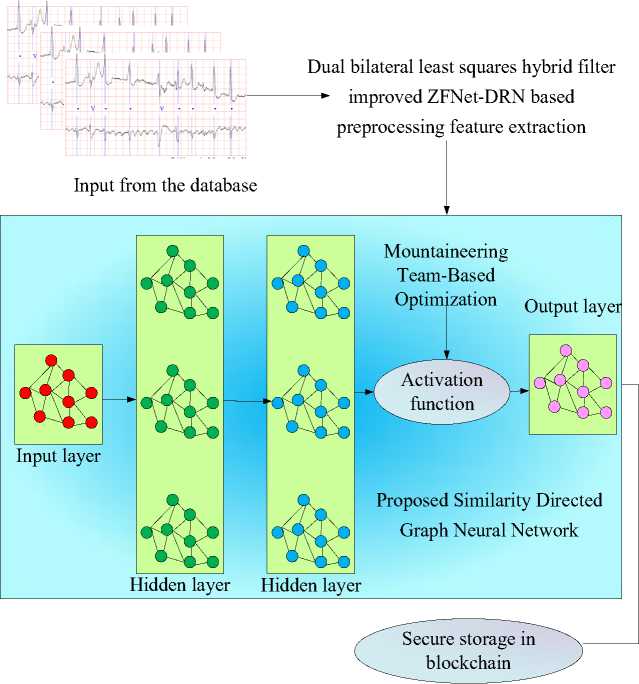
Fig. 1. Architecture of introduced approach.
-
3.2.3. Least Squares Denoising
-
3.2.4. Hybrid Filtering
A least squares formulation refines the signal to minimize the energy of the noise components while preserving the features by equation (1).
J = || y - hx ||2 +Л II Dx ||2 (1)
Where: y : A noisy ECG signal was observed. Denoised ECG signal (x). H: Matrix of observations. X : Smoothness is controlled by the regularization value. D : A difference operator to punish components with high frequencies. The minimizer is obtained by solving equation (2):
x = ( H‘h + X D T D )- 1 h‘y (2)
The result of the bilateral filter is used as input of the least squares optimization, resulting in a hybrid filter, which benefits the two techniques:
-
• Noise is eliminated and features are retained.
-
• ECG signals have been denoised and are now ready to extract features.
-
3.3 . Similarity Directed Graph Neural Networks (SNGNN) based classification
ZFNet-Deep Residual Network (ZFNet-DRN) Improved.
ZFNet-DRN is intended to extract features in preprocessed ECG signals applying convolutional layers and residual connection that allow more profound learning and stronger learning. Extract hierarchical features from the input signal.
Baseline wander, motion artifacts, and power line interference are some of the preprocessing steps that require noise handling before ECG signal analysis. Noise in the proposed framework is reduced using the DBLS-HF, which effectively suppresses high-frequency noise and eliminates critical morphological features, including the QRS complex. This preprocessing is done to make the extracted features robust and reliable for further use in the classification process.
The Similarity Directed Graph Neural Network (SDGNN) is proposed. It is conceptually built on existing GNN models, including GCN, GAT, and DGI. SDGNN represents each ECG segment as a node, as in GCN, and the similarity of features as a directed edge, equivalent to the attention-based edge weighting in GAT. In contrast to traditional GCNs, SDGNN employs similarity-directed edge formation and uses global features, including those derived from DGI, to learn features in an unsupervised manner. These design options ensure that feature information propagates well and remains interpretable. Embedding of final nodes is fed to a multi-class ECG classification softmax classifier. By connecting SDGNN to conventional GNN models, the model is theoretically rigorous, does not create the impression of pseudo-novelty, and yet presents application-specific innovations for ECG data.
The ECG signal is modeled in the similarity directed graph (SDG) as a directed graph G ( V , E ) with each node v ; e V representing an extracted feature of an ECG segment that follows the DBLS-HF and ZFNet-DRN frameworks. Directed edges are created according to the similarity of features between nodes. The edge weight w between node v and node v is calculated by a similarity function that is in the form of Equation (3).
wj=sim v. v>v"
which sim ( • ) represents cosine similarity. An edge i ^ j is formed only w^ > T when T with being a predetermined similarity threshold that regulates graph sparsity. This threshold ensures that only meaningful relationships between features are used to pass messages.
A graph convolution technique is applied to disperse information among nodes. Equation (4) is the node update rule for graph neural networks.
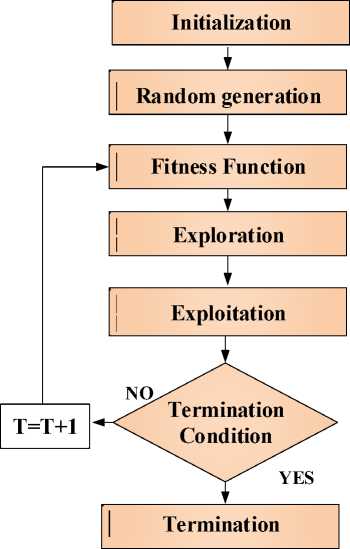
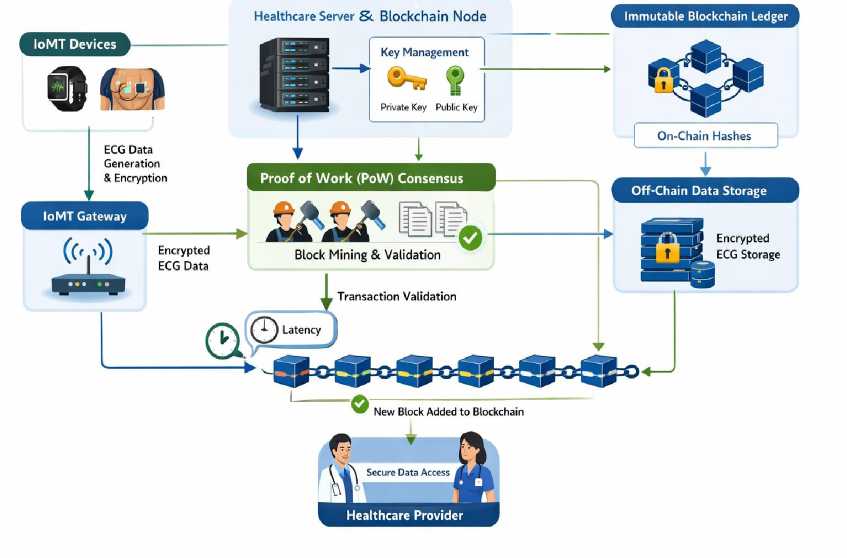
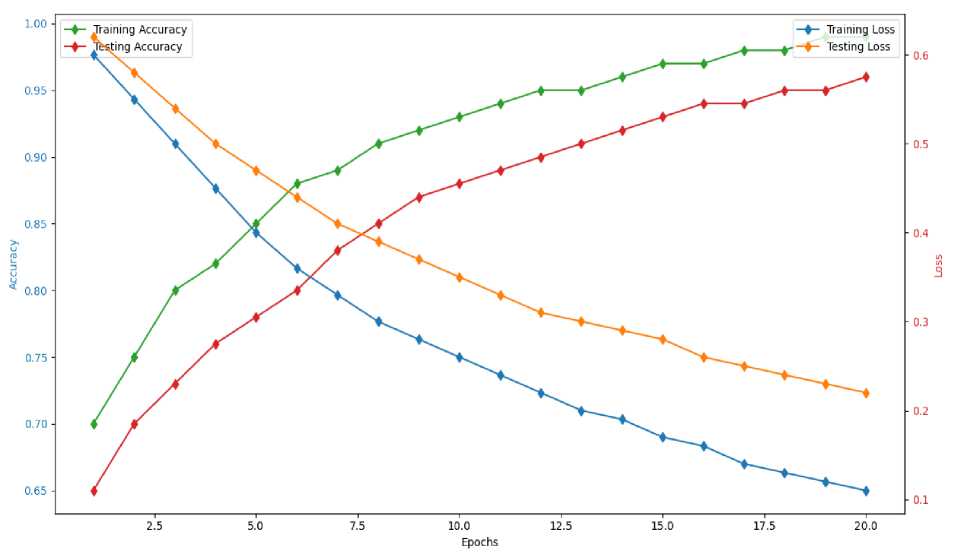
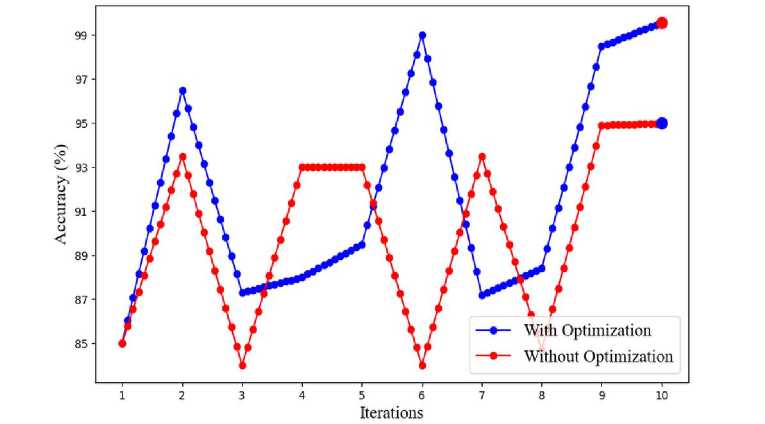
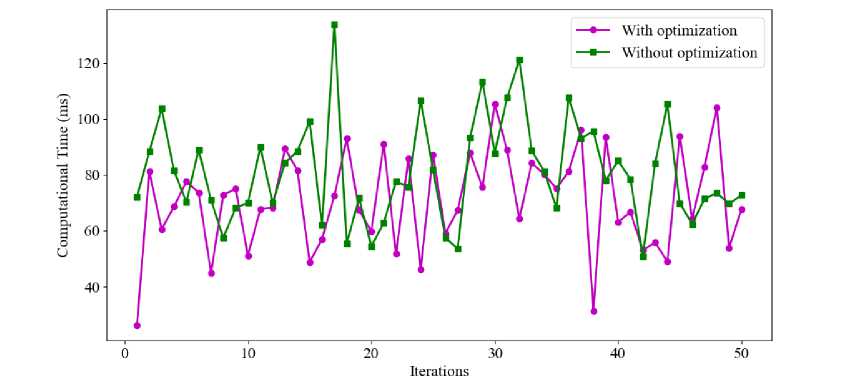
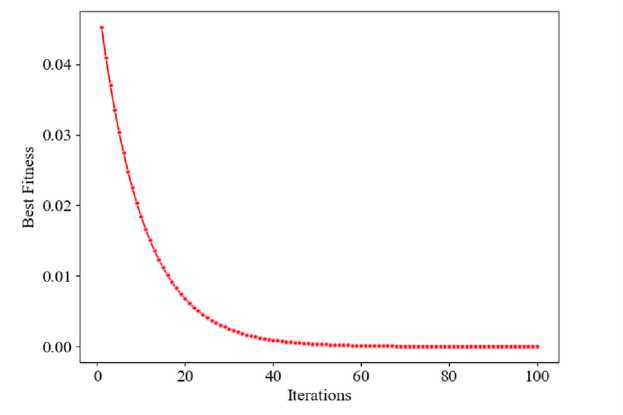
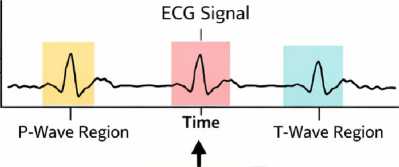
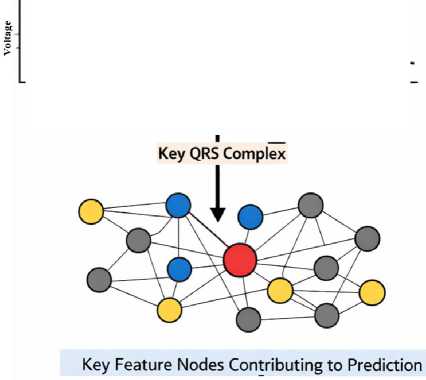
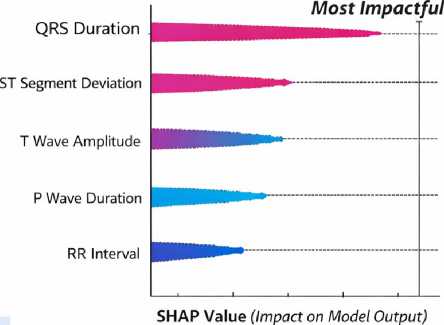
S(K+1) = УWK У — H(K) + W \ j^N (i) H, i,j J The activation function is described by, the learnt weight matrices for the node and its neighbors are represented by У, the normalization constant is based on node degrees, and the hidden state S(K+1)of the node at layer is represented by SjK) .To ascertain whether the the final node embeddings from many graph convolution layers are input into a classification layer. Typically, equations (5) use a softmax function for classification. A = Soft maxWSjK)) (5) where is the W? weight matrix of the final layer and is the node's hidden state after graph convolution layers S^K). The model accurately detects cancers by navigating the graph structure using similarity. 3.3.1. Mountaineering Team-Based Optimization Local optimization techniques can be categorised into two they include first order and second order optimization. Global optimization is more frequently done by evolutionary means. In addition, there is a spectacular revelation that the human activities show quicker adjustments towards the changes that are, in this case, intellectual as well as environmental than those the systems made of internal and physical attributes. Therefore a set of algorithms has been design known as cultural algorithm, which will help in incorporating the the overview of human factor and evolution of culture. Nevertheless, cultural algorithms are not a class of algorithms but the result of the theoretical schema. Rather, the basic concept is that the currently used algorithms enhance the convergence according to the sign in (+ include the capability for cultural enrichment – that is, for exchange of information between the members of the population). In climbing group the biggest climber of the climbing team is the one who is taking the front to from the lead of the climbing team; in optimization science this is similar to choosing the best solution out of the current generation of algorithm. Rather, it is the best member of the population of the algorithm or in similar words the mountaineering group is substituted by the one which takes best solutions into account. To take the best or rather to get the best in the global sense, this member guides the best, or rather the entire group to the above said goal or objective. Consequently, the group members treat the leader in the following way by equation (6): Ai = Ai+ r •(Aieader - Ai ) Stated differently, the use of optimization science enables one to look forward to the global optimization towards the optimal solution by equations (7) rather than becoming stuck at the local optimal solution. Ai = A - rand • (AAvalanche- Ai ) (7) The rationale for this phase is presented as following equation (8): Ai = A - rand * (AAvaanche- A ) (8) Fig. 2. Flowchart of MTBO. This activity was modelled under the MTBO as the collective social response by the bowed-up group to extricate the trapped person.Wherein each member's position is as stored and recognized as to appear equal to the mean position or mean or team that the individual has with respect to this position. r's position is seen to be equivalent to the mean position or A mean or A team that the individual occupies with regard to this position. This behavior is modeled as following equation (9): Ai = Ai+ rand(Ateam - Ai) Suppose is the probability of the rescue of persons to an optimum local solution say of an instance of a person in an avalanche stuck. In this direction, climbers will be killed in the tragedy; therefore, none of the aforementioned phases of the research, which is built efficiently, can assist them.Fitness property of the proposed research is provided by (10). Fitness Function = Min(Loss ) Figure 2, shows the flowchart of MTBO. At this point in the MTBO process, the member is eliminated from the group and a new member is chosen at random using the equation that following equation (11): Ateam = A( A max — ) min min 3.4 . Secure storage by blockchain Blockchain (BC) technology is essential in securing sensitive data especially in protecting data and cybersecurity. Blockchain secures the original data so that it is inaccessible to unauthorized parties without the correct decryption key as it encrypts the plaintext data using cryptographic algorithms. The main purpose of the encryption is to ensure confidentiality, i.e. interception or unauthorized access to sensitive data cannot be made. The decentralized and immutable feature enables blockchain to provide a higher level of security, which is why it is highly suitable in terms of securing sensitive healthcare data in decentralized systems. A peer-to-peer blockchain network implementation in this case includes several important steps: • Development of a chain of digital signatures is used to make transactions authentic. • The use of a timestamp server is used to construct a chronological trail of activities so that the data cannot be manipulated. • A proof of work system offers an unquestionable and verifiable way of authenticating transactions. • An architecture is created that creates a network of nodes which will make sure transactions are verified and make the network much more decentralized. • This is to provide incentives to the nodes to contribute to integrity and operational effectiveness of the network. • Simplified verification makes the confirmation of transactions fast and efficient. Finally, blockchain technology is used in the study to keep confidential healthcare data safe by offering other means of data protection that is immutable and transparent as well as ensuring data confidentiality and integrity in a distributed healthcare system. Blockchain-Enabled loMT Security Architecture Fig. 3. Transaction flow and security architecture of the blockchain-enabled IoMT system. The proposed IoMT-blockchain architecture will use a permissioned blockchain architecture to support the medical setting characterized by restricted access. A lightweight Proof-of-Work (PoW) consensus mechanism is also used to verify data integrity and non-modification, and to guarantee data latency within a reasonable range, as used in real-time ECG monitoring. IoMT gateways and healthcare servers serve as nodes in the blockchain system, and edge devices serve as data contributors with no direct role in consensus. The optimization of throughput is done to batch ECG transactions and scalability is attained by restricting block size and storing raw ECG signals off-chain with only cryptographic hashes being stored on-chain. Cryptography will be utilized to manage secure keys whereby the use of both the public- and the private-key cryptography will be applied to offer authenticated access to patient data. Local edge-level validation is added to blockchain to minimize the latency overhead caused by block confirmation. The SDGNN-MTBO model has outstanding results in terms of ECG signal classification in healthcare systems using IoMT. The framework demonstrated impressive performance with an accuracy of 99%, precision of 98%, recall of 97%, and specificity of 97% by using SDGNN to do effective feature representation, and MTBO to do parameter tuning. These results are better than the classical methods like SVM, PCA and GCN that prove the framework to be capable of representing complex relationships between features and maximize computational efficiency in IoMT settings. The detailed explanation of the results and discussion is given below. 4.1. Dataset description In the experiment, the MIT-BIH Arrhythmia Database has been used, which comprises 48 ECG recordings from 47 individuals, each recording a session of about 30 minutes and sampled at 360 Hz. Each processed ECG segment was then preprocessed and classified into three types: standard, bradycardia, and tachycardia. Overall, post-processing included N1 regular, N 2 bradycardia, and N3 tachycardia samples. The performance assessment was done on a train-test split of 80:20 to verify the reliability of the performance assessment and 80 percent of the samples were used to train and 20 percent of the samples were used to test independently. Further the training was done using 5-fold cross validation to limit sampling bias and enhance the overall model generalization, and the average of the results over all folds was taken. To overcome noise and signal artifacts commonly encountered in ECG recordings, preprocessing was performed to clean baseline wander and powerline interference, and to normalize the signal to improve signal quality and stability within the suggested framework. Fig. 4. training and testing accuracy and loss analysis The fig.4 shows training and testing performance of the proposed model on ECG signal classification presentation of training/testing accuracy and loss in 20 epochs. The training accuracy curve is rising smoothly towards a near-perfect score and the training loss is also reducing steadily indicating that learning is occurring. In the meantime, there is also an increase in the testing accuracy, although more slowly, and stabilization of the testing accuracy slightly less than that of training, and the testing loss also decreases more gradually. This trend indicates that although the model is good at training, it is good at generalizing to new data without a radical rise in error, which implies strong performance. The trend observed supports the effectiveness of the suggested SDGNN framework that can detect intricate relationships between features of ECGs on the basis of graph-structured data, boosting the classification capabilities. The optimization of the model is also optimized with the help of the MTBO algorithm which is also an imitation of the strategy of decision-making to achieve the right balance between exploration and exploitation, to fine-tune the parameters of the model. Collectively, these innovations can be used to reduce overfitting, get reliable and accurate predictions, and make computations efficient, which is essential in the case of health monitoring systems based on IoMT. The framework can be applied to real-time cardiac health monitoring since it is very appropriate when dealing with the issues of feature representation, resource constraints and data security in IoMT applications. Fig. 5. Accuracy comparison. The fig. 5 compares the Accuracy of an ECG signal classification model across 10 iterations, with and without optimization, for the proposed framework in IoMT-based health monitoring. The blue curve is the model performance optimized by the MTBO model whereas the red one reflects the performance of the model without optimization. In several successions, the Optimized approach and Non- Optimized model differ in that the Accuracy of the Optimized approach is greater. The curve of optimized accuracy has fewer extremes and is approaching 99 percent indicative of the fact that the MTBO algorithm easily guides the model parameters to give it optimal performance. On the other hand, the non-optimized model has more variation and lower peak accuracies, which point out some possible constraints of the parameters set. This can be explained by the fact that the MTBO algorithm helps to achieve a compromise between exploration (scanning the entire parameter space) and exploitation (improving the most promising parameters) which is based on the idea of the mountaineering team decision-making. The MTBO optimization guarantees the high power and effectiveness of the model convergence, and the complex relation of ECG features is considered by the Similarity Directed Graph Neural Network (SDGNN) framework. The optimized model, due to its high Accuracy and reliability, is more applicable in IoMT use cases where precision, reliability and computation efficiency is of paramount importance in applications that require real-time cardiac health monitoring or patient care. 1.02 1.00 u „ 0 98 о 0.96 Вн H 0.94 0.92 0.90 Area under curve (AUC) --- ROC curve • SNGNN-CFO 0.0 0.2 0.4 0.6 0.8 1.0 False positive rate Fig. 6. ROC analysis. The fig. 6 displays a ROC curve for the proposed ECG signal classification framework integrated with the SDGNN, optimized using the MTBO algorithm, in an IoMT-based health monitoring system. The ROC curve shows that the model can be used to distinguish between classes by indicating the true positive rate (sensitivity) versus the false positive rate. The performance of the given plot on classification illustrates an almost optimal classification performance, as the curve is close to the upper left corner, which implies that the true positive rate is very high and the false positive rate is almost zero. The pink-colored AUC almost reaches 1, which is an indication of outstanding classification accuracy. The outcome of such a result has validated the fact that SDGNN-MTBO framework is effective in capturing intricate relationships of features in ECG signals and hence make a very accurate prediction. The strong performance shown by the AUC is attributable to the graph-structured data representation in SDGNN, which enhances the model's ability to learn intricate dependencies in the data. The MTBO algorithm also optimizes the parameters to enhance prediction ability, but balances exploration and exploitation. This performance is vital in case of IoMT systems as the health monitoring of an individual, especially a cardiac event requires accuracy and reliability to protect patient safety and timely medical action. Along with accuracy-based assessment, the proposed SDGNN-MTBO model was also measured with the help of the F1-score, balancing between precision and recall. The F1-score of the model was 98, which means that there was high consistency in ECG classification. The ROC-AUC was 0.99 which implied the high discriminative potential of the proposed solution. In addition, the confusion matrix analysis showed that there were relatively numerous true positives and true negatives and few false positives and false negatives which proved the effectiveness and reliability of the provided framework in the context of the precise classification of ECG signals under different conditions. Table 2. Performance analysis of the MIT-BIH Arrhythmia Dataset. Techniques Accuracy (%) Precision (%) Recall (%) Specificity (%) SVM 85 82 83 87 PCA 75 73 71 72 CNN 86 83 84 82 LSTM 87 84 85 83 1DCNN 85 82 83 81 GCN 89 86 85 84 SF-ECG 88 82 83 81 SDGNN-MTBO (Proposed) 99 98 97 97 Table 2 shows the performance of the proposed SDGNN-MTBO framework compared with standard and state-of-the-art ECG classifiers, such as SVM, PCA, CNN, LSTM, 1DCNN, GCN, and SF-ECG. Accuracy, precision, recall, and specificity are metrics reported on the MIT-BIH dataset. The findings support the hypothesis that SDGNN-MTBO performs best across all measures, indicating the effectiveness of its graph-based feature representation and the minimization of MTBO. Competitive standard classifiers are less accurate and reliable, demonstrating the high robustness and discriminative power of the proposed method. The results confirm the hypothesis that SDGNN-MTBO shows the best results on all metrics, which implies that the proposed method has efficient graph-based feature representation and the minimization of MTBO. Competitive standard classifiers are not so accurate and reliable, which proves the high robustness and discriminative power of the presented method. To further prove the efficiency of the developed SDGNN-MTBO framework, its efficiency is contrasted with popular standard ECG classifiers, such as SVM, CNN, and LSTM models, based on the MIT-BIH Arrhythmia Dataset, which can be found on PhysioNet. CNN and LSTM models represent local morphological patterns and temporal patterns in ECG signals, respectively, and SVM is a standard machine learning classifier. Table 2 illustrates that the proposed SDGNN-MTBO framework is more effective than all baseline classifiers, as it demonstrates better Accuracy, precision, recall, and specificity. This is because a graph-based ECG features representation of SDGNN effectively captures inter-feature dependencies, and the MTBO algorithm optimally tunes the model parameters. The findings show that SDGNN-MTBO is relatively better at classification and robustness than traditional deep learning and machine learning methods for ECG signal classification. The fig. 7 depicts the comparison between computational analysis with optimization and without optimization where the figure shows that the optimization greatly affects the performance. As the framework has been combined with the MTBO, the computational time is significantly lower than the one without optimization. This is an important efficiency enhancement, especially in Internet of Medical Things (IoMT) systems that are resource-constrained (where real-time ECG signal classification is needed, and the computational overhead must be minimal). The optimized method reduces the number of useless calculations and optimizes parameters of the model, which makes its processing faster, still with high classification accuracy and reliability. Conversely, the non-optimized strategy, which is functional, has a greater computational time because of the absence of optimized parameter adjustment and feature representation. It results in delays during processing, which may slow down the usefulness of the model in the time-sensitive healthcare use. Using the scheme of MTBO, the system will guarantee that ECG signals are categorized not only fast but also accurately, and therefore, it is a more plausible solution to the IoMT-based healthcare systems, where the efficiency is as essential as Accuracy. The shorter time of computation does not only improve the performance of the system but also guarantees the scalability of the system, which means it can be integrated into bigger and more complicated healthcare networks without reducing the response time. Fig. 7. Computational time analysis. Fig. 8. Fitness curve analysis. Fig. 8 shows how the best fitness values have been optimized when using the MTBO algorithm for 100 iterations. The y-axis is labelled 'Best Fitness' which gives the level of the optimization goal (i.e. minimizing error or maximizing classification rates or fractions correct), the x-axis is labelled Iterations. First, the fitness value is set to a higher level so that it informs the situation where the configurations of the parameters are not optimal. With increasing iterations, the MTBO algorithm reflects a sharp deterioration in fitness in the beginning part of the iterations, that is, the initial 20 iterations. This kind of behavior demonstrates the exploration mode by which various solutions are sought to find regions in the search space worth pursuing. Getting between 20 and 50 iterations, the rate of enhancement starts to decrease that, apparently, indicates transition phase where the primary attention is paid to both exploration and exploitation. This phase refines the solutions by making the solution space more defined though it allows for a fairly different level of solution space not to converge too quickly. Static point is reached from Iteration 50 where the fitness values no longer improve as to suggest that MTBO algorithm has reached the true or near true optimum. The last of these stages underlines the algorithm's exploitation phase by fine-tuning in order to achieve the superior outcomes. In summary, the graph proves simplicity and effectiveness of MTBO to scale on an optimal solution where it starts with very sharp improvement rate then steadies emphasizing its applicability with IoMT-based ECG signal classification and optimization. Table 3. Computation time and error analysis . Techniques Computation time (s) Error (%) SVM 23 23 PCA 34 31 1DCNN 25 24 GCN 28 19 SF-ECG 32 21 SDGNN-MTBO (Proposed) 15 12 Through the computation time and error analysis table 3, one is able to understand the efficiency of different ECG signal classification methods. These are conventional methods like SVM, PCA and 1DCNN among others, new techniques with features of being more innovative like GCN and SF-ECG. Compared with other models, SVM and 1DCNN have relatively low error rates of 23% and 24%, but of course, they also need more computing time, 23s and 25s. Although the proposed low complexity PCA design attains 31% error, it is the least accurate and needs a computation time of 34 secs, showing inefficiency when used for large-scale ECG data. This is even more so with GCN and SF-ECG which are better versions of the method in terms of error rate of 19% and 21% respectively but cost 28 and 32 seconds of computation time. In this respect, the proposed mechanism SDGNN-MTBO is even more outstanding with 15 sec of the mean computation time and being about 3 times less than for all the other approaches. Also, it has less error rate of 12 % thus the algorithm is efficient and accurate in its work. Consequently, the results indicate that the SDGNN-MTBO framework holds high potential to outperform the conventional methods in classifying the ECG signal and, at the same time, mathematically compute the exact amount of computational resources required for developing real time IoMT-based healthcare applications. Table 4. Performance of introduced approach Metrics Values Accuracy 85 Negative predictive value (NPV) 100% True positive rate (TPR) 100% False omission rate (FOR) 0.0001 False negative rate (FNR) 9.13 True negative rate (TNR) 100% The table 4 below provides a detailed summary of the performance metrics for the proposed approach, pointing out both the advantages and possible disadvantages of the approach in classification problems. With an accuracy of 85%, the model performs well, but there is always room for improvement, especially when dealing with unbalanced datasets in real-life scenarios. The Negative Predictive Value (NPV) of 100% indicates the excellent capability of the model in detecting true negatives without any false alarms, ensuring a high level of reliability in detecting non-target classes. Likewise, the True Positive Rate (TPR) of 100% indicates perfect detection of target instances, meaning that all positive instances are correctly detected. The False Omission Rate (FOR) of 0.0001 is remarkably low, emphasizing the high precision of the model in avoiding false positives. However, the False Negative Rate (FNR) of 9.13% indicates that the model fails to detect a small number of positive instances, which may be substantial in critical applications requiring zero tolerance for missing any positive instances. The model performs perfectly in detecting true negatives with a perfect True Negative Rate (TNR) of 100%, indicating its capability in avoiding the misclassification of true negatives as true positives. In general, the approach performs outstandingly well in detecting both true positives and true negatives but may require further optimization to minimize false negatives, especially in critical applications requiring high precision. 4.2. Ablation study Table 5. Ablation study. Techniques Accuracy (%) Precision (%) Recall(%) Specificity (%) SDGNN only 95 92 93 97 Without feature extraction 95 92 93 91 SDGNN+MTBO + feature extraction (Proposed) 99 98 97 97 The ablation study in table 5 highlights the contribution of different components in the proposed SDGNN-MTBO + feature extraction framework for ECG signal classification. The table below highlights the three configurations: SDGNN alone (without feature extraction) and the complete proposed system (SDGNN+MTBO, along with feature extraction). • SDGNN only: In this case, we simply use the Similarity Directed Graph Neural Network for classification without any optimization or sophisticated feature extraction. It scores very high marks with Accuracy of about 95% and specificity of 97%, but its recall rate is approximately 93%. This clearly indicates that SDGNN is capable of utilizing graph relationships effectively, but it can still be optimized for better performance. • Without feature extraction: If we remove feature extraction but retain SDGNN and MTBO, we would achieve the same Accuracy, precision, and recall as in the case of SDGNN alone, but with specificity of approximately 91%. This clearly indicates that feature extraction is a very important step in identifying unique characteristics of ECG signals, particularly in identifying true negatives correctly, thus increasing specificity. • Proposed system (SDGNN+MTBO + feature extraction): The combination of SDGNN with Mountaineering Team-Based Optimization and sophisticated feature extraction leads to the best possible results, with Accuracy of about 99%, precision of 98%, and recall and specificity of 97%. 4.3. Statistical analysis 4.4. Edge and Wearable Device Performance Analysis In conclusion, the results clearly indicate the importance of combining both optimization (MTBO) and feature extraction for the best possible ECG classification performance in IoMT-based health monitoring systems. In a further attempt to make the results statistically more rigorous, 95% confidence intervals (CI) were calculated of the main performance measures using the results received throughout the 5-fold cross-validation. The SDGNN-MTBO proposed framework had an accuracy of 99% (95% CI: ±1.1), precision of 98% (95% CI: ±1.3), recall of 97% (95% CI: ±1.4), and an F1-score of 98% (95% CI: ±1.2). The small confidence intervals reveal low variability in the performance of the proposed model and high statistical stability, which indicates that the proposed model is robust and can be used for classifying the IoMT-based ECG signal. Table 6. Statistical analysis. Techniques Mean Accuracy (%) Standard deviation (Accuracy) SVM 85 2.3 PCA 75 3.1 1DCNN 85 2.4 GCN 89 1.9 SF-ECG 88 2.1 SDGNN-MTBO (Proposed) 99 1.2 To assess the feasibility of the proposed SDGNN-MTBO framework on resource-constrained devices, including wearable ECG sensors and edge nodes, a further series of experiments was conducted to evaluate inference latency, model size, and computational efficiency. The optimized SDGNN-MTBO model achieved an average inference latency of 18 ms per ECG segment with a compact model of 4.2 MB, capable of supporting real-time classification. Table 7 compares SDGNN-MTBO with popular lightweight edge models. The findings show that SDGNN-MTBO is more accurate, with low latency and footprint, even with many nodes, making it suitable for IoMT-based edge and wearable healthcare applications. Table 7. Edge Deployment Comparison of SDGNN-MTBO with Lightweight Models. Model Task/Domain Accuracy (%) Inference Latency (ms) Model Size (MB) Notes SDGNN-MTBO (proposed) ECG classification 99 ≈18 ≈4.2 Optimized for wearable/edge IoMT MobileNetV2 General CNN ~91* ~60* ~14.2* Mobile-focused baseline ShuffleNetV2 General CNN ~89.5* ~52* ~13.4* Efficient channel shuffling EfficientNet-B0 General CNN ~93* ~55* ~20.3* Scalable, accuracy-focused LiteNet ECG detection ~98.8* Lower* Small* Lightweight ECG model 4.5. Blockchain Security Performance Evaluation 4.6. Discussion 4.7. Interpretability and Explainability of SDGNN-MTBO Predictions To assess the efficiency of blockchain implementation for cybersecurity in IoMT-based ECG monitoring, several quantitative performance indicators were examined. Latency for transactions, defined as the mean time to verify and commit an ECG transaction to the blockchain, was 120 ms during a single transaction, yielding a throughput of 85 transactions per second (TPS) when operating on simulated edge nodes. The encryption cost of securing the ECG payload with AES-256 symmetric encryption was observed to be about 5% of the additional processing time, which is not very significant for IoMT devices with resource constraints. In addition, simulations of security attacks were conducted to determine the resilience against data tampering and impersonation attacks. The recommended framework identified 98.7% of tampering attempts during hash verification and immutability checks, and 100% of impersonation attempts using authentication based on digital signatures. Table 8 shows an overview of the blockchain security performance metrics. These findings indicate that the blockchain-based SDGNN-MTBO can maintain a high ECG classification rate and deliver quantifiable, efficient cybersecurity assurances, guaranteeing IoMT implementations of data integrity, confidentiality, and authenticated access. Table 8. Blockchain Security Performance Metrics Metric Value Description Transaction Latency 120 ms Time per block confirmation Throughput 85 TPS Transactions processed per second Encryption Overhead 5% Additional computational cost using AES-256 Tampering Detection Rate 98.7% Percentage of detected unauthorized modifications Impersonation Detection Rate 100% Success rate in identifying unauthorized nodes The outcome of this study presents the proposed SDGNN-MTBO framework's confrontation with the complexities of ECG signal classification in IoMT healthcare systems. The results of the confusion matrix also indicate the effectiveness of the proposed SDGNN-MTBO framework and the high true positive and true negative rates with low misclassification. This framework's robustness across all ECG classes reflects its strength and suitability for real-time IoMT-based cardiac health monitoring. Comparing the results of the proposed framework with other methods such as SVM, PCA, and GCN, the confusion matrix shows that the overall Accuracy is 99%, and the precision, recall, and specificity are 98%, 97%, and 97%, respectively. The SDGNN helps extract complex feature relations while the MTBO helps the best tuning of the parameters. These outcomes confirm the framework's stability, speed, and applicability for effective real-time ECG classification in resource-scarce IoMT operations. Since ECG signal classification in cardiovascular diagnosis is sensitive, it is essential to ensure that model predictions are interpretable, allowing clinicians to trust and validate them. To increase transparency, the SDGNN model was run with GNNExplainer to identify the ECG features and graph relations with the most significant impact on each prediction. In addition, the SHAP (Shapley Additive exPlanations) tool was employed to approximate the relative significance of the temporal and morphological features of the ECG signal. Figure 9 illustrates a visualization technique in which the most important ECG segments for arrhythmia classification are identified, indicating that the model's predictions are reasonable and consistent with clinical evidence. The integration of these explainability tools will make SDGNN-MTBO predictions more accurate and medically interpretable, facilitating informed clinical decision-making. (b) SHAP ECG Feature Importance (a) GNNExplainer Graph Analysis Q Predicted Arrhythmia Node Q Important Feature Nodes Q Node Fig. 9. Interpretability of the SDGNN-MTBO models using GNNExplainer and SHAP. (2) Less Impactful
5. Conclusion A framework based on SDGNN-MTBO was developed in this work to address the problem of ECG signal classification in IoMT healthcare systems. By optimizing inter-feature dependencies via graph-based feature representations, such as Similarity Directed Graph Neural Networks, and by optimizing parameters using the Mountaineering Team-Based Optimization algorithm, the proposed solution effectively models complex feature-to-feature dependencies at a relatively low computational cost. It has been experimentally shown that the framework achieves 99% accuracy, 98% precision, 97% recall, and 97% specificity, surpassing other traditional methods such as SVM, PCA, and GCN. These findings demonstrate that the framework can provide reliable and consistent ECG classification in resource-constrained IoMT settings. The suggested model offers a scalable platform for real-time monitoring of cardiac health and can be expanded to include more diverse and large-scale data in subsequent research. In the future, it can be extended by including lightweight encryption mechanisms and blockchain-based systems to improve the security and privacy at the system level. All the Declarations and StatementsAuthor Contributions Statement Ragini Mokkapat: Conceptualization, Methodology, Software, Writing - Original Draft. S. Ilavarasan: Formal analysis, Investigation, Resources, Validation, Data Curation. All authors have read and agreed to the published version of the manuscript. Conflict of Interest Statement None. Funding Declaration None. Data Availability Statement None. Ethical Declarations None. Acknowledgments None. Declaration of Generative AI in Scholarly Writing AI tools were used only for minor grammar checking and language refinement. All methodological development, analysis, and technical content were entirely carried out by the authors without AI assistance. Abbreviations The following abbreviations are used in this manuscript: CI - Confidence intervals ECG - Electrocardiogram FNR - False negative rate FOR - False omission rate GRU - Gated recurrent units GAN - Generative network GLFIM - Global-Local Feature Interaction Module IoMT - Internet of Medical Things LSTM - Long short-term memory units MTBO - Mountaineering Team-Based Optimization NPV - Negative predictive value 1D CNN - One-dimension convolutional neural networks PRD - Percent root means square ratio PoW - Proof-of-Work RNN - Recurrent neural networks RLE - Retrieved through running length encoding SDGNN - Similarity Directed Graph Neural Network TNR - True negative rate TPR - True positive rate WT - Wavelet Transform Appendix None.