
The Metaphors Gifted Students Attribute to the Concept of Digital Citizenship
Journal: International Journal of Progression and Development in Education (IJPADE) @ijpade
Article in issue: 1 vol.3, 2025.
Free access
This study aims to identify the metaphors developed by gifted students attending Science and Art Centers (SAC) in Türkiye regarding the concept of digital citizenship. The research was designed using the case study model, one of the qualitative research approaches. The study group consisted of 100 students, all officially diagnosed as gifted and currently studying in grades 5 through 8 at SAC institutions. Data were collected through a form containing a single open-ended question: “Digital citizenship is like … because …”. The collected data were analyzed using the content analysis method. To enhance the reliability of the analysis, the coding process was carried out independently by two researchers, and the inter-coder reliability was calculated as 91.6%. As a result of the analysis, 20 different metaphors developed by the students were identified and grouped under four main themes: guidance and counseling, reflection and identity, ethical responsibility and development, and protection and security. Based on the research findings, eight key recommendations were proposed: integrating ethical responsibility into digital citizenship education, developing guidance and counseling methods, providing training on digital identity and security, utilizing metaphorical thinking techniques, encouraging continuous development and adaptation, fostering social responsibility and awareness, implementing digital safety and identity protection education, and ensuring the active involvement of families and the broader community in digital citizenship education. These findings highlight the importance of incorporating gifted students’ perceptions of the digital world into educational programs and demonstrate that metaphor analysis is an effective method for gaining in-depth insights into their values and levels of digital awareness.
Short address: https://sciup.org/170213314
IDS: 170213314 | DOI: 10.5281/zenodo.15777378
Üstün Yetenekli Öğrencilerin Dijital Vatandaşlık Kavramına Yükledikleri Metaforlar
Bu çalışma, Türkiye'deki Bilim ve Sanat Merkezlerinde (BİLSEM) öğrenim gören üstün yetenekli öğrencilerin dijital vatandaşlık kavramına ilişkin geliştirdikleri metaforları belirlemeyi amaçlamaktadır. Araştırma, nitel araştırma yaklaşımlarından biri olan durum çalışması modeli kullanılarak tasarlanmıştır. Çalışma grubu, resmi olarak üstün yetenekli tanısı almış ve BİLSEM kurumlarında 5-8. sınıflarda öğrenim görmekte olan toplam 100 öğrenciden oluşmaktadır. Veriler, tek bir açık uçlu soru içeren form aracılığıyla toplanmıştır: "Dijital vatandaşlık ... gibidir, çünkü ...". Toplanan veriler içerik analizi yöntemi kullanılarak analiz edilmiştir. Analizin güvenirliğini artırmak amacıyla kodlama süreci iki araştırmacı tarafından bağımsız olarak gerçekleştirilmiş ve kodlayıcılar arası güvenirlik %91,6 olarak hesaplanmıştır. Analiz sonucunda öğrenciler tarafından geliştirilen 20 farklı metafor tespit edilmiş ve dört ana tema altında gruplandırılmıştır: rehberlik ve danışmanlık, yansıtma ve kimlik, etik sorumluluk ve gelişim ile koruma ve güvenlik. Araştırma bulgularına dayalı olarak sekiz temel öneri sunulmuştur: etik sorumluluğun dijital vatandaşlık eğitimine entegrasyonu, rehberlik ve danışmanlık yöntemlerinin geliştirilmesi, dijital kimlik ve güvenlik konularında eğitim verilmesi, metaforik düşünme tekniklerinin kullanılması, sürekli gelişim ve uyumun teşvik edilmesi, sosyal sorumluluk ve farkındalığın desteklenmesi, dijital güvenlik ve kimlik koruma eğitiminin uygulanması ve ailelerin ve toplumun dijital vatandaşlık eğitimine aktif katılımının sağlanması. Bu bulgular, üstün yetenekli öğrencilerin dijital dünyaya ilişkin algılarının eğitim programlarına dahil edilmesinin önemini vurgulamakta ve metafor analizinin onların değerleri ve dijital farkındalık düzeyleri hakkında derinlemesine bilgi edinmek için etkili bir yöntem olduğunu göstermektedir.
Text of the scientific article The Metaphors Gifted Students Attribute to the Concept of Digital Citizenship
Advancements in technology have spread like a powerful current, influencing all aspects of life and affecting every segment of society. In this transformation process, the internet and digital devices have emerged as key components. Technological developments have reshaped the concept of citizenship, extending beyond traditional boundaries and introducing a digital dimension. In this context, the concept of "digital citizenship" has emerged, referring to individuals' rights and responsibilities within an electronic environment based on two-way interactions (Karakuyu, 2023).
Digital citizenship is regarded as a modern understanding of citizenship in today's world. Farmer (2010) defines digital citizenship as the ability of individuals to access information via the internet and utilize this information for both personal and societal benefit. A digital citizen is someone who adopts a critical perspective when using information and communication technologies, values ethical principles, and carries a sense of responsibility in all activities conducted in the digital environment (Mercimek et al., 2016). Just as in daily life, individuals who can effectively and consciously carry out official transactions are considered digital citizens.
Digital citizenship is a comprehensive concept with multiple dimensions. It consists of nine fundamental components: digital health, digital security, digital rights and responsibilities, digital law, digital access, digital ethics, digital commerce, digital literacy, and digital communication. Ribble (2015) explains these components as follows: Digital Access: The ability of individuals to connect to the internet quickly and reliably from anywhere. Digital Ethics: Acting consciously in the digital world while being aware of rights and responsibilities. Digital Law: Understanding and complying with the regulations and laws that apply in digital spaces, just as in the physical world. Digital Rights and Responsibilities: Ensuring individuals have the freedom to participate in digital spaces, the right to report negative experiences, and the ability to protect their rights. Digital Health: Taking necessary precautions to prevent physical and psychological issues arising from technology use. Digital Security: Protecting personal data and digital tools from threats. Digital Literacy: Developing the ability to access, evaluate, create, and share information effectively by using technology appropriately. Digital Communication: Engaging in secure and effective communication through appropriate digital platforms. Digital Commerce: Conducting online transactions, including digital banking services and the buying and selling of goods and services (Ribble, 2015).
The primary goal of digital citizenship education is to raise awareness about human rights, international solidarity, and pressing global issues such as poverty, environmental pollution, climate change, and child labor, fostering responsible individuals (Schattle, 2008). Today, digital citizenship is considered one of the essential skills individuals must possess. This is especially critical for students who heavily use technology and participate in digital learning processes. The International Society for Technology in Education (ISTE) defined seven learning standards in 2016, one of which is digital citizenship. According to these standards, individuals are expected to engage in digital life, learning, communication, and work processes within a secure, legal, and ethical framework. Students should consciously manage their digital identities and be aware that every action they take in the digital environment leaves a digital footprint. They should conduct all their online activities in compliance with security, legality, and ethical guidelines. Additionally, they must understand the concept of intellectual property rights and act accordingly. Protecting personal data and adhering to digital security principles are also crucial aspects of responsible digital citizenship (ISTE, 2016). Furthermore, digital citizenship education aims to cultivate globally aware and conscientious individuals, instilling a sense of global belonging (Banks, 2004). While digital citizenship education is relevant for all learners in today’s technology-driven world, it holds particular significance for specific student populations such as gifted individuals. These students often possess not only advanced intellectual abilities but also a heightened sensitivity to ethical issues, social justice, and global concerns. Their early and active engagement with digital platforms further underscores the need for targeted approaches in fostering responsible and critical digital behaviors. Therefore, exploring how gifted students understand and interpret digital citizenship can provide meaningful contributions to both theory and practice in gifted education. In this context, the present study focuses on the metaphorical perceptions of gifted students regarding digital citizenship, aiming to shed light on how they cognitively and emotionally relate to this multidimensional concept.
The concept of metaphor originates from the Greek words "meta" (beyond, above) and "pherein" (to carry) (Açar, 2017; Demir, 2007). Metaphors hold various meanings across disciplines: while they are perceived as "analogies" in sociology and philosophy, they are treated as "figures of speech" in literature and linguistics and are often utilized as "comparative tools" in educational sciences (Balaban & Yapici, 2013; Eren, 2018). Fundamentally, a metaphor involves understanding and explaining one concept through the lens of another. As a cognitive mapping tool, metaphors activate higher-order thinking skills such as analysis, synthesis, abstraction, and analogical reasoning. They support the visualization and internalization of complex or abstract ideas by linking them to more familiar experiences or concepts (Girmen, 2007; Kövecses, 2002 ; Tiryaki, 2017). This makes metaphorical thinking particularly suitable for gifted individuals, who typically possess advanced cognitive capacities, strong imagination, and a natural inclination for conceptual and abstract thinking. The open-ended and symbolic nature of metaphor use aligns well with gifted students’ preference for exploring meaning beyond the surface, making it a powerful tool not only for expression but also for assessing their internal perceptions and worldviews. In this context, metaphor analysis emerges as a valuable method for uncovering how gifted learners interpret multifaceted concepts such as digital citizenship.
Research aimed at understanding gifted students’ perceptions of educational environments and the actors within these settings through metaphors is valuable in revealing how students internalize concepts such as school, teacher, principal, and courses. In a study conducted by Ogurlu, Opengin, and Hizli (2020), metaphors produced by 103 gifted students attending Science and Art Centers regarding the concepts of school and teacher were examined. The findings indicated that students’ metaphors for school predominantly fell under the category of a “peaceful and protective environment,” whereas teacher metaphors clustered in the category of a “protective and supportive person.” Furthermore, a significant difference was found between female and male students regarding metaphorical categories associated with the concept of school, while no gender-based difference was observed concerning perceptions of teachers. Similarly, Aslan and Dogan (2016) conducted a study comparing the metaphorical perceptions of 47 gifted students enrolled at the Sanliurfa Science and Art Center towards formal schools and Science and Art Centers. The results revealed that students associated formal schools more with “competition,” “fear,” and “underdevelopment,” whereas they metaphorically described Science and Art Centers as “relaxing,” “developing,” and “exciting.” This finding provides insight into the affective and cognitive evaluations students hold toward two distinct educational settings. In another study, Oguz (2020) investigated the metaphorical perceptions of 75 gifted students at the Samsun Science and Art Center regarding Turkish language courses and Turkish language teachers. Conducted within a qualitative framework, this study classified students’ metaphors into nine themes and sixteen subcategories through content analysis. The study concluded that students expected Turkish language courses to be differentiated to better meet their special learning needs. Finally, Dogan and Dogan (2021) explored gifted students’ metaphorical perceptions of the concept of “principal.” Data collected from 54 students at Sanliurfa Science and Art Center resulted in 54 valid metaphors, which were categorized into eight conceptual groups. Principals were perceived at times as “advisors and guiding leaders,” and at other times as “strict and authoritative figures.” These findings highlight that perceptions of administrative figures are also shaped by students’ lived experiences. A common thread running through these studies is that gifted students express their internal thoughts and feelings about their educational experiences through metaphors, which reflect both their perceptions of current educational settings and their needs. Thus, metaphor analysis emerges as an effective qualitative method for understanding the educational perceptions of this special student group.
Metaphor studies related to the inclusion process in special education have also been conducted. Alti ntas et al. (2015) explored the metaphorical perceptions of prospective teachers regarding the concepts of "inclusive education," "inclusive teacher," and "inclusive student." Talas (2017) examined the metaphors that preschool teacher candidates used to describe the concept of an "inclusive student," categorizing them into two groups: positive (52) and negative (22) metaphors. Additionally, metaphor studies concerning gifted individuals can be found in the literature. Duran and Daglioglu (2017) analyzed the metaphorical perceptions of preschool teacher candidates regarding gifted children. Similarly, Bulut (2018) investigated the metaphors created by prospective classroom teachers regarding the concepts of "gifted individuals" and "special education."
Research on the use of metaphors in the field of special education has generally focused on prospective teachers or educators. However, the metaphorical expressions reflecting the experiences and perceptions of gifted students themselves constitute an important resource for understanding their level of awareness and perceptions regarding the concept of digital citizenship. Digital citizenship is a critical concept in today's digital age, emphasizing individuals’ development of responsible, ethical, and conscious online behaviors. In this context, examining how gifted students perceive digital citizenship through metaphors will provide valuable insights for both educators and policymakers. This study aims to reveal the metaphors that gifted students use to describe the concept of digital citizenship and to classify these metaphors according to their common characteristics. Additionally, the study focuses on the underlying reasons shaping students' perceptions of digital citizenship and the educational implications of these perceptions. The primary research questions are as follows:
-
1. What metaphors do gifted students use to describe the concept of digital citizenship?
-
2. What are the main reasons shaping gifted students’ perceptions of digital citizenship?
METHOD
In this section of the study, the research design, study group, data collection, data analysis, and validity and reliability are discussed.
Model/Design
In this study, a qualitative research model was adopted to conduct an in-depth examination of gifted students’ metaphorical perceptions related to the concept of digital citizenship. Qualitative research can be conducted using the case study approach to investigate a contemporary phenomenon or situation within its real-life context in detail (Giorgi & Giorgi, 2003; Merriam, 2013). Within this framework, the concept of digital citizenship was considered as a unique and current phenomenon within the context of gifted students, and the case study design was chosen to reveal students’ perceptions of this concept. The case study approach is particularly appropriate when the phenomenon needs to be examined within its natural context and when the boundaries between the phenomenon and its context are not clearly distinguishable (Patton, 2014). In this research, how gifted students perceive the concept of digital citizenship and what educational meanings these perceptions carry were examined in detail based on the participants’ own experiences and expressions. Data were collected through semi-structured interviews conducted with gifted students, and the metaphorical expressions obtained were analyzed using content analysis. In this process, metaphors related to the concept of digital citizenship were identified and thematically categorized based on their common characteristics. Additionally, the reasons why students used these metaphors were explored in depth.
Participants
Data Collection Process
The data were obtained through a data collection tool consisting of a single question: "Digital Citizenship is like .......... because ..........". In metaphor studies, the word "like" is used to relate the situation to a source, while the conjunction "because" is used to explain the reason for the metaphor (Saban, 2008). The data collection tool used in the study was submitted to the ethics committee, and the Ethics Committee of the University of ………………………., Social and Human Sciences Scientific Research and Publication Ethics Committee, approved it on ……… with decision number ………, confirming that there were no ethical concerns. Prior to the data collection process, participants were provided with detailed information about the study and the metaphor.
Data Analysis
In this study, the data collected from gifted students were analyzed using the content analysis method. Content analysis is an analytical technique that enables the creation of categories, themes, and codes by using words or word groups obtained from a text, without altering the content of the text (Büyüköztürk, et al., 2020). In line with the research problems, the obtained data were grouped under codes with similar characteristics, and these codes were combined into broader categories. Therefore, content analysis was preferred for data analysis in this study.
CREDIBILITY
Various measures have been taken to ensure the validity and reliability of the study. In terms of validity, the opinions of the participants were presented as direct quotations. Additionally, the research design, study group, sampling rationale, data collection tool, and analysis process were explained in detail in the methodology section of the study. For reliability, the data obtained from the analysis were shared as direct quotations without interpretation. Furthermore, to evaluate the inter-coder agreement, Miles and Hubermann’s (1994) agreement formula was used. The inter-coder agreement rate was found to be 91.6%.
FINDINGS
The data obtained from the metaphors of digital citizenship of gifted students are presented by category in Figure 1.
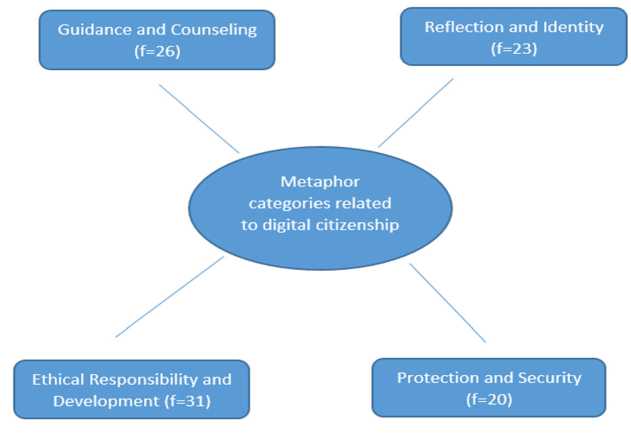
Figure 1. Metaphor Categories Related to Digital Citizenship
According to Figure 1, the metaphor categories related to "Digital Citizenship" are grouped under four main headings. A frequency value (f) has been given for each category. Here is a brief commentary on each category: Guidance and Counseling (f=26): Emphasizes the importance of guidance and counseling in the digital world. It highlights the necessity of providing support and information for users to make informed decisions in online environments. Reflection and Identity (f=23): This category presents a reflection on how individuals create their digital identities and how these identities are perceived. It focuses on the personal and societal reflections of digital identities. Ethical Responsibility and Development (f=31): The category with the highest frequency emphasizes the importance of ethical values in digital citizenship. Responsible behavior on digital platforms and continuous development are the key goals. Protection and Security (f=20): Highlights the necessity of ensuring privacy and security in the internet environment. It emphasizes the importance of providing information on how users can protect themselves. First, information regarding the content of the Guidance and Counseling category is presented in Figure 2.
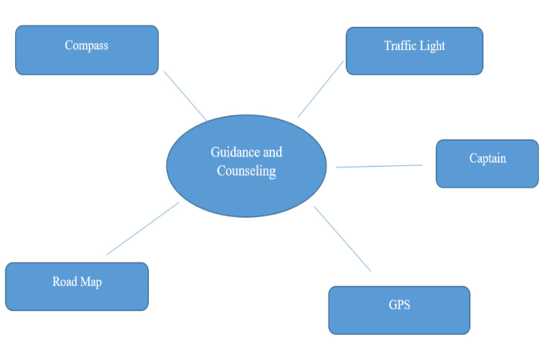
Figure 2. Metaphors of Digital Citizenship as Guidance and Orientation Category
Under this main theme, the metaphors students used to conceptualize digital citizenship include tools such as a compass, traffic light, road map, captain, and GPS. First, the student statements related to the compass metaphor are presented below: Participant 1 stated, "In the digital world, like a compass, I need a guide to help me find the right path. Using information correctly ensures that I stay on the right track." Another student, Participant 2, said, "Like a traffic light, I need to understand when to stop or go on digital platforms; I should know what information to share or what to access." Participant 3 expressed, "Like a road map, I need to make a plan in the digital world. I must decide in advance which steps to take and which resources to use." Additionally, Participant 4 shared, "Like a captain, I must fulfill my responsibilities and navigate safely in online environments." Finally, Participant 5 stated, "Like a GPS, I need tools to help me move forward without losing my direction. Information and resources are my compass to reach my goal."
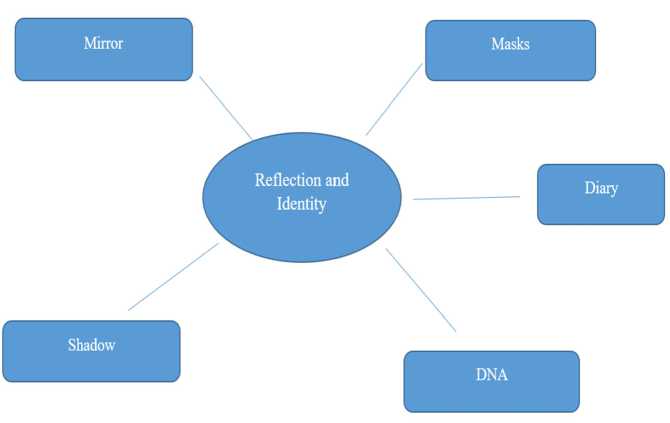
Figure 3. Themes of the Digital Citizenship Category as Reflection and Identity
The metaphors students used to describe the concept of digital citizenship are grouped under five main themes: mirror, shadow, mask, diary, and DNA. Participant 1 stated, “A mirror does not just reflect our physical appearance but also our soul,” while Participant 2 expressed, “Sometimes others hold a mirror to us, helping us understand ourselves better.” Regarding the shadow metaphor, Participant 3 said, “A shadow is always with us, but sometimes we don’t even notice it,” and Participant 4 added, “A shadow represents our past or fears that follow us, yet we often avoid confronting them.” Among the mask metaphors, Participant 5 noted, “People wear different masks in different environments,” and Participant 6 said, “Wearing a mask is not always bad; sometimes we need it to protect ourselves.” Concerning the diary metaphor, Participant 7 shared, “A diary is a space where we can freely express ourselves,” while Participant 8 stated, “Even if we forget how we felt in the past, the pages help us remember.” Finally, in the context of the DNA metaphor, Participant 9 expressed, “DNA is what makes us who we are,” and Participant 10 remarked, “DNA seems unchangeable, but our environment and experiences shape us.”
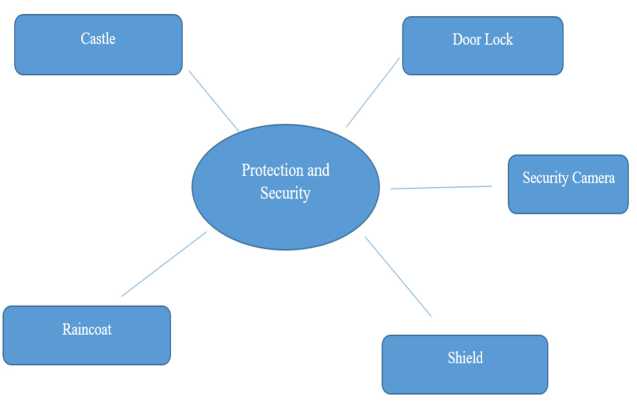
Figure 4 . Themes of the Digital Citizenship Category as Protection and Security
Among the metaphors students used to describe the concept of digital citizenship, protection- and defense-oriented images such as shield, castle, door lock, security camera, and raincoat came to the forefront. Within this theme, students expressed their need to ensure safety and protect personal information in the digital world through various metaphorical expressions. Participant 91 stated, “A shield is like the security measures we use to protect ourselves in the digital world.” Participant 92 remarked, “A shield can be considered the security settings we apply to protect our personal information.” Participant 93 said, “A castle is like the strong security systems we set up to stay safe in the digital world.” Participant 94 added, “A castle represents the tools used to establish multi-layered protection in the online world.” Participant 95 expressed, “A door lock can be thought of as the passwords we use to protect our digital identity.” Participant 96 noted, “A door lock prevents others from accessing our private information without our permission.” Participant 97 shared, “Security cameras are like the monitoring done to ensure safety in the digital world.” Participant 98 commented, “Security cameras are like recording every activity in the digital space.” Participant 99 stated, “A raincoat provides temporary protection against online risks.” Participant 100 emphasized, “A raincoat symbolizes the importance of being prepared for digital threats in advance.”
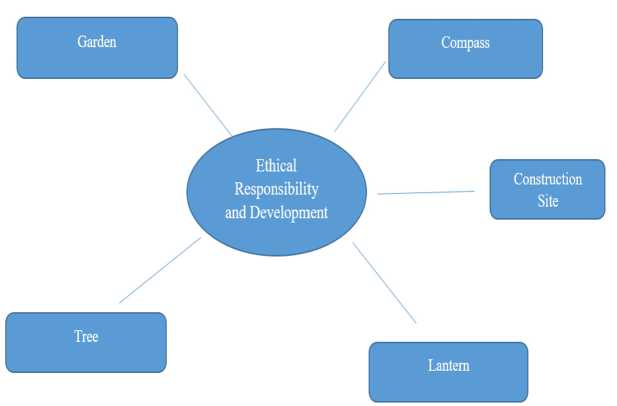
Figure 5. Themes of the Digital Citizenship Category as Ethical Responsibility and Development
Among the metaphors students used to describe digital citizenship, particularly in relation to ethical responsibility, the following symbolic images emerged: garden, compass, construction site, tree, and lantern. These metaphors illustrate how students perceive ethical behavior in digital contexts as something that requires guidance, care, and long-term effort. Participant 81 said, “A garden represents the effort we put into cultivating good habits online,” suggesting that, like plants, ethical behavior requires nurturing. Participant 82 remarked, “A garden needs regular maintenance, and so does our ethical responsibility in the digital world,” emphasizing the need for consistent care and reflection. Participant 83 stated, “A compass is like the moral principles that guide our actions online,” indicating that ethical decisions are grounded in core values. Participant 84 added, “The compass helps you stay on course, just like ethical responsibility keeps us on the right path when using technology.” Participant 85 noted, “A construction site represents the process of building our ethical responsibility, brick by brick,” highlighting the gradual and effortful nature of ethical development. Participant 86 commented, “Just as construction requires workers and tools, ethical development needs personal effort and the right tools.” Participant 87 explained, “A tree represents how our ethical values grow over time, with deep roots that help us stay grounded,” underscoring the importance of long-term ethical foundations. Participant 88 stated, “A tree also symbolizes sustainability; if we grow ethically online, our actions will have a positive impact for years to come.” Participant 89 said, “A lantern lights the way and helps us see clearly, just like ethical awareness helps us make better decisions online,” pointing to the guiding function of ethical consciousness. Participant 90 remarked, “A lantern sheds light on the dark areas, helping us see where ethical responsibility is lacking,” drawing attention to the role of ethical awareness in revealing and addressing online issues.
DISCUSSION AND CONCLUSION
In this study, the metaphors created by gifted students regarding the concept of digital citizenship were examined. In the research conducted with a phenomenological design, data were collected using a question form consisting of a single question.
Gifted students generated 20 different metaphors related to digital citizenship, which were grouped into four main themes: guidance and counseling, reflection and identity, ethical responsibility and development, and protection and security. Notably, the theme most frequently emphasized by students was ethical responsibility and development, suggesting that they associate digital citizenship primarily with moral decision-making, continuous personal growth, and responsible digital behavior. These findings are consistent with previous studies that explored metaphorical perceptions of gifted students and their understanding of abstract or value-based concepts. For instance, Ogurlu, Opengin, and Hizli (2020) found that gifted students often used metaphors like “guide,” “light,” or “guardian” when describing concepts such as teachers or school, emphasizing trust, responsibility, and personal growth. Similarly, Dogan and Dogan (2021) highlighted that students associated BILSEM (Science and Art Centers) with metaphors reflecting emotional safety and personal development, such as “a second home” or “a garden,” which aligns closely with the metaphor of “ethical development” found in this study. When comparing the current study's categories with other metaphor research, it becomes evident that reflection and identity—represented here by metaphors such as mirror, mask, or DNA—also emerges frequently in the literature related to adolescents’ digital behavior and self-concept. These metaphors point to an evolving self-awareness in digital contexts, echoing Oguz's (2020) findings, where gifted students defined the subject of Turkish as a medium of self-expression and internal reflection. The themes of protection and security (e.g., shield, lock, security camera) resonate with contemporary concerns in digital education, especially studies that emphasize digital literacy and cybersecurity awareness among students (Ribble, 2015). These studies stress that students increasingly perceive the online world as a space requiring vigilance and protective measures, confirming the metaphors identified in this research.
In relation to this category, students created metaphors such as garden, compass, construction site, tree, and lantern. Their evaluation of digital citizenship as "ethical responsibility and development" emphasizes the importance of acting responsibly and consciously in the digital world. The metaphors used in this category—garden, compass, construction site, tree, and lantern—deepen the connection between digital citizenship and ethical responsibility and personal development. The garden metaphor represents creating a healthy environment and growth, symbolizing the development process. It reflects the idea that acting consciously and ethically in the digital space can shape society positively. The garden, being a place that requires careful attention and nurturing, symbolizes our responsibilities in the digital world. Ribble (2015) Ribble used the metaphor of a "compass" to explain ethical responsibility in the field of digital citizenship. This metaphor highlights the importance of moral guidance in online interactions. According to Ribble, digital citizenship should be defined within the framework of the principles of "Respect, Educate, and Protect" (REPs). In particular, the element of "Guide" forms the basis of ethical behavior in the digital environment, and this behavior should be directed by a stable value system, like a compass. Ribble’s research demonstrates that digital citizenship education is fundamental for healthy social media use and online interactions. The compass metaphor allows students to understand their moral decision-making processes in the digital world as a navigational tool used in everyday life. Thus, the compass metaphor concretely illustrates how digital ethics education contributes to young individuals developing conscious and value-based digital behaviors.
The compass metaphor indicates that digital citizenship needs to be correctly guided and ethical decisions must be made. The compass symbolizes finding the right path in the digital world. This metaphor, which provides guidance for students to deal with ethical dilemmas they may face in the digital world, is considered as the direction that should be provided in digital citizenship education so individuals can make the right and safe choices. The importance of providing guidance to solve ethical problems encountered on digital platforms is emphasized here. The construction site metaphor represents the constantly evolving nature of digital citizenship. Just like a construction process, digital citizenship is a concept that grows and shapes over time. Ethical responsibility, starting from the foundation, implies that every individual must act responsibly in the digital world. Selwyn (2021) argues that digital citizenship is an ongoing process, and every individual must adopt ethical values to contribute to this process. The construction site serves as a concrete symbol of this process. The tree metaphor symbolizes that digital citizenship must grow and develop based on its ethical roots. The tree suggests that solid ethical roots in the digital world play a significant role in individuals' development. McCarthy et al. (2023) state that ethical responsibility in digital citizenship is a critical factor for the long-term success of individuals in the digital world. In this context, the tree signifies the sustainability of digital citizenship and ethical responsibility. The lantern metaphor indicates that digital citizenship provides guidance by lighting the way and helping individuals find their path in the dark. This metaphor functions as a guide for individuals seeking the light of ethical responsibilities in the digital world. Lohmann and Smith (2023) argue that digital citizenship should help create a safer and more ethical online experience by raising awareness and providing guidance. These metaphors express the strong connection between digital citizenship, ethical responsibility, and personal development, highlighting the importance of adopting conscious, responsible, and ethical behavior in the digital world.
-
(2015) highlights that digital identities are multi-layered and that individuals adopt different "masks" in online settings, taking on different identities. Digital citizenship requires responsible management of these multiple identities. The diary metaphor symbolizes a space where individuals express themselves in the digital world. As individuals share personal thoughts, feelings, and experiences online, they create a digital diary. Reeves et al. (2021) note that individuals express themselves through digital diaries on social media and online platforms, and their digital identities are shaped through these interactions. The diary metaphor emphasizes the power of individual expression in digital citizenship and its contribution to building identity in the digital world. The DNA metaphor symbolizes the fundamental building blocks of digital identity. Digital identity is composed of personal information, shares, and online interactions, much like an individual’s DNA forms the fundamental components of their body. Ribble (2015) states that individuals' online activities, values, and ethical understanding play an important role in the formation of digital identity. The DNA metaphor highlights that digital identity is made up of the essential components of an individual’s online life.
In this study, students’ perceptions of digital citizenship under the theme of “protection and security” support Windley’s (2005) emphasis on identity protection and online reputation management as fundamental components of digital citizenship. The mirror metaphor used by students reflects an awareness of how digital identities are perceived in both real and virtual environments, indicating that identity protection is central to digital citizenship. Similarly, the shadow metaphor highlights that every digital action leaves a trace, underscoring the importance of transparency and traceability, which aligns with Newell’s (2018) perspective on digital security. The mask metaphor points to students’ need to conceal their identities and maintain anonymity in digital spaces, which corresponds with Solove’s (2010) strategies for privacy and anonymity. The diary metaphor draws attention to the recording and sharing of personal data in digital environments, supporting the work of Greenwood et al. (2016) on data management and privacy awareness in digital contexts. Finally, the studies by Wulandari et al. (2021) and Corradini and Nardelli (2022) emphasize that digital security is not only an individual but also a societal responsibility. This aligns with the metaphors identified in this study, showing that students possess an awareness of both personal and social responsibility in digital citizenship. Therefore, the metaphors emerging under the “protection and security” theme highlight the necessity of addressing ethical responsibility and security at both individual and societal levels in digital environments.
RECOMMENDATIONS
-
1. Integrating Ethical Responsibility into Digital Citizenship Education
-
2. Developing Guidance and Counseling Methods
-
3. Providing Digital Identity and Security Education
-
4. Digital Security and Identity Protection Education
-
5. Using Metaphorical Thinking Methods
-
6. Providing Continuous Development and Adaptation
Students associate digital citizenship with the concept of "ethical responsibility and development," emphasizing the importance of acting consciously and responsibly in the digital world. Education programs should focus more on the ethical responsibilities and personal development aspects of digital citizenship. Metaphors such as garden, compass, construction site, tree, and lantern can be used to raise awareness about how healthy development can be achieved in the digital world and how ethical responsibilities should be fulfilled.
The metaphors of compass, traffic light, roadmap, captain, and GPS, which highlight students' need for guidance in digital citizenship, indicate that educators must develop effective tools for teaching digital citizenship. Students should be provided with guidance to cope with ethical dilemmas they may encounter in the digital world. In education, strategies should be presented to help students make safe and conscious decisions in line with their digital rights and responsibilities.
Students, by associating their digital identities with metaphors like mirror, shadow, masks, diary, and DNA, have raised awareness about identity formation and security in the digital world. Education programs should provide comprehensive training on creating digital identities and online security. It is especially important to raise awareness among students about topics such as protecting personal data, identity security, and online privacy. Additionally, more emphasis should be placed on the role of ethical values in creating digital identities.
Digital security and identity protection are strongly expressed through the metaphors produced by students. In this context, digital security education should be included in the curriculum. Students should be equipped with skills to protect their online identities, keep their personal information safe, and defend against online threats. During training, examples of digital privacy, anonymity, and security strategies should be used to help students develop these skills.
In the study, students define digital citizenship through metaphors, which can deepen their learning processes. Educators can use metaphors during digital citizenship training to encourage students to think more deeply about the subject. Metaphors can be used as teaching tools to make complex concepts more understandable.
Digital citizenship should be considered a constantly evolving area. As the construction site metaphor suggests, digital citizenship is also a concept that develops and takes shape over time. Education programs should be continuously updated to align with innovations and developments in digital technologies, and students should be educated about changing ethical standards and security measures in the digital world.
Suggestions for Future Research
Future studies are recommended to expand the scope of digital citizenship education beyond individual security to include social responsibility and social awareness. Research can explore the importance of adopting ethical behaviors and responsible attitudes on digital platforms, and how these contribute to positively shaping online communities. Furthermore, digital citizenship should be recognized as a shared responsibility not only of educational institutions but also of families and communities. Future research could investigate the effectiveness of seminars, workshops, or guidance programs aimed at raising awareness among families and community members about digital citizenship. This would help better understand how families can support their children to navigate the digital world more safely. Studies in these areas will contribute to a more comprehensive understanding of digital citizenship education, addressing both individual and societal dimensions holistically.
Ethical Text
This article adheres to the journal's writing guidelines, publication principles, research and publication ethics, and the journal's ethical standards. In the case of any violations related to the article, the responsibility lies with the author.
Author(s) Contribution Rate
The author’s contribution to this article is 100%.
Conflicts of Interest
There are no financial conflicts of interest between the article and any institution, organization, or individual.
Ethical Approval
The Ethics Committee of Bartin University Social and Human Sciences Scientific Research and Publication Ethics Committee approved it on 7 May 2025 with decision number 2025-SBB-0450, confirming that there were no ethical concerns.