
Ecological dyeing of wool materials: the possibilities of natural coloring agents
Journal: Bulletin of Almaty Technological University @vestnik-atu
Section: Технология текстиля и одежды, дизайн
Article in issue: 1 (151), 2026.
Free access
The article presents the results of a study on the development of dyeing technology for wool materials using natural dyes. Increasing the ecological and functional value of textile materials is achieved through the use of natural pigments of plant origin and effective auxiliary substances that contribute to the strong fixation of the dye on the fiber. Modern approaches to the intensification of dyeing processes, including physicochemical methods, allowing to ensure a high degree of uniformity of staining, color resistance to external influences and preservation of physical and mechanical properties of wool fabrics, are considered. Optimization of the dyeing parameters of the concentration of dyes and modifiers, temperature and time processing, and acidity of the medium was carried out. The qualitative characteristics of the painted samples were studied, including the intensity and durability of the color, the uniformity of the dye, as well as the effect on the tactile properties of the material. The proposed technological solutions provide environmental safety, energy efficiency and the possibility of applying dyeing technology in production processes. Developed dye technology can be used in the production of natural textiles with decorative and functional properties in demand in the light industry, including for the manufacture of clothing, accessories and interior textiles.
Similar articles in the section Home economics. Domestic science. Housekeeping
Short address: https://sciup.org/140314166
IDS: 140314166 | UDC: 64.29.23 | DOI: 10.48184/2304-568X-2026-1-199-203
Экологичное крашение шерстяных материалов: возможности натуральных красителей
В статье представлены результаты исследования по разработке технологии крашения шерстяных материалов с использованием натуральных красителей. Повышение экологической и функциональной ценности текстильных материалов достигнуто за счёт применения природных пигментов растительного происхождения и эффективных вспомогательных веществ, способствующих прочному закреплению красителя на волокне. Рассмотрены современные подходы к интенсификации процессов крашения, включая физикохимические методы, позволяющие обеспечить высокую степень равномерности окрашивания, устойчивость цвета к внешним воздействиям и сохранение физико-механических свойств шерстяных тканей. Проведена оптимизация параметров крашения, концентрации красителей и модификаторов, температурно-временного режима обработки, кислотности среды. Исследованы качественные характеристики окрашенных образцов, включая интенсивность и стойкость цвета, равномерность крашения, а также влияние на тактильные свойства материала. Предложенные технологические решения обеспечивают экологическую безопасность, энергоэффективность и возможность применения технологии крашения в производственных процессах. Разработанная технология крашения может быть использована при производстве натурального текстиля с декоративными и функциональными свойствами, востребованными в легкой промышленности, в том числе для изготовления одежды, аксессуаров и интерьерного текстиля.
Жүн материалдарын экологиялық таза бояу: табиғи бояғыштардың мүмкіндіктері
Мақалада табиғи бояғыштарды қолдана отырып, жүн материалдарын бояу технологиясын алу бойынша зерттеу нәтижелері келтірілген. Текстиль материалдарының экологиялық және функционалдық құндылығын арттыру үшін өсімдік тектес табиғи пигменттер және бояғыштың талшыққа берік бекітілуіне ықпал ететін тиімді қосалқы заттар қолданылды. Бояу процестерін жеделдетудің заманауи тәсілдері, соның ішінде бояудың тегістігін, түстердің сыртқы әсерлерге төзімділігін қамтамасыз ететін және жүн маталарының физикалық-механикалық қасиеттерін төмендетпейтін физика-химиялық әдістер қарастырылған. Бояғыштар мен модификаторлардың концентрациясы, өңдеудің температуралық-уақыттық режимі, ортаның қышқылдығы сияқты бояу параметрлерін оңтайландыру бойынша зерттеу жұмыстары жүргізілді. Түсті үлгілердің сапалық сипаттамалары, соның ішінде түс қарқындылығы мен беріктігі, бояудың тегістігі және материалдың тактильді қасиеттері зерттелді. Ұсынылған технологиялық шешімдер экологиялық қауіпсіз, энергияға үнемді бояу технологиясын өндірістік процестерде қолдану мүмкіндігін қамтамасыз етеді. Әзірленген бояу технологиясы жеңіл өнеркәсіпте сұранысқа ие сәндік және функционалдық қасиеттері бар табиғи талшықтардың текстиль өндірісінде, яғни киім, аксессуарлар және интерьерлік текстиль бұйымдарын шығаруда қолданылуы мүмкін.
Text of the scientific article Ecological dyeing of wool materials: the possibilities of natural coloring agents
IRSTI 64.29.23
One of the current trends in the textile industry is the development and implementation of environmentally friendly finishing technologies, including dyeing using natural dyes. Particular attention is paid to the creation of textile materials based on natural components that provide not only decorative, but also functional properties. The use of natural dyes can reduce the impact on the environment and human health, as well as contribute to the preservation of traditional technologies and the development of sustainable textile production [1-3].
Natural dyes are natural pigments obtained mainly from plant raw materials, less often from animal and mineral origin. Their use in dyeing wool materials is due to environmental safety, biocompatibility, availability of raw materials and the possibility of obtaining a wide range of shades. The use of natural dyes makes it possible to create sustainable, non-toxic textiles with high artistic and cultural value [4-6].
Natural dyes used to dye wool are classified by chemical nature and color shades. Anthraquinones include dye maren and cochineal, providing persistent red and pink tones. Indigo dyes such as indigo and waida are used to produce blue hues. Flavonoid dyes (onion husks, turmeric, chamomile, etc.) allow you to achieve yellow and orange colors. Tannins contained in oak bark, nut shells and tea give dark shades and can serve as natural fixators. Other plant sources such as elderberry, pomegranate, nettle and carrot are also used, allowing you to vary the palette depending on the processing technology. The color obtained as a result of staining can vary significantly depending on the type of fiber, method of preparation of raw materials, type of herb, pH of the medium, duration and temperature of dyeing. The combination of various dyes and herbs allows you to obtain complex, deeply saturated and persistent shades [7-9].
The technology of dyeing wool materials with natural dyes includes a number of successive stages aimed at ensuring durable and uniform staining while preserving the physical and mechanical properties of textile fiber. The process consists of preliminary material preparation, etching, dye extraction, dyeing, washing, fixation and drying.
The use of natural dyes in the dyeing of wool materials is an environmentally friendly alternative to synthetic dyes and contributes to the creation of sustainable textile production technologies. The resulting painted products are characterized by a soft natural color scheme, biocompatibility and high aesthetic quality, which makes them in demand [10-12].
Despite a significant amount of research, dyeing wool with natural dyes remains an understudied direction. Modern research is mainly focused on the study of individual dyes or types of herbs, while there is no systematic approach to comparing different natural pigments, sources of raw materials and technological regimes. In addition, a great influence on the result has the composition of the water, temperature, processing time, the type of fiber used and the features of interaction with metal ions used as sores. To date, there is a need to systematize the accumulated data, develop environmentally friendly and technologically stable methods of coloring, as well as to study the long-term color resistance in the operation of products painted with natural dyes [13-15].
The article is devoted to the development and research of the technology of dyeing woolen materials with natural dyes, providing stable and uniform staining while preserving the physical, mechanical and hygienic properties of textiles [16].
Materials and methods
The first stage is the preparation of wool cleaning from contaminants and fatty substances with gentle washing in warm water with soft detergents. Next, etching is carried out, which improves the adhesion of the dye to the fiber and increases the durability of staining, iron sulfur was used as an etch. Natural dyes were obtained by extraction from vegetable raw materials, after which staining is carried out in solution at a controlled temperature of 60 °C for 60 minutes. In the process, it is important to maintain optimal pH conditions and ensure uniform stirring for uniform absorption of the dye. At the end of staining, the material is washed to remove excess dye and, if necessary, carry out color fixation using fixing means. The process is completed with gentle drying at low temperatures or room temperature, which prevents damage to the fibers and preserves color saturation.
Results and discussion
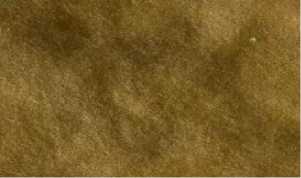
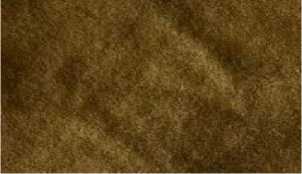
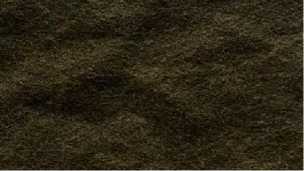
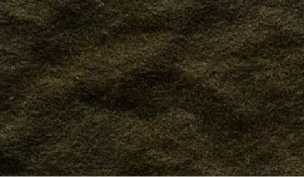
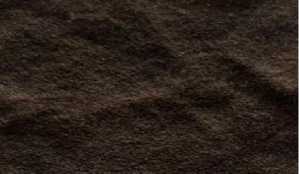
For dyeing wool materials used dandelion, chamomile, St. John's wort, Bidentis herba, oak bark, wormwood, sage, calendula, nettle results showed that all used plants have a certain coloring ability, but the shades and their resistance differed significantly. The most intense staining was observed when using the bark of oak and St. John's wort - they gave the woolen tissues saturated brown and warm green shades, respectively.
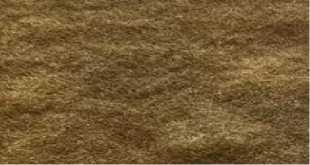
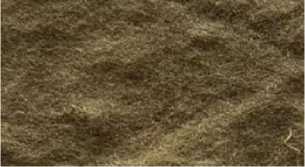
Dandelion, chamomile, Bidentis herba provided soft light yellow and green tones, wormwood gives the fabric a grayish-green hue with moderate resistance, especially in combination with herbs. Sage gave a gray-green hue, calendula - bright yellow. Nettle provided natural green-olive tones with good resistance when using herbs. Especially pronounced staining was observed in nettles and sage, where the color became deeper and more stable.
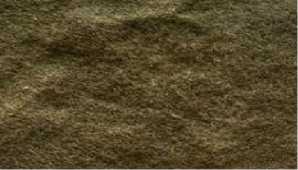
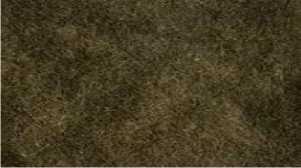
The use of iron vitriol significantly changed the color palette: shades became darker, acquired gray-green, bright yellow, olive and marsh character, Figure 1.
Thus, the obtained data confirm that the plants used can be used as environmentally friendly dyes for wool. The most promising in terms of saturation and durability of coloring were oak bark, St. John's wort, sage, nettle, Bidentis herba, calendula which can become the basis for further research in the field of sustainable textile production.
Dandelion
Chamomile
St. John's wort
Bidentis herba
Oak bark
Wormwood
Sage
Figure 1. Samples of woolen textile materials painted with natural dyes
Calendula
Nettle
Natural dyes derived from plants have unique hues and biological compatibility with natural fibers such as wool. However, one of the main problems of their wide application remains the insufficient durability of the paint to external influences, in particular to washing and friction, which limits the durability and practical use of painted textile materials.
The study of the influence of various factors on the durability of painting allows you to optimize the coloring processes and improve the performance characteristics of materials. In this regard, a comparative assessment of the durability of coloring of woolen materials painted with vegetable dyes to dry and wet friction, as well as to repeated washing is considered.
The results showed that the greatest resistance to dry and wet friction, as well as to washing, was demonstrated by samples painted with oak bark, nettle, sage and St. John's wort. The coloring of the calendula and Bidentis herba, and wormwood also showed satisfactory resistance. The least persistent were dandelion and chamomile dyes, especially in terms of wet friction and repeated washing, the data are presented in Table 1.
Table 1. Assessment of the durability of painting wool materials with natural dyes to dry friction, wet friction and washing (points from 1 to 5)
|
№ |
Dyeing |
Dry friction |
Wet friction |
Washing |
|
1 |
Oak bark |
5 |
5 |
5 |
|
2 |
Nettle |
5 |
4 |
4 |
|
3 |
St. John's wort |
5 |
5 |
4 |
|
4 |
Sage |
5 |
4 |
4 |
|
5 |
Wormwood |
4 |
3 |
3 |
|
6 |
Calendula |
4 |
4 |
3 |
|
7 |
Chamomile |
3 |
3 |
2 |
|
8 |
Bidentis herba |
4 |
4 |
3 |
|
9 |
Dandelion |
3 |
3 |
2 |
During the study of the resistance of wool materials painted with natural vegetable dyes, it was found that the color resistance to dry and wet friction, as well as to repeated washing varies significantly depending on the type of dye. The findings highlight the importance of selecting suitable natural dyes and optimizing process parameters to improve durability. In addition, the introduction of effective herrings and fasteners is a necessary step to improve the performance of painted wool products.
Conclusion
Dyeing of wool materials with natural plant dyes is a promising direction in the textile industry, combining environmental safety and obtaining a variety of natural shades. In the course of the study, it was revealed that the durability of coloring largely depends on the choice of a dye plant, the method of processing and the use of herbs. Dyes such as oak bark, nettle, St. John's wort and sage showed the highest resistance to friction and washing, while plants with lighter shades, such as chamomile and dandelion, require additional color fixation to improve durability.
To improve the quality of coloring, it is recommended to further study the effect of various herbs (alum, iron, copper) on color durability, as well as the study of combinations of plant dyes to obtain more stable and saturated shades.
The use of natural dyes contributes not only to reducing the negative impact on the environment but also expands the possibilities to produce unique textile products. To further improve the quality of dyeing, additional research is needed to optimize technological processes and develop effective methods for fixing color.
Gratitude, conflict of interest (funding)
The work was carried out at the Almaty Technological University. The author declares that there is no conflict of interest.
