
Microstructural and micro-mechanical characteristics of cement paste incorporating cuttlebone powder
Journal: Nanotechnologies in Construction: A Scientific Internet-Journal @nanobuild-en
Section: Efficient use of recycled resources
Article in issue: 3 Vol.18, 2026.
Free access
Introduction. Marine bio-waste provides a sustainable calcium-rich resource for cementitious materials, but its role in hydration control remains limited. Cuttlebone powder (CBP) is a marine bio-calcium with a porous hierarchical structure, and it forms a nanostructured calcium carbonate system. This system influences phase evolution and structure–property relationships in cement paste. This study evaluates its effects on phase composition, Ca/Si balance, microstructure, and structure–property relationships. Materials and Methods. The study prepares plain and CBP-modified cement paste. CBP replaces cement at 10–50% by weight. All mixtures use a constant w/b ratio of 0.5 and cure for 28 days. TGA evaluates phase composition, EDS determines Ca/Si ratio, SEM and mapping examine microstructure, and Vickers hardness measures micro-mechanical properties. Results. CBP modifies the phase composition of cement paste. Calcium hydroxide decreases from 18.68% to 13.13%, while calcium carbonate increases from 2.80% to 15.05%. The Ca/Si ratio increases and indicates a Ca-rich system. The microstructure becomes heterogeneous, and Ca distribution becomes more localized, while Si remains relatively stable. Micro-mechanical properties increase up to CBP40 and decrease at higher replacement levels. Discussion. CBP influences hydration through its porous hierarchical structure and calcium carbonate composition. This structure controls ion distribution and phase development and governs Ca/Si balance and microstructural evolution. The results establish a structure–property relationship and define the micro-mechanical response. Conclusion. CBP acts as a nanostructured calcium carbonate and alters phase composition, Ca/Si balance, and microstructure. This modification improves micro-mechanical performance at moderate replacement levels but reduces matrix continuity at higher levels.
Similar articles in the section Building materials. Building components
Short address: https://sciup.org/142248072
IDS: 142248072 | DOI: 10.15828/2075-8545-2026-18-3-393-406
Text of the scientific article Microstructural and micro-mechanical characteristics of cement paste incorporating cuttlebone powder
Original article
Sangsuwan C., Ponloa W. Microstructural and micro-mechanical characteristics of cement paste incorporating cuttlebone powder. Nanotechnologies in Construction. 2026;18(3):393–406. – EDN: NXYCJF.
Сангсуван Ч., Понлоа В. Микроструктурные и микромеханические характеристики цементной пасты с порошком панциря каракатицы. Нанотехнологии в строительстве. 2026;18(3):393–406. – EDN: NXYCJF.
Marine bio-waste provides a calcium-rich resource, but current practices do not utilize its material potential in high-value applications. The growth of seafood consumption has increased the generation of inedible by-products from marine organisms, including shells, bones, and internal structures [1]. These by-products originate from finfish, mollusks, and crustaceans, and they form a large fraction of waste from seafood processing industries [1]. Many of these materials contain biominerals rich in calcium-based compounds, especially calcium carbonate, which can serve as functional materials in engineering applications [1]. The increasing demand for sustainable construction materials has also promoted the use of waste-derived resources as alternative raw materials in cementitious systems [2–4]. However, most marine bio-waste remains underutilized or is discarded, and this practice limits the use of its chemical composition and structural characteristics [1]. This condition creates a gap between the availability of calcium-rich marine resources and their application in cement-based materials.
Marine-derived calcium materials can therefore act as alternative resources in cementitious systems. Thus, the role of calcium-rich marine bio-waste requires systematic evaluation in cement applications.
The construction and cement industries face strong pressure to reduce carbon emissions. Cement production is a major contributor to global greenhouse gas emissions and remains a significant source of industrial CO2 emissions [4, 5]. The environmental impact of cement and concrete production drives the need for effective decarbonization strategies in the construction industry [6, 7]. Rapid infrastructure development and urbanization increase material demand and intensify environmental pressure [7]. Several approaches reduce carbon emissions. These approaches include lowering clinker content, improving energy efficiency, and incorporating alternative materials into cement systems [6, 7]. Waste materials are increasingly considered reusable resources rather than disposal products. Resource recovery promotes their integration into new material systems [8]. Marine-derived waste materials, such as seashells, serve as alternative constituents in cement systems [9–11]. These materials act as fillers or reactive components. They influ-
Nanotechnologies in construction
Нанотехнологии в строительстве
2026; 18 (3): 393–406
Nanob
EFFICIENT USE OF RECYCLED RESOURCES
ence phase development in cement paste. These materials influence hydration behavior. Pozzolanic reactions form C–S–H gel. This process controls Ca/Si ratio and microstructure in cement paste [12]. However, performance depends on chemical composition and interaction with hydration processes [12]. Therefore, calcium-rich waste materials should be evaluated for their role in low-carbon cement applications.
Supplementary cementitious materials play a key role in reducing clinker content and improving material efficiency in cement-based systems [3–5, 13]. These materials participate in hydration through pozzolanic and hydraulic reactions. They form additional C–(A)–S–H gel and modify the composition of the hydrated matrix [13]. The consumption of calcium hydroxide produces secondary hydration products. This process refines pore structure and enhances durability of hardened cement paste [14]. Microstructure governs mechanical behavior and long-term performance of cement-based materials [15]. In addition to conventional supplementary materials, calcium-rich waste-derived materials have attracted attention as alternative constituents in cementitious systems [7–9]. Marine-derived biomaterials, such as seashells, contain high levels of calcium carbonate and show chemical compatibility with cement matrices [7, 8]. These materials act as fillers or reactive phases depending on composition and processing conditions. They influence phase development and microstructural evolution in cement paste [9, 14]. Therefore, marine bio-calcium materials should be further examined in cementitious applications.
Marine bio-calcium materials represent a sustainable and functional source of calcium carbonate for cementitious applications. Marine bio-calcium originates from biological structures such as shells and cuttlebone. These materials consist mainly of calcium carbonate in polymorphic forms, including aragonite and calcite [16, 17]. Biogenic calcium carbonate forms hierarchical architectures through biological mineralization. This structure produces distinct physicochemical properties [16, 18]. The crystallographic form of calcium carbonate controls its behavior in cement systems. Aragonite shows higher reactivity than calcite, and this difference influences ion release and phase transformation [19, 20]. The dissolution of calcium carbonate increases local concentrations of Ca2+ and CO32–. This process promotes hydration reactions and affects nucleation behavior [20, 21]. Calcium carbonate polymorphs act as nucleation sites. They accelerate early hydration and enhance microstructural densification [21, 22].
Calcium carbonate influences the formation of hydration products in cement systems. C–S–H gel forms through nucleation and ion transport processes, and it governs the mechanical properties of cement paste [23]. Hydration reactions control pore structure and phase distribution and determine the development of C–S–H and portlandite [24]. Calcium-rich materials modify hydration pathways and influence strength and durability in cement-based systems [25]. Marine bio-calcium materials therefore control hydration and microstructural evolution when their structure provides reactive surfaces and ion interaction sites. This structure-dependent behavior highlights the role of material architecture in governing phase development and microstructural refinement in cement paste.
Cuttlebone powder (CBP) is a marine bio-calcium material with a unique porous and hierarchical structure that distinguishes it from conventional calcium carbonate sources in cementitious systems. Cuttlebone originates from the internal shell of cuttlefish, and it consists of aragonite arranged in a chambered architecture with interconnected pores and thin structural walls. This structure produces a lightweight material with high surface area, which provides distinct physical characteristics compared to dense mineral fillers. This architecture forms a nanostructured calcium carbonate system that provides active surfaces and short diffusion paths for ion interaction during hydration [26–28]. These features promote nucleation and control local chemical conditions at the micro- and nanoscale, which govern phase evolution in cement paste [28, 29]. The porous architecture affects particle packing, water distribution, and local reaction environments during hydration. The internal pore network accommodates hydration products and contributes to microstructural refinement of the cement matrix [22]. In addition, the surface characteristics of CBP influence the distribution and growth of C–S–H in cement paste [23]. CBP modifies pore structure and packing density due to its morphology, and it alters local chemical conditions, including Ca/Si balance, which governs phase composition and microstructural development [25]. However, the mechanisms by which CBP controls Ca/Si balance, phase distribution, and microstructural development remain unclear, particularly in relation to its structural characteristics and interaction during hydration.
Marine bio-calcium materials have been widely investigated as sustainable alternatives in cementitious systems. Previous studies have demonstrated that calcium carbonate–based materials influence hydration behavior, microstructure, and mechanical performance [7–9, 18]. However, most studies focus on conventional calcium carbonate and do not consider marine bio-calcium with hierarchical architectures. The role of CBP in controlling hydration processes and microstructural evolution remains insufficiently understood, particularly in relation to structure dependent ion interaction and phase development. The influence of CBP on Ca/Si balance and hydration product distribution has not been systematically clarified, and the link between CBP-induced microstructural modification and mechanical response remains unresolved. This study therefore provides a systematic
Nanotechnologies in construction
Нанотехнологии в строительстве
2026; 18 (3): 393–406
Nanob
EFFICIENT USE OF RECYCLED RESOURCES
investigation of CBP as a marine bio-calcium material and establishes the relationship between CBP structure, phase evolution, microstructural development, and mechanical performance in cement paste.
This study investigates the effect of cuttlebone powder (CBP) on phase composition, Ca/Si balance, microstructure, and micro-mechanical properties of cement paste. It clarifies how the porous and hierarchical structure of CBP governs hydration behavior and ion interaction and establishes the relationship between CBP structure, phase evolution, microstructural development, and mechanical performance in cementitious systems.
MATERIALS
Ordinary Portland cement (OPC, Type I) conforming to ASTM C150 [30] was used as the primary binder and served as the reference mixture. Cuttlebone powder (CBP) was obtained from discarded cuttlebone from the seafood industry. The material was washed to remove impurities and dried in a solar drying system at 40–60 °C. The dried material was ground using a mechanical crushing machine with rotating blades to produce a fine powder. The powder was sieved through a No. 100 sieve (150 µm) conforming to ASTM E11 [31] to obtain a controlled particle size. Deionized (DI) water was used for all mixtures to ensure consistent hydration conditions and to minimize the influence of external ions.
Sample Preparation
The specimens consisted of two groups: plain cement paste and CBP-replaced cement paste. Table 1 presents the mix proportions and replacement levels.
Specimen Mixing, Casting, And Curing
The dry materials were blended to ensure uniform distribution of OPC and CBP within the cement matrix. Deionized water was then added, and the paste was mixed using a Hobart mixer in accordance with ASTM C305 [32] to obtain homogeneous consistency. The fresh paste was cast into 50×50×50 mm cube molds conforming to
ASTM C109 [33] and compacted to minimize entrapped air. The samples were kept in the molds for 24 h before demolding. After 24 h, the samples were demolded and immersed in water at 23 ± 2 °C for 28 days in accordance with ASTM C511 [34].
METHODS
SEM and EDS analysis
The microstructure of the cement paste was examined using scanning electron microscopy (SEM) to observe the morphology and distribution of hydration products within the matrix. Energy dispersive spectroscopy (EDS) was used to determine the elemental composition of selected areas. The analysis focused on Ca and Si to evaluate changes in the Ca/Si ratio of the hydration products.
Elemental Mapping
Elemental mapping was performed to examine the spatial distribution of Ca and Si within the cement matrix. The analysis identified microstructural heterogeneity and the distribution of calcium-rich and silicate phases.
Thermogravimetric Analysis
Thermogravimetric analysis (TGA) was conducted to evaluate the thermal behavior of the cement paste. Mass loss at specific temperature ranges identified bound water, portlandite (CH), and calcium carbonate (CaCO3).
Vickers Hardness Test
The micro-mechanical properties of the cement paste were evaluated using the Vickers hardness test in accordance with ASTM E384 [35]. Specimens with dimensions of 10×10×50 mm were used for testing. The specimen surfaces were polished using silicon carbide (SiC) abrasive papers with progressively finer grits up to 2000 to obtain a smooth and flat surface. The test was performed under a load of 50 gf with a dwell time of 15 s to determine resistance to localized deformation.
Table 1. Mix proportions of plain and CBP-replaced cement paste
|
Specimen ID. |
OPC (% weight) |
CBP (% weight) |
w/b |
|
Control |
100 |
0 |
0.5 |
|
CBP10 |
90 |
10 |
0.5 |
|
CBP20 |
80 |
20 |
0.5 |
|
CBP30 |
70 |
30 |
0.5 |
|
CBP40 |
60 |
40 |
0.5 |
|
CBP50 |
50 |
50 |
0.5 |
Nanotechnologies in construction
Нанотехнологии в строительстве
2026; 18 (3): 393–406
Nanob
EFFICIENT USE OF RECYCLED RESOURCES
RESULTS
SEM
microstructure changes with increasing CBP content, and the morphology reflects differences in the distribution of hydration products. The Control sample shows a dense and continuous matrix. The surface is largely covered by gel-like phases, which are consistent with C–S–H. Some crystalline features are also observed within the matrix,
Figure 1 shows SEM micrographs of cement paste at 28 days for Control and CBP-modified samples. The
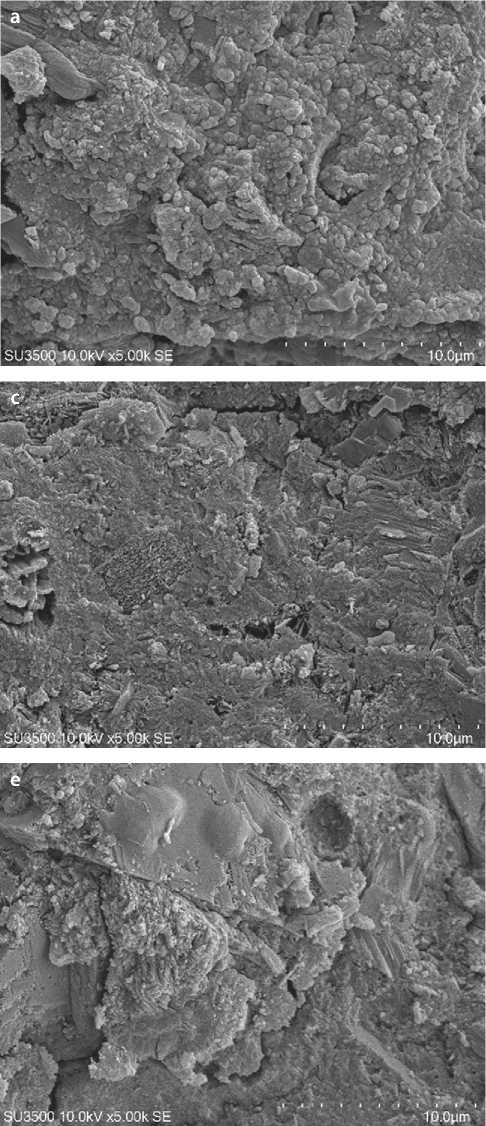
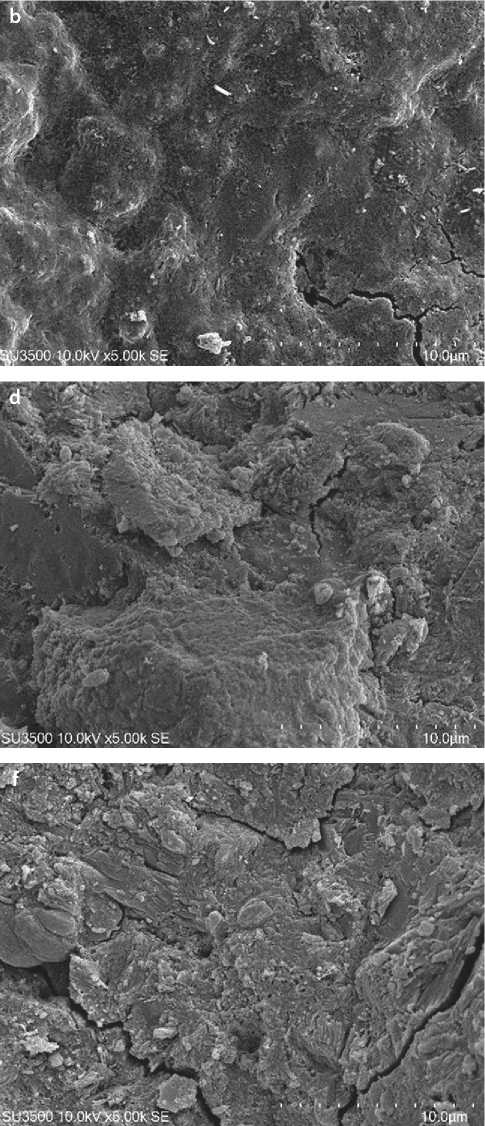
Fig. 1. SEM micrographs of cement paste specimens at 28 days: a – Control; b – CBP10; c – CBP20; d – CBP30; e – CBP40; f – CBP50, showing the evolution of microstructure with increasing CBP content
Nanotechnologies in construction
Нанотехнологии в строительстве
EFFICIENT USE OF RECYCLED RESOURCES
2026; 18 (3): 393–406
Nanob
which may be associated with CH. The overall structure appears compact and well integrated. The CBP10 sample shows a relatively dense matrix similar to the Control, but the morphology becomes slightly more heterogeneous. The distribution of gel-like phases appears less uniform. Fine particles are observed within the matrix, and these features may be associated with CaCO₃ from CBP.
The CBP20 and CBP30 samples show more noticeable changes in microstructure. The matrix becomes less uniform, and both dense regions and discontinuous zones are observed. The distribution of hydration products appears more irregular, which indicates that CBP affects the spatial arrangement of phases. At higher CBP contents, CBP40 and CBP50 show a more heterogeneous and less compact structure. The continuity of the matrix decreases, and larger discontinuities are observed. The morphology shows irregular features, which suggests reduced cohesion between hydration products. Overall, the SEM observations indicate that CBP influences the morphology and distribution of hydration products in cement paste. The transition from a dense matrix in the Control to a more heterogeneous structure at higher CBP contents reflects changes in microstructural development.
Mapping
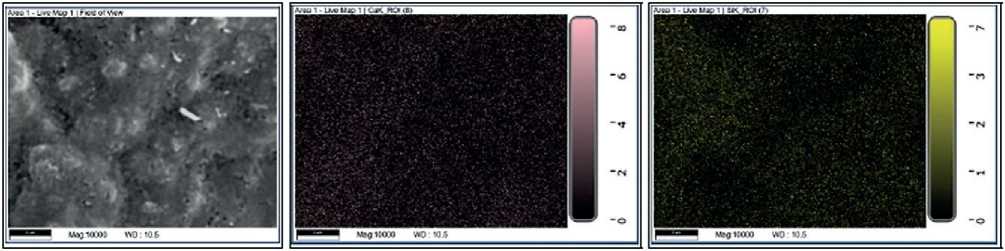
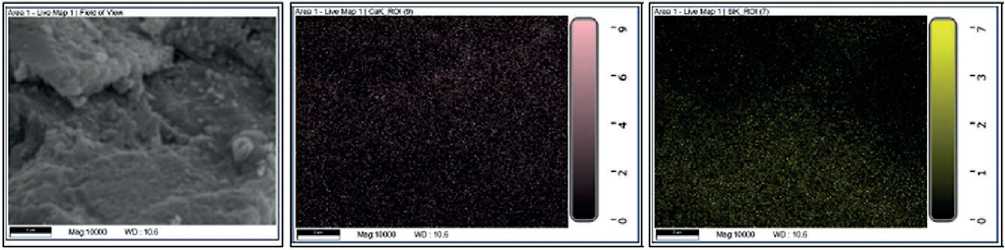
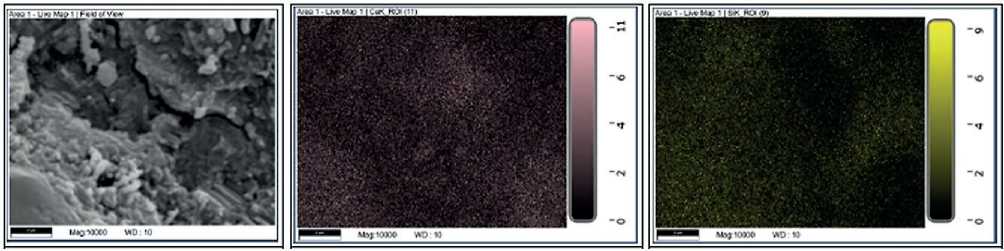
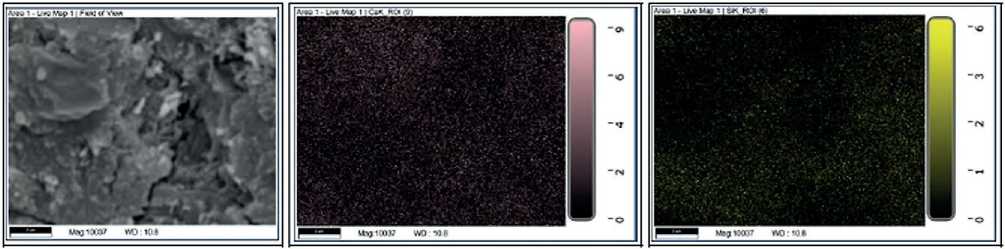
The distribution of Ca and Si varies with increasing CBP content, and the mapping results reflect changes in phase distribution within the cement matrix. Figure 2 shows the corresponding SEM–EDS maps at 28 days for Control and CBP-modified samples. The Control sample shows a relatively uniform distribution of Ca and Si across the matrix. The signals appear evenly dispersed, and this
а
b
c
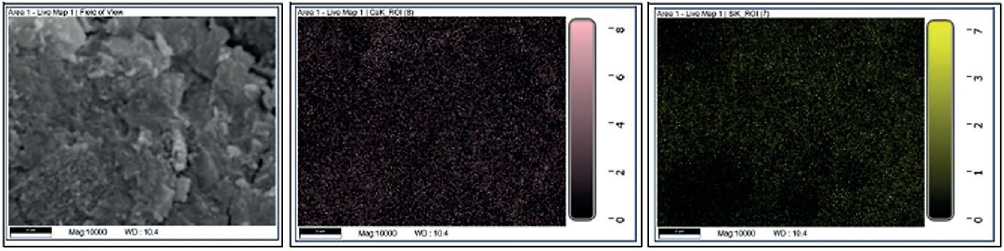
Fig. 2. SEM–EDS mapping of cement paste at 28 days for Control and CBP-modified samples: a – Control; b – CBP10; c – CBP20; d – CBP30; e – CBP40; f – CBP50
Nanotechnologies in construction
Нанотехнологии в строительстве
2026; 18 (3): 393–406
Nanob
EFFICIENT USE OF RECYCLED RESOURCES
d
e
f
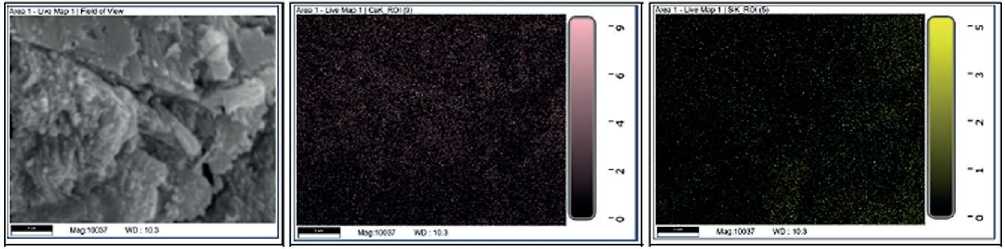
Fig. 2. The End
pattern indicates a well-distributed hydration system. The overlap of Ca and Si suggests the presence of C–S–H as the dominant phase within the structure.
The CBP10 sample shows a similar distribution pattern, but slight variations in intensity appear. The Ca signal becomes locally concentrated in some regions, while the Si signal remains relatively uniform. This distribution indicates minor changes in phase arrangement with the introduction of CBP. The CBP20 and CBP30 samples show more pronounced changes in elemental distribution. The Ca signal becomes more heterogeneous, and regions of higher intensity appear. The Si distribution remains more continuous compared with Ca. This contrast indicates that CBP affects the spatial distribution of Ca-bearing phases.
At higher CBP levels, CBP40 and CBP50 show a more heterogeneous distribution of Ca. The Ca signal appears more localized, while the Si signal remains relatively dis- persed across the matrix. The reduced overlap between Ca and Si in some regions suggests a less uniform distribution of hydration products. The mapping results indicate a change in Ca distribution with increasing CBP content, while the Si distribution remains relatively stable.
EDS
EDS analysis reports the contents of Ca and Si in cement paste specimens with different levels of CBP replacement. Ca ranges from 66.45% to 82.50%, while Si ranges from 30.87% to 15.73%. Ca increases with increasing CBP replacement, whereas Si decreases. Figure 3 shows the elemental composition and the corresponding Ca/Si ratio. The Ca/Si ratios are 2.15, 2.33, 2.97, 3.48, 4.27, and 5.25 for Control, CBP10, CBP20, CBP30, CBP40, and CBP50, respectively. The Ca/Si ratio increases with CBP replacement. The increase becomes more pronounced
Nanotechnologies in construction
Нанотехнологии в строительстве
2026; 18 (3): 393–406
Nanob
EFFICIENT USE OF RECYCLED RESOURCES
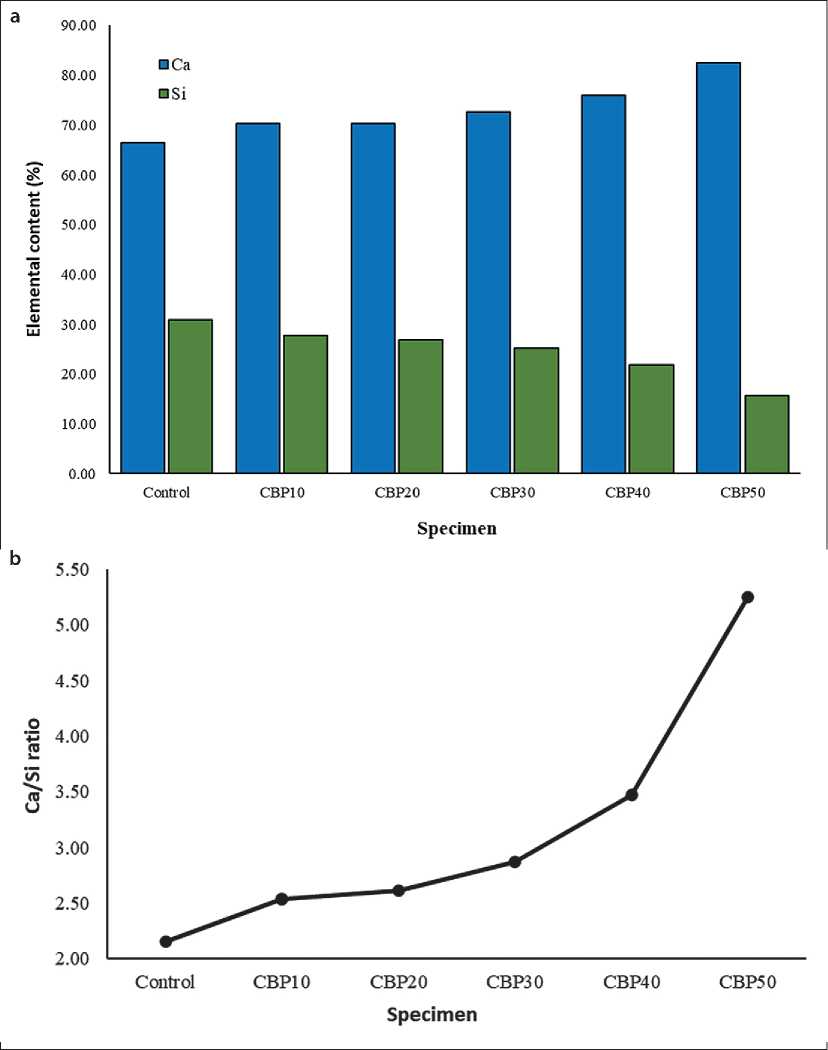
Fig. 3. EDS analysis of cement paste specimens: a – elemental composition of Ca and Si; b – corresponding Ca/Si ratio
from CBP20 to CBP40, and the highest value occurs at CBP50. The increase in Ca/Si ratio indicates a higher relative Ca content within the matrix. This trend suggests a change in the composition of Ca-bearing phases with increasing CBP content. The decrease in Si content further supports the shift in Ca/Si balance within the system.
The higher Ca/Si ratios at elevated CBP levels indicate a less Si-rich environment in the matrix. This condition suggests a modification in the distribution of hydration products, which is consistent with the heterogeneous microstructure observed in SEM. The variation in Ca distribution observed in mapping also supports this trend.
Thermogravimetric Analysis
Three distinct mass loss regions correspond to the decomposition of major hydration products. Figure 4 shows the TGA curves of cement paste specimens with different CBP replacement levels. At low temperatures (50–120 °C), mass loss relates to the removal of free and
Nanotechnologies in construction
Нанотехнологии в строительстве
2026; 18 (3): 393–406
Nanob
EFFICIENT USE OF RECYCLED RESOURCES
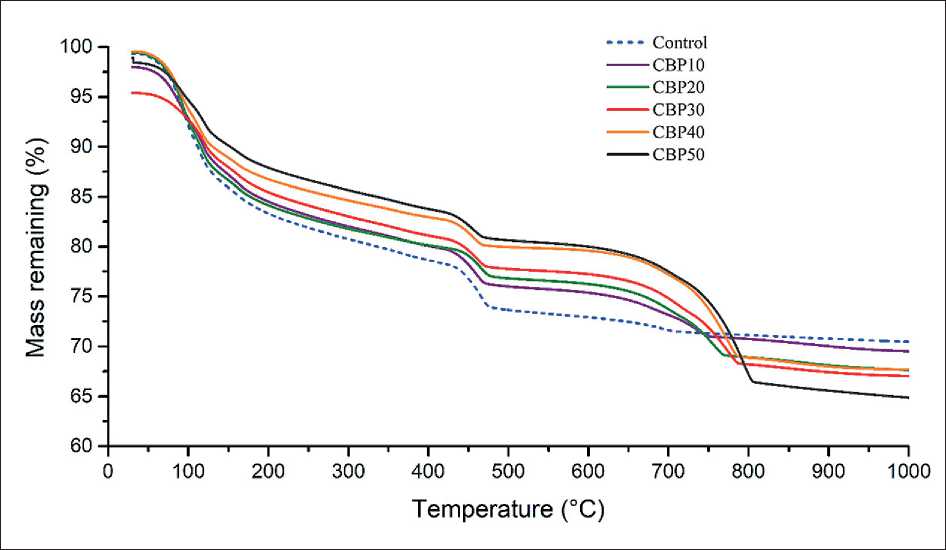
Fig. 4. TGA curves of cement paste specimens with different CBP replacement levels
physically bound water. The values are 18.68%, 16.15%, 17.91%, 13.49%, 15.82%, and 13.13% for Control, CBP10, CBP20, CBP30, CBP40, and CBP50, respectively. The mass loss generally decreases with increasing CBP content, and this trend indicates a reduction in physically bound water.
At intermediate temperatures (420–480 °C), mass loss corresponds to the decomposition of calcium hydroxide (CH). The measured values are 7.41%, 6.30%, 5.02%, 4.42%, 3.98%, and 5.33% from Control to CBP50. The mass loss decreases from Control to CBP40, and this trend indicates a reduction in CH content. A slight increase appears at CBP50, and this change suggests additional contributions from Ca-bearing phases at higher CBP levels. At higher temperatures (700–780 °C), mass loss corresponds to the decomposition of calcium carbonate (CaCO3). The values increase from 2.80% in the Control to 15.06% in CBP50. This continuous increase indicates a higher contribution of carbonate phases with increasing CBP content.
Distinct peaks appear in the DTG curves within the same temperature ranges, as shown in Figure 5. Peak positions remain nearly unchanged across all mixtures, and this behavior indicates that the main thermal decomposition mechanisms remain consistent. Peak intensities vary with CBP content. The CH-related peak decreases from Control to CBP40 and slightly increases at CBP50, while the CaCO3-related peak increases with CBP content. The TGA and DTG results indicate that CBP modifies the phase composition of the cement paste. The reduction in
CH and the increase in carbonate phases reflect changes in hydration and chemical equilibrium, and these changes are consistent with the observed microstructural evolution.
Vickers Hardness
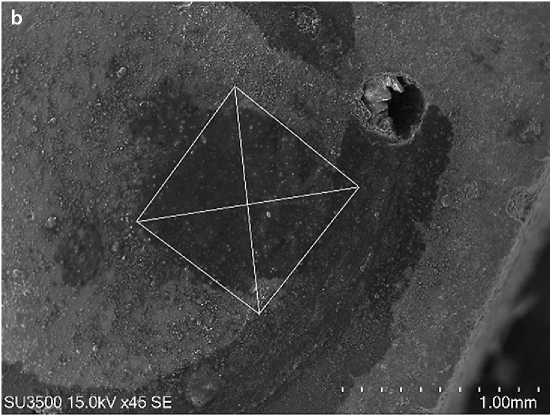
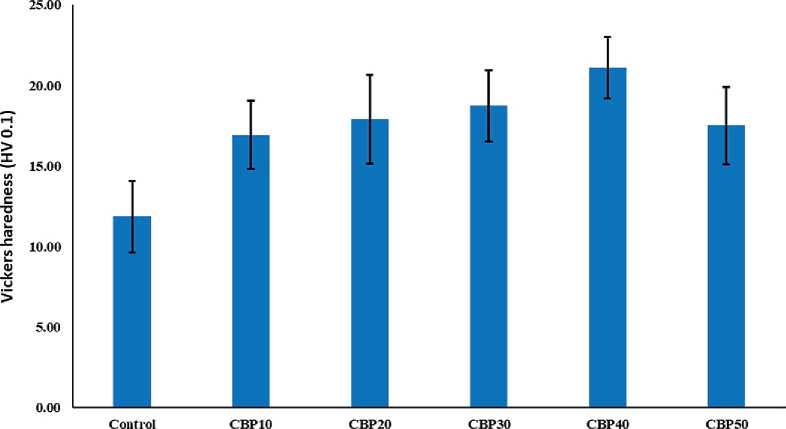
The indentation morphology shows clear Vickers impressions on the specimen surface. Figure 6 shows the optical and SEM images of the indentation marks. The indentation geometry is well defined, and this feature reflects the resistance of the microstructure to indentation. The Vickers hardness increases with CBP incorporation up to an optimum level and then decreases at higher replacement. Figure 7 shows the corresponding hardness values.
The Control specimen shows a hardness of 11.86 HV. The hardness increases to 16.93, 17.90, and 18.73 HV for CBP10, CBP20, and CBP30, respectively. The maximum value appears at CBP40 with 21.09 HV. The hardness then decreases to 17.51 HV at CBP50. The standard deviation ranges from 1.90 to 2.74 based on 10 indentation points per specimen, and this range indicates consistent measurements. The increase in hardness from CBP10 to CBP40 indicates improved microstructure. CBP particles act as fillers and enhance particle packing. This effect reduces internal voids and produces a denser matrix. The denser matrix increases resistance to indentation.
The highest hardness at CBP40 indicates an optimum condition. The balance between filler effect and cement
Nanotechnologies in construction
Нанотехнологии в строительстве
2026; 18 (3): 393–406
Nanob
EFFICIENT USE OF RECYCLED RESOURCES
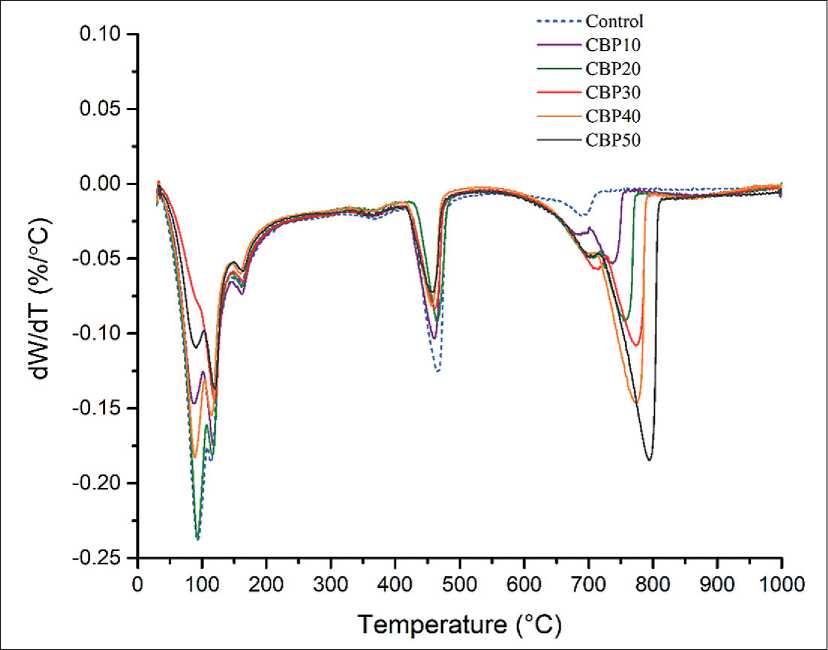
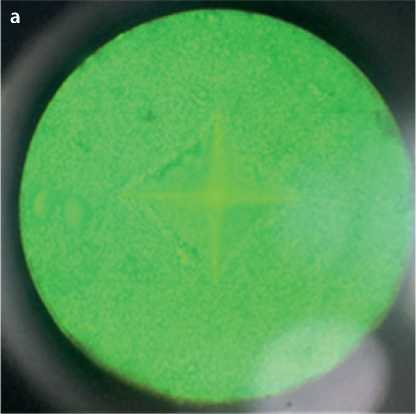
Fig. 6. Vickers indentation of cement paste specimens: a – optical image; b – SEM image on the specimen surface
Fig. 5. DTG curves of cement paste specimens with different CBP replacement levels
content is achieved at this level. The decrease at CBP50 indicates excessive cement replacement. This condition reduces reactive cement and produces a less continuous microstructure. The results indicate an optimum CBP content in the cement paste system. The CBP40 mixture shows the highest hardness and the densest structure.
DISCUSSION
CBP incorporation modifies phase composition and microstructure in cement paste. TGA results show a reduction in CH and an increase in CaCO₃ with increasing CBP content. EDS results show a continuous increase
Nanotechnologies in construction
Нанотехнологии в строительстве
2026; 18 (3): 393–406
Nanob
EFFICIENT USE OF RECYCLED RESOURCES
Specimen
Fig. 7. Vickers hardness of cement paste specimens with different CBP contents
in the Ca/Si ratio, which indicates a higher relative Ca content in the matrix. The Ca/Si ratio increases from the Control to higher CBP levels and forms a Ca-rich condition. This trend becomes more evident at CBP50 and aligns with the observed changes in microstructure and mechanical performance. This behavior can be attributed to the nanostructured calcium carbonate of CBP, which provides reactive surfaces and promotes ion interaction during hydration, leading to modified phase formation and CH consumption [26, 27].
A higher Ca/Si ratio increases the contribution of Cabearing phases and shifts phase distribution. At elevated levels, a high Ca/Si ratio produces a more heterogeneous microstructure and reduces matrix continuity. Mapping results show that Ca distribution becomes more heterogeneous, while Si distribution remains relatively stable. CBP alters the balance of Ca-bearing phases and redistributes hydration products. These changes govern microstructural development and mechanical performance. The increase in Ca/Si ratio reflects structure-dependent ion interaction at the micro- and nanoscale, where the CBP architecture controls local chemical environments and governs the evolution of C–S–H composition [28, 29].
SEM observations show a transition from a dense and continuous matrix in the Control to a more heterogeneous structure at higher CBP contents. Hardness increases at low to moderate CBP levels and decreases at higher replacement levels. CBP controls matrix packing and continuity. The increase in hardness at lower CBP contents corresponds to a denser structure, while the decrease at higher CBP contents reflects reduced matrix continuity. These trends follow changes in the Ca/Si ratio at different CBP levels. Results from SEM, mapping, EDS, and TGA show consistent trends and confirm the progressive effect of CBP on phase composition and microstructural development. These observations highlight the role of Ca/Si balance in governing phase evolution, microstructure, and mechanical response in CBP-modified systems. This structure–property relationship originates from nucleation and growth processes controlled by the nanostructured CBP surface, which regulates hydration product distribution and matrix continuity at different replacement levels [28].
CONCLUSION
CBP modifies phase composition, Ca/Si balance, and microstructure in cement paste. TGA results show a reduction in CH and an increase in CaCO₃, which indicate a shift in hydration behavior. EDS results confirm an increase in the Ca/Si ratio and the formation of a Ca-rich condition. SEM observations reveal a transition from a dense matrix to a more heterogeneous structure with increasing CBP content. Hardness increases at moderate CBP levels and decreases at higher replacement levels, which reflects changes in matrix continuity and packing.
These effects originate from the porous and hierarchical structure of CBP, which acts as a nanostructured calcium carbonate system. This structure provides reactive surfaces and promotes ion interaction during hydration, which governs phase evolution and microstructural development. The results establish a clear structure–property relationship, where CBP controls hydration processes, phase distribution, and mechanical response in cementitious systems.
Nanotechnologies in construction
Нанотехнологии в строительстве
EFFICIENT USE OF RECYCLED RESOURCES
2026; 18 (3): 393–406
Nanob
